

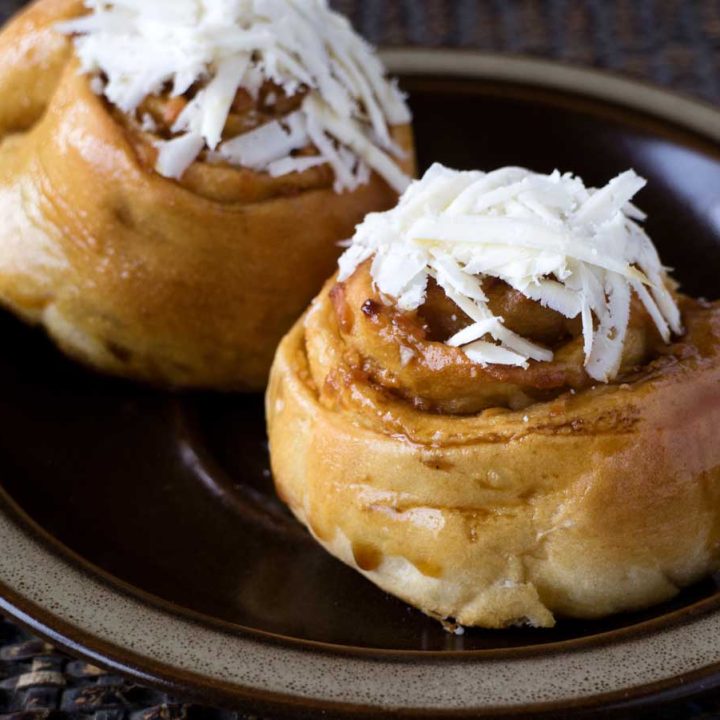
Golfeados are Venezuelan sweet rolls filled with papelón, anise and salty white cheese, then brushed with a glossy syrup. Their sweet and savory flavor makes them a favorite with coffee for breakfast or an afternoon snack.
Golfeados at a Glance
Explore more Venezuelan desserts and our guide to Latin American and Spanish cakes and pastries. Papelón is the unrefined cane sugar used in the filling and glaze.
What Are Golfeados?
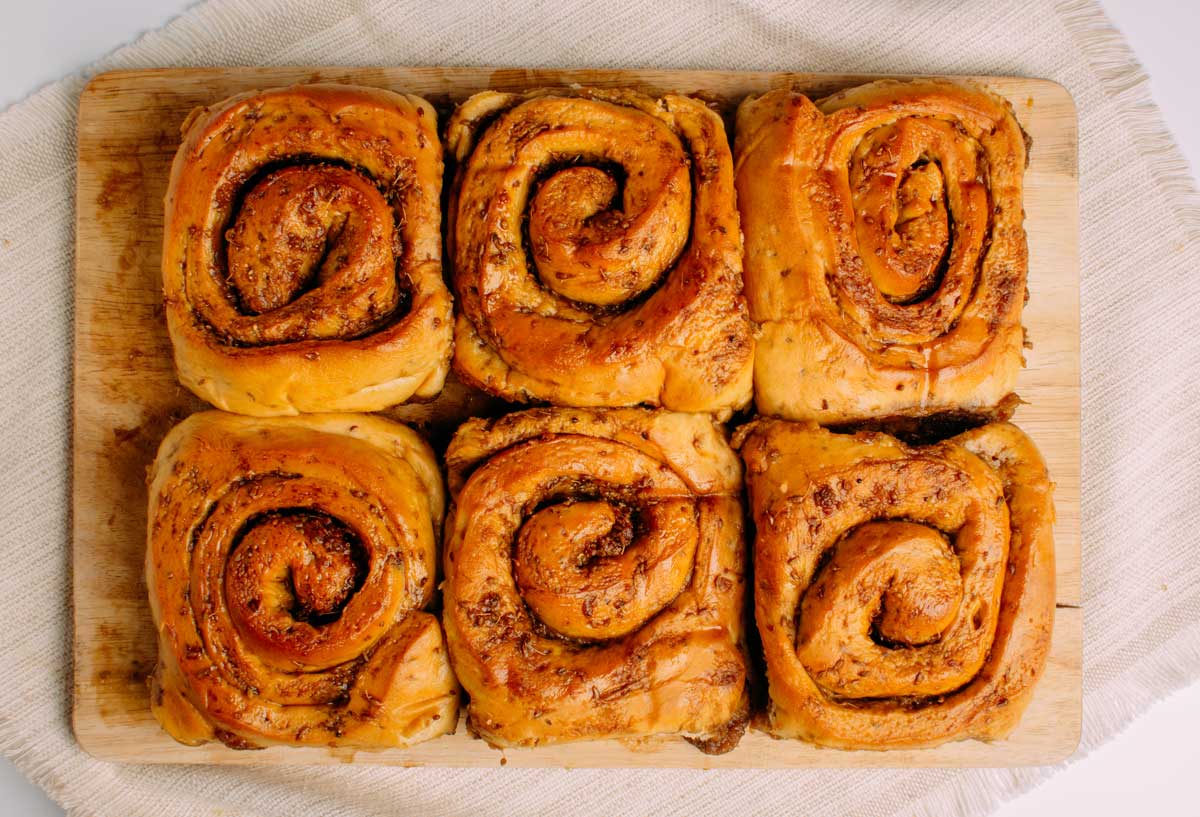
Golfeados are one of Venezuela’s most beloved pastries — soft, sticky rolls that perfectly balance sweet and savory flavors.
Often compared to cinnamon rolls, golfeados stand out thanks to their signature filling of papelón syrup (unrefined cane sugar), anise seeds, and salty white cheese, traditionally queso llanero.
When baked, the rolls turn golden, and the cheese melts into the dough, creating an irresistible mix of gooey sweetness and sharp saltiness.
These pastries are typically enjoyed as a breakfast or afternoon snack (merienda), paired with coffee, hot chocolate, or even a refreshing glass of chicha.
Found in Venezuelan bakeries (panaderías) and street stalls, golfeados are more than just a treat — they’re a cultural icon that represents the warmth and creativity of Venezuelan cuisine.
Traditional Ingredients for Venezuelan Golfeados
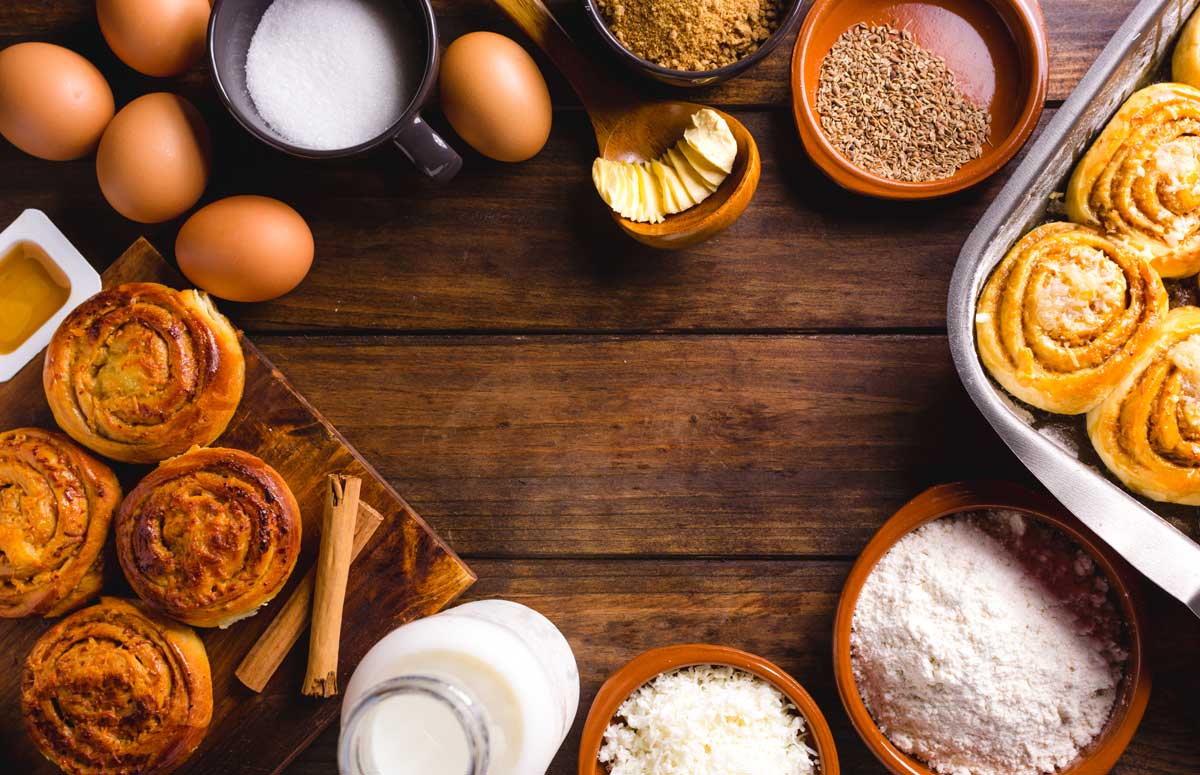
The magic of authentic golfeados lies in their simple yet flavorful ingredients.
Each component adds to the pastry’s unique sweet-savory balance, making them stand apart from other baked goods.
Here are the essentials you’ll need to create true Venezuelan golfeados:
-
Wheat Flour – The base of the dough, giving golfeados their soft, pillowy texture.
-
Yeast – Essential for the fluffy rise and light structure of the rolls.
-
Butter – Adds richness and tenderness to the dough.
-
Anise Seeds – Infuse a subtle licorice-like aroma, a signature flavor in golfeados.
-
Papelón (Raw Cane Sugar) – Traditionally grated or melted into syrup, papelón provides deep caramel sweetness and stickiness.
-
Queso Llanero (Salty White Cheese) – A firm Venezuelan cheese that balances the sweetness with a bold, salty bite. When unavailable, queso blanco or feta are common substitutes.
-
Cinnamon and Spices – A touch of cinnamon is often added for warmth and fragrance.
-
Eggs and Milk – Used to enrich the dough and help achieve a soft, golden finish.
-
Glaze (Papelón Syrup) – Brushed on after baking to give the rolls their shiny, sticky coating.
These ingredients come together to create a pastry that is sweet, salty, aromatic, and irresistibly sticky — a true reflection of Venezuelan baking tradition.
Authentic Golfeados Recipe
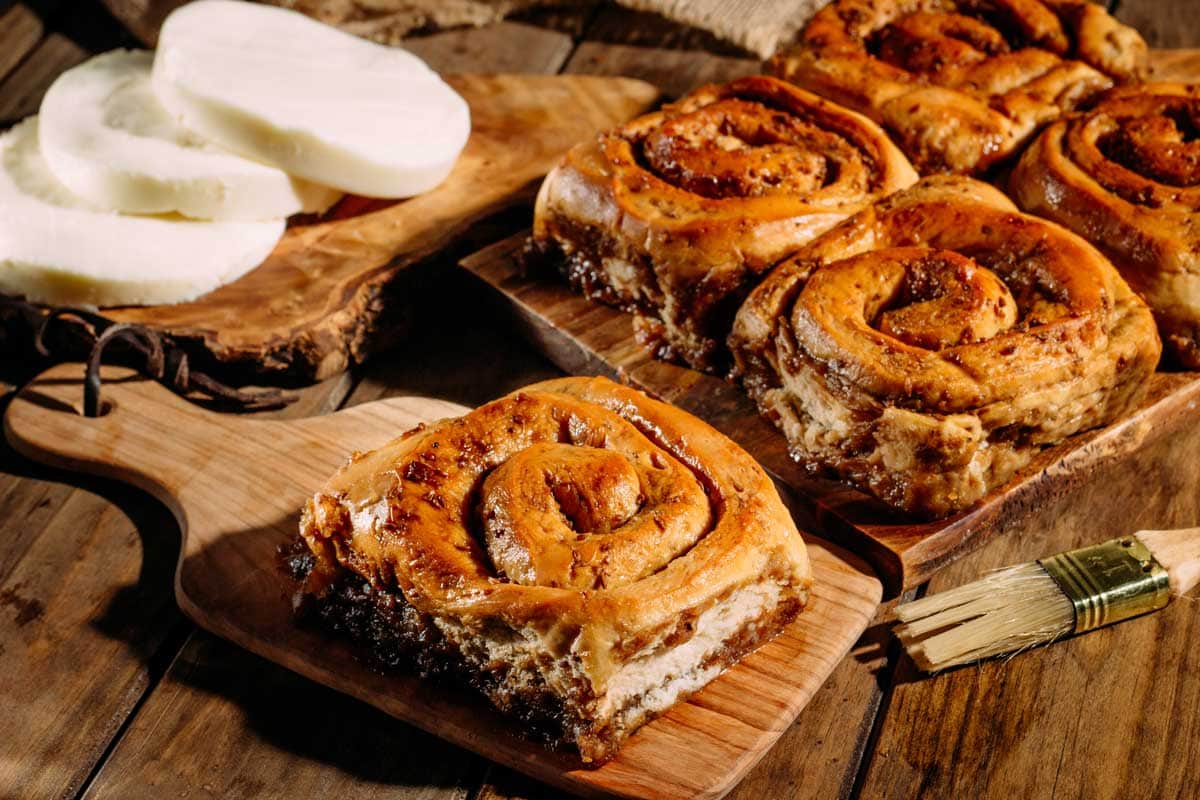
Ingredients
For the Dough
- 4 cups (480 g) all-purpose flour, spooned and leveled, plus a little for rolling
- 2¼ tsp (7 g; 1 packet) active dry yeast
- 1 cup (240 ml) warm milk, plus a little if needed
- ¼ cup sugar
- 2 large eggs
- 4 tbsp unsalted butter, melted and cooled, plus a little for greasing
- ½ tsp salt
For the Filling
- 1 cup finely grated papelón (or packed dark brown sugar)
- 1½ cups grated queso llanero (or crumbled feta or a firm salty queso blanco)
- 1 tbsp anise seeds
- 1 tsp ground cinnamon
- 2 tbsp melted butter
For the Glaze
- ½ cup finely grated papelón (or packed brown sugar)
- ½ cup water
- 1 tbsp butter
Instructions
- Stir the yeast and a teaspoon of the measured sugar into the warm milk (about 105–110°F/40–43°C). Leave 5–10 minutes until foamy.
- Combine the flour, salt and remaining sugar. Mix in the yeast mixture, eggs and cooled melted butter. Knead 8–10 minutes until smooth, elastic and slightly tacky; if dry, add milk a teaspoon at a time. Avoid adding excessive flour. Cover in a lightly greased bowl and let rise until doubled, about 1–1½ hours depending on room temperature.
- Mix the filling papelón, cheese, anise and cinnamon. Roll the risen dough on a lightly floured surface into a rectangle about ¼ inch thick. Brush with the 2 tablespoons melted butter and spread the filling evenly, leaving a small border.
- Roll up from a long edge and slice into 12 equal rolls. Place with space between them in a greased large rimmed baking pan. Cover and let rise until noticeably puffy, about 30–45 minutes. Meanwhile, preheat the oven to 375°F (190°C).
- Bake 20–25 minutes, until golden and the center rolls are baked through. While they bake, simmer the glaze ingredients in a small saucepan until the sugar dissolves and the liquid lightly coats a spoon; it should stay pourable.
- Brush the hot rolls with the warm syrup. Let cool about 10 minutes before serving. Enjoy warm, with extra cheese if desired.
Timing is approximate: allow about 3 hours, including roughly 2 hours for rising and 10 minutes cooling; a cool room can take longer. Follow the dough’s appearance rather than the clock.
Queso llanero gives the traditional salty flavor. Feta, firm salty queso blanco, or a feta/mozzarella blend are adaptations with a different texture. Brown sugar can replace papelón but changes its flavor. This enriched egg-and-milk dough is not vegan or gluten-free.
Refrigerate cooled leftovers in an airtight container and rewarm gently before serving.
Tips for Making Perfect Golfeados at Home
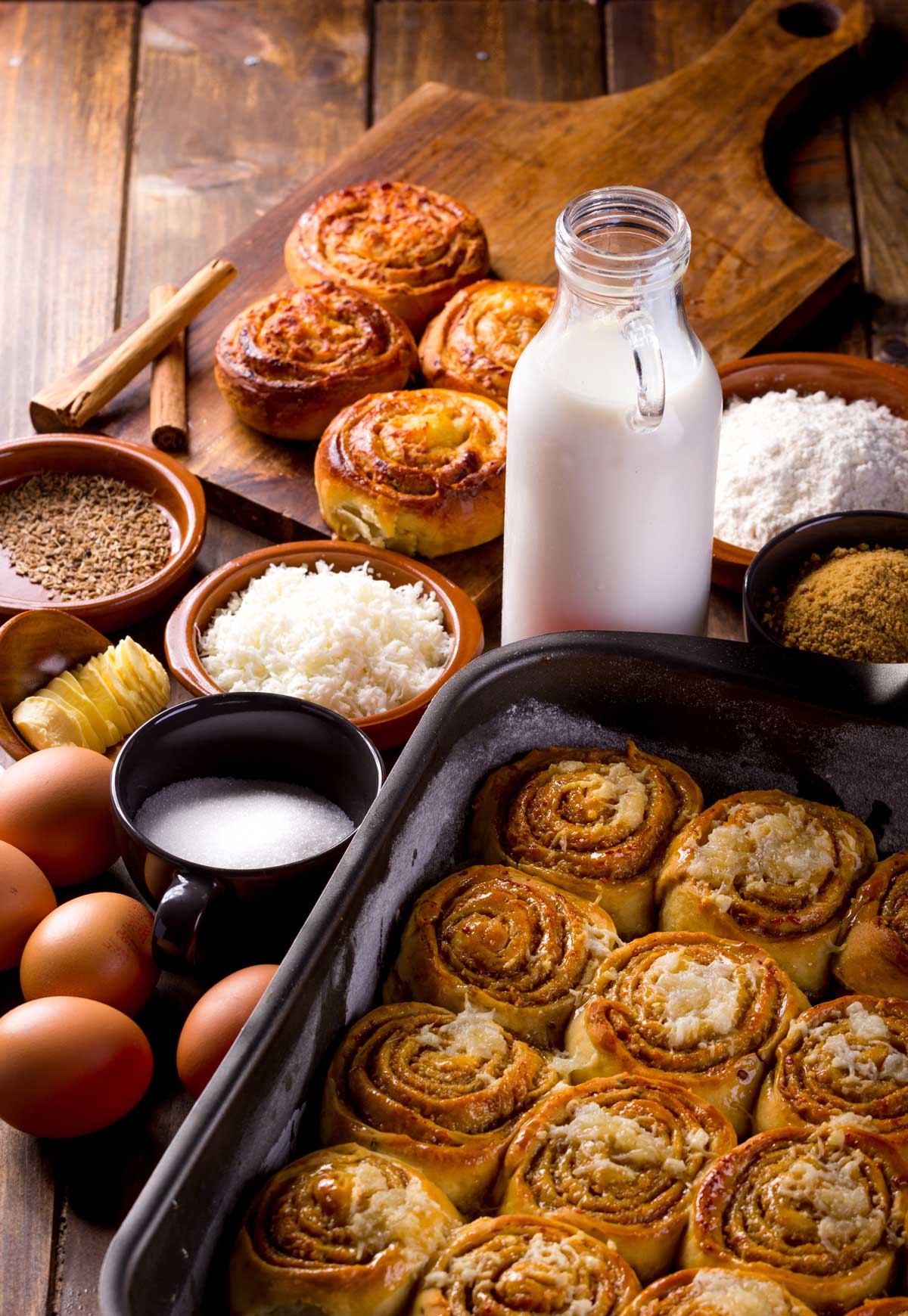
Baking golfeados at home is a rewarding experience, but achieving that authentic sweet-and-savory flavor takes a few tricks.
Here are some tips to ensure your golfeados come out soft, sticky, and delicious every time:
-
Choose the Right Cheese
-
Traditional queso llanero is hard to find outside Venezuela. A good substitute is a mix of feta (for saltiness) and mozzarella (for melt). This combination gives you that signature sweet-salty balance.
-
-
Use Papelón for Authentic Flavor
-
Papelón (unrefined cane sugar) is what makes golfeados unique. If unavailable, use dark brown sugar or piloncillo, but papelón delivers the richest caramel notes.
-
-
Don’t Skip the Anise
-
Anise seeds provide a subtle licorice aroma that sets golfeados apart from other sweet rolls. Lightly toast the seeds before adding them for a deeper flavor.
-
-
Roll the Dough Evenly
-
Roll out your dough into a uniform rectangle before filling. This ensures even baking and neatly shaped rolls once you slice them.
-
-
Generous Glazing is Key
-
Brush the papelón syrup onto the rolls as soon as they come out of the oven. The hot rolls absorb the syrup, giving golfeados their iconic sticky, glossy finish.
-
-
Let Them Rest Before Serving
-
Although tempting, wait a few minutes before eating. This helps the cheese set slightly and prevents burns while still enjoying them warm.
-
-
Store and Reheat Properly
-
Refrigerate cooled leftovers in an airtight container. Rewarm gently in a low oven until soft and warm throughout.
-
With these tips, your homemade golfeados will be just as irresistible as those found in Caracas bakeries!
History and Origins of the Venezuelan Treat
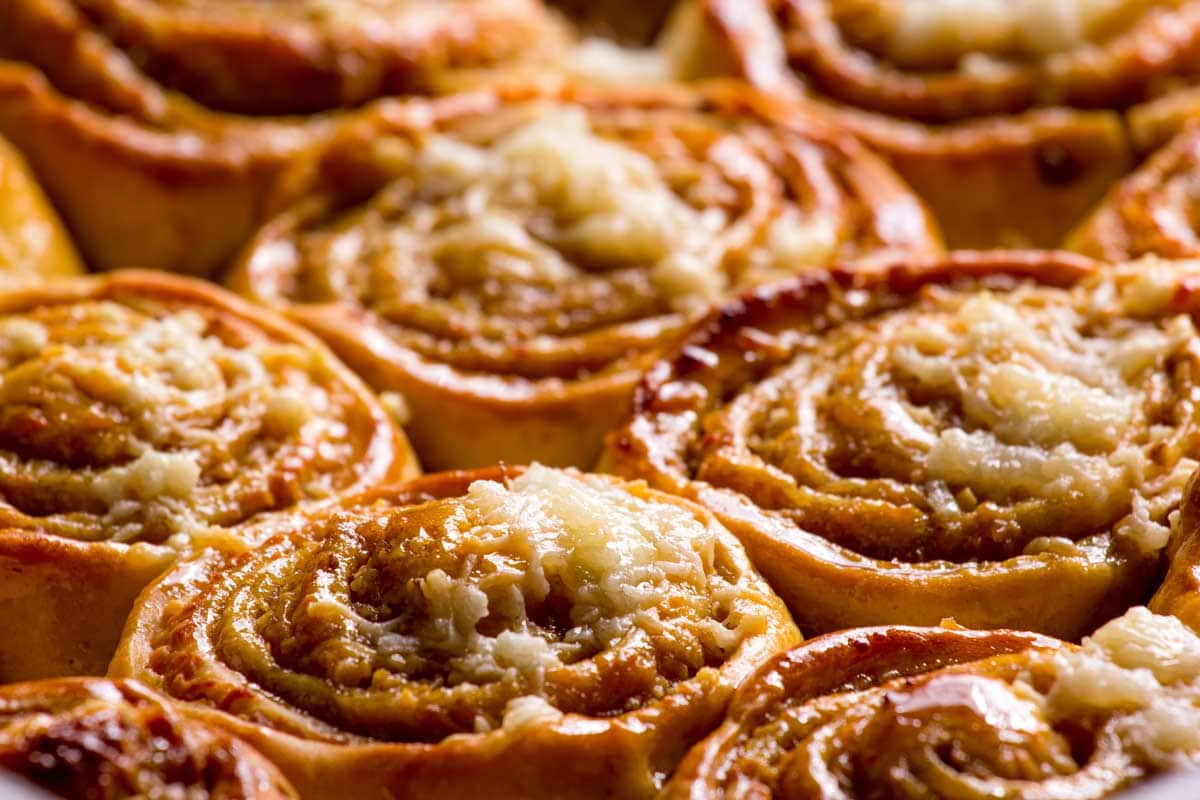
The story of golfeados begins in Caracas, Venezuela, where these sticky sweet rolls first gained popularity in the mid-20th century.
Inspired by European-style pastries, local bakers added a Venezuelan twist by incorporating papelón (unrefined cane sugar), anise seeds, and salty white cheese.
This unique blend of flavors transformed what could have been a simple sweet roll into a pastry unlike any other in Latin America.
Golfeados became especially popular in the Andean region and the capital city, where panaderías (bakeries) turned them into a staple of everyday life.
Their sweet-and-savory contrast captured the essence of Venezuelan cuisine — a constant interplay between bold, rustic flavors and comforting homemade traditions.
Over time, golfeados grew beyond Caracas bakeries and street vendors to become a national treasure, often enjoyed with hot chocolate, coffee, or a cold glass of chicha.
Today, they symbolize more than just a pastry: they represent Venezuelan creativity, resilience, and the country’s love for sharing food that brings people together.
Even outside Venezuela, golfeados are finding fans in Venezuelan communities abroad, from Miami to Madrid, where bakeries continue to honor this culinary legacy.
Golfeados in Venezuelan Food Culture

Golfeados are much more than a pastry — they are a symbol of Venezuelan identity and hospitality.
Found in every corner of the country, from bustling Caracas bakeries to small-town panaderías, these sweet-and-savory rolls hold a special place in daily life and family traditions.
-
A Beloved Breakfast and Merienda
Venezuelans often enjoy golfeados in the morning with a strong cup of coffee or in the late afternoon as a merienda (snack). Their sticky sweetness and salty cheese filling make them a comforting pick-me-up any time of day. -
Paired with Traditional Drinks
The classic way to savor golfeados is with a frothy cup of hot chocolate or a refreshing glass of chicha criolla. This pairing balances the rich flavors of the rolls with a creamy, satisfying drink. -
Street Food and Bakeries
While bakeries (panaderías) are the main place to buy golfeados, they’re also sold by street vendors near schools, plazas, and bus stops. Their affordability and portability helped make them a true people’s pastry. -
Cultural Symbolism
Golfeados embody the fusion of flavors in Venezuelan cuisine — sweet, savory, rustic, and refined all at once. Sharing golfeados with family or friends is a tradition that reflects the warmth and generosity of Venezuelan culture. -
A Taste of Home Abroad
For Venezuelan emigrants, finding golfeados in bakeries overseas (in Miami, Madrid, Bogotá, and beyond) is a nostalgic reminder of home. They’ve become a way to preserve cultural heritage and connect new generations to Venezuela’s culinary roots.
Golfeados aren’t just food — they are a cultural experience, carrying the comfort of tradition and the joy of togetherness in every bite.
Where to Try Golfeados in Venezuela and Beyond
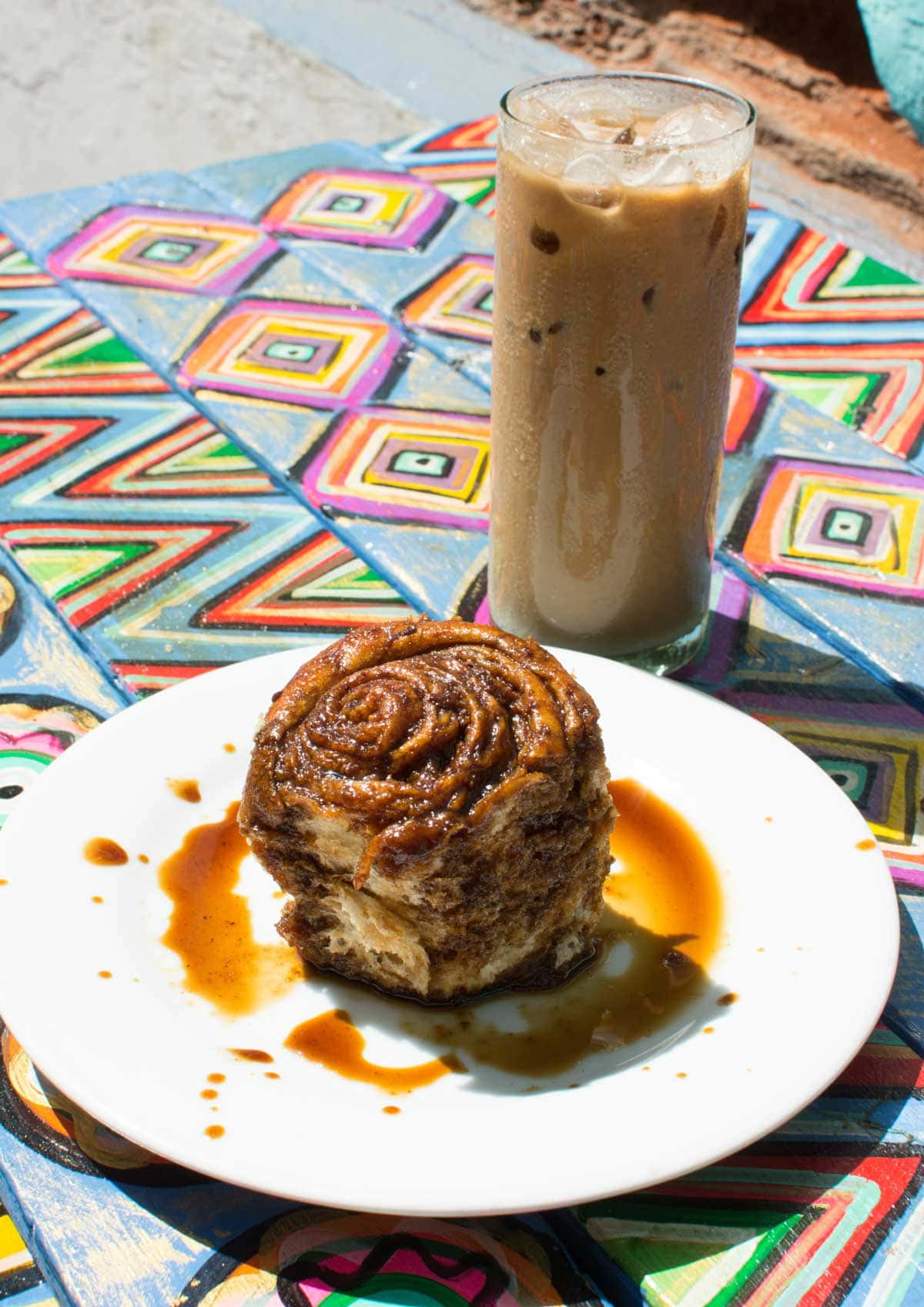
If you want to taste authentic golfeados, the best place to start is Venezuela itself, where they are woven into the daily fabric of food culture.
Whether in a bustling Caracas bakery or a neighborhood panadería, you’ll find these sticky, cheesy rolls fresh from the oven, ready to be paired with coffee or hot chocolate.
-
In Caracas
The capital is home to some of the most famous golfeados. Bakeries like Panadería La Flor de Altamira and traditional street vendors near El Ávila offer warm, freshly baked rolls that locals swear by. -
Across Venezuela
Golfeados can be found in nearly every town, from Andean highland bakeries to coastal street stalls. In small towns, it’s common to find vendors selling them in the afternoons, often alongside cachitos and pan de jamón. -
Venezuelan Communities Abroad
As Venezuelans have migrated, they’ve brought their beloved golfeados with them. In Miami, Orlando, Houston, and New York, you’ll find Venezuelan bakeries and cafés offering golfeados that taste just like home. Popular spots include Don Pan in Florida and independent bakeries run by Venezuelan families. -
In Europe and Latin America
Cities like Madrid, Barcelona, Bogotá, and Santiago also boast bakeries that serve golfeados, often alongside other Venezuelan classics like arepas and tequeños. For many Venezuelans abroad, these bakeries serve as both cultural hubs and comfort food destinations. -
Homemade and Online Recipes
If you can’t find golfeados nearby, making them at home is the next best thing. With papelón, anise, and cheese substitutes, you can recreate the taste of Venezuela in your own kitchen. Some Venezuelan bakeries abroad also offer delivery or frozen golfeados, making it easier than ever to enjoy them anywhere in the world.
Whether you’re in Caracas, Miami, or Madrid, golfeados remain a true taste of Venezuela — sticky, cheesy, and unforgettable.
Variations and Creative Twists
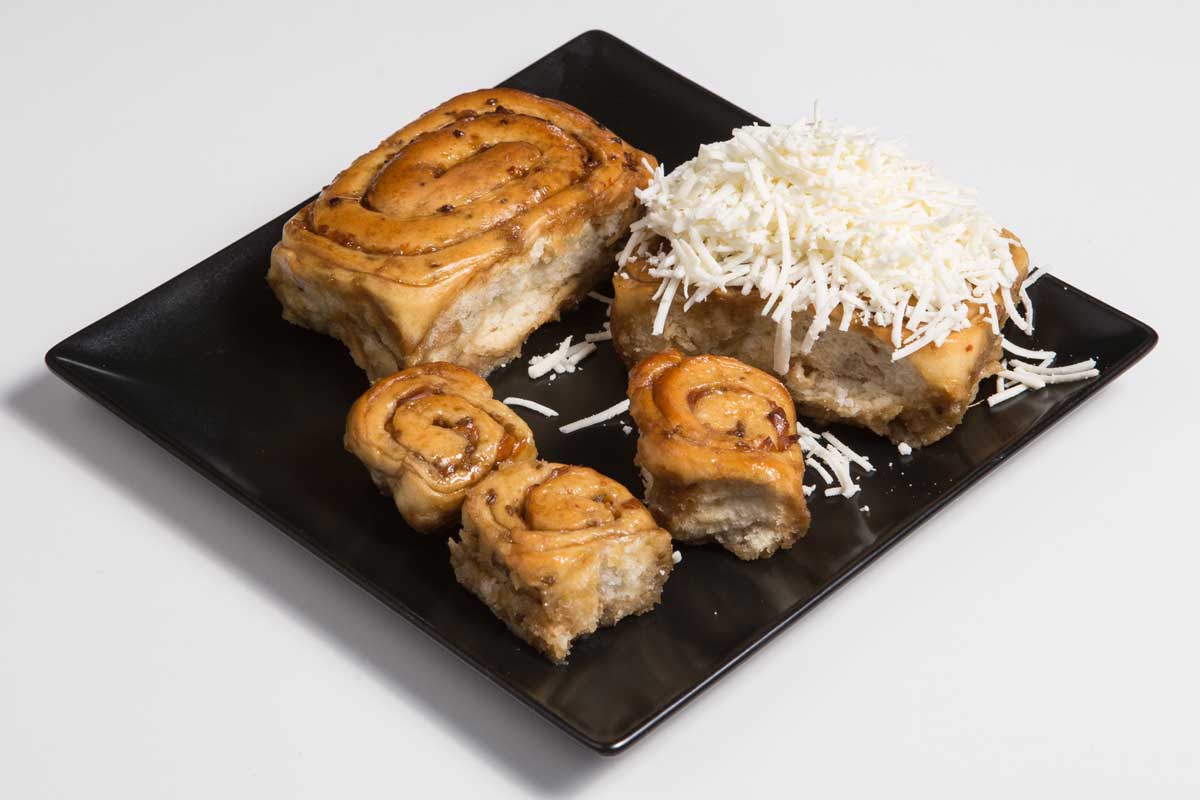
While traditional golfeados are made with papelón, anise, and salty white cheese, bakers and home cooks have come up with exciting variations that give this Venezuelan classic a modern spin.
These creative twists keep the spirit of golfeados alive while introducing new flavors and textures.
-
Chocolate-Filled Golfeados
Adding cocoa powder or a layer of melted chocolate inside the dough creates a decadent dessert version, perfect for chocolate lovers. -
Nutella or Dulce de Leche Golfeados
A sweet twist where the filling includes Nutella or arequipe (dulce de leche), giving a creamy, caramel-like finish. -
Mini Golfeados
Bite-sized versions ideal for parties, catering, or snacking. Easier to share and portion, but still sticky and cheesy. -
Vegan Golfeados
A vegan version needs an egg-free dough as well as plant-based butter, milk and cheese; use a recipe developed for those substitutions. -
Gluten-Free Golfeados
Gluten-free versions require a dough developed for gluten-free flour; it is not a direct swap in this wheat-based recipe. -
Cheese Variations
Some bakers experiment with different cheeses — from mozzarella for a milder melt to gouda for a smoky undertone. -
Fusion Golfeados
Creative bakers in cities like Miami and Madrid have begun incorporating international flavors such as pistachio cream, guava paste, or even savory herb blends.
These variations show that while the classic golfeado will always be the heart of Venezuelan baking, its adaptability ensures that it continues to evolve and delight taste buds across the globe.
Conclusion: Why Golfeados Are a Must-Try Venezuelan Dessert
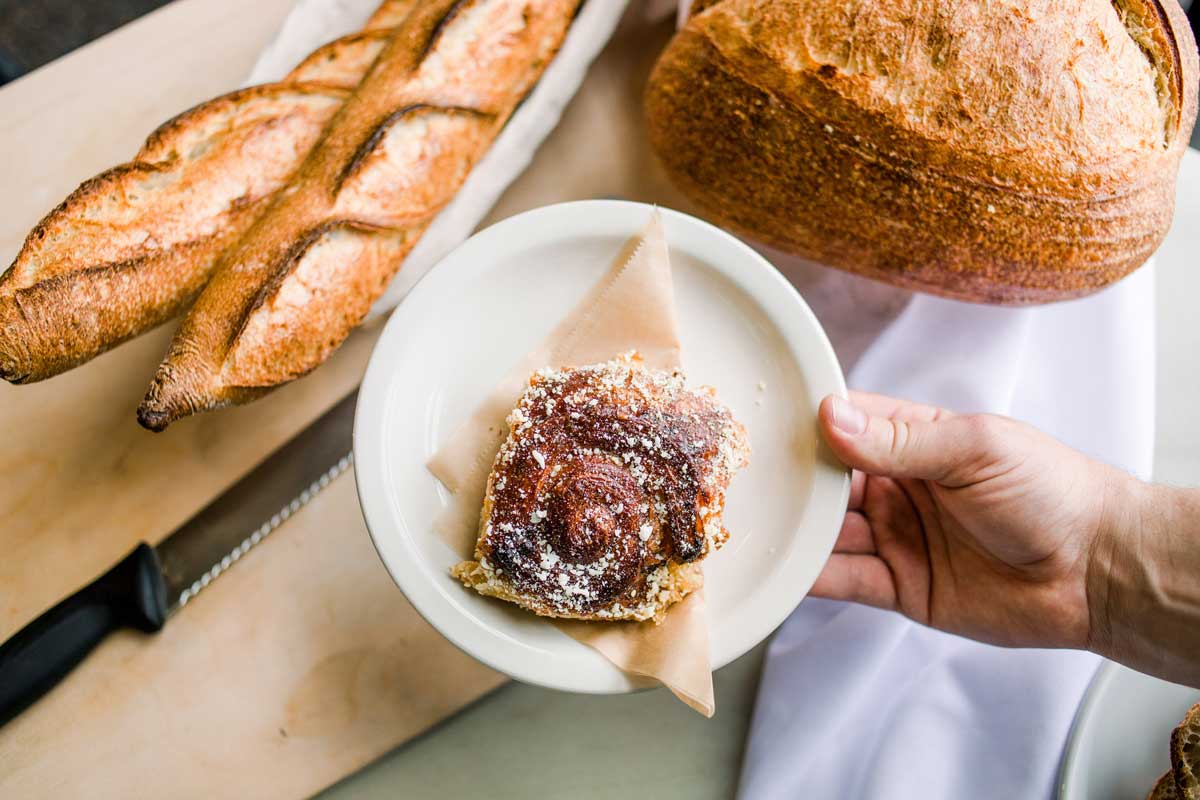
Golfeados are more than just sweet rolls — they are a culinary treasure of Venezuela, blending papelón syrup, anise, and salty cheese into a pastry that is sticky, soft, and unforgettable.
From their humble origins in Caracas bakeries to their growing popularity in Venezuelan communities abroad, golfeados represent the warmth, creativity, and cultural pride of Venezuelan food.
Whether you enjoy them fresh from a panadería, discover them in a Venezuelan café overseas, or bake them at home using our step-by-step recipe, golfeados will win you over with their perfect balance of sweet and savory.
If you’ve never tried them, now is the time — because once you taste golfeados, they’ll become a dessert you’ll crave again and again!
Golfeados Recipe
Golfeados are Venezuela’s beloved sweet-and-savory rolls made with papelón (unrefined cane sugar), anise seeds, and salty queso llanero. Sticky, golden, and full of flavor, these pastries are often compared to cinnamon rolls but with a unique cheesy twist. Perfect for breakfast, merienda (snack), or dessert, golfeados bring the taste of a Venezuelan panadería straight to your home.
Ingredients
For the Dough
- 4 cups (480 g) all-purpose flour, spooned and leveled, plus a little for rolling
- 2¼ tsp (7 g; 1 packet) active dry yeast
- 1 cup (240 ml) warm milk, plus a little if needed
- ¼ cup sugar
- 2 large eggs
- 4 tbsp unsalted butter, melted and cooled, plus a little for greasing
- ½ tsp salt
For the Filling
- 1 cup finely grated papelón (or packed dark brown sugar)
- 1½ cups grated queso llanero (or crumbled feta or a firm salty queso blanco)
- 1 tbsp anise seeds
- 1 tsp ground cinnamon
- 2 tbsp melted butter
For the Glaze
- ½ cup finely grated papelón (or packed brown sugar)
- ½ cup water
- 1 tbsp butter
Instructions
- Stir the yeast and a teaspoon of the measured sugar into the warm milk (about 105–110°F/40–43°C). Leave 5–10 minutes until foamy.
- Combine the flour, salt and remaining sugar. Mix in the yeast mixture, eggs and cooled melted butter. Knead 8–10 minutes until smooth, elastic and slightly tacky; if dry, add milk a teaspoon at a time. Avoid adding excessive flour. Cover in a lightly greased bowl and let rise until doubled, about 1–1½ hours depending on room temperature.
- Mix the filling papelón, cheese, anise and cinnamon. Roll the risen dough on a lightly floured surface into a rectangle about ¼ inch thick. Brush with the 2 tablespoons melted butter and spread the filling evenly, leaving a small border.
- Roll up from a long edge and slice into 12 equal rolls. Place with space between them in a greased large rimmed baking pan. Cover and let rise until noticeably puffy, about 30–45 minutes. Meanwhile, preheat the oven to 375°F (190°C).
- Bake 20–25 minutes, until golden and the center rolls are baked through. While they bake, simmer the glaze ingredients in a small saucepan until the sugar dissolves and the liquid lightly coats a spoon; it should stay pourable.
- Brush the hot rolls with the warm syrup. Let cool about 10 minutes before serving. Enjoy warm, with extra cheese if desired.
Notes
Timing is approximate: allow about 3 hours, including roughly 2 hours for rising and 10 minutes cooling; a cool room can take longer. Follow the dough’s appearance rather than the clock.
Queso llanero gives the traditional salty flavor. Feta, firm salty queso blanco, or a feta/mozzarella blend are adaptations with a different texture. Brown sugar can replace papelón but changes its flavor. This enriched egg-and-milk dough is not vegan or gluten-free.
Refrigerate cooled leftovers in an airtight container and rewarm gently before serving.
More Venezuelan Foods
See all →
Jorge Garcia is the founder of AmigoFoods, where he has spent over 20 years helping readers discover authentic Latin American and Spanish cuisine. Raised in a Cuban-American household, Jorge learned to cook at the hands of his mother and grandmother, carrying forward generations of family recipes. That heritage, backed by his family’s four-generation history in the Latin food industry, inspired him to launch AmigoFoods in 2003. With more than 1,000 published articles on recipes, ingredients, and food culture, Jorge’s mission is simple: make authentic Latin cooking approachable for home cooks everywhere while honoring the traditions behind every dish.