
On this page ⌄
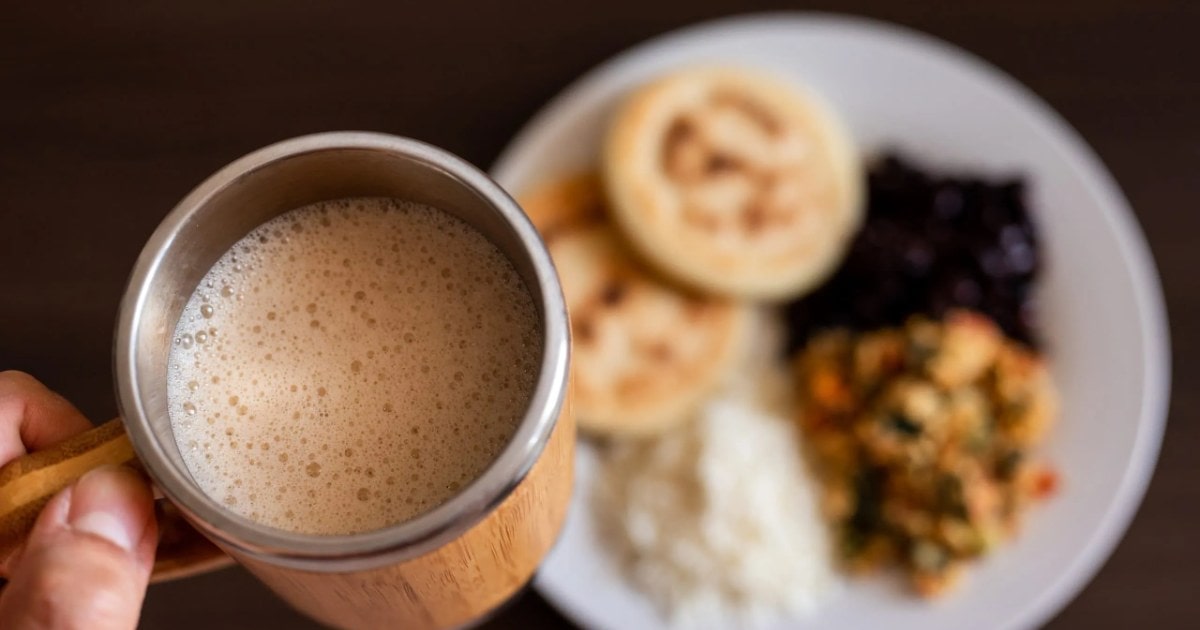
Venezuelan coffee is mostly mild, sweet arabica grown in the Andes and the northern coastal mountains. In Venezuela, it is usually drunk as a light black guayoyo at home or as a milky marrón at the bakery counter. It was once one of the world’s great coffee exports, and today it is rare outside the country.
Here is how it tastes, how to order it like a local, which brands to look for, and how to make a proper guayoyo at home.
Guayoyo at a Glance
AmigoFoods may earn a commission from qualifying Amazon purchases made through links on this page.
What Is Venezuelan Coffee?
The term covers two things: the beans grown in Venezuela, and the way Venezuelans drink coffee. Most coffee from the country is washed arabica grown in the mountains. Its highest export grade is called Lavado Fino, meaning “fine, washed.”
The drinking culture matters just as much. Venezuelans drink coffee all day, from a thermos at home to an espresso machine at the panadería. Street sellers have long walked the city carrying thermoses of sweet coffee. It is also part of a traditional Venezuelan breakfast.
What Does Venezuelan Coffee Taste Like?
Expect a soft, mild cup with gentle acidity and a natural sweetness. It is easy to drink black, and it holds up well with milk. Flavor shifts by region:
- Táchira: closest to Colombian coffee, with brighter acidity and medium body
- Mérida: mellow and sweetly pleasant, with fair to good body
- Trujillo: a classic Andean coffee, traditionally shipped through Maracaibo
- Lara and Portuguesa: major growing states on the Andes’ northern end
Where Is Coffee Grown in Venezuela?
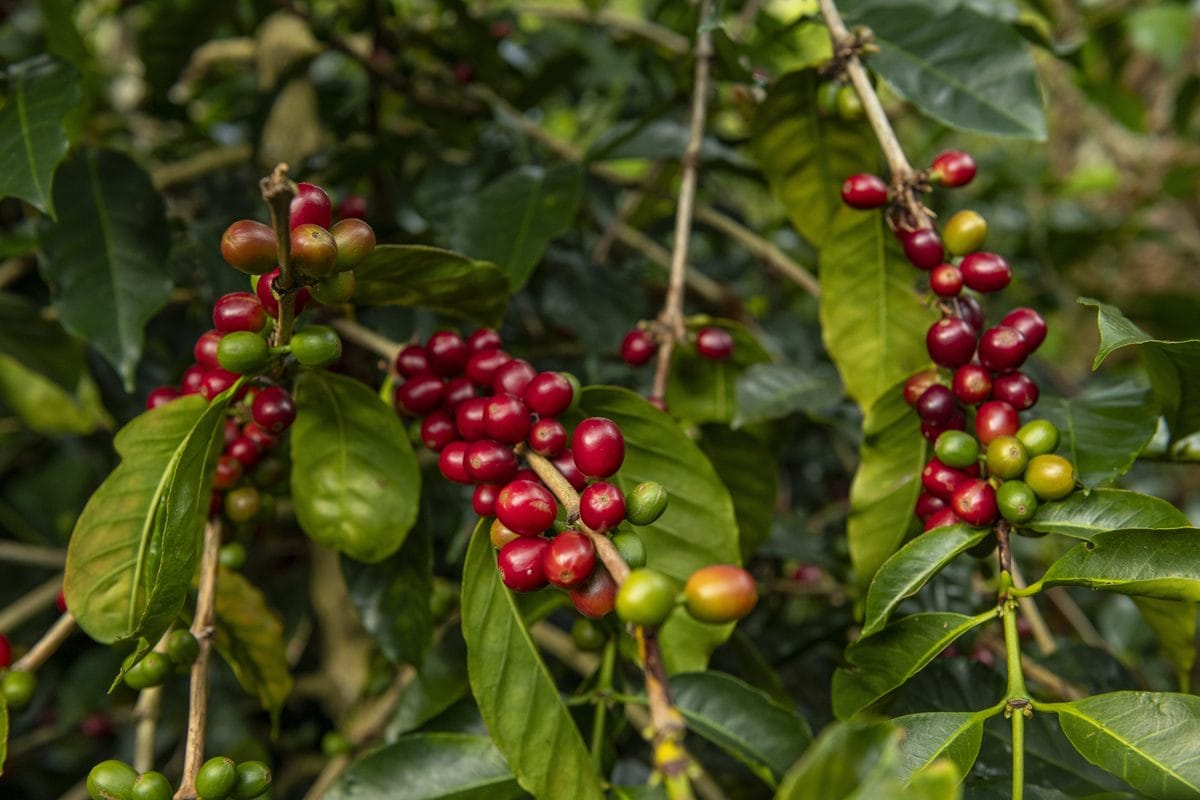
Two mountain ranges produce nearly all of it: the western Andes and the northern coastal range. The harvest runs from about September through January.
Older coffee traders grouped these beans by shipping port. Andean coffee was sold as “Maracaibos,” after the port on the lake, and coffee from the eastern mountains was known as “Caracas.”
How to Order Coffee in Venezuela
Skip the word “coffee.” In Venezuela, you just name the drink, and the name tells the barista how much milk you want. Add “-ito” to get a small one, as in marroncito.
| Ask for | What you get | Milk |
|---|---|---|
| Guayoyo | Light, filtered black coffee, usually a little sweet | None |
| Negrito | Small, strong black espresso-style coffee | None |
| Cerrero | Strong black coffee with no sugar | None |
| Corta’o | Strong black coffee with a splash of milk | A touch |
| Marrón oscuro | A dark marrón, about 70% coffee | About 30% |
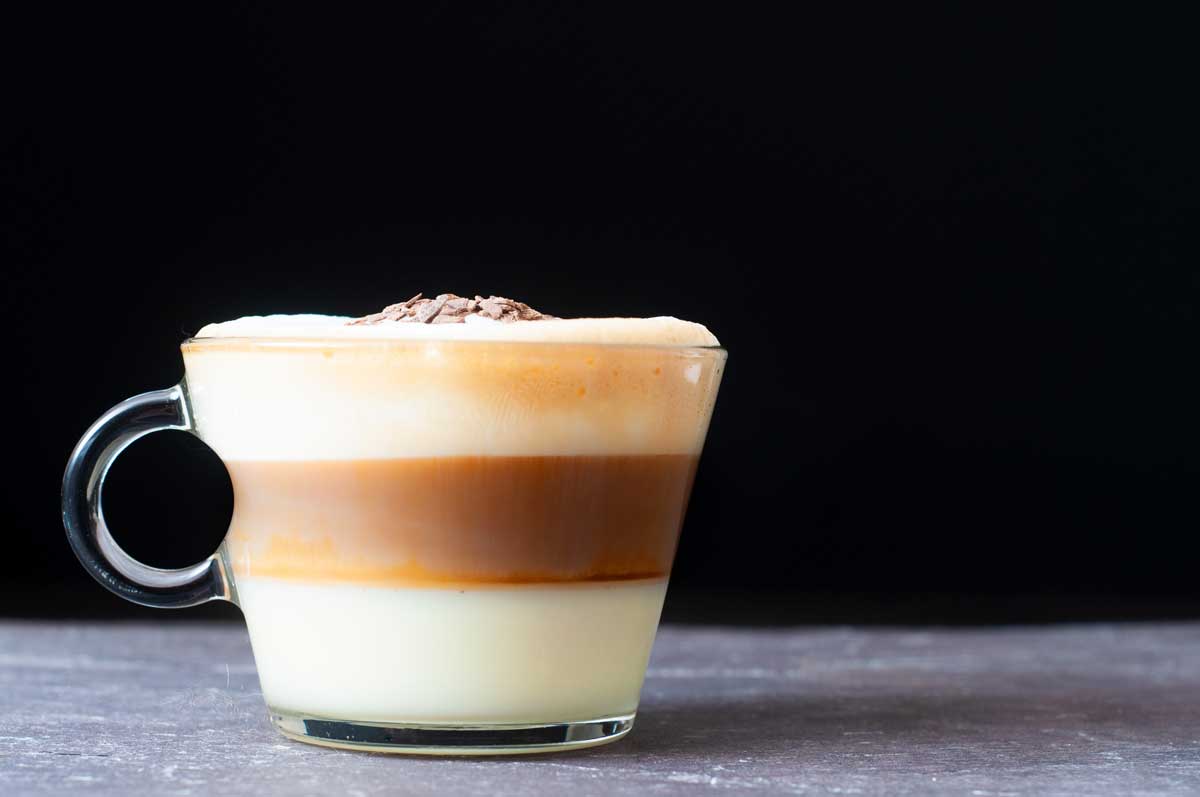
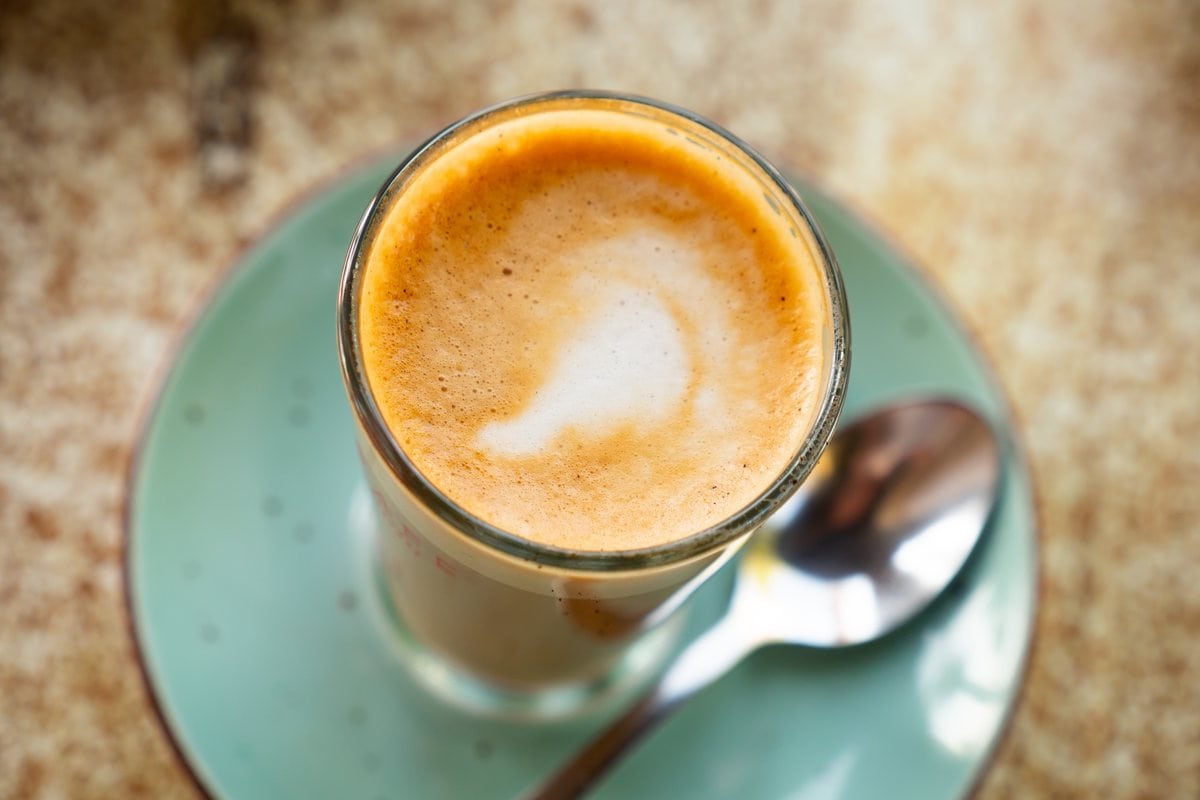
| Marrón | Equal parts coffee and milk, with no foam | About 50% |
| Marrón claro | A lighter marrón | About 60–70% |
| Con leche | Mostly milk, often with foam | About 75% |
| Tetero | Nearly all milk. The name means baby bottle. | About 90% |
What Is Guayoyo?
Guayoyo is Venezuela’s everyday black coffee. It is brewed with more water than espresso, usually through a cloth filter called a colador, so it comes out light and clean. Many homes sweeten it with papelón, the country’s raw cane sugar.
One common story says the word comes from an Indigenous term for dirty or stained water, a fair description of how pale it can look. In the Andes, some cooks simmer the water with cinnamon, clove and allspice first.

The method takes about 15 minutes, and the only real skill is pouring slowly. The full amounts are in the recipe card at the end of this article.
- Use a light ratio. Aim for about 60 g of coffee per quart of water. Go stronger if you prefer it “cerrero.”
- Let the water rest. Wait 30 seconds off the boil so it doesn’t scorch the grounds.
- Wet the grounds first. Moisten them and wait 30 seconds before the main pour.
- Pour in a thin stream. Take 3 to 4 minutes. A rushed pour tastes weak.
How to Make a Marrón at Home
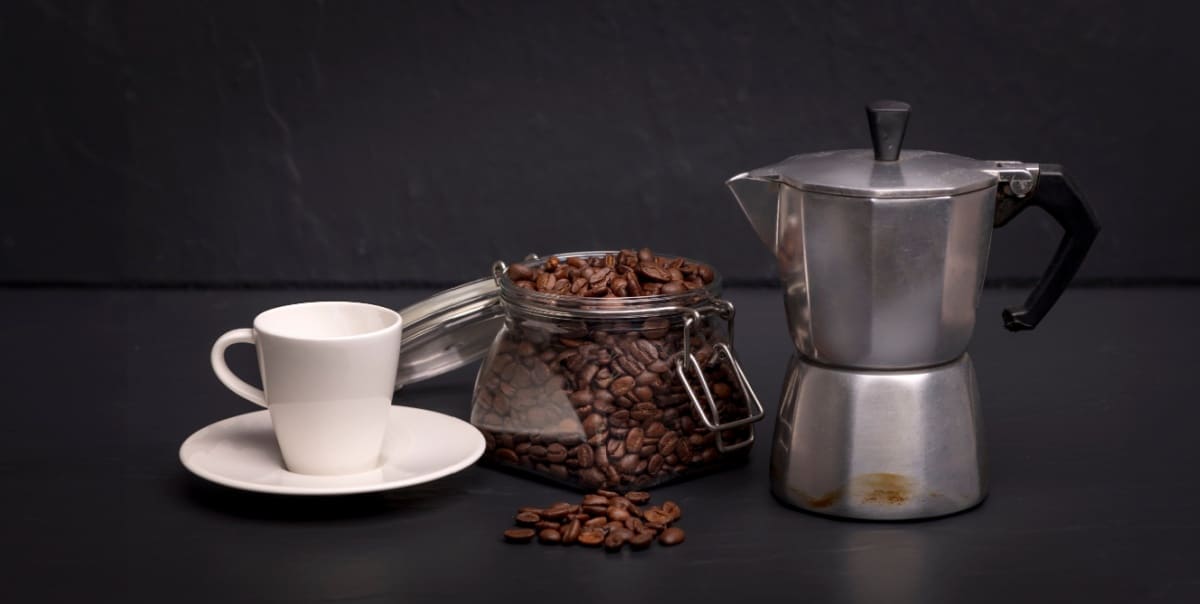
A bakery marrón starts with espresso, but a moka pot does the job at home. Brew strong coffee, heat an equal amount of whole milk until steaming, and combine. Keep the milk flat, with no foam, and sweeten if you like. Use three parts milk to one part coffee for a con leche.
For a look at how the Cuban version differs, see our guide to café con leche.
A Short History of Venezuelan Coffee
Coffee reached Venezuela in the 1700s. By one common account, Gervasio Rubio planted it on his Táchira estate in 1794. It boomed as cacao declined during the War of Independence, and in the 1830s Venezuela ranked as the world’s third-largest coffee exporter.
Coffee paid for roads and railways in the Andes, and it was still a pillar of the economy in 1919, when coffee and cacao made up 75% of exports. Oil then changed everything. Money and workers moved away from the farms.
The last few decades have been harder. Price limits arrived in 2003, the government took over the two largest roasters in 2009, and exports were later banned for a time. Growers have also faced leaf disease and shortages of fuel and fertilizer.
A specialty revival is now underway. A national coffee competition and auction began in the early 2020s, drawing international buyers to Caracas. Small importers and roasters are bringing farm-level Venezuelan lots to the US again.
Venezuelan Coffee Brands
The country has hundreds of labels, but these are the names you are most likely to hear:
- Fama de América: a household name, with roots in the 1800s
- Café Madrid: known for its yellow, red and brown pack
- Café Anzoátegui: a long-running regional brand
- Páramo Café: a Venezuelan coffee shop chain
Grocery brands tend toward darker roasts that stand up to milk and sugar. If you want to taste single-farm character, look for a specialty roaster selling a named Venezuelan lot instead.
Venezuelan vs. Colombian Coffee
The two share a border and the same Andean range, and coffee from Táchira can taste a lot like coffee from Colombia. The bigger differences are scale and habit:
| Venezuela | Colombia | |
|---|---|---|
| Flavor | Soft and mild, with low acidity | Fuller, with brighter acidity |
| Exports | Very small and hard to find | One of the world’s largest |
| Everyday black coffee | Guayoyo | Tinto |
| Everyday milky coffee | Marrón or con leche | Perico or café con leche |
Get the full story in our guide to Colombian coffee.
What to Eat With Venezuelan Coffee
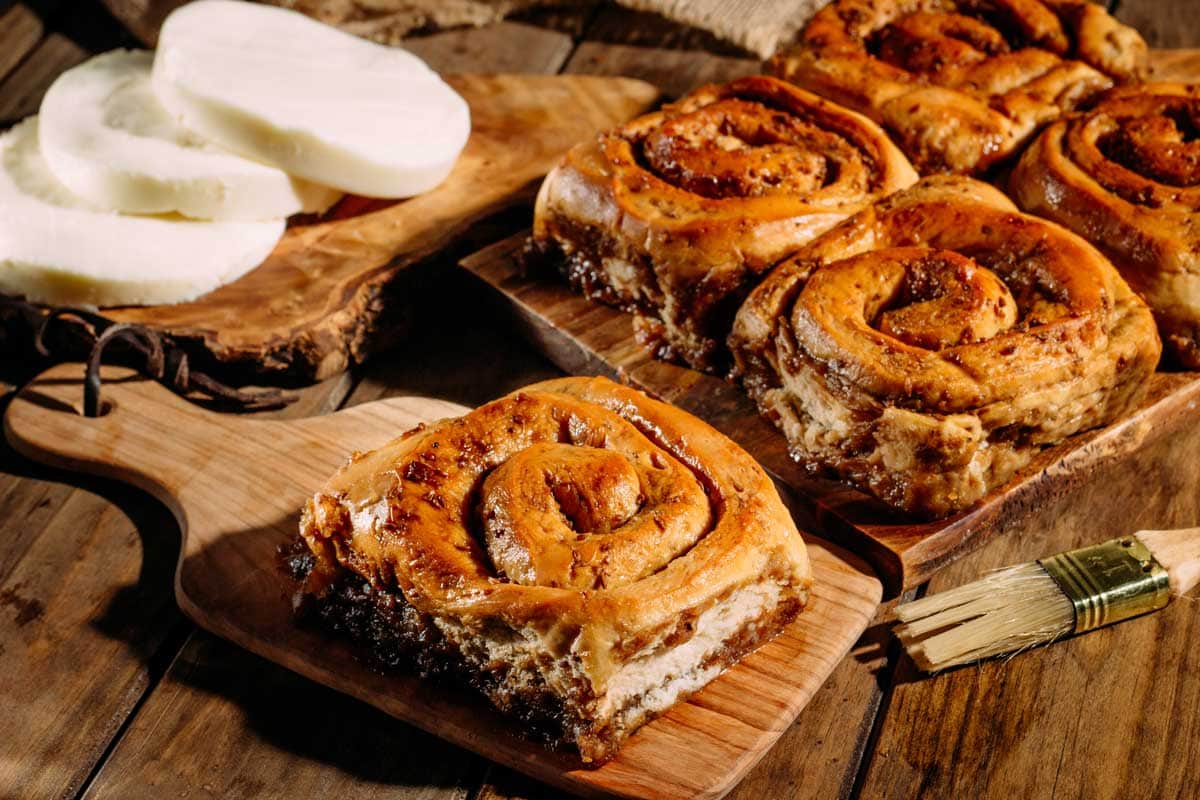
Coffee rarely arrives alone at a Venezuelan bakery. A sweet or salty bite comes with it:
- Golfeados, sticky anise rolls with cheese
- Cachitos, soft crescent rolls with ham
- Empanadas, if you skip the malta
- Quesillo, for an after-dinner guayoyo
For more ideas, browse our guide to Venezuelan drinks or our 32 traditional Venezuelan dishes.
Where to Buy Venezuelan Coffee
Selection in the US is small. Latin markets in South Florida are your best bet in person, and small roasters occasionally offer single-origin lots online. On Amazon, these are good places to start:
As an Amazon Associate, AmigoFoods earns from qualifying purchases.
For the rest of the pantry, see our guide to Venezuelan ingredients.
Venezuelan Coffee FAQ
Does Venezuela have good coffee?
Yes. Its best high-altitude arabica is prized for its mild, sweet flavor, and the country has a long coffee history. The challenge is finding it, since quality varies and little is exported.
What is the most popular coffee in Venezuela?
At home, guayoyo. At bakeries and cafés, the marrón and the con leche are the everyday orders.
What are the best Venezuelan coffee brands?
Fama de América and Café Madrid are the best-known grocery brands. For specialty coffee, look for single-farm lots from small importers and roasters.
Does the US get coffee from Venezuela?
Only in small amounts. The US was once its main market, but production and exports have fallen sharply, so it is mostly found through specialty roasters and imported retail packs.
Is Venezuelan coffee strong?
The beans are mild, and a traditional guayoyo is light. A negrito or cerrero is much stronger, so it depends on what you order.
What is the difference between guayoyo and Americano?
An Americano is espresso diluted with hot water. Guayoyo is brewed by pouring water through the grounds, traditionally in cloth. The two look alike, and some cafés list guayoyo as a Venezuelan-style Americano.
Guayoyo Recipe
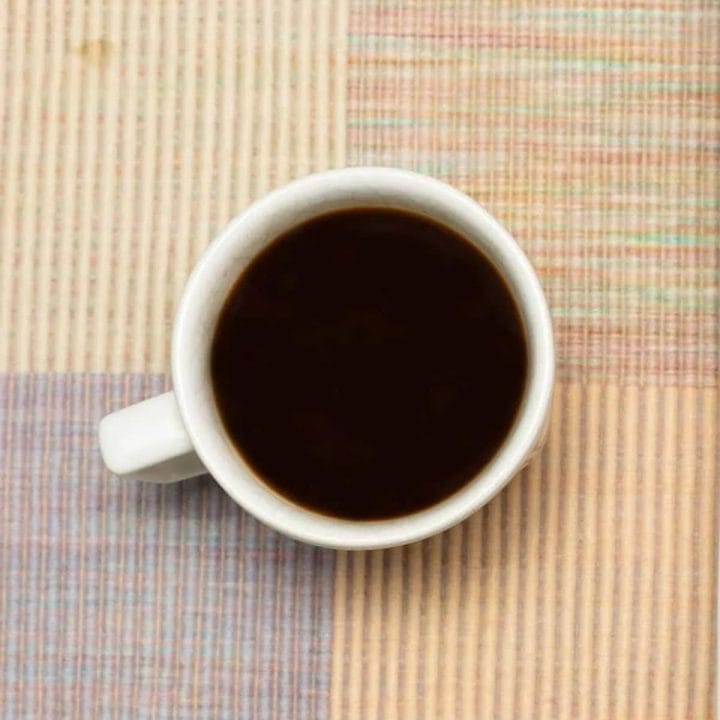
Guayoyo (Venezuelan Black Coffee)
Guayoyo is the light, gently sweet black coffee of Venezuelan homes, slowly poured through a cloth filter and sweetened with papelón.
Ingredients
- 4 cups (about 950 ml) water, plus more to rinse the filter
- 3/4 cup (60 g) medium-ground coffee
- 1 to 2 tablespoons grated papelón or panela, or sugar, to taste
Instructions
- Boil the water. Bring the water to a boil in a kettle or saucepan, then take it off the heat and let it rest for 30 seconds.
- Set up the filter. Hold or hang a cloth coffee filter over a heatproof pitcher. Pour a little hot water through it to wet the cloth and warm the pitcher, then discard that water. Add the ground coffee.
- Wet the grounds. Pour in just enough hot water to moisten all the coffee, about 1/2 cup. Wait 30 seconds.
- Pour slowly. Add the remaining water in a thin, steady stream over 3 to 4 minutes, keeping the grounds covered. Let it finish dripping.
- Sweeten and serve. Stir in the papelón or sugar until dissolved. Taste, add more water if you want it lighter, and pour into small cups while hot.
Notes
No cloth filter: A paper pour-over cone or a French press also works. The cup will taste a little different, but it stays light and clean at this ratio.
Guayoyo andino: Simmer the water for 2 minutes with a cinnamon stick, 2 cloves and 2 allspice berries, strain it, then brew as above with papelón.
Care for the cloth: Rinse the filter with hot water only, never soap, and let it dry fully between uses.
More Venezuelan Foods
See all →
Jorge Garcia is the founder of AmigoFoods, where he has spent over 20 years helping readers discover authentic Latin American and Spanish cuisine. Raised in a Cuban-American household, Jorge learned to cook at the hands of his mother and grandmother, carrying forward generations of family recipes. That heritage, backed by his family’s four-generation history in the Latin food industry, inspired him to launch AmigoFoods in 2003. With more than 1,000 published articles on recipes, ingredients, and food culture, Jorge’s mission is simple: make authentic Latin cooking approachable for home cooks everywhere while honoring the traditions behind every dish.