

A jibarito is a Chicago-born Puerto Rican sandwich built on twice-fried green plantains instead of bread. Thin garlicky steak, melted American cheese, onions, lettuce and tomato fill the crisp plantain slabs, with garlic oil and mayo bringing it together.
Jibarito at a Glance
What Is a Jibarito?
A jibarito is a plantain sandwich. Instead of a roll, you get two long, golden planks of green plantain that are crisp at the edges and tender in the middle, sturdy enough to hold a hot steak filling without going soggy.
The plantain is prepared the same way as tostones: fried once until soft, pressed flat, then fried again. The difference is the cut. Tostones are small rounds cut across the plantain. For a jibarito, the whole plantain is split lengthwise, so each half becomes one side of the sandwich.

Chicago counters build it almost the same way everywhere: steak cooked on the flat-top with onions, a slice of American cheese melted over it, shredded lettuce, tomato, and a generous hit of garlic. It usually comes with a scoop of arroz con gandules on the side.
What Does “Jibarito” Mean?
Jibarito means “little jíbaro.” A jíbaro is a farmer from the mountains of Puerto Rico’s interior, a figure who stands for the island’s rural roots and its music, food and pride. The -ito ending is affectionate. Naming a Chicago sandwich after the island’s country folk was a nod to home for a community living 2,000 miles away.
Where Was the Jibarito Invented? Chicago, Not San Juan
Most people assume the jibarito comes from Puerto Rico. It doesn’t. It is a Puerto Rican-American dish invented in Chicago, and you will find it far more easily on Division Street than in San Juan.
Plantain sandwiches have older cousins, too. In Maracaibo, Venezuela, the patacón has long been a full meal built on fried, flattened green plantain. The jibarito is Chicago’s own take on the idea, shaped by the Puerto Rican cooks of Humboldt Park.
Jibarito vs. Patacón vs. Tostones
All three start with green plantains fried twice, which is why people mix them up. Here is how they differ.
| Jibarito | Patacón (Venezuela) | Tostones | |
|---|---|---|---|
| Where from | Chicago, 1996 | Maracaibo, Zulia state | Across the Caribbean |
| What it is | A sandwich | A stacked sandwich meal | A side dish or snack |
| Plantain cut | Halved lengthwise into two long slabs | Large slabs, pressed very wide | Rounds cut across the plantain |
| Classic filling | Thin steak, American cheese, lettuce, tomato, onion | Shredded beef, chicken or pork, ham, cheese, salad | None; served alone |
| Sauce | Garlic oil or garlic mayo | Several sauces, often including mayo-ketchup and garlic sauce | Mojo, garlic dip or mayo-ketchup |

Want the full comparison of the two plantain stages? See tostones vs. maduros.
Jibarito Ingredients
You only need a handful of things, but each one matters.
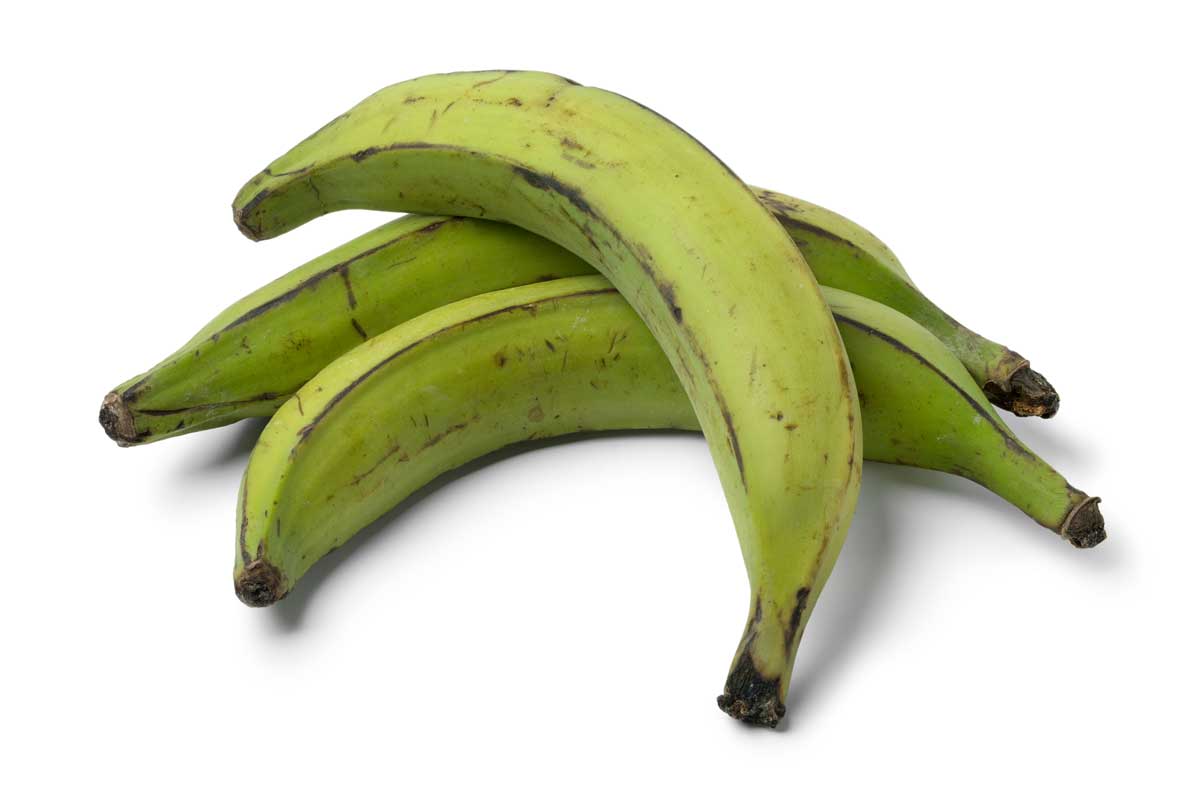
New to plantains? Our guide to plantains and tostones covers how to pick and peel them.
How to Make a Jibarito (Step by Step)
Here is the method in plain steps. Exact amounts, times and a printable version are in the recipe card below.
- Make the garlic oil and mayo. Warm olive oil with minced garlic over low heat for 2 to 3 minutes, until fragrant but not brown. Stir more garlic into the mayo (add a little ketchup if you like mayo-ketchup).
- Season the steak. Pound it thin, then season with adobo, pepper and lime. Let it sit while you fry the plantains.
- Peel and halve the plantains. Trim the ends, slit the peel along its ridges and pry it off. Cut each plantain in half lengthwise into two long, even slabs.
- First fry. Fry the slabs in ½ inch of oil at 350°F for 3 to 4 minutes per side, until pale gold and tender when poked with a knife. They should not brown yet.
- Press them flat. While still warm, press each slab between two cutting boards (or under a heavy pan lined with parchment) to about ¼ inch thick. Press slowly so they spread instead of crack.
- Second fry. Raise the oil to 375°F and fry the pressed plantains 1 to 2 minutes per side, until deep golden and crisp. Drain on a rack and salt right away.
- Cook the steak and onions. Sear the steak in a very hot skillet for 1 to 2 minutes per side, then soften the onions in the same pan. Lay the cheese on the steak and cover for 30 seconds to melt.
- Build and serve. Brush the inside of both plantains with garlic oil, spread garlic mayo on one, then layer the cheesy steak, onions, lettuce and tomato. Top, press gently, cut on the diagonal and eat right away.
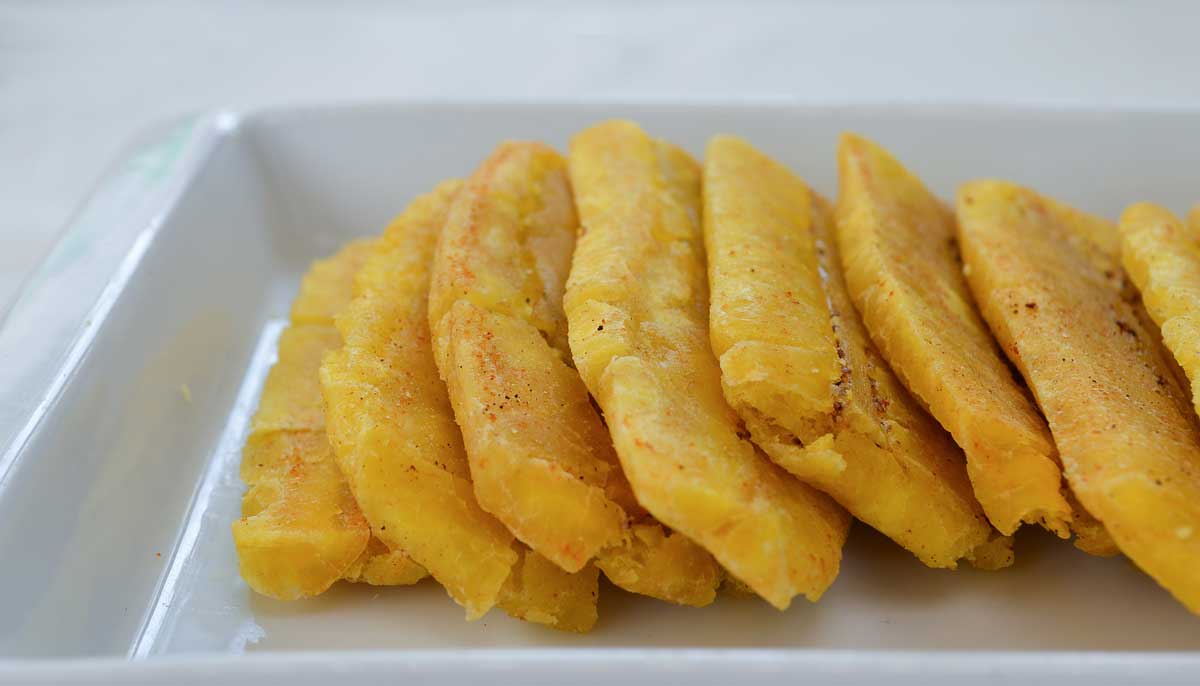
Why plantains crack, and how to stop it
- They’re too ripe. Any yellow in the peel means softer, sweeter flesh that tears when pressed.
- The first fry was too short. If a knife doesn’t slide in easily, the center is still hard and will split.
- They cooled down. Press within a minute of leaving the oil, while they’re still soft.
- You pressed too fast. Lean in gradually. A tostonera or two cutting boards give the most even pressure.
- It split anyway? Push the pieces back together. The second fry fuses them.
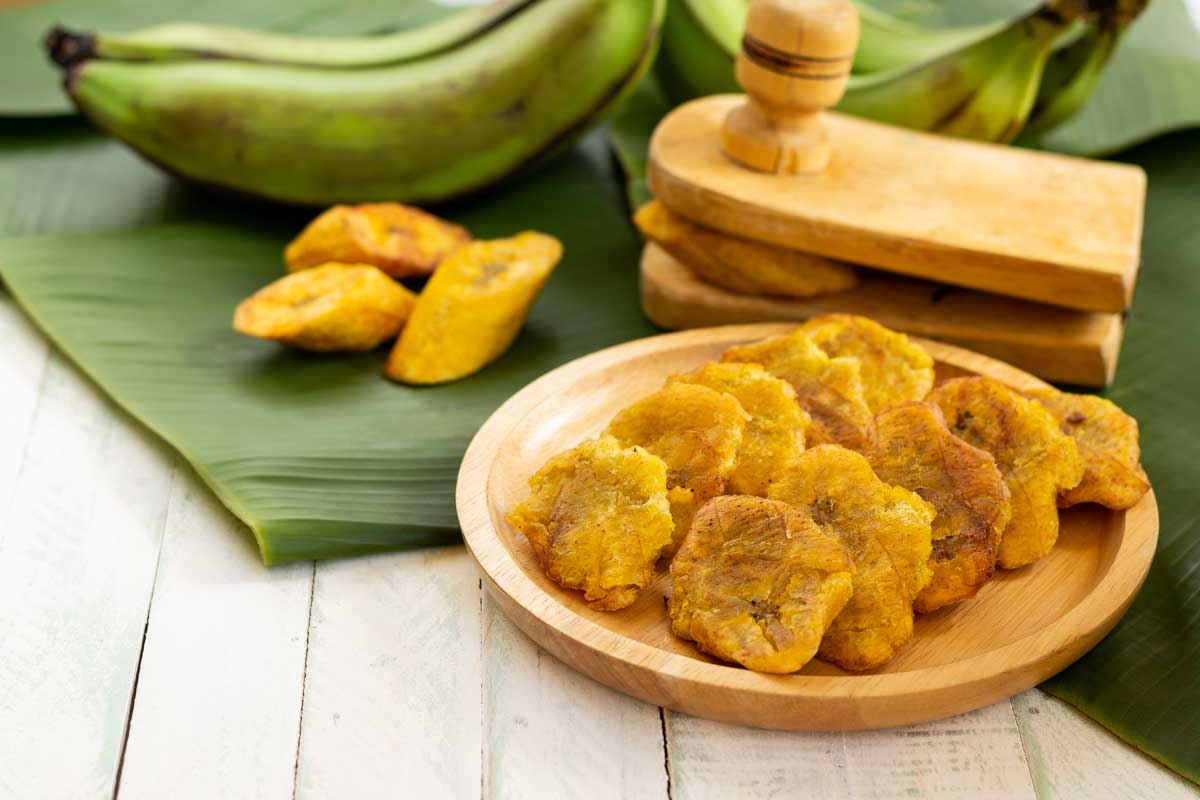
If you make plantains often, a tostonera (plantain press) is worth it. For the steak, a classic adobo all-purpose seasoning gives you the flavor Chicago’s Puerto Rican cooks use.
Can You Make Jibarito Plantains in an Air Fryer?
Yes, with a little less crunch. Brush the plantain slabs with oil and air fry at 390°F for 8 to 10 minutes until tender. Press them flat, brush with oil again and air fry another 6 to 8 minutes, flipping once, until golden. Our air fryer tostones guide walks through the same technique.
Can You Make Them Ahead?
Do the first fry and pressing ahead, then cool briefly and refrigerate the slabs promptly until needed. Give them the second fry just before serving. For longer storage, freeze the pressed slabs in a single layer, then bag them. Fry them from frozen, adding a minute per side.
Jibarito Variations: Steak, Chicken, Pork and More
Steak is the original, but Chicago menus have been playing with the jibarito for decades.

What to Serve With a Jibarito
In Chicago, the default is a jibarito with arroz con gandules, rice cooked with pigeon peas and sofrito. Other good partners:
- Maduros, sweet fried ripe plantains, if you want even more plantain
- Yuca fries with a garlic dipping sauce
- A simple avocado, tomato and onion salad
- Habichuelas guisadas (stewed beans) and more from our Puerto Rican side dishes
- A cold malta or a tropical juice to drink

Where to Get a Jibarito in Chicago
The jibarito is easiest to find in Chicago, especially in Humboldt Park, Logan Square and along Division Street. A few places worth the trip:
Locations as of September 2026. Hours and menus change, so check before you go.

Outside Chicago, look for jibaritos at Puerto Rican restaurants and food trucks, or make them at home with the recipe below. They’re less common in Puerto Rico itself, where you’re more likely to see the dish’s inspiration listed as a sandwich de plátano.
Jibarito FAQs
Is the jibarito from Puerto Rico?
It’s Puerto Rican, but it was invented in Chicago. Juan “Peter” Figueroa created it at Borinquen Restaurant in Humboldt Park in 1996, inspired by a plantain sandwich from Aguada, Puerto Rico.
How do you pronounce jibarito?
Hee-bah-REE-toh. The “j” is pronounced like an English “h.”
What cheese goes on a jibarito?
American cheese is the Chicago classic because it melts evenly over the hot steak. White cheese, provolone or Swiss are common swaps.
Can you use ripe plantains for a jibarito?
Not for the classic. Ripe plantains are too soft to press into a sturdy slab and taste sweet. They do make a good soft “bun” for a sweet plantain version.
Is a jibarito gluten-free?
The plantain “bread” is naturally gluten-free, and so are the steak, cheese and vegetables. Check your seasoning blend, mayo and cheese labels, and fry in oil that hasn’t been used for breaded foods.
How many calories are in a jibarito?
Roughly 900 to 1,100 calories for one sandwich made with this recipe, by our estimate. Most of that comes from the twice-fried plantain, the mayo and the garlic oil. Skip the garlic oil and go light on the mayo to bring it down.
What is the difference between a jibarito and a patacón?
Both use fried, flattened green plantain as bread. The patacón comes from Maracaibo, Venezuela, and is usually wider and piled higher with shredded meats, ham, cheese and several sauces. The jibarito is the Chicago version, built around thin steak, American cheese and garlic.
Can you reheat a jibarito?
It’s best eaten fresh. If you need to, store the plantains and fillings separately and re-crisp the plantains in a 400°F oven or air fryer for 4 to 5 minutes before assembling.
Jibarito Recipe
Here’s the full printable recipe for two classic steak jibaritos.
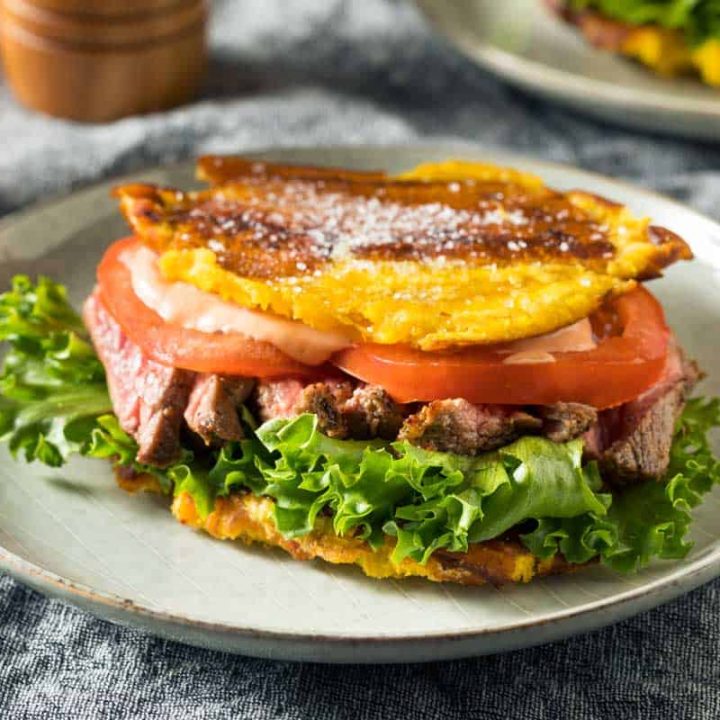
Jibarito (Puerto Rican Plantain Steak Sandwich)
Chicago's classic jibarito: green plantains fried, pressed and fried again into crisp "bread," filled with thin garlicky steak, melted American cheese, onions, lettuce and tomato. Makes two sandwiches.
Ingredients
For the plantain bread
- 2 large green plantains, fully green and firm
- Neutral oil for frying (about 2 cups, enough for ½ inch in the pan)
- Kosher salt, to taste
For the steak
- ½ lb (225 g) skirt steak or thin-cut sirloin (bistec)
- ½ teaspoon adobo seasoning (or ¼ teaspoon salt plus a pinch of garlic powder)
- ¼ teaspoon black pepper
- 1 tablespoon lime juice
- 1 small yellow onion, thinly sliced
For the garlic oil and mayo
- 3 tablespoons olive oil
- 4 cloves garlic, finely minced, divided
- ¼ cup mayonnaise
- 1 teaspoon ketchup (optional, for mayo-ketchup)
To assemble
- 2 slices American cheese
- 4 leaves iceberg lettuce, shredded
- 1 ripe tomato, thinly sliced
- Arroz con gandules, to serve (optional)
Instructions
- Make the garlic oil and mayo. Warm the olive oil with 2 cloves of the minced garlic in a small pan over low heat for 2 to 3 minutes, until fragrant but not browned. Add a pinch of salt and set aside. Stir the remaining 2 cloves of garlic (and the ketchup, if using) into the mayonnaise and refrigerate.
- Season the steak. Pound the steak to about ¼ inch thick and cut it into two sandwich-size pieces. Season with the adobo, pepper and lime juice and let it sit while you fry the plantains.
- Peel and halve the plantains. Trim both ends, cut a shallow slit along the ridges of the peel and pry it off. Cut each plantain in half lengthwise to make four long, even slabs.
- First fry. Heat ½ inch of oil in a large skillet to 350°F. Fry the plantain slabs 3 to 4 minutes per side, until pale gold and tender when pierced with a knife. They should not brown yet.
- Press. Drain for a few seconds, then, while still warm, press each slab between two cutting boards or with a tostonera to about ¼ inch thick. Press slowly and evenly so they spread without cracking.
- Second fry. Raise the oil to 375°F. Fry the pressed plantains 1 to 2 minutes per side, until deep golden and crisp. Drain on a rack and salt immediately.
- Cook the steak and onions. Heat a teaspoon of oil in a heavy skillet over high heat. Sear the steak 1 to 2 minutes per side and move it to the side of the pan. Cook the sliced onion in the same pan for 4 to 5 minutes, until soft and browned at the edges. Lay a slice of cheese on each piece of steak, turn off the heat and cover for 30 seconds to melt.
- Assemble. Brush the inside of each plantain with garlic oil. Spread garlic mayo on the bottom slabs, then add the cheesy steak, onions, lettuce and tomato. Top with the remaining plantains, press gently, cut on the diagonal and serve right away, with arroz con gandules if you like.
Notes
- Plantains must be fully green. Any yellow means softer, sweeter flesh that tears when pressed.
- If a slab cracks, push the pieces back together before the second fry; they will fuse.
- Make ahead: do the first fry and pressing ahead, then cool briefly and refrigerate the slabs promptly until the second fry just before serving. Pressed slabs also freeze well; fry from frozen, adding a minute per side.
- Air fryer: brush the slabs with oil and air fry at 390°F for 8 to 10 minutes, press, brush again and air fry 6 to 8 minutes more, flipping once.
- Swaps: use thin chicken breast, shredded pernil or ropa vieja instead of steak, and white cheese, provolone or Swiss instead of American.
Timing assumes a skillet large enough for the plantains; allow extra time if frying in more batches. Rice is a separate accompaniment and is not included in the 40-minute timing.
More Puerto Rican and Plantain Favorites
More Puerto Rican Foods
See all →
Jorge Garcia is the founder of AmigoFoods, where he has spent over 20 years helping readers discover authentic Latin American and Spanish cuisine. Raised in a Cuban-American household, Jorge learned to cook at the hands of his mother and grandmother, carrying forward generations of family recipes. That heritage, backed by his family’s four-generation history in the Latin food industry, inspired him to launch AmigoFoods in 2003. With more than 1,000 published articles on recipes, ingredients, and food culture, Jorge’s mission is simple: make authentic Latin cooking approachable for home cooks everywhere while honoring the traditions behind every dish.