

Limonada de coco blends tangy lime with creamy coconut and ice for a refreshing Colombian drink. This ten-minute version makes four glasses, with sweetness and thickness adjusted to taste.
Limonada de Coco at a Glance
What is Limonada de Coco?

Limonada de coco is a refreshing and creamy Colombian coconut lemonade made by blending fresh lime juice, coconut cream or milk, sugar, ice, and water until smooth.
The result is a tropical, frosty drink that’s both tangy and sweet, with a luxuriously creamy texture.
It’s especially popular along Colombia’s Caribbean coast, particularly in Cartagena, where it’s served ice-cold on hot, sunny days.
Locals and tourists alike enjoy it beachside, often paired with seafood or snacks.
In short, limonada de coco is:
-
A Colombian specialty drink combining lime and coconut.
-
Non-alcoholic by tradition, but easily adaptable into a cocktail with rum or aguardiente.
-
Refreshing and creamy, perfect for tropical climates.
-
A symbol of coastal Colombian hospitality—served in restaurants, beach bars, and at family gatherings.
Think of it as lemonade meets piña colada—but lighter, tangier, and uniquely Colombian!
Traditional Ingredients for Authentic Limonada de Coco

To capture the true Colombian taste of limonada de coco, you’ll need just a handful of simple, yet essential ingredients.
Each one plays a role in balancing tanginess, creaminess, and sweetness.
-
Fresh lime juice – Always use freshly squeezed limes (preferably limón criollo if available). This gives the drink its signature citrus punch and refreshing acidity.
-
Unsweetened coconut cream – The star of this version! Thick, rich, and creamy, it delivers that smooth tropical flavor and velvety texture. (Some variations use coconut milk for a lighter version.)
-
Sugar or simple syrup – Adds sweetness to balance the lime’s acidity. Sweetened cream of coconut needs less added sugar. Some recipes use dairy condensed milk for a richer drink.
-
Cold water – Helps adjust consistency so the drink isn’t overly thick.
-
Ice cubes – Blended with the mixture to create a frosty, slushy texture that’s perfect for hot days.
Optional touches:
-
Pinch of salt to enhance flavors.
-
Shredded coconut as a garnish for extra tropical flair.
-
Rum or aguardiente if you want an alcoholic twist.
Limonada de Coco Recipe
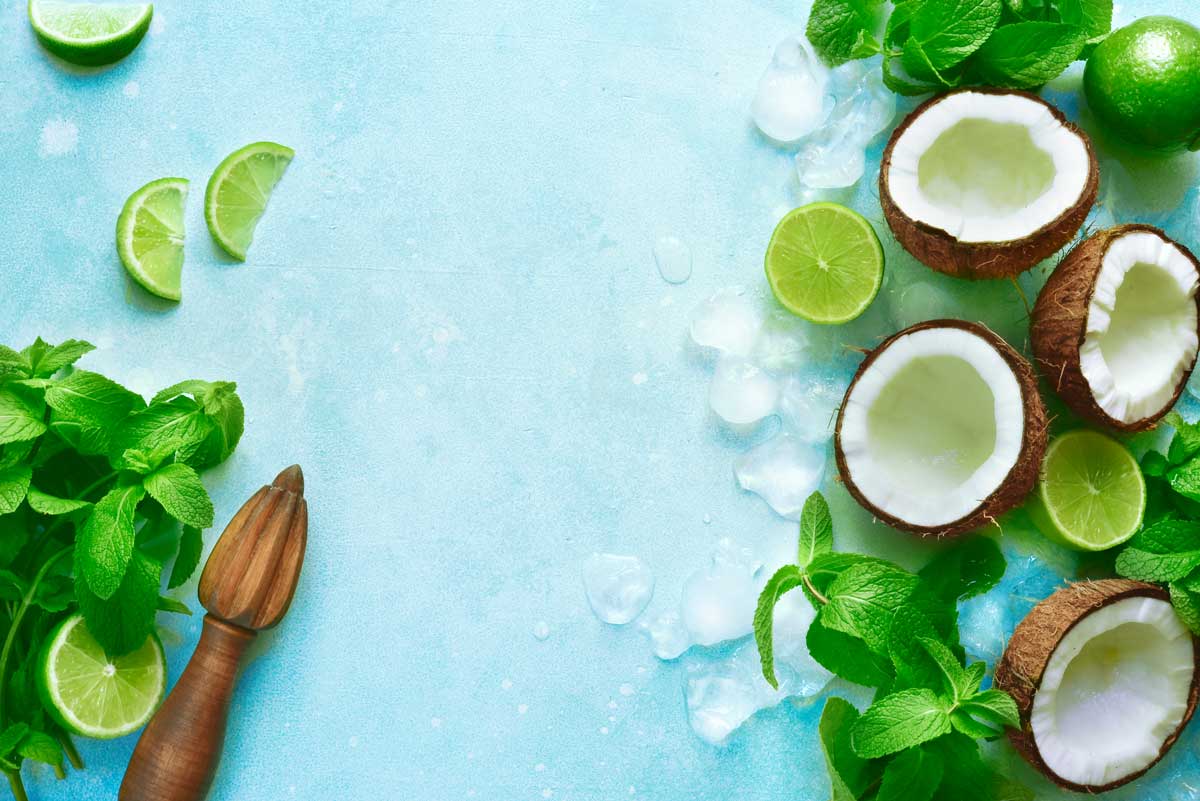
Ingredients
- 1 cup fresh lime juice, strained (number of limes varies)
- 1 cup unsweetened coconut cream, stirred smooth
- 4 tbsp sugar, plus more to taste
- Up to 2 cups cold water, added gradually
- 2 cups ice cubes
- Lime wedges and shredded coconut, optional garnish
Method
- Squeeze and strain enough limes to measure 1 cup juice. Stir the coconut cream until smooth before measuring.
- Put lime juice, coconut cream, sugar and ½ cup of the cold water in an ice-capable blender. Blend to combine and dissolve the sugar.
- Add ice and blend until smooth and frothy. Add more of the remaining water only as needed for your preferred consistency. Taste and adjust sweetness; lime acidity and coconut products vary. Blend in batches if necessary, staying below the blender’s maximum fill line.
- Divide among four glasses and serve immediately, with optional lime and coconut garnish. For the best frozen texture, blend just before serving.
This 10-minute version uses unsweetened coconut cream and starts with 4 tablespoons sugar; adjust to taste. Sweetened cream of coconut is a different product: if using it, omit the added sugar initially. Unsweetened canned coconut milk makes a thinner drink; coconut water will not provide the same creaminess. Add the water gradually, because using all 2 cups makes a lighter, more liquid drink. The base recipe is dairy-free; for a vegan version choose suitable sugar or agave and omit honey and dairy condensed milk. Optional rum is an adults-only variation. For make-ahead preparation, refrigerate the liquid base and blend with ice just before serving.
Variations of Limonada de Coco You’ll Love

One of the best things about limonada de coco is how versatile it is!
While the traditional Colombian recipe is perfect on its own, there are plenty of creative twists you can try at home or enjoy in different regions of Colombia.
Here are some delicious variations:
Frozen Limonada de Coco
-
Blend extra ice for a thick, slushy texture.
-
Perfect for scorching summer days or beachside sipping.
-
Think of it as a tropical snow cone in a glass!
Alcoholic Limonada de Coco
-
Add a splash of white rum, vodka, or Colombian aguardiente for a cocktail version.
-
Serve in a frosted glass for a Caribbean party vibe.
-
A great option for barbecues, parties, or sunset happy hours.
Dairy-Free or Vegan Limonada de Coco
-
The base recipe with unsweetened coconut cream is already dairy-free. Coconut milk gives a thinner result; coconut water does not provide the same creamy texture.
-
For a vegan version, use suitable sugar or agave; honey is not vegan.
-
Keeps all the tropical flavor without the heaviness.
Fruity Twist Limonada de Coco
-
Blend in tropical fruits like mango, pineapple, or passionfruit.
-
Adds a burst of natural sweetness and vibrant color.
-
Popular in juice bars across Colombia.
Dessert-Style Limonada de Coco
-
Swap sugar for condensed milk to create a richer, creamier version.
-
Top with shredded coconut or a drizzle of caramel for a sweet finish.
-
Feels more like a dessert smoothie than a drink.
These variations let you customize limonada de coco to fit any occasion—whether you want something light, indulgent, boozy, or fruity!
Tips for Serving & Pairing Limonada de Coco

The magic of limonada de coco isn’t just in how it’s made—it’s also in how you serve it and what you pair it with.
Here are some expert tips to make the most of this refreshing Colombian drink:
Serving Tips
-
Serve ice-cold: Chill your glasses in the freezer before pouring for extra frostiness.
-
Garnish with style: Add a lime wedge, shredded coconut, or even a sprig of mint for a tropical touch.
-
Frothy finish: Blend just before serving so the drink is creamy and frothy on top.
-
Pitcher-friendly: Scale the ingredients for a party, but blend in batches within the blender’s capacity and serve promptly; the ice melts as it stands.
Pairing Ideas
-
Colombian classics: Enjoy alongside arepas de queso, empanadas, or fried fish for an authentic coastal experience.
-
Seafood dishes: The citrus and coconut balance pairs beautifully with ceviche, shrimp cocktails, and grilled fish.
-
Street food snacks: Complements patacones (fried plantains) or yuca frita perfectly.
-
Light desserts: Pair with tropical sweets like coconut flan, passionfruit mousse, or fresh fruit salad.
Best Occasions
-
Beach days & poolside lounging.
-
Summer barbecues or picnics.
-
Family gatherings and parties.
-
Anytime you want a quick tropical escape at home!
With the right serving touches and pairings, limonada de coco goes from a simple drink to a show-stopping refreshment that impresses every guest.
On the coast, limonada de coco is often paired with something sweet, and the classic choice is a handful of Colombian cocadas, the chewy coconut candies sold by the same street vendors.
The History & Origins of Limonada de Coco

Limonada de coco may seem like a simple blend of lime and coconut, but behind its creamy refreshment lies a rich cultural story rooted in Colombia’s Caribbean coast.
Caribbean Beginnings
-
The drink traces its roots to Cartagena, Colombia, a bustling port city known for its vibrant Afro-Caribbean culture.
-
Coconut and lime were both abundant in the region—coconuts brought by trade routes and limes cultivated along the tropical coast—making the combination natural and accessible.
-
Street vendors and beachside cafés began blending the two with ice, sugar, and water, creating the refreshing drink that quickly became a staple for locals and tourists.
Cultural Influences
-
The Afro-Colombian community played a major role in shaping coastal culinary traditions, including limonada de coco.
-
Its balance of sweet and tangy reflects the fusion of African, Indigenous, and Spanish foodways that define Caribbean Colombian cuisine.
-
Over time, it became not just a drink, but a symbol of hospitality, often served to visitors as a welcoming refreshment.
️ From Local Favorite to National Icon
-
Originally tied to Cartagena and nearby coastal towns, limonada de coco spread throughout Colombia as tourism boomed in the 20th century.
-
Today, it’s one of the most recognizable Colombian beverages, appearing on menus in Bogotá, Medellín, and even internationally in Colombian restaurants abroad.
-
Its rise is linked to the global fascination with tropical, exotic flavors—making it both a cultural export and a summer favorite worldwide.
In essence, limonada de coco is more than just a drink. It’s a reflection of Colombia’s Caribbean identity: tropical, vibrant, and full of cultural fusion.
Where to Find the Best Limonada de Coco in Colombia

Here are some top spots—especially in Cartagena—where this creamy coconut-lime drink shines in all its glory:
Pastelería Mila Vargas
Cartagena, Bolívar, Colombia
A local bakery in central Cartagena often cited as one of the best places for limonada de coco.
Jugosa
Cartagena, Bolívar, Colombia
Juice bar in Cartagena’s historic centre known for fresh limonada de coco.
Hotel Santa Clara
Cartagena, Bolívar, Colombia
Upscale hotel whose restaurant serves excellent limonada de coco with elegant ambiance.
La Mulata
Cartagena, Bolívar, Colombia
Casual Caribbean‑style restaurant in Cartagena that serves limonada de coco alongside local dishes.
Beyond Cartagena: Nationwide Favorites
-
In cities along the Atlantic coast like Barranquilla and Santa Marta, limonada de coco is a beloved staple—available in many beachside stalls and casual restaurants throughout the region.
-
Across Colombia, limonada de coco has become widely available—even in unexpected cuisines like Korean or Japanese spots—highlighting its growing popularity nationwide.
Fast Facts & Cultural Notes
-
In Cartagena, limonada de coco is affectionately known as the unofficial welcome drink—often offered to guests upon arrival.
-
Travelers and food enthusiasts frequently describe it as the frozen equivalent of key lime pie in a glass—creamy, tangy, and utterly refreshing.
Conclusion: Why Limonada de Coco Deserves a Spot in Your Glass

Refreshing, creamy, and uniquely Colombian, limonada de coco is more than just a tropical drink—it’s a taste of the Caribbean coast in every sip.
Whether you enjoy it beachside in Cartagena, blend it at home for a summer gathering, or experiment with fun variations, this coconut lemonade captures the essence of Colombian hospitality and sunshine.
If you’re searching for the best Colombian drinks to try, make sure limonada de coco is at the top of your list—it’s the perfect balance of tangy lime and smooth coconut that will keep you coming back for more.

Limonada de Coco Recipe
Creamy, frosty, and bursting with tropical flavor, this limonada de coco is a traditional Colombian coconut lemonade that combines fresh lime juice, coconut cream, sugar, and ice for the ultimate refreshing drink. Perfect for hot summer days, beach vibes, or any time you want a taste of the Caribbean coast.
Ingredients
- 1 cup fresh lime juice, strained (number of limes varies)
- 1 cup unsweetened coconut cream, stirred smooth
- 4 tbsp sugar, plus more to taste
- Up to 2 cups cold water, added gradually
- 2 cups ice cubes
- Lime wedges and shredded coconut, optional garnish
Instructions
- Squeeze and strain enough limes to measure 1 cup juice. Stir the coconut cream until smooth before measuring.
- Put lime juice, coconut cream, sugar and ½ cup of the cold water in an ice-capable blender. Blend to combine and dissolve the sugar.
- Add ice and blend until smooth and frothy. Add more of the remaining water only as needed for your preferred consistency. Taste and adjust sweetness; lime acidity and coconut products vary. Blend in batches if necessary, staying below the blender’s maximum fill line.
- Divide among four glasses and serve immediately, with optional lime and coconut garnish. For the best frozen texture, blend just before serving.
Notes
This 10-minute version uses unsweetened coconut cream and starts with 4 tablespoons sugar; adjust to taste. Sweetened cream of coconut is a different product: if using it, omit the added sugar initially. Unsweetened canned coconut milk makes a thinner drink; coconut water will not provide the same creaminess. Add the water gradually, because using all 2 cups makes a lighter, more liquid drink. The base recipe is dairy-free; for a vegan version choose suitable sugar or agave and omit honey and dairy condensed milk. Optional rum is an adults-only variation. For make-ahead preparation, refrigerate the liquid base and blend with ice just before serving.
More Colombian Foods
See all →
Jorge Garcia is the founder of AmigoFoods, where he has spent over 20 years helping readers discover authentic Latin American and Spanish cuisine. Raised in a Cuban-American household, Jorge learned to cook at the hands of his mother and grandmother, carrying forward generations of family recipes. That heritage, backed by his family’s four-generation history in the Latin food industry, inspired him to launch AmigoFoods in 2003. With more than 1,000 published articles on recipes, ingredients, and food culture, Jorge’s mission is simple: make authentic Latin cooking approachable for home cooks everywhere while honoring the traditions behind every dish.