Manzanilla Olives: Spain’s Favorite Green Olive

Did you know Manzanilla olives are the most popular table olives in the world?

These plump, briny green gems from southern Spain aren’t just delicious—they’re a piece of Mediterranean heritage!

Buy Spanish Food on Amazon

From tapas bars in Seville to gourmet kitchens worldwide, Manzanilla olives have become a staple in Spanish food culture.

In this article, we’ll explore what makes them special, how to use them, and why they should be in every pantry.

Whether you’re an olive aficionado or just olive-curious, you’re about to discover a world of flavor!

What Are Manzanilla Olives?

Bowl of glossy green Manzanilla olives in a white square dish on a white background.
These plump Manzanilla olives, served in a simple white dish, showcase the classic briny flavor and smooth texture that make them a Spanish tapas favorite.

Manzanilla olives are one of Spain’s most iconic and widely consumed olive varieties, prized for their delicate briny flavor and firm texture.

Native to the Andalusian region—particularly around Seville—these small, green olives are often referred to as “little apples” due to their round shape and smooth, glossy skin.

Traditionally harvested while still green, Manzanilla olives are cured using a lye and brine process that removes natural bitterness while enhancing their mild, nutty taste.

They’re especially popular as table olives and are frequently pitted and stuffed with pimientos, garlic, or anchovies.

Thanks to their versatility and appealing flavor, aceitunas manzanilla have become a favorite in both everyday Spanish cooking and gourmet international cuisine.

Whether served on a tapas board, tossed into salads, or dropped into martinis, they bring a taste of Mediterranean tradition to every bite.

Manzanilla Olive Health Benefits and Nutrition Facts
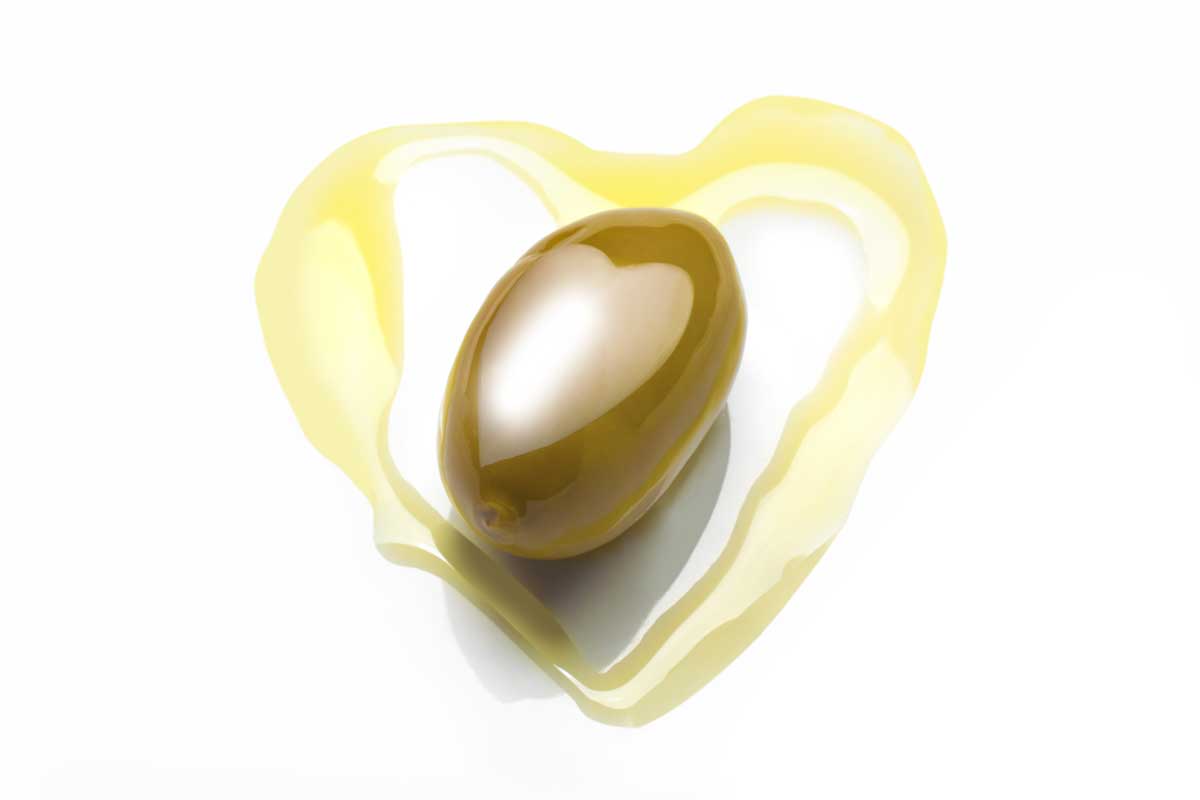
Single green Manzanilla olive surrounded by heart-shaped olive oil on a white background.
A single Manzanilla olive resting in heart-shaped olive oil—celebrating the heart-healthy benefits and delicious flavor of this beloved Spanish delicacy.

Manzanilla olives are more than just a flavorful snack—they also pack a range of nutritional benefits that align perfectly with a Mediterranean-style diet.

Here’s why they’re a smart addition to your plate:

  • Heart-Healthy Fats: Rich in monounsaturated fats, aceitunas manzanilla can help lower bad (LDL) cholesterol and support overall heart health.

  • Antioxidant Power: They contain vitamin E and polyphenols, which fight free radicals and reduce oxidative stress in the body.

  • Anti-Inflammatory Effects: Regular consumption may help lower inflammation, potentially reducing the risk of chronic diseases.

  • Low in Carbs: A great option for low-carb and keto-friendly diets, with minimal sugar and starch content.

  • Natural Fiber: Olives provide small amounts of dietary fiber, which aids digestion and supports gut health.

  • Plant-Based and Gluten-Free: Naturally vegan and gluten-free, making them ideal for a wide range of diets.

Buy Spanish Food on Amazon

  • Iron Content: Offers a modest source of iron, which supports oxygen transport and energy production.

  • Watch the Sodium: Because they’re brined, Manzanilla olives can be high in salt—so moderation is key for those on low-sodium diets.

Whether enjoyed as part of a meal or a healthy snack, these Spanish olives offer a delicious way to get more nutrition into your day.

Culinary Uses for Manzanilla Olives

Crostini topped with creamy cheese and a chopped Manzanilla olive tapenade on a wooden serving board.
These toasted baguette slices topped with creamy cheese and a vibrant Manzanilla olive tapenade make the perfect Spanish-inspired appetizer.

Manzanilla olives are a staple in Spanish cuisine and an incredibly versatile ingredient in kitchens around the world.

Their firm texture and balanced, briny flavor make them a favorite in everything from appetizers to main dishes.

  • Tapas & Appetizers: Manzanilla olives are a classic component of Spanish tapas. Serve them on their own, marinated in herbs and citrus, or paired with Spanish cheeses, cured meats, and nuts for an easy party platter.

  • Stuffed Delights: Their size and shape make them perfect for stuffing. Common fillings include pimientos, garlic, blue cheese, almonds, or anchovies—ideal for cocktails or hors d’oeuvres.

  • Salads & Bowls: Add sliced or whole Manzanilla olives to green salads, pasta salads, or grain bowls for a salty, savory kick that balances fresh ingredients.

  • Cooked Dishes: These Spanish olives hold up well to heat and are delicious in warm recipes like arroz con pollo, Mediterranean chicken, or Spanish empanadas. They add complexity and brightness to stews and roasts.

  • Tapenades & Spreads: Blend aceitunas manzanilla with capers, garlic, lemon juice, and olive oil to create a smooth tapenade—perfect as a dip or sandwich spread.

  • Cocktail Garnish: Their firm texture and attractive color make Manzanilla olives a go-to garnish for martinis and other savory cocktails.

Whether you’re preparing an elaborate dinner or a simple snack board, Manzanilla olives add bold flavor, vibrant color, and a touch of Mediterranean flair.

Where to Buy the Best Aceitunas Manzanilla

Assorted olives including green Manzanilla, black, and red varieties displayed in large bowls at a colorful Spanish market stall with jars of pickled goods in the background.
A vibrant Spanish market stall overflowing with Manzanilla olives and other regional varieties—highlighting the rich diversity of Spain’s olive culture.

Whether you’re a seasoned olive enthusiast or just beginning to explore the world of Spanish delicacies, sourcing high-quality Manzanilla olives can elevate your culinary experiences.

Here’s a curated guide to help you find the best Manzanilla olives, whether you’re shopping online or visiting local stores.

 Top Online Retailers for Manzanilla Olives

1. Donostia Foods

  • Offers premium Manzanilla olives handpicked in Andalusia and cured in the traditional Sevillian style.

  • Varieties include pitted, stuffed with lemon, and piquillo pepper-stuffed options.

  • Notably featured in Bon Appétit Magazine for their exceptional quality. 

2. La Tienda

  • Specializes in Spanish gourmet products, including Manzanilla olives with pits by Losada.

  • Known for firm, meaty olives with a balanced flavor profile. 

3. Regalis Foods

  • Offers whole aceitunas manzanilla noted for their mild, delicate flavor and high oil content, suitable for cocktails or snacking.

4. Le Gourmet Central

  • Features premium pitted green Manzanilla olives by Andalusian Olives, praised for their firmness and complex, nutty flavor. 

5. Amazon

  • Provides a range of options, including Losada Olives, appreciated for their authentic Spanish taste and quality. 

Buy Spanish Food on Amazon

Local Retailers and Supermarkets

Publix

  • Offers store-brand Spanish Manzanilla olives, noted for their quality and affordability. 

Trader Joe’s

  • Sells “Just a Handful of Pitted Salted Manzanilla Olives,” imported from Spain, praised for their firm texture and briny flavor. 

Walmart

  • Carries brands like Lindsay Stuffed Manzanilla Olives, known for their tart, briny flavor and versatility in various dishes. 

BJ’s Wholesale Club

  • Offers Wellsley Farms Spanish Stuffed Manzanilla Olives, receiving high ratings for their quality and taste.

Tips for Selecting Quality Manzanilla Olives

  • Check the Origin: Authentic Manzanilla olives are typically from Spain, especially the Andalusia region.

  • Examine the Curing Process: Traditional Sevillian-style curing often results in superior flavor.

  • Consider Packaging: Opt for olives packed in glass jars or tins to preserve freshness.

  • Read Reviews: Customer feedback can provide insights into taste and quality.

By exploring these options, you can enjoy the rich, briny flavor of Manzanilla olives, whether you’re preparing a traditional Spanish dish or simply indulging in a savory snack.

How Aceitunas Manzanilla Are Grown & Harvested

Hands harvesting green Manzanilla olives from an olive tree under a bright blue sky.
Harvesting Manzanilla olives by hand under the Spanish sun—capturing the care and tradition behind every bite of this iconic table olive.

Manzanilla olives are primarily grown in Andalusia, Spain, where the Mediterranean climate—hot summers and mild winters—creates ideal conditions for olive cultivation.

The trees are planted in well-drained soil and tended with care throughout the year to ensure healthy, flavorful fruit.

Harvest season runs from September to November, when the olives are still green but fully developed.

To maintain their signature firmness and prevent bruising, they’re typically picked by hand or with gentle mechanical tools.

After harvesting, the olives are quickly transported to curing facilities.

This seamless process from grove to brine preserves the quality and taste that make Manzanilla olives a global favorite.

Manzanilla vs Other Spanish Olives

Assorted Spanish olives including green Manzanilla and black varieties in wooden bowls on a round board with olive branches and a striped cloth.
A colorful assortment of Spanish olives, including buttery Manzanilla, beautifully displayed on a rustic board—perfect for tapas, snacking, or Mediterranean appetizers

Spain is home to dozens of olive varieties, each with its own unique flavor, texture, and culinary purpose.

Among them, Manzanilla stands out for its versatility—but how does it compare to other popular Spanish olives?

Manzanilla vs. Gordal:
Gordal olives, also known as “the fat one,” are much larger and meatier than Manzanillas. While Manzanilla olives are briny with a mild, slightly nutty taste, Gordals have a firmer bite and a more buttery, savory flavor. Gordals are ideal for stuffing and snacking, but less common in cooked dishes.

Manzanilla vs. Arbequina:
Arbequina olives are smaller, brownish-green, and known for their sweet, fruity notes. Unlike Manzanillas, which are mostly used as table olives, Arbequinas are often pressed into high-quality olive oil due to their high oil content and delicate flavor.

Buy Spanish Food on Amazon

Manzanilla vs. Hojiblanca:
Hojiblanca olives are medium-sized and known for their dual-purpose use—as table olives and for oil. Their flavor is more bitter and peppery compared to the milder Manzanilla. Hojiblanca olives are often served whole and unstuffed, showcasing their natural character.

Summary:
While Manzanilla olives shine in versatility and are perfect for stuffing, garnishing, and tapas, each Spanish olive variety brings its own personality to the table.

Understanding the differences helps you choose the right olive for every occasion—whether you’re sipping a martini or building the perfect tapas board.

Manzanilla Olives and Spanish Food Culture

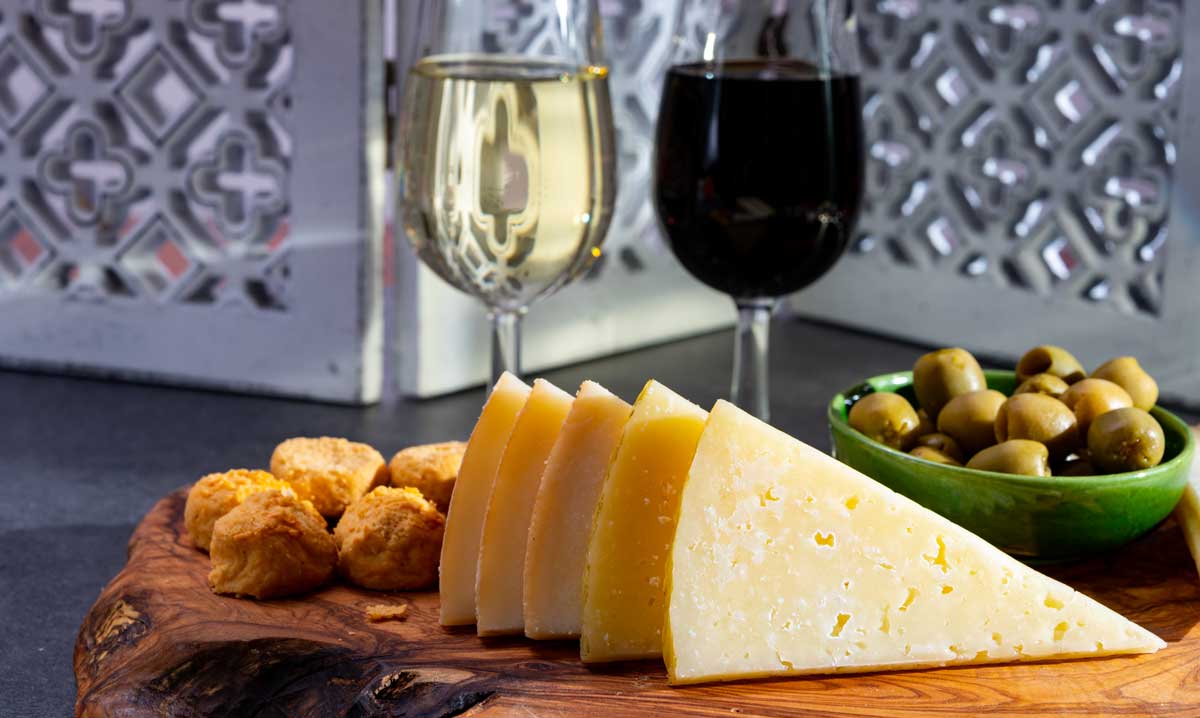
Spanish aperitivo spread with Manzanilla olives in a green bowl, slices of Manchego cheese, savory biscuits, and glasses of red and white wine on a wooden board.
A classic Spanish aperitivo featuring Manzanilla olives, aged Manchego cheese, and crisp wines—perfect for a flavorful and authentic tapas experience.

Manzanilla olives are deeply woven into the fabric of Spanish cuisine and daily life.

In Andalusia—where they’re grown—they’re a staple of the aperitivo, often served as a salty snack with sherry or beer before meals.

You’ll find them in classic dishes like ensaladilla rusa, empanadas, and arroz con pollo, where their briny flavor adds depth without overwhelming other ingredients.

They also shine during local festivals and religious celebrations, symbolizing hospitality and regional pride.

Protected by PDO status, Manzanilla olives represent more than flavor—they reflect Spain’s culinary heritage and social traditions.

Why Manzanilla Olives Deserve a Spot in Your Spanish Pantry

Glass of white wine and a bowl of green Manzanilla olives on a wooden board, bathed in natural sunlight.
Sunlit and inviting, this pairing of Sherry wine and buttery Aceitunas Manzanilla captures the essence of relaxed Spanish aperitivo culture.

Manzanilla olives are a must-have for any fan of Spanish food.

With their smooth texture, balanced briny flavor, and incredible versatility, they elevate everything from tapas to salads and cocktails.

Grown in the heart of Andalusia and rooted in centuries of tradition, these olives offer both culinary delight and nutritional value.

Whether you’re building a charcuterie board or cooking a classic Spanish dish, Manzanilla olives bring authentic Mediterranean flavor to your table—one bite at a time.

Buy Spanish Food on Amazon

More Spanish Foods

See all →

Please Share & Spread the Love of Latin Foods!

Leave a Comment