

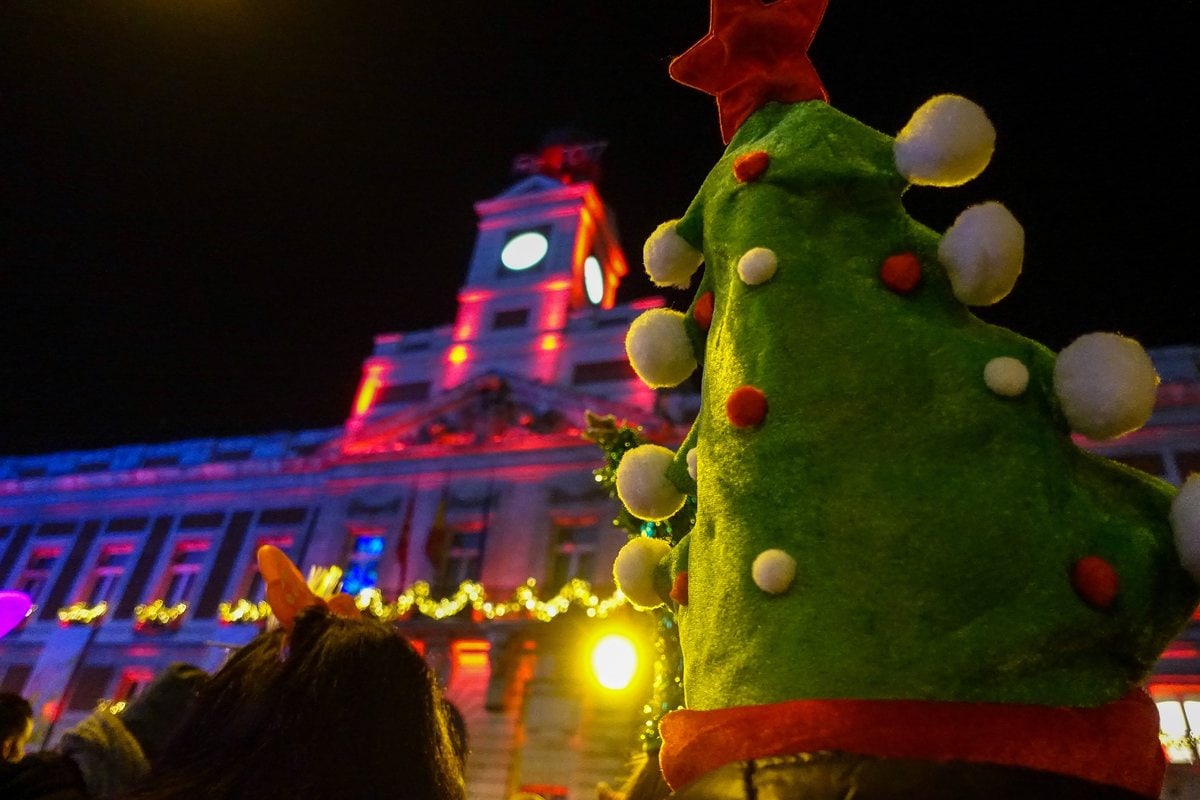
In Latin America and Spain, New Year’s Eve is called Nochevieja (“old night”) in Spain, Año Viejo or fin de año in much of Latin America, and Réveillon in Brazil. It is a family dinner, a street party and a string of good-luck rituals all at once. At midnight people swallow 12 grapes, one for each stroke of the clock. Before that, they eat lentils for money, and in some countries they run around the block with a suitcase or burn a life-size doll of the old year. The food on the table changes from country to country: roast pork in Puerto Rico and Cuba, hallacas in Venezuela, bacalao and romeritos in Mexico, vitel toné in Argentina, seafood and lamb in Spain. Here is a country-by-country guide to New Year’s Eve food traditions in Latin America and Spain, with recipes for everything and a menu you can cook this year.
New Year’s Eve at a Glance
AmigoFoods may earn a commission from qualifying Amazon purchases made through links on this page.
The 12 grapes at midnight (las doce uvas)
The most famous tradition is las doce uvas de la suerte, the 12 lucky grapes. As the clock strikes twelve, you eat one grape for each chime and make a wish for each month of the new year. The custom started in Spain and spread across Latin America, where it is now part of New Year’s Eve from Mexico to Chile. Our 12 grapes guide tells the whole story.
Lentils for money in the new year
Small, round and coin-shaped, lentils stand for money and abundance. Lentils are an old Italian New Year’s food, and today the custom turns up all over Latin America in a few different ways:
- Eat a spoonful of lentil stew or a lentil salad just before or after midnight. This is common in Chile, Brazil, Argentina and parts of Mexico.
- Carry raw lentils in a pocket, wallet or purse into the new year, a favorite in Colombia, Venezuela and Mexico.
- Toss lentils at the door, or leave a small bowl of them by the entrance, to invite prosperity in.
If you want to eat yours, our lentejas recipe makes a Spanish-style stew with chorizo, and Ecuador’s menestra is a thick lentil stew served with rice.

Other lucky New Year’s Eve rituals
Along with grapes and lentils, Latin New Year’s Eve is full of small rituals, called cábalas in Spanish and simpatias in Portuguese. Families pick the ones they like and do several at once.
- Colored underwear: yellow for money and luck (Venezuela, Colombia, Ecuador, Peru, Mexico), red for love (Spain, Mexico), white for peace and health.
- The suitcase walk: run around the block with an empty suitcase at midnight to bring a year of travel. Popular in Colombia, Venezuela, Ecuador and Mexico.
- Burning the Año Viejo: in Ecuador, and also in Colombia, families build life-size dolls called años viejos or monigotes out of old clothes, paper and sawdust, often dressed as politicians or cartoon characters, and burn them at midnight to leave the bad parts of the year behind. Ecuador’s Ministry of Tourism traces the custom to Guayaquil in 1895. In Quito, men dress up as the old year’s “widows” and ask passersby for coins.
- A bucket of water out the window: in Puerto Rico and Cuba, some families throw a bucket of water out the door or window at midnight to wash away the bad luck of the old year.
- Wearing white and jumping seven waves: in Brazil, millions dress in white and head to the beach. At midnight, people jump seven waves and make a wish for each one, a custom with roots in the Afro-Brazilian religions that honor Iemanjá, goddess of the sea.
- Shredded paper in Buenos Aires: on the last workday of the year, office workers throw old calendars and papers out of the windows, covering the downtown streets.
New Year’s Eve food by country
In most countries the New Year’s Eve dinner is a close cousin of the Nochebuena meal a week earlier, and in some homes it is the same menu cooked again. Here is what is on the table across Latin America and Spain.
Mexico
Mexican families serve a late dinner of roast turkey or pierna (roast pork leg), bacalao a la vizcaína, romeritos in mole with shrimp cakes, tamales, and the creamy ensalada de manzana. Hot ponche and rompope are poured all night. At midnight it is grapes, sparkling cider or wine, and hugs. On January 1, a pot of pozole or menudo appears. See our Mexican Christmas food guide for the full season.
Puerto Rico
The Puerto Rican table is built around slow-roasted pernil or a whole lechón, with arroz con gandules, pasteles, and a glass of coquito. Desserts are the island’s Christmas classics, tembleque and arroz con dulce. The Puerto Rican holiday season keeps going past New Year’s, through Three Kings Day and the San Sebastián street festival in mid-January. More in our Puerto Rican Christmas food guide.

Cuba
For Cubans, the year ends the way Nochebuena does: with lechón asado marinated in mojo, black beans and rice (served together as congrí or separately as frijoles negros), yuca con mojo, and maduros, followed by turrón and flan. See our Cuban Christmas dinner guide.
Dominican Republic
Dominican families gather for a cena that mirrors Nochebuena: roast pork, often cooked on a spit (puerco en puya), or roast chicken, with moro de guandules, rice with pigeon peas cooked in coconut milk, a Dominican-style ensalada rusa, and pasteles en hoja. The drink of the season is Dominican ponche, a rum-spiked eggnog made with evaporated milk, eggs, cinnamon and nutmeg, and many homes keep a pot of hot ginger tea, té de jengibre, going all night. Bowls of grapes, apples and nuts wait on the table for midnight. Find more in our Dominican Christmas foods roundup.
Venezuela
In Venezuela the New Year’s plate is usually the Christmas plate, the plato navideño: hallacas steamed in plantain leaves, pan de jamón, roast pernil, and ensalada de gallina, a chicken and potato salad. To drink, ponche crema, and for dessert dulce de lechosa, green papaya simmered in a spiced panela syrup. Yellow underwear, 12 grapes, lentils in the pocket and the suitcase walk are all common. See our Venezuelan Christmas food guide.

Colombia
Colombians end the year with lechona, tamales, and the Christmas pair of natilla and buñuelos. Colombians are also famous for New Year’s rituals: lentils in the wallet, the suitcase walk, yellow underwear, and the “three potatoes” game, where one peeled, one half-peeled and one unpeeled potato are hidden under the bed and you grab one at midnight to predict the year’s money. In many towns families also build an Año Viejo doll and burn it in the street at midnight, the same custom Ecuador is known for. See our Colombian Christmas food guide.
Ecuador
Ecuador’s New Year’s Eve is built around the Año Viejo. For weeks before December 31, families and neighborhoods build life-size dolls of the year that is ending. Before midnight someone reads the doll’s testamento, a funny last will that pokes fun at the family and the year’s news, and at midnight the dolls are set on fire in the street. Dinner comes first: roast pork or turkey with rice and potato salads, plus the Christmas sweets still on hand, like pristiños, ring-shaped fritters drizzled with panela syrup. Our guide to Ecuadorian holiday foods covers the Christmas and year-end table.
Peru
In Peru, the New Year’s Eve dinner usually repeats the Christmas menu: roast turkey (pavo al horno) or a roast pork leg, served with applesauce, ensalada rusa and tamales. Then come slices of panetón with a cup of thick hot chocolate, even though December is the middle of summer in Lima. Yellow is everywhere for luck: yellow clothes, yellow flowers and yellow underwear. Many Peruvians also eat 12 grapes, keep lentils in a pocket and play the three-potatoes game at midnight. See our Peruvian Christmas foods.
Argentina and Uruguay
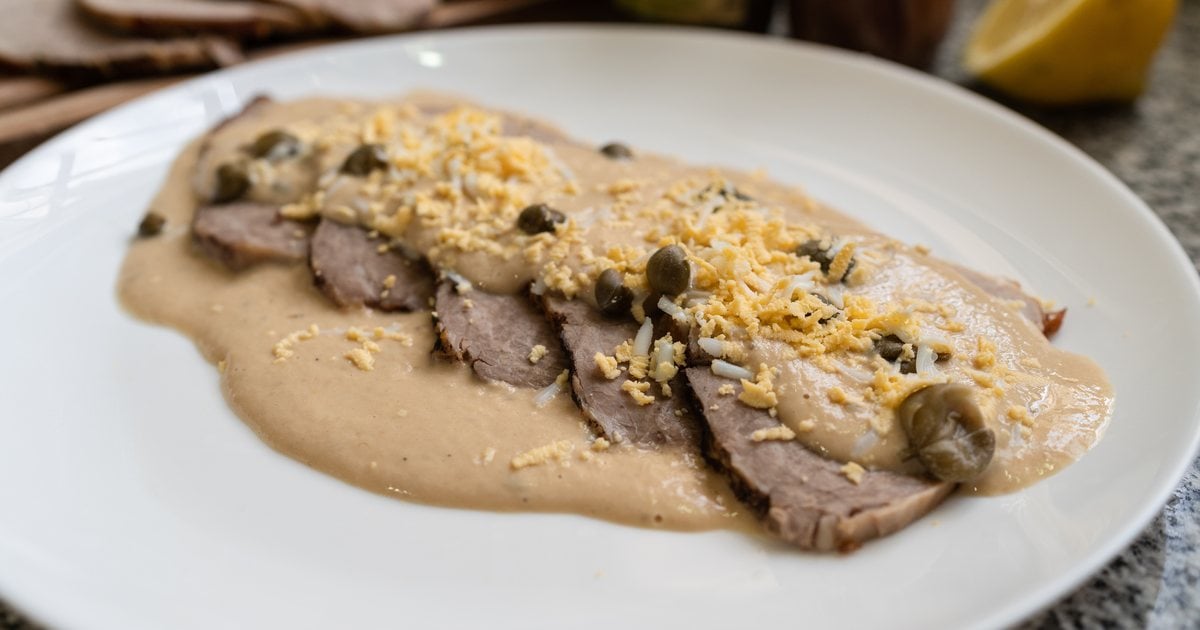
In the Southern Hemisphere, December 31 is a summer night. Argentines and Uruguayans eat outdoors, often a cold spread of vitel toné, ensalada rusa and cold meats, or fire up an asado. Dessert is pan dulce, Italian-style panettone, with turrón, and the midnight toast is sidra or sparkling wine. See our guides to Argentine Christmas foods and Christmas in Uruguay.
Chile
Chileans eat a spoonful of lentils at midnight for luck, alongside roast turkey or meat and salads. The holiday sweets carry over from Christmas: pan de pascua, a spiced fruitcake, and cola de mono, a chilled coffee-and-milk punch with aguardiente. See our Chilean Christmas foods.
Brazil
Brazil’s Réveillon is the beach party in white. At home, the ceia often includes roast turkey or pork, salt cod in the Portuguese style (bacalhau), farofa, and of course lentils, the lentilha eaten for prosperity. Rabanada, Brazilian Christmas French toast, is a favorite sweet. See our Brazilian Christmas food guide.
Spain
Nochevieja in Spain is a long dinner with family before going out. The menu is festive and often seafood-heavy: prawns and gambas al ajillo, a platter of jamón and cheese, then roast lamb or suckling pig. Dessert is turrón, polvorones and mantecados. At midnight comes the 12 grapes, then cava, and many people end the night at dawn with churros and thick chocolate a la taza. See our Spanish Christmas foods.
The main dishes: a quick comparison
| Country | Main dishes | Sweets and drinks | Lucky ritual |
|---|---|---|---|
| Mexico | Bacalao, romeritos, pierna or pavo, tamales | Buñuelos, ponche, rompope | 12 grapes, lentils, suitcase |
| Puerto Rico | Pernil, arroz con gandules, pasteles | Tembleque, arroz con dulce, coquito | 12 grapes, water out the window |
| Cuba | Lechón asado, congrí, yuca con mojo | Turrón, flan | 12 grapes, water out the window |
| Dominican Rep. | Roast pork, moro de guandules, ensalada rusa | Dominican ponche, turrón, fruit | 12 grapes |
| Venezuela | Hallacas, pan de jamón, pernil | Dulce de lechosa, ponche crema | Yellow underwear, suitcase |
| Colombia | Lechona, tamales | Natilla, buñuelos | Lentils, three potatoes, Año Viejo |
| Ecuador | Roast pork or turkey | Holiday sweets | Burning the Año Viejo |
| Peru | Roast turkey, salads | Panetón, hot chocolate | Yellow everything |
| Argentina | Vitel toné, asado, cold cuts | Pan dulce, turrón, sidra | Shredded paper downtown |
| Chile | Turkey, lentils at midnight | Pan de pascua, cola de mono | Lentils, 12 grapes |
| Brazil | Turkey or pork, bacalhau, farofa, lentilha | Rabanada, sparkling wine | White clothes, seven waves |
| Spain | Seafood, jamón, lamb or cochinillo | Turrón, polvorones, cava | 12 grapes, red underwear |
New Year’s Eve desserts
New Year’s desserts are mostly Christmas desserts that are still going strong a week later. The easiest crowd-pleasers to make ahead:
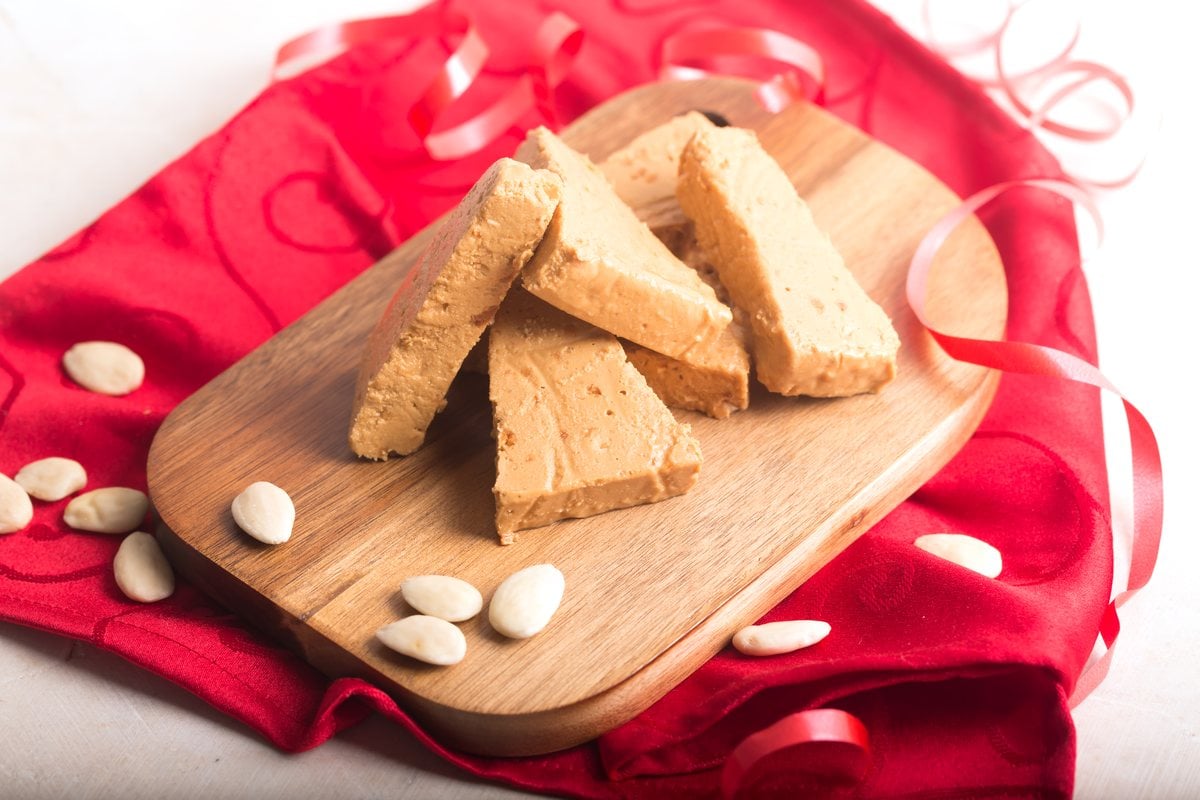
- Turrón, the Spanish almond nougat set out in Spain, Argentina, Uruguay and Cuba.
- Panetón or pan dulce, sliced with hot chocolate in Peru or with cider in Argentina.
- Natilla and buñuelos in Colombia, or Mexican buñuelos with piloncillo syrup.
- Tembleque and arroz con dulce in Puerto Rico.
- Pan de pascua in Chile and rabanada in Brazil.
- Flan in almost every country; our guide to types of flan covers them all.
For more ideas, browse our Latin and Spanish Christmas desserts.
Drinks and the midnight toast
The midnight toast is usually something sparkling: cava in Spain, sidra (sparkling apple cider) in Argentina, Chile and Mexico, or Brazilian sparkling wine. Many people drop their grapes into a glass of bubbly and eat them as the clock strikes. Before midnight, the creamy holiday drinks come out:
- Coquito, Puerto Rico’s coconut eggnog
- Ponche crema, Venezuela’s eggnog
- Rompope and hot ponche navideño in Mexico
- Cola de mono, Chile’s chilled coffee punch
- Hot chocolate in Spain at dawn and in Peru with panetón
See all of them on our Latin holiday drinks page.
January 1: the morning after
New Year’s Day is quiet, and the food is all about comfort. In Mexico it is the day of the recalentado, reheated leftovers from the night before, and a pot of pozole or menudo, the classic morning-after soup. In Spain, people who stayed out all night stop for churros and chocolate. Many Colombian families head to a river for a paseo de olla and cook a big pot of sancocho outdoors. And for most families, the season is not over yet: Three Kings Day on January 6 brings rosca de reyes in Mexico and roscón de Reyes in Spain.
A New Year’s Eve menu for 8 to 10
Want to bring a few traditions to your own table? Here is a mix-and-match menu that borrows one star from several countries. Pick one item from each line; the lentils and the grapes are for everyone.
Make-ahead timeline:
- 1 week before: Mix the coquito or ponche crema; it keeps in the fridge for about a week. Buy turrón, panetón and the cava.
- December 30: Marinate the pernil or lechón overnight. Cook the lentejas, which taste even better the next day.
- December 31, afternoon: Roast the pork, cook the rice, make the salad. Wash the grapes and portion them into cups of 12.
- 11:30 p.m.: Chill the glasses, hand out the grapes, and serve a spoonful of lentils to everyone.
- Midnight: Grapes, toast, hugs, and your cábala of choice.
New Year’s Eve food FAQ
What do Latinos eat on New Year’s Eve?
It depends on the country, but most families serve a big dinner similar to their Christmas Eve meal: roast pork in Puerto Rico, Cuba and the Dominican Republic, hallacas in Venezuela, bacalao, romeritos and turkey in Mexico, lechona in Colombia, and vitel toné or asado in Argentina. Almost everyone eats 12 grapes at midnight, and many eat lentils for luck.
Why do people eat lentils on New Year’s Eve?
Lentils look like little coins, so they stand for money and prosperity. Some people eat a spoonful of lentejas at midnight; others carry raw lentils in their wallet.
What does yellow underwear mean on New Year’s Eve?
In much of Latin America, wearing yellow underwear on December 31 is said to bring money and good luck in the new year. Red is for love, and white is for peace.
What is the Año Viejo?
The Año Viejo, or “old year,” is a life-size doll made of old clothes, paper and sawdust that families in Ecuador and Colombia burn at midnight to leave the bad parts of the year behind.
What is the suitcase tradition?
People who want to travel in the new year walk or run around the block with an empty suitcase right after midnight. It is popular in Colombia, Venezuela, Ecuador and Mexico.
What do Mexicans eat on New Year’s Day?
Leftovers from the night before, called the recalentado, and often a pot of pozole or menudo.
More holiday dishes
New Year’s Eve sits between Nochebuena and Three Kings Day in the Latin holiday calendar. Find every recipe for the season on our Latin American and Spanish holiday dishes hub.
New Year’s Eve shopping list: champagne flutes for the grapes, Spanish turrón, a panettone, dried lentils, and a Cuisinart 16-inch roasting pan with rack for the pernil.
Sources
- NPR, The Salt: Green Grapes and Red Underwear, a Spanish New Year’s Eve
- El País, El Comidista: ¿Por qué comemos uvas en Nochevieja y roscón en Reyes?
- Ministerio de Turismo del Ecuador: Quema del año viejo
- The New York Times: Años Viejos, Torching the Old Year to Toast the New One
- BBC News Brasil: A raiz africana dos rituais de Réveillon do Brasil
- Excelencias Gourmet: ¿Qué cenamos en Iberoamérica en Nochevieja?
More Latin Christmas Foods
See all →
Jorge Garcia is the founder of AmigoFoods, where he has spent over 20 years helping readers discover authentic Latin American and Spanish cuisine. Raised in a Cuban-American household, Jorge learned to cook at the hands of his mother and grandmother, carrying forward generations of family recipes. That heritage, backed by his family’s four-generation history in the Latin food industry, inspired him to launch AmigoFoods in 2003. With more than 1,000 published articles on recipes, ingredients, and food culture, Jorge’s mission is simple: make authentic Latin cooking approachable for home cooks everywhere while honoring the traditions behind every dish.