

On this page
Ensaladilla rusa is Spain’s creamy potato salad: diced boiled potatoes, carrots and peas folded with tuna, hard-boiled egg and mayonnaise, chilled, then topped with strips of red pepper and green olives. It is one of the most ordered tapas in Spain, eaten cold with crunchy breadsticks or bread. The recipe below is the classic bar version for 6 to 8 people, with homemade or store-bought mayonnaise.
Ensaladilla Rusa at a Glance
Plan ahead: The vegetables must be completely cold before the mayonnaise goes in, and the finished salad needs at least 1 hour in the fridge. Cook the potatoes in the morning or the day before, and garnish just before serving.
AmigoFoods may earn a commission from qualifying Amazon purchases made through links on this page.
What is ensaladilla rusa?
Ensaladilla rusa means “little Russian salad.” In Spain the dish is so common that nobody bothers with the second word: you walk into a bar and ask for una ensaladilla.
It is a cold salad of potatoes and vegetables bound with mayonnaise, much closer to a spread than to an American picnic potato salad. The potatoes are cut small or roughly crushed, there is no mustard, celery or relish, and the flavor comes from good canned tuna, egg and plenty of mayonnaise, usually homemade.
- Spanish nameEnsaladilla rusa (or just ensaladilla)
- ServedCold, as a tapa or a side dish
- BasePotato, carrot, peas, tuna, egg, mayonnaise
- On topRed pepper strips, olives, grated egg
- Eaten withPicos, regañás or crusty bread
- SeasonAll year, most of all in summer

Why is it called “Russian” salad?
The name points to Moscow. In the 1860s, the chef Lucien Olivier made a salad at his Hermitage restaurant that became the talk of the city. His exact recipe was never published, and later Russian cookbooks show how luxurious the dish was, with grouse, crayfish, capers and olives in a mayonnaise dressing.
The idea of a “Russian salad” was already traveling around European kitchens. An English cookbook printed a Russian salad in 1845, and French chefs wrote up a salade russe of boiled potatoes and beets in the 1850s. The first Spanish mention appears on a menu from 1858.
Spanish cooks slowly swapped the game birds and caviar for cheap, everyday ingredients: potatoes, carrots, peas and canned tuna. The little salad, the ensaladilla, moved into tapas bars and stayed there. After the Spanish Civil War, some in Franco’s circle are said to have pushed to call it ensaladilla nacional to avoid the Soviet association. Nobody did.
How Spain eats ensaladilla rusa
In Spain, ensaladilla is a bar food first. It sits in the refrigerated case on almost every counter, next to the tortilla española, and it comes out as a small plate with a beer or a glass of vermouth.
Andalusia takes it most seriously. In Seville and Cádiz, bars compete over their ensaladilla, and it is usually served with regañás, thin crackly flatbreads, or with picos, the small crunchy breadsticks you see in every Spanish bread basket. Many Andalusian bars add shrimp. At home it is a summer dish, made in big batches for lunch on hot days and for family gatherings.

Ingredients for ensaladilla rusa
Every Spanish family argues about what belongs in it, but the bar version almost always has these. Exact amounts are in the recipe card.
Waxy potatoes
Yukon Gold or red potatoes hold their shape. Russets fall apart and turn the salad into mash.
Carrots and peas
Fresh carrots, diced after cooking, and frozen peas. They add color and a little sweetness.
Tuna in olive oil
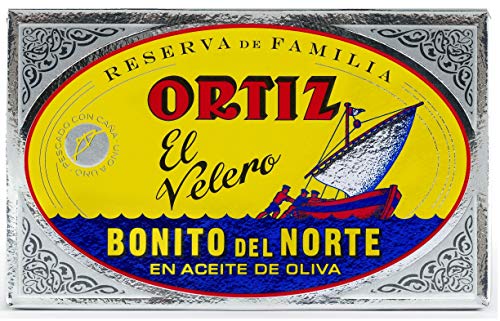
The Spanish choice is white tuna (bonito del norte) packed in olive oil. Drain it well and flake it in large pieces.
Hard-boiled eggs
Chopped into the salad, with one yolk saved and grated over the top.
Mayonnaise
Spanish mahonesa: egg, lemon and a mild olive oil. Use a pasteurized egg for homemade, or a good store-bought mayonnaise.
Peppers and olives
Piquillo or roasted red pepper strips and Spanish manzanilla olives, often the anchovy-stuffed kind, for the top.
Two optional extras show up often in Spanish bars: a spoonful of capers, and a few chopped olives mixed right into the salad. For more on the olives Spaniards reach for, see our guide to manzanilla olives.

- Iberia Premium select olives are Known for their Rich Taste, Firm Texture, and Tangy flavor. Only...
- Create delicious salads and antipasti platters with Iberia Minced Anchovy Stuffed Olives. Even if...


How to make ensaladilla rusa
Here is the method in short. The full recipe with amounts, times and a print button is in the recipe card below.
- Boil the potatoes whole, in their skins. Start them in cold salted water with the peeled carrots. The skins keep the potatoes from soaking up water, so they stay firm.
- Cook the peas and eggs. Simmer the frozen peas for 3 minutes and boil the eggs for 10 minutes, then cool both.
- Peel, dice and chill. Slip the skins off the warm potatoes, cut potatoes and carrots into small cubes and spread them on a tray in the fridge until cold.
- Make the mayonnaise. An immersion blender in a tall cup turns egg, lemon and oil into mayonnaise in under a minute. Or open a jar.
- Fold everything together. Add the cold vegetables, chopped egg, flaked tuna and capers to a bowl and fold in the mayonnaise until just coated.
- Chill, then decorate. Smooth it into a dish, spread a thin layer of mayonnaise on top, chill for an hour, and finish with peppers, olives and grated yolk.

- How to Use Sanniti Spanish Capers: Spanish Capers are as visually appealing as they are tasty...
- With a taste reminiscent of olives, capers in vinegar and salt are used all throughout the...
The tapas-bar finish
What makes ensaladilla look Spanish is the top. Bars spread the salad flat in a wide dish, smooth it with the back of a spoon and give it a thin, even coat of mayonnaise, almost like icing a cake. Then come the decorations:
- Red pepper strips laid across the top, from a jar of piquillo or roasted red peppers.
- Green olives, whole or halved, often the anchovy-stuffed manzanillas.
- Egg, either a grated yolk scattered over everything or slices of hard-boiled egg.
- A few extra pieces of tuna or, in Andalusia, a couple of peeled shrimp.

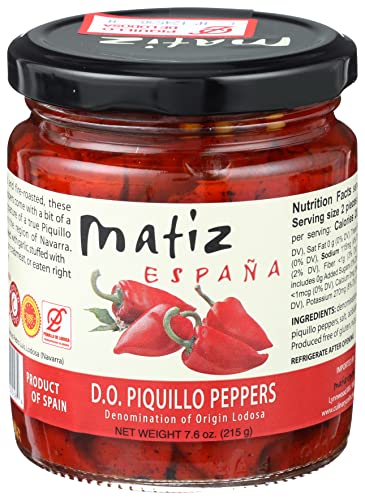
- Hand-Picked and fire-roasted, these sweet red peppers come with a bit of bite – the signature of a...
- Fantastic sautéed with garlic, stuffed with Bonito tuna or crabmeat, or eaten right out of the jar!
Variations on ensaladilla rusa
With shrimp
Andalusian bars fold in chopped cooked shrimp or prawns, sometimes alongside the tuna, sometimes instead of it.
With ventresca
Tuna belly is richer and more tender than regular tuna. It is the upgrade Spanish cooks use for a special occasion.
Without tuna
Plenty of Spanish cooks leave the tuna out and call that the original. Add an extra egg and a few more olives.
With alioli
Grate a small garlic clove into the mayonnaise for a sharper, garlicky dressing.
Smooth and crushed
Some bars crush the potatoes instead of dicing them, for a texture that spreads on bread.
Lighter
Replace up to half the mayonnaise with plain Greek yogurt. It is less traditional, and a little tangier.
Ensaladilla rusa vs. Latin American ensalada rusa
Across Latin America the same family of salads is called ensalada rusa, without the diminutive. It shares the potatoes, carrots, peas and mayonnaise, but it usually skips the tuna and is a holiday side rather than a bar snack.
| Where | What changes | When it’s eaten |
|---|---|---|
| Spain | Tuna, egg, olives and red pepper on top | Year-round tapa, especially summer |
| Dominican Republic | Beets turn it pink, or apple goes in; no tuna | Christmas and New Year dinners |
| Peru | Beets and green beans, sometimes lime | With the Christmas turkey and roast chicken |
| Venezuela | Shredded chicken or hen (ensalada de gallina) | The Christmas plate with hallacas |
| Argentina and Uruguay | Simple potato, carrot, pea and egg | Beside the asado and at holiday tables |
If you are cooking for a Latin Christmas Eve, our Nochebuena guide covers the full table country by country. To turn this recipe into a Dominican-style salad, leave out the tuna and capers and add diced cooked beets or a diced apple.
What to serve with ensaladilla rusa
As a tapa, put it out with bread and a few hot dishes. As a side, it goes with anything grilled or roasted.
- Hot tapasPatatas bravas, gambas al ajillo and pimientos de Padrón
- On a boardCured ham, cheese and olives; see our Spanish tapas board guide
- As a sideRoast chicken, grilled fish, pork chops or burgers at a cookout
To drink, Spaniards order a small, very cold beer (una caña), a vermouth on ice, or a chilled white wine. For more ideas, browse our Spanish tapas and Spanish side dishes.

How to store ensaladilla rusa and make it ahead
Ensaladilla is a make-ahead dish: it tastes better after a few hours in the fridge, once the flavors settle. You can mix it the day before and decorate it just before serving.
- Fridge: Keep it covered. Eat it within 2 days if you used homemade mayonnaise, or 3 days with store-bought.
- Freezer: Don’t. The mayonnaise separates and the potatoes turn grainy when they thaw.
- Leftover garnish: Store the peppers and olives separately and add them fresh to each serving.
Is ensaladilla rusa healthy?
It is a hearty dish rather than a light one. Most of the calories come from the mayonnaise. The potatoes, vegetables, eggs and tuna add protein, fiber and vitamins. Using our estimate for one of 8 servings, made with 1 cup of mayonnaise:
- 400calories
- 26 gfat
- 28 gcarbohydrates
- 14 gprotein
To lighten it, use less mayonnaise and add more vegetables, or swap part of the mayonnaise for Greek yogurt. Served as a small tapa, a portion is about half that size.

Ensaladilla Rusa (Spanish Potato Salad)
Ensaladilla rusa is the potato salad every Spanish tapas bar serves: diced potatoes, carrots and peas folded with tuna, egg and mayonnaise, chilled, then topped with piquillo peppers, olives and grated yolk.
Ingredients
For the ensaladilla
- 2 lb waxy potatoes (Yukon Gold or red), scrubbed and left whole
- 3 medium carrots, peeled
- 1 cup frozen peas (about 5 oz)
- 3 large eggs
- 2 cans (4–5 oz each) tuna in olive oil, well drained
- 2 tablespoons capers, drained (optional)
- 1 cup mayonnaise, homemade (below) or good store-bought, plus 2 tablespoons for the top
- Salt and freshly ground black pepper, to taste
For the homemade mayonnaise (optional)
- 1 large pasteurized egg, at room temperature
- 1 cup mild olive oil, or half olive oil and half sunflower oil
- 1 tablespoon fresh lemon juice (about ½ lemon)
- ¼ teaspoon salt
To finish
- 1 jar (about 7 oz) piquillo or roasted red peppers, cut into strips
- 12 Spanish green olives (manzanilla, plain or anchovy-stuffed)
- Picos, regañás or crusty bread, to serve
Instructions
- Cook the potatoes and carrots. Put the whole, unpeeled potatoes and the peeled carrots in a large pot, cover with cold water by 1 inch and add 1 tablespoon salt. Bring to a boil, then simmer. Lift out the carrots after 15–20 minutes, when a knife slides in. Keep simmering the potatoes until tender all the way through but not splitting, 25–35 minutes depending on size.
- Cook the peas and eggs. Meanwhile, simmer the peas for 3 minutes, drain and cool. Lower the eggs into boiling water, cook for 10 minutes, then move them to ice water.
- Peel, dice and chill. Drain the potatoes and let them steam dry for 5 minutes. Peel them while warm (the skins slip off), then cut into ½-inch cubes. Dice the carrots the same size. Spread the potatoes, carrots and peas on a sheet pan and refrigerate until completely cold, at least 30 minutes.
- Make the mayonnaise (optional). Put the pasteurized egg, lemon juice and salt in a tall, narrow container just wider than an immersion blender head. Pour in the oil and let it settle for a few seconds. Set the blender flat on the bottom, turn it on, and slowly tilt and lift it as the mayonnaise forms, about 30 seconds. Taste for salt. Or use store-bought mayonnaise.
- Mix the salad. Peel the eggs. Set one yolk aside and chop the rest. In a large bowl combine the cold potatoes, carrots, peas, chopped egg, drained and flaked tuna and capers. Gently fold in 1 cup of mayonnaise until everything is just coated. Season with salt and pepper.
- Chill and decorate. Spread the salad in a serving dish, smooth the top and spread the remaining 2 tablespoons of mayonnaise over it in a thin layer. Cover and refrigerate for at least 1 hour. Just before serving, lay strips of piquillo pepper across the top, add the olives and grate the reserved yolk over everything. Serve cold with picos, regañás or crusty bread.
Notes
Potatoes: Use waxy potatoes (Yukon Gold or red). Starchy russets crumble into mash.
Cool before mixing: Warm potatoes break the mayonnaise and turn the salad greasy, so chill the vegetables fully first.
Mayonnaise safety: Homemade mayonnaise is not cooked, so use a pasteurized egg, or use a good store-bought mayonnaise.
Make ahead and storage: Mix up to a day ahead and decorate just before serving. Keep covered in the refrigerator and eat within 2 days with homemade mayonnaise or 3 days with store-bought. Do not leave it out of the refrigerator for more than 2 hours (1 hour above 90°F). Do not freeze.
Variations: Add chopped cooked shrimp, use tuna belly (ventresca), or leave out the tuna and add an extra egg. For a Dominican-style salad, skip the tuna and capers and add diced cooked beets or apple.
Nutrition is an estimate for 1 of 8 servings made with store-bought mayonnaise and without added salt.
Nutrition Information:
Yield: 8 Serving Size: about ¾ cupAmount Per Serving: Calories: 400Total Fat: 26gSaturated Fat: 4.5gTrans Fat: 0gUnsaturated Fat: 20gCholesterol: 86mgSodium: 470mgCarbohydrates: 28gFiber: 4gSugar: 3gProtein: 14g
Ensaladilla Rusa FAQ
What is the difference between ensaladilla rusa and ensalada rusa?
Mostly the name and the extras. Ensaladilla rusa is the Spanish version, usually made with tuna and egg and served as a tapa. Ensalada rusa is the Latin American name, and those versions tend to skip the tuna and may add beets, apple or chicken.
Why is it called Russian salad?
It descends from the Olivier salad, made famous at the Hermitage restaurant in Moscow in the 1860s. “Russian salad” recipes were already appearing in English and French cookbooks in the 1840s and 1850s.
Is ensaladilla rusa served warm or cold?
Cold. It is mixed once the vegetables have cooled and chilled for at least an hour before serving.
What potatoes are best for ensaladilla rusa?
Waxy potatoes such as Yukon Gold or red potatoes. They hold their shape when diced. Starchy russets break down into mash.
Can I use store-bought mayonnaise?
Yes. Many Spanish home cooks do, especially in summer, because it avoids raw egg. Use a good full-fat mayonnaise.
Can I make ensaladilla rusa the day before?
Yes. Mix it, cover it and refrigerate it overnight, then add the peppers, olives and grated yolk just before serving.
Can you freeze ensaladilla rusa?
No. Mayonnaise separates in the freezer and the potatoes turn grainy.
What do Spaniards eat ensaladilla rusa with?
Picos (small breadsticks), regañás (thin crackers from Seville) or crusty bread, with a cold beer or vermouth.
More Spanish potato classics: tortilla española, patatas bravas and our roundup of Spanish potato dishes.
Explore Spain: our guides to Spanish foods, Spanish ingredients and seafood tapas.
Sources
- Wikipedia (Spanish): Ensalada rusa
- Wikipedia: Olivier salad
- Bonviveur: Ensaladilla rusa casera
- Saveur: Ensaladilla Rusa
- Serious Eats: Two-Minute Mayonnaise
- Cocina Dominicana: Ensalada rusa
- Contrapunto: El plato navideño venezolano
- USDA FSIS: The Danger Zone
More Spanish Foods
See all →
Jorge Garcia is the founder of AmigoFoods, where he has spent over 20 years helping readers discover authentic Latin American and Spanish cuisine. Raised in a Cuban-American household, Jorge learned to cook at the hands of his mother and grandmother, carrying forward generations of family recipes. That heritage, backed by his family’s four-generation history in the Latin food industry, inspired him to launch AmigoFoods in 2003. With more than 1,000 published articles on recipes, ingredients, and food culture, Jorge’s mission is simple: make authentic Latin cooking approachable for home cooks everywhere while honoring the traditions behind every dish.