

Marranitos are soft, pig-shaped Mexican cookies with piloncillo sweetness and gentle spice. Also called puerquitos or cochinitos, they make a cozy companion to coffee or atole; this version uses a chilled dough and bakes at 350°F.
Marranitos at a Glance
What Are Marranitos? Understanding the Mexican Piggy Cookie
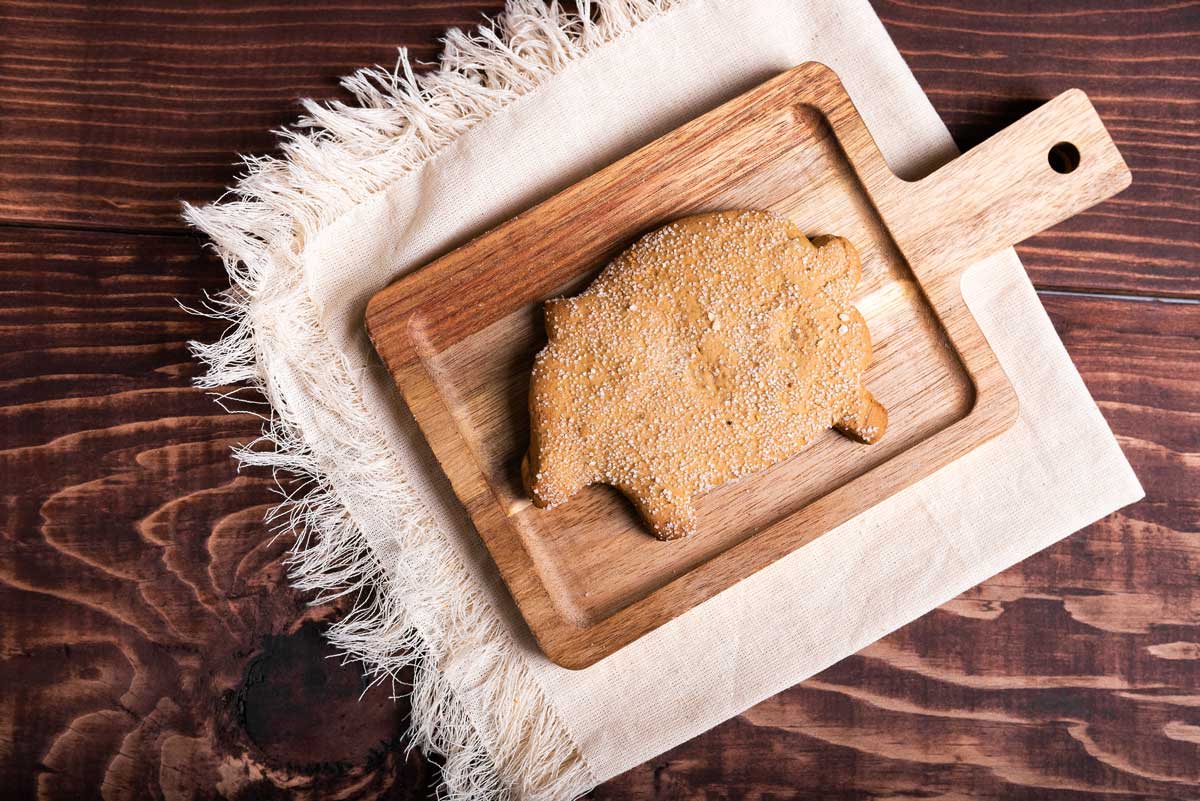
Marranitos are one of the most beloved treats in Mexican panaderías — charming, pig-shaped cookies that are as delicious as they are nostalgic.
Known interchangeably as puerquitos or cochinitos depending on the region, these soft, cake-like cookies are traditionally sweetened with piloncillo, a rich, unrefined cane sugar that gives them their signature deep molasses flavor and warm golden-brown color.
Unlike crunchy cookies, marranitos have a tender, almost bread-like texture, thanks to a dough made with flour, eggs, milk, and a hint of spices like cinnamon or ginger.
The piggy shape isn’t just for fun — in Mexican culture, pigs often symbolize abundance and prosperity, making these cookies a subtle nod to good fortune.
You’ll usually find marranitos in the glass display cases of Mexican bakeries, right alongside conchas, orejas, and empanadas.
They’re a favorite for breakfast with a steaming cup of café de olla or in the afternoon paired with champurrado or atole.
While they’re enjoyed year-round, their comforting aroma and soft sweetness make them especially popular during cooler months and festive seasons.
Traditional Marranitos Ingredients and Flavor Profile
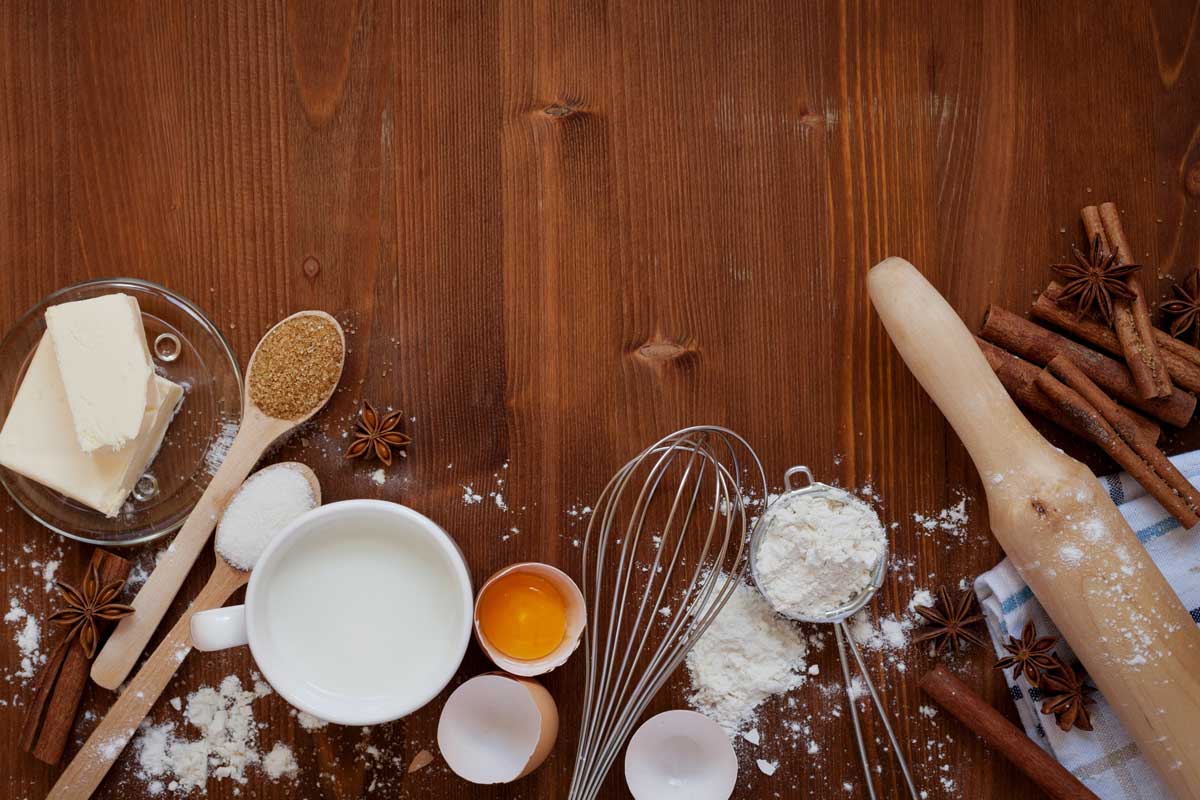
At the heart of every authentic marranito lies a simple yet flavorful combination of ingredients that give the popular Mexican bread its unique taste and texture.
While recipes can vary slightly from bakery to bakery, the traditional formula has remained largely unchanged for generations.
1. Piloncillo – The Star Sweetener
Piloncillo, an unrefined Mexican cane sugar, is the soul of marranitos. Sold in cone-shaped blocks, it’s melted down into a thick syrup that infuses the dough with deep caramel and molasses notes. This natural sweetener not only adds richness but also gives marranitos their signature golden-brown color.
2. Flour – The Base
All-purpose flour provides the structure for the cookies, creating a soft, slightly dense texture that sets them apart from crunchy American-style cookies.
3. Fats – Shortening or Butter
Traditional recipes often use vegetable shortening for tenderness and a longer shelf life, but some home bakers prefer butter for a richer, more flavorful bite.
4. Eggs and Milk – For Softness and Moisture
Eggs add richness and help bind the dough, while milk keeps the texture tender and prevents the cookies from drying out.
5. Warm Spices – Cinnamon and Beyond
Cinnamon is common, lending warmth and aroma to every bite. Some variations also include a touch of cloves, nutmeg, or ginger, giving the cookies a subtle spice complexity.
6. Leavening Agents – Baking Powder or Baking Soda
A small amount of baking powder or baking soda gives marranitos their slight lift, ensuring they stay soft and cake-like rather than flat.

Flavor Profile:
Traditional marranitos are a harmonious blend of earthy sweetness and gentle spice.
The piloncillo delivers deep caramel and molasses flavors, perfectly balanced by the warmth of cinnamon.
The texture is soft and moist, almost like a cross between a cookie and a sweet bread, making them a comforting companion to hot drinks.
Each bite is rich yet not overly sweet, with a homestyle quality that instantly transports you to a Mexican bakery.
Step-by-Step Traditional Marranitos Recipe

Ingredients
- 8 oz (225 g) piloncillo, chopped
- ½ cup water
- 3 cups all-purpose flour, plus a little for rolling
- 1 tsp baking powder
- 1 tsp ground cinnamon
- ½ tsp ground cloves or ginger (optional)
- ½ cup vegetable shortening or softened butter
- 1 large egg
- ¼ cup milk, added as needed
- 1 tsp vanilla extract
- 1 additional egg, beaten, for optional egg wash
Method
- Simmer piloncillo with water over medium-low heat until dissolved and syrupy, about 10 minutes. Cool to room temperature, about 20 minutes; hot syrup can melt the fat.
- Whisk flour, baking powder, cinnamon and optional spice. In another bowl beat the shortening or butter until creamy, then mix in the cooled syrup, egg and vanilla. Add the dry mixture, adding milk gradually only as needed for a soft dough that holds together.
- Cover and refrigerate at least 30 minutes, or longer until firm enough to roll without sticking.
- Heat the oven to 350°F (175°C). Line baking sheets with parchment. Roll dough about ¼ inch thick on a lightly floured surface; cut with a roughly 4-inch pig cutter. Space cookies about 2 inches apart and gently reroll scraps. Brush with the separate beaten egg if desired.
- Bake 12–15 minutes per tray, until the tops are set and edges lightly colored; larger or thicker cookies may take longer. Do not leave the centers raw.
- Rest on the baking sheet 5 minutes, then move to a rack. Allow about 10 minutes total cooling before serving. Let cool completely before airtight storage.
Makes approximately 12–15 cookies, depending on cutter size. Allow about 1 hour 45 minutes: 20 minutes hands-on preparation, 10 minutes for syrup, 15 minutes baking, 20 minutes syrup cooling, 30 minutes dough chilling and 10 minutes cookie cooling. Extra trays or longer chilling add time. Milk is added gradually because syrup reduction and flour absorption vary. Ginger is optional; marranitos need not contain ginger. Store cooled cookies airtight for 3–4 days or freeze for up to 2 months. Egg-free, gluten-free and whole-wheat versions require a recipe developed for those ingredients; they are not direct swaps here.
Variations and Modern Twists on Marranitos
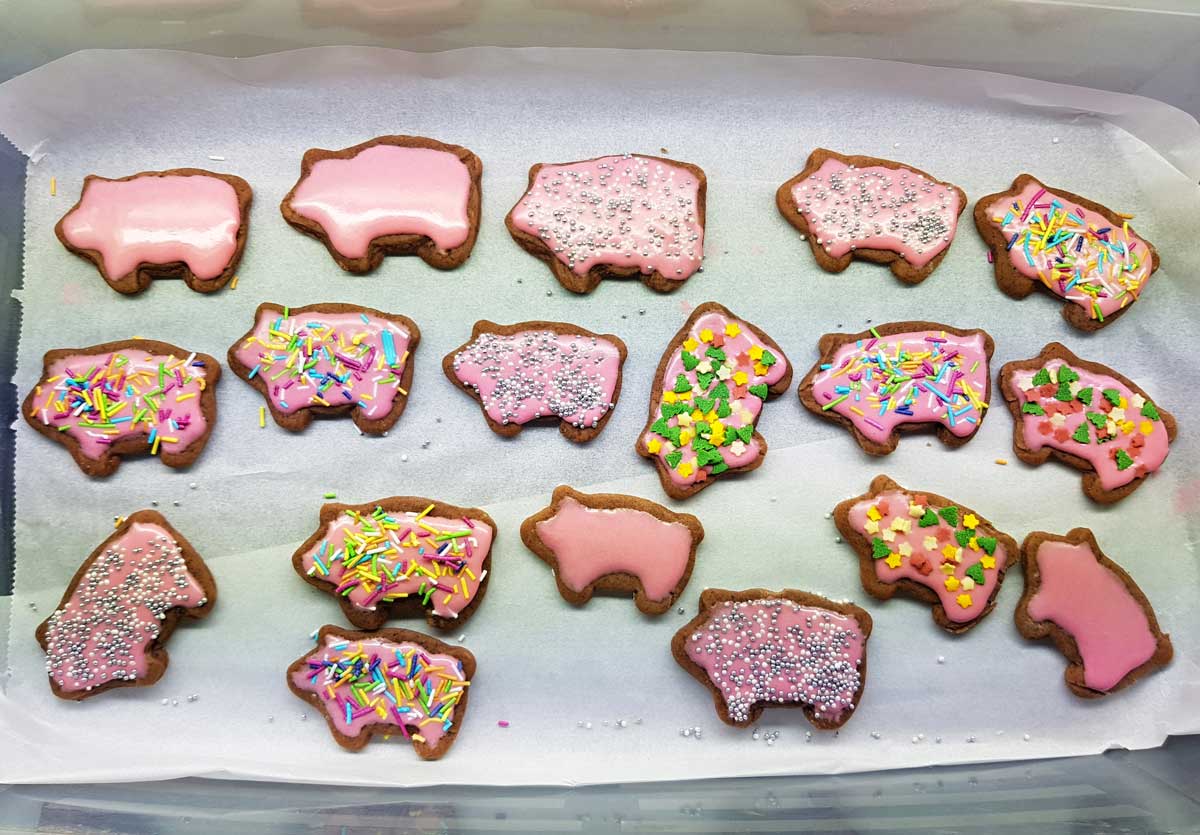
While traditional marranitos will always have a special place in Mexican baking, modern bakers have been reimagining these piggy cookies with new flavors, ingredients, and dietary adaptations.
Whether you’re aiming for a healthier version, a seasonal spin, or a unique fusion dessert, there’s a marranito variation for everyone.
1. Whole Wheat and Healthier Marranitos
-
Whole-wheat flour absorbs moisture differently and gives a denser cookie; use a formula developed for it rather than replacing all the flour here.
-
Piloncillo, maple syrup and coconut sugar are all added sugars. Changing the sweetener changes dough moisture and spread.
-
Add ground flaxseed or chia seeds for an extra nutritional boost.
2. Vegan Marranitos
-
Use a recipe specifically developed without eggs; flax gel or applesauce is not a verified direct replacement in this dough.
-
A vegan version also needs plant-based fat and no egg wash; coconut oil behaves differently from shortening.
-
Opt for non-dairy milk such as almond, oat, or soy milk.
3. Gluten-Free Marranitos
-
Use a recipe developed with a gluten-free flour blend; this wheat-based dough has not been verified with a direct flour swap.
-
Ensure all other ingredients, especially baking powder, are gluten-free certified.
4. Flavor Infusions
-
Orange Zest Marranitos: Add fresh orange zest to the dough for a bright citrus note that pairs beautifully with piloncillo.
-
Chocolate Marranitos: Mix cocoa powder into the flour or drizzle with melted dark chocolate after baking.
-
Pumpkin Spice Marranitos: Perfect for fall, add pumpkin purée and pumpkin spice blend to the dough for a seasonal twist.
5. Glazed and Decorated Marranitos
-
Brush with a simple maple glaze for sweetness and shine.
-
Decorate with icing eyes and a curly “tail” for a playful, kid-friendly look.
-
Dust with powdered sugar or cinnamon sugar before serving.
6. Fusion Marranitos
-
Create marranito ice cream sandwiches by slicing them in half and filling with vanilla or cinnamon ice cream.
-
Pair marranitos with dulce de leche or cajeta for a richer, caramel-forward dessert.
-
Incorporate matcha powder for a Mexican–Japanese fusion cookie.
These creative twists keep the essence of marranitos alive while introducing new flavors and textures for modern palates.
Whether you’re baking for tradition or innovation, these piggy cookies can adapt to just about any taste.
The History and Cultural Significance of Marranitos
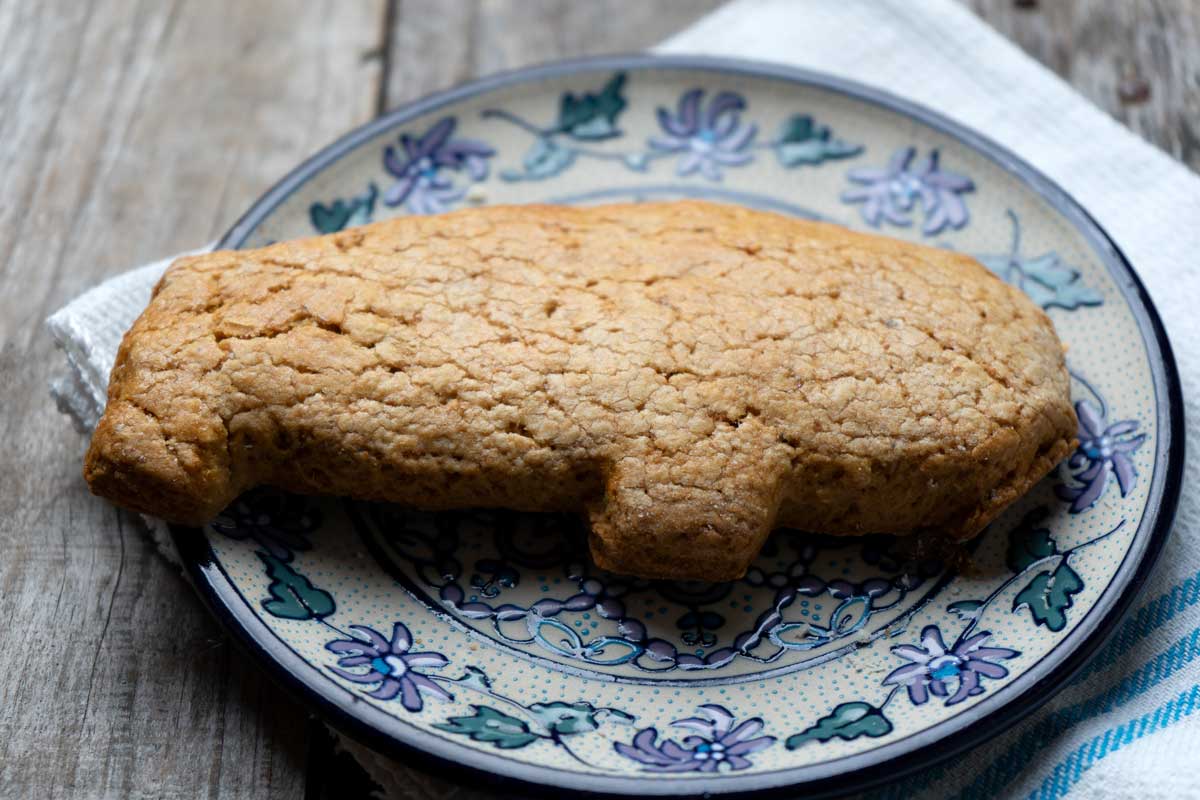
Marranitos may look like a whimsical treat, but behind their playful piggy shape lies a story deeply rooted in Mexican culture and tradition.
These cookies have been a staple in panaderías (Mexican bakeries) for generations, cherished not only for their flavor but also for the memories and symbolism they carry.
Colonial Roots and Baking Influence
The origins of marranitos can be traced back to the colonial period, when Spanish settlers introduced wheat, sugarcane, and European baking techniques to Mexico.
Over time, these influences merged with locally developed ingredients such as piloncillo, creating a uniquely Mexican style of sweet bread and cookies.
Marranitos are part of the pan dulce family, which includes conchas, orejas, and empanadas, all born from this blend of cultures.
Where to Buy Marranitos
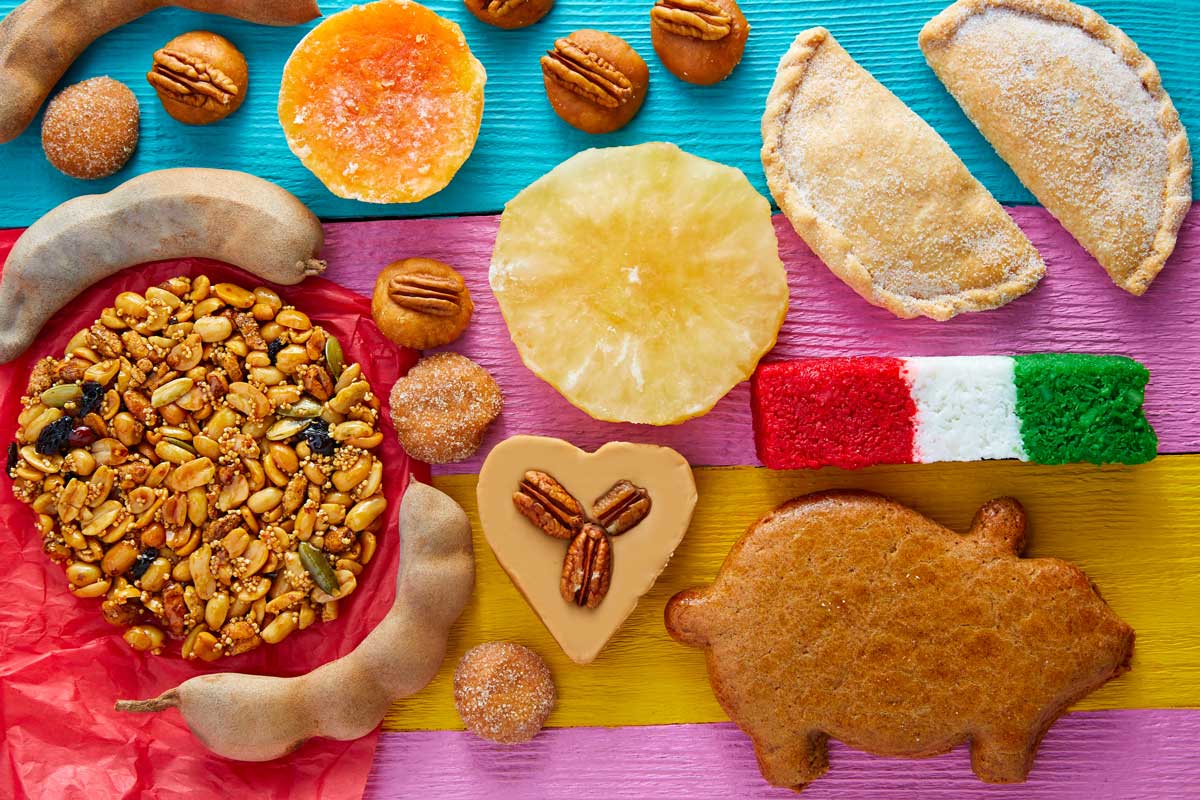
Not everyone has the time (or patience) to make marranitos from scratch — and thankfully, you don’t have to!
Whether you live in Mexico, the United States, or somewhere else entirely, there are plenty of ways to get your hands on these delicious piggy cookies.
1. Mexican Panaderías (Bakeries)
-
In Mexico, almost every panadería will carry fresh marranitos daily, often displayed alongside other pan dulce favorites like conchas and orejas.
-
In the U.S., seek out authentic Mexican bakeries in neighborhoods with a strong Hispanic community. Cities like Los Angeles, Houston, Chicago, and San Antonio are famous for their abundance of quality panaderías.
2. Hispanic Grocery Stores
-
Large chains such as Northgate González Markets, Fiesta Mart, and El Super often have in-store bakeries making fresh marranitos.
-
Supermarkets like H-E-B, Kroger, or Walmart in areas with a large Mexican population may carry them in their bakery sections.
3. Farmers Markets and Food Festivals
-
Some farmers markets and Latin food festivals feature local bakers selling fresh marranitos, often with unique flavors or organic ingredients.
4. Online Bakeries and Delivery Services
-
Several Mexican bakeries now ship nationwide within the U.S., offering freshly baked marranitos right to your door.
-
Etsy and Goldbelly occasionally feature artisan marranito sellers, allowing you to order small-batch versions from home.
5. Local Coffee Shops with Latin Influence
-
Cafés that serve café de olla or Latin-inspired pastries sometimes partner with bakers to offer marranitos as a perfect coffee companion.
Pro Tip: If you’re buying from a grocery store rather than a bakery, check the texture — authentic marranitos should be soft and slightly moist, not overly dry or crumbly.
Perfect Pairings for Marranitos
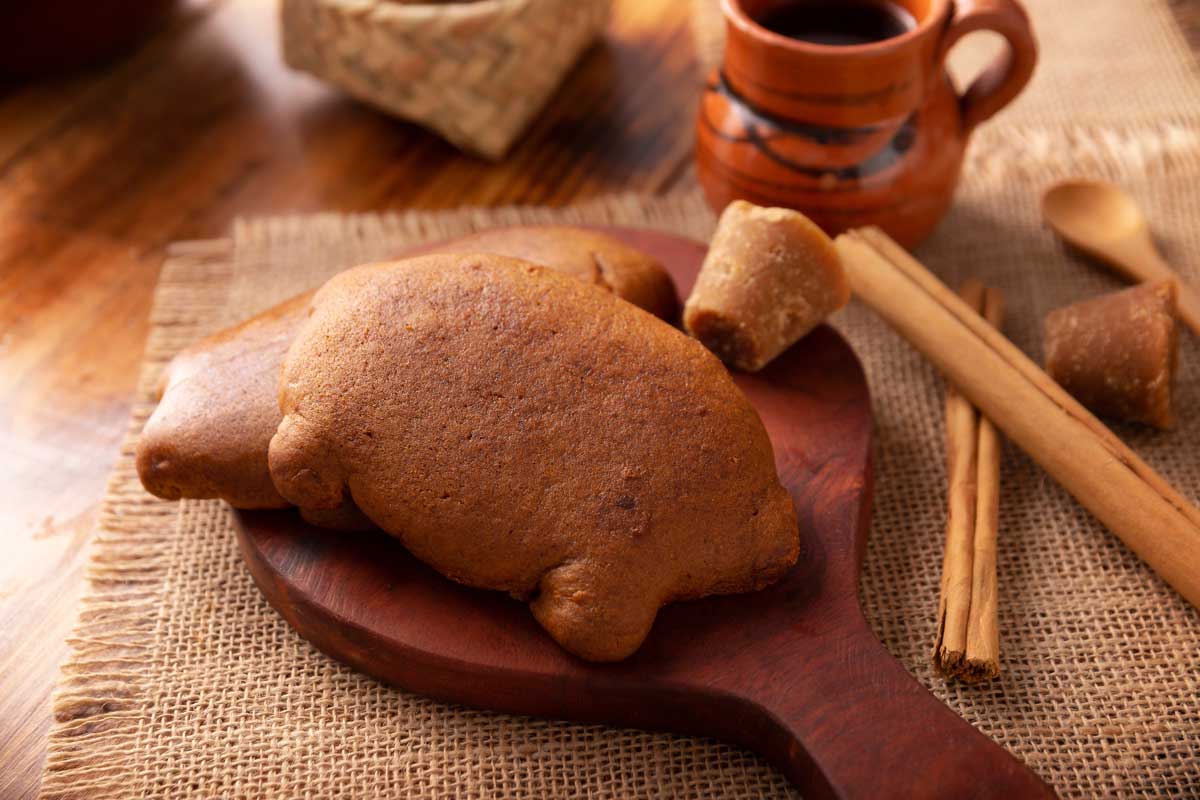
Part of the joy of eating marranitos is enjoying them with the perfect drink or side.
These soft, piloncillo-sweetened cookies shine brightest when paired with warm, comforting beverages or complementary treats that enhance their spiced sweetness.
Here are some classic and creative pairings that make the popular Mexican pastry even more irresistible.
1. Café de Olla
-
A traditional Mexican coffee brewed with cinnamon, cloves, and piloncillo.
-
The warm spices in the coffee echo the flavors of marranitos, creating a harmonious pairing.
2. Champurrado
-
A thick, rich Mexican hot chocolate made with masa harina, piloncillo, and cinnamon.
-
Its creamy texture and deep chocolate flavor are perfect for dunking marranitos.
3. Atole
-
A warm, lightly sweetened corn-based drink often flavored with vanilla or cinnamon.
-
Gentle in flavor, it lets the bold piloncillo notes of the marranito shine.
4. Mexican Hot Chocolate
-
Made with tabletas de chocolate (like Abuelita or Ibarra), cinnamon, and milk.
-
Slightly frothy and full of spice, it complements the cookie’s soft, cake-like texture.
5. Cold Pairings for Summer
-
Iced café de olla or iced cinnamon latte for a refreshing twist.
-
Vanilla or cinnamon ice cream served alongside a warm marranito for a dessert-style treat.
6. Savory Complements
-
Mild cheeses like queso fresco or requesón can balance the cookie’s sweetness.
-
A small fruit plate with papaya, mango, or pineapple adds a fresh contrast.
Serving Tip: Marranitos taste best when they’re fresh and slightly warm. If yours have cooled, pop them in the microwave for 10–15 seconds to bring back their soft, bakery-fresh aroma before pairing with your favorite drink.
Marranitos FAQs

Whether you’re discovering marranitos for the first time or you’ve been enjoying them since childhood, there are always a few questions that pop up about these beloved Mexican piggy cookies.
Here’s a helpful guide to the most common ones.
1. Are marranitos supposed to be soft or crunchy?
Traditionally, marranitos are soft and slightly cake-like, thanks to the use of milk, eggs, and shortening in the dough. However, some bakeries make them a bit firmer for longer shelf life — so texture can vary.
2. What’s the difference between marranitos and gingerbread cookies?
While both are spiced cookies, marranitos are sweetened with piloncillo, giving them a deep caramel-molasses flavor. Gingerbread cookies typically use molasses and have a stronger ginger profile, while marranitos focus more on cinnamon and a softer texture.
3. How long do marranitos last after baking?
When stored in an airtight container at room temperature, marranitos stay fresh for about 3–4 days. They can last up to a week, but they’ll start to lose their softness.
4. Can I freeze marranitos or the dough?
Yes! You can freeze baked marranitos for up to 2 months. The dough can also be wrapped tightly and frozen, then thawed in the refrigerator before rolling and baking.
5. Why are they shaped like pigs?
The pig shape is both playful and symbolic. In Mexican culture, pigs often represent abundance, prosperity, and good fortune — making these cookies a sweet way to wish someone well.
6. Can I make marranitos without piloncillo?
While piloncillo is essential for authentic flavor, you can substitute dark brown sugar in a pinch. The taste will be slightly different, but still delicious.
7. Are marranitos eaten only during special occasions?
No — they’re enjoyed year-round! That said, they’re especially popular during cooler months, holidays like Christmas, and celebrations such as Día de los Muertos.
8. What drinks go best with marranitos?
Classic pairings include café de olla, champurrado, atole, and Mexican hot chocolate. For a summer twist, try iced café de olla or a cinnamon latte.
Conclusion – Marranitos: A Timeless Mexican Cookie Worth Savoring
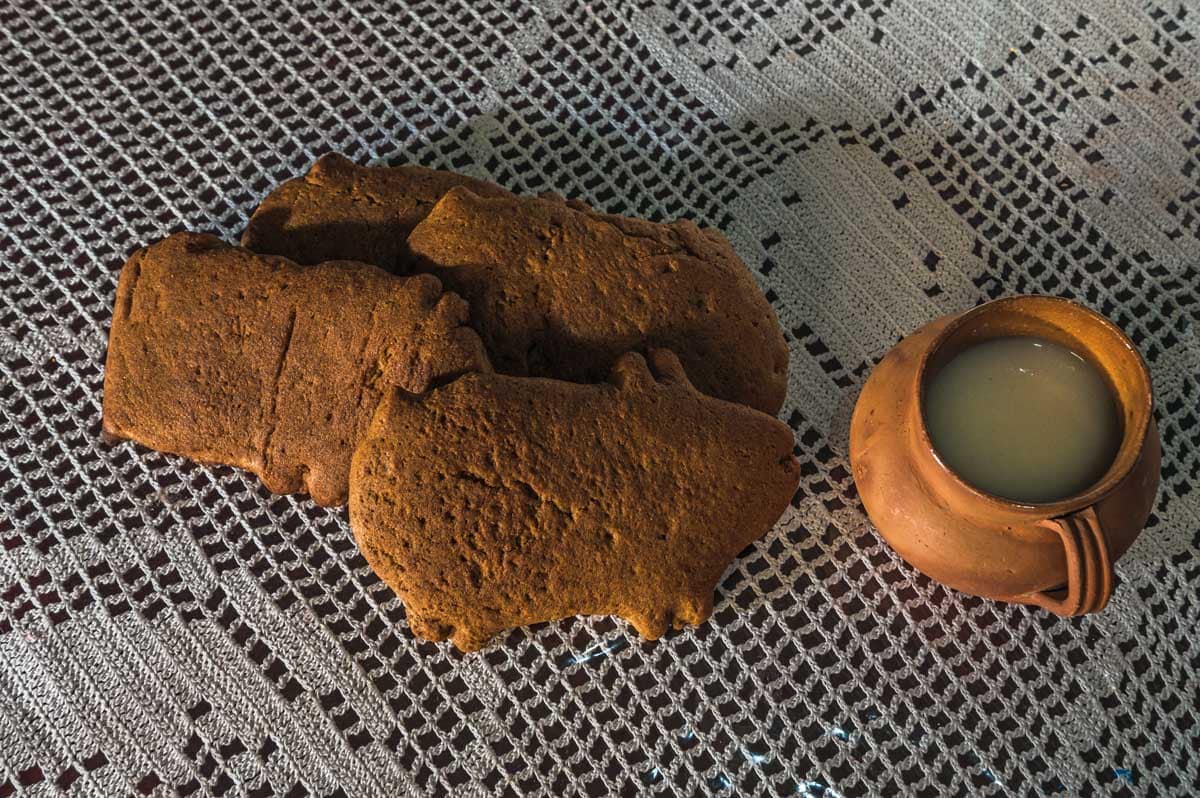
Marranitos are more than just adorable pig-shaped cookies — they’re a bite of Mexican history, tradition, and comfort.
From the deep, caramel-like sweetness of piloncillo to the soft, cake-like texture that melts in your mouth, these beloved pan dulce treats have a way of bringing people together across generations.
Whether you enjoy them fresh from a local panadería, bake them at home using a traditional recipe, or experiment with modern twists, marranitos remain a symbol of warmth, abundance, and cultural pride.
So, next time you’re craving something sweet, skip the store-bought cookies and reach for this classic.
Brew a cup of café de olla, share a plate with family or friends, and let the rich aroma and comforting flavors of marranitos remind you why they’ve been loved for decades — and will continue to be for years to come.

Marranitos Recipe
Marranitos, also known as puerquitos or cochinitos, are soft, pig-shaped Mexican cookies made with piloncillo, cinnamon, and warm spices. These traditional panadería favorites have a tender texture and a rich molasses-like sweetness that pairs perfectly with café de olla, champurrado, or a glass of milk.
Ingredients
- 8 oz (225 g) piloncillo, chopped
- ½ cup water
- 3 cups all-purpose flour, plus a little for rolling
- 1 tsp baking powder
- 1 tsp ground cinnamon
- ½ tsp ground cloves or ginger (optional)
- ½ cup vegetable shortening or softened butter
- 1 large egg
- ¼ cup milk, added as needed
- 1 tsp vanilla extract
- 1 additional egg, beaten, for optional egg wash
Instructions
- Simmer piloncillo with water over medium-low heat until dissolved and syrupy, about 10 minutes. Cool to room temperature, about 20 minutes; hot syrup can melt the fat.
- Whisk flour, baking powder, cinnamon and optional spice. In another bowl beat the shortening or butter until creamy, then mix in the cooled syrup, egg and vanilla. Add the dry mixture, adding milk gradually only as needed for a soft dough that holds together.
- Cover and refrigerate at least 30 minutes, or longer until firm enough to roll without sticking.
- Heat the oven to 350°F (175°C). Line baking sheets with parchment. Roll dough about ¼ inch thick on a lightly floured surface; cut with a roughly 4-inch pig cutter. Space cookies about 2 inches apart and gently reroll scraps. Brush with the separate beaten egg if desired.
- Bake 12–15 minutes per tray, until the tops are set and edges lightly colored; larger or thicker cookies may take longer. Do not leave the centers raw.
- Rest on the baking sheet 5 minutes, then move to a rack. Allow about 10 minutes total cooling before serving. Let cool completely before airtight storage.
Notes
Makes approximately 12–15 cookies, depending on cutter size. Allow about 1 hour 45 minutes: 20 minutes hands-on preparation, 10 minutes for syrup, 15 minutes baking, 20 minutes syrup cooling, 30 minutes dough chilling and 10 minutes cookie cooling. Extra trays or longer chilling add time. Milk is added gradually because syrup reduction and flour absorption vary. Ginger is optional; marranitos need not contain ginger. Store cooled cookies airtight for 3–4 days or freeze for up to 2 months. Egg-free, gluten-free and whole-wheat versions require a recipe developed for those ingredients; they are not direct swaps here.
More Mexican Desserts
See all →
Jorge Garcia is the founder of AmigoFoods, where he has spent over 20 years helping readers discover authentic Latin American and Spanish cuisine. Raised in a Cuban-American household, Jorge learned to cook at the hands of his mother and grandmother, carrying forward generations of family recipes. That heritage, backed by his family’s four-generation history in the Latin food industry, inspired him to launch AmigoFoods in 2003. With more than 1,000 published articles on recipes, ingredients, and food culture, Jorge’s mission is simple: make authentic Latin cooking approachable for home cooks everywhere while honoring the traditions behind every dish.