

Café de Olla is Mexican coffee scented with cinnamon and sweetened with piloncillo. This simple stovetop version makes four small cups in about 20 minutes, with optional orange peel or spices and enough warmth to pair beautifully with pan dulce.
Café de Olla at a Glance
What Is Café de Olla?
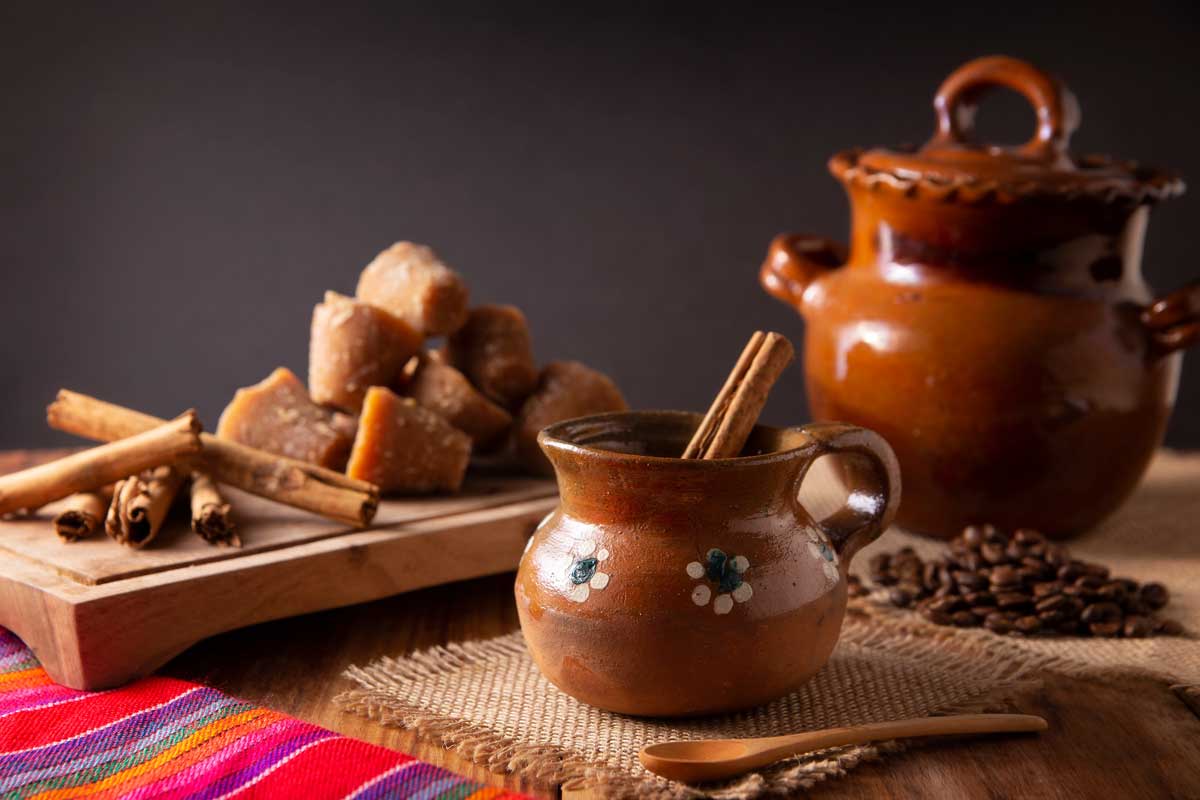
Café de Olla is a traditional Mexican coffee brewed with cinnamon and piloncillo, an unrefined cane sugar that gives it a deep, caramel-like sweetness.
Unlike your standard cup of black coffee, Café de Olla is known for its rich aroma, spiced undertones, and cultural significance.
Why Is It Called “Café de Olla”?
The name translates to “coffee from the pot,” referring to the clay pot (olla de barro) traditionally used to brew it.
The porous nature of the clay pot enhances the flavor, infusing the coffee with a distinct earthy taste that you can’t get from a regular coffee maker.
How Is It Different from Regular Coffee?
- Brewing Method: Steeped in a clay pot rather than brewed quickly in a coffee machine.
- Ingredients: Infused with cinnamon and piloncillo, sometimes with additional spices like cloves or orange peel.
- Flavor Profile: Sweet, spiced, and aromatic with a slightly smoky and caramelized undertone.
- Cultural Roots: Deeply tied to Mexican history and traditions, originating during the Mexican Revolution when it was served to soldiers for warmth and energy.
Where Is Café de Olla Popular?
- Mexico: Widely served in rural towns, mercados, and traditional fondas (small eateries).
- Mexican Restaurants in the U.S.: Many authentic taquerías and cafés serve it, often in clay mugs for authenticity.
- Latin American Homes: Many families prepare it at home, keeping the tradition alive with their unique variations.
This is not just a traditional Mexican drink, it’s a cultural experience in a cup.
Whether you drink it on a chilly morning or serve it alongside pan dulce, Café de Olla brings the warmth and hospitality of Mexico to every sip. ☕✨
The History of Café de Olla
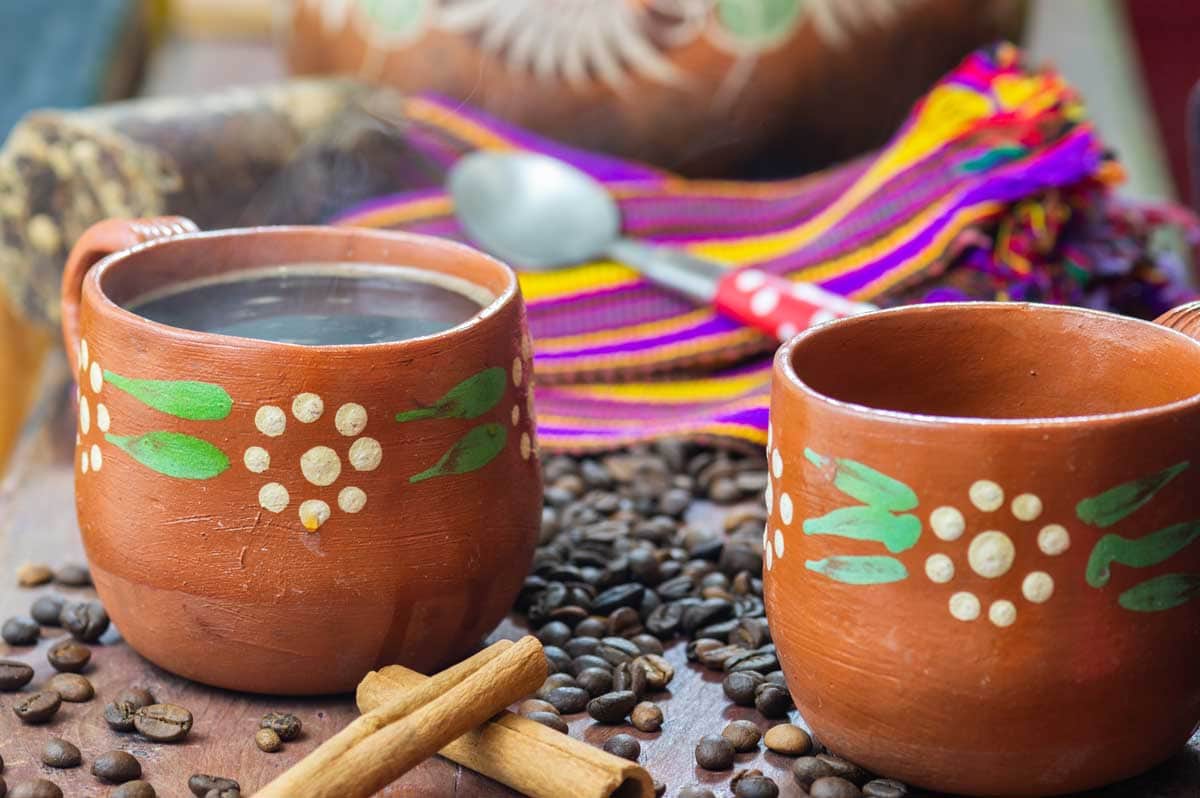
Café de Olla is a drink steeped in Mexican history and tradition.
Its origins date back to the Mexican Revolution (1910-1920) when it was prepared to energize and nourish soldiers fighting on the battlefield.
Over the years, it has evolved into a beloved staple of Mexican culture, enjoyed in homes, markets, and restaurants across the country.
The Role of Café de Olla in the Mexican Revolution
During the revolution, soldiers—both men and women—needed a strong and energizing beverage to keep them going.
The soldaderas (female soldiers), who played a vital role in both combat and cooking, prepared Café de Olla in large clay pots over open fires.
- Piloncillo was added as a natural sweetener to provide an energy boost.
- Cinnamon and spices were included not just for flavor but also for their warming and medicinal properties.
- The use of clay pots (ollas de barro) helped retain heat and infused the coffee with an earthy depth of flavor.
Indigenous and Spanish Influences
Though Café de Olla became famous during the revolution, its roots go even deeper.
Pre-Hispanic cultures in Mexico were already using cacao, spices, and herbs in their drinks.
When the Spanish introduced coffee in the 18th century, it was only natural that Mexican traditions and flavors would influence how it was prepared.
From Battlefield to Breakfast Tables
After the revolution, Café de Olla remained popular among ranchers, farmers, and rural communities who appreciated its rich flavor and comforting warmth.
Over time, it became a Mexican culinary staple, commonly served:
- In traditional mercados and fondas (small, family-run eateries).
- Alongside pan dulce, tamales, and other Mexican breakfast favorites.
- In modern coffee shops that celebrate Mexican heritage.
Café de Olla Today
While many still prepare Café de Olla the traditional way, modern adaptations exist.
Some people use espresso or instant coffee, while others experiment with new spices like anise, cloves, or orange peel.
It is now enjoyed beyond Mexico, served in Mexican cafés around the world and even available in pre-packaged blends for convenience.
From revolutionaries to modern coffee lovers, Café de Olla has remained a symbol of warmth, strength, and tradition—a drink that carries the heart and soul of Mexico in every sip. ☕
Café de Olla Ingredients & Their Significance

The traditional Mexican coffee’s unique flavor comes from a carefully chosen blend of ingredients, each adding its own depth and richness.
Unlike regular coffee, this Mexican spiced coffee is infused with piloncillo, cinnamon, and other aromatics, creating a warm and comforting drink.
Let’s break down the key ingredients and why they matter.
1. Coffee Beans – The Heart of the Drink
The foundation of Café de Olla is, of course, coffee.
Traditionally, medium to dark roast Mexican coffee beans are used, providing a bold yet smooth taste.
✔ Best varieties: Veracruz, Chiapas, and Oaxaca coffee beans
✔ Flavor profile: Rich, slightly smoky, with earthy undertones
✔ Alternative: If Mexican coffee is unavailable, use any full-bodied coffee
2. Piloncillo – The Natural Sweetener
Piloncillo is unrefined cane sugar shaped into solid cones or blocks.
Unlike white sugar, it has a deep, molasses-like sweetness that enhances the coffee’s richness.
✔ Adds caramelized, slightly smoky notes
✔ Provides natural energy (as it did for revolutionaries!)
✔ Alternative: Brown sugar or panela, though piloncillo is best
3. Cinnamon Sticks – The Essential Spice
Cinnamon is what gives Café de Olla its signature aroma and warmth.
Unlike ground cinnamon, using whole cinnamon sticks (canela) infuses the coffee gradually, preventing an overpowering taste.
✔ Adds sweetness without extra sugar
✔ Adds a warm, aromatic flavor
✔ Essential for authentic Mexican flavor
4. Water – The Base of the Brew
Unlike other coffee preparations that use hot water poured over grounds, Café de Olla is made by heating water with spices, then steeping the coffee off the heat for maximum flavor infusion.
✔ Helps extract the spiced, caramelized essence
✔ Slow-simmering process allows for deeper, richer flavor
5. Optional Ingredients for Extra Depth
Though cinnamon and piloncillo are the must-haves, many regions and families add their own twist with extra ingredients:
- Cloves: Adds a slightly peppery, aromatic depth
- Star Anise: Gives a subtle licorice-like sweetness
- Orange Peel: Brightens the flavor with citrusy notes
- Mexican Chocolate: For a richer, indulgent taste
- Vanilla Bean or Extract: Enhances the sweetness naturally
6. Clay Pot (Olla de Barro) – The Secret to Authentic Flavor
Café de Olla gets its name from the clay pot (olla de barro) in which it’s traditionally brewed.
This type of pot:
✔ Enhances the earthy, rustic taste
✔ Retains heat, keeping the coffee warm longer
✔ Infuses a mild, smoky undertone that metal or glass pots can’t replicate
Why These Ingredients Matter
Each element in Café de Olla contributes to its unique taste and cultural significance.
The combination of bold coffee, caramel-like piloncillo, and warming cinnamon creates a comforting, spiced drink that reflects Mexico’s rich culinary traditions.
Whether enjoyed in a traditional clay mug or a modern coffee cup, these ingredients make Café de Olla one of the most flavorful and historic coffees in the world. ☕
Traditional Café de Olla Recipe

Making Café de Olla the authentic way is a simple yet rewarding process that fills your kitchen with the warm, spiced aroma of cinnamon and piloncillo.
This traditional Mexican coffee is brewed slowly in a clay pot (olla de barro), allowing the flavors to blend beautifully.
Follow this step-by-step recipe to create a rich, comforting, and aromatic cup of Café de Olla at home!
Ingredients (4 small servings)
- 4 US cups water (about 950 ml)
- 3 oz (85 g) piloncillo, chopped, or 85 g dark brown sugar; use less to taste
- 1–2 cinnamon sticks
- 3–4 tablespoons ground Mexican coffee (medium to dark roast)
- Optional: a strip of orange peel, 1 star anise, or 2 cloves
- Optional for serving: Mexican chocolate or warm milk
Step-by-Step Instructions
- Put the water, cinnamon and piloncillo in a saucepan or food-safe, lead-free clay pot rated for stovetop use. Add any optional orange peel, star anise or cloves now.
- Heat over medium heat, stirring occasionally, until the sweetener dissolves and the water reaches a gentle boil, about 7–10 minutes.
- Turn off the heat, stir in the ground coffee, cover and steep for 5 minutes. Do not boil the coffee.
- Strain through a fine-mesh sieve lined with cheesecloth or a coffee filter into a serving jug. Divide among 4 small cups and serve hot. If using chocolate, stir it into the hot strained coffee until melted; add warm milk to taste.
Recipe Notes
Allow about 20 minutes: 5 minutes preparation, 10 minutes heating and 5 minutes steeping. Four small servings will be slightly less than 1 US cup each after straining.
Use 3 tablespoons coffee for a milder brew or 4 for a stronger one. Brown sugar can replace piloncillo by weight; ¼ cup packed brown sugar is a less-sweet option, not an equivalent to 85 g piloncillo. Adjust cinnamon and sweetness to taste.
A saucepan works well if you do not have suitable clay cookware. Serve with pan dulce, conchas, orejas, chilaquiles or huevos rancheros.
Variations of Café de Olla
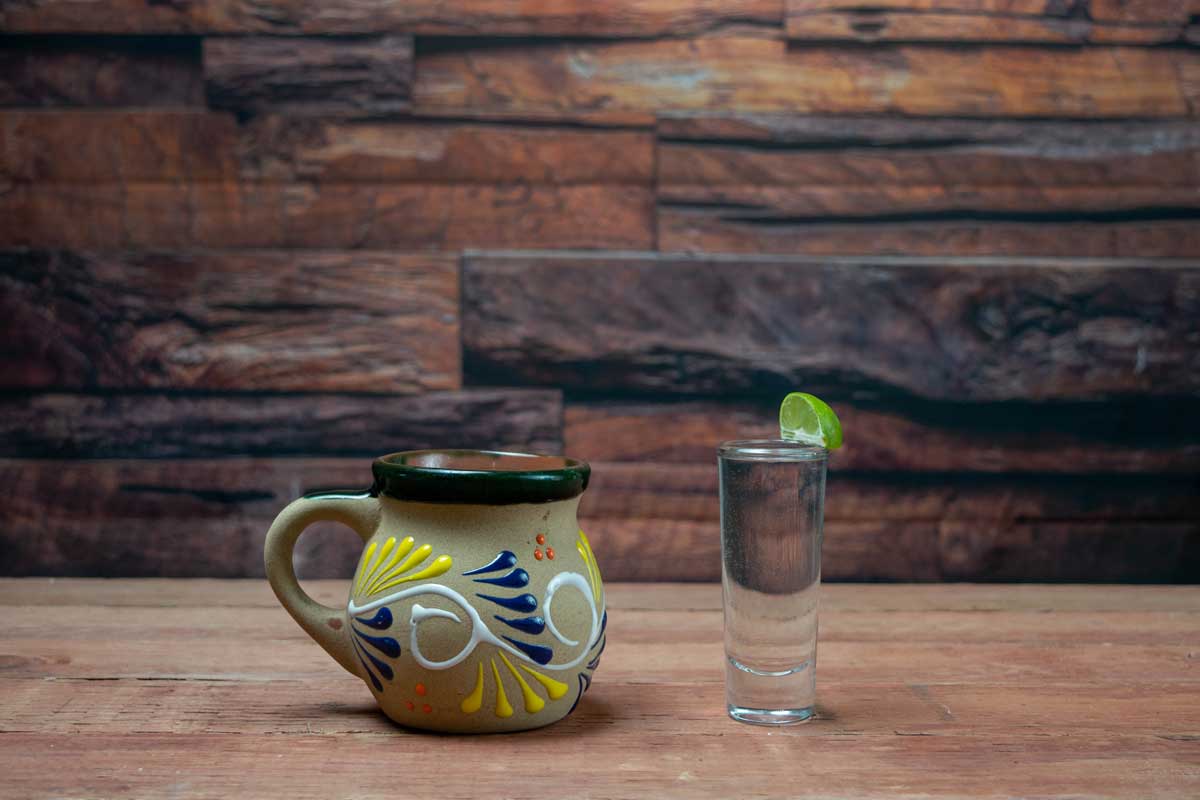
While the traditional Café de Olla is a classic, there are many ways to customize and modernize this beloved Mexican spiced coffee.
Whether you prefer it cold, with a splash of liquor, or with a creamy twist, these delicious variations will help you enjoy it in new and exciting ways!
1. Iced Café de Olla (Café de Olla Frío)
A refreshing summer twist on the classic warm drink!
✔ Brew Café de Olla as usual, then let it cool to room temperature.
✔ Strain and refrigerate for at least 2 hours.
✔ Serve over ice cubes and garnish with a cinnamon stick or orange slice.
✔ (Optional) Add a splash of evaporated milk or sweetened condensed milk for a creamy touch.
Pro Tip: Freeze some Café de Olla in an ice cube tray to avoid dilution!
2. Café de Olla con Leche (Creamy Café de Olla)
If you love café con leche, this is the perfect version for you!
✔ Prepare traditional Café de Olla, then mix in steamed milk or evaporated milk.
✔ For extra indulgence, try it with Mexican-style sweetened condensed milk.
✔ Top with cinnamon powder or cocoa powder for a finishing touch.
Best With: Enjoy this creamy version with pan dulce, conchas, or churros!
3. Café de Olla con Licor (Spiked Café de Olla)
A perfect after-dinner or holiday drink with a boozy twist!
✔ Brew Café de Olla and add 1-2 oz of liquor per serving.
✔ Best liquor pairings:
- Tequila reposado (for a smoky, smooth taste)
- Kahlúa (for extra coffee flavor)
- Rum or Brandy (for a warming kick)
✔ Garnish with a cinnamon stick or orange peel for a festive touch.
Best For: Cozy winter nights, holiday gatherings, or a Mexican-style coffee cocktail!
4. Chocolate Café de Olla (Café de Olla con Chocolate)
A rich and indulgent version perfect for chocolate lovers!
✔ Brew traditional Café de Olla but add 1-2 oz of Mexican chocolate (like Abuelita or Ibarra) to the hot strained coffee.
✔ Stir until fully melted and combined with the coffee.
✔ Optional: Add a dash of cayenne pepper for a Mexican hot chocolate-style kick!
Tastes Like: A perfect blend of café de olla and champurrado!
5. Café de Olla with Alternative Sweeteners
For a less-sweet drink, reduce the piloncillo. Honey, agave syrup and coconut sugar change the flavor but still add sugar. Adjust any alternative sweetener to taste.
6. Espresso-Style Café de Olla (Café de Olla Espresso)
A strong and bold take on the traditional recipe!
✔ Use a moka pot or espresso machine instead of brewing in a clay pot.
✔ Infuse cinnamon and piloncillo directly into the espresso shot.
✔ Serve in small espresso cups, topped with a dusting of cinnamon.
Perfect For: Coffee lovers who enjoy a stronger, more concentrated flavor.
7. Vegan Café de Olla
The basic coffee, cinnamon and piloncillo recipe contains no dairy. For a creamy version, use oat, almond or coconut milk and check optional chocolate ingredients.
Final Thoughts: Which Café de Olla Version Will You Try?
From iced and creamy versions to boozy and chocolate-infused twists, there’s a Café de Olla for every occasion and preference.
Whether you stick to the classic recipe or experiment with new flavors, this iconic Mexican coffee will always deliver warmth, spice, and rich tradition in every sip.
How to Serve & Enjoy Café de Olla
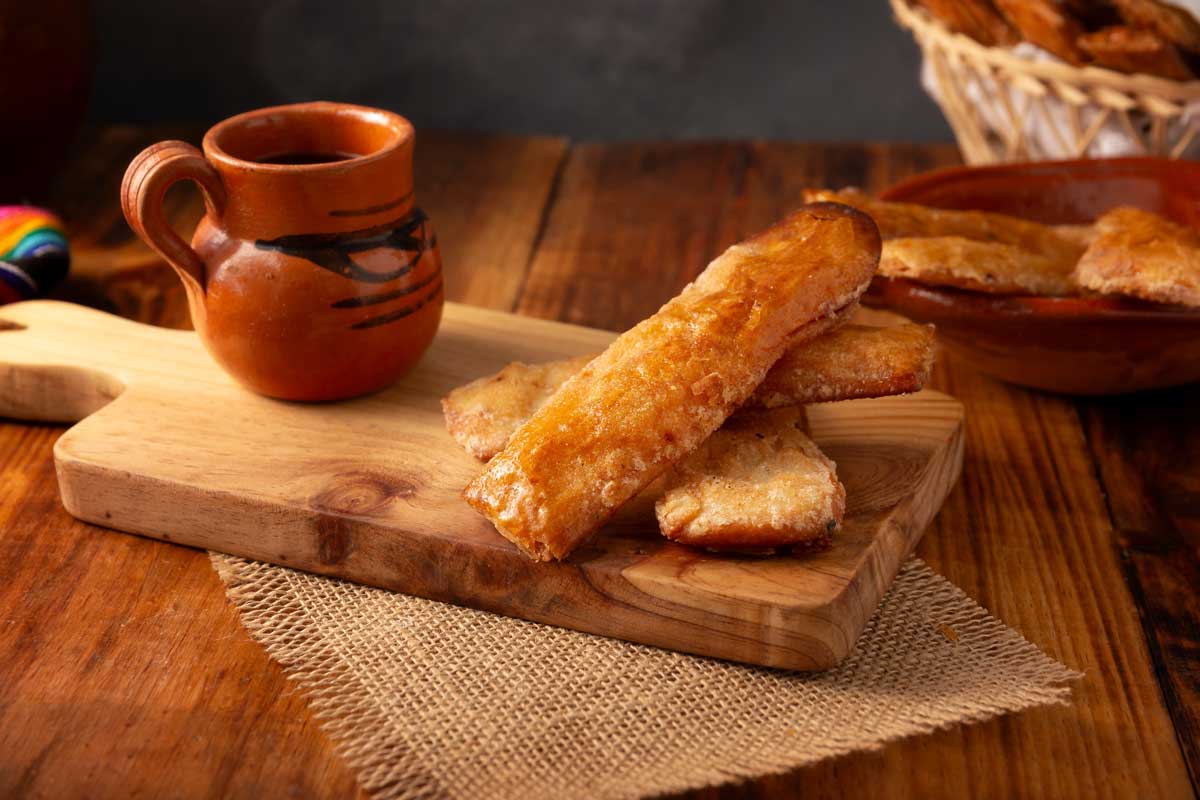
Café de Olla is more than just a coffee; it’s an experience that brings warmth, tradition, and deep flavors with every sip.
Whether you’re serving it at home, in a café, or at a festive gathering, here’s how to enjoy it the authentic Mexican way!
1. Choose the Right Mug: Traditional vs. Modern
The best way to drink Café de Olla is in a clay mug (jarrito de barro), which enhances the earthy flavors.
✔ Traditional: A small handmade clay mug keeps the coffee warm and adds authenticity.
✔ Modern: If clay mugs aren’t available, use a ceramic or glass mug to appreciate the rich color.
✔ On the Go: Pour into a thermos or insulated travel cup for a warm treat anywhere!
2. Perfect Pairings: What to Eat with Café de Olla
Café de Olla is delicious on its own but pairs beautifully with traditional Mexican treats.
Sweet Pairings (Perfect for Breakfast or Dessert)
- Pan dulce (conchas, orejas, cuernos)
- Buñuelos (crispy fried dough with sugar)
- Churros (especially with a chocolate drizzle!)
- Mantecadas (Mexican muffins)
Savory Pairings (For a Hearty Mexican Breakfast)
- Tamales (especially sweet corn tamales)
- Molletes (toasted bolillos with refried beans and cheese)
- Quesadillas (for a balance of salty and sweet)
Pro Tip: Try dunking pan dulce into your Café de Olla for a classic experience!
3. Sweeten & Customize to Your Taste
Café de Olla is naturally sweetened with piloncillo, but you can adjust or enhance it:
✔ Sweeter: Add more piloncillo, brown sugar, or honey.
✔ Creamier: Stir in evaporated milk, condensed milk, or oat milk for a velvety texture.
✔ Spicier: Enhance the flavor with extra cinnamon, cloves, or even a pinch of cayenne pepper.
✔ Boozy: For a nighttime twist, add a shot of tequila, rum, or Kahlúa.
4. Serving Café de Olla for Guests & Special Occasions
✔ For a family breakfast: Serve in a large clay pot with ladles for a cozy, communal feel.
✔ For holidays (Día de los Muertos, Christmas, Las Posadas): Garnish with an orange peel or cinnamon stick for festive flair.
✔ For a café-style experience: Serve in small espresso cups with a side of churros or sweet empanadas.
5. Enjoying Café de Olla Throughout the Day
☀ Morning: A perfect way to start the day with a warm, spiced aroma.
Afternoon pick-me-up: Pair with a light snack like Mexican pastries or tamales.
Evening relaxation: Enjoy with a good book, adding a splash of liquor for a cozy nightcap.
Final Thoughts: Make Every Sip an Experience
Café de Olla isn’t just a coffee—it’s a cultural tradition best enjoyed slowly and intentionally.
Whether you’re savoring it in a clay mug with pan dulce or serving it to guests during the holidays, this iconic Mexican coffee brings warmth, nostalgia, and deep flavors to every cup.
Where to Find the Best Café de Olla
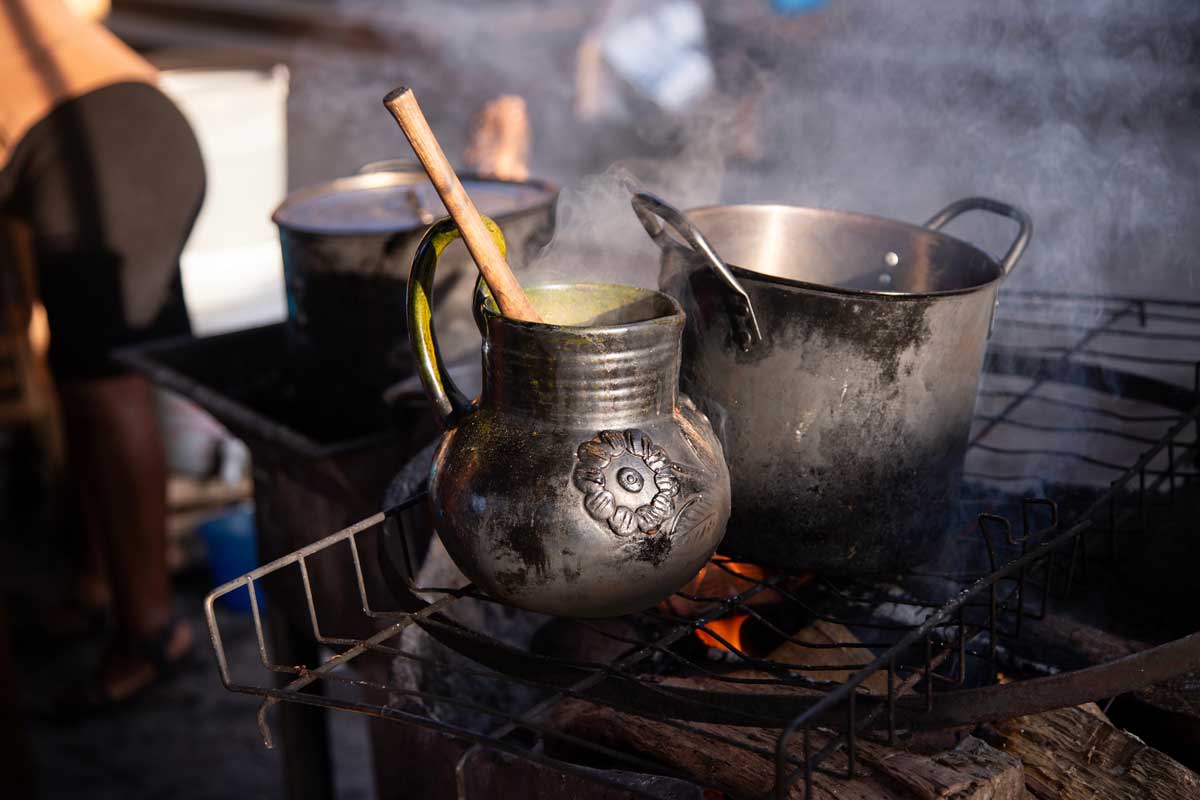
If you want to experience authentic Café de Olla, you don’t have to travel far—this traditional Mexican coffee can be found in local cafés, markets, and even online.
Whether you’re in Mexico, the U.S., or anywhere in the world, here’s where to find the best Café de Olla!
1. Traditional Mexican Cafés & Coffee Shops
For the most authentic experience, visit a café or fonda in Mexico, where Café de Olla is brewed in clay pots (ollas de barro) and served fresh.
Some of the best places include:
✔ Café de Tacuba (Mexico City) – A historic café serving traditional coffee since 1912.
✔ El Cardenal (Mexico City) – Famous for its breakfast and rich Café de Olla.
✔ Café La Parroquia (Veracruz) – One of the most iconic coffee houses in Mexico.
✔ Small family-owned fondas – Found in markets and rural areas, often with homemade recipes.
Pro Tip: Ask if the Café de Olla is made in a clay pot for the most authentic taste!
2. Mexican Markets & Street Vendors
Café de Olla is a staple in mercados (markets) and tianguis (street markets) across Mexico.
Vendors often prepare it in large clay pots and serve it piping hot in clay cups or styrofoam cups.
✔ Mercado de Coyoacán (Mexico City) – A famous market for traditional Mexican drinks.
✔ San Juan Market (Mexico City) – Known for its food stalls with authentic street food and Café de Olla.
✔ Mercado 20 de Noviembre (Oaxaca) – A must-visit for lovers of Mexican cuisine.
3. Mexican Restaurants in the U.S. & Beyond
If you’re outside Mexico, many Mexican restaurants, taquerías, and panaderías offer freshly brewed Café de Olla.
✔ La Monarca Bakery (California, USA) – A café chain known for its delicious Café de Olla and pan dulce.
✔ El Naranjo (Austin, TX, USA) – A top-rated Mexican restaurant serving authentic Café de Olla.
✔ Panaderías & Taquerías – Many Mexican bakeries and taco shops in the U.S. serve it, especially in areas with a large Mexican community.
Pro Tip: Call ahead or check the menu online to see if they serve house-made Café de Olla instead of a pre-made mix!
4. Pre-Packaged Café de Olla Blends (Buy Online!)
If you prefer to make Café de Olla at home, you can buy pre-packaged blends and instant versions online.
Some of the best brands include:
✔ La Llave – A well-known brand offering an instant version.
✔ El Marino – A traditional blend with piloncillo and cinnamon.
✔ Café Bustelo – A convenient option with a rich, spiced flavor.
✔ Nescafé – An instant coffee version with cinnamon and sugar.
Where to Buy:
- Mexican supermarkets (Chedraui, Soriana, La Comer)
- Latin grocery stores (El Super, Cardenas, Northgate Market)
- Online retailers (Amazon, Walmart)
5. Making Café de Olla at Home
If you want the most authentic experience, the best Café de Olla is homemade!
✔ Buy fresh Mexican coffee beans, piloncillo, and cinnamon sticks.
✔ Use a clay pot (olla de barro) for the most traditional taste.
✔ Follow a step-by-step recipe to make it just like in Mexico!
Pro Tip: If you don’t have a clay pot, a regular saucepan works, but the flavor will be slightly different.
Final Thoughts: Experience the Best Café de Olla
Whether you’re enjoying a cup at a historic café in Mexico, buying a pre-made blend, or brewing it yourself at home, Café de Olla is a must-try for any coffee lover.
Its spiced aroma, rich flavor, and cultural history make it a unique and unforgettable coffee experience.
Café de Olla vs. Other Traditional Latin American Coffees

Latin America is home to some of the richest and most flavorful coffee traditions in the world.
While Café de Olla is a unique spiced coffee from Mexico, other Latin American countries have their own distinct coffee styles.
Let’s compare the traditional Mexican coffee to some of the most popular traditional coffees across the region!
1. Café de Olla (Mexico) vs. Café Cubano (Cuba)
✔ Café de Olla – Brewed with cinnamon and piloncillo in a clay pot for a spiced, earthy flavor.
✔ Café Cubano – A sweet, strong espresso made with dark-roasted Cuban coffee beans and sugar.
✔ Key Difference: Café Cubano is quick and concentrated, while Café de Olla is slow-brewed with spices for a more aromatic experience.
Best For: Café de Olla is great for slow sipping, while Café Cubano is a quick energy boost!
2. Café de Olla vs. Café con Leche (Spain, Latin America)
✔ Café de Olla – Made with black coffee, cinnamon, and piloncillo, typically served black.
✔ Café con Leche – A simple coffee with equal parts coffee and steamed milk, popular in Spain and Latin America.
✔ Key Difference: Café con Leche is smooth and milky, while Café de Olla has a spiced, rustic sweetness.
Best For: Café de Olla is ideal if you love spiced, sweet coffee, while Café con Leche is perfect for a creamy, comforting drink.
3. Café de Olla vs. Mate Cocido (Argentina, Paraguay, Uruguay)
✔ Café de Olla – Coffee-based with cinnamon and piloncillo, brewed slowly.
✔ Mate Cocido – A yerba mate-based drink that is steeped like tea and often sweetened.
✔ Key Difference: Mate Cocido has earthy, grassy flavors, while Café de Olla is bold, sweet, and spiced.
Best For: Café de Olla is for coffee lovers, while Mate Cocido is great for those who prefer herbal, tea-like flavors.
4. Café de Olla vs. Tinto (Colombia)
✔ Café de Olla – A slow-brewed coffee infused with piloncillo and spices.
✔ Tinto (Colombian Coffee) – A black, unsweetened coffee that is served strong and commonly sold by street vendors in Colombia.
✔ Key Difference: Tinto is simple and bitter, often enjoyed black, while Café de Olla is sweet and spiced.
Best For: Café de Olla is best if you like sweet, aromatic coffee, while Tinto is for those who prefer strong, no-frills coffee.
5. Café de Olla vs. Café Bombón (Spain, Latin America)
✔ Café de Olla – Sweetened with piloncillo, brewed with cinnamon.
✔ Café Bombón – A strong espresso layered with sweetened condensed milk, creating a dessert-like coffee.
✔ Key Difference: Café Bombón is creamy and indulgent, while Café de Olla has a more balanced, spiced sweetness.
Best For: If you love strong, sweet espresso-based drinks, Café Bombón is perfect. If you prefer a spiced, slow-brewed coffee, Café de Olla is better.
6. Café de Olla vs. Café Pasado (Peru)
✔ Café de Olla – Uses piloncillo and cinnamon, slow-brewed in a pot.
✔ Café Pasado – A strong Peruvian coffee concentrate made with a drip filter and then mixed with hot water.
✔ Key Difference: Café Pasado is a concentrated coffee that allows you to control the strength, while Café de Olla is brewed with spices for a rich, sweet flavor.
Best For: Café de Olla is best for those who love flavored coffee, while Café Pasado is for those who prefer customizing their coffee strength.
7. Café de Olla vs. Chorreador Coffee (Costa Rica)
✔ Café de Olla – Brewed in a pot, infused with cinnamon and piloncillo.
✔ Chorreador Coffee – A Costa Rican drip coffee made using a cloth filter (bolsa) for a smooth, clean taste.
✔ Key Difference: Chorreador coffee is pure coffee flavor, while Café de Olla has spices and sweetness.
Best For: Café de Olla is for flavored coffee lovers, while Chorreador coffee is for those who enjoy clean, drip-style coffee.
Final Thoughts: Which One Should You Try?
If you love spiced, sweet coffee with deep cultural roots, Café de Olla is the perfect choice.
However, if you want to explore other Latin American coffee traditions, you might enjoy:
✔ Café Cubano if you like strong, sweet espresso.
✔ Café con Leche if you prefer creamy, comforting coffee.
✔ Tinto if you like simple black coffee with no sugar.
✔ Chorreador Coffee if you want a smooth, natural taste.
Café de Olla: Sugar and Caffeine
The amount of sweetener and the serving size determine much of this drink’s nutritional profile. Dividing 85 g piloncillo among four servings gives about 21 g sweetener per serving. Use less if you prefer a less-sweet drink; milk and chocolate add their own nutrients and sugar.
Caffeine varies with the coffee and brewing strength. Cinnamon adds flavor, but this recipe should not be presented as a treatment for diabetes or other conditions.
Final Thoughts on Café de Olla
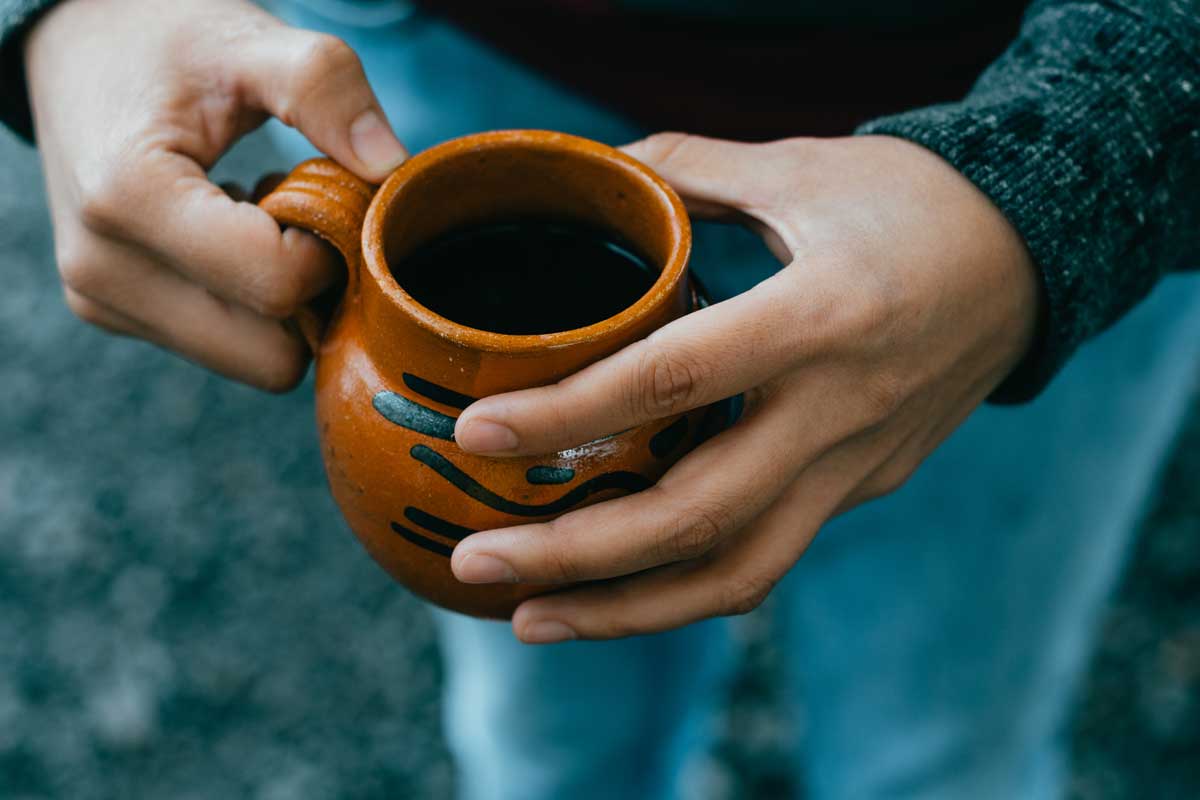
Café de Olla isn’t just a cup of Mexican coffee—it’s a cultural experience, a piece of Mexican history, and a warm, spiced embrace in every sip.
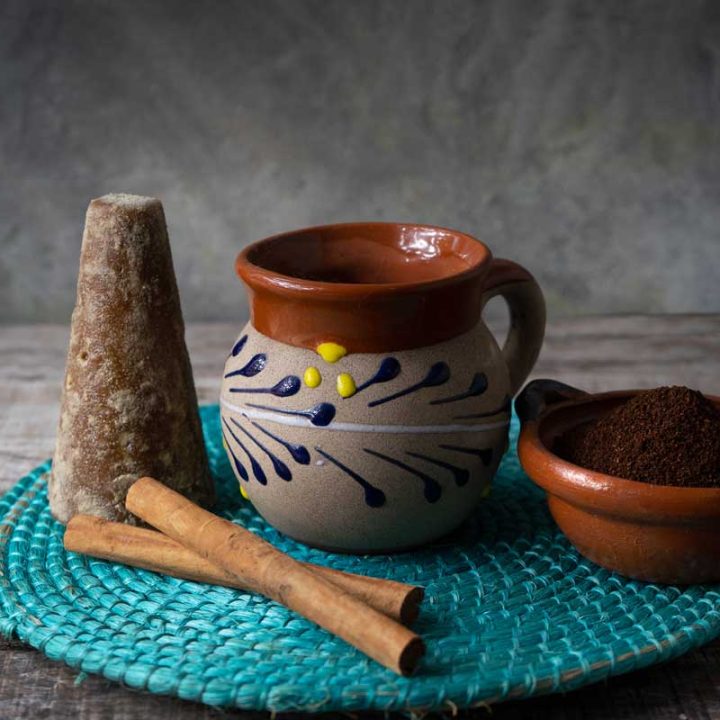
Café de Olla Recipe
Café de Olla is Mexican coffee with cinnamon and piloncillo. Make four small cups in about 20 minutes, including a five-minute steep off the heat. Add orange peel or spices if you like, and serve with pan dulce.
Ingredients
- 4 US cups water (about 950 ml)
- 3 oz (85 g) piloncillo, chopped, or 85 g dark brown sugar; use less to taste
- 1–2 cinnamon sticks
- 3–4 tablespoons ground Mexican coffee (medium to dark roast)
- Optional: a strip of orange peel, 1 star anise, or 2 cloves
- Optional for serving: Mexican chocolate or warm milk
Instructions
- Put the water, cinnamon and piloncillo in a saucepan or food-safe, lead-free clay pot rated for stovetop use. Add any optional orange peel, star anise or cloves now.
- Heat over medium heat, stirring occasionally, until the sweetener dissolves and the water reaches a gentle boil, about 7–10 minutes.
- Turn off the heat, stir in the ground coffee, cover and steep for 5 minutes. Do not boil the coffee.
- Strain through a fine-mesh sieve lined with cheesecloth or a coffee filter into a serving jug. Divide among 4 small cups and serve hot. If using chocolate, stir it into the hot strained coffee until melted; add warm milk to taste.
Notes
Allow about 20 minutes: 5 minutes preparation, 10 minutes heating and 5 minutes steeping. Four small servings will be slightly less than 1 US cup each after straining.
Use 3 tablespoons coffee for a milder brew or 4 for a stronger one. Brown sugar can replace piloncillo by weight; ¼ cup packed brown sugar is a less-sweet option, not an equivalent to 85 g piloncillo. Adjust cinnamon and sweetness to taste.
A saucepan works well if you do not have suitable clay cookware. Serve with pan dulce, conchas, orejas, chilaquiles or huevos rancheros.
Whether you enjoy it in a traditional clay mug, pair it with pan dulce, or try one of its many variations, this iconic drink is a must-try for coffee lovers.
Have you tried Café de Olla? What’s your favorite way to enjoy it? Let me know! ☕
More Mexican Foods
See all →
Jorge Garcia is the founder of AmigoFoods, where he has spent over 20 years helping readers discover authentic Latin American and Spanish cuisine. Raised in a Cuban-American household, Jorge learned to cook at the hands of his mother and grandmother, carrying forward generations of family recipes. That heritage, backed by his family’s four-generation history in the Latin food industry, inspired him to launch AmigoFoods in 2003. With more than 1,000 published articles on recipes, ingredients, and food culture, Jorge’s mission is simple: make authentic Latin cooking approachable for home cooks everywhere while honoring the traditions behind every dish.