
Biscochitos are New Mexico’s anise Christmas cookies: small, crisp-tender shortbread made with lard, flavored with anise seed and a splash of brandy, cut into shapes and finished in cinnamon sugar. In 1989 the biscochito became New Mexico’s official state cookie, and New Mexico was the first state to name one. They are baked by the dozen for Christmas, weddings and baptisms, and they take about an hour of work. Below is what makes a biscochito different from Spanish polvorones and mantecados and from Mexican hojarascas, how to choose between lard, butter and shortening, the traditional fleur-de-lis shape, how to fix crumbly or tough dough and the full recipe.
Biscochitos at a Glance
The short version: Beat 1/2 lb lard until fluffy, then beat in 2/3 cup sugar and 1 1/2 teaspoons crushed anise seed, 1 egg and 2 tablespoons brandy. Mix in 3 cups flour with baking powder and salt, chill 30 minutes, roll 1/4 inch thick and cut into shapes. Bake at 350°F for 10 to 12 minutes, until pale golden underneath, then dip the warm tops in cinnamon sugar.
AmigoFoods may earn a commission from qualifying Amazon purchases made through links on this page.
What are biscochitos?
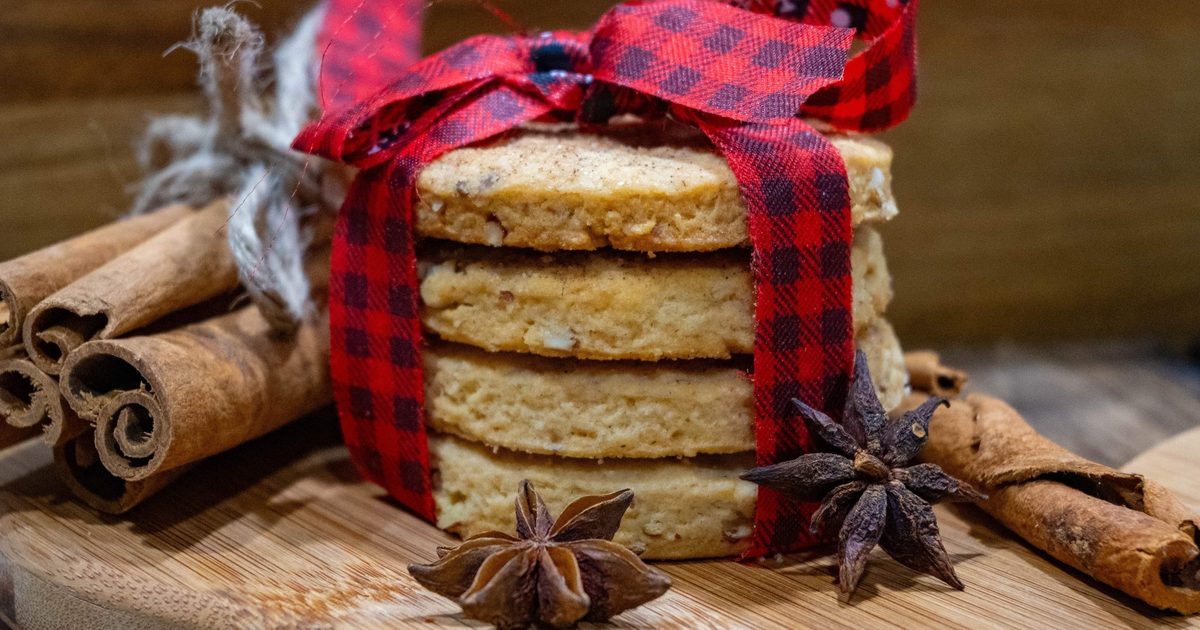
A biscochito is a small shortbread cookie made with lard, sugar, flour, egg and anise, usually moistened with a little brandy or wine. The dough is rolled out and cut into shapes, and the cookies are coated in cinnamon sugar either before or after baking. The result is crisp at the edges, tender and sandy inside, and less sweet than most American holiday cookies, because most of the sugar is on the outside.
New Mexico’s Secretary of State describes the biscochito as a small anise-flavored cookie brought to New Mexico by the early Spaniards. The state adopted it as the official state cookie in 1989 to help keep traditional home-baked cookery alive, and New Mexico became the first state with an official cookie. In southern New Mexico it is often called a biscocho. The name comes from the Spanish bizcocho, a word for a baked biscuit or sponge cake, and the -ito ending makes it “little.”
Biscochitos belong to the family of Spanish lard cookies that also gave Spain its mantecados and polvorones. What makes them New Mexican is the anise, the cut-out shapes and the cinnamon sugar, and the fact that they turn up at almost every family celebration in the state.
Biscochito or bizcochito?
Both spellings are correct, and you will see both in New Mexico. The state law that names the official cookie (NMSA section 12-3-4) spells it bizcochito, with a z. The New Mexico tourism department uses biscochito, and New Mexico Magazine uses bizcochito and notes it is “sometimes spelled biscochito.” In everyday use, and in most searches, the spelling with an s is more common, which is why we use it here.
Biscochitos vs. polvorones, mantecados and hojarascas
These cookies are easy to confuse because they share the same base of fat, flour and sugar. The fat, the flavoring and the finish tell them apart.
| Cookie | From | Fat | Main flavor | Shape and finish |
|---|---|---|---|---|
| Biscochitos | New Mexico | Lard | Anise seed, brandy, cinnamon | Rolled and cut (fleur-de-lis, stars), coated in cinnamon sugar |
| Hojarascas | Northern Mexico and South Texas | Lard or shortening | Canela, often with anise tea in the dough | Small rounds rolled in cinnamon sugar |
| Spanish polvorones | Andalusia, Spain | Lard | Toasted flour and almonds | Pressed ovals dusted with powdered sugar and wrapped in paper |
| Mantecados | Andalusia, Spain | Lard | Toasted flour; cinnamon, cocoa or vanilla | Round, made with powdered sugar, sometimes topped with sesame |
| Mexican wedding cookies | Mexico | Butter | Pecans or walnuts | Balls rolled in powdered sugar |
The quick rule: if it has crushed anise seed in the dough and was cut into a shape with a cookie cutter, it is a biscochito. Hojarascas (also called pan de polvo) are the closest relative, but they are small plain rounds where canela is the main flavor, sometimes with a little anise tea.
The ingredients
- Lard (1/2 lb, about 1 cup). The traditional fat and the one that gives the lightest, most tender cookie. It should be soft at room temperature so it can be beaten until fluffy. See below for butter and shortening.
- Sugar (2/3 cup in the dough, plus 1/4 cup for the coating). The dough is only lightly sweet; the cinnamon sugar on top adds the rest.
- Anise seed (1 1/2 teaspoons). Whole anise seed (anís), lightly crushed to release its oil. Do not confuse it with star anise, a different spice. Ground anise works too; use 1 teaspoon.
- Egg (1 large). It binds the dough. Some New Mexico families use only yolks for a richer, more crumbly cookie.
- Brandy (2 tablespoons). It moistens the dough and adds a faint warmth. Sweet white wine or rum are traditional alternatives, and apple or pineapple juice work if you prefer no alcohol.
- All-purpose flour, baking powder and salt. The baking powder keeps the cookies from turning dense.
- Ground cinnamon (1 teaspoon), mixed with the 1/4 cup sugar for the coating. Soft Mexican canela is a good choice if you have it.

- ANISE SEEDS - adds a sweet licorice flavor to bread, soups, stews and even tea.
- PURE - No preservatives, no additives, no MSG, non GMO, no fillers.
Lard, butter or shortening?
Lard is traditional, and the official state recipe uses it. It has almost no water, so the dough stays short and tender, and when it is beaten well it holds air that makes the cookies light. America’s Test Kitchen preferred the savory-sweet flavor and texture of lard in its testing, but found that the same amount of softened unsalted butter or vegetable shortening gives a similar melt-in-your-mouth texture.
- Lard: the most tender, sandy crumb and a mild savory note. Use a good-quality lard (manteca de cerdo) that smells clean, not porky.
- Butter: more flavor of its own and a slightly firmer, crisper cookie, because butter contains water. Use unsalted.
- Vegetable shortening: the closest texture to lard and a neutral flavor. A good choice for a pork-free biscochito.
- Half and half: half lard or shortening and half butter gives the tenderness of lard with some butter flavor.
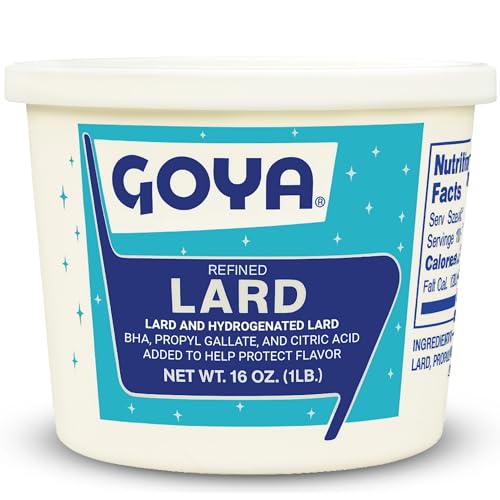
- A LATIN KITCHEN ESSENTIAL: Goya Manteca Lard is a staple across Latin kitchens for a reason—it...
- MADE FOR FLAVOR AND TEXTURE: Whether you're frying tostones, building tamales, or baking crusts from...
How to make biscochitos
1. Mix the dry ingredients
Whisk the flour, baking powder and salt together in a bowl and set it aside. Crush the anise seed.
2. Beat the lard until fluffy
Beat the softened lard with an electric mixer on medium-high for 5 to 8 minutes, until it is very light, white and fluffy. This is the step that matters most: well-beaten lard makes a light, tender cookie. Add the 2/3 cup sugar and the anise seed and beat 2 minutes more.
3. Add the egg and brandy
Beat in the egg, then the brandy, scraping down the bowl.
4. Add the flour and chill
On low speed, add the flour mixture in two or three additions and mix just until a soft dough forms. If it is too dry to hold together, add another teaspoon of brandy or juice. Divide the dough in half, flatten each half into a disk, wrap and refrigerate for 30 minutes, just until firm enough to roll.
5. Roll and cut
Heat the oven to 350°F (175°C) and line two baking sheets with parchment. On a lightly floured counter, roll one disk to 1/4 inch thick and cut it into 2-inch shapes. Place them about 1 inch apart. Gather the scraps, press them together and roll again.
- Food Safe Material
- Superior Quality
6. Bake
Bake one sheet at a time for 10 to 12 minutes, until the cookies are pale golden on the bottom and just barely colored on top. Biscochitos should not brown much; overbaked ones turn hard and lose their tenderness.
7. Coat in cinnamon sugar
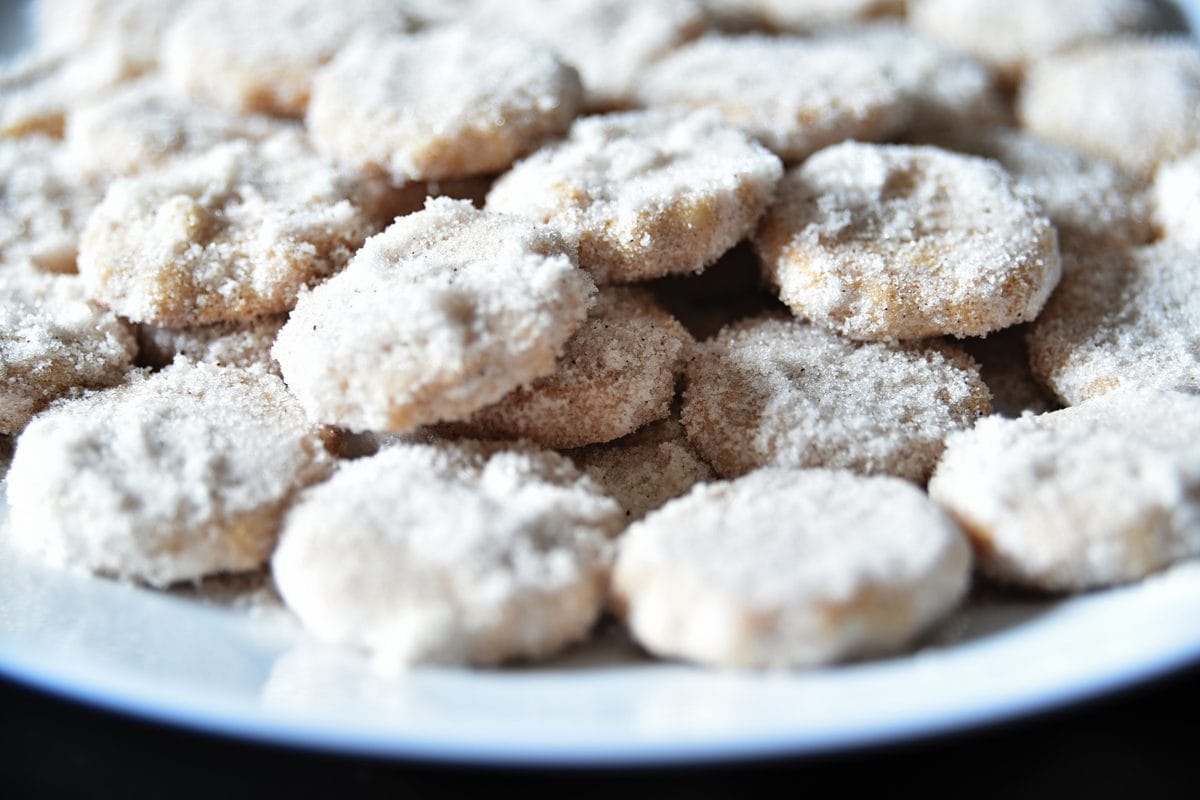
Mix the 1/4 cup sugar with the cinnamon in a shallow bowl. Let the cookies cool on the sheet for 1 to 2 minutes, then dip the top of each warm cookie into the cinnamon sugar (or toss it gently) and set it on a rack to cool completely. The warmth helps the sugar stick.
The fleur-de-lis and other shapes
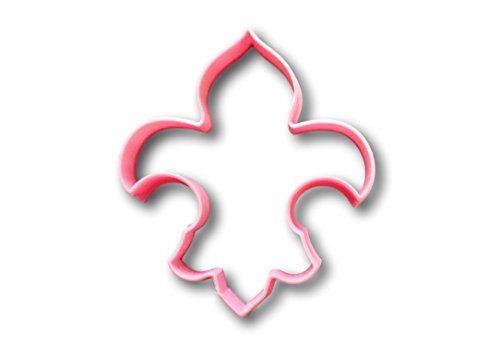
The official state recipe calls the fleur-de-lis the traditional shape. Other common shapes are stars, crosses and the Zia sun symbol from the state flag. You can use a fleur-de-lis cutter, cut the shape by hand with a small paring knife, or simply use a 2-inch round or scalloped cutter. Smaller cookies bake more evenly, so if you use a larger cutter, add a minute or two to the baking time and watch the bottoms.
Variations
- Butter or shortening biscochitos: replace the lard with the same amount of softened unsalted butter or vegetable shortening (see above).
- No alcohol: use apple or pineapple juice instead of brandy.
- Slice-and-bake: instead of rolling, shape the dough into two logs about 1 3/4 inches across, wrap and chill until firm (at least 3 hours), then slice 1/4 inch thick. This is how America’s Test Kitchen shapes its biscochitos; the rounds have clean edges and need a minute or two more in the oven.
- Egg yolks only: use 2 yolks instead of the whole egg for a richer, more fragile cookie.
Biscochitos at Christmas, and what to serve with them
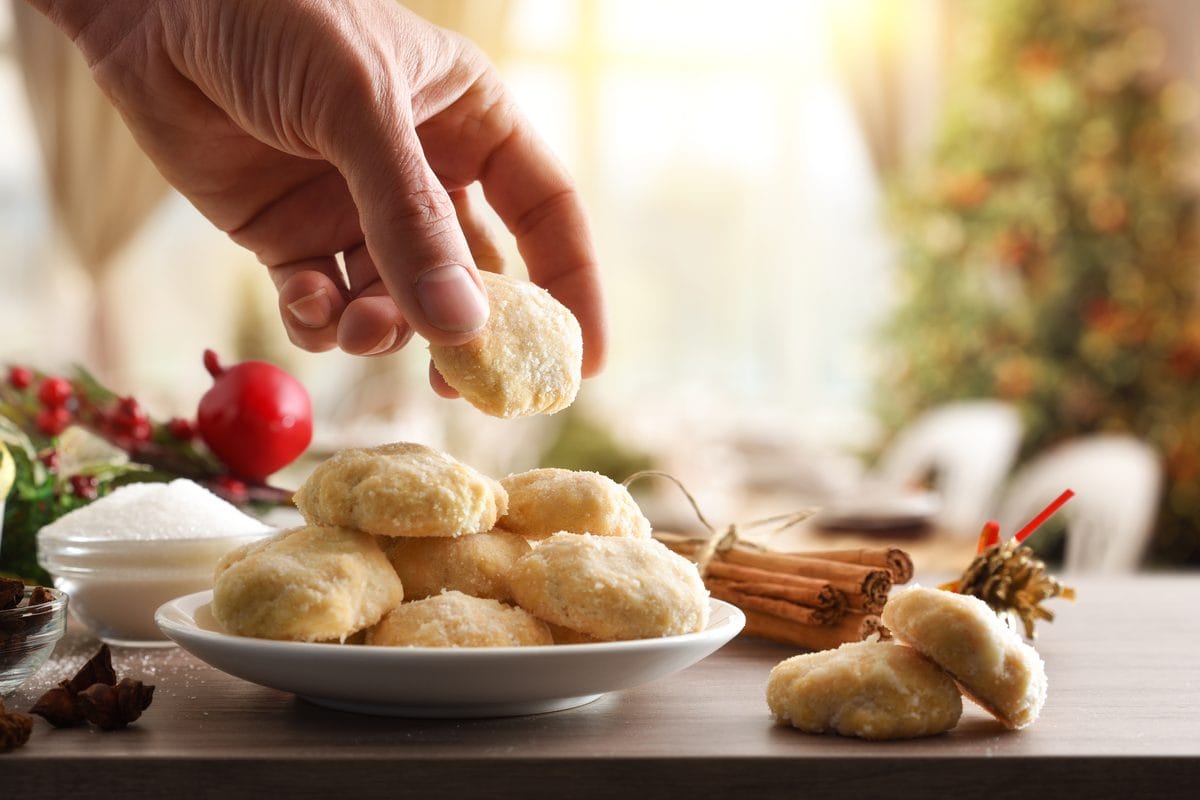
Biscochitos are made all year for weddings, baptisms, graduations and anniversaries, but the strongest tradition is Christmas, when families bake them in big batches to share and give away. They sit on the holiday table next to buñuelos and the other Mexican Christmas foods, and they are an easy cookie to add to a Nochebuena dessert spread.
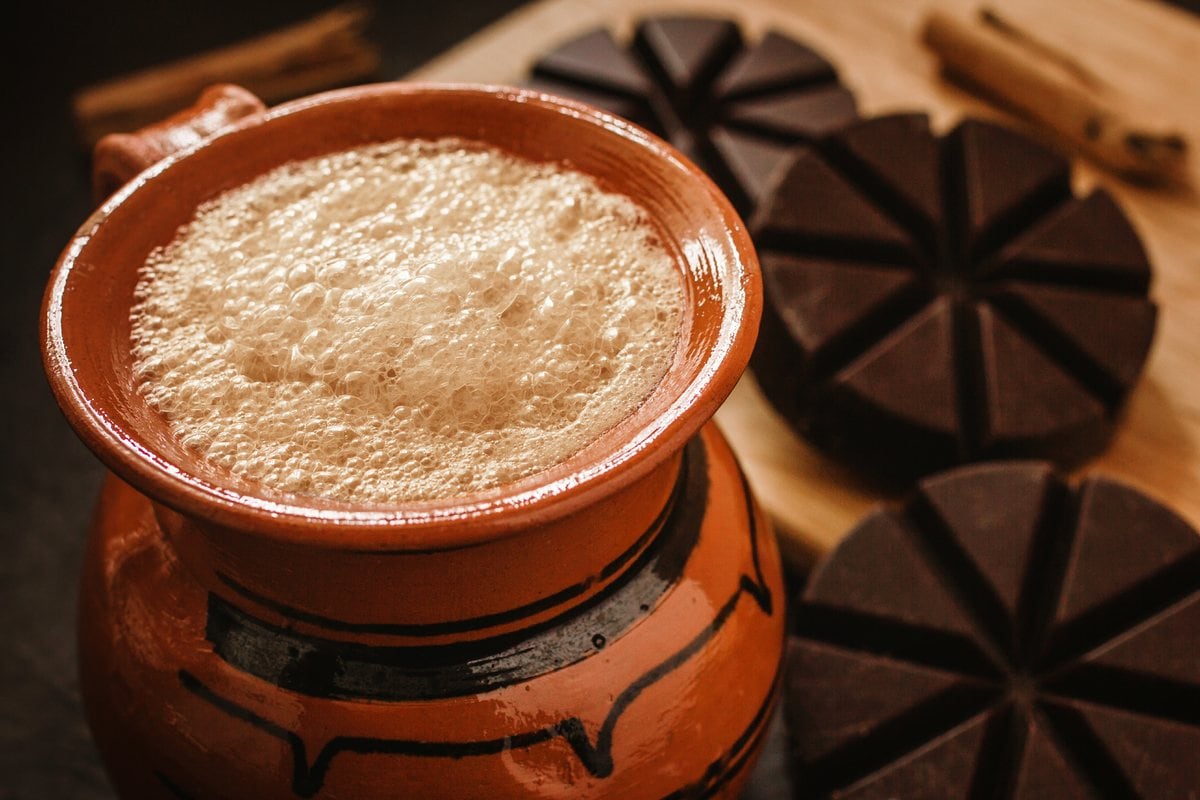
The classic drink is a cup of coffee or hot chocolate. A frothy Mexican hot chocolate with cinnamon is the natural match for the anise, and a warm cup of champurrado works too. For an adult pairing, serve them with a small glass of rompope.
Make ahead and storage
- Dough: wrapped tightly, the dough keeps in the refrigerator for up to 3 days. Let it soften for a few minutes before rolling.
- Baked cookies: store them completely cooled in an airtight tin or container at room temperature for up to 3 days.
- Freezing: freeze the baked, coated cookies in an airtight container, with parchment between the layers, for up to 2 months. Thaw them at room temperature in the container. If the coating looks dull, toss them in a little fresh cinnamon sugar.
Troubleshooting
| Problem | Likely cause | Fix |
|---|---|---|
| Dough too crumbly to roll | Flour measured heavy, or the dough is too cold | Let it warm for a few minutes, or work in another teaspoon of brandy or juice |
| Dough sticky and soft | Lard too warm, or the kitchen is hot | Chill the dough 15 minutes more and roll on a lightly floured counter |
| Cookies dense or hard | Lard not beaten long enough, dough overmixed, or overbaked | Beat the lard 5 to 8 minutes until fluffy, mix the flour in just until combined, and take them out while still pale |
| Cookies spread and lose their shape | Dough too warm, or the baking sheets were hot | Chill the cut cookies on the sheet for 10 minutes and always use a cool sheet |
| Cinnamon sugar will not stick | Cookies cooled too long | Dip them 1 to 2 minutes out of the oven, while still warm |
| Little anise flavor | Whole seeds, or old anise | Crush the seeds, and buy fresh anise if yours has little smell |
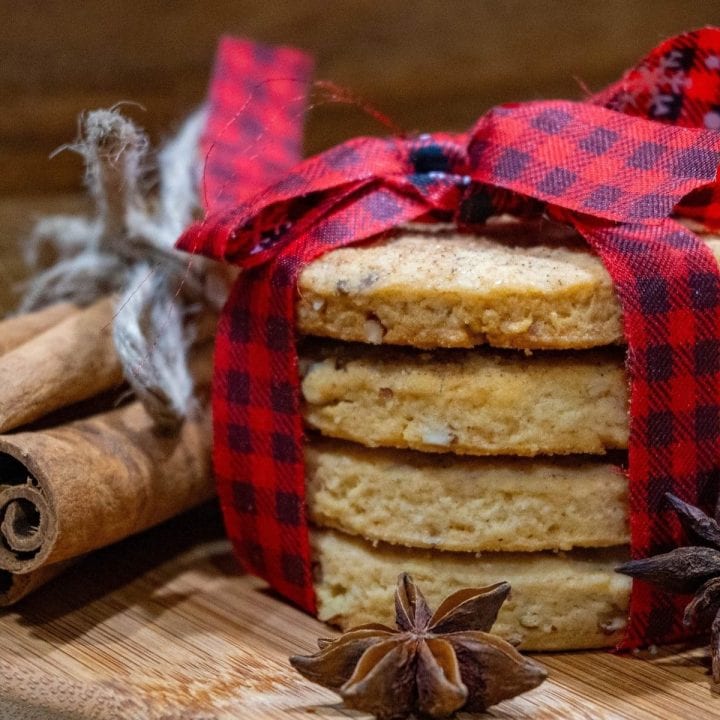
Biscochitos (New Mexico Anise Cookies)
New Mexico's official state cookie: tender lard shortbread flavored with anise seed and a splash of brandy, cut into shapes, baked until pale golden and dipped in cinnamon sugar. A traditional Christmas cookie that makes about 4 dozen.
Ingredients
- 3 cups (375 g) all-purpose flour
- 1 1/2 teaspoons baking powder
- 1/2 teaspoon salt
- 1/2 lb (225 g, about 1 cup) lard, softened (or unsalted butter or vegetable shortening)
- 2/3 cup (135 g) granulated sugar
- 1 1/2 teaspoons anise seed, lightly crushed (or 1 teaspoon ground anise)
- 1 large egg
- 2 tablespoons brandy (or sweet white wine, rum, or apple or pineapple juice)
- 1/4 cup (50 g) granulated sugar, for the cinnamon sugar
- 1 teaspoon ground cinnamon, for the cinnamon sugar
Instructions
- Mix the dry ingredients. Whisk the flour, baking powder and salt together in a bowl and set it aside. Crush the anise seed.
- Beat the lard until fluffy. Beat the softened lard with an electric mixer on medium-high for 5 to 8 minutes, until it is very light, white and fluffy. This is the step that matters most: well-beaten lard makes a light, tender cookie. Add the 2/3 cup sugar and the anise seed and beat 2 minutes more.Add the egg and brandy. Beat in the egg, then the brandy, scraping down the bowl.
- Add the flour and chill. On low speed, add the flour mixture in two or three additions and mix just until a soft dough forms. If it is too dry to hold together, add another teaspoon of brandy or juice. Divide the dough in half, flatten each half into a disk, wrap and refrigerate for 30 minutes, just until firm enough to roll.
- Roll and cut. Heat the oven to 350°F (175°C) and line two baking sheets with parchment. On a lightly floured counter, roll one disk to 1/4 inch thick and cut it into 2-inch shapes. Place them about 1 inch apart. Gather the scraps, press them together and roll again.
- Bake. Bake one sheet at a time for 10 to 12 minutes, until the cookies are pale golden on the bottom and just barely colored on top. Biscochitos should not brown much; overbaked ones turn hard and lose their tenderness.
- Coat in cinnamon sugar. Mix the 1/4 cup sugar with the cinnamon in a shallow bowl. Let the cookies cool on the sheet for 1 to 2 minutes, then dip the top of each warm cookie into the cinnamon sugar (or toss it gently) and set it on a rack to cool completely. The warmth helps the sugar stick.
Notes
Lard substitutes: use the same amount of softened unsalted butter or vegetable shortening. Shortening is closest to lard; butter gives a slightly firmer cookie.
Before-baking coating: the official New Mexico recipe dusts the cut cookies with cinnamon sugar before baking instead of dipping them afterward. Both are traditional.
Slice-and-bake: shape the dough into two logs about 1 3/4 inches across, wrap and chill until firm (at least 3 hours), then slice 1/4 inch thick. Bake a minute or two longer.
Make ahead: the wrapped dough keeps in the refrigerator for up to 3 days.
Storage: keep the cooled cookies airtight at room temperature for up to 3 days, or freeze them in an airtight container for up to 2 months.
Nutrition information is an estimate and will vary with the brands and amounts used.
Nutrition Information:
Serving Size: 1 cookie (1/48 of recipe)Amount Per Serving: Calories: 89Total Fat: 4.9gSaturated Fat: 1.9gTrans Fat: 0gUnsaturated Fat: 2.8gCholesterol: 8mgSodium: 41mgCarbohydrates: 9.9gFiber: 0.3gSugar: 3.9gProtein: 1g
Biscochitos FAQ
What do biscochitos taste like?
They taste like a rich, lightly sweet shortbread with a mild licorice flavor from the anise and a crunchy cinnamon-sugar coating. The texture is crisp at the edges and tender and sandy inside.
Why is the biscochito New Mexico’s state cookie?
The New Mexico Legislature adopted it in 1989 to help maintain the tradition of home-baked cookery. The cookie came to New Mexico with the early Spanish settlers and is still part of most family celebrations, especially Christmas. New Mexico was the first state to adopt an official state cookie.
Can I make biscochitos without lard?
Yes. Use the same amount of softened unsalted butter or vegetable shortening. Shortening gives the closest texture to lard; butter makes a slightly firmer cookie with more butter flavor.
Is anise the same as star anise?
No. Biscochitos use anise seed, the small seed of the anise plant. Star anise is the star-shaped pod of a different plant. They taste similar, but star anise is stronger and is not used in this recipe.
Are biscochitos Mexican?
They are New Mexican, a cookie of the Hispanic families of New Mexico, with Spanish roots. Northern Mexico and Texas have a close cousin, the hojarasca, a small round cookie where canela is the main flavor.
Should biscochitos be soft or crunchy?
They should be crisp at the edges and tender inside, crumbling when you bite them, rather than chewy. If they are hard, they were probably overbaked or the lard was not beaten long enough.
How far ahead can I make biscochitos for Christmas?
The dough keeps in the refrigerator for up to 3 days, and baked cookies keep in an airtight container for up to 3 days. For longer, freeze the baked cookies for up to 2 months.
More Christmas cookies and Latin sweets
For every traditional cookie from south of the border, see our guide to Mexican cookies.
For more holiday cookies, see our hojarascas, Mexican wedding cookies, Spain’s polvorones and mantecados, and the piloncillo-sweetened marranitos. For more ideas, browse our guides to Latin American cookies and sweets, Mexican desserts, Mexican pastries and Latin and Spanish Christmas desserts.
Shopping list: Goya manteca (lard), whole anise seed, ground cinnamon and a fleur-de-lis cookie cutter.
Sources
- New Mexico Secretary of State: State Cookie
- New Mexico Statutes, Section 12-3-4 (state symbols)
- New Mexico True (New Mexico Tourism Department): Biscochitos
- New Mexico Magazine: New Mexico State Cookie, Bizcochitos
- America’s Test Kitchen (Morgan Bolling): New Mexico Biscochitos
- State Symbols USA: New Mexico State Cookie
- USDA FoodData Central (nutrition estimate)
More Dessert
See all →
Jorge Garcia is the founder of AmigoFoods, where he has spent over 20 years helping readers discover authentic Latin American and Spanish cuisine. Raised in a Cuban-American household, Jorge learned to cook at the hands of his mother and grandmother, carrying forward generations of family recipes. That heritage, backed by his family’s four-generation history in the Latin food industry, inspired him to launch AmigoFoods in 2003. With more than 1,000 published articles on recipes, ingredients, and food culture, Jorge’s mission is simple: make authentic Latin cooking approachable for home cooks everywhere while honoring the traditions behind every dish.