

Mexican pastries, known together as pan dulce (sweet bread), are the soft rolls, flaky puff pastries, crumbly cookies and little cakes that Mexican bakeries sell by the piece from open trays. Conchas, orejas, cuernitos, marranitos and garibaldis are the everyday classics; pan de muerto and rosca de Reyes arrive with the holidays.
The short answer
If you only try five, start with a concha (the shell-topped icon), an oreja (caramelized puff pastry), a marranito (the piloncillo pig), a garibaldi (the sprinkle-covered butter cake) and a pumpkin empanada. Together they cover every major family of pan dulce.
This guide covers 32 Mexican pastries, grouped the way bakers group them, by dough: soft yeast breads, puff pastry, cookies, cake-style breads, fried street sweets and holiday breads. For each one you get the name, how to say it, what it tastes like and what to drink with it, followed by how to shop a panadería like a regular and a glossary of dozens more names you will see on bakery labels.
Mexican pan dulce sits inside a much wider tradition. See how it compares in our guide to cakes and pastries across Latin America and Spain, or browse every Mexican dessert.

500–2,000
types of bread estimated in Mexico
1500s
wheat arrives with the Spanish
1800s
French bakers reshape pan dulce
32
pastries in this guide
Jump to a pastry
Mexican Pastries at a Glance
| Family | Texture | Classic examples | When people eat them |
|---|---|---|---|
| Soft sweet breads (pan de levadura) | Fluffy, enriched, often sugar-crusted | Conchas, cuernitos, besos, pan de yema | Breakfast and the evening merienda |
| Puff pastries (hojaldre) | Flaky, crisp, caramelized | Orejas, campechanas, ojo de buey | With coffee, any time |
| Cookies (galletas) | Crumbly, sandy or soft | Marranitos, polvorones, coyotas | Snacks, lunchboxes, weddings |
| Cake-style (panqués) | Moist, buttery, spongy | Garibaldis, mantecadas, niño envuelto | Breakfast and parties |
| Fried and street (frituras) | Crunchy outside, soft inside | Churros, buñuelos, empanadas | Markets, fairs, Christmas |
| Holiday breads (de temporada) | Soft, fragrant, decorated | Pan de muerto, rosca de Reyes | Día de los Muertos, January 6 |
What Is Pan Dulce?

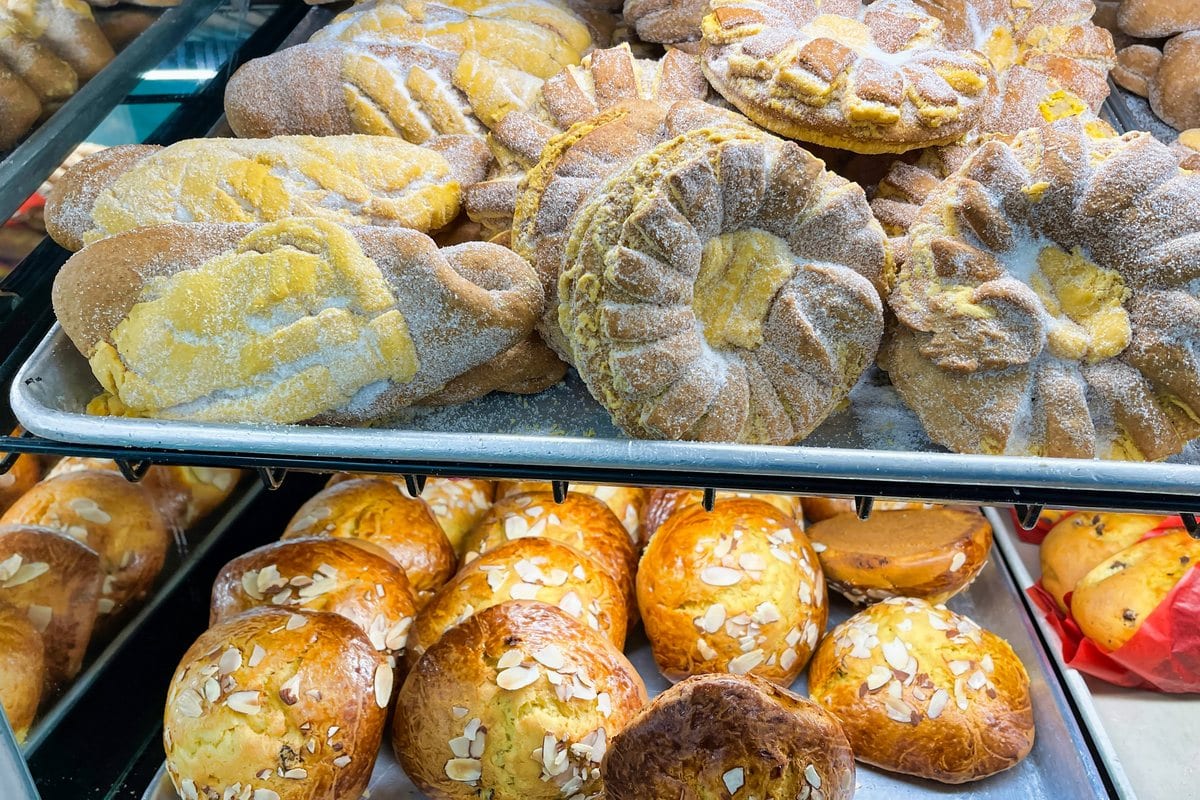
A typical spread of pan dulce: conchas in several colors, the first thing most people reach for.
Pan dulce literally means sweet bread, but in Mexico it covers everything a panadería sells that is not savory: yeast rolls, puff pastries, cookies and small cakes. The savory side of the bakery is pan de sal, which includes the bolillo, the telera and Puebla’s sesame-topped cemita.
Pan dulce is not dessert in the American sense. It is breakfast, eaten with coffee or hot chocolate, and it is the merienda, the light early-evening meal that often consists of nothing more than a sweet bread and a hot drink. That is why bakeries pull fresh batches in the morning and again in the late afternoon.
Most pan dulce is only lightly sweet. The sugar is concentrated on top, in the crust, glaze or sprinkles, while the bread underneath stays plain enough to dunk. Nobody agrees on exactly how many kinds exist; estimates for Mexican breads range from about 500 to 2,000, because the same dough gets reshaped, renamed and re-topped from one town to the next.
For a wider look at Mexico’s breads, sweet and savory, see our guide to popular Mexican breads.
A Short History of Mexican Pastries
There was no wheat in Mexico before the Spanish arrived in the 16th century. Wheat, sugar cane and European baking came with them, and colonial bakeries began producing sweet breads alongside the everyday loaves. Spanish recipes such as polvorones, buñuelos, churros and the Three Kings’ bread took root early.
The biggest change came in the 19th century, when French bakers and pastry cooks set up shop in Mexico. Puff pastry, brioche-style doughs and croissant shapes arrived with them, and Mexican bakers turned them into orejas, cuernos, campechanas and dozens of new breads. The concha is generally described as a creation of that century. French influence on Mexican baking kept growing through the long rule of Porfirio Díaz, who favored all things French, into the early 1900s.
What makes pan dulce Mexican rather than French is the pantry: piloncillo instead of refined sugar, soft Ceylon cinnamon (canela), anise, lard, cajeta, pumpkin and guava, and a sense of humor in the naming. Breads called kisses, ears, little pigs, ox eyes and wrapped-up babies are all standard bakery labels.
Did you know?
France and Mexico once fought a war partly over a bakery. In 1838 France blockaded Mexican ports in what became known as the Pastry War, pressing claims that included a French pastry cook’s complaint that his shop near Mexico City had been looted by Mexican officers. France demanded 600,000 pesos in damages; the conflict ended with a treaty in March 1839.
The 32 Mexican Pastries to Know, by Family
Panaderías do not sort their trays alphabetically, and neither do we. Grouping pan dulce by dough tells you far more about how each one will taste than any name can, and it is roughly how Mexican bakers themselves think about their work.
Soft Sweet Breads Pan de levadura
Yeast-raised, enriched with egg and butter or lard, and soft all the way through. This is the backbone of every panadería tray, and the family most people picture when they hear “pan dulce.”

1. Conchas
Say it: KOHN-chahs · “shells” · Everywhere in Mexico
The concha is the most famous Mexican pastry and the one every panadería is judged by. A soft, lightly sweet roll wears a crust of sugar paste (flour, sugar and fat) scored into a seashell pattern before baking, so it cracks into sweet, crumbly shards when you bite in.
Vanilla and chocolate toppings are the classics, with strawberry pink close behind. Filled conchas with nata, cream cheese or cajeta are newer and increasingly common. Conchas are generally described as a 19th-century Mexican creation, which makes them younger than most people assume. Our concha recipe and history walks through making them at home.
TextureSoft and fluffy with a crackly sugar crustBest withCafé de olla or hot chocolate
2. Chilindrinas
Say it: chee-leen-DREE-nahs · the concha’s rustic cousin
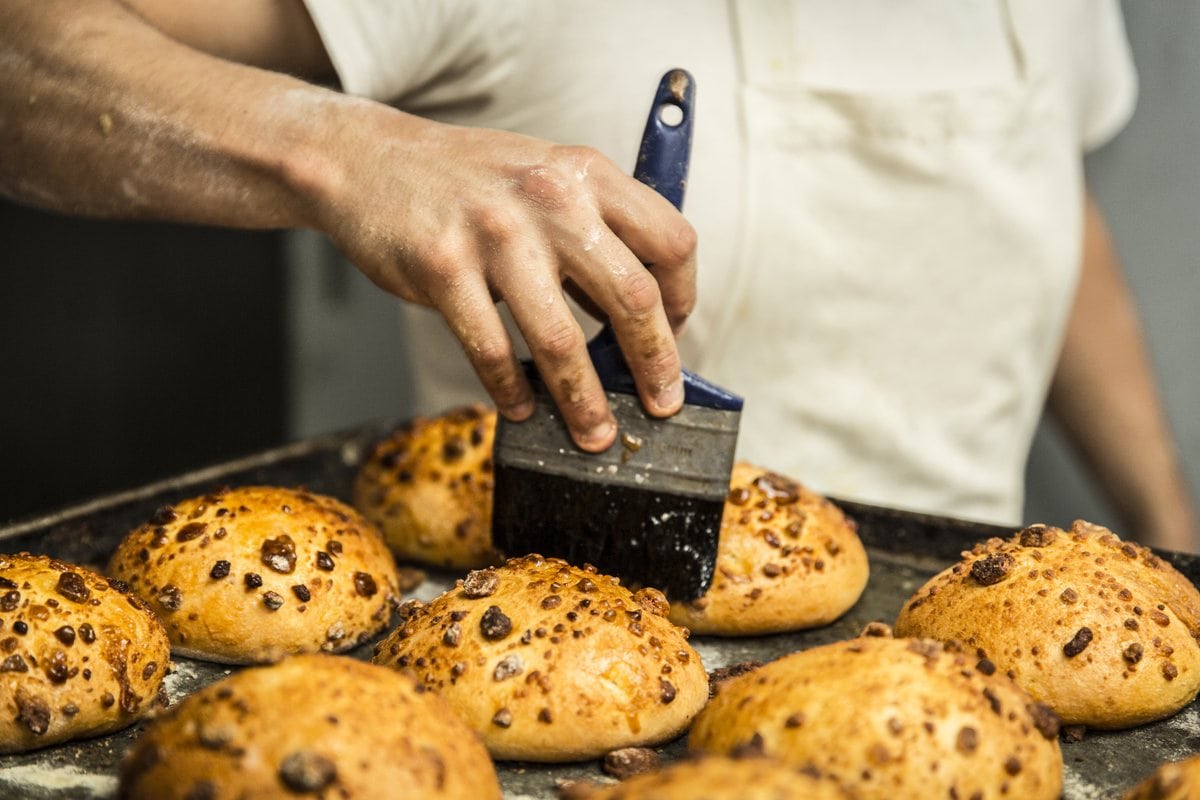
A chilindrina starts from the same soft dough as a concha, but instead of a smooth, scored shell it gets a rough, lumpy crumble of sugar topping, often studded with extra sugar crystals. The top bakes up craggy and crunchy rather than neat.
Bakers sometimes make them from leftover topping and dough, which is why every shop’s chilindrina looks a little different. If you like the crust of a concha more than the bread, this is the one to grab.
TextureSoft crumb, crunchy craggy sugar topBest withA glass of cold milk

3. Cuernitos (Cuernos)
Say it: kwehr-NEE-tohs · “little horns” · the Mexican croissant
Cuernos look like croissants, and the shape did arrive by way of French baking, but a Mexican cuernito is usually softer and breadier, with a tender, slightly sweet crumb instead of a shattering shell. Many bakeries sell a richer cuerno de mantequilla alongside the everyday version.
They are eaten plain, split and filled with ham and cheese, or brushed with a sugar glaze. Of all the pastries on the tray, cuernitos are the least sweet, which makes them a good first pick for anyone who finds pan dulce too sugary.
TextureSoft, lightly layered, mildly sweetBest withCoffee with milk, or as a ham-and-cheese sandwich
4. Besos (Yoyos)
Say it: BEH-sohs · “kisses” · also called yoyos
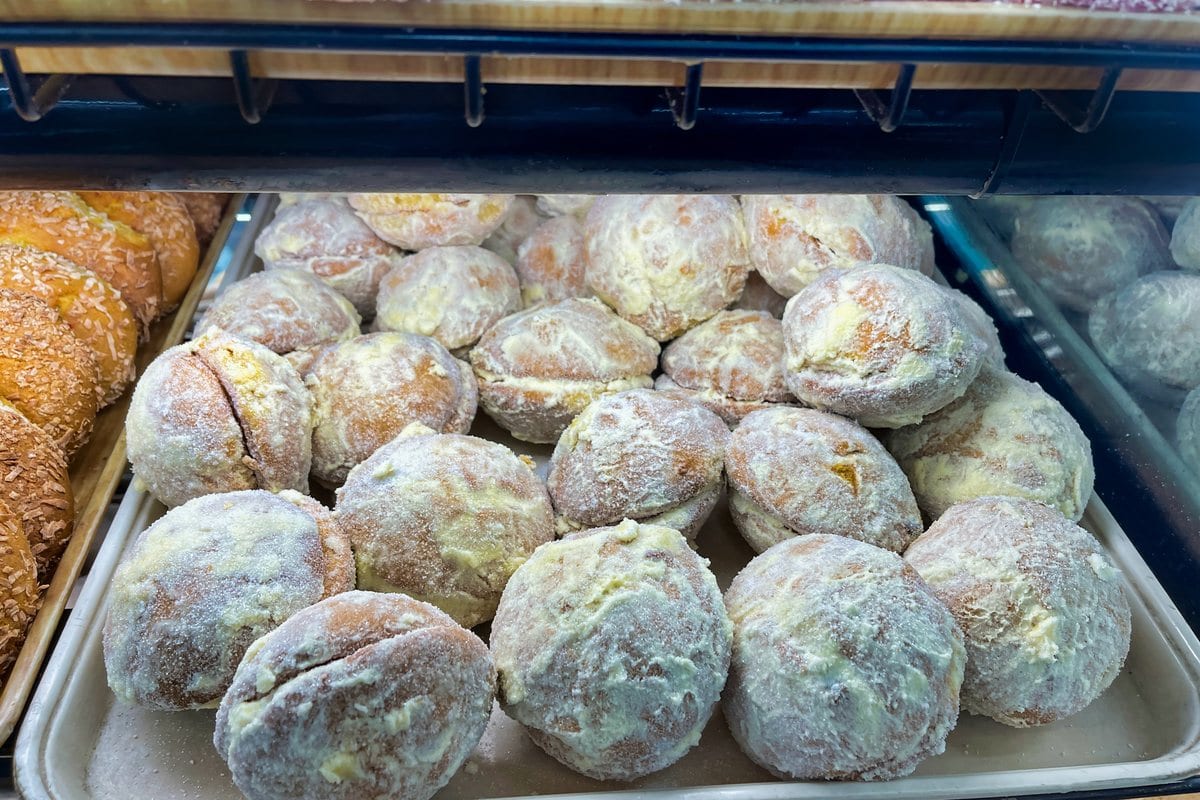
Two domed halves of soft, cakey bread are pressed together with jam in the middle, brushed with butter and rolled in sugar or shredded coconut. Joined like that, they look like a kiss, or like a yo-yo, depending on who is doing the naming.
Strawberry jam is the standard filling. Besos are one of the messier pastries on the tray, so they are usually bagged separately at the register.
TextureTender and cakey, sticky with jam and coconutBest withCafé con leche
5. Bisquets
Say it: bees-KEHTS · also bisquets chinos · Mexico City cafés
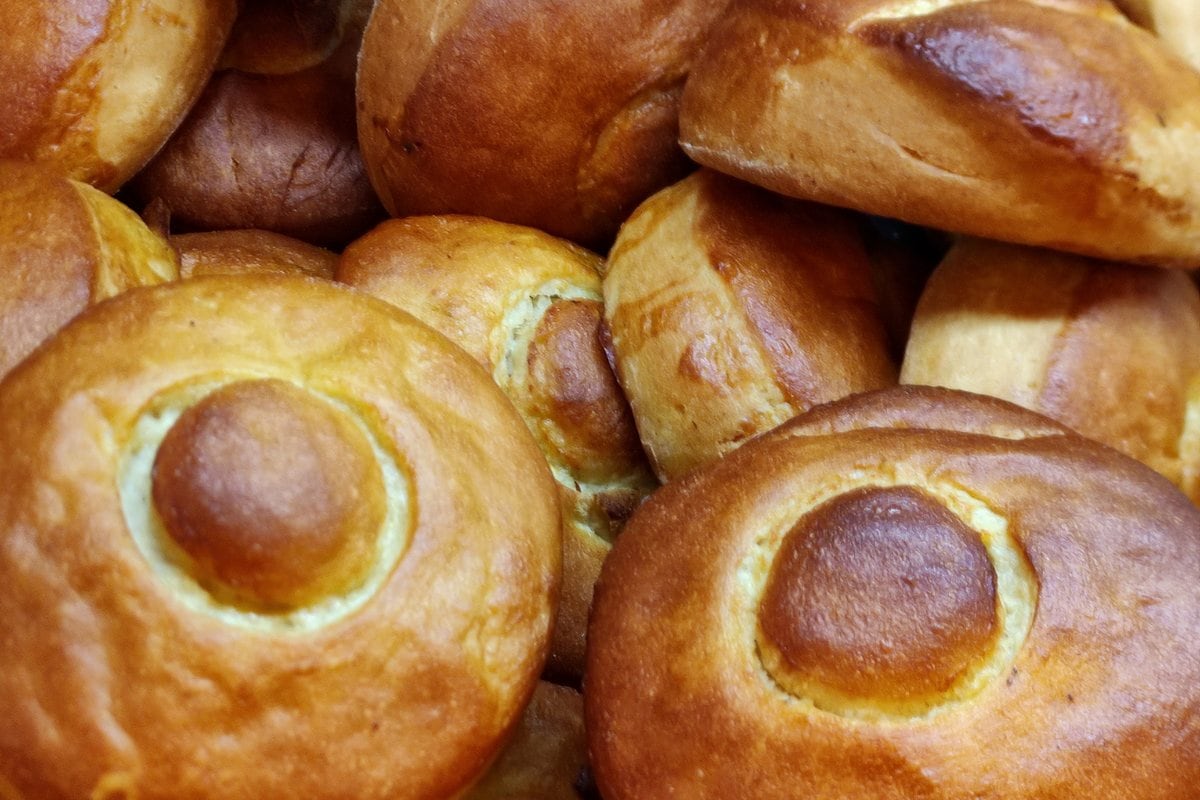
Mexico’s take on a biscuit is taller and breadier than the Southern American kind: a round, golden roll with a shiny egg-washed top, split while still warm and spread with butter and jam or cajeta.
They are closely tied to Mexico City’s old cafés de chinos, the Chinese-run coffee shops that served bisquets with café con leche for breakfast, which is why many bakeries still call them bisquets chinos.
TextureTender, slightly flaky, barely sweetBest withButter, jam and coffee with milk
6. Roles de Canela
Say it: ROH-lehs deh kah-NEH-lah · cinnamon rolls
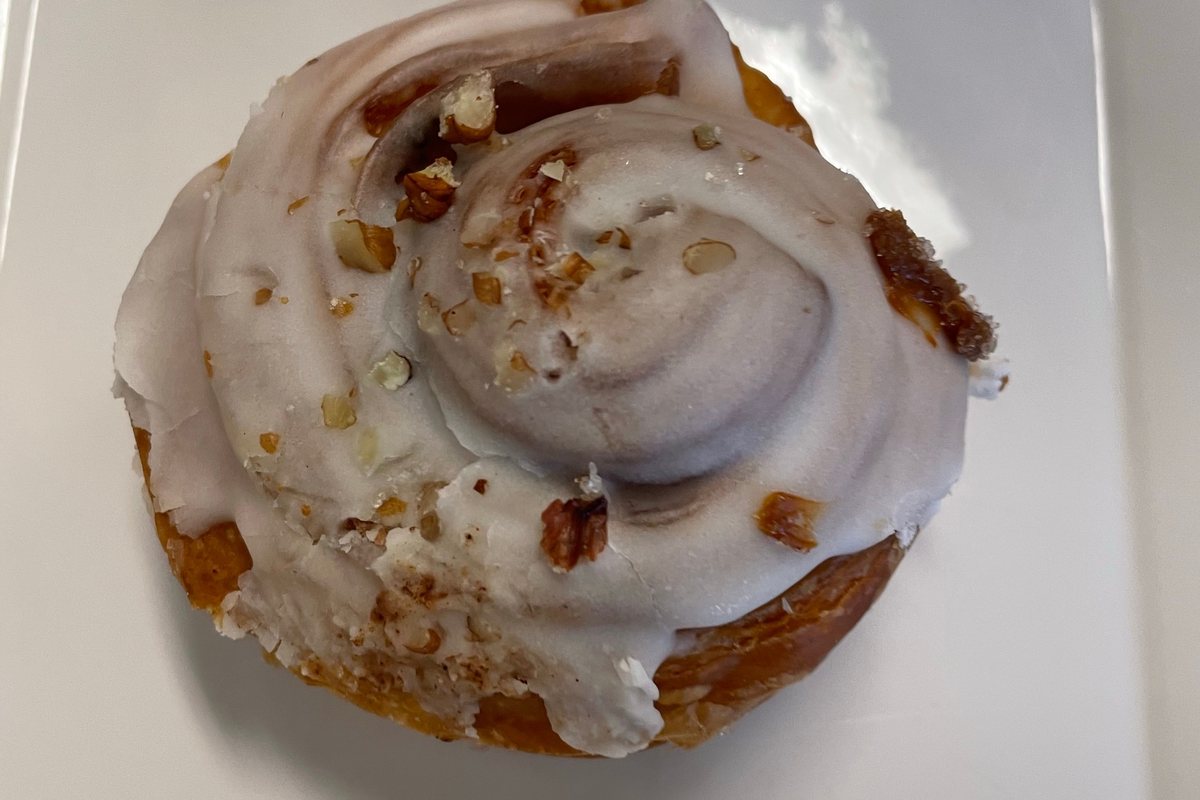
The panadería cinnamon roll is lighter on frosting than the American mall version. The dough is rolled with cinnamon sugar, sometimes raisins or nuts, then finished with a thin white glaze or just a sprinkle of sugar.
Look for rolls with visible dark swirls of cinnamon; the best bakeries use Mexican canela (true Ceylon cinnamon), which is softer and more floral than the cassia sold in most U.S. supermarkets.
TextureSoft, spiraled, lightly glazedBest withHot chocolate
7. Picones
Say it: pee-KOH-nehs · a Jalisco favorite
A picón is a large, round sweet bread with a peaked sugar-and-egg crust that bakes into little points, which is where the name comes from. The dough is often scented with orange or anise and sometimes studded with raisins.
They are especially associated with Jalisco and western Mexico, where they sit on bakery trays next to conchas as an everyday breakfast bread.
TextureSoft dough under a crunchy, spiky crustBest withCafé de olla
8. Cocoles
Say it: koh-KOH-lehs · Puebla and central Mexico
Cocoles are diamond-shaped breads made with piloncillo and anise, often topped with sesame seeds. They are firmer and less sweet than most pan dulce, with a molasses-like depth from the unrefined cane sugar.
Because they keep well, cocoles have long been a market and traveler’s bread in Puebla and Mexico City. If you enjoy the flavor of piloncillo, this is one of the purest ways to taste it.
TextureDense and chewy, not very sweetBest withAtole

9. Pan de Yema
Say it: pahn deh YEH-mah · “yolk bread” · Oaxaca
Oaxaca’s egg-yolk bread is rich and golden, often topped with sesame seeds, and meant for dunking into the region’s frothy hot chocolate. Around Día de los Muertos, bakers press little painted faces into the tops so the loaves can go on the ofrenda.
It sits somewhere between an everyday sweet bread and a holiday bread. Our pan de yema guide covers the Oaxacan tradition and how it differs from pan de muerto.
TextureRich, eggy, soft and tight-crumbedBest withOaxacan hot chocolate
Flaky Puff Pastries Hojaldre
Laminated dough folded with fat until it bakes into hundreds of shattering layers. The French influence on Mexican baking is easiest to taste here.
10. Orejas
Say it: oh-REH-hahs · “ears” · also palmeras
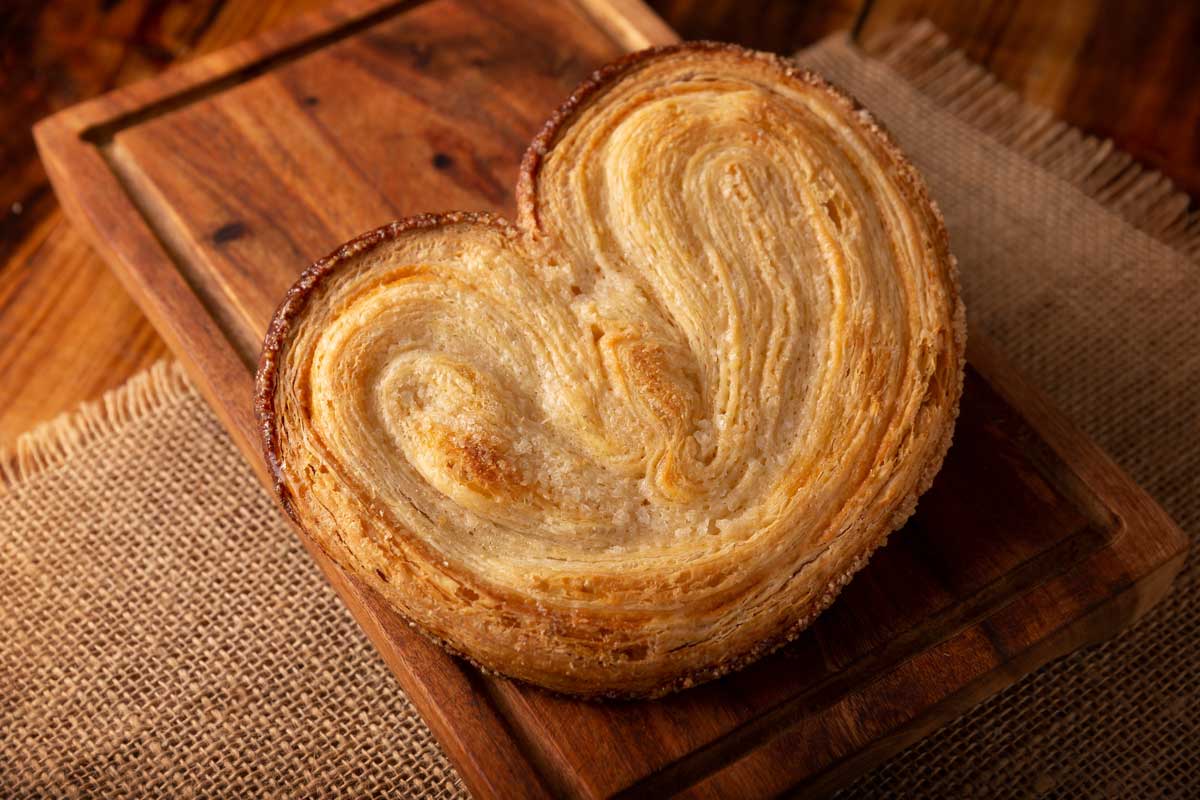
Puff pastry is rolled in sugar, folded toward the center from both sides and sliced, so each piece bakes into a heart or ear shape with a glassy caramelized crust. It is the same idea as a French palmier.
Some bakeries dip one side in chocolate. Good orejas are crisp all the way through; soft ones have usually been sitting out. Read more in our guide to Mexican orejas.
TextureCrisp, flaky and caramelizedBest withCoffee
11. Campechanas
Say it: kahm-peh-CHAH-nahs · named for Campeche
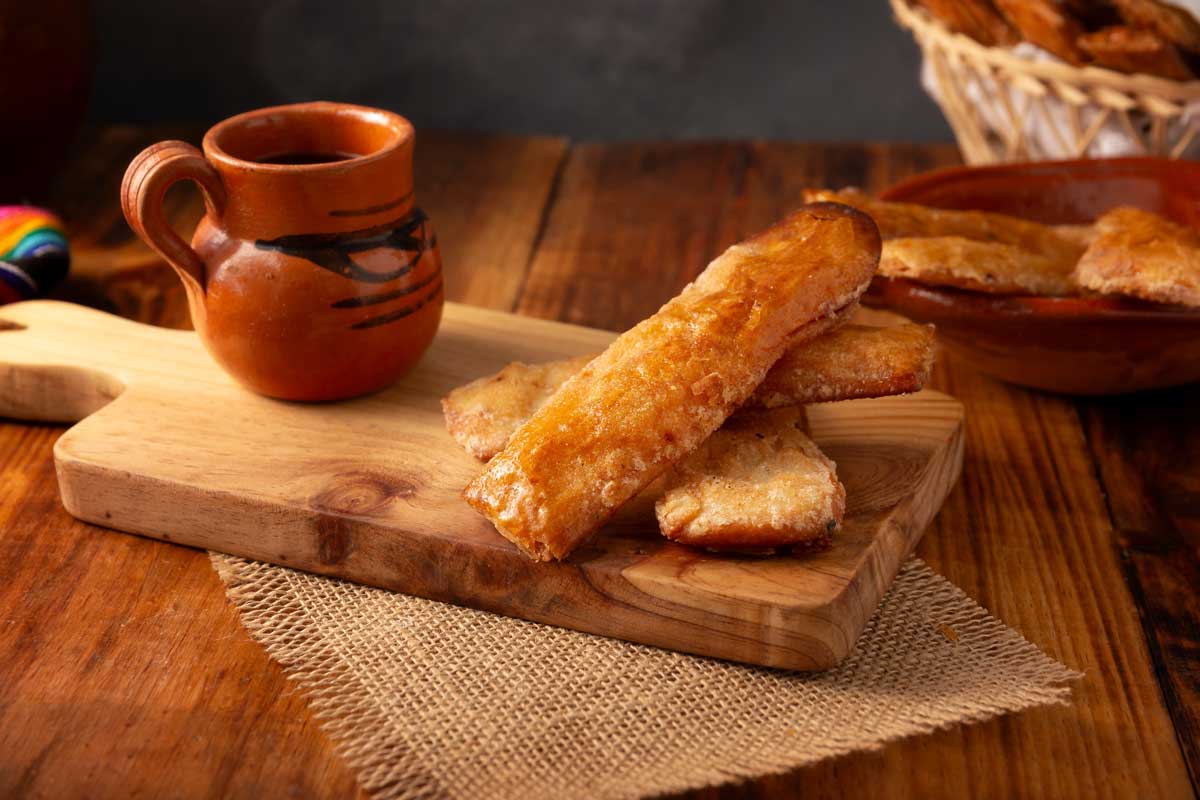
Campechanas are thin, crackly sheets of flaky dough baked with a sugar glaze until they turn glossy and amber on top. They shatter when you bite them, so eat one over a plate.
The usual story ties the name to the state of Campeche on the Gulf coast. Some bakeries fill them with cream or cajeta, but the plain glazed version is the classic.
TexturePaper-thin, flaky, glassy sugar topBest withCafé de olla

12. Ojo de Buey
Say it: OH-hoh deh BWAY · “ox eye” · also ojo de Pancha
Two pastries in one: a ring of flaky dough wrapped around a round of yellow pound cake, often with a rim of coconut. Seen from above it looks like a big eye, which gives it the name.
The contrast is the point. You get crisp, buttery pastry around the edge and soft, moist cake in the middle, so it eats more like a dessert than a breakfast bread.
TextureFlaky outside, soft cake centerBest withHot chocolate
13. Conos de Crema
Say it: KOH-nohs deh KREH-mah · cream horns
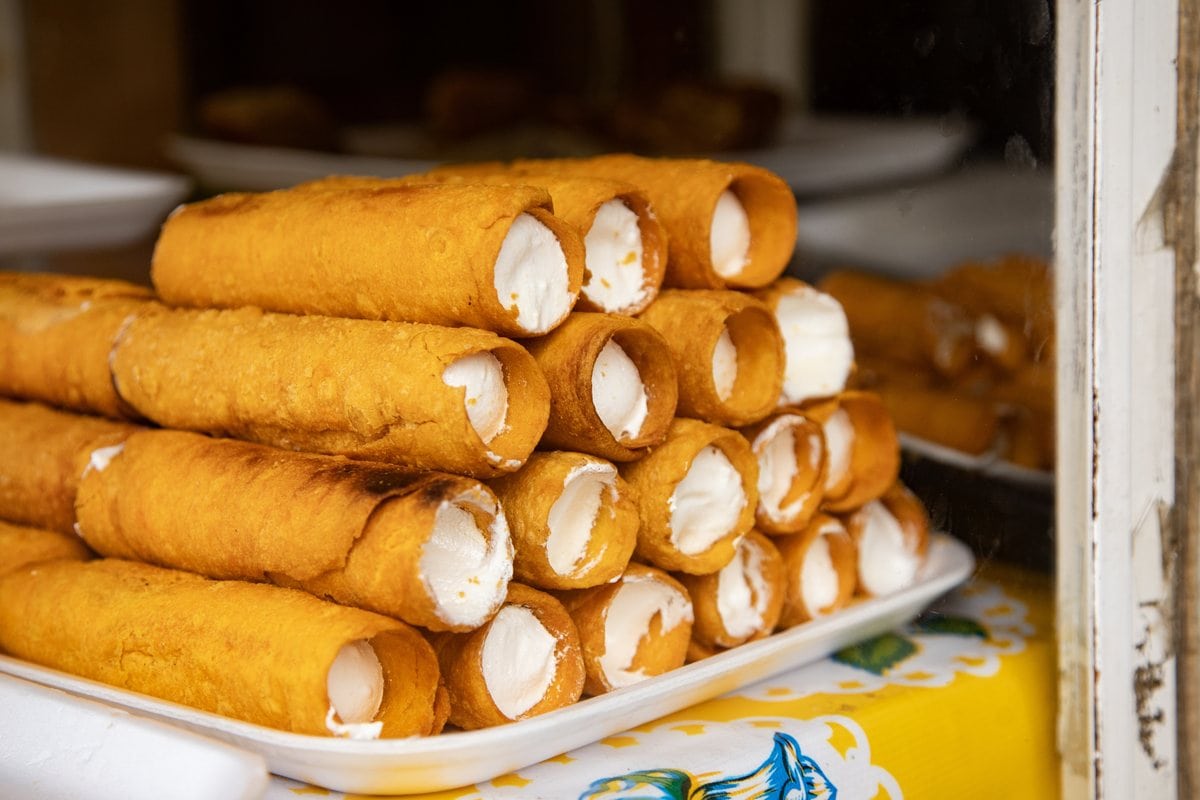
Strips of puff pastry are wrapped around a metal cone, baked and then piped full of pastry cream, whipped cream or meringue. Many Mexican bakeries glaze the outside so it bakes up shiny and golden-orange.
They are one of the few pan dulce that need refrigeration once filled, so you will usually find them in the chilled case rather than on the open trays.
TextureCrisp shell, cold creamy fillingBest withA glass of milk
14. Hojaldras
Say it: oh-HAHL-drahs · Mexico City and Puebla
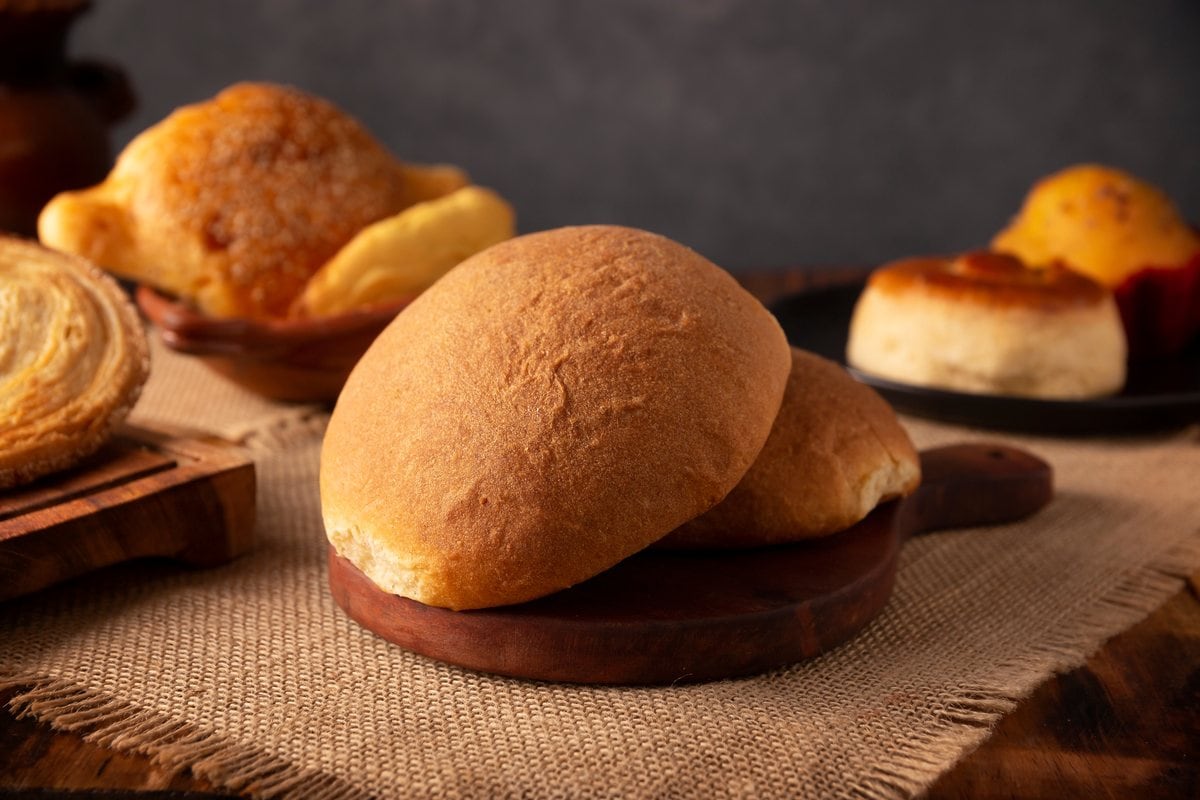
In Mexico City an hojaldra is a round, puffy, lightly sweet bun with a sugared top that bakeries split and fill, often with ham and cheese or even chicken in mole. It straddles the line between pan dulce and sandwich bread.
In Puebla the word also names a local style of Día de los Muertos bread, so do not be surprised to see hojaldras next to pan de muerto in late October.
TextureSoft, airy and slightly sweetBest withFilled with ham and cheese
Cookies and Shortbreads Galletas y polvorones
Crumbly, crunchy or chewy, and usually sold by the piece from the same trays as the breads. Many are built on piloncillo, lard and cinnamon rather than butter and vanilla.

15. Marranitos (Puerquitos)
Say it: mah-rah-NEE-tohs · “little pigs” · also cochinitos
The pig-shaped pastry in the Mexican bakery case is a marranito: a soft, cakey cookie sweetened with piloncillo, which gives it a molasses color and flavor close to gingerbread, usually with cinnamon and sometimes anise.
They are soft rather than snappy, and they go stale slowly, which is why they have been a lunchbox staple for generations. See our marranitos recipe.
TextureSoft, cakey, molasses-sweetBest withCold milk or café de olla
16. Polvorones
Say it: pohl-voh-ROH-nehs · pink, tricolor and orange
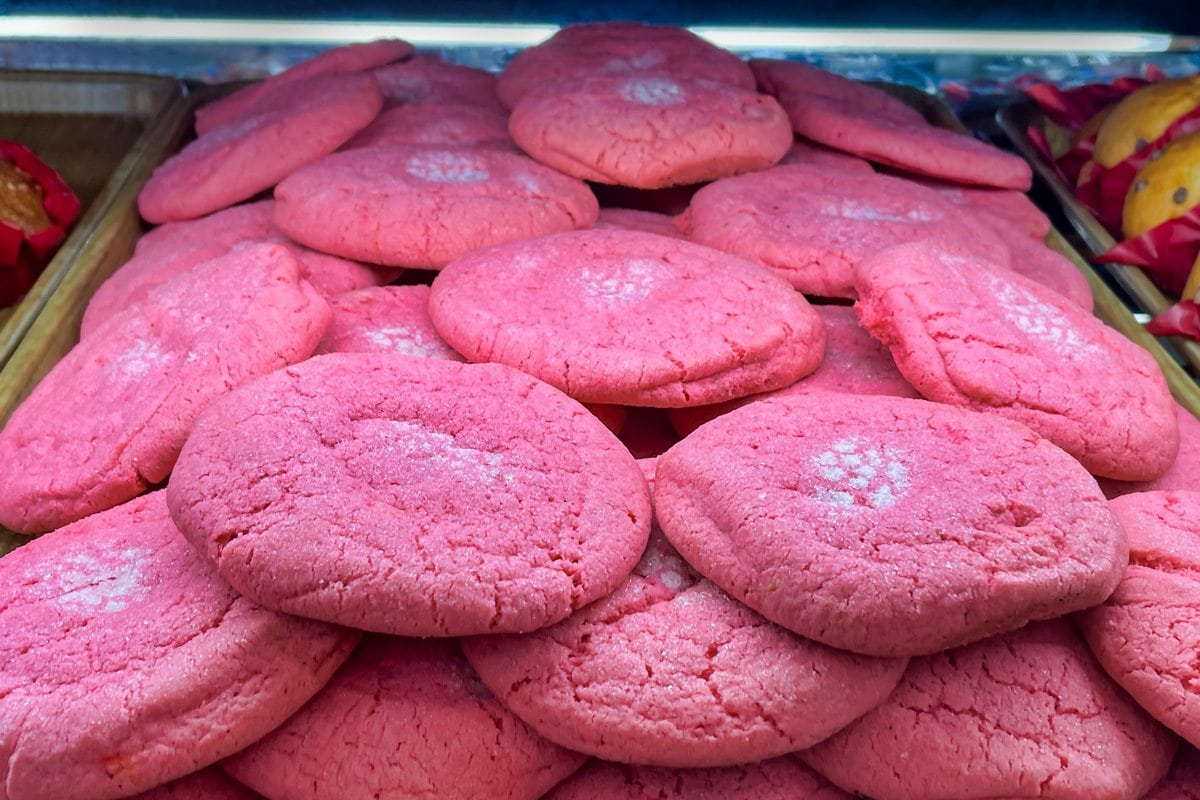
Panadería polvorones are thick, crumbly sugar cookies that fall apart into powder (polvo) as you eat them. The pink ones are the most recognizable, and many bakeries sell a tricolor version with pink, white and chocolate stripes.
The name comes from Spain, where polvorones are almond Christmas cookies wrapped in paper. The Mexican bakery version is bigger, sweeter and sold year-round.
TextureCrumbly and sandyBest withCoffee

17. Polvorones de Nuez (Mexican Wedding Cookies)
Say it: pohl-voh-ROH-nehs deh NWEHS · pecan snowballs
These small, round butter cookies are made with finely ground pecans and rolled in powdered sugar while still warm, so they look like snowballs. They melt on the tongue and are fixtures at weddings, baptisms and Christmas.
In the U.S. they are sold as Mexican wedding cookies; in Mexico you will more often hear polvorones de nuez or bolitas de nuez. Our Mexican wedding cookies recipe makes about three dozen.
TextureMelt-in-your-mouth, buttery, nuttyBest withCoffee or hot chocolate

18. Hojarascas
Say it: oh-hah-RAHS-kahs · northern Mexico
Hojarascas are delicate shortbread cookies made with lard or butter and dusted in cinnamon sugar. The name means fallen leaves, a nod to how easily they crumble.
They are especially popular in northern Mexico and Texas at weddings and Christmas. Our hojarascas recipe uses the traditional cinnamon-sugar coating.
TextureFragile, sandy, cinnamon-sugaredBest withCafé de olla

19. Coyotas
Say it: koh-YOH-tahs · Hermosillo, Sonora
Sonora’s signature sweet is a thin, flat round of flour dough, crimped closed around a filling of melted piloncillo and baked until the pastry is dry and crisp. Cut one open and the center is dark and sticky.
Modern versions add guava, cajeta or chocolate, but piloncillo is the original. Read our coyotas guide and recipe.
TextureDry, crisp crust, gooey caramel centerBest withCoffee
20. Elotes
Say it: eh-LOH-tehs · “corn cobs”
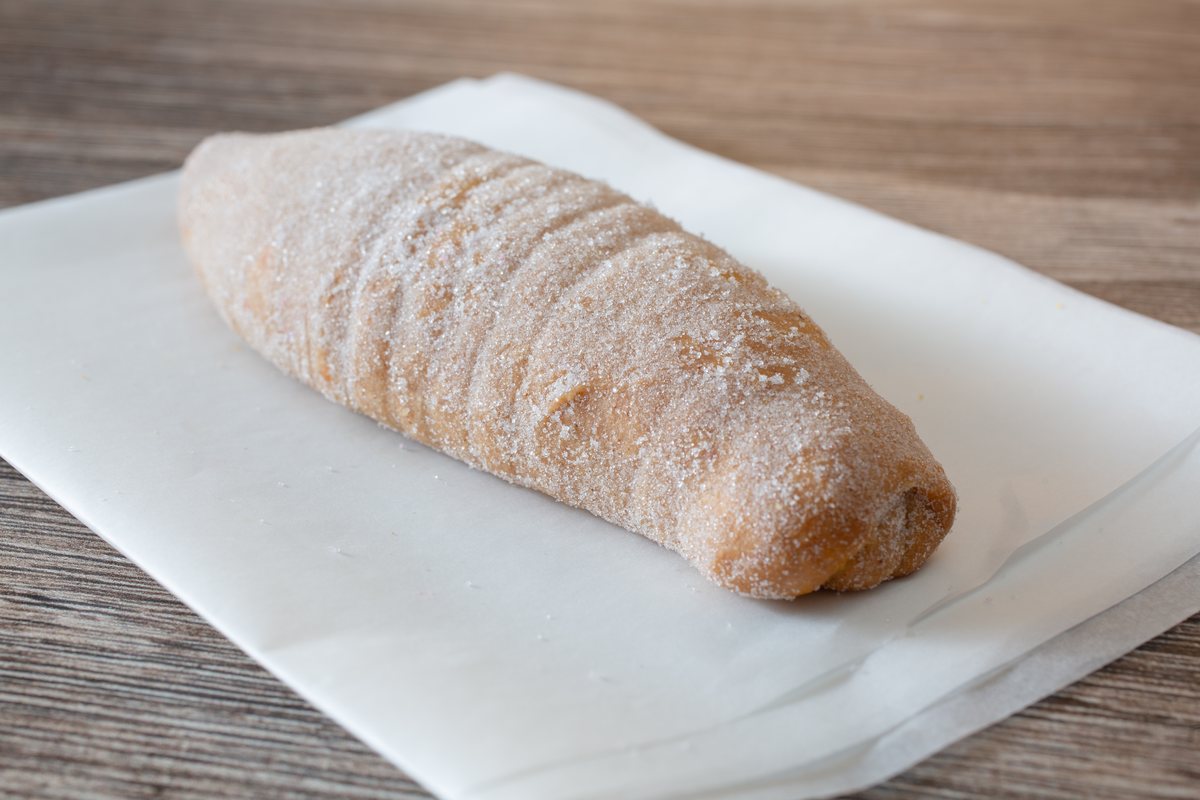
Not the street corn. In the panadería, an elote is a cookie-dough pastry shaped and scored like an ear of corn, then coated in sugar. It is crumbly like a polvorón but denser, with a crisp outer shell.
Some bakeries tint them yellow; most leave them golden. They are a favorite with kids because of the shape.
TextureCrumbly inside, sugary crisp outsideBest withA glass of milk
21. Galletas de Grageas
Say it: gah-YEH-tahs deh grah-HEH-ahs · sprinkle cookies
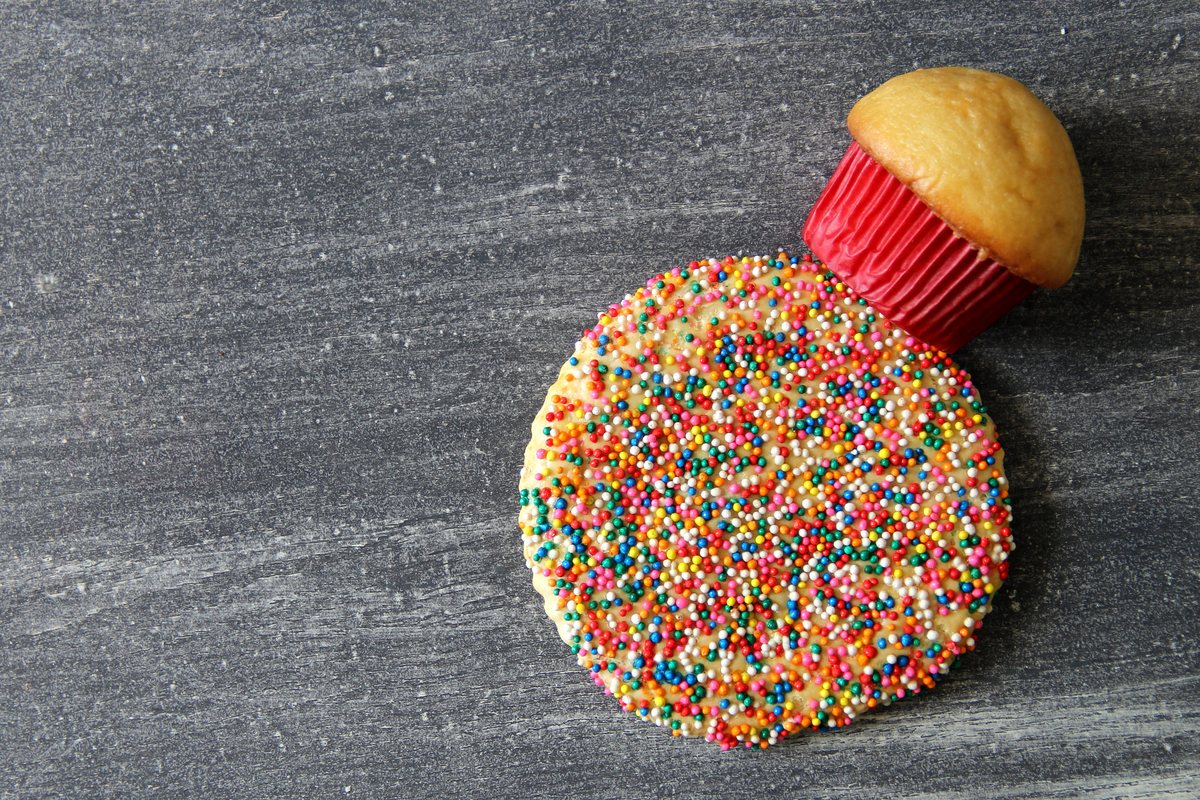
The big, flat sugar cookie completely covered in rainbow nonpareils (grageas) is a panadería standard and usually the first thing children point to at the counter.
Underneath the sprinkles is a simple butter or shortening cookie, sometimes soft, sometimes crisp, depending on the bakery.
TextureCrunchy sprinkles over a soft or crisp cookieBest withMilk
Cake-Style Pan Dulce Panqués y bizcochos
Batter rather than dough: little butter cakes, pound cakes and rolled sponges baked in paper cups or sheet pans.
22. Garibaldis
Say it: gah-ree-BAHL-dees · Mexico City classic
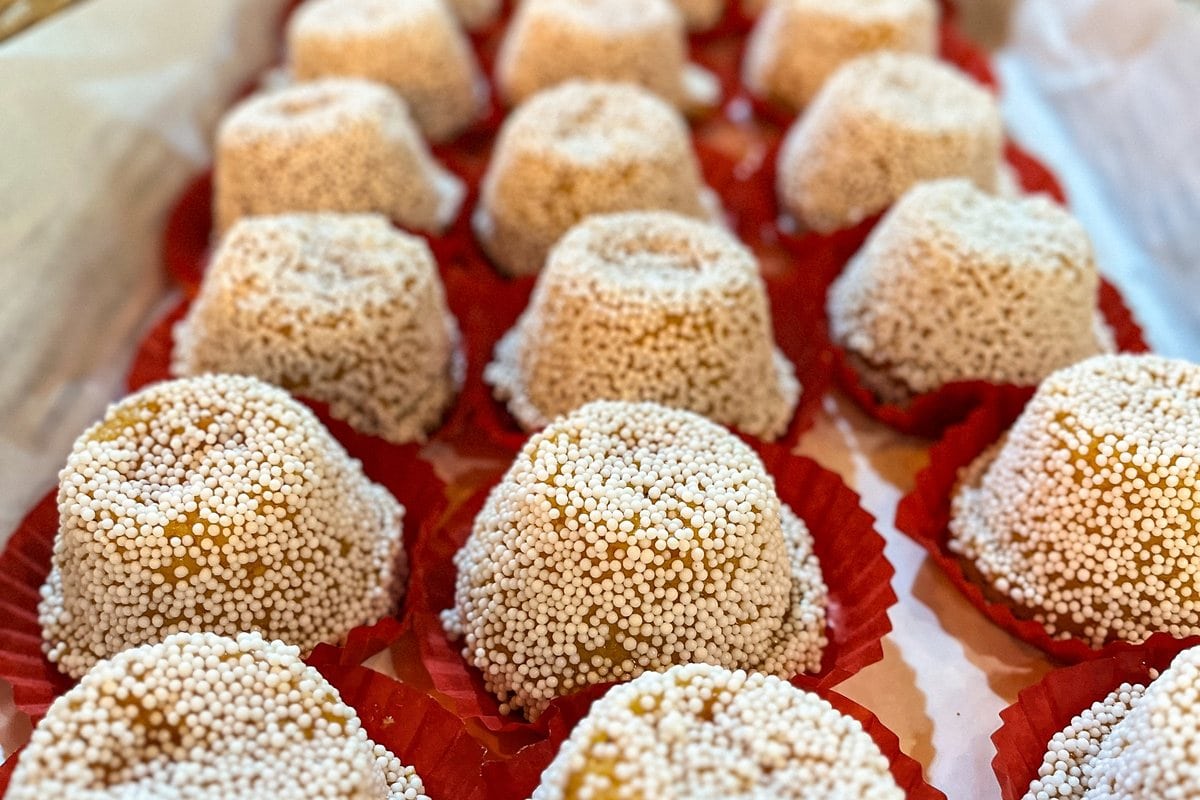
A garibaldi is a small, dense butter cake baked in a fluted cup, brushed with apricot jam and rolled in white nonpareils until it is completely covered. The sprinkles give a crunch that contrasts with the soft cake inside.
They are one of the most distinctive Mexican pastries visually, and one of the few that is almost always the same from bakery to bakery.
TextureMoist butter cake with a crunchy sprinkle shellBest withCoffee
23. Mantecadas
Say it: mahn-teh-KAH-dahs · the Mexican muffin
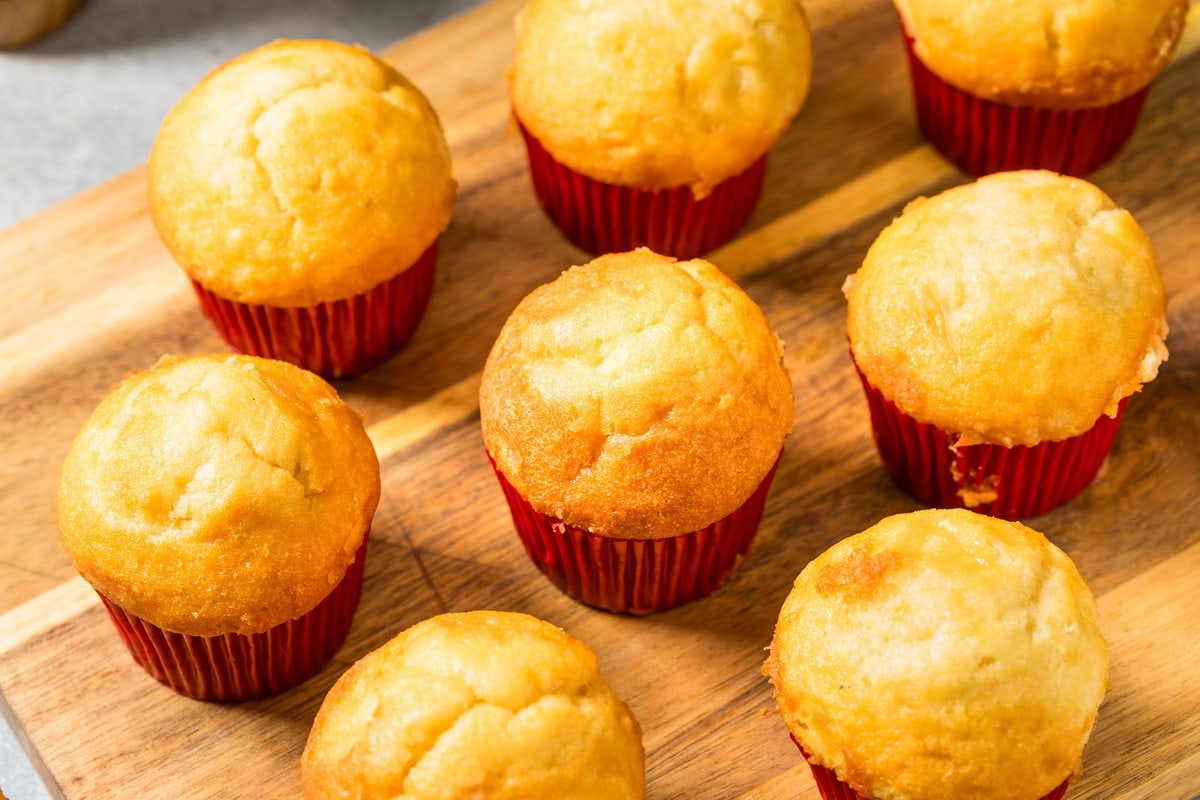
Mantecadas look like American muffins and are baked in the same kind of paper liner, traditionally red. The crumb is lighter and more cake-like, flavored with vanilla or orange, with a domed, sugary top.
They are one of the pastries packaged brands have copied most widely, so you will find them in convenience stores as well as panaderías. The bakery version is noticeably moister.
TextureLight, spongy, lightly sweetBest withCafé con leche
24. Chinos de Nuez (Panqué)
Say it: CHEE-nohs deh NWEHS · nut-topped pound cake
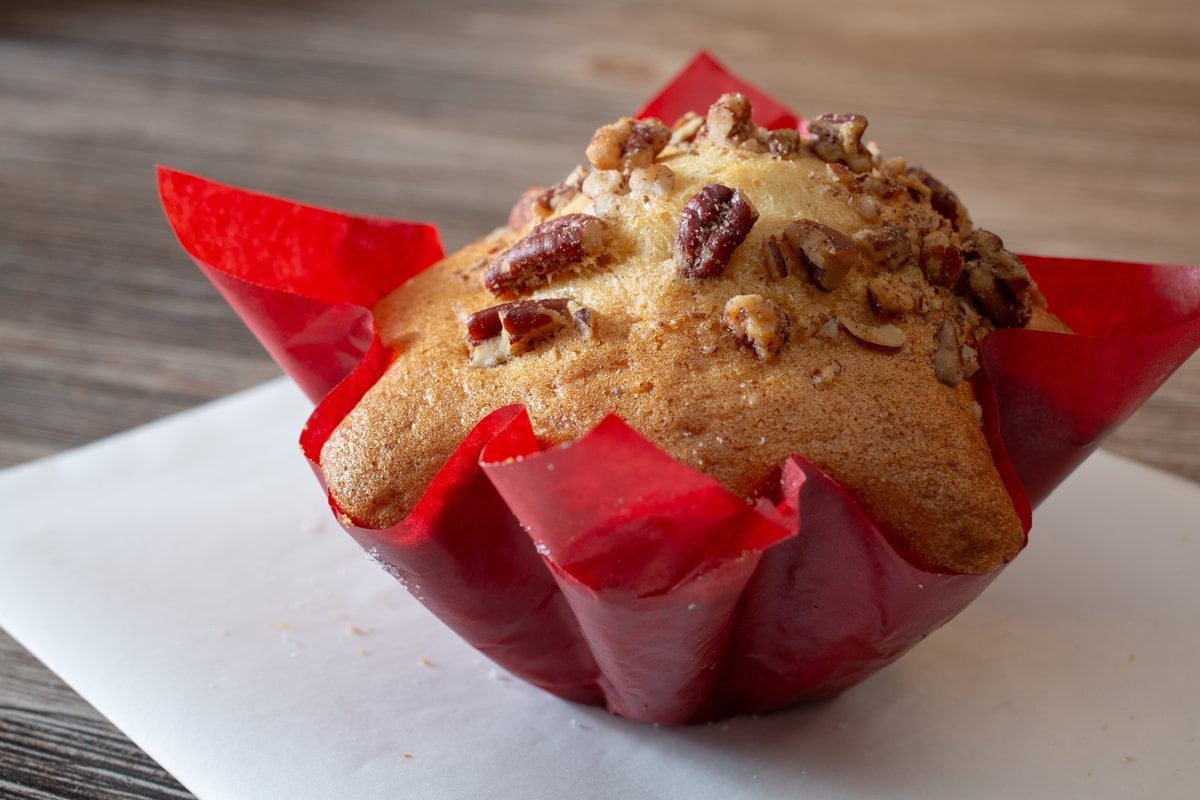
Panqué is the Mexican pound cake, sold as loaves or individual portions. The chino de nuez is the fancy version: a muffin-sized pound cake in a paper wrapper, crowned with chopped pecans or walnuts and a sugary crust.
Plain panqué, marbled panqué with chocolate, and panqué with raisins are all common. They are denser and richer than mantecadas.
TextureDense, buttery, nutty topBest withCoffee
25. Niño Envuelto
Say it: NEE-nyoh ehn-VWEHL-toh · “wrapped-up child”
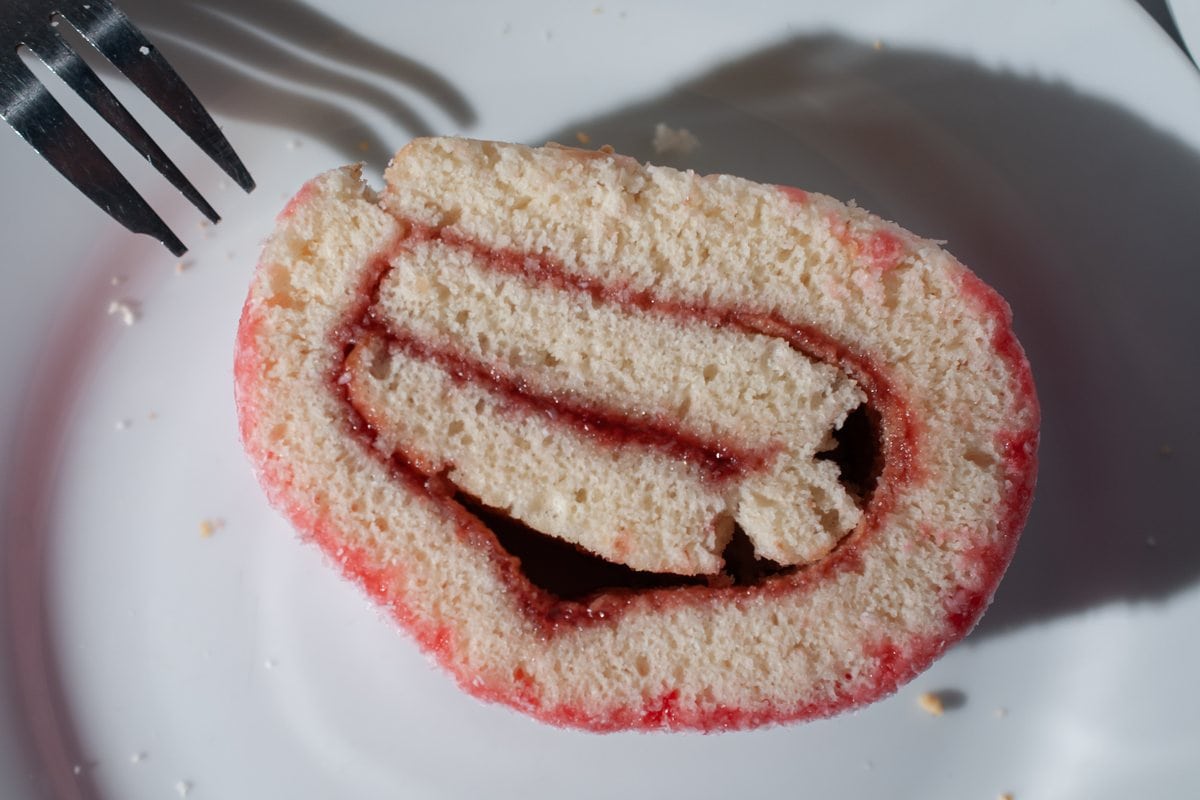
Mexico’s jelly roll: a thin sheet of sponge cake spread with strawberry jam, rolled up and finished with shredded coconut or powdered sugar. The name comes from the way it looks like a baby wrapped in a blanket.
Bakeries sell it by the slice or as a whole roll for parties. It is light and not very sweet apart from the jam.
TextureLight sponge, sticky jam spiralBest withTea or coffee

26. Pan de Elote
Say it: pahn deh eh-LOH-teh · sweet corn cake
Made with fresh corn kernels blended into the batter, pan de elote is moist and custardy, somewhere between cornbread and cake. It is sold in squares at bakeries and markets, and it is a common Día de los Muertos offering.
Our pan de elote recipe uses fresh corn and condensed milk.
TextureMoist, custardy, corn-sweetBest withA drizzle of cajeta
Fried, Filled and Street Sweets Frituras y rellenos
Some of the best-loved Mexican pastries never sit on a panadería tray at all. They come out of a fryer at a market stall or off a griddle at a street corner.
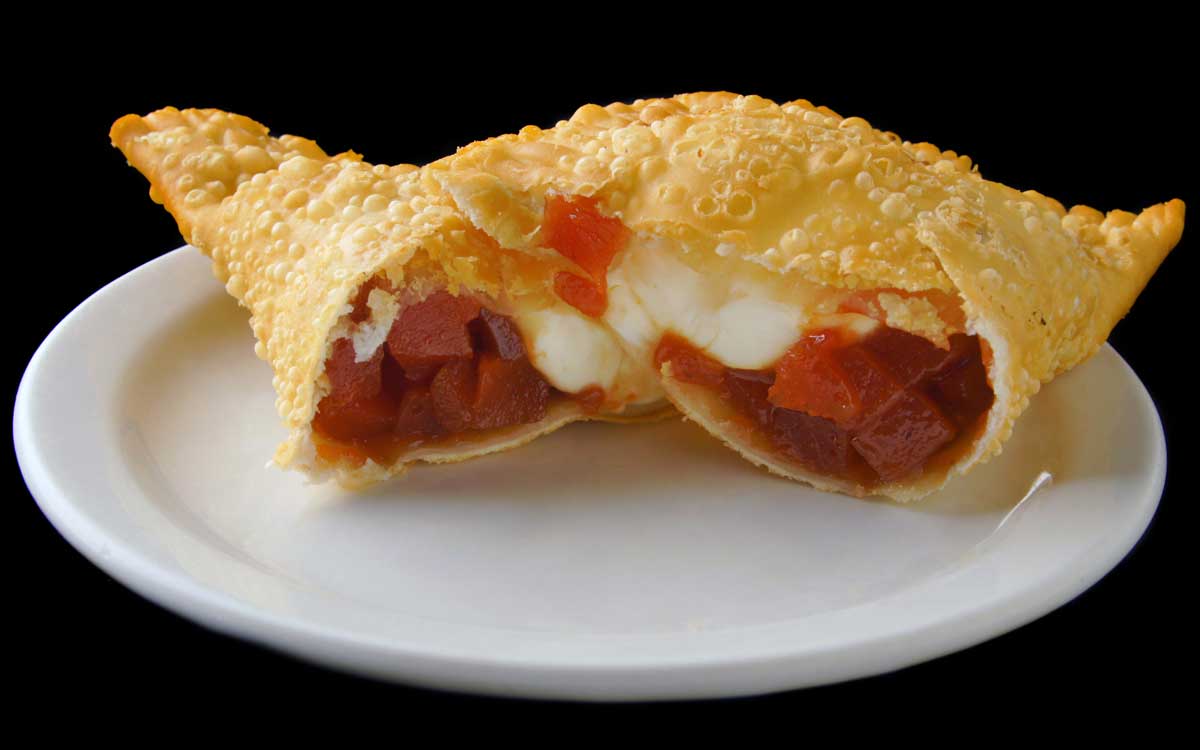
27. Empanadas Dulces
Say it: ehm-pah-NAH-dahs DOOL-sehs · sweet turnovers
Sweet empanadas are half-moon turnovers filled with pumpkin (calabaza), pineapple, sweet potato, cajeta or cream, then baked and sprinkled with sugar. The crust ranges from flaky to soft and cookie-like depending on the bakery.
Pumpkin empanadas are the autumn classic and show up everywhere around Día de los Muertos. Our empanada dough guide covers the doughs.
TextureTender or flaky crust, jammy fillingBest withCoffee or atole

28. Churros
Say it: CHOO-rohs · street stalls and fairs
Churros came from Spain, but Mexico made them its own. Dough is piped through a star-shaped nozzle straight into hot oil, fried until ridged and crisp, then rolled in cinnamon sugar. Many stands also fill them with cajeta, chocolate or condensed milk.
They are street food more than bakery food, sold hot in paper bags. Our Mexican churros recipe makes them at home.
TextureCrunchy ridges, soft centerBest withChampurrado or thick hot chocolate

29. Buñuelos
Say it: boo-NYWEH-lohs · Christmas and Las Posadas
Mexican buñuelos are thin rounds of dough fried until they puff and blister, then either showered with cinnamon sugar or soaked in syrup made from piloncillo, cinnamon and guava. Buñuelos de rodilla are stretched over the knee, which is how they get so thin.
They are the classic sweet of the December posadas and fairs. See our buñuelos recipe.
TextureShatteringly crispBest withHot atole or ponche
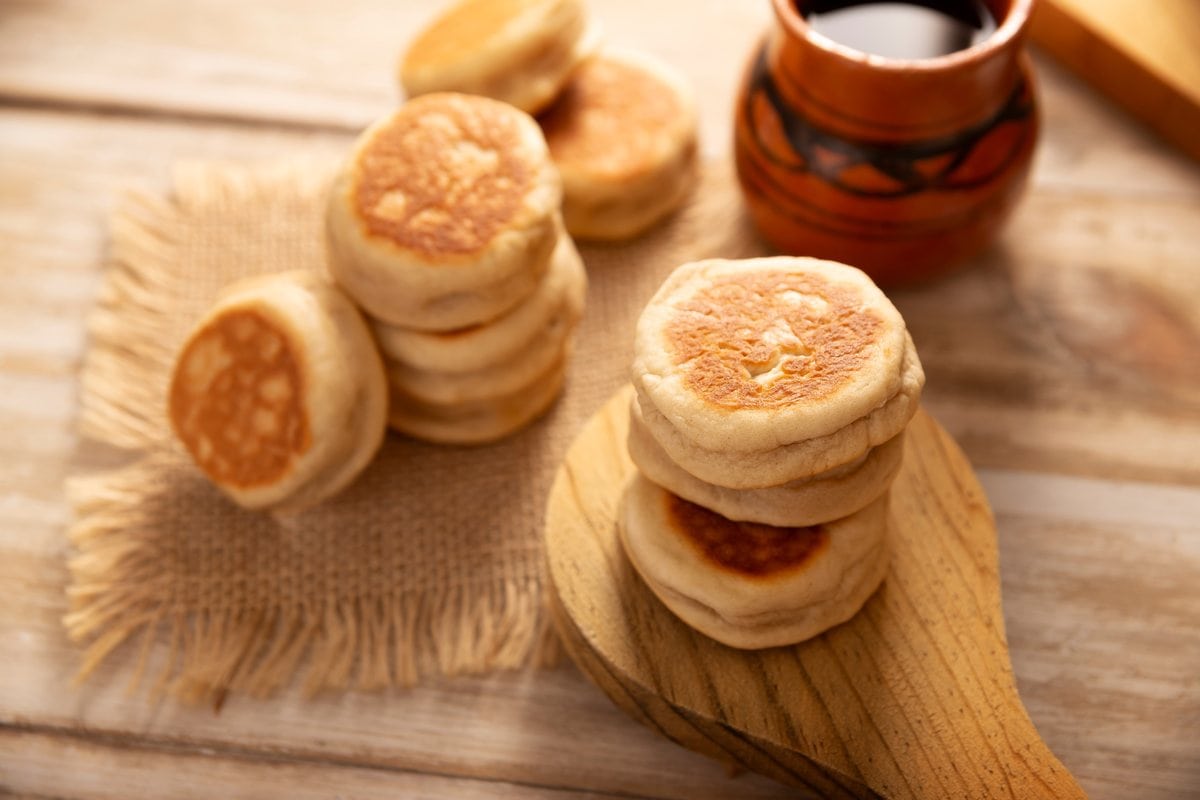
30. Gorditas de Nata
Say it: gohr-DEE-tahs deh NAH-tah · street griddle cakes
Little thick griddle cakes made with nata, the rich skin that forms on top of boiled milk, plus flour, sugar and a touch of cinnamon. They are cooked on a comal until spotted brown and sold warm by the dozen in paper.
You find them at street stalls, tianguis markets and outside churches rather than in bakeries. Think of a cross between a pancake and a soft cookie.
TextureSoft, tender, milkyBest withCafé de olla
Holiday Breads Panes de temporada
Two breads that appear for a few weeks a year and dominate the bakery while they do.

31. Pan de Muerto
Say it: pahn deh MWEHR-toh · late October to November 2
The bread of the dead is a round, soft, orange-blossom-scented loaf topped with dough shaped like crossed bones and a small ball in the center, then brushed with butter and rolled in sugar. It is baked for Día de los Muertos, placed on ofrendas and shared with family.
Regional versions vary enormously, from sesame-topped loaves to breads shaped like people. Our pan de muerto recipe makes the classic sugared version.
TextureSoft, fragrant, sugar-crustedBest withHot chocolate
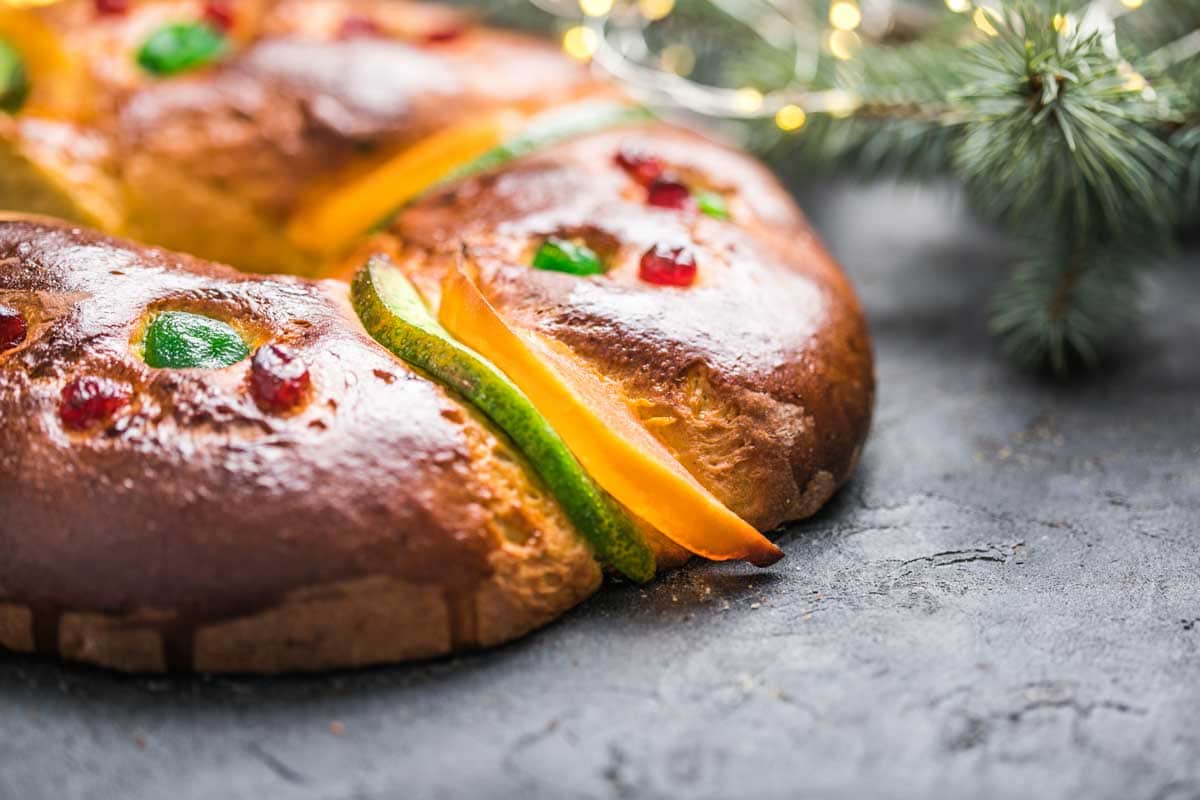
32. Rosca de Reyes
Say it: ROHS-kah deh REH-yehs · January 6
The Three Kings’ bread is a large oval ring of orange-scented dough decorated with strips of sugar paste and candied fruit. A small figurine of the baby Jesus is baked inside, and whoever finds it in their slice hosts the tamales party on Día de la Candelaria, February 2.
Bakeries start selling roscas right after New Year’s and many now fill them with cream or chocolate. Read our rosca de Reyes guide.
TextureSoft, citrusy, decoratedBest withHot chocolate
Regional Mexican Pastries Worth Seeking Out
Every Mexican city has a panadería on the corner, but some regions have pastries you will rarely see anywhere else. These are the ones worth asking for by name.
Oaxaca
Pan de yema
Egg-yolk bread made for dunking in the state’s frothy hot chocolate, decorated with little faces for Día de los Muertos.
Sonora
Coyotas
Flat, crisp pastries filled with melted piloncillo, most closely tied to Hermosillo.
Campeche
Campechanas
Glassy, paper-thin sugared pastry that takes its name from the Gulf state.
Jalisco
Picones
Big round breads with a spiky sugar crust, an everyday breakfast bread in Guadalajara.
Puebla
Cocoles and hojaldras
Anise-and-piloncillo cocoles for every day, and Puebla’s own hojaldra for Día de los Muertos.
Mexico City
Garibaldis and bisquets
Sprinkle-covered butter cakes and warm bisquets with coffee, the old café breakfast of the capital.
A Year of Mexican Pastries
Some pan dulce is sold every day of the year. Other pastries belong to a season, and bakeries switch their trays over as the calendar turns.
Early January
Rosca de Reyes for Three Kings’ Day on January 6.
Lent
Capirotada, the spiced bread pudding made from day-old bolillos.
Weddings
Polvorones de nuez and hojarascas by the tray.
October
Pumpkin empanadas and the first pan de muerto.
Nov 1 and 2
Pan de muerto and pan de yema for the ofrenda. See our Día de los Muertos foods.
December
Buñuelos for Las Posadas, plus the Mexican Christmas table.
How to Buy Pan Dulce at a Panadería

Open shelves, self-service: the panadería system is the same from Mexico City to Los Angeles.
A Mexican bakery works differently from most American ones, and the system is simple once you have seen it once.
Grab a tray and tongs
A stack of round metal or plastic trays (charolas) and a pair of tongs (pinzas) sit near the entrance. Take one of each.
Serve yourself
Walk the shelves and pick whatever you want with the tongs. Nothing is behind glass except cream-filled items and cakes.
Hand it over at the counter
The cashier counts the pieces, bags or boxes them, and charges by the piece. Pan dulce is priced individually, so it is easy to try several.
Time your visit
Go early in the morning or in the late afternoon, when fresh batches come out for breakfast and the merienda. Midday trays are the most picked over.
No panadería nearby? Many Mexican grocery stores in the U.S. have an in-store bakery with the same tray-and-tongs setup, and it is often the freshest pan dulce in town.
What to Drink With Mexican Pastries

Dunking is not just allowed, it is the point.
Pan dulce is made to be dunked, which is why soft breads such as conchas and pan de yema are only lightly sweet. These are the classic partners.
Best with orejas, campechanas, cocoles
Coffee simmered in a clay pot with cinnamon and piloncillo. Its spice matches the flakiest pastries.
Mexican hot chocolate
Best with conchas, pan de yema, rosca
Tablet chocolate with sugar and cinnamon, whisked frothy. The traditional partner for soft sweet breads.
Best with marranitos, conchas, tamales
A warm, thick corn drink flavored with vanilla, cinnamon or fruit.
A cold glass of milk
Best with polvorones and grageas
For the crumbliest cookies, nothing works better.
How to Store and Reheat Pan Dulce
Pan dulce is at its best the day it is baked, but most of it keeps longer than you might think.
| Type | How to store | How long | To refresh |
|---|---|---|---|
| Soft breads (conchas, cuernitos, pan de muerto) | Airtight bag or container at room temperature | 2 to 3 days; freeze up to 1 month | 300°F oven for 5 minutes, or 10 seconds in the microwave |
| Puff pastries (orejas, campechanas) | Paper bag, not plastic | 2 to 3 days | A few minutes in a hot oven or air fryer to re-crisp |
| Cookies (marranitos, polvorones) | Tin or airtight jar | 1 to 2 weeks | Nothing needed |
| Cream-filled (conos, filled conchas) | Refrigerator | 1 to 2 days | Eat cold |
| Fried (churros, buñuelos) | Paper-lined container | Best the same day | Air fryer at 350°F for 3 to 4 minutes |
Also in the Panadería Case (But Not Pan Dulce)
Mexican bakeries sell more than sweet bread. These desserts share the shelf space, but most Mexicans would not call them pan dulce.
Sponge cake soaked in evaporated milk, condensed milk and cream, sold by the slice in the chilled case.
Caramel custard on its own, or baked on top of chocolate cake in the famous impossible cake.
Pay de queso
Mexican-style cheesecake, lighter and less sweet than the New York version, usually sold by the slice.
Guadalajara’s burnt-top custard, a cousin of crème brûlée.
More Pan Dulce Names: A Quick Glossary
Bakery labels change from region to region, and every panadería has its house specialties. These are other names you are likely to see.
Abanico Fan-shaped puff pastry layered with sugar.
Banderilla A long, crisp puff pastry strip with a sugary glaze.
Bigote “Mustache”: a twisted, sugar-coated pastry.
Borrachito A small bread soaked in rum or brandy syrup.
Calvo A concha dipped in chocolate and edged with coconut.
Cartera A flaky pastry wrapped around chocolate, like pain au chocolat.
Corbata or moño A bow-tie twist of sugared dough.
Cubilete A small cup-shaped pastry with a sweet cheese filling.
Dona Mexican bakery doughnut, usually sugared rather than glazed.
Gusano “Worm”: a long, curled roll coated in cinnamon sugar.
Lima An Oaxacan bread shaped and colored like a lime.
Nube A concha variant with a cloud-like sugar topping.
Novia “Bride”: a spiral bread dusted heavily with sugar.
Peineta Comb-shaped puff pastry, often filled with jam.
Piedra “Stone”: a hard, dense bread traditionally made from leftover pastry.
Rebanada A slice of sweet bread spread with butter and sugar and baked again.
Rehilete “Pinwheel”: a Danish-style pastry with a jam center.
Trenza A braided sweet bread or puff pastry, sometimes glazed.
Volcán A concha with a tall, peaked topping.
Yoyo Another name for besos.
Where to Buy Mexican Pastry Ingredients and Tools
Pan dulce itself does not ship well, but the ingredients that make it taste Mexican do. If you want to bake conchas, marranitos or buñuelos at home, these are the pantry staples to stock.
As an Amazon Associate, AmigoFoods earns from qualifying purchases.
Mexican Pastries FAQ
What are Mexican pastries called?
As a group they are called pan dulce, which means sweet bread. The bakery that sells them is a panadería. Individual pastries have their own names, such as conchas, orejas, cuernos and marranitos.
What is the most popular Mexican pastry?
The concha. It is the pastry most closely identified with Mexican bakeries, sold everywhere from small-town panaderías to U.S. supermarkets.
What is the Mexican pastry with sugar on top called?
If the sugar topping is scored into a shell pattern, it is a concha. If the topping is lumpy and crumbly, it is a chilindrina. Sugar-dusted puff pastry is usually an oreja or a campechana.
What is the pig-shaped Mexican pastry called?
It is a marranito, also called a puerquito or cochinito: a soft, gingerbread-like cookie sweetened with piloncillo.
What is the Mexican croissant called?
A cuerno or cuernito. It has the croissant’s crescent shape but is usually softer and breadier.
How many kinds of pan dulce are there?
No one has an exact count. Estimates for Mexican breads range from about 500 to 2,000 types, because shapes, toppings and names change from region to region. A typical panadería sells a few dozen at a time.
Are Mexican pastries very sweet?
Less than most people expect. The bread in a concha or pan de yema is only lightly sweet, and the sugar sits on top. Cookies, garibaldis and filled pastries are sweeter.
What do you eat with pan dulce?
A hot drink: café de olla, Mexican hot chocolate, atole or coffee with milk. Pan dulce is a breakfast and merienda food, not usually an after-dinner dessert.
How long does pan dulce stay fresh?
Soft breads keep 2 to 3 days in an airtight bag, cookies 1 to 2 weeks in a tin, and cream-filled pastries 1 to 2 days in the refrigerator. See the storage table above.
Keep Exploring Mexican Sweets
From here, dig into the recipes behind the pastries or widen out to the rest of Mexico’s sweet table.
More Mexican Desserts
See all →
Jorge Garcia is the founder of AmigoFoods, where he has spent over 20 years helping readers discover authentic Latin American and Spanish cuisine. Raised in a Cuban-American household, Jorge learned to cook at the hands of his mother and grandmother, carrying forward generations of family recipes. That heritage, backed by his family’s four-generation history in the Latin food industry, inspired him to launch AmigoFoods in 2003. With more than 1,000 published articles on recipes, ingredients, and food culture, Jorge’s mission is simple: make authentic Latin cooking approachable for home cooks everywhere while honoring the traditions behind every dish.