
Did you know that Michoacán was recognized by UNESCO as part of Mexico’s Intangible Cultural Heritage for its traditional gastronomy?
That’s not just hype — it’s history on a plate.
Michoacán cuisine blends Indigenous Purépecha traditions with Spanish colonial influences, creating one of Mexico’s most respected and regionally distinct culinary identities.

From corundas wrapped in corn husks to sweet atole warming village plazas, every dish tells a story.
In this guide, we’ll break down the traditional Mexican dishes, key ingredients, cultural roots, and why Michoacán cuisine continues to shape Mexican food culture today.
What Is Michoacán Cuisine?

Michoacán cuisine is one of the most historically rich and culturally preserved regional food traditions in Mexico.
Rooted in the ancestral cooking practices of the Purépecha people and later influenced by Spanish colonial techniques, it represents a powerful blend of Indigenous heritage and mestizo flavors.
Located in western Mexico, Michoacán features diverse geography — from fertile valleys and volcanic mountains to Lake Pátzcuaro — which directly shapes its ingredients and cooking styles.
Corn is sacred and foundational. Beans, chiles, squash, pork, and fresh cheeses are staples. Traditional methods like nixtamalization and slow-cooking in copper cauldrons remain central to the cuisine.
Unlike heavily commercialized Mexican food styles, Michoacán cuisine is deeply regional and community-based.
Many recipes are preserved by “cocineras tradicionales” (traditional cooks) who pass techniques down through generations.
Iconic Traditional Dishes of Michoacán
Michoacán cuisine is defined by bold flavors, ancestral techniques, and dishes that have become symbols of regional Mexican gastronomy.
These iconic foods highlight the state’s Indigenous roots, agricultural richness, and time-honored cooking traditions.
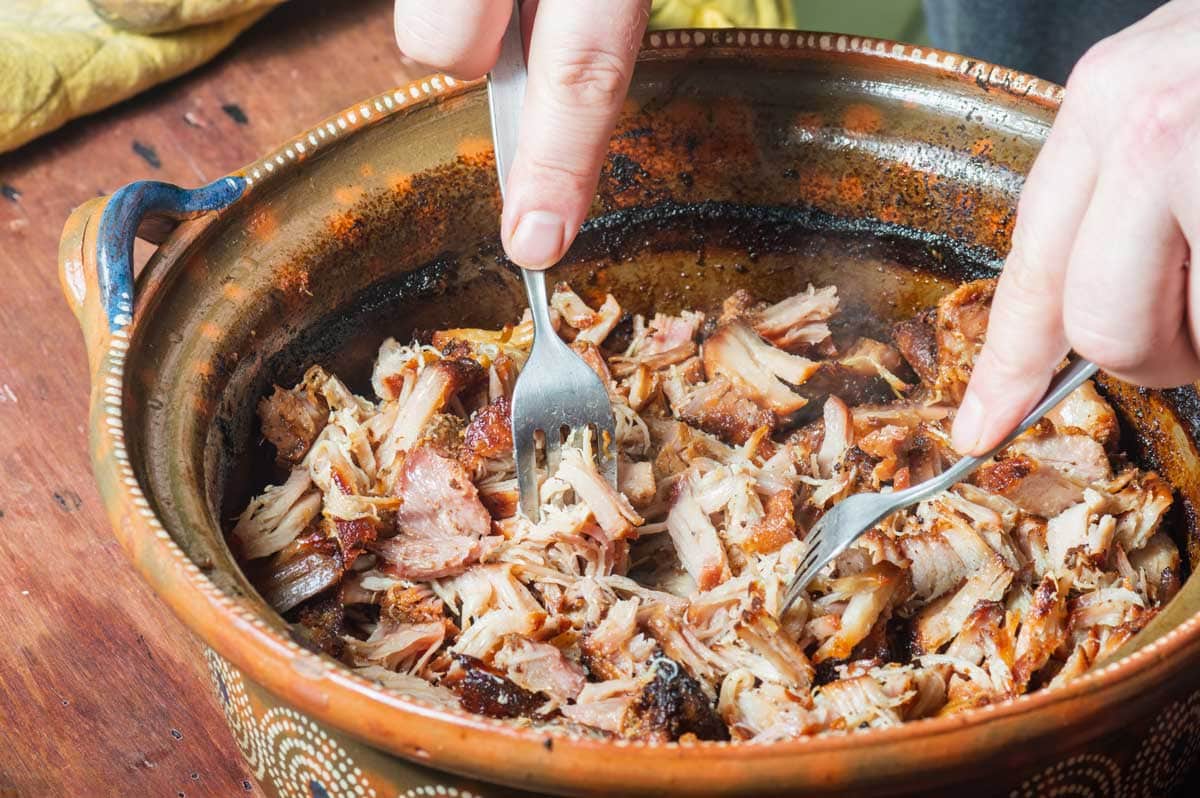
Carnitas Michoacanas
- Slow-cooked pork simmered for hours in large copper cauldrons. Tender inside, crispy outside, and traditionally served with fresh tortillas, salsa, and lime. Learn the full Michoacán carnitas method, or turn them into carnitas tacos.
Corundas
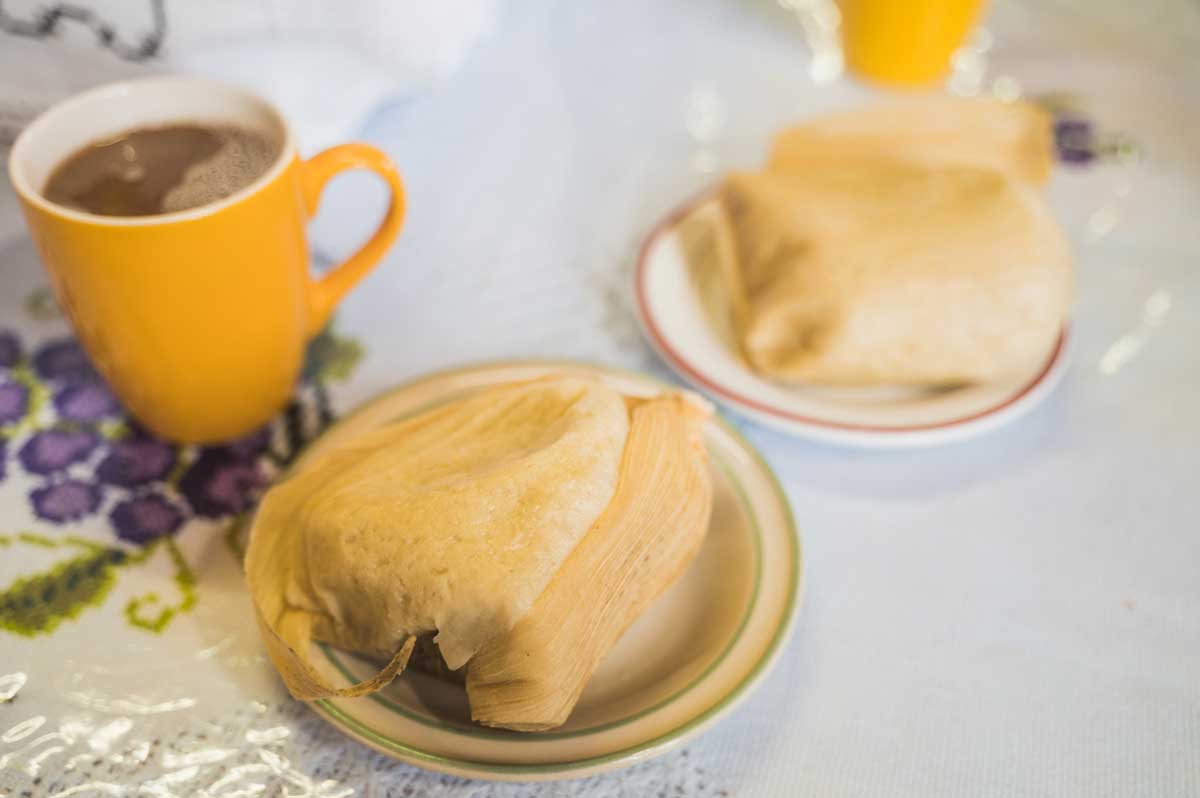
- Unique triangular tamales wrapped in long corn leaves rather than husks. Often served with cream, fresh cheese, and salsa roja.
Uchepos
- Uchepos are soft, slightly sweet tamales made from fresh corn (not dried masa), typically topped with crema and queso fresco.
Sopa Tarasca
- A comforting tomato-based tortilla soup blended with beans and dried chiles, garnished with fried tortilla strips, crema, avocado, and cheese.
Aporreadillo
- Shredded dried beef mixed with scrambled eggs and bathed in a chile sauce — a rustic, protein-rich traditional dish.
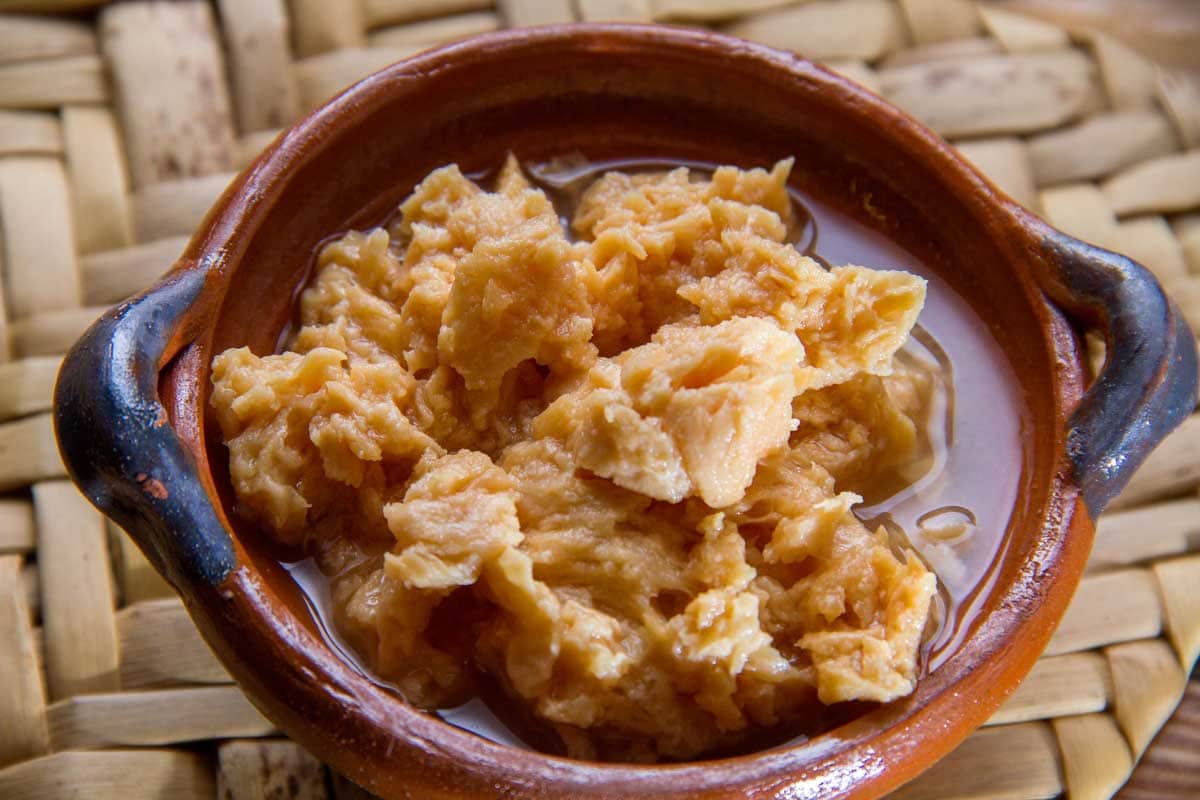
Chongos Zamoranos
- A classic dessert from Zamora made of curdled milk simmered with sugar and cinnamon syrup, showcasing Michoacán’s dairy heritage.
Together, these Mexican dishes capture the essence of Michoacán cuisine — deeply rooted in Purépecha tradition, proudly regional, and unmistakably authentic.
Essential Ingredients in Michoacán Cuisine

At the heart of Michoacán cuisine lies a foundation of Indigenous agriculture, regional livestock, and time-honored cooking techniques.
The ingredients are simple — yet powerful. Fresh. Local. Deeply rooted in tradition.
Heirloom Corn (Maíz Criollo)
The cornerstone of the cuisine. Used for tortillas, corundas, uchepos, atole, and countless masa-based dishes. Traditional nixtamalization enhances flavor and nutrition.
Dried Chiles (Guajillo, Ancho, Pasilla)
- Provide depth, smokiness, and subtle heat. Essential for soups like sopa tarasca and many rustic sauces.
Beans (Frijoles)
- A daily staple, often cooked simply and served alongside main dishes or blended into Mexican soups.
Pork
- Especially important for carnitas, slow-cooked in copper cauldrons — a signature technique of the region.
Fresh & Aged Cheeses (Cotija, Queso Fresco)
- Cotija cheese, often compared to Parmesan, originates from the region and adds salty richness to many dishes.
Epazote & Native Herbs
- Used to flavor beans and soups, adding earthy, aromatic notes that define traditional cooking.
Seasonal Fruits (Guava, Tejocote)
- Frequently incorporated into desserts and sweet beverages.
Traditional Cooking Tools
- Clay comales and copper pots are not just tools — they shape flavor, texture, and authenticity.
Together, these essential ingredients create the distinctive balance of simplicity, depth, and cultural continuity that defines Michoacán cuisine.
The Purépecha Influence on Michoacán Food
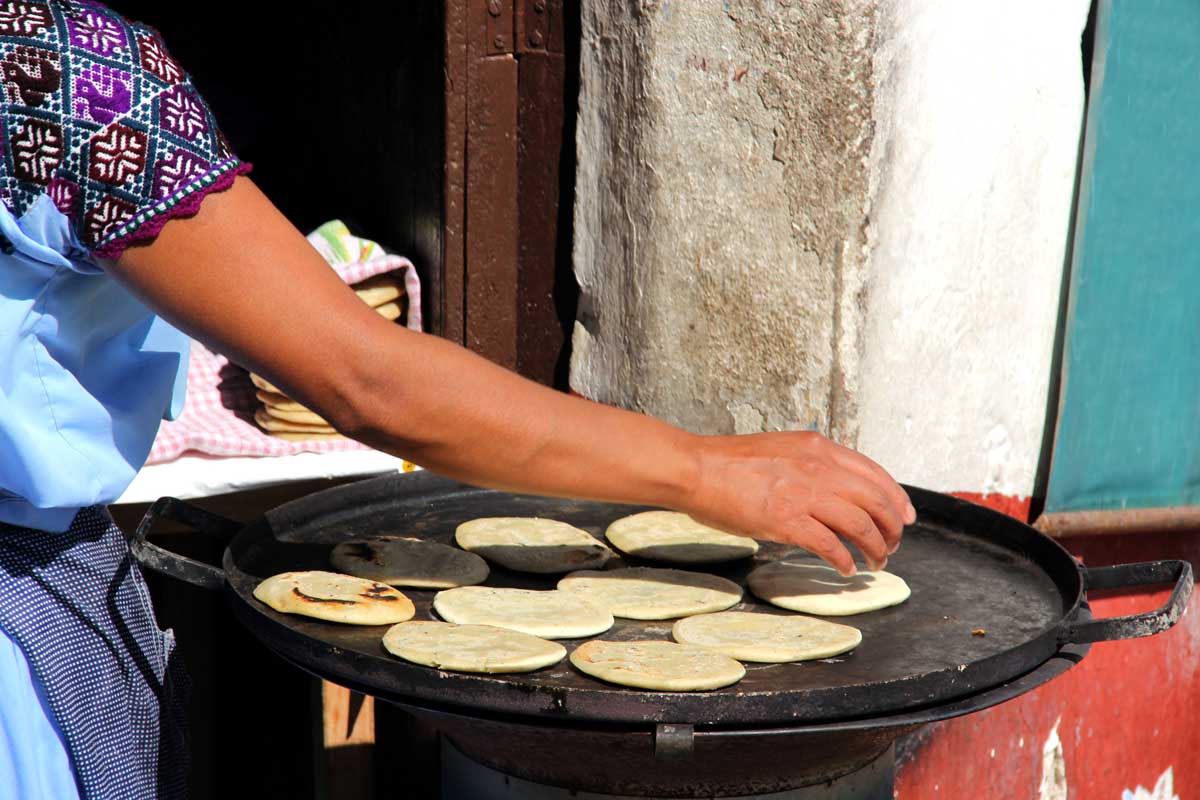
Michoacán cuisine is deeply rooted in the traditions of the Purépecha people, whose foodways predate Spanish colonization.
Their agricultural systems, cooking tools, and spiritual connection to corn continue to shape the region’s culinary identity.
- Corn as Sacred Staple – Maize is the foundation of tortillas, corundas, uchepos, and atole, prepared using traditional nixtamalization.
- Milpa Agriculture – Corn, beans, and squash grown together reflect Indigenous sustainability.
- Clay Comales & Wood Fire Cooking – Traditional techniques that influence flavor and texture.
- Communal Cooking Traditions – Recipes passed down through generations of traditional cooks.
The Purépecha legacy lives on in Michoacán’s kitchens today — preserving one of Mexico’s most authentic and Indigenous-rooted culinary traditions.
Michoacán Street Food & Market Culture
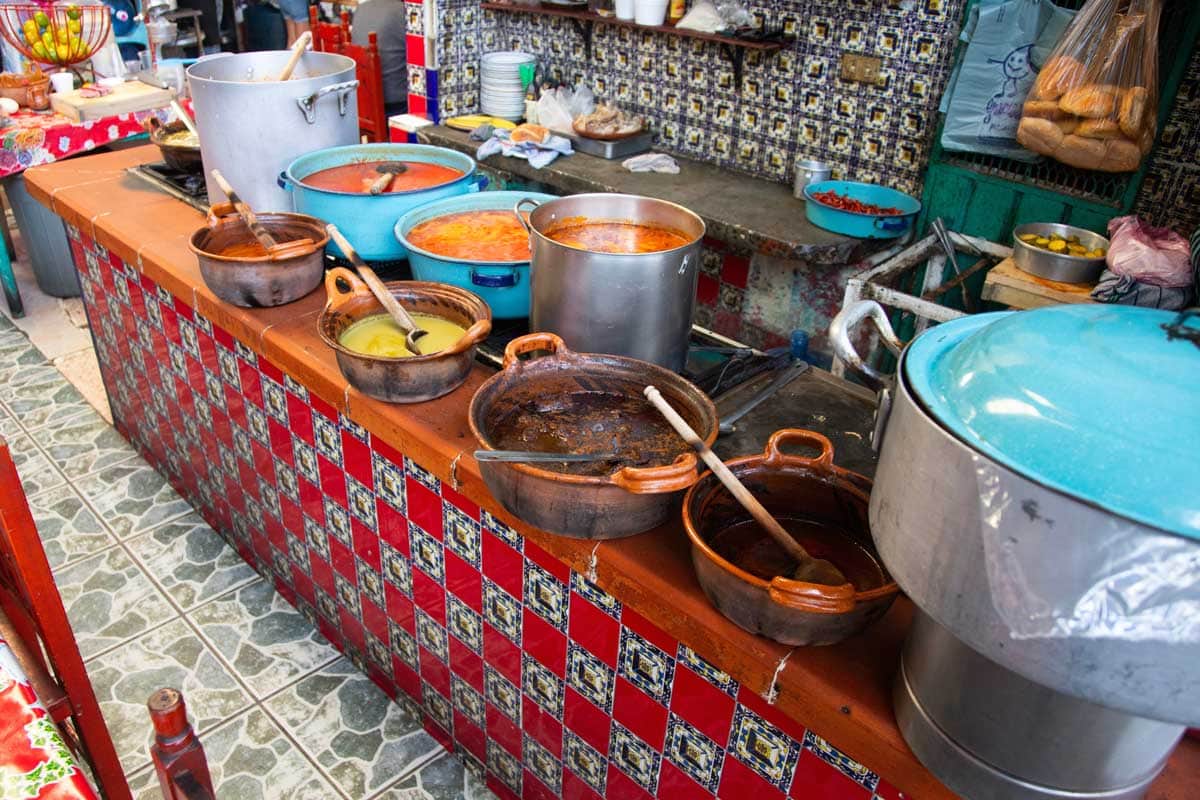
Street food is where Michoacán cuisine truly comes alive.
From early-morning carnitas vendors to bustling public markets filled with tamales and atole, food is woven into daily life and community gatherings.
- Morning Carnitas Tradition – Pork slow-cooked in copper cauldrons and served fresh with warm corn tortillas and salsa.
- Tamales & Uchepos on the Go – Corn-based specialties sold at street stalls and local mercados.
- Atole & Hot Beverages – Thick, comforting corn drinks enjoyed in plazas and markets.
- Mercado Culture – Public markets in cities like Morelia serve as culinary hubs where locals shop, eat, and socialize.
- Seasonal & Festive Foods – Vendors adapt offerings during holidays and regional celebrations.
In Michoacán, markets aren’t just places to eat — they’re cultural spaces where tradition, flavor, and community meet every single day.
How Michoacán Cuisine Differs from Other Mexican Regional Cuisines

Michoacán cuisine stands apart for its strong Indigenous continuity, corn-centered traditions, and rustic, deeply regional cooking methods.
While every Mexican state has its own culinary identity, Michoacán maintains one of the most historically preserved food cultures in the country.
- Stronger Purépecha Influence – Unlike some regions where colonial influence dominates, Michoacán retains visible pre-Hispanic techniques and ingredients.
- Corn as the True Centerpiece – Corundas and uchepos highlight maize in ways that differ from standard tamales found elsewhere.
- Copper Cauldron Carnitas – The traditional slow-cooking method in large copper pots is a defining regional signature.
- Simpler, Earthier Flavor Profiles – Compared to Oaxaca’s complex mole sauces or Yucatán’s achiote-forward dishes, Michoacán cuisine often focuses on fewer ingredients with deeper rustic flavors.
- Market & Community-Based Food Culture – Strong emphasis on local cocineras tradicionales preserving ancestral recipes.
While Mexican cuisine is diverse, Michoacán stands out for its authenticity, ancestral techniques, and powerful Indigenous culinary roots that continue to thrive today.
Popular Michoacán Desserts & Beverages
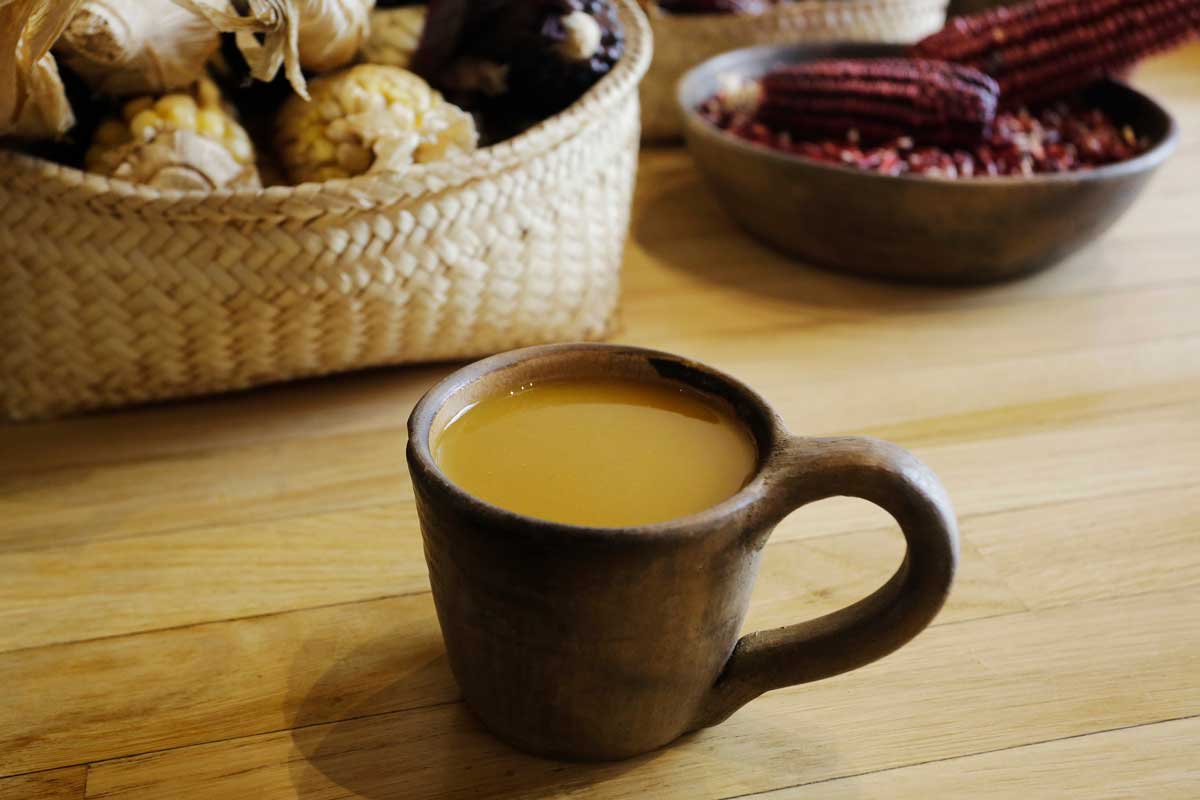
Michoacán’s sweet traditions are just as rich as its savory dishes.
Rooted in dairy heritage, corn culture, and colonial influences, the region offers comforting desserts and warming beverages that reflect its agricultural abundance.
- Chongos Zamoranos: A classic sweet from Zamora made of curdled milk simmered in cinnamon syrup — soft, syrupy, and deeply traditional.
- Atole (Corn-Based Drink): A thick, warm beverage made from masa, often flavored with vanilla, chocolate, guava, or cinnamon. A staple in markets and festivals.
- Rompope: A creamy egg-based liqueur similar to eggnog, commonly enjoyed during holidays and celebrations.
- Traditional Mexican: Hot Chocolate Made with cacao, cinnamon, and sometimes piloncillo, whisked until frothy and served in clay mugs.
- Cajeta & Milk-Based Sweets: Caramelized goat’s milk candies and other dairy desserts that reflect the region’s strong ranching tradition.
- Nieve de garrafa: Hand-churned nieve, the trade that made Tocumbo famous and that Pátzcuaro still serves in its rich pasta flavor.
Together, these Mexican desserts and beverages showcase the comforting, celebratory side of Michoacán cuisine — where corn, milk, and sugar transform into timeless regional favorites.
Conclusion: Why Michoacán Cuisine Deserves Global Recognition
Michoacán cuisine isn’t just another regional style of Mexican food — it’s one of the pillars of Mexico’s culinary identity.
Rooted in Purépecha heritage, shaped by history, and celebrated globally, its dishes like carnitas, corundas, and sopa tarasca continue to define authentic Mexican gastronomy today.
If you’re exploring traditional Mexican cuisine, Michoacán should be at the top of your list. Dive into its markets.
Taste its street food. Cook its recipes at home. Because once you experience real Michoacán cuisine, you don’t just eat it — you remember it.
More Mexican Foods
See all →
Jorge Garcia is the founder of AmigoFoods, where he has spent over 20 years helping readers discover authentic Latin American and Spanish cuisine. Raised in a Cuban-American household, Jorge learned to cook at the hands of his mother and grandmother, carrying forward generations of family recipes. That heritage, backed by his family’s four-generation history in the Latin food industry, inspired him to launch AmigoFoods in 2003. With more than 1,000 published articles on recipes, ingredients, and food culture, Jorge’s mission is simple: make authentic Latin cooking approachable for home cooks everywhere while honoring the traditions behind every dish.