

Carnitas are Michoacán’s tender, crisp-edged pork: chunks of shoulder slowly cooked in lard, then browned and chopped for tacos. This home version uses a heavy Dutch oven and serves eight with warm corn tortillas, salsa, onion, cilantro and lime.
Carnitas at a Glance
What Are Carnitas?
Carnitas (pronounced car-NEE-tahs) is braised and fried pork. The word is the diminutive of carne, so it translates literally as “little meats,” a nod to the bite-size pieces the cooked pork is chopped into before it goes into a tortilla.
What makes carnitas different from other slow-cooked pork is the cooking medium. Instead of being smoked, roasted dry or braised in a sauce, the pork cooks submerged in fat. Because lard only gets as hot as the burner allows and the pork’s own juices keep it below a hard fry for most of the cook, the meat poaches gently until the collagen melts. Only at the end does the cook let the temperature climb so the surface browns. The result is meat that is juicy and almost buttery inside with crackly, caramelized edges, and no marinade or sauce required.
That is also why classic carnitas need so little seasoning. Salt, the pork, the lard and time do the work. Some cooks add orange, a splash of milk or a little Mexican Coca-Cola, but those are for color and a hint of sweetness, not the main flavor.

Where Carnitas Come From: Michoacán and the Copper Cazo
Pigs arrived in Mexico with the Spanish in the sixteenth century, and pork cooked in its own fat followed. Food historians point to an 1845 Mexican cooking dictionary by Mariano Galván Rivera that uses “carnitas” as the everyday name for chicharrones de Tours, a pork dish cooked in fat that came from France by way of Spain. In other words, carnitas have been street and market food in Mexico for well over 175 years.
Today the dish belongs to Michoacán in west-central Mexico. The lakeside town of Quiroga calls itself the carnitas capital of the world, and its main street is lined with stands selling pork by the kilo. Tacámbaro hosts a carnitas fair every November. And the pots come from Santa Clara del Cobre, a Michoacán town whose coppersmiths still hammer the wide, deep cazos by hand. Copper spreads the heat of a wood or gas fire evenly across the pot, so a cazo full of lard and pork can bubble gently for hours without scorching at the bottom.
Carnitas are weekend and market-day food across Mexico, and a whole pot is party food in Michoacán, where families cook one for weddings, baptisms and town fiestas. If you want the bigger picture of the state’s food, from morisqueta to uchepos, read our guide to Michoacán cuisine.

What Meat Is Carnitas? The Cuts, Explained
Carnitas are always pork, never beef. At a carnitas stand in Michoacán the taquero cooks almost the whole pig in the cazo, then asks how you want your taco. These are the words you will hear:
The best cut of pork for carnitas at home
Pork shoulder, also sold as Boston butt or pork butt, is the best cut for carnitas. It has enough fat and connective tissue to stay moist through a long cook and turns tender instead of stringy. Bone-in or boneless both work; bone-in adds flavor, boneless is easier to cut into chunks. For a more traditional pot, add a pound of country-style ribs or spare ribs and a piece of pork skin. Avoid pork loin and tenderloin. They are too lean and go dry and chalky long before they get tender.

The Secret to Great Carnitas
Ask what the secret ingredient in carnitas is and you will get a different answer in every town: orange, milk, Coca-Cola, beer, even sweetened condensed milk. The real secret is technique. These five things matter more than any add-in:
- Salt ahead. Season the pork at least an hour before cooking, or the night before. The salt reaches the center of each chunk, so the meat tastes seasoned all the way through.
- Use lard. Lard (manteca) gives carnitas their flavor. Vegetable oil works, but the taste is flatter. Look for good rendered lard at a Mexican butcher or order manteca online, or save the fat from earlier batches.
- Go low, then high. Keep the fat at a lazy simmer, with small, steady bubbles, while the pork turns tender. Crank the heat only at the end to brown it. Rushing the first stage gives you tough, dry meat.
- Add sugar late, for color. A squeeze of orange, a splash of milk or a little Mexican Coca-Cola caramelizes in the hot fat and gives that deep amber color. Add them too early and they burn before the pork is ready.
- Chop, don’t shred. In Mexico carnitas are chopped on a board with a cleaver into chunks, so every piece keeps some crisp edge. Shredding into fine strands, as with pulled pork, loses that contrast.
Don’t throw out the lard. Strain it through a fine sieve once it cools a bit, then refrigerate it in a jar. It is now pork-flavored lard and makes outstanding refried beans, tamales and the next batch of carnitas. Most cooks reuse it once or twice.
Authentic Carnitas Recipe (Michoacán-Style, Made at Home)
This recipe brings the cazo method into a home kitchen. A heavy enameled or cast-iron Dutch oven stands in for the copper pot, and two pounds of lard is enough because the pork renders more fat as it cooks. It is hands-off for most of its nearly three hours. Plan on about 4 pounds of raw pork for 8 people, which is roughly 24 tacos.
A few notes before you start. Use a pot that holds at least 6 quarts and is no more than half full once everything is in, so the fat has room to bubble. When you add liquid to hot fat it will sputter, so pour slowly and stand back. A spider or slotted spoon makes lifting the pork out much easier.

Authentic Carnitas (Michoacán-Style)
Authentic Michoacán-style carnitas made at home: pork shoulder is salted, slowly simmered in lard with orange and garlic until spoon-tender, then fried until the edges turn crisp and golden. Juicy, rich and made for tacos.
Ingredients
- 4 pounds (1.8 kg) bone-in or boneless pork shoulder (Boston butt)
- 4 teaspoons Diamond Crystal kosher salt (or 2½ teaspoons Morton), plus more to taste
- 2 pounds (900 g) lard (manteca), about 4 cups
- 1 orange
- ½ white onion, in one piece
- 6 garlic cloves, smashed
- 2 bay leaves
- 1 teaspoon dried Mexican oregano
- ½ cup water
- ½ cup whole milk or Mexican Coca-Cola (optional, for color)
For serving
- Warm corn tortillas
- Finely chopped white onion
- Chopped fresh cilantro
- Lime wedges
- Salsa verde or red chile salsa
Instructions
- Cut the pork into roughly 3-inch chunks, leaving the fat on. Toss with the salt and refrigerate for at least 1 hour or up to overnight. If you salted it overnight, let it sit out for 30 minutes before cooking.
- Melt the lard in a large, heavy Dutch oven over medium heat until fully liquid, about 5 minutes. Pat the pork dry with paper towels.
- Carefully add the pork to the pot, then the water. Cut the orange in half, squeeze the juice into the pot and drop in the halves along with the onion, garlic, bay leaves and oregano. The fat will bubble up as the water cooks off. The pork should be mostly covered; it renders more fat as it cooks.
- Adjust the heat so small, gentle bubbles rise steadily around the meat, usually medium-low (about 200 to 225°F on a thermometer). Cook uncovered, turning the pieces gently every 20 to 30 minutes, for 2 to 2½ hours, until a fork slides into the pork with no resistance.
- If using, pour in the milk or Coca-Cola slowly, standing back as it sputters. Remove and discard the orange halves, onion and bay leaves.
- Raise the heat to medium-high and fry, turning occasionally, for 10 to 15 minutes, until the pork is deep golden brown with crisp edges.
- Lift the pork out with a spider or slotted spoon and drain on a rack or paper towels for a few minutes. Chop into bite-size pieces with a cleaver, taste, and add more salt if needed.
- Serve hot in warm corn tortillas with chopped onion, cilantro, lime wedges and salsa. Let the lard cool, strain it and refrigerate it to reuse.
Notes
The cut: Use pork shoulder (Boston butt), never loin. For a more traditional mix, swap 1 pound of the shoulder for country-style ribs or spare ribs and add a piece of pork skin.
The lard: Rendered lard from a Mexican butcher has the best flavor. Vegetable oil works but tastes flatter. Strain and refrigerate the lard after cooking and reuse it once or twice.
No lard? See the oven, slow cooker and Instant Pot methods in the article above.
Make ahead and storage: Refrigerate cooked carnitas with a spoonful of fat for up to 4 days, or freeze for up to 3 months. Reheat in a hot skillet with a teaspoon of lard until the bottoms crisp.
Easier Ways to Make Carnitas: Oven, Slow Cooker and Instant Pot
Not everyone wants to cook in two pounds of lard. These three methods skip the fat bath. They are not the same as the cazo version, since the meat braises in juice rather than fat, but each gets very close once you crisp it at the end. That last step is the one you cannot skip.
| Method | Cook time | Fat used | Texture | Best for |
|---|---|---|---|---|
| Lard (cazo-style) | About 3 hours | 2 lb lard | Juiciest, crispiest, richest | Weekends, parties, the real thing |
| Oven | 2½ to 3 hours | 2 tbsp lard or oil | Tender with roasted, browned edges | Hands-off cooking, less mess |
| Slow cooker | 8 to 9 hours on low | 2 tbsp lard to finish | Very soft; crisps well under the broiler | Set it and leave for the day |
| Instant Pot | About 1½ hours total | 2 tbsp lard to finish | Soft and moist; needs a good crisping | Weeknights |
Oven carnitas
Salt 4 pounds of pork shoulder chunks as in the recipe card and pack them in a single snug layer in a roasting pan or 9×13 dish. Add the juice of 1 orange plus the squeezed halves, ½ cup water, 4 smashed garlic cloves, 2 bay leaves and ½ teaspoon Mexican oregano. Cover tightly with foil and bake at 325°F for 2 hours, until fork-tender. Uncover, raise the oven to 425°F and roast another 30 to 40 minutes, turning the pieces every 10 minutes, until the liquid has cooked off and the pork is browning in its own rendered fat.
Slow cooker carnitas
Put the salted pork, the orange juice and halves, ½ white onion, 4 garlic cloves, 2 bay leaves and ½ teaspoon Mexican oregano in the slow cooker. Cook on low for 8 to 9 hours or high for 5 to 6, until it falls apart. Lift the pork onto a sheet pan, break it into chunks, then drizzle with ½ cup of the cooking juices and 2 tablespoons of melted lard. Broil 4 to 6 inches from the element for 4 to 6 minutes, until the edges crisp. Watch it closely, since it goes from golden to burnt quickly. For extra crunch, fry the pieces in batches in a hot cast-iron skillet instead.
Instant Pot carnitas
Brown the salted pork in batches with 1 tablespoon of lard on the Sauté setting. Add the orange juice and halves, ½ cup water, onion, garlic, bay leaves and oregano. Cook at high pressure for 60 minutes, then let the pressure release naturally for 15 minutes. Crisp the pork under the broiler or in a skillet exactly as for the slow cooker version.

How to Serve Carnitas
In Michoacán, carnitas are mostly eaten one way: chopped and piled onto two small, warm corn tortillas with chopped white onion, cilantro, a squeeze of lime and salsa. That is the classic carnitas taco, and our carnitas tacos guide shows how to set up a full taco bar. Beyond tacos, carnitas are great in:
- Tortas. Carnitas are the filling in Guadalajara’s famous torta ahogada, a sandwich drowned in a tomato and chile de árbol sauce.
- Gorditas, mulitas and tamales. Leftover carnitas make excellent fillings for gorditas, mulitas and tamales.
- Burritos and bowls. Add rice, beans, salsa and guacamole for the style you know from US taquerías.
- Breakfast. Fry leftover carnitas with eggs and onion and wrap them in a flour tortilla.
The best salsas and sides for carnitas
Rich pork needs something sharp and acidic to cut through it. A tangy tomatillo salsa verde is the most common partner in Michoacán. A smoky red salsa of toasted guajillo and chile de árbol is the other. Add guacamole or sliced avocado, quick-pickled red onions, radishes and lime wedges. On the side, serve Mexican rice and a pot of frijoles charros. To drink, try an ice-cold agua de jamaica, tepache or a michelada. Our list of must-try Mexican salsas has more options.

Stock your carnitas pantry. Whole Mexican oregano goes in the pot. Dried guajillo and chile de árbol are the base of a classic red taquería salsa. A cast-iron press and comal let you make fresh tortillas while the pork cooks. Here is what we recommend.

- AUTHENTIC OREGANO MEXICANO – Premium hojas de oregano with a bold, earthy, and slightly citrusy...
- PERFECT FOR TRADITIONAL RECIPES – Ideal oregano seasoning for pozole, menudo, enchiladas, tacos...

- AUTHENTIC DRIED GUAJILLO CHILE PEPPERS – A must-have for authentic Mexican cuisine, these Guajillo...
- DEEP, RICH FLAVOR WITH MILD HEAT – Our Guajillo Chile peppers offer a perfect balance of...
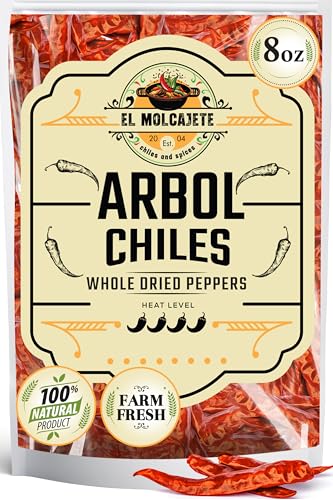
- AUTHENTIC FLAVOR FOR GLOBAL CUISINE – Chile de Arbol peppers bring bold heat and vibrant flavor to...
- SOURCED FROM MEXICO WITH CARE – These premium dried whole Chile de Arbol peppers are grown and...

- CAST IRON TORTILLA MAKER: Our cast iron press is seasoned with non-GMO, kosher-certified flaxseed...
- DURABLE MANUAL TORTILLA MAKER: Our professional tortilla press was designed with the user in mind...
More on the chiles: our guides to guajillo chiles and chile de árbol, and the full list of essential Mexican cooking utensils.
Carnitas vs. Al Pastor vs. Barbacoa vs. Pulled Pork
All four are slow-cooked meats that end up in tacos or sandwiches, which is why they get confused. They are made in completely different ways:
| Carnitas | Al pastor | Barbacoa | Pulled pork | |
|---|---|---|---|---|
| Meat | Pork shoulder, often with skin, ribs and offal | Pork shoulder, thinly sliced | Lamb in central Mexico; beef cheek or head in the north | Pork shoulder |
| Seasoning | Mostly salt; sometimes orange or oregano | Red chile and achiote adobo, pineapple | Chile adobo or just salt, maguey leaves | Dry spice rub, then barbecue sauce |
| Cooking | Simmered in lard, then fried crisp | Stacked on a vertical spit (trompo) and roasted | Steamed or pit-cooked for hours | Smoked or slow-roasted |
| Texture | Juicy chunks with crisp edges | Thin, charred, slightly sweet slices | Very soft, moist shreds | Soft, smoky shreds |
| Home | Michoacán | Mexico City and Puebla | Hidalgo and central Mexico | US South |
The short version: carnitas vs. al pastor comes down to fat versus fire. Carnitas cook in lard and taste purely of pork, while tacos al pastor are marinated in chiles and spit-roasted. Barbacoa is steamed until soft rather than fried. And carnitas vs. pulled pork? Pulled pork is smoked and shredded fine with a sweet sauce. Carnitas are confited, crisped and chopped, with no sauce at all. For more slow-cooked Mexican pork, see cochinita pibil from Yucatán.
Want shredded pork with a red chile sauce instead? Sinaloa’s chilorio is simmered, fried in its own fat like carnitas, then cooked down in a tangy guajillo and ancho chile sauce.
How to Store and Reheat Carnitas
Carnitas keep well, which makes them ideal for cooking a big batch.
- Refrigerator: Cool, then store in an airtight container with a spoonful of the cooking fat or juices for up to 4 days.
- Freezer: Freeze in flat zip-top bags, with a little fat to keep the meat moist, for up to 3 months. Thaw overnight in the fridge.
- Reheating: Skip the microwave, which makes the pork rubbery. Heat a skillet over medium-high with a teaspoon of lard, add the carnitas in one layer and leave them alone for 2 to 3 minutes until the bottoms crisp, then toss and heat through.
Carnitas FAQ
Is carnitas pork or beef?
Carnitas are always pork. Traditional carnitas use the shoulder plus skin, ribs and other parts of the pig. “Beef carnitas” and “chicken carnitas” on restaurant menus borrow the name and the cooking style, but they are not traditional.
What does carnitas mean in English?
Carnitas means “little meats.” It is the diminutive of carne (meat) and refers to the small pieces the cooked pork is chopped into.
What is the difference between carnitas and pulled pork?
Carnitas are cooked in lard and then fried until crisp, chopped into chunks and served without sauce. Pulled pork is smoked or slow-roasted with a spice rub, shredded fine and usually mixed with barbecue sauce.
What is carnitas at Chipotle?
Chipotle’s carnitas is pork shoulder braised with a seasoning that includes thyme, bay leaves and juniper berries, then shredded. It is a braise, so it is softer and less crisp than traditional Michoacán carnitas cooked in lard.
Can you make carnitas without lard?
Yes. The oven, slow cooker and Instant Pot methods above braise the pork in orange juice and water and use only a couple of tablespoons of fat to crisp it at the end. You can also confit the pork in vegetable oil, though it will taste less porky than lard.
Are carnitas healthy?
Carnitas are a rich dish, and a 4-ounce serving of cooked pork shoulder is high in protein and fat. Much of the lard stays in the pot, especially if you drain the pork well. Lard is roughly 40 percent saturated fat and 45 percent monounsaturated fat. To lighten things up, choose the oven method, trim the outside fat from the shoulder and load your tacos with salsa, onion, cilantro and cabbage.
Why are my carnitas dry or tough?
Either the cut was too lean (loin instead of shoulder) or the fat was too hot during the long simmer. Keep the bubbles small and gentle until the pork is fork-tender, and save the high heat for the last 10 to 15 minutes.
Can you make chicken carnitas?
Yes. Use bone-in, skin-on chicken thighs, season them the same way and simmer them in lard for about 40 minutes until tender, then crisp them. Breasts dry out, so use thighs.
Bring Michoacán Home
Carnitas are one of the simplest great dishes in Mexican cooking: pork, salt, fat and patience. Make the lard version once for a weekend crowd and you will see why people drive hours to Quiroga for it. Then keep the oven or slow cooker version for weeknights. Looking for what to cook next? Browse our list of traditional Mexican foods, the best Mexican street foods and our suadero tacos, another taquería favorite cooked in fat.
Sources
- Wikipedia: Carnitas
- Mexico News Daily: State by Plate, Michoacán and Carnitas
- Rachel Laudan: Carnitas Revisited, Some Tentative Thoughts About Origins
- Tasting Table: The Key Ingredient in Chipotle’s Carnitas
More Mexican Foods
See all →
Jorge Garcia is the founder of AmigoFoods, where he has spent over 20 years helping readers discover authentic Latin American and Spanish cuisine. Raised in a Cuban-American household, Jorge learned to cook at the hands of his mother and grandmother, carrying forward generations of family recipes. That heritage, backed by his family’s four-generation history in the Latin food industry, inspired him to launch AmigoFoods in 2003. With more than 1,000 published articles on recipes, ingredients, and food culture, Jorge’s mission is simple: make authentic Latin cooking approachable for home cooks everywhere while honoring the traditions behind every dish.