

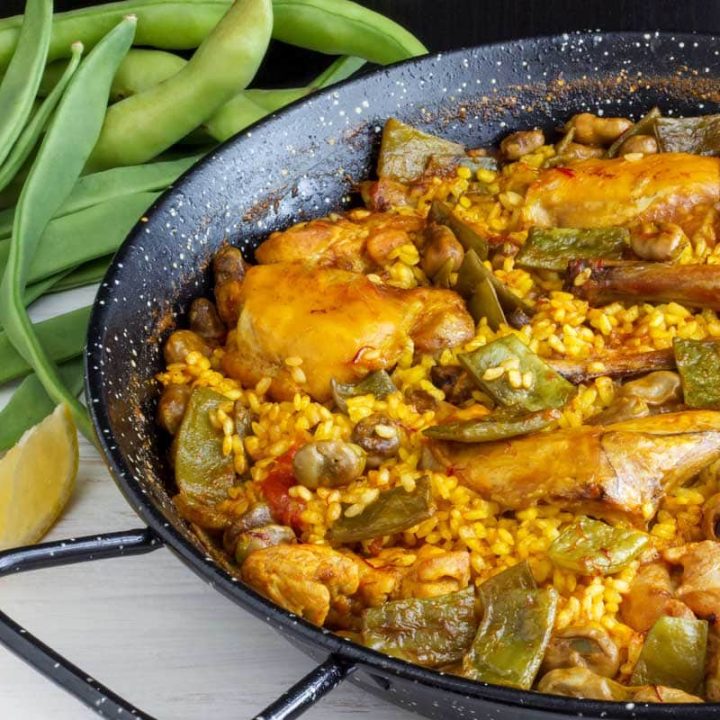
Paella Valenciana brings together chicken, rabbit, green beans and garrofó in saffron-scented rice, with a crisp socarrat underneath. This home version uses prepared broth and includes time to simmer the meat and rest the rice.
Paella Valenciana at a Glance
A classic of Spanish food, paella has deep roots in Valencia.
What is Paella Valenciana?

Paella Valenciana is the original and most authentic version of Spain’s world-famous rice dish, born in the fertile farmlands of Valencia.
Unlike seafood or mixed paellas that many tourists know, this classic recipe stays true to its roots, featuring rabbit, chicken, snails, and fresh local vegetables like garrofó (large white beans) and green beans.
Cooked in a wide, shallow pan called a paellera over an open flame, the dish is seasoned with saffron and paprika, giving it a vibrant golden color and a rich, earthy flavor.
At its heart, Paella Valenciana is a cultural symbol of community, family gatherings, and the Valencian way of life.
The rice absorbs the flavors of the broth, meats, and vegetables, creating a layered taste experience that ends with the prized socarrat, the crispy rice crust at the bottom of the pan.
Authentic paella is a celebration of land and tradition, proudly representing Valencia’s culinary identity.
Traditional Ingredients of Authentic Paella Valenciana
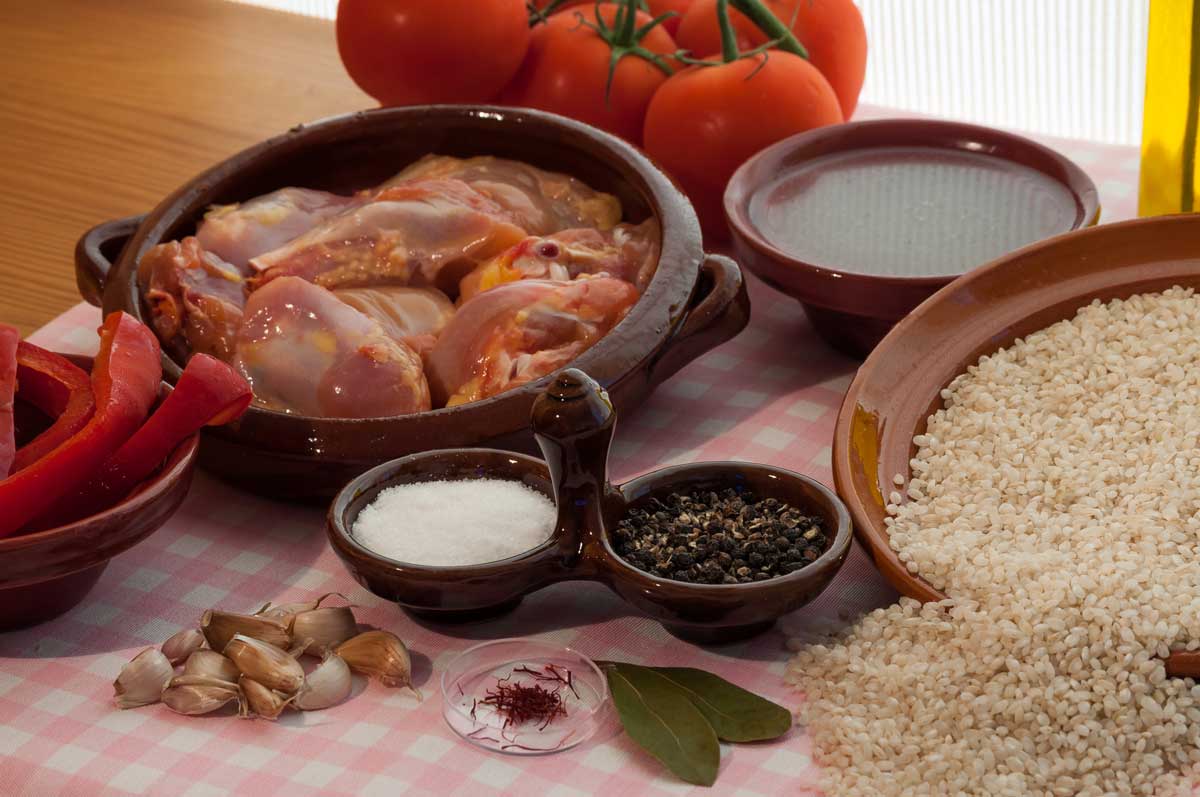
What makes Paella Valenciana unique is its strict use of local ingredients that reflect the land and traditions of Valencia.
Unlike seafood or mixed versions, the original recipe has a clearly defined set of components that preserve its authenticity.
-
Rice – Always short-grain varieties such as bomba, senia, or albufera. These absorb broth beautifully without turning mushy.
-
Saffron – The prized spice that gives paella its golden hue and subtle aroma. Often supported with paprika for depth of flavor. No saffron on hand? Here is how to make paella without saffron.
-
Meat – Rabbit and chicken are the stars of the dish. In rural tradition, snails (vaquetas) are also added for extra earthiness.
-
Beans & Vegetables – Fresh green beans (ferraura) and large white lima beans known as garrofó are essential. Tomatoes provide the base for the sofrito.

-
Spanish Olive Oil – The foundation of Spanish cooking, used generously to sauté meats and vegetables.
-
Broth – Traditionally built in the pan by simmering the meat and vegetables in water. This home recipe uses prepared chicken or rabbit broth.
-
Herbs & Spices – A sprig of rosemary is often placed on top for fragrance, while sweet paprika adds color and flavor.
-
Salt & Water – Traditionally sourced from the local fields and wells, reminding us how tied paella is to Valencia’s terroir.
Authentic paella never includes chorizo, peas, or seafood.
These may appear in international adaptations, but in Valencia, the official recipe is clear and celebrated as part of Spain’s cultural heritage.
Paella Valenciana Recipe

Use a wide paella pan and bomba rice for this home version.
- Heat the olive oil in a wide paella pan over an evenly distributed medium-high heat. Season the chicken and rabbit lightly and brown on all sides, about 15–20 minutes.
- Add the green beans and cook for about 5 minutes. Add the grated tomatoes and cook until reduced, about 5 minutes. Stir in the paprika briefly, then immediately add the hot broth and saffron so the paprika does not burn.
- Simmer the meats in the broth for about 20 minutes, or until nearly tender. Add hot water to replace the liquid lost during this simmer: aim to restore the original liquid level before adding the rice. Add the cooked garrofó and optional cooked snails. Taste and adjust salt.
- Distribute the bomba rice evenly in a thin layer. Bring to a lively simmer, then reduce the heat and cook uncovered for about 18–20 minutes, or as directed on the rice package. Do not stir once the rice is distributed. Rotate the pan if needed for even heat; add small amounts of hot water only if the rice is still firm and the pan is dry.
- Check that the rice is tender and the chicken reaches 165°F (74°C), measured away from bone. The rabbit should also be cooked through and tender. For socarrat, briefly increase the heat at the end until you hear a gentle crackle; stop before it smells scorched.
- Remove from the heat and add the rosemary sprig. Cover loosely and rest for 10 minutes, then remove the rosemary and serve from the pan.
This home version uses prepared broth; traditional Valencian cooks often build the broth with water, meat and vegetables in the pan. The listed liquid is for bomba rice; other rice varieties require different amounts. Pan size, burner coverage and evaporation affect cooking time and liquid needs. Start with cooked garrofó or lima beans, not dried beans. Dried-bean soaking and cooking are extra. The estimated 1 hour 45 minutes includes preparation, meat simmering, rice cooking and the final rest.
Variations and Regional Twists

While Paella Valenciana is the original recipe, paella has evolved over time to reflect Spain’s diverse regions and modern culinary creativity.
Each variation tells a different story about local ingredients, traditions, and even international influence.
-
Seafood Paella (Paella de Mariscos)
-
Popular along Spain’s Mediterranean coast.
-
Features shrimp, mussels, squid, and clams instead of rabbit and chicken.
-
Broth is infused with fish stock for a briny, ocean-forward flavor.
-
-
Mixed Paella (Paella Mixta)
-
Combines meat and seafood in one dish.
-
A modern twist often found in tourist areas, but not considered traditional in Valencia.
-
-
Vegetarian & Vegan Paella
-
Replaces meat with seasonal vegetables like artichokes, peppers, zucchini, and mushrooms.
-
A lighter, plant-based alternative while keeping the saffron rice as the star.
-
-
Regional Spanish Rice Dishes Inspired by Paella
-
Arroz Negro – a Catalan specialty made with squid ink, giving it a rich black color.
-
Arroz al Horno – baked rice with meats and chickpeas, popular in inland Spain.
-
Fideuà – from Valencia’s coast, made with short noodles instead of rice.
-
Tips for Making the Perfect Paella at Home
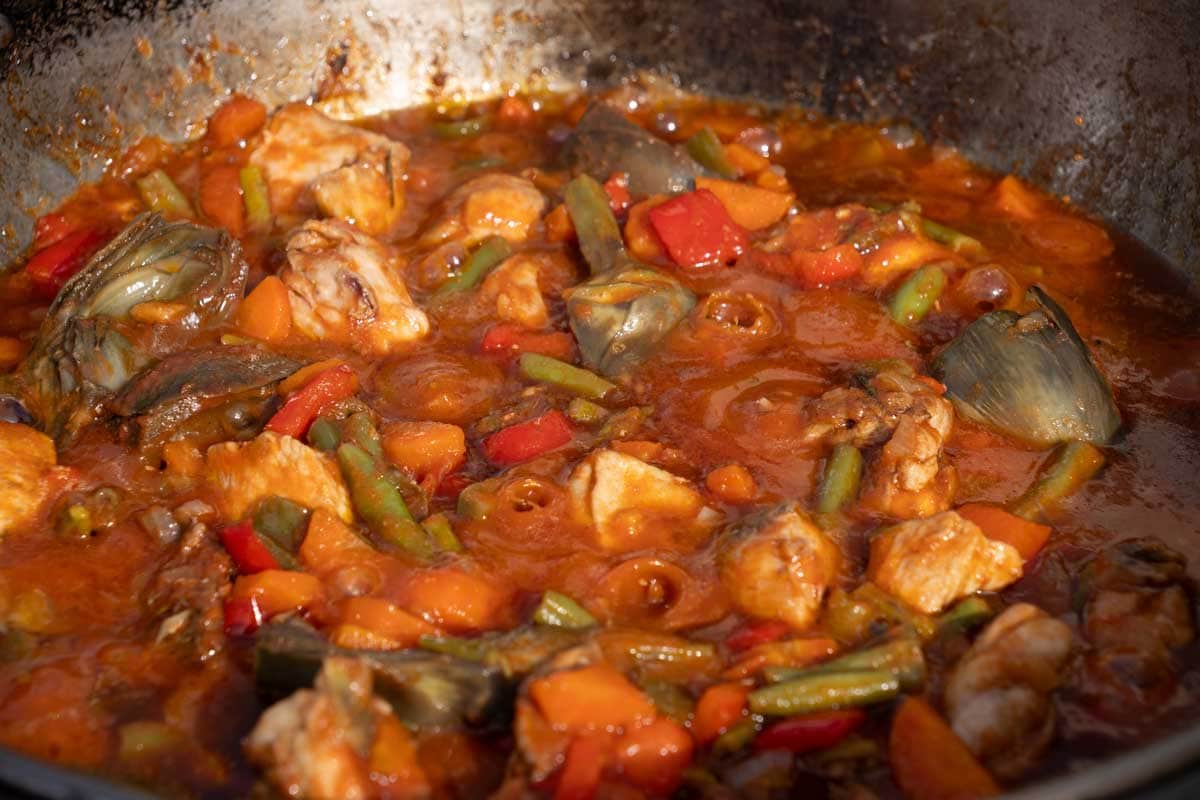
Cooking Paella Valenciana at home may seem intimidating, but with the right approach, anyone can master it!
These tips will help you achieve authentic results while avoiding common pitfalls.
-
Choose the Right Pan ( Read: Best Paella Pans, Buyer’s Guide)
-
Use a wide, shallow paellera. The rice should spread thinly (no more than 1–2 cm deep) for even cooking.
-
Match the size of your pan to the number of servings—crowding the rice ruins the texture.
-
-
Select the Proper Rice
-
Always use short-grain rice (bomba, senia, or albufera). Long-grain rice won’t absorb the broth properly.
-
Never rinse the rice—starch helps it soak up flavors.
-
-
Control the Heat
-
Start with high heat for browning meats and making the sofrito, then reduce to medium for simmering.
-
Rotate the pan if necessary for even cooking, especially if using gas burners or an outdoor fire.
-
-
Build Flavor with Sofrito
-
Don’t rush the tomato and paprika base—it creates the dish’s depth of flavor.
-
Cook it slowly until thick and aromatic.
-
-
Respect the “No Stirring” Rule
-
Once the broth is added, avoid stirring the rice. This ensures an even cook and helps form the prized socarrat (crispy bottom crust).
-
-
Perfect the Socarrat
-
In the final minutes, slightly increase the heat until you hear a gentle crackling sound. That’s the crispy rice layer forming. Our guide to socarrat walks through the sound, smell and spoon tests.
-
Be careful not to burn it—lift a spoon to check for the golden crust.
-
-
Rest Before Serving
-
After cooking, cover the pan loosely with a cloth and let it rest 5–10 minutes.
-
This allows the rice to finish absorbing the flavors and sets the texture.
-
With these tips, your homemade Paella Valenciana will come close to what you’d find in the heart of Valencia.
It’s all about patience, technique, and a respect for tradition.
The History of Paella Valenciana

Paella Valenciana originated in the mid-19th century farmlands of Valencia, where farmers cooked hearty meals over wood fires using local ingredients.
Rice from the fertile fields of Lake Albufera formed the base, while rabbit, chicken, snails, green beans, and garrofó beans added substance.
Olive oil, saffron, and paprika gave flavor and color, and the dish took its name from the wide, flat paellera pan.
As it spread from the countryside to cities, paella became a symbol of Valencian pride, enjoyed at festivals and gatherings.
Though seafood and mixed versions later emerged, Valencians fiercely preserve the original recipe.
Today, Paella Valenciana is a cultural symbol of tradition, community and Valencia.
Where to Eat the Best Paella Valenciana in Valencia
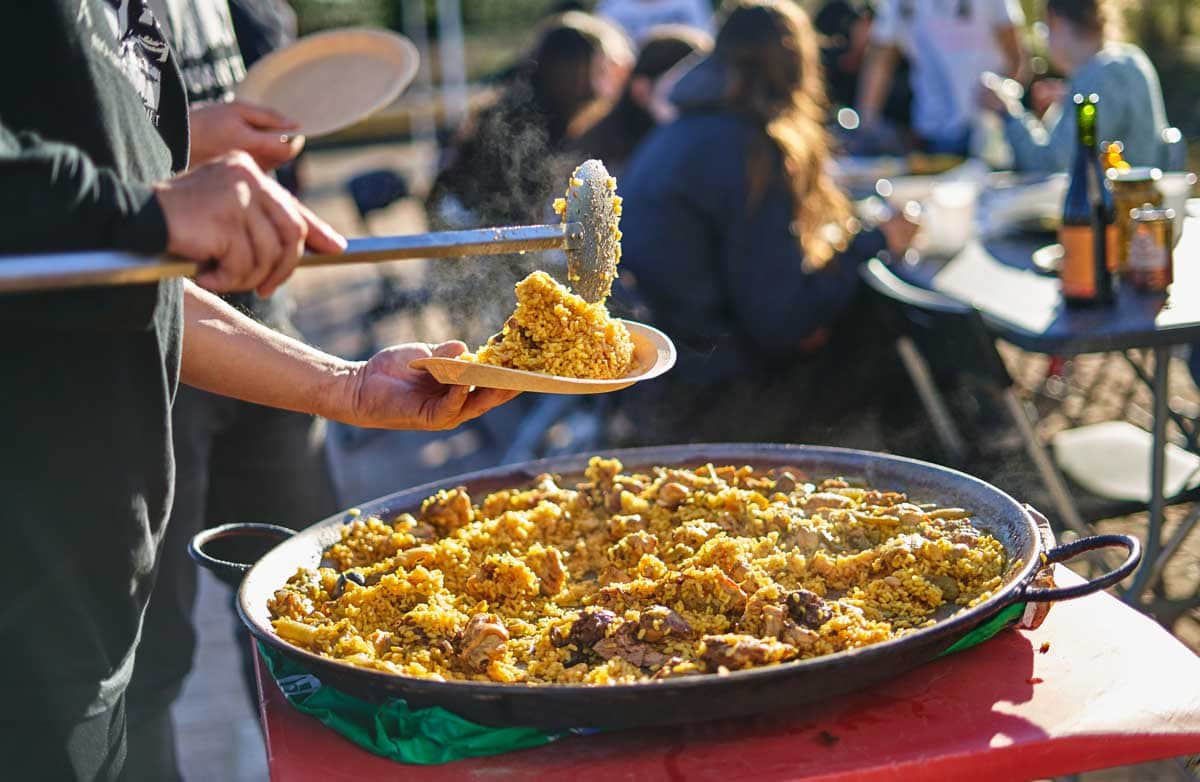
1. Restaurante Levante
Highly praised by Valencia locals for its authentic Valencian-style paella—made with rabbit, chicken, and local beans—this spot delivers tradition with depth of flavor.
2. Casa Carmela
A storied institution since 1922, this beachfront gem near Playa de la Malvarrosa treats diners to paella cooked over a wood fire, creating a fragrant, smoky taste that’s consistently celebrated—including by Michelin-starred chef Virgilio Martínez.
3. La Marcelina
Another classic along the Malvarrosa beachfront, this long-established restaurant offers a reliable traditional paella experience in a charming seaside setting
4. Casa Roberto
Set downtown, Casa Roberto is dedicated to authentic Valencian paella. It blends tradition with meticulous preparation, offering a strong choice for paella purists.
5. L’Alqueria del Pou
Located in the Huerta near the City of Arts and Sciences, this restaurant offers a genuine taste of Valencian cuisine. Their menu highlights include traditional paella and rice dishes made with locally sourced ingredients.
Quick Comparison Table
| Restaurant | Why Visit | Location |
|---|---|---|
| Restaurante Levante | Local favorite for authentic meat-and-beans paella | Campanar / downtown |
| Casa Carmela | Iconic, smoky paella cooked over wood fire since 1922 | Malvarrosa beachfront |
| La Marcelina | Traditional beachfront spot with longstanding practice | Malvarrosa beachfront |
| Casa Roberto | Downtown focus on tradition and precise execution | Historic center |
| L’Alqueria del Pou | Farm-to-table Valencian rice dishes in Huerta setting | Near City of Arts & Sciences |
| El Palmar (Albufera) | Regional authenticity with local ingredients | Outside city, Albufera area |
| La Barraca / Pelayo | Traditional and central, local-level authenticity | Near city center |
Final Tips
-
For beachfront ambiance and smoky authenticity, go to Casa Carmela or La Marcelina.
-
For traditional flavors with local acclaim, try Restaurante Levante or Casa Roberto.
-
For a more immersive, local terroir experience, head to L’Alqueria del Pou or venture to El Palmar near Albufera.
-
To dine like a Valencian, avoid tourist traps—trust locals and traditional venues.
Paella Valenciana vs. Other Spanish Rice Dishes

Spain is home to a wide variety of rice-based dishes, each reflecting the geography, ingredients, and traditions of its region.
While Paella Valenciana is the original and most iconic, it’s far from the only way Spaniards enjoy rice.
Understanding the differences helps highlight why paella remains so special.
-
Paella Valenciana
-
The authentic version, born in Valencia.
-
Uses rabbit, chicken, sometimes snails, plus green beans and garrofó.
-
Cooked with saffron and paprika in a wide paella pan over an open flame.
-
Represents the purest and most traditional form of paella.
-
-
Seafood Paella (Paella de Mariscos)
-
Popular along Spain’s Mediterranean coastline.
-
Made with shrimp, mussels, squid, and other shellfish.
-
Fish stock replaces meat broth, giving it a briny, ocean-forward flavor.
-
No beans or meat—just rice and seafood.
-
-
Mixed Paella (Paella Mixta)
-
A modern adaptation that blends meat and seafood in one dish.
-
Common in tourist areas, though not traditional in Valencia.
-
Flavorful, but considered a “fusion” rather than authentic paella.
-
-
Arroz Negro
-
Originates in Catalonia and Valencia’s coast.
-
Made with squid ink, giving the rice a striking black color.
-
Often includes squid, cuttlefish, and garlic alioli on the side.
-
-
Arroz al Horno (Baked Rice)
-
A Valencian dish cooked in the oven.
-
Made with pork, sausages, chickpeas, and tomatoes.
-
Rich and hearty, with a completely different texture from paella.
-
-
Fideuà
-
Another Valencian specialty, but made with short noodles instead of rice.
-
Typically features seafood like monkfish, squid, and shrimp.
-
Cooked in the same style as paella and served directly from the pan.
-
Key Takeaway
While Spain boasts an incredible variety of rice (and noodle) dishes, Paella Valenciana remains the original benchmark.
Its strict adherence to traditional ingredients and cooking methods sets it apart, preserving its cultural identity and ensuring its place as a true symbol of Spanish cuisine.
Conclusion: Why Paella Valenciana Remains Spain’s Most Authentic Dish
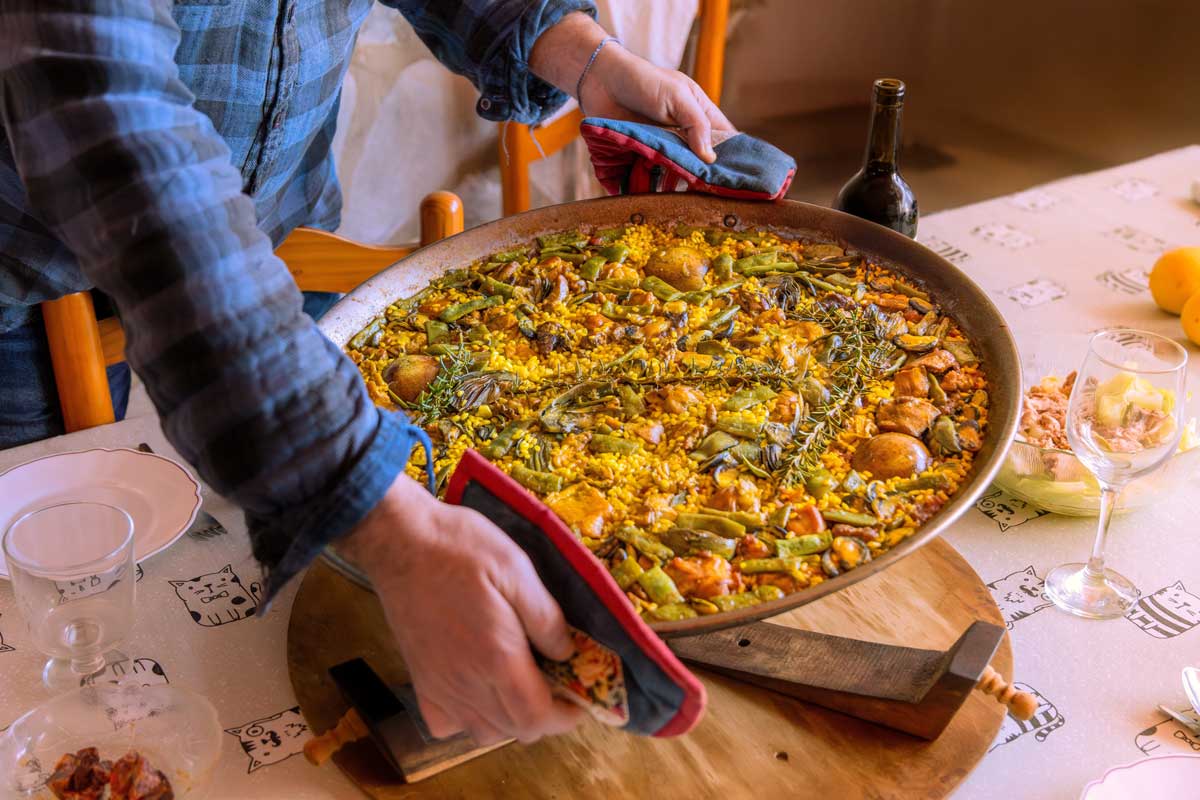
Paella Valenciana is more than just a recipe—it’s the soul of Valencia and one of Spain’s greatest culinary treasures.
From its humble origins in the farmlands around Albufera to its global recognition today, this saffron-infused rice dish continues to symbolize community, tradition, and authentic Spanish flavor.
Whether you’re enjoying it in Valencia at a family-run restaurant or recreating it at home with the right ingredients and techniques, paella is always about bringing people together around the table.
If you want to taste Spain in its purest form, skip the touristy imitations and embrace the original Paella Valenciana—a timeless dish that has captivated food lovers for centuries and will continue to do so for generations to come.
Paella Valenciana Recipe
Paella Valenciana is the authentic Spanish rice dish from Valencia, made with chicken, rabbit, green beans, garrofó, saffron, and olive oil. Cooked in a wide paellera and finished with the prized crispy socarrat, it’s a true taste of Spain’s culinary heritage.
Ingredients
- 2 cups bomba rice
- ½ cup Spanish olive oil
- 1 lb rabbit, cut into small bone-in pieces
- 1 lb chicken thighs or drumsticks, cut into small bone-in pieces
- 1 cup green beans (ferraura), chopped
- ½ cup cooked, drained garrofó or large lima beans
- 2 medium tomatoes, grated
- 1 tsp sweet paprika
- Pinch of saffron threads
- 6 cups hot low-sodium chicken or rabbit broth, plus extra hot water as needed
- 1 sprig fresh rosemary
- Salt to taste
- Optional: prepared, fully cooked edible snails (vaquetas)
Instructions
- Heat the olive oil in a wide paella pan over an evenly distributed medium-high heat. Season the chicken and rabbit lightly and brown on all sides, about 15–20 minutes.
- Add the green beans and cook for about 5 minutes. Add the grated tomatoes and cook until reduced, about 5 minutes. Stir in the paprika briefly, then immediately add the hot broth and saffron so the paprika does not burn.
- Simmer the meats in the broth for about 20 minutes, or until nearly tender. Add hot water to replace the liquid lost during this simmer: aim to restore the original liquid level before adding the rice. Add the cooked garrofó and optional cooked snails. Taste and adjust salt.
- Distribute the bomba rice evenly in a thin layer. Bring to a lively simmer, then reduce the heat and cook uncovered for about 18–20 minutes, or as directed on the rice package. Do not stir once the rice is distributed. Rotate the pan if needed for even heat; add small amounts of hot water only if the rice is still firm and the pan is dry.
- Check that the rice is tender and the chicken reaches 165°F (74°C), measured away from bone. The rabbit should also be cooked through and tender. For socarrat, briefly increase the heat at the end until you hear a gentle crackle; stop before it smells scorched.
- Remove from the heat and add the rosemary sprig. Cover loosely and rest for 10 minutes, then remove the rosemary and serve from the pan.
Notes
This home version uses prepared broth; traditional Valencian cooks often build the broth with water, meat and vegetables in the pan. The listed liquid is for bomba rice; other rice varieties require different amounts. Pan size, burner coverage and evaporation affect cooking time and liquid needs. Start with cooked garrofó or lima beans, not dried beans. Dried-bean soaking and cooking are extra. The estimated 1 hour 45 minutes includes preparation, meat simmering, rice cooking and the final rest.
More Spanish Foods
See all →
Jorge Garcia is the founder of AmigoFoods, where he has spent over 20 years helping readers discover authentic Latin American and Spanish cuisine. Raised in a Cuban-American household, Jorge learned to cook at the hands of his mother and grandmother, carrying forward generations of family recipes. That heritage, backed by his family’s four-generation history in the Latin food industry, inspired him to launch AmigoFoods in 2003. With more than 1,000 published articles on recipes, ingredients, and food culture, Jorge’s mission is simple: make authentic Latin cooking approachable for home cooks everywhere while honoring the traditions behind every dish.