

On this page
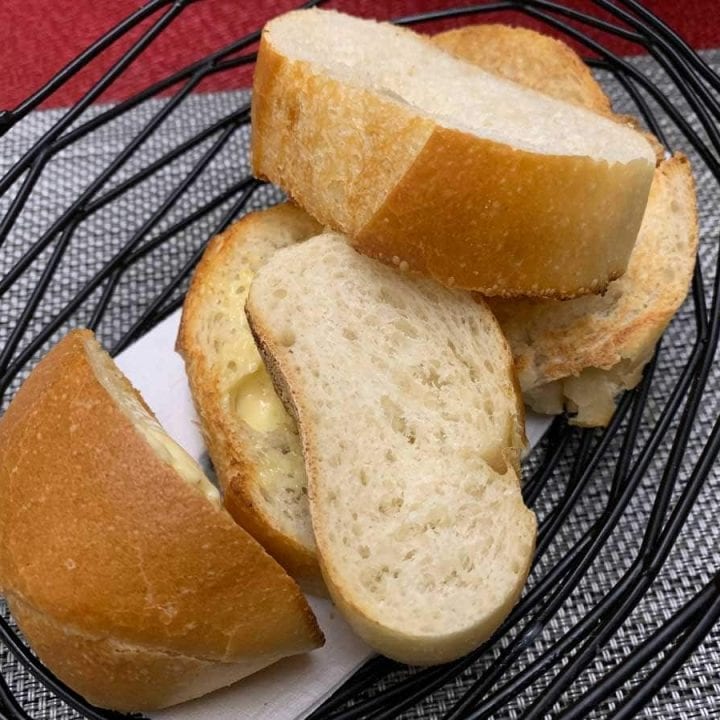
Pan de agua is Puerto Rico’s everyday water bread: a long, lean loaf made from just flour, water, yeast, salt and a pinch of sugar, with a thin, crackly crust and a soft, airy inside. It is the bread behind the buttered tostada, the panadería sandwich and most Puerto Rican breakfasts.
This recipe makes two loaves the traditional home way: brushed with egg white, set on a cornmeal-dusted pan and baked from a cold oven over a pan of boiling water. Below you will also find how it differs from pan sobao and a baguette, the Dominican roll version, and how to keep the crust crisp.
Pan de Agua at a Glance
AmigoFoods may earn a commission from qualifying purchases made through links on this page.
What Is Pan de Agua?
“Pan de agua” means water bread. The name comes from the dough: it is made with water and no milk, butter, lard or eggs mixed in, which is what gives it a lighter crumb and a crisp shell. The only egg is the white brushed on top, which helps the crust brown and shine.
In Puerto Rico it is the loaf you buy warm from the panadería every morning, usually alongside pan sobao, the softer, richer bread. It is split and buttered for a tostada, used for ham-and-cheese sandwiches, and served with soups and stews.
Two old-fashioned details make Puerto Rican pan de agua different from a French baguette: the cornmeal on the bottom of the pan, and baking it from a cold oven with a pan of boiling water underneath.
Pan de Agua vs. Pan Sobao vs. Baguette
| Pan de agua | Pan sobao | French baguette | |
|---|---|---|---|
| Fat in the dough | None | Lard or shortening | None |
| Sweetness | A pinch of sugar | Lightly sweet | None |
| Crust | Thin, crackly, shiny | Soft, golden | Thick, very crisp |
| Crumb | Light and airy | Soft, tight, slightly chewy | Open and chewy |
| Glaze | Egg white | Water or butter | None |
| Best for | Tostadas, sandwiches, soups | Sandwiches, tostadas, mezcla | Sandwiches, cheese boards |
Pan de Agua Ingredients
How to Make Pan de Agua
The full recipe is in the card below. These are the six stages:
1 Proof the yeast
Stir the yeast and sugar into warm water and wait until it foams, 5 to 10 minutes. No foam means the yeast is dead; start again with a fresh packet.
2 Mix and knead until springy
Add the flour and salt and knead 8 to 10 minutes. The dough should feel smooth and bounce back when poked. Keep it slightly tacky; extra flour makes a dense loaf.
3 Let it double
Cover and let it rise in a warm place for 1 to 1 1/2 hours, until doubled.
4 Shape two long loaves
Press each half into a rectangle, roll it up tightly and pinch the seam. Tight shaping gives the loaf height. A bench scraper makes dividing and moving the dough easier.
5 Slash and brush with egg white
One long, confident cut down the middle lets the loaf open as it bakes. Then brush it all over with egg white.
6 Bake from a cold oven with steam
Set the loaves in a cold oven with a pan of boiling water below, then turn it to 400°F. They finish rising as the oven heats, and the steam keeps the crust thin. Bake until deep golden and hollow-sounding, about 35 to 40 minutes.
Pan de Agua (Puerto Rican Water Bread)
Pan de agua is Puerto Rico’s everyday water bread: a lean loaf of flour, water, yeast and salt with a thin, crackly crust and a soft, airy crumb. It is glazed with egg white and baked over a pan of boiling water, starting in a cold oven, the traditional home method.
Ingredients
- 1 1/2 cups warm water (about 110°F)
- 2 1/4 teaspoons active dry yeast (1 packet)
- 1 tablespoon sugar
- 4 to 4 1/2 cups bread flour or all-purpose flour
- 1 1/2 teaspoons salt
- Vegetable oil, for the bowl
- 1 tablespoon yellow cornmeal, for the baking sheet
- 1 egg white beaten with 1 tablespoon water, for glazing
Instructions
1. Proof the yeast
- Stir the yeast and sugar into the warm water (about 110°F) in a large bowl. Let it stand 5 to 10 minutes, until foamy.
2. Mix and knead
- Add 4 cups of flour and the salt and stir into a shaggy dough.
- Knead on a lightly floured counter for 8 to 10 minutes, adding flour a tablespoon at a time, until the dough is smooth, springy and only slightly tacky. A stand mixer with a dough hook takes about 6 minutes on medium-low.
3. First rise
- Place the dough in an oiled bowl, cover and let it rise in a warm spot for 1 to 1 1/2 hours, until doubled.
4. Shape
- Sprinkle a baking sheet with the cornmeal. Punch down the dough and divide it in half.
- Press each half into a 10 x 8-inch rectangle, roll it up tightly from the long side, pinch the seam and roll it under your palms into a 14-inch loaf. Place seam side down on the sheet, 4 inches apart.
5. Slash and glaze
- Cut one long slash, about 1/2 inch deep, down the length of each loaf.
- Brush the loaves all over with the egg white wash.
6. Bake from a cold oven
- Place the sheet on the middle rack of a cold oven. Set a metal pan of boiling water on the rack below.
- Turn the oven to 400°F and bake for 35 to 40 minutes, until the loaves are deep golden and sound hollow when tapped (200°F inside).
- Cool on a rack for at least 20 minutes before slicing.
Notes
Why a cold oven? The loaves finish rising while the oven heats, and the steam from the water pan keeps the crust thin and crackly.
For rolls: divide the dough into 10 pieces, shape small ovals, slash and bake 20 to 25 minutes.
Storage: pan de agua is best the day it is baked. Keep it in a paper bag for 1 day, then slice and freeze for up to 2 months. Day-old bread is perfect for tostadas.
Tips and Fixes for Pan de Agua
- Dense, heavy loaf
- Too much flour or not enough rise. Keep the dough slightly tacky and let it fully double.
- Pale crust
- The egg white was skipped or the bread came out early. Bake until deep golden; an instant-read thermometer should read about 200°F.
- Thick, hard crust
- Not enough steam. Use a pan of boiling water, not hot tap water, and keep the oven door shut.
- Loaf spread flat
- It was shaped loosely or over-risen. Roll it up tightly and get it in the oven as soon as it is shaped.
- Crust went soft overnight
- Normal for a lean bread. Re-crisp it at 375°F for 5 minutes, and store it in paper, not plastic.
An oven thermometer is worth having: many home ovens run 25°F hot or cold, which is the difference between a pale loaf and a burnt bottom. If you want to go deeper into lean breads, Flour Water Salt Yeast is a great read.
Dominican Pan de Agua
In the Dominican Republic, pan de agua usually means small, crusty rolls rather than a long loaf, often split down the middle so they look like two halves joined together. The dough is just as lean, and the rolls are baked with steam for a crackly crust.
Dominicans eat them at breakfast with butter, cheese or salami, next to mangú or a cup of coffee. To make Dominican-style rolls with this recipe, divide the dough into 10 pieces, shape ovals, press a deep crease down the middle with a dowel and bake for 20 to 25 minutes. See what else is on the table in our guide to Dominican breakfast foods.
How Puerto Ricans Eat Pan de Agua
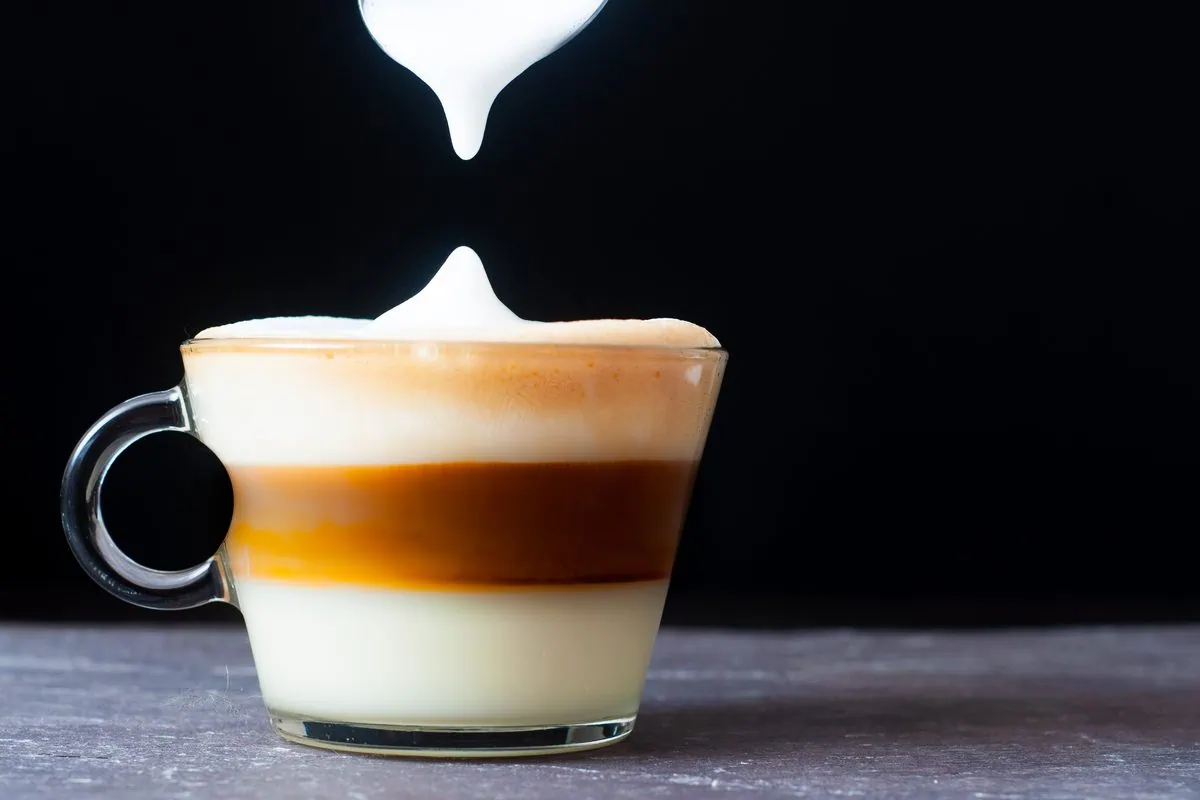
Split, buttered and pressed on a griddle until crisp, then dunked in café con leche. The island’s everyday breakfast.
Ham, egg and cheese from the panadería, or a pressed cubano-style sandwich at lunch.
Torn into asopao, sancocho or a bowl of habichuelas guisadas to soak up the broth.
For more ways to start the day, see our guide to Puerto Rican breakfast foods.
How to Store Pan de Agua
Keep it uncovered or in a paper bag. Lean bread is at its best within 8 hours.
Re-crisp at 375°F for 5 minutes, or slice it for tostadas.
Slice, wrap tightly and freeze for up to 2 months. Toast straight from frozen.
Pan de Agua FAQs
What is pan de agua made of?
Flour, water, yeast, salt and a little sugar. The loaf is brushed with egg white and baked on a cornmeal-dusted pan.
What is the difference between pan de agua and regular bread?
Pan de agua has no milk, butter or oil in the dough, so its crust is thinner and crisper and its crumb lighter than sandwich bread. It also goes stale faster.
Is pan de agua healthy?
It is a simple lean bread with no added fat, so it is lighter than enriched breads like pan sobao or mallorca. Like any white bread, it is mostly refined carbohydrates; pair it with eggs, cheese or beans.
Why do you bake pan de agua from a cold oven?
The loaves get their final rise while the oven heats, and the steam from the water pan keeps the crust thin and crackly. It is the classic Puerto Rican home method.
Can I make pan de agua with all-purpose flour?
Yes. Use the same amount; the loaf will be a little softer and less chewy.
Can I make pan de agua rolls?
Yes. Divide the dough into 10 pieces, shape ovals, slash and bake for 20 to 25 minutes.
More Puerto Rican Breads
Bake pan sobao for the soft, lightly sweet loaf, or pan de mallorca for the sugar-dusted spiral rolls. Browse every bread and side on our Puerto Rican breads and sides page, and for the island’s classic dishes, start with our guide to Puerto Rican food.
More Puerto Rican Foods
See all →
Jorge Garcia is the founder of AmigoFoods, where he has spent over 20 years helping readers discover authentic Latin American and Spanish cuisine. Raised in a Cuban-American household, Jorge learned to cook at the hands of his mother and grandmother, carrying forward generations of family recipes. That heritage, backed by his family’s four-generation history in the Latin food industry, inspired him to launch AmigoFoods in 2003. With more than 1,000 published articles on recipes, ingredients, and food culture, Jorge’s mission is simple: make authentic Latin cooking approachable for home cooks everywhere while honoring the traditions behind every dish.