
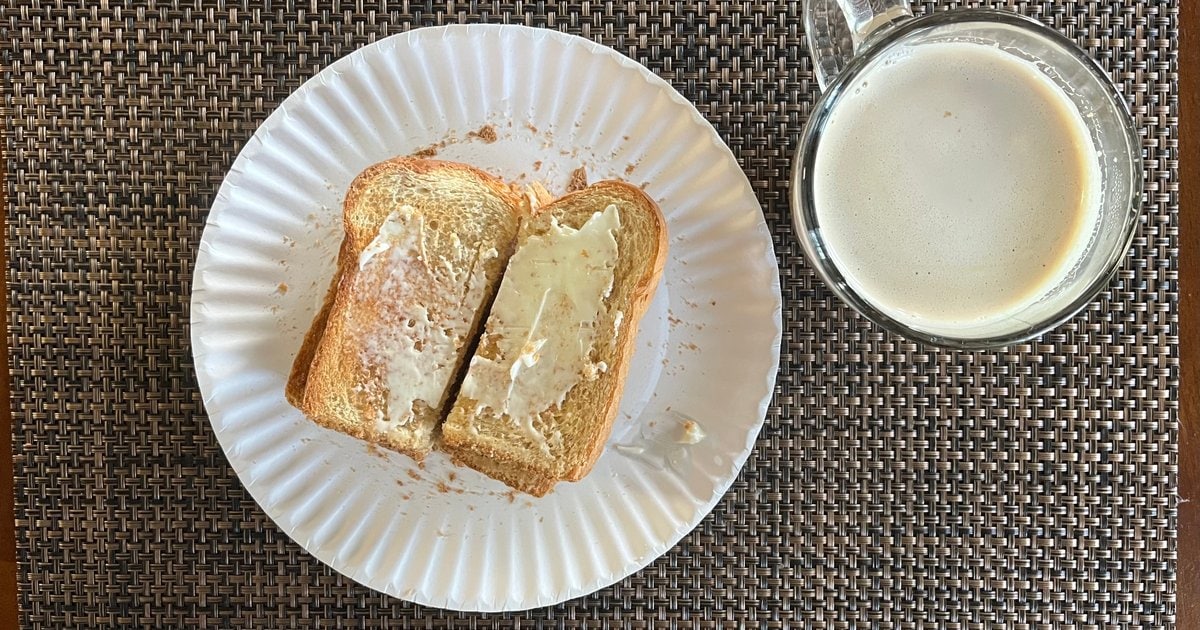
A traditional Puerto Rican breakfast is café con leche with buttered, griddle-pressed bread (pan sobao or pan de agua) from the neighborhood panadería. On sweet mornings that becomes a sugar-dusted mallorca or a cream cheese quesito; on cool ones, a mug of creamy avena or harina de maíz; and when there is time to cook, revoltillo or fried eggs with sweet plantains. For more ways to cook sweet and green plantains, browse our Latin plantain recipes.
Below are the 14 breakfast foods Puerto Ricans actually eat, grouped the way the island eats them: from the bakery counter, from the pot of crema on the stove, and from the home skillet. You will also find an easy avena recipe, a panadería ordering cheat sheet, and how Puerto Rican breakfast compares with Dominican and Cuban mornings.
Just want the recipes? Our Puerto Rican breakfast recipes page gathers each one in one place.
Puerto Rican Breakfast at a Glance
AmigoFoods may earn a commission from qualifying purchases made through links on this page.
What Do Puerto Ricans Eat for Breakfast?
Most Puerto Rican mornings start at the panadería, the neighborhood bakery-café that sells bread, pastries, sandwiches and coffee from early morning. Breakfast there is quick: a café con leche and something warm and buttered, eaten at the counter or carried to work.
At home, breakfast splits into two camps. Weekdays lean light and sweet, with coffee, bread and butter, or a pot of avena or harina de maíz. Weekends bring out the skillet for revoltillo, salchichas and fried eggs with plantains, often with yesterday’s rice on the side.
There is no single fixed plate the way there is with a full English breakfast or a Dominican mangú. What ties a Puerto Rican breakfast together is coffee with milk, good bread, and a short list of things every kitchen keeps: butter, cinnamon, eggs and sofrito.
| Weekday at home | Weekend at home | At the panadería | |
|---|---|---|---|
| Drink | Café con leche | Café con leche, fresh juice | Café con leche or a black café puya |
| Food | Buttered bread, avena, harina de maíz, soda crackers | Revoltillo, salchichas guisadas, eggs with amarillos | Tostada, mallorca, quesito, ham, egg and cheese sandwich |
| Pace | About 10 minutes | Slow, at the family table | Fast, often to go |
From the Panadería: Coffee, Bread and Pastries
The first five are what you will find at any Puerto Rican bakery counter before 9 a.m. Most people order one drink and one of these, and they are on their way in five minutes.
1 Café con Leche
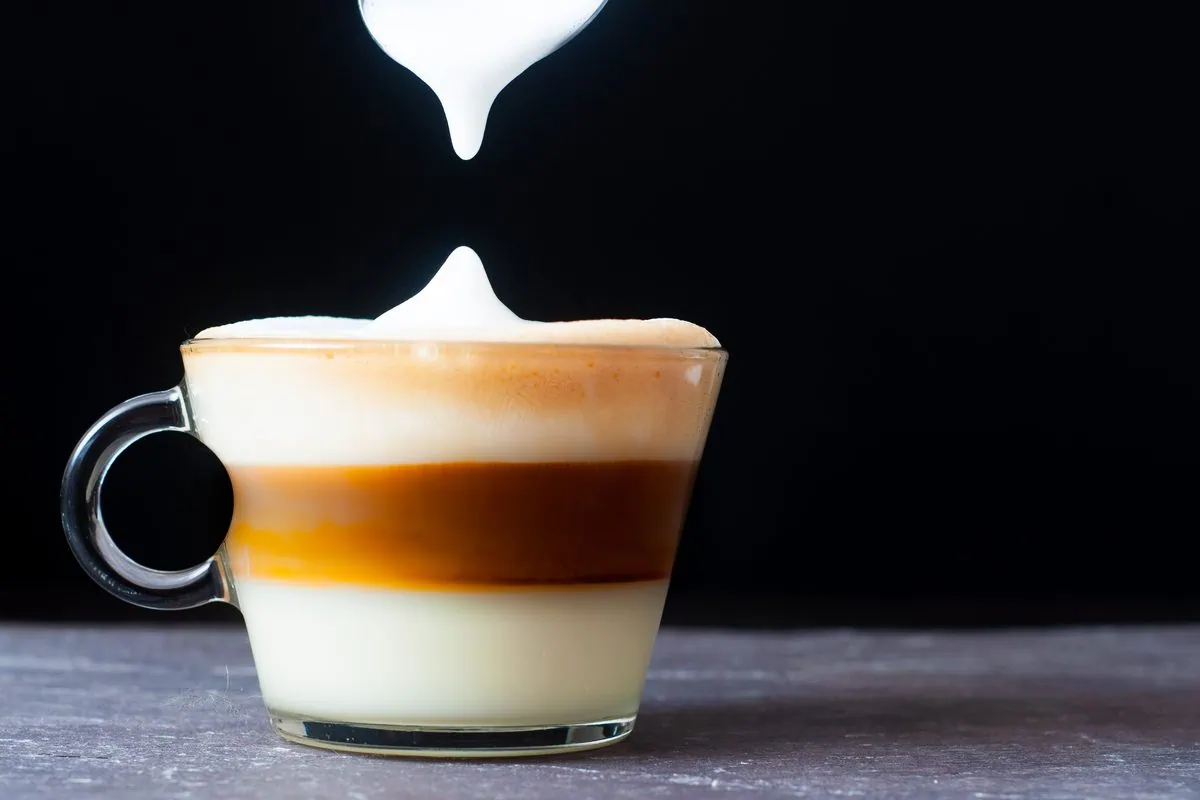
No Puerto Rican breakfast happens without coffee. Café con leche is strong, dark-roast coffee mixed with plenty of hot milk and sweetened in the cup. At home it is brewed in a greca, a stovetop moka pot, or the old-school way, through a cloth colador. At the panadería it comes from the espresso machine.
Puerto Rico grows its own coffee in the central mountains around Yauco, Lares, Utuado and Jayuya, and island brands such as Café Yaucono, Café Crema, Café Lareño and Café El Coquí are what most families keep in the pantry. For the full method, see our café con leche guide.
Order it like a local: ask for it clarito if you want more milk, or oscurito for more coffee. A café puya is black, with no sugar.
2 Pan Sobao, Pan de Agua and the Tostada

Puerto Rican bakeries sell two everyday loaves. Pan de agua is a lean, crusty water bread with a crackly shell. Pan sobao is softer and a little sweet, enriched with lard or shortening; its name comes from sobar, to knead, for the way the dough is worked.
Either one becomes the island’s most basic breakfast, the tostada. The loaf is split, buttered generously and pressed on the plancha until the outside is crisp and the butter has soaked in. Then it goes straight into the café con leche. Dunking is expected.
Pan sobao is also the bread for most breakfast sandwiches, and for the sandwich de mezcla at every Puerto Rican party.
3 Pan de Mallorca

The mallorca is a soft, eggy spiral roll covered in powdered sugar, a Puerto Rican descendant of the ensaimada from the Spanish island of Mallorca. At breakfast it is eaten three ways: plain, split and pressed with butter, or as a sandwich with ham, Swiss cheese and egg, where the sugar meets the salty filling.
We have a full pan de mallorca recipe if you want to bake them at home.
4 Quesitos

Quesitos are puff pastry rolled around sweetened cream cheese and brushed with sugar syrup until the top crackles. The name means “little cheeses.” They are the pastry most Puerto Ricans pick with a café con leche, and bakeries sell them warm by the dozen.
The favorite variation adds guava paste to the filling for a quesito de guayaba, the same guava-and-cheese pairing behind pasta de guayaba y queso. They are easy to make at home with frozen puff pastry, cream cheese and a bar of Dulzura Borincana guava paste, a Puerto Rican brand.
5 Breakfast Sandwiches: Jamón, Huevo y Queso
The panadería breakfast sandwich is ham, egg and cheese on pan sobao or a mallorca, pressed flat and hot on the griddle. Many bakeries also fill it with revoltillo or fried salchichón. The island chain Mesón Sandwiches built its menu around this style, and even Puerto Rico’s fast-food chains sell mallorca sandwiches at breakfast.
When people search for the Puerto Rican breakfast sandwich, this is it: simple, salty and, on a mallorca, a little sweet. It is always eaten with café con leche.
Cremas: Puerto Rico’s Hot Breakfast Cereals
Cremas are milky hot cereals cooked on the stovetop with cinnamon sticks, sugar and vanilla, then finished with a pat of butter. They are looser than American oatmeal or grits, some thin enough to sip from a mug, and they are the breakfast many Boricuas grew up on.
6 Avena (Puerto Rican Oatmeal)
Avena is the best known: rolled oats simmered in whole milk, often with a splash of evaporated milk, and perfumed with cinnamon sticks until creamy. It is sweet, comforting and ready in about 20 minutes. Our Puerto Rican avena recipe is below.
7 Harina de Maíz (Cornmeal Porridge)
Harina de maíz is fine yellow cornmeal cooked into a smooth, golden porridge with milk, cinnamon and sugar. Some families swap part of the milk for coconut milk. The trick is to whisk the cornmeal into cold milk before it goes on the heat, which keeps it from clumping.
It is the crema older Puerto Ricans tend to describe with the most nostalgia, and it is still a weekday staple in many homes. The crema table below gives the cornmeal ratio.
8 Farina (Crema de Trigo)

Farina is a fine wheat cereal, the same product sold in the US as Cream of Wheat, cooked in milk until thick and silky. Puerto Rican farina gets cinnamon sticks, sugar and a pat of butter that melts into a golden pool on top. It is a classic for kids and for sick days.
9 Maicena (Crema de Maicena)
Maicena is cornstarch, and crema de maicena is hot milk thickened with it, sweetened and flavored with vanilla and cinnamon. It is the lightest of the cremas, closer to a warm, drinkable pudding than a porridge, and abuelas often make it for small children and for anyone with an upset stomach.
The same cornstarch-and-milk idea, made with coconut milk and cooked until it sets, gives you tembleque, Puerto Rico’s coconut pudding.
How to Make Puerto Rican Avena
One saucepan, about 20 minutes and ingredients you probably have. The method in the card below works for every crema: swap the grain using this table, then follow the same steps.
| Crema | Grain for 4 cups of milk | How to add it | Simmer |
|---|---|---|---|
| Avena | 1 cup rolled oats | Into the boiling cinnamon water, before the milk | 10 to 12 min |
| Harina de maíz | ½ cup fine yellow cornmeal | Whisked into the cold milk, then heated | 8 to 10 min |
| Farina | ½ cup farina | Sprinkled into simmering milk while whisking | 3 to 5 min |
| Maicena | ¼ cup cornstarch | Dissolved in ½ cup cold milk, stirred in at the end | 2 to 3 min |
Keep it creamy: cook on medium-low and scrape the bottom of the pot as you stir. Milk scorches fast, and one burnt layer flavors the whole pot. Every crema thickens as it cools, so take it off the heat while it still pours.
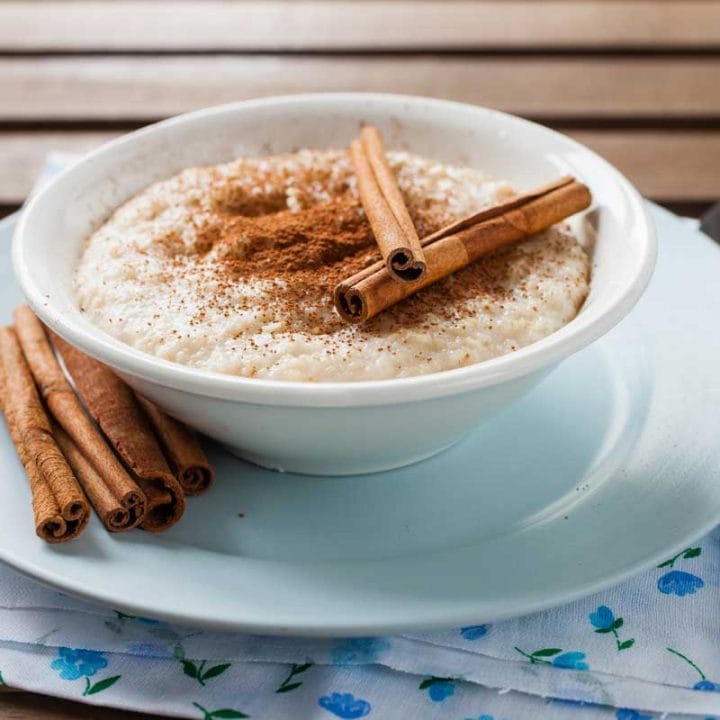
Puerto Rican Avena (Creamy Cinnamon Oatmeal)
Puerto Rican avena is oatmeal cooked in milk with cinnamon sticks, vanilla and a pat of butter until it is creamy and loose enough to sip from a mug. It is the most common hot breakfast on the island, and it takes about 20 minutes from start to finish.
Ingredients
- 1 cup water
- 2 cinnamon sticks
- 3 whole cloves (optional)
- 1/8 teaspoon salt
- 1 cup old-fashioned rolled oats
- 3 cups whole milk
- 1 cup evaporated milk (or 1 more cup whole milk)
- 1/3 cup sugar, or to taste
- 1 teaspoon vanilla extract
- 1 tablespoon salted butter
- Ground cinnamon, for serving
Instructions
1. Infuse the water
- Add the water, cinnamon sticks, cloves and salt to a medium saucepan. Bring to a boil and let it bubble for 3 minutes so the cinnamon blooms.
2. Cook the oats
- Stir in the oats and cook for 2 minutes, stirring, until they swell and soak up most of the water.
3. Add the milk and simmer
- Pour in the whole milk and evaporated milk. Lower the heat to medium-low and simmer for 8 to 10 minutes, stirring often and scraping the bottom so the milk does not scorch.
- Stop when the avena is creamy but still pourable, like a thick milkshake. Puerto Rican avena is looser than American oatmeal, and it keeps thickening as it cools.
4. Sweeten and finish
- Take the pot off the heat. Stir in the sugar, vanilla and butter until the butter melts. Taste and add more sugar if you like it sweeter.
- Fish out the cinnamon sticks and cloves.
5. Serve
- Ladle into mugs or bowls and dust with ground cinnamon. Serve hot with buttered pan sobao or soda crackers on the side.
Notes
Make it thinner or thicker: For a drinkable avena, add up to 1 more cup of milk. For a spoonable bowl, simmer 3 to 4 minutes longer.
Swap the grain: The same method makes harina de maíz (use 1/2 cup fine yellow cornmeal whisked into the cold milk first), farina (use 1/2 cup farina) or maicena (use 1/4 cup cornstarch dissolved in 1/2 cup cold milk, added at the end and simmered 2 to 3 minutes).
Leftovers: Refrigerate up to 3 days. It sets firm in the fridge; reheat with a splash of milk, whisking until smooth.
Savory Plates from the Home Kitchen
These three come out on weekends, holidays and any morning someone has time to stand at the stove. Serve them with café con leche, buttered bread and, often, leftover white rice.
10 Revoltillo

Revoltillo means “scramble,” and it is Puerto Rico’s everything-in-the-pan eggs: scrambled eggs cooked with diced ham or salchichas, onion, sweet peppers, a spoonful of sofrito, and sometimes tomato and cheese. It is the classic way to use up leftovers.
Cook a tablespoon of sofrito in butter or oil for a minute, add the meat, then pour in beaten eggs and stir gently over low heat so they stay soft and glossy.
11 Salchichas Guisadas
In Puerto Rico, salchichas means canned Vienna sausages, and salchichas guisadas are those sausages stewed in a quick tomato sauce with sofrito, onion and sometimes diced potato. They are cheap, fast and deeply nostalgic.
At breakfast they are served with fried or scrambled eggs and white rice, or spooned over buttered bread. A plate of salchichas, a fried egg and sweet plantains is about as traditional as a home-cooked Puerto Rican breakfast gets.
12 Huevos Fritos con Amarillos o Tostones
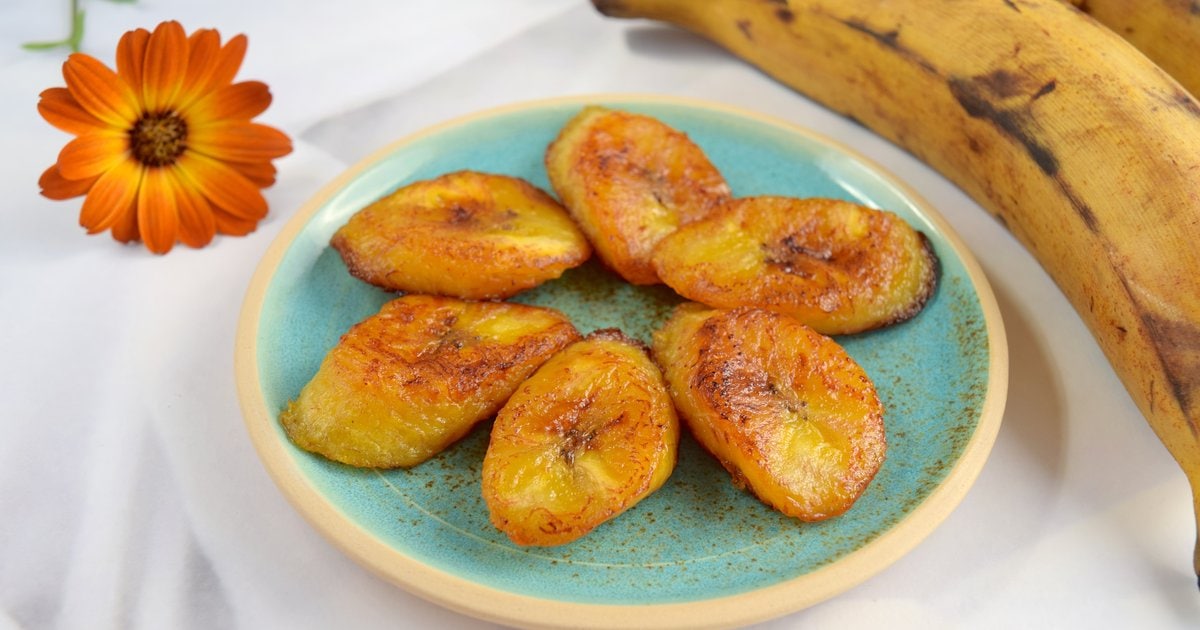
Fried eggs with plantains are the classic home-cooked plate. Puerto Ricans call sweet ripe plantains amarillos (elsewhere they are maduros), and their caramelized edges are perfect with a runny yolk. Green plantains fried twice into crisp tostones work too.
Add avocado, a slice of fried white cheese or leftover rice and beans and you have a full criollo breakfast. Learn the difference in tostones vs. maduros, or go straight to our sweet fried plantains recipe.
Light and Sweet Mornings
13 Galletas de Soda con Mantequilla
Soda crackers spread with butter and dunked in café con leche are the breakfast many Puerto Ricans remember from childhood. The island’s own brand is Royal Borinquen’s Export Sodas, and the same company makes Vainilla Imperial, a crisp vanilla cookie made for dipping.
When the bread runs out, this is breakfast: crackers, butter and coffee. Some people add a slice of cheese.
14 Tropical Fruit and Fresh Juice

Fruit rounds out the table: papaya (called lechosa), mango, pineapple, bananas and, in late summer, quenepas, small green-skinned fruits with sweet, tangy pulp around a big seed. Fresh juices such as parcha (passion fruit), guanábana (soursop) and orange show up at weekend breakfasts.
How to Order Breakfast at a Puerto Rican Panadería

Panaderías open early and move fast. Order at the counter, pay, and either grab a stool at the bar or take it to go. These are the phrases you will hear most:
- Un café con leche
- Coffee with hot milk, sweetened unless you say otherwise.
- Clarito / oscurito
- Lighter, with more milk / stronger, with more coffee.
- Un café puya
- Black coffee with no sugar.
- Una tostada
- Buttered bread pressed on the griddle. Say de pan sobao or de pan de agua.
- Una mallorca con jamón y queso
- The ham-and-cheese mallorca sandwich. Add y huevo for egg.
- Un quesito
- The cream cheese pastry. Ask for de guayaba to get the guava version.
- Pa’ llevar
- To go.
Puerto Rican vs. Dominican vs. Cuban Breakfast
The three Spanish-speaking Caribbean islands share café con leche and a love of buttered bread, but each has its own signature morning plate.
| Puerto Rico | Dominican Republic | Cuba | |
|---|---|---|---|
| Signature breakfast | Café con leche with a tostada, mallorca or quesito | Mangú con los tres golpes | Tostada cubana dunked in café con leche |
| Everyday bread | Pan sobao, pan de agua, mallorca | Pan de agua, pan sobao | Pan cubano |
| Plantains at breakfast | Amarillos or tostones with eggs | Mashed into mangú | Mostly a lunch and dinner side |
| Coffee | Café con leche, café puya | Café con leche, black café | Café cubano, cortadito |
| Read more | You are here | Dominican breakfast foods | Cuban breakfast foods |
How to Build a Puerto Rican Breakfast at Home
You do not need a panadería down the street. Pick the menu that fits your morning:
- Café Oro de Puerto Rico ground coffee, a dark island roast built for café con leche.
- Café Lareño ground coffee or Café El Coquí ground coffee, two more Puerto Rican pantry classics.
- A 6-cup stovetop moka pot, the greca most island kitchens use.
- Dulzura Borincana guava paste for quesitos and guava-and-cheese mallorcas.
- Export Sodas crackers and Vainilla Imperial cookies for dunking.
- Fine yellow cornmeal for harina de maíz.
More island staples are in our Puerto Rican ingredients guide.
Puerto Rican Breakfast FAQs
What is a typical Puerto Rican breakfast?
Café con leche with buttered, griddle-pressed bread (a tostada) is the everyday breakfast. Bakeries add mallorcas, quesitos and ham, egg and cheese sandwiches; at home it is often avena or another crema.
What do Puerto Ricans eat for breakfast on weekends?
Weekends are for the skillet: revoltillo, salchichas guisadas, and fried eggs with amarillos or tostones, usually with bread, leftover rice, fresh fruit and juice.
Is a Puerto Rican breakfast sweet or savory?
Both. Weekday breakfasts lean sweet (mallorcas, quesitos, sweetened cremas and coffee), while weekend plates are savory. The mallorca sandwich, with powdered sugar over ham and cheese, is both at once.
What is the difference between pan sobao and pan de agua?
Pan de agua is a lean, crusty bread made without fat. Pan sobao is softer and slightly sweet because the dough is enriched with lard or shortening. Both are used for tostadas and sandwiches.
What coffee do Puerto Ricans drink?
Mostly locally grown dark roasts such as Café Yaucono, Café Crema, Café Lareño and Café El Coquí, brewed in a greca or a cloth colador and served as café con leche, or black and unsweetened as a café puya.
What are good Puerto Rican brunch ideas?
Set out quesitos and mallorcas, a pan of revoltillo, salchichas guisadas, amarillos, sliced papaya and mango, parcha juice and a big pot of café con leche. It covers sweet and savory and feeds a crowd.
What do Puerto Rican kids eat for breakfast?
Usually a quick crema such as avena, farina or maicena, or buttered bread with a café con leche that is mostly milk. Soda crackers with butter are the backup when the bread runs out.
More Puerto Rican Food to Explore
Browse 40 classic dishes in our Puerto Rican food guide, see each breakfast recipe on the Puerto Rican breakfast recipes page, or start at the Puerto Rican cooking hub.
Thirsty? Read about Puerto Rican drinks. Sweet tooth? Try Puerto Rican desserts, or head to the beach kioskos with Puerto Rican street foods such as bacalaítos. For mornings across Latin America and Spain, start at our Latin breakfast dishes page.
More Puerto Rican Foods
See all →
Jorge Garcia is the founder of AmigoFoods, where he has spent over 20 years helping readers discover authentic Latin American and Spanish cuisine. Raised in a Cuban-American household, Jorge learned to cook at the hands of his mother and grandmother, carrying forward generations of family recipes. That heritage, backed by his family’s four-generation history in the Latin food industry, inspired him to launch AmigoFoods in 2003. With more than 1,000 published articles on recipes, ingredients, and food culture, Jorge’s mission is simple: make authentic Latin cooking approachable for home cooks everywhere while honoring the traditions behind every dish.