

Pan de yuca is a cheese bread enjoyed in Ecuador and Colombia, with a lightly crisp crust and chewy center. This version makes 12 rolls from cassava starch, cheese, butter and eggs—best served warm with coffee or a fruit yogurt drink.
Pan de Yuca at a Glance
What Is Pan de Yuca?

Pan de Yuca is a beloved Ecuadorian (and Colombian) cheese bread made from cassava starch (also called tapioca starch) and fresh cheese.
Small, round, and golden, these little breads are crispy on the outside and deliciously chewy inside—perfect for pairing with coffee or enjoying as a quick snack!
Rooted deeply in the culinary traditions of South America, pan de yuca is naturally gluten-free thanks to the use of cassava, a starchy root native to the region.
While it shares similarities with Brazil’s pão de queijo and Colombia’s pandebono, pan de yuca has its own unique character—often lighter and slightly more tangy depending on the cheese used.
Across Ecuador, you’ll find pan de yuca sold at bakeries, coffee shops, and even beach stands, where it’s often enjoyed fresh and warm.
Simple yet irresistible, pan de yuca is a true taste of Latin American comfort food!
Key Ingredients for Authentic Pan de Yuca

Making the popular latin bread starts with a handful of simple but essential ingredients that come together to create its signature cheesy, chewy texture:
-
Cassava Starch (Yuca Harina): The foundation of pan de yuca. Cassava starch gives the bread its light, slightly chewy consistency. It’s naturally gluten-free and different from regular flour.
-
Fresh Cheese: Traditional recipes use queso costeño (a salty, crumbly Colombian cheese), but mozzarella, feta, or a blend of cheeses can also work beautifully.
-
Butter: Adds richness and tenderness to the dough, helping to balance the saltiness of the cheese.
-
Eggs: Help bind the dough together, giving structure and a slight fluffiness to the bread.
-
Baking Powder: Provides a gentle lift to keep the rolls from being too dense.
-
Optional Add-Ins: Some recipes include a touch of sugar for sweetness, anise seeds for a hint of spice, or even extra cheese stuffed inside for an oozy surprise!
Choosing high-quality cassava starch and cheese is the secret to nailing the authentic flavor and texture that makes pan de yuca so unforgettable.
How to Make Pan de Yuca at Home (Step-by-Step Guide)

Allow about 45 minutes for 12 rolls, including cooling. Optional chilling adds 15–20 minutes. Adjust extra liquid to the moisture of your cheese.
- Preheat. Heat the oven to 400°F (200°C) and line a baking sheet with parchment. Start with softened butter and finely grated or crumbled cheese.
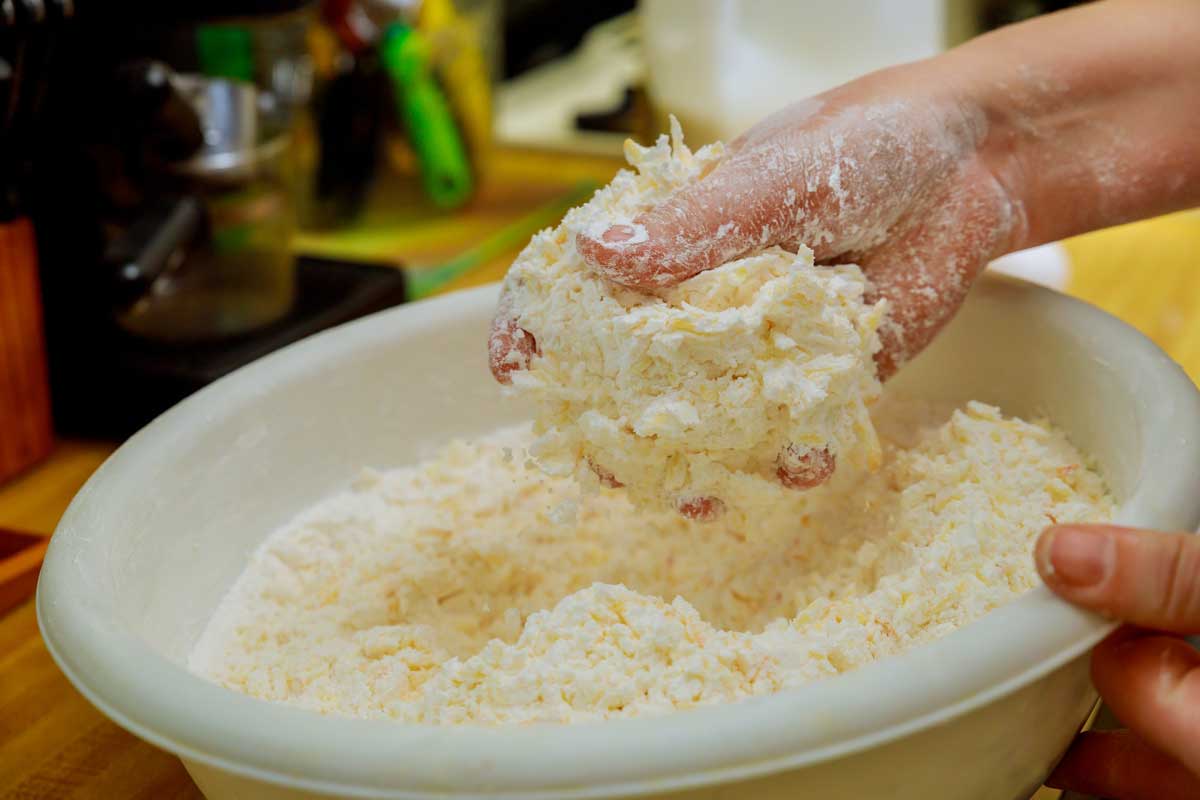
- Mix. Combine starch and baking powder, plus optional sugar or anise. Work in the cheese, butter and beaten eggs until the dough holds together smoothly. If crumbly, add milk or water 1 tablespoon at a time, mixing before adding more. If overly sticky, chill 15–20 minutes before deciding whether a little extra starch is needed.
- Shape. Divide the dough into 12 equal portions and roll into balls. For filled rolls, enclose one small cube of cheese or guava paste in each and seal fully. Space rolls about 2 inches apart on the lined sheet.
- Bake. Bake on the middle rack until puffed, set and lightly golden, checking at 15 minutes and allowing up to about 25 minutes depending on size, cheese moisture and oven. The inside should be chewy and cooked, not wet dough.
- Serve warm. Cool about 5 minutes before eating, particularly if stuffed. Enjoy with coffee, hot chocolate or a fruit yogurt drink.
Regional Variations Across Latin America

Yuca bread has traveled across Latin America, and while the core idea stays the same—cheesy, chewy bread—there are fascinating regional twists you’ll find depending on where you are:
-
Ecuador:
In Ecuador, pan de yuca is made with fresh or melting cheese, and its texture varies with the recipe. It’s a popular snack along the coast, especially near beach towns, often paired with a cold yogurt drink called yogur de frutas. -
Colombia:
In Colombia, pan de yuca is very similar but sometimes gets confused with pandebono, another cheesy bread. Colombian pan de yuca tends to be a little denser and is typically enjoyed as a breakfast item or afternoon snack with coffee. -
Brazil:
Brazil’s famous pão de queijo is a close cousin to pan de yuca. While the ingredients are similar, pão de queijo usually uses a mix of sweet and sour tapioca starch, resulting in a softer, puffier texture with a slightly crisp exterior. -
Paraguay and Argentina:
In Paraguay and parts of northern Argentina, a related bread called chipa is popular. Chipa often includes anise seeds and is shaped into rings rather than balls, giving it a slightly firmer bite and a distinctive flavor twist.
Despite the differences, all these variations share the same comforting spirit: simple ingredients, irresistible cheesiness, and that unforgettable chewy texture that keeps you reaching for “just one more.”
| Feature | Pan de Yuca | Pandebono | Pão de Queijo |
|---|---|---|---|
| Origin | Ecuador & Colombia | Colombia | Brazil |
| Main Starch | Cassava starch (yuca harina) | Cassava starch + cornmeal | Tapioca starch (sweet & sour blend) |
| Texture | Chewy and slightly crisp | Denser and more crumbly | Puffy, airy, chewy |
| Cheese Type | Fresh salty cheese (queso costeño or mozzarella) | Queso fresco or costeño | Parmesan, mozzarella, or queijo minas |
| Common Pairing | Coffee or fruit yogurt drink | Hot chocolate or coffee | Coffee, juices, or as a snack |
| Shape | Small round balls | Rounds or flattened discs | Small round balls |
Best Ways to Enjoy Yuca Bread

Freshly baked Pan de Yuca is a treat on its own, but there are so many delicious ways to enjoy it even more!
Here’s how to make the most of every bite:
-
Classic Coffee Pairing:
Pan de yuca is traditionally enjoyed with a cup of strong coffee or café con leche. The cheesy, slightly salty bread pairs perfectly with the bold, rich flavors of Latin American coffee. -
With Hot Chocolate:
In many Ecuadorian households, pan de yuca is dipped into thick, homemade hot chocolate. The combination of melty cheese and sweet chocolate is pure comfort food magic! -
As an Afternoon Snack (Merienda):
Pan de yuca makes the perfect quick snack between meals. It’s light, satisfying, and easy to pack for work, school, or road trips. -
Stuffed Variations:
Take it up a notch by stuffing your dough with extra mozzarella, guava paste, or even fully cooked, cooled chorizo before baking. Stuffed yuca bread is a party favorite! -
Paired with Yogurt Drinks:
On the Ecuadorian coast, it’s common to serve pan de yuca with a cold fruit yogurt drink (yogur de frutas). The creamy, fruity beverage perfectly complements the warm, cheesy bread. -
As a Party Appetizer:
Serve mini-sized pan de yuca as a tasty latin appetizer or party snack! You can even offer dipping sauces like cilantro aioli, spicy ketchup, or chimichurri for a fun twist.
Whether you enjoy it plain, dipped, stuffed, or paired with a drink, pan de yuca is pure comfort in every bite!
Where to Buy Pan de Yuca Ingredients (or Ready-Made!)

Whether you’re making Pan de Yuca from scratch or looking for an easy shortcut, finding the right ingredients (or ready-made options!) is easier than you might think:
-
Latin American Grocery Stores:
Cassava starch (harina de yuca), queso costeño, and other essentials are usually available at Latin or international markets. Look for brands like Yoki, Goya, or local Ecuadorian and Colombian producers. -
Mainstream Supermarkets:
Some larger supermarket chains carry cassava starch in the gluten-free or Latin foods section. Fresh cheese might be found in the deli area—mozzarella or farmer’s cheese are great substitutes if traditional cheeses aren’t available. -
Online Stores:
Amazon, Walmart, and specialty Latin food websites often sell cassava starch, queso fresco, and even ready-to-bake pan de yuca kits! Ordering online is a convenient way to stock up if local options are limited. -
Frozen and Pre-Made Options:
Many Latin brands now offer frozen pan de yuca dough or fully baked rolls you just reheat at home. Brands like Yucarina, Su Sabor, and others make it easy to enjoy fresh-tasting pan de yuca without the work. -
Farmers’ Markets and Artisanal Bakeries:
In cities with large Latin American communities, you might even find yuca bread at local farmers’ markets, pop-up stalls, or bakeries specializing in South American foods.
Pro Tip:
If you’re buying cassava starch, make sure it’s labeled “yuca starch” or “tapioca starch”—these names refer to the same extracted starch. Whole-root cassava flour is different, and fermented sour starch behaves differently from plain sweet starch.
Pro Tips for Perfect Pan de Yuca Every Time
Want to make bakery-quality Pan de Yuca at home?
These expert tips will help you nail that perfect cheesy, chewy texture every time:
-
Use High-Quality Cassava Starch:
Not all cassava starch is the same! Always choose fresh, fine-ground starch for the best texture. Avoid anything labeled “cassava flour” unless it specifies “starch.” -
Grate or Crumble the Cheese Finely:
Finely grated or crumbled cheese blends better into the dough, ensuring a uniform cheesy flavor throughout each bite. -
Don’t Overwork the Dough:
Mix and gently knead until smooth and cohesive. There is no wheat gluten to develop here; cheese moisture and excess added starch have a stronger effect on the finished texture. -
Adjust Dough Consistency as Needed:
If the dough feels dry or crumbly, add a tablespoon of milk or water at a time. If it’s too sticky, sprinkle in a little more cassava starch. -
Bake at High Heat:
A hot oven (around 400°F / 200°C) helps the breads puff quickly and develop that signature golden, slightly crispy exterior. -
Serve Fresh and Warm:
Pan de yuca is at its absolute best when freshly baked and still warm. The cheese is gooey, and the texture is at its peak! -
Freeze Extra Dough:
You can freeze shaped, unbaked dough balls and bake them directly from frozen—just add a few extra minutes to the baking time. Perfect for quick snacks! -
Experiment with Cheese Blends:
Mix salty cheeses (like queso fresco) with melty cheeses (like mozzarella) for the ultimate balance of flavor and texture.
Mastering these little tricks will make your pan de yuca irresistible—and you’ll be the go-to baker every time friends or family crave a cheesy snack!
Why Pan de Yuca Deserves a Spot on Your Table

Pan de Yuca isn’t just a snack—it’s a bite-sized piece of Latin American tradition, comfort, and joy!
With its crispy outside, gooey cheesy center, and naturally gluten-free goodness, this little bread punches way above its weight in flavor and satisfaction.
Whether you’re craving a cozy breakfast, a party appetizer, or a nostalgic taste of Ecuador or Colombia, yuca bread fits the moment perfectly.
And the best part? It’s incredibly easy to make at home with just a few simple ingredients!
So why wait? Preheat your oven, grab some cassava starch and cheese, and bring a little Latin flair to your table today!

Pan de Yuca Recipe
Pan de yuca is a traditional South American cheese bread made with cassava starch and fresh cheese. Naturally gluten-free, lightly chewy, and incredibly flavorful, these golden bites are perfect for breakfast or snacks—best served warm with coffee or hot chocolate.
Ingredients
- 2 cups cassava starch (tapioca starch; not whole-root cassava flour)
- 1½ cups finely grated or crumbled cheese: queso costeño, or 1 cup low-moisture mozzarella plus ½ cup feta
- 3 tablespoons unsalted butter, softened
- 2 large eggs, beaten
- 1 teaspoon baking powder
- Milk or water, 1 tablespoon at a time only if needed for dry dough
Optional variations
- 1 tablespoon sugar
- ½ teaspoon anise seeds
- 12 small cubes of cheese or guava paste, for stuffing
Instructions
- Preheat. Heat the oven to 400°F (200°C) and line a baking sheet with parchment. Start with softened butter and finely grated or crumbled cheese.
- Mix. Combine starch and baking powder, plus optional sugar or anise. Work in the cheese, butter and beaten eggs until the dough holds together smoothly. If crumbly, add milk or water 1 tablespoon at a time, mixing before adding more. If overly sticky, chill 15–20 minutes before deciding whether a little extra starch is needed.
- Shape. Divide the dough into 12 equal portions and roll into balls. For filled rolls, enclose one small cube of cheese or guava paste in each and seal fully. Space rolls about 2 inches apart on the lined sheet.
- Bake. Bake on the middle rack until puffed, set and lightly golden, checking at 15 minutes and allowing up to about 25 minutes depending on size, cheese moisture and oven. The inside should be chewy and cooked, not wet dough.
- Serve warm. Cool about 5 minutes before eating, particularly if stuffed. Enjoy with coffee, hot chocolate or a fruit yogurt drink.
Notes
Starch: Cassava starch and tapioca starch are names for the extracted starch from yuca. Whole-root cassava flour is different. Sweet and fermented sour starches also behave differently; use plain cassava/tapioca starch for this version.
Cheese: Queso costeño is a salty Colombian cheese. A blend of 1 cup low-moisture mozzarella and ½ cup feta is an alternative, with a different flavor and moisture level. Adjust liquid gradually; do not use fresh mozzarella stored in water as an equal swap.
Timing and yield: Makes 12 rolls. Allow about 45 minutes: 15 minutes preparation, up to 25 minutes baking and 5 minutes cooling. Optional 15–20 minutes chilling is extra. The baking time can vary with the cheese and roll size.
Gluten-free ingredients: The dough uses starch rather than wheat flour; choose gluten-free baking powder and fillings if needed. Reheat leftover rolls briefly before serving. Frozen dough balls can be baked without thawing, allowing extra time until cooked through.
More Ecuadorian Foods
See all →
Jorge Garcia is the founder of AmigoFoods, where he has spent over 20 years helping readers discover authentic Latin American and Spanish cuisine. Raised in a Cuban-American household, Jorge learned to cook at the hands of his mother and grandmother, carrying forward generations of family recipes. That heritage, backed by his family’s four-generation history in the Latin food industry, inspired him to launch AmigoFoods in 2003. With more than 1,000 published articles on recipes, ingredients, and food culture, Jorge’s mission is simple: make authentic Latin cooking approachable for home cooks everywhere while honoring the traditions behind every dish.