
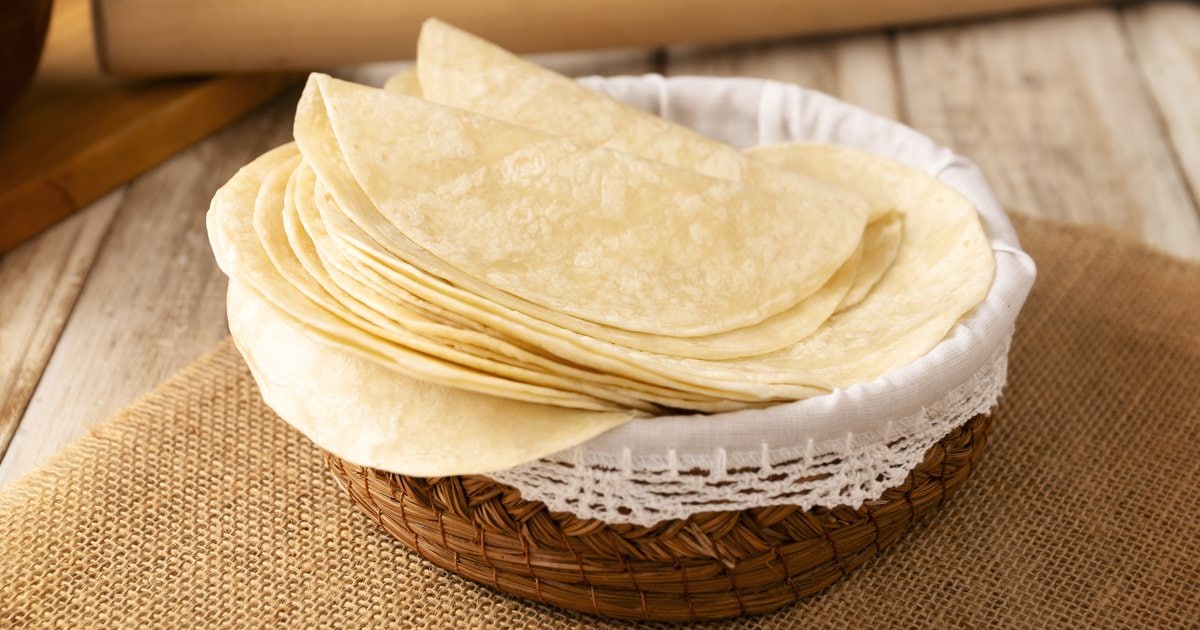
Cassava flour tortillas are soft, grain-free tortillas made from just four ingredients: cassava flour, oil, salt and hot water. Cassava flour is ground from the whole dried yuca root. It is naturally gluten-free and nut-free, and it makes a pliable dough that presses beautifully. The cooked tortillas bend and fold more like wheat tortillas than most gluten-free versions do.
This guide covers the recipe, why hot water matters, how cassava flour differs from tapioca starch, and where yuca flatbreads fit in Latin American cooking.
Cassava Flour Tortillas at a Glance
AmigoFoods may earn a commission from qualifying Amazon purchases made through links on this page.
What Are Cassava Flour Tortillas?
They are a grain-free stand-in for Mexican flour tortillas, made with cassava (yuca) flour instead of wheat. Cassava flour has no gluten, but its starch turns soft and stretchy when mixed with hot water. That gives you a dough that holds together without eggs, gums or binders.
They are popular with paleo, gluten-free and nut-free cooks. Unlike almond flour tortillas, they are not low-carb, but they are softer and closer in feel to a wheat tortilla.
Cassava Flour vs Tapioca Starch
Both come from the cassava root, but they are not interchangeable.
| Cassava flour | Tapioca starch (flour) | |
|---|---|---|
| Made from | The whole root, peeled, dried and ground | Only the extracted starch |
| Texture | Soft, slightly fibrous flour | Squeaky, pure white powder |
| In tortillas | Makes a pliable dough on its own | Too stretchy and gummy on its own. Used as a helper in blends. |
| Latin American uses | Casabe-style flatbreads and Brazilian farinha, both from the whole root | Brazilian tapioca crepes, pão de queijo, Colombian pan de yuca |
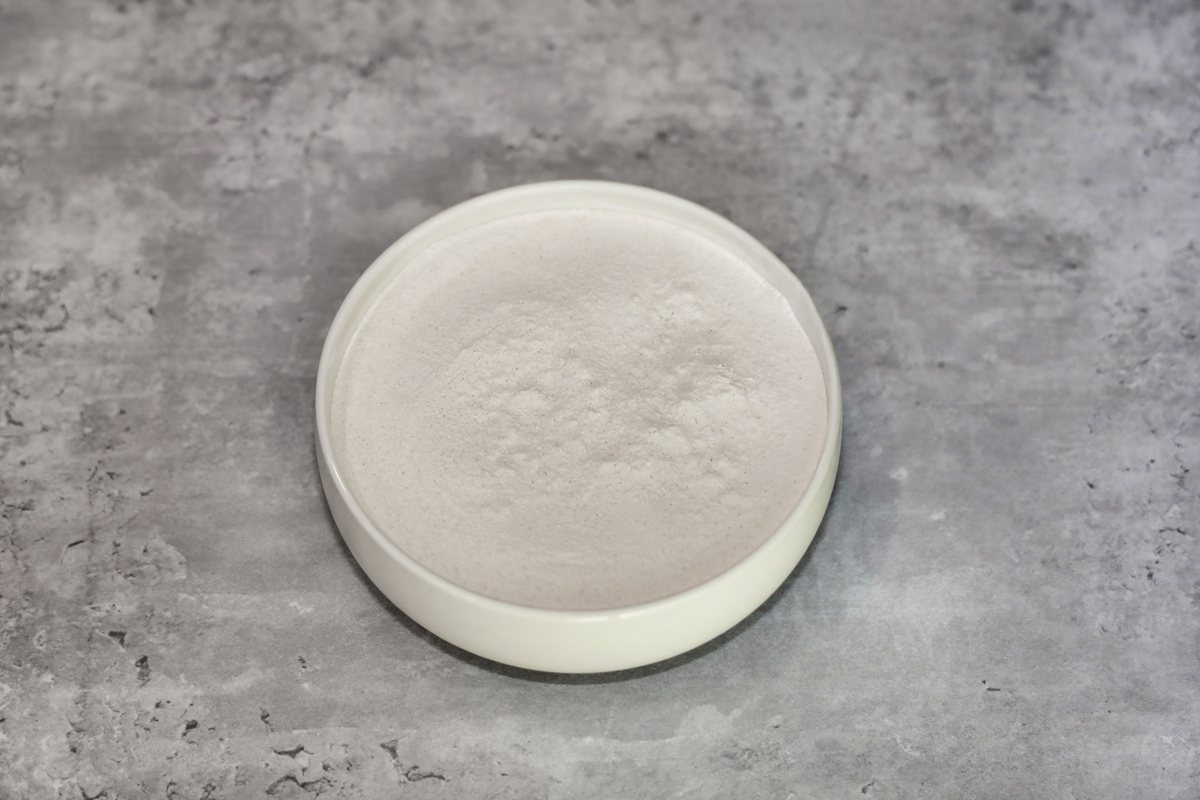
A note on safety: raw cassava root contains natural compounds that release cyanide, which is why yuca is always peeled and cooked. Commercial cassava flour has already been peeled, soaked or fermented, and dried to make it safe. Buy it from a reputable brand rather than grinding raw roots at home.
Yuca Flatbreads in Latin America
Cassava tortillas may be a modern gluten-free idea, but cassava flatbreads are not. Long before wheat arrived, the Taíno people of the Caribbean grated bitter yuca, squeezed out the juice and baked the pulp into casabe, a crisp round flatbread still eaten in the Dominican Republic, Venezuela and Cuba. In Brazil, cassava starch is cooked into soft folded tapioca crepes, and Colombia and Ecuador bake it into pan de yuca.

For a ready-made taste of that tradition, Venezuelan casabe crackers made from cassava flour are sold online. For Colombian cheese bread, La Fe’s pan de bono mix blends cassava flour with corn. To cook the root itself, see our guide to yuca and the Latin American roots and tubers pillar.
Ingredients and Which Cassava Flour to Buy
- Cassava flour: brand matters more here than in almost any other recipe. Finely milled flours make smooth, pliable dough, while coarse or gritty ones crumble. Otto’s is the brand most cooks recommend. Get Otto’s cassava flour on Amazon.
- Fat: avocado oil, olive oil, melted lard or ghee. The fat keeps the tortillas from drying out and cracking, so do not leave it out.
- Salt: fine salt, so it dissolves evenly.
- Hot water: water that is hot but not boiling, around 150°F (65°C), partly cooks the starch and makes the dough noticeably more flexible than warm water does.
How to Make Cassava Flour Tortillas
Here is the method. Exact amounts are in the recipe card below.
- Mix flour, salt and oil. Stir until the oil is worked in and the flour looks crumbly.
- Add hot water. Pour in most of the hot water and stir with a spatula. The dough turns sticky first, then firms up within a minute as the flour absorbs water.
- Knead to soft Play-Doh. Knead briefly by hand once it is cool enough to touch. It should be smooth and soft, not sticky. Too dry and crumbly: add water a teaspoon at a time. Too sticky: add a spoonful of flour. Rest 5 minutes, covered.
- Press between parchment. Divide into 6 balls. Press each one in a tortilla press between parchment or a cut-open zip-top bag to about 6 inches. Cassava dough has no gluten, so it does not spring back and presses perfectly.
- Cook on a hot skillet. Peel off the top sheet, flip the tortilla onto a preheated skillet over medium-high heat and peel off the second sheet. Cook 45 to 60 seconds per side, until golden spots appear.
- Keep covered. Stack in a towel or tortilla warmer. Cassava tortillas firm up as they cool and soften again in the steam.
Tools that make it easy
- Uno Casa 8-inch cast-iron tortilla press: the quickest way to get thin, even cassava tortillas.
- Lodge 10.5-inch round cast-iron griddle: even, steady heat that works like a comal.
As an Amazon Associate, AmigoFoods earns from qualifying purchases. More options in our tortilla press guide.
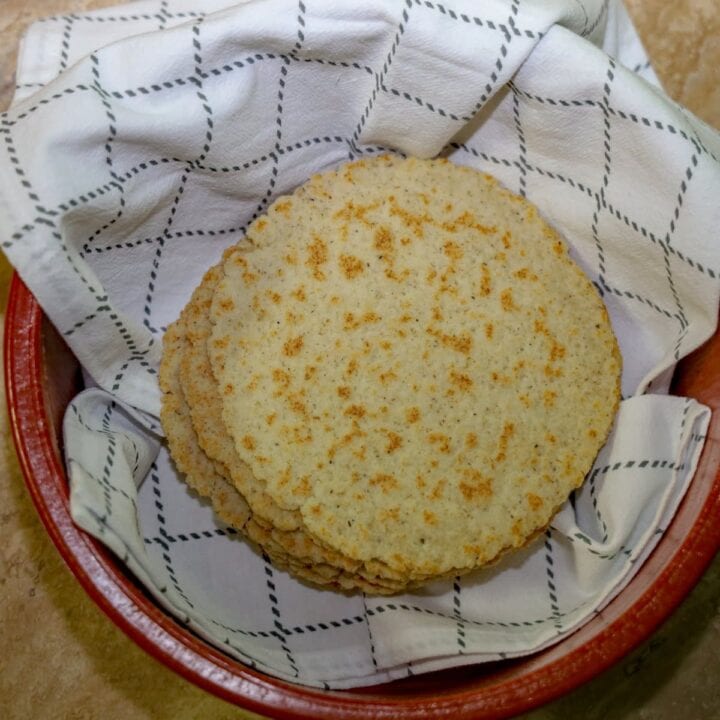
Cassava Flour Tortillas (Grain-Free)
Soft, pliable grain-free tortillas with four ingredients: cassava flour, oil, salt and hot water. Gluten-free, nut-free and easy to press.
Ingredients
- 1 cup (130 g) finely milled cassava flour, plus more if needed
- ½ teaspoon fine salt
- 2 tablespoons avocado oil, olive oil or melted lard
- ⅔ cup (160 ml) hot water, about 150°F (65°C), plus more as needed
Instructions
- Mix. In a bowl, stir together the cassava flour, salt and oil until crumbly.
- Add hot water. Pour in most of the hot water and stir; the dough turns sticky, then firms up as the flour absorbs it.
- Knead. When cool enough to handle, knead into a smooth, soft dough like Play-Doh. Add water a teaspoon at a time if crumbly, or flour if sticky. Cover and rest 5 minutes.
- Press. Divide into 6 balls and press each between parchment in a tortilla press (or roll) to about 6 inches.
- Cook. Peel off the top sheet, flip onto a preheated skillet over medium-high heat and peel off the second. Cook 45 to 60 seconds per side until golden spots appear.
- Keep warm. Stack in a towel or tortilla warmer so they soften in the steam.
Notes
Flour: use a finely milled cassava flour, not tapioca starch.
Nutrition: about 115 calories and 18 g carbohydrate per tortilla; grain-free but not low-carb.
Storage: 4 days in the fridge or 3 months frozen. Reheat 15 to 20 seconds per side before using.
Troubleshooting
| Problem | Fix |
|---|---|
| Crumbly dough, cracked edges | Add hot water a teaspoon at a time. Cassava flours vary a lot in how much water they absorb. |
| Sticky dough | Knead in cassava flour a teaspoon at a time and let it rest 2 minutes. |
| Tortillas stiff after cooking | Overcooked or not covered. Cook just until spotted and stack them in a towel immediately. |
| Gritty texture | The flour is too coarse. Switch to a finely milled brand. |
| Dough dried out while you worked | Keep the bowl covered with a damp towel and press each ball right before cooking. |
Store-Bought vs Homemade
Siete’s grain-free cassava flour tortillas are the best-known store-bought version. They are made with cassava flour, water, coconut flour, coconut oil, apple cider vinegar, sea salt and xanthan gum, and they work out to about 60 calories and 12 g of carbohydrate per tortilla. Homemade tortillas are larger, have fewer ingredients, contain no gums or coconut, and cost a fraction as much.
Nutrition
Each 6-inch tortilla from this recipe has roughly 115 calories, 5 g of fat and 18 g of carbohydrate. Cassava is grain-free, gluten-free and nut-free, but it is a starchy root, so these tortillas are not low-carb or keto. If you need low-carb, make almond flour tortillas instead.
How to Use Cassava Flour Tortillas
- Tacos: they hold juicy fillings like carne asada and chicken tinga without falling apart.
- Quesadillas: they crisp nicely in a little oil.
- Chips: cut into wedges, brush with oil and bake at 375°F (190°C) for 8 to 12 minutes. Short on time? Siete’s sea salt grain-free tortilla chips are made with cassava flour too.
- Breakfast tacos: with eggs, salsa and refried beans.
Storing and Reheating
- Fridge: up to 4 days in a sealed bag. They firm up when cold.
- Freezer: up to 3 months, with parchment between the tortillas.
- Reheating: 15 to 20 seconds per side in a hot, dry skillet until soft again. Do not use them cold for tacos: they crack.
- Dough: best used right away. It dries out quickly and does not store well.
Cassava Flour Tortillas FAQ
Can I use tapioca flour instead of cassava flour?
No. Tapioca is only the starch of the cassava root, and on its own it makes a gummy dough that will not press into tortillas. Cassava flour is made from the whole root.
Are cassava flour tortillas keto?
No. Each tortilla has about 18 g of carbohydrate. They are grain-free and paleo-friendly but not low-carb. For keto, try almond flour tortillas.
Are cassava flour tortillas gluten-free and nut-free?
Yes. Cassava is a root vegetable, so these tortillas contain no gluten, grains or nuts. Check that your cassava flour is processed in a gluten-free facility if you have celiac disease.
Why is my cassava dough so sticky?
Cassava flour absorbs water slowly. Give it a minute or two after mixing. If it is still sticky, knead in a little more flour.
Do I need a tortilla press?
It is not required, but it helps. You can roll the dough between parchment with a rolling pin. Because cassava dough has no gluten, a press works better for it than for wheat dough.
Is cassava flour safe to eat?
Yes. Raw cassava contains natural cyanide-releasing compounds, but commercial cassava flour is peeled, soaked or fermented, and dried to remove them. Buy it from a reputable brand.
Can I make the dough ahead?
It is best not to. Cassava dough dries out as it sits. Cook all the tortillas and reheat them later instead.
Do cassava flour tortillas taste good?
Yes. Made with a finely milled flour, they taste mild and slightly sweet, with a soft, lightly chewy bite somewhere between a flour tortilla and a corn tortilla. Coarse or traditionally fermented flours can taste sour or earthy, which is why the brand matters.
Are cassava flour tortillas healthy?
They are a good choice if you avoid gluten, grains or nuts, and homemade ones contain no gums or preservatives. Nutritionally they are close to a small flour tortilla: about 115 calories and 18 g of carbohydrate each, mostly starch, with little protein or fiber. Fill them with beans, vegetables and lean meat for a balanced meal.
More Tortilla Recipes
Low-carb instead? Make almond flour tortillas, at about 3 g net carbs each. Or go classic with soft flour tortillas and naturally gluten-free corn tortillas.
More from the yuca root: casabe, pan de yuca and Brazilian tapioca.
More Mexican Foods
See all →
Jorge Garcia is the founder of AmigoFoods, where he has spent over 20 years helping readers discover authentic Latin American and Spanish cuisine. Raised in a Cuban-American household, Jorge learned to cook at the hands of his mother and grandmother, carrying forward generations of family recipes. That heritage, backed by his family’s four-generation history in the Latin food industry, inspired him to launch AmigoFoods in 2003. With more than 1,000 published articles on recipes, ingredients, and food culture, Jorge’s mission is simple: make authentic Latin cooking approachable for home cooks everywhere while honoring the traditions behind every dish.