
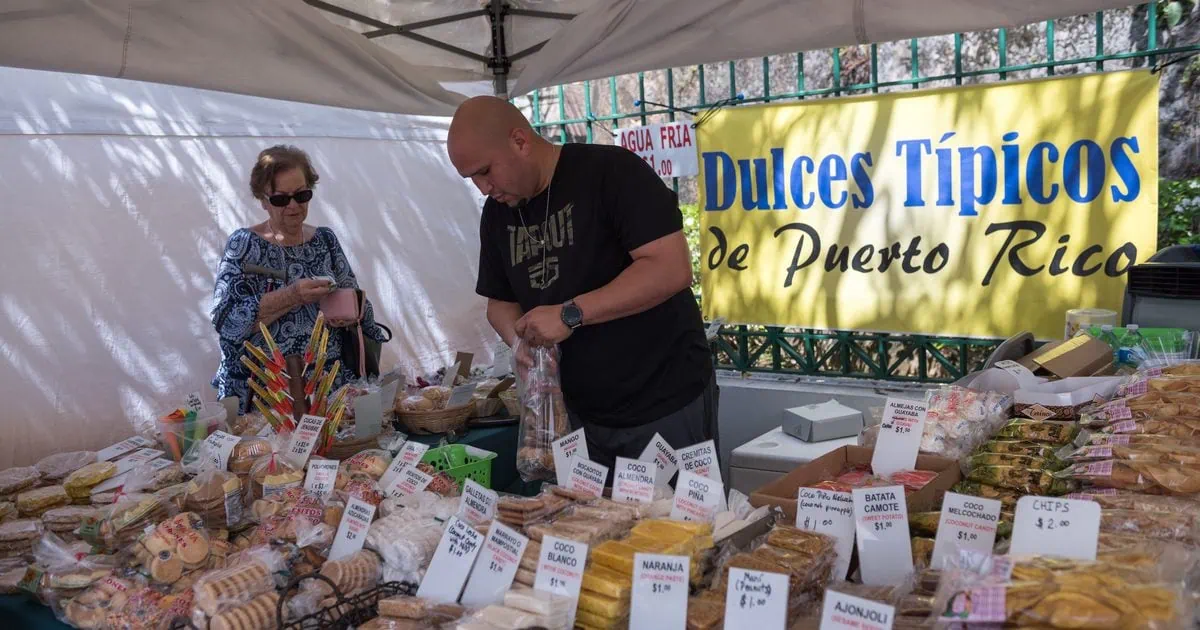
Top photo: a dulces típicos stand in Old San Juan. Sandra Foyt / Shutterstock.com
On this page
Puerto Rican candy means dulces típicos: small, homemade-style sweets built on coconut, cane sugar, molasses, sesame and tropical fruit. Most were born in the kitchens of the island’s interior, sold at town fairs and roadside stands, and they still sit by the register in every corner store.
Below are the 14 every Boricua knows, grouped the way you find them on the shelf: the coconut candies, the sesame and corn sweets, and the fruit pastes and milk fudges. You will also see who makes them, how to make dulce de coco at home, and where to buy Puerto Rican candy in the US.
Puerto Rican Candy at a Glance
Buying tip: the easiest way to taste several at once is a mixed box of dulces típicos. They show up in Latin groceries in New York, New Jersey and Florida, and online.
| Candy | What it is | Texture |
|---|---|---|
| Dulce de coco | Grated coconut cooked in sugar syrup | Chewy, moist |
| Mampostial (marrallo) | Coconut cooked with dark molasses | Sticky, chewy |
| Coco piña | Coconut and pineapple candy | Chewy, fruity |
| Coco con jengibre | Coconut candy with fresh ginger | Chewy, spicy |
| Crema de coco | Creamy coconut candy | Soft, fudge-like |
| Besitos de coco | Baked coconut “kisses” | Crisp outside, moist inside |
| Ajonjolí | Toasted sesame bound in caramel | Crunchy |
| Pilones | Hard candy lollipops | Hard, slow to melt |
| Gofio | Toasted corn flour with sugar | Powdery |
| Dulce de leche | Milk and sugar fudge squares | Firm, crumbly |
| Pasta de guayaba | Firm guava paste | Sliceable, jelly-like |
| Pasta de naranja | Candied orange peel paste | Chewy, citrusy |
| Dulce de lechosa | Green papaya in spiced syrup | Tender, syrupy |
| Dulce de batata | Sweet potato cooked into a paste | Dense, smooth |
The Coconut Candies
Coconut is the backbone of Puerto Rican candy. The same grated coconut turns white, golden or nearly black depending on whether it is cooked with white sugar, brown sugar or melao, the island’s cane molasses.
1Dulce de Coco
The classicIsland-wideCoconut squares
Dulce de coco is the one most people picture when they hear Puerto Rican candy: freshly grated coconut cooked in a sugar syrup until it pulls away from the pot, then spread out and cut into chewy squares or bars.
It comes in two shades. Dulce de coco blanco is made with white sugar and stays pale and sweet. Dulce de coco prieto (“dark”) uses brown sugar or a splash of melao, which gives it a deeper caramel flavor. Cinnamon and a slice of fresh ginger are common additions.
If you want the store-bought version, Dulzura bocaditos de coco are the packaged coconut bites most Puerto Rican supermarkets carry. To make it yourself, jump to the dulce de coco recipe below.
2Mampostial (Marrallo)
Also: malrayoMolassesDark coconut
Mampostial is coconut’s dark side. Grated coconut is cooked slowly with melao or dark brown sugar until it turns glossy, sticky and almost black. The result is softer and chewier than dulce de coco, with a flavor closer to molasses toffee.
Depending on the town, you will hear it called mampostial, marrallo or malrayo. Some cooks add toasted sesame seeds, cinnamon or a little grated citrus zest. Dulzura’s black coconut (marrallo) bites are an easy way to try it off the island. For the classic wrapped squares, look for La Fe mampostiales.
3Coco Piña
Coconut + pineappleFruit candy
Coco piña adds pineapple to the coconut base. The fruit’s acidity cuts the sweetness and gives the candy a golden color and a softer, slightly jammy chew. It is a staple at beach kiosks and in the mixed boxes sold as souvenirs.
Look for Dulzura coconut and pineapple bites if you want the packaged version.
4Coco con Jengibre
Coconut + gingerA little heat
Fresh ginger is the old-school way to keep coconut candy from tasting flat. In coco con jengibre it moves from background note to main flavor, so every bite ends with a gentle burn. Grown-ups tend to love it more than kids do.
Dulzura coconut ginger bites are the easiest to find in the US.
5Crema de Coco
CreamyCoconut fudge
Crema de coco is the soft, creamy member of the family. Instead of the stringy chew of grated coconut, it is smooth and melts on the tongue, closer to fudge than to a candy bar. You will find it as small wrapped squares in the classic assortment boxes, sometimes labeled cremitas.
Do not confuse it with canned cream of coconut, the sweetened syrup used for coquito and piña coladas.
6Besitos de Coco
“Coconut kisses”BakedBakery favorite
Besitos de coco sit right between candy and cookie. Grated coconut is mixed with brown sugar, butter, egg yolk and a little flour, dropped in small mounds and baked until the tips turn golden and crisp while the centers stay moist.
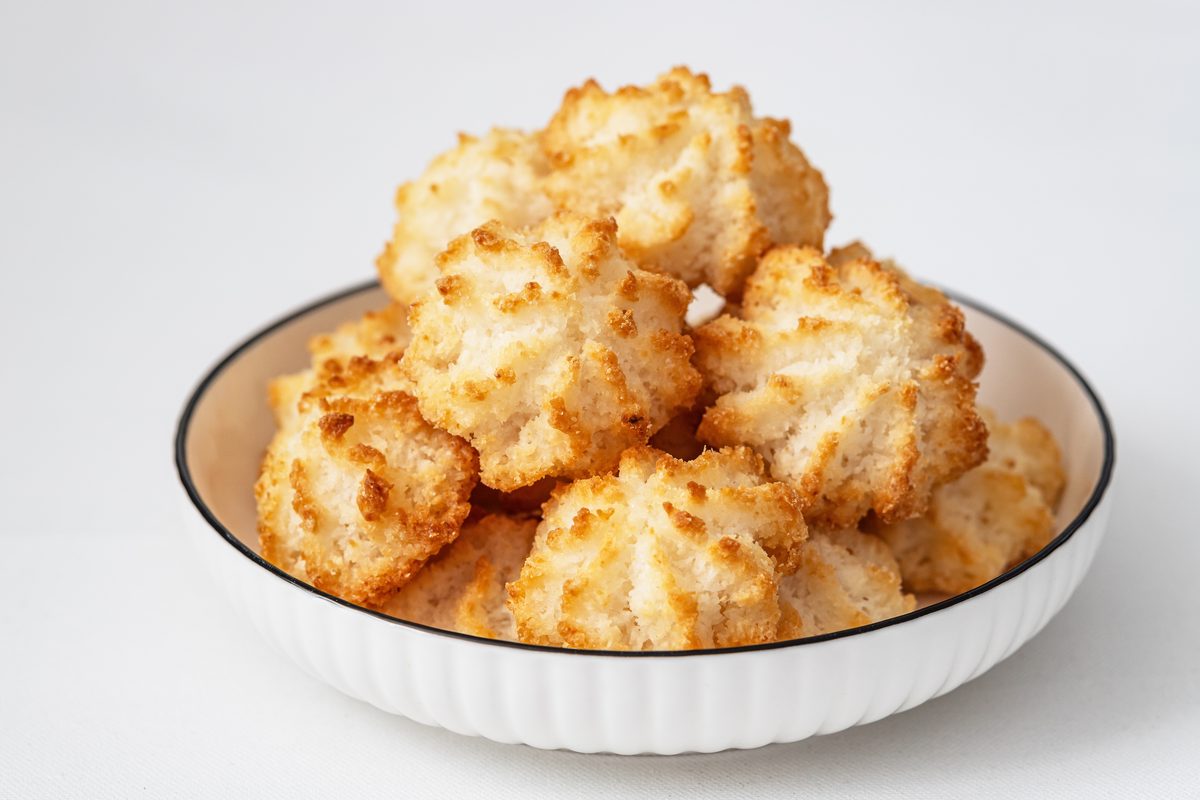
Unlike the other coconut sweets, besitos come from the bakery rather than the candy factory, so look for them next to the pan de mallorca at Puerto Rican panaderías.
Sesame, Corn and Lollipops
These are the cheap, everyday candies: the ones sold one at a time at school kiosks, festival stands and the counter of the colmado.
7Ajonjolí
Sesame brittleSometimes honeyBars
Dulce de ajonjolí is toasted sesame seed bound in hot caramelized sugar, pressed flat and cut into thin bars before it hardens. It is one of the simplest candies to make (seeds, sugar and water are enough), and one of the most addictive.
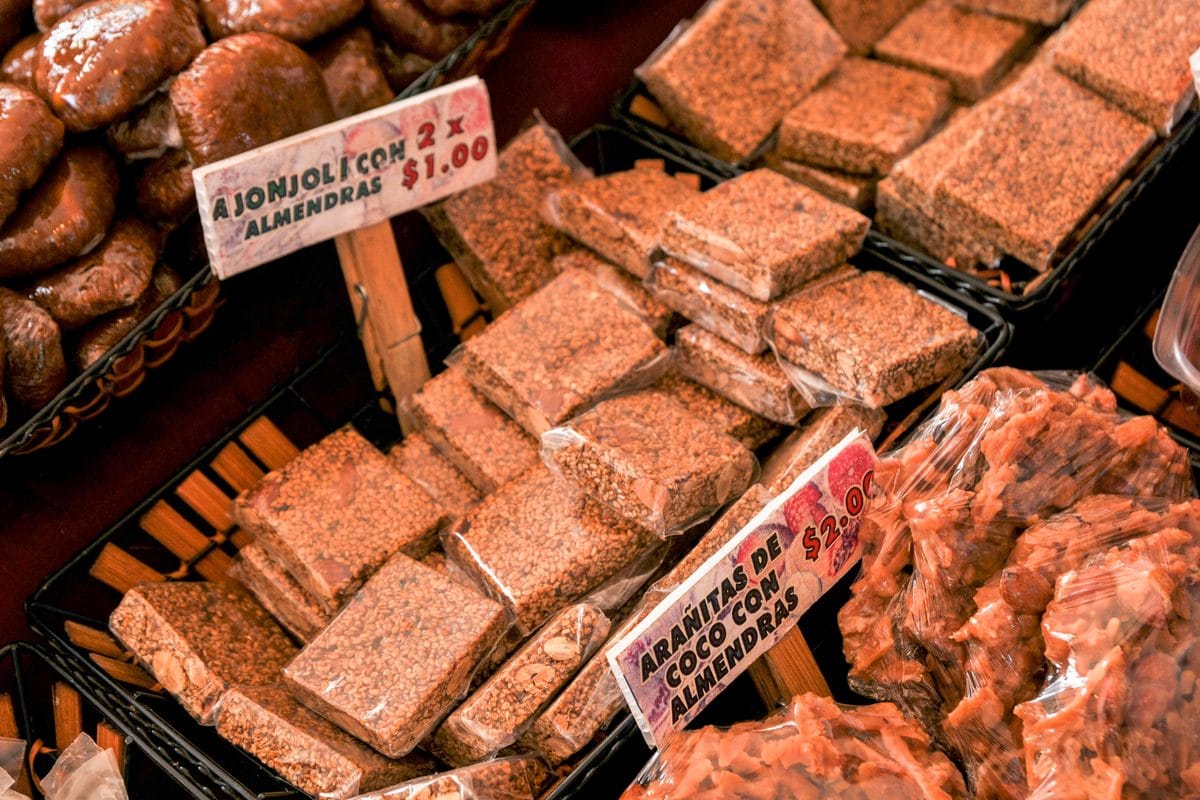
Many versions add honey, and the modern ones add almonds. Dulzura sesame with honey and almonds is the best-selling packaged version, and there is a sugar-free ajonjolí too.
8Pilones
LollipopsOrange, red, coconutKiosk classic
In Puerto Rico a lollipop is a pilón. The traditional ones are hand-poured hard candy on a stick, wrapped in clear plastic and sold by the bag. They come in strawberry, coconut and sesame, but the one most people remember is the orange pilón made with guava, honey and sesame seeds.
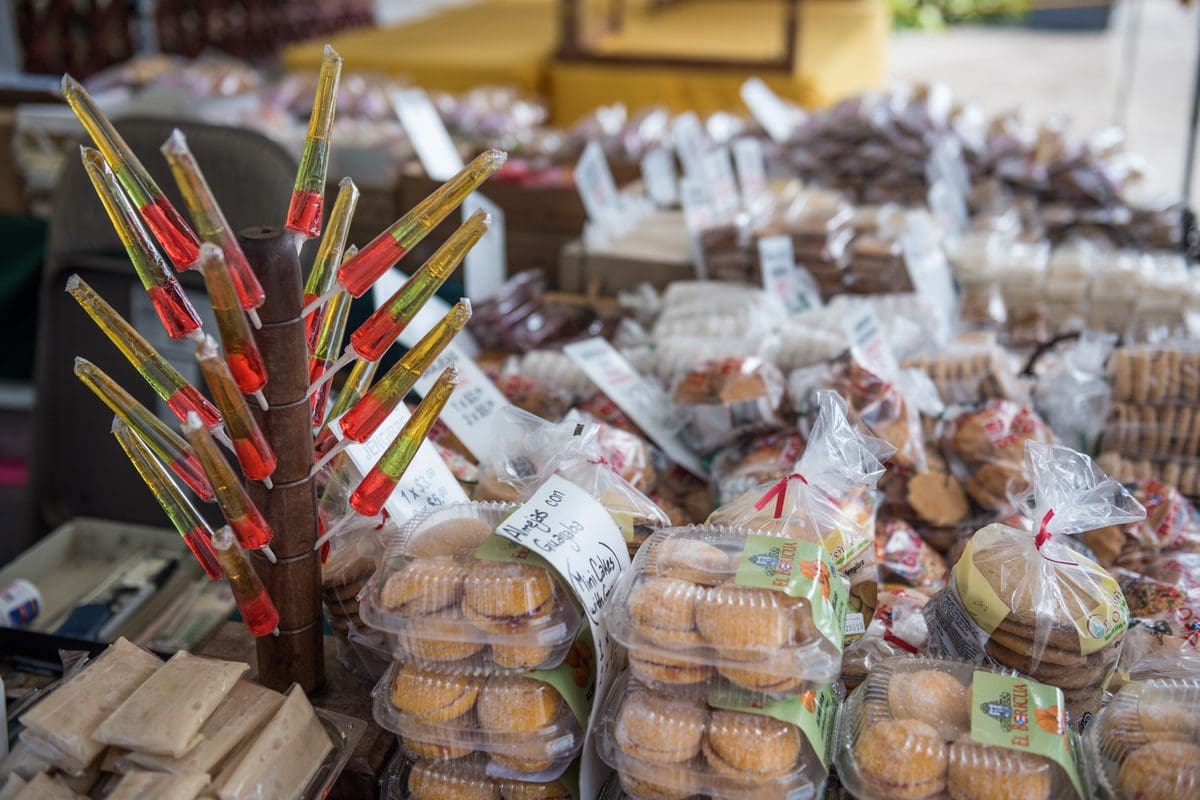
You will also see bright red pilones, some molded into little roosters (gallitos). Yes, it is the same word as the wooden pilón used to mash mofongo. Dulzura pilones are the packaged version sold in the US, and La Fe makes anise pilones the old-fashioned way.
9Gofio
Canary Islands rootsPaper cones
Gofio is toasted, finely ground corn (sometimes wheat) mixed with sugar and sold in small paper cones. You eat it as a dry powder straight from the cone, and it tastes like sweetened toasted cornbread.
It arrived with immigrants from the Canary Islands, where gofio is an everyday staple, and in Puerto Rico it became a children’s candy. Every kid has tried to say “gofio” with a mouthful of it and ended up spraying powder everywhere. It is also sold pressed into firm little bars.
Milk Fudge and Fruit Sweets
The jíbaro tradition of cooking fruit down with cane sugar gives Puerto Rico its sliceable pastes and spiced fruit preserves. Most are eaten with a slice of white cheese.
10Dulce de Leche
Milk candyOften with guava
Puerto Rican dulce de leche is not the spreadable caramel of Argentina. It is milk and sugar cooked until thick, then left to set into firm, slightly crumbly squares, a lot like old-fashioned fudge. The favorite version is layered or swirled with guava.
Try Dulzura dulce de leche or the dulce de leche with guava bites. If you were thinking of the Argentine kind, see our dulce de leche guide.
11Pasta de Guayaba
Guava pasteWith cheeseSliceable
Guava pulp is strained of its seeds and cooked with sugar until it sets into a firm, deep red block you can slice. In Puerto Rico it is almost always served with queso blanco or queso del país, a pairing so standard it is simply called pasta con queso.

For the full story and serving ideas, see our pasta de guayaba y queso guide. Goya guava paste bars are the brand most US stores carry, and Iberia guava paste is a good budget pick.
12Pasta de Naranja
Orange peelZero waste
Pasta de naranja turns orange peel, the part most people throw away, into candy. The peel is boiled two or three times in fresh water to draw out the bitterness, then cooked slowly in syrup until it is soft, glossy and chewy. It tastes like marmalade you can hold.
It is one of the eight pieces in the classic mixed box of dulces típicos, alongside ajonjolí, mampostial, dulce de coco and coco piña.
13Dulce de Lechosa
Green papayaChristmasSpiced syrup
Lechosa is the Puerto Rican word for papaya. For this sweet, firm green papaya is cut into strips or cubes and simmered with sugar, cinnamon sticks and cloves until it turns translucent and sits in its own amber syrup.

It is sold in jars and shows up on the table at Puerto Rican Christmas, usually next to a slice of white cheese. To skip the cooking, Goya dulce de papaya comes ready to serve in cans.
14Dulce de Batata
Sweet potatoOld-school
Batata, the white-fleshed tropical sweet potato, is boiled, mashed and cooked with sugar and spices until it becomes a dense, smooth paste that holds its shape. It is one of the oldest dulces típicos and a favorite of the abuelo generation, often eaten with cheese the same way as guava paste.
Who Makes Puerto Rican Candy
Dulces típicos are still made by small, mostly family-run factories around the island. Three names cover most of what you will find.
- Fábrica de Dulces La Fe: makers of the classic eight-piece assortment of wrapped candies (ajonjolí, pilón, mampostial, dulce de coco, crema de coco, coco piña, coco con jengibre and pasta de naranja). It is the box most US buyers grew up with.
- Dulzura Borincana: a family business from Moca that started in the late 1990s with three recipes (coconut, marrallo and sesame bars) and now sells dozens of products in Puerto Rico’s supermarkets, gas stations and pharmacies, plus stores across the US mainland.
- Dulces Típicos Guajíbaro: a family-run, handmade candy factory in San Sebastián that still makes, cuts and wraps its sweets by hand and ships to the diaspora.
On the island, the best candy is often sold by street vendors at fiestas patronales, crafts fairs and the waterfront Paseo de la Princesa in Old San Juan.
How to Make Dulce de Coco at Home
Dulce de coco needs only a few ingredients and about 40 minutes. Fresh coconut gives the best texture, but frozen unsweetened grated coconut works well and saves a lot of work.
You will need: 3 cups freshly grated coconut (or 12 oz frozen grated unsweetened coconut, thawed), 1½ cups sugar, ½ cup water or coconut water, 1 cinnamon stick, a 1-inch piece of fresh ginger (sliced), a pinch of salt and ½ teaspoon vanilla.
- Make the syrup. Simmer the sugar, water, cinnamon and ginger in a wide pot for 5 minutes, until the sugar dissolves and the syrup bubbles. Remove the ginger.
- Add the coconut. Stir in the coconut and salt and lower the heat to medium-low.
- Cook it down. Stir constantly for 20 to 30 minutes, until the mixture is thick, sticky and pulls away from the bottom of the pot, and a spoonful holds its shape.
- Finish. Take out the cinnamon stick and stir in the vanilla.
- Set and cut. Spread the mixture ½ inch thick in a parchment-lined 8×8 pan. Let it cool for about an hour, then cut into squares.
For dulce de coco prieto: swap half the sugar for dark brown sugar, or add 2 tablespoons of molasses with the syrup. Go one step further, with all dark brown sugar and more molasses, and you are close to mampostial.
Store the squares in an airtight container for up to a week at room temperature, or up to three weeks in the fridge. Coconut lovers should also try our tembleque, the island’s coconut pudding.
Where to Buy Puerto Rican Candy in the US
Latin grocery stores in New York, New Jersey, Connecticut, Massachusetts, Pennsylvania and Central Florida usually stock at least the Dulzura line and a box of dulces típicos. Online, these are the easiest to find:
- The classic mixed box: the La Fe assortment of Puerto Rican candies, eight wrapped pieces, or the larger Surtido de Dulces Típicos box.
- A bigger sampler: Dulzura Borincana Sabor Tropical assortment or the Taste of Paradise candy box, good as a gift.
- Coconut: bocaditos de coco, marrallo bites and coco piña.
- Sesame: ajonjolí with honey and almonds.
- Lollipops: Dulzura pilones.
- For homemade dulce de coco: Goya coconut milk makes a richer syrup if you swap it for the water.
The two easiest ways to taste a little of everything:
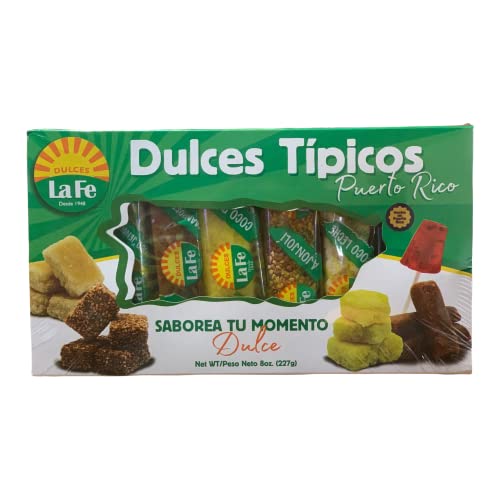
- 8 pieces of the best puerto rican sweets by Fabrica de Dulces La Fe (1 oz each piece) individually...
- Made In Puerto Rico, include Coconut-cream, coconut-giner, coconut-candy, lolipop...

- Tropical Flavor Assortment: Contains a variety of tropical fruit flavors like mango, passionfruit...
- Multicolor Packaging: Comes in a vibrant and eye-catching multicolor bag for gifting
Visiting the island: every supermarket has a dulces típicos section, and the candy is cheapest there. Airport shops carry gift boxes, but at a markup.
Frequently Asked Questions
What is the most popular candy in Puerto Rico?
Dulce de coco is the best known, followed closely by ajonjolí (sesame bars) and pilones (lollipops). All three are sold everywhere on the island, from supermarkets to festival stands.
What are dulces típicos?
Dulces típicos are Puerto Rico’s traditional candies: coconut, sesame, guava, papaya, sweet potato and milk sweets made with cane sugar or molasses. Many started as homemade sweets in the countryside and are now made by small local factories.
What is the difference between mampostial and dulce de coco?
Both are grated coconut cooked with a sweetener. Dulce de coco uses white or light brown sugar and stays pale and chewy. Mampostial (marrallo) is cooked with dark molasses, so it is nearly black, stickier and tastes like molasses toffee.
What is a pilón candy?
A pilón is a Puerto Rican lollipop: hard candy on a stick, sold individually wrapped. The classic is orange, made with guava, honey and sesame seeds, but there are strawberry, coconut, red raspberry and rooster-shaped versions too.
What is gofio candy?
Gofio is finely ground toasted corn (or wheat) mixed with sugar and eaten as a powder from a paper cone. It came to Puerto Rico from the Canary Islands and became a classic children’s candy.
What Puerto Rican candy should I bring back from the island?
A mixed box of dulces típicos is the safest gift because it travels well and covers the classics. Add a bag of pilones and a few ajonjolí bars, and buy them at a supermarket rather than the airport for the best price.
More Puerto Rican Food to Explore
Puerto Rican candy tells the island’s story in sugar: coconut from the coast, molasses from the cane fields, fruit from the jíbaro’s backyard and gofio from Canary Island settlers. If you have a sweet tooth, keep going:
- Puerto Rican desserts, from flan to tres leches
- Tembleque, the coconut pudding
- Arroz con dulce, spiced coconut rice pudding
- Coquito, the Christmas coconut drink
- Puerto Rican dessert recipes, all in one place
- Latin American cookies and sweets from every country
- Ecuadorian candy, if you want to compare
- Puerto Rican food: 40 dishes to know
- All Puerto Rican food on AmigoFoods
More Puerto Rican Foods
See all →
Jorge Garcia is the founder of AmigoFoods, where he has spent over 20 years helping readers discover authentic Latin American and Spanish cuisine. Raised in a Cuban-American household, Jorge learned to cook at the hands of his mother and grandmother, carrying forward generations of family recipes. That heritage, backed by his family’s four-generation history in the Latin food industry, inspired him to launch AmigoFoods in 2003. With more than 1,000 published articles on recipes, ingredients, and food culture, Jorge’s mission is simple: make authentic Latin cooking approachable for home cooks everywhere while honoring the traditions behind every dish.