
On this page
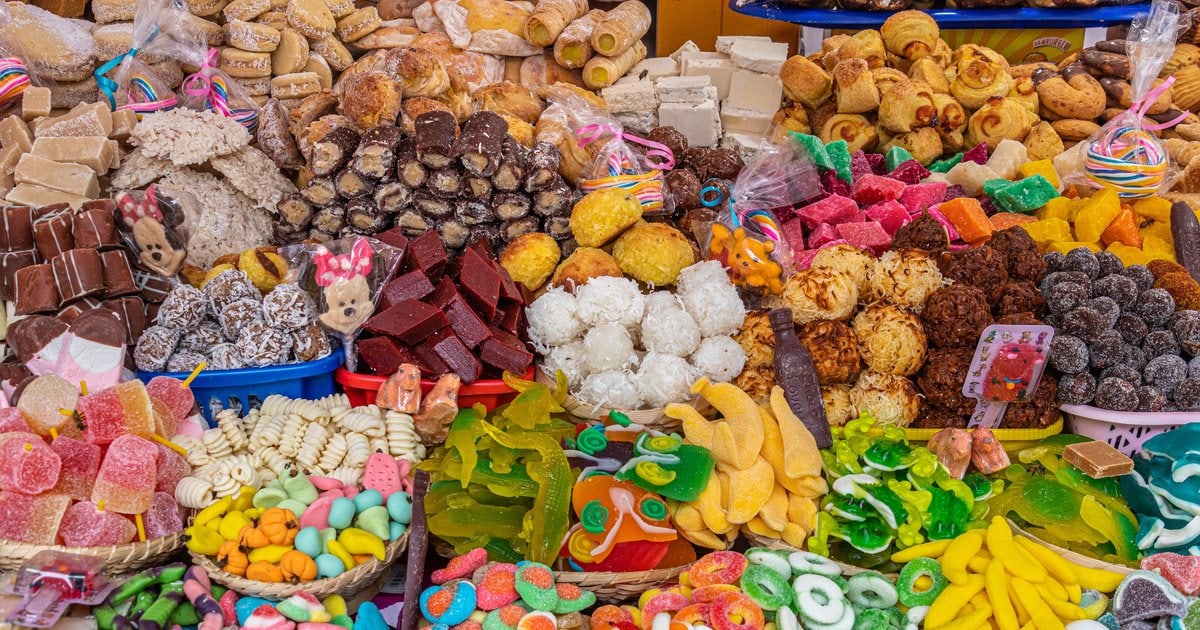
Ecuadorian candy falls into two camps. There are the packaged favorites every Ecuadorian kid grew up with, led by Manicho, the peanut chocolate bar La Universal has made in Guayaquil since 1911. And there are the handmade sweets of Quito’s old town and the provinces: colaciones, mistelas, panela-coated peanuts and the pulled sugarcane taffy of Baños. Here are 15 of them, who makes each one, and how to find them in the US.
Ecuadorian Candy at a Glance
Buying tip: packaged brands like Manicho and Tango turn up in Latin groceries and online; handmade sweets like colaciones and mistelas are almost impossible to find outside Ecuador, so they are the ones to bring back in your suitcase.
| Candy | What it is | Who makes it / where |
|---|---|---|
| Manicho | Milk chocolate bar packed with peanuts | La Universal, Guayaquil |
| Tango | Chocolate-covered cream sandwich cookie | Nestlé, made in Ecuador |
| Galak | White chocolate with crisped rice | Nestlé |
| Nucita | Swirled chocolate-and-milk spread in tiny cups | Colombian import |
| Globo Pop & Confiteca candy | Lollipops, gum and sour candy | Confiteca, Quito |
| Pacari | Award-winning organic bean-to-bar chocolate | Pacari, Quito |
| Arriba Nacional bars | Single-origin bars from Ecuador’s native cacao | Several makers |
| Colaciones | Sugar-shelled peanut balls | Quito, since 1915 |
| Mistelas | Thin sugar shells filled with liqueur | Quito |
| Maní de dulce | Peanuts candied in panela | Quito, street carts |
| Caca de perro | Toasted corn coated in panela | Quito |
| Chispiolas | Popcorn bound with panela syrup | Quito |
| Melcochas | Pulled sugarcane taffy | Baños |
| Cocadas | Coconut and panela candy | Esmeraldas, coast |
| Dulce de guayaba | Chewy guava paste bars | Nationwide |
Packaged Favorites From the Corner Store
Walk into any tienda in Ecuador and these are at the register. Several are made by multinationals, but Ecuadorians treat them as their own, and the diaspora in New York, New Jersey and Spain hunts for them by name.
1Manicho
La Universal, GuayaquilSince 1911Chocolate bar
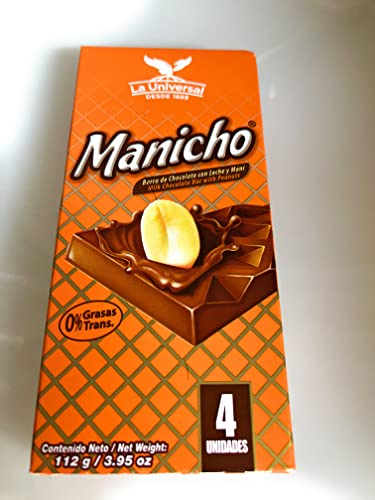
Manicho is the closest thing Ecuador has to a national candy bar: milk chocolate packed with roasted peanuts. Its maker, La Universal, was founded in Guayaquil in 1889 and launched Manicho in 1911 alongside two other long-running brands, Huevitos and Cocoa Universal, the cocoa powder many Ecuadorian families still use for hot chocolate.
The company’s portfolio also includes Menta Glacial and Leche y Miel candies. In 2026 it released Manicho Fuego, a version with ají from Imbabura province, and Colombia’s Grupo Nutresa agreed to buy La Universal the same year. If you only try one Ecuadorian candy, make it a Manicho.
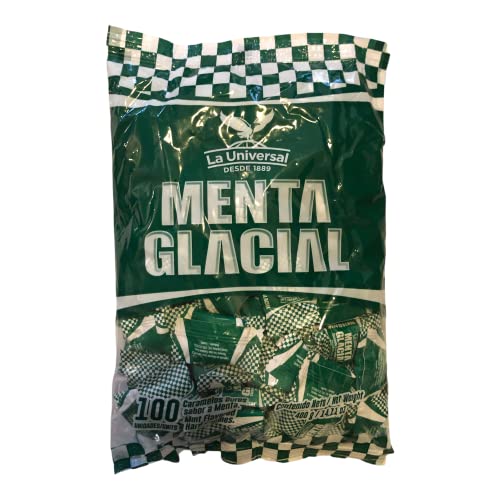
Two other La Universal classics are easy to find in the US too: Cocoa La Universal, the sweetened cocoa powder for hot chocolate, and Menta Glacial mints.

2Tango
Nestlé, made in EcuadorLunch boxesCookie
Tango is two vanilla cookies sandwiched with cream and coated in chocolate, closer to a candy bar than a cookie. There is also Tango Blanco, coated in a white, milk-flavored layer. It is a lunch-box and corner-store staple all over the country. Importers sell it in the US, though stock comes and goes.

- Tango Ecuador
- Mini tango Ecuador
3Galak
NestléSold across Latin AmericaChocolate bar
Galak is a white chocolate bar with crisped rice, sold across Latin America but especially loved in Ecuador. The crunchy rice makes it lighter than a plain white bar.

- Milk Chocolate: Made with milk chocolate for a creamy, smooth flavor.
- White Chocolate: Contains white chocolate for a sweet, rich taste.
4Nucita
Colombian brandSnack timeSpread
Nucita is a Colombian product, not an Ecuadorian one, but it is so common in Ecuador that it belongs on this list. It comes in tiny cups of swirled chocolate and milk cream, eaten with a little spoon or spread on crackers and cookies. Kids like to mix the colors before eating.

- NUCITA TRISABOR: Experience the ultimate fusion of chocolate, vanilla, and strawberry in one super...
- GREAT VALUE: This 7.9-ounce box includes 16 individual pieces, perfect for sharing or enjoying on...
5Globo Pop and Confiteca Candy
Confiteca, QuitoAny timeLollipops, gum, sour candy
Confiteca is the Ecuadorian candy company behind several kids’ favorites, including Globo Pop lollipops, Boogie bubble gum and Super Hiper Ácido sour candy. Based in Quito, it also makes candy in Peru, so you may recognize some of the brands from there too.
Ecuadorian Chocolate
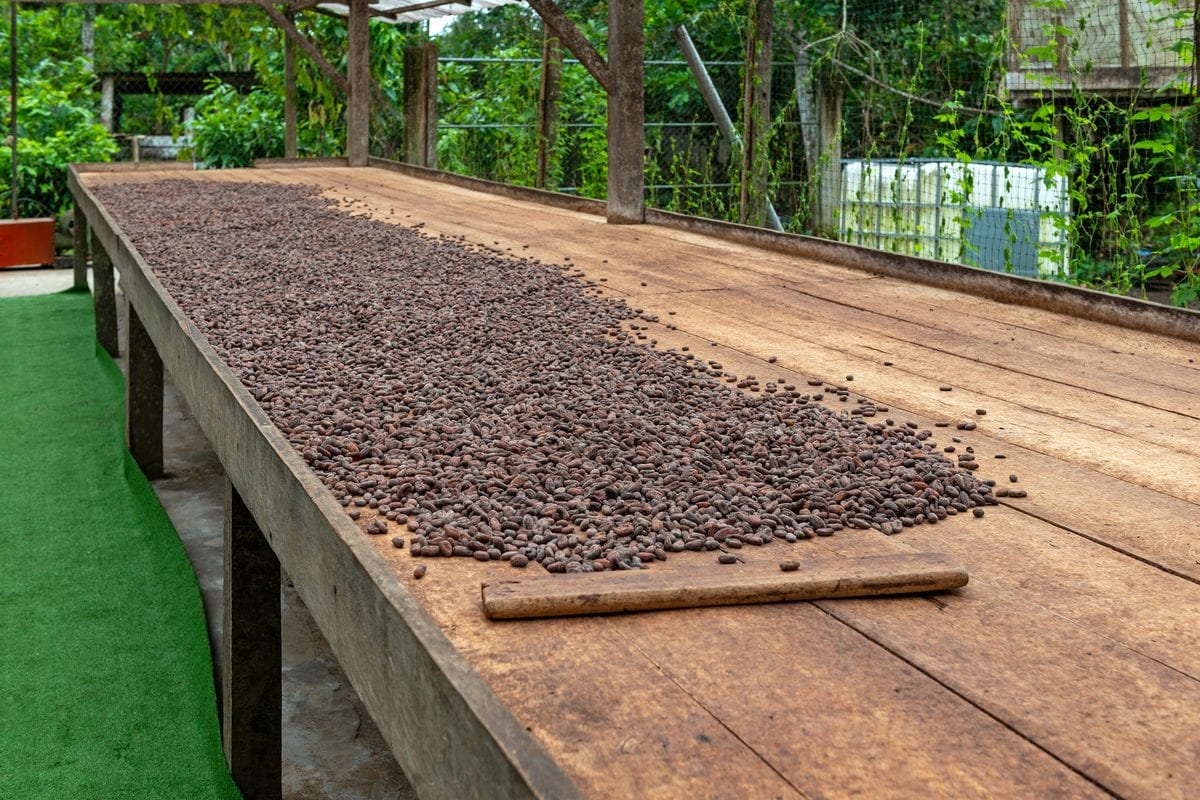
Ecuador grows Arriba Nacional, a native cacao known for its floral, fruity aroma, and is one of the world’s biggest sources of fine-flavor cacao. For most of the 20th century the beans were shipped abroad and turned into other countries’ chocolate. That changed in the 2000s.
6Pacari
Pacari, QuitoFounded 2002Organic bean-to-bar
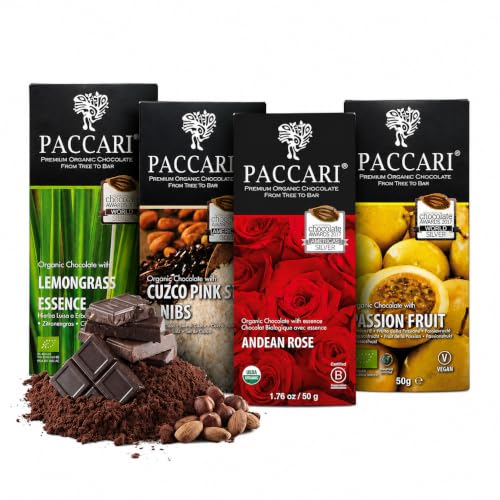
Pacari was founded in Quito in 2002 by Santiago Peralta and Carla Barbotó to make chocolate in Ecuador from Ecuadorian beans, rather than exporting the cacao. It works directly with farming families, makes organic bars, and has collected hundreds of international chocolate awards. Its flavored bars use Andean ingredients such as rose, hierbaluisa (lemongrass), passion fruit, chile and sea salt.
Pacari is the easiest Ecuadorian chocolate to find in the US. Pacari bars on Amazon include the classic dark bars and the flavored line.
- HEALTHY DARK CHOCOLATE OPTION: Organic raw cacao from tree to bar. A pure indulgence for those...
- PURE CACAO DARK CHOCOLATE – Crafted bean-to-bar in Ecuador, this vegan chocolate bar delivers rich...
7Arriba Nacional Craft Bars
Coast and Amazon cacaoYear-roundSingle-origin chocolate
Pacari opened the door for a wave of Ecuadorian bean-to-bar makers, from República del Cacao and Hoja Verde to luxury producer To’ak. Many foreign craft makers also sell single-origin Ecuador bars, labeled by province (Esmeraldas, Manabí, Los Ríos). Look for “Arriba Nacional” or “Nacional” on the label if you want the native variety. One easy one to find is the US maker Ritual Chocolate’s Ecuador single-origin 75% bar.
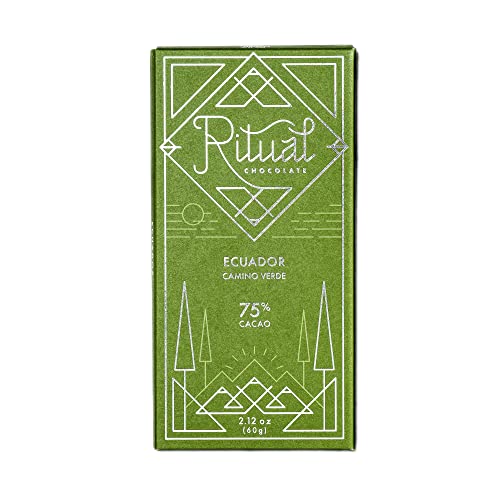
- Dark Chocolate: Made with 75% cocoa dark chocolate for a rich, intense flavor.
- Single Origin: Sourced from a single origin in the Dominican Republic for unique flavor.
At home, Ecuadorians drink as much chocolate as they eat: hot chocolate made from pure cacao tablets, often with a piece of cheese. See where chocolate fits among Ecuadorian desserts.
Traditional Handmade Candy
The oldest Ecuadorian candies are made by hand, many of them in the confiterías of Quito’s historic center, around Rocafuerte and García Moreno streets and the Cruz Verde neighborhood. Panela, the unrefined cane sugar Ecuador grows in abundance, is in almost all of them.
8Colaciones
QuitoSince 1915 at Cruz VerdeSugar-shelled peanuts
Colaciones are small white balls of crunchy sugar with a roasted peanut at the center. The best-known maker, Colaciones de la Cruz Verde in Quito’s old town, has been run by the same family since Hortensia Espinosa opened it in 1915. The peanuts go into a bronze pan swung back and forth over embers for about three hours while sugar syrup is added a little at a time, building up layer after layer of shell.
The name comes from colación, a snack: parents used to send children to school with a few in their pockets. Almond and walnut versions exist too.
9Mistelas
QuitoChristmas and celebrationsLiqueur-filled candy
Mistelas look like little glassy pillows of sugar, and they crack open to release a splash of liqueur. Confectioners pour hot sugar into molds pressed into trays of rice flour and fill the shells before they harden. Traditional fillings were fruit liqueurs; today you will find rum, whisky and even passion-fruit mojito versions. In Cuenca the word mistela also means a sweet fruit liqueur served to guests, a different thing from the Quito candy.
10Maní de Dulce (Garrapiñada)
Quito street cartsYear-roundCandied peanuts
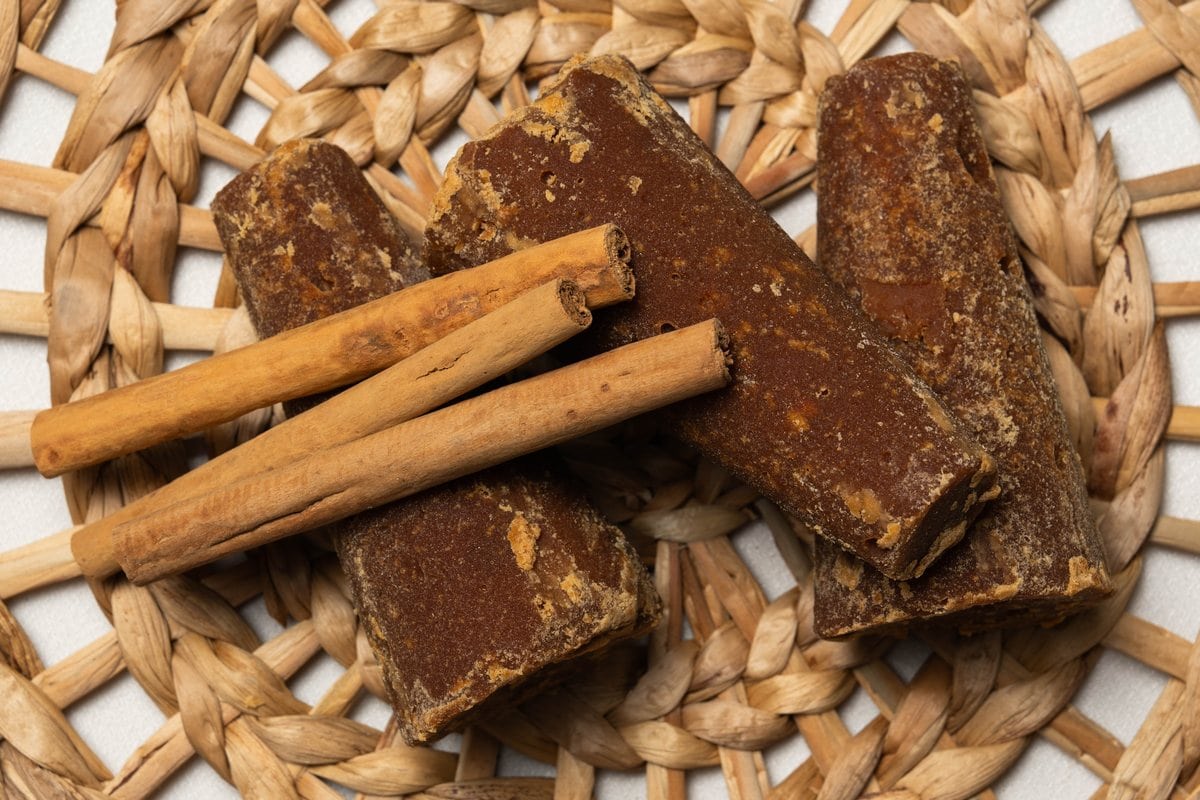
Peanuts stirred in a pan with panela and water until the syrup crystallizes into a sandy, caramel-brown coating. Street vendors in Quito’s historic center still make them in big pailas (wide metal pans), and the smell of hot panela is how you find them. They are easy to make at home; see the method below.
11Caca de Perro
QuitoYear-roundCandied toasted corn
Yes, the name means dog poop, and Quiteños find that very funny. It is toasted corn (tostado) coated in melted panela, sometimes with peanuts mixed in, which clumps into dark, irregular pieces. It is crunchy, sweet and a little salty, and sold by the bag in old-town candy shops.
12Chispiolas
QuitoYear-roundPopcorn candy
Chispiolas are popcorn (canguil in Ecuador) bound together with panela syrup into crunchy clusters or balls. They sit next to colaciones and caca de perro in the same confiterías and are one of the cheapest sweets you can buy there.
13Melcochas de Baños
Baños de Agua SantaYear-roundPulled taffy
In the spa town of Baños, candy makers boil sugarcane syrup until thick, then throw it over a wooden peg in the shop doorway and pull it again and again until it turns pale gold and chewy. It is cut into sticks and wrapped in paper, sometimes with peanuts or a little lime. Watching it being pulled is half the fun. More in our Ecuadorian desserts guide.
14Cocadas
Esmeraldas and the coastYear-roundCoconut candy
On the Pacific coast, grated coconut is cooked with panela until it clumps into chewy, dark-gold candies, sold from baskets on beaches and at bus stops. Versions made with white sugar are paler and sweeter. The method is close to our cocadas recipe; use panela for the Ecuadorian flavor.
15Dulce de Guayaba
NationwideYear-roundFruit candy
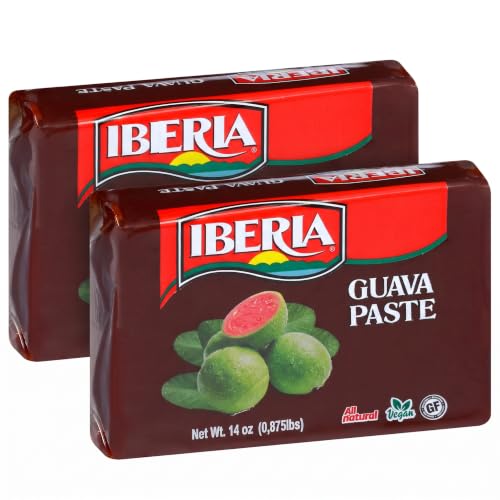
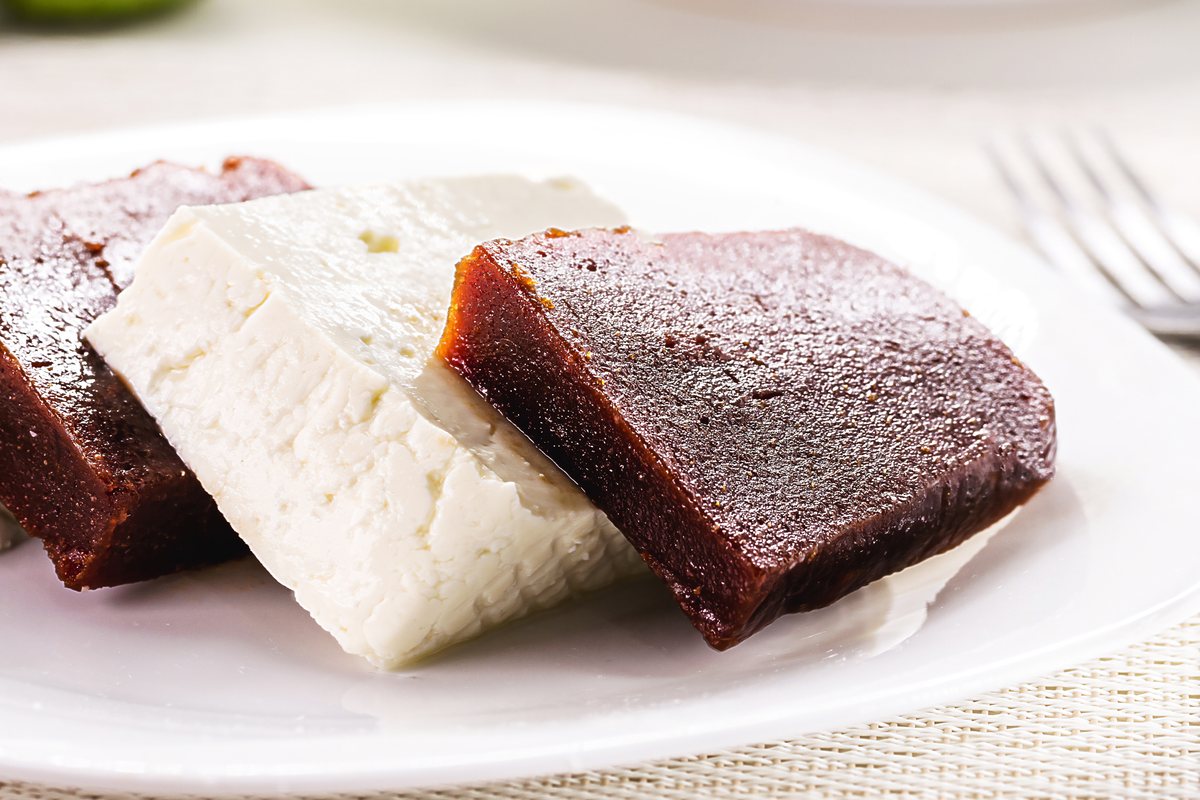
Guava cooked down with sugar until it sets into dense, chewy bars, sold wrapped in slabs in markets and shops. Ecuadorians eat it as candy, with a slice of fresh cheese, or tucked inside guaguas de pan. In the US, a Latin-style guava paste bar is the closest match.
- The information below is per-pack only
- TRADITIONAL LATIN FLAVOR: Experience the sweet and tangy taste of real guava, a staple in Caribbean...

Make Maní de Dulce at Home
Of all the handmade candies, maní de dulce is the one you can make in 20 minutes with things you can buy anywhere. You need 2 cups raw peanuts (skins on or off), 1 cup grated panela (or packed dark brown sugar), 1/2 cup water and a pinch of salt.
- Put everything in a wide, heavy skillet over medium heat and stir until the panela dissolves.
- Keep stirring as it boils. After 8 to 10 minutes the syrup thickens and starts to look grainy.
- Lower the heat and keep stirring: the syrup crystallizes and clings to the peanuts as a dry, sandy coating.
- For the glossier Quito style, keep stirring over low heat a few minutes longer until part of the coating melts again and shines.
- Spread on a baking sheet to cool completely, then break up any clumps. They keep two weeks in a sealed jar.
Want to know more about panela? Our guide to panela explains how it is made and how to swap it.
Where to Buy Ecuadorian Candy in the US
Latin groceries in neighborhoods with large Ecuadorian communities (Queens and the Bronx in New York, northern New Jersey, Chicago, Minneapolis) usually stock Manicho, Tango and other Ecuadorian snacks near the register. Small online shops that import Ecuadorian products also sell candy assortments. On Amazon, these searches are the quickest way in:
- Manicho: Manicho chocolate bars, often sold in multipacks.
- Tango: Nestlé Tango cookies, classic and Tango Blanco.
- Pacari: Pacari organic chocolate bars.
- Guava paste: Iberia guava paste for dulce de guayaba with cheese.
- Panela: Iberia panela for maní de dulce, cocadas and chispiolas at home.
- Everything else: our Ecuadorian foods list on Amazon.

Not on Amazon: Confiteca’s Globo Pop lollipops and gum, and the handmade sweets (colaciones, mistelas, caca de perro, chispiolas, melcochas and Ecuadorian cocadas). Look for them in Ecuadorian groceries, or bring them back from Quito and Baños.
As an Amazon Associate, AmigoFoods earns from qualifying purchases.
Frequently Asked Questions
What is the most popular candy in Ecuador?
Manicho, La Universal’s milk chocolate bar with peanuts, is the most iconic. Tango cookies, Galak and Confiteca’s lollipops and gum are close behind among packaged candy, and colaciones are the best-known traditional sweet.
Who makes Manicho?
La Universal, a Guayaquil company founded in 1889 that launched Manicho in 1911. In 2026 Colombia’s Grupo Nutresa agreed to buy La Universal; the Manicho brand continues.
What are colaciones?
Small, crunchy white candies made by coating roasted peanuts in layer after layer of sugar syrup in a swinging bronze pan. They are a Quito tradition, and the Cruz Verde family workshop has made them since 1915.
Is Nucita Ecuadorian?
No. Nucita is a Colombian brand, but it has been sold in Ecuador for so long that many Ecuadorians consider it part of their childhood candy.
What candy should I bring back from Ecuador?
Bring the things you cannot buy abroad: colaciones and mistelas from Quito’s old town, melcochas from Baños, and a few Pacari or other single-origin chocolate bars. Manicho is a good add, though it travels badly in hot weather.
More Ecuadorian Food to Explore
- 25 Ecuadorian desserts, from higos con queso to Christmas pristiños
- Ecuadorian street food, the salty side of the corner store
- Chifles, Ecuador’s favorite plantain chips
- Ecuadorian ingredients and how to cook with them
- 25 traditional Ecuadorian dishes
- Puerto Rican candy, to compare the Caribbean side
Ecuadorian candy tells the country’s story in sugar: Guayaquil’s century-old chocolate factory, Quito’s family confiterías, the cane fields around Baños and some of the finest cacao in the world. Start with a Manicho, then hunt down a bag of colaciones.
More Ecuadorian Foods
See all →
Jorge Garcia is the founder of AmigoFoods, where he has spent over 20 years helping readers discover authentic Latin American and Spanish cuisine. Raised in a Cuban-American household, Jorge learned to cook at the hands of his mother and grandmother, carrying forward generations of family recipes. That heritage, backed by his family’s four-generation history in the Latin food industry, inspired him to launch AmigoFoods in 2003. With more than 1,000 published articles on recipes, ingredients, and food culture, Jorge’s mission is simple: make authentic Latin cooking approachable for home cooks everywhere while honoring the traditions behind every dish.