

The best cotija cheese substitute is feta for crumbled cotija and Parmesan for grated cotija. Both are salty, dry enough to stay put on hot food, and sold in almost every supermarket. For something milder, use queso fresco with a pinch of salt. For a dairy-free version, a 10-minute crumble of toasted cashews and nutritional yeast does the job.
Cotija Substitutes at a Glance
| Substitute | Closest to | Swap | Best for |
|---|---|---|---|
| Feta | Young, crumbly cotija | 1:1 | Tacos, salads, beans, enchiladas |
| Parmesan | Aged, grated cotija | ¾ as much | Elote, esquites, pasta, soup |
| Pecorino Romano | Well-aged cotija | ½ as much, then taste | Elote, esquites |
| Ricotta salata | Young cotija | 1:1 | Salads, tacos, fruit with chile |
| Queso fresco | Young cotija, much milder | 1:1 plus a pinch of salt | Enchiladas, chilaquiles, beans |
| Queso añejo | Aged cotija | 1:1 | Any recipe that calls for aged cotija |
| Grana Padano | Aged, grated cotija | ¾ as much | Elote, pasta, soup |
| Aged goat cheese | Young cotija | 1:1 | Salads, tacos |
| Vegan crumble | Young, crumbly cotija | 1:1 | Tacos, salads, elote |
AmigoFoods may earn a commission from qualifying Amazon purchases made through links on this page.
The 9 Best Cotija Cheese Substitutes
Cotija comes in two styles, and the right swap depends on which one your recipe means. Young cotija is moist and crumbly, a lot like a dry feta. Aged cotija is hard enough to grate, like Parmesan. If the recipe says “crumbled,” start with feta, ricotta salata or queso fresco. If it says “grated,” reach for one of the hard cheeses. Our cotija cheese guide covers both styles in more depth.

1. Feta (Best Overall)

Feta is the closest everyday match for crumbly cotija. Both are white, salty and tangy, and both soften on hot food without melting. Feta is creamier and a little more sour because it is cured in brine, so drain it, pat it dry and crumble it finely. A firm block crumbles more like cotija than a very soft, creamy one.
- Swap: 1:1
- Texture: crumbly, a little creamier than cotija
- Flavor: salty, tangy and more sour than cotija
- Best for: tacos, tostadas, salads, beans, enchiladas and fruit with chile and lime
2. Parmesan
Parmesan is the best match for aged cotija, which is why cotija is often called the Parmesan of Mexico. It is dry, salty and nutty, and it grates into the same fine snow. It is also saltier and more savory, so start with about three-quarters as much. Buy a wedge rather than a shaker of pre-grated cheese, which is too powdery to cling to corn. Grate it with a Microplane, or with a rotary cheese grater when you are feeding a crowd.
- Swap: ¾ as much
- Texture: hard; grates finely
- Flavor: saltier, nuttier and more savory than cotija
- Best for: elote, esquites, pasta, soups and any recipe that says “grated cotija”
3. Pecorino Romano
Pecorino Romano is a hard Italian sheep’s milk cheese, sharper and saltier than Parmesan. That bite makes it a good stand-in for well-aged cotija, but it is easy to overdo. Use half as much as the recipe’s cotija, taste, and add more only if the dish needs it. Half Pecorino and half Parmesan is gentler and works well on corn.
- Swap: ½ as much, then taste
- Texture: hard; grates finely
- Flavor: very salty and sharp
- Best for: elote, esquites and bean soups
4. Ricotta Salata
Ricotta salata is ricotta that has been pressed, salted and aged until it is firm enough to crumble or grate. It has young cotija’s dry, crumbly texture with a cleaner, milkier flavor, and it is less tangy than feta. It is still a salted cheese, so taste the dish before you add more salt. Look for it with the Italian cheeses.
- Swap: 1:1
- Texture: firm, dry crumbles; grates when cold
- Flavor: mild, milky and salty
- Best for: salads, tacos, black beans and fruit with chile and lime
5. Queso Fresco
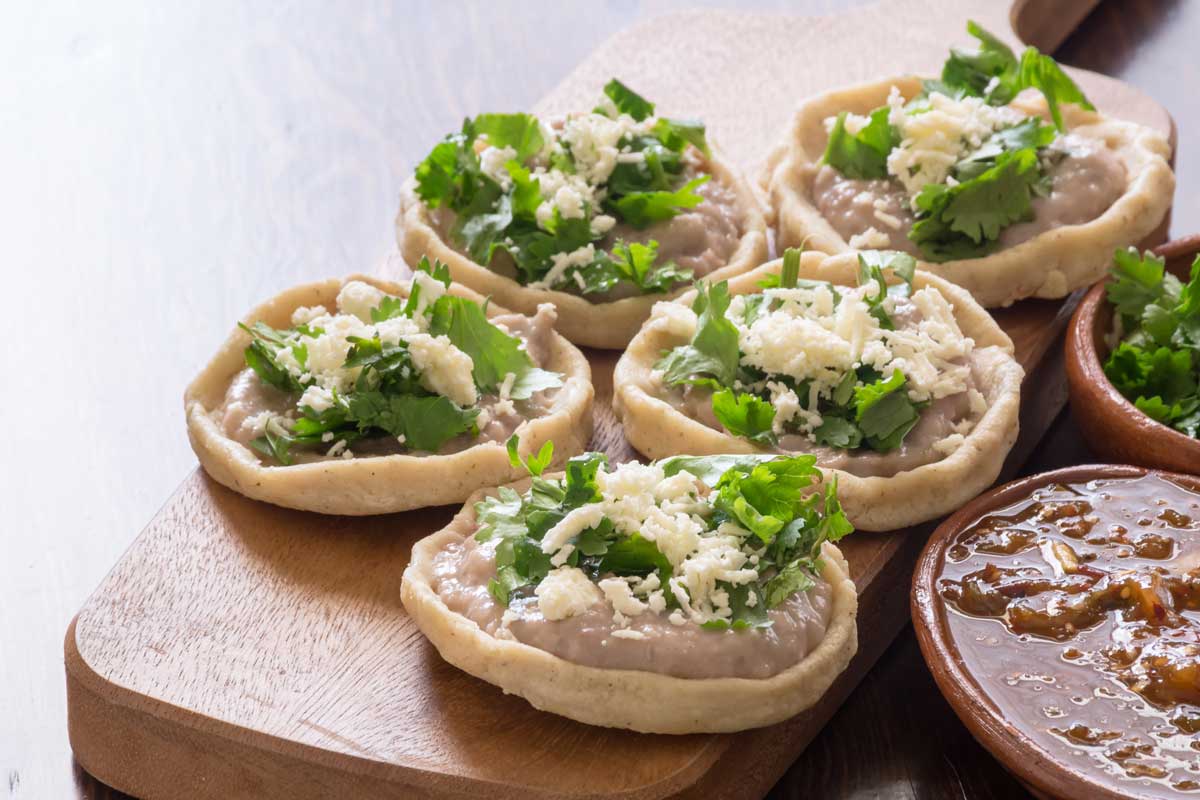
Queso fresco is the most common swap in Mexican kitchens and the easiest Mexican cheese to find in U.S. supermarkets. It looks like young cotija, but it is fresh, moist and mild rather than aged and salty, so add a pinch of salt to the dish to make up the difference. Crumble it with your fingers; it is too soft to grate.
- Swap: 1:1 plus a pinch of salt
- Texture: soft, moist crumbles
- Flavor: mild, milky and lightly salty
- Best for: enchiladas, chilaquiles, refried beans, sopes and soups. It is too soft and mild for elote.
6. Queso Añejo
Queso añejo means “aged cheese,” and it is often aged cotija sold under another name. That makes it the most authentic swap, with the same dry, salty bite. The catch is that a store with no cotija usually has no añejo either, so it helps most when your market only carries young cotija and the recipe wants the hard, grating kind. Some versions, labeled queso añejo enchilado, are rolled in chile powder, which adds color and mild heat.
- Swap: 1:1
- Texture: firm and dry; grates
- Flavor: salty, sharp and milky
- Best for: any recipe that calls for aged or grated cotija
- Where to find it: Mexican markets, next to the cotija
7. Grana Padano
Grana Padano is a milder, less expensive cousin of Parmesan. It is made from cow’s milk, aged for a shorter time and grates the same way. Because it is a little less salty and less sharp, it is a good pick when Parmesan tastes too strong on a delicate dish.
- Swap: ¾ as much
- Texture: hard; grates finely
- Flavor: nutty and milder than Parmesan
- Best for: elote, pasta and soups
8. Aged, Crumbly Goat Cheese
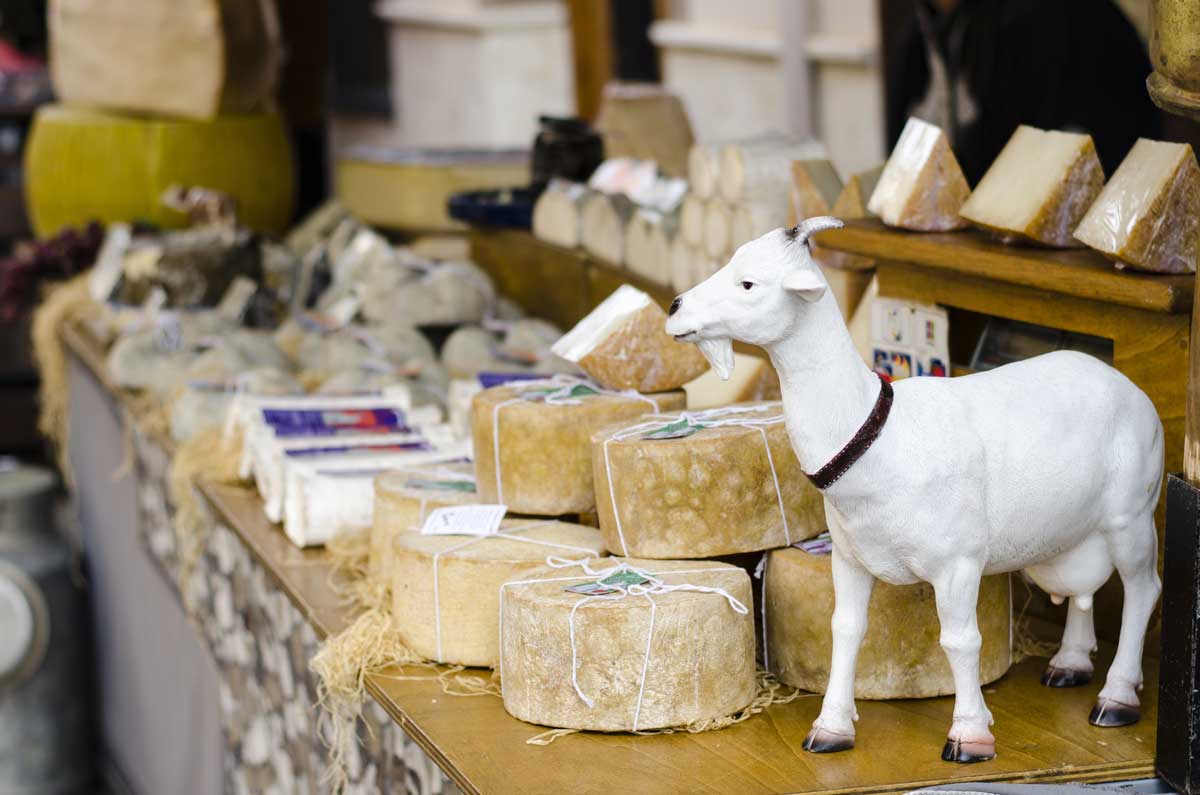
A firm, aged goat cheese gives you cotija’s salty tang with an earthier, grassier flavor. Look for one labeled aged or semi-cured (many Spanish goat cheeses fit) and crumble it while it is cold. Avoid soft, fresh chèvre, which smears instead of crumbling.
- Swap: 1:1
- Texture: firm crumbles when cold
- Flavor: tangy and earthy
- Best for: salads, tacos and roasted vegetables
9. Vegan “Cotija”
For a dairy-free version, a quick crumble of toasted cashews, nutritional yeast and salt gives you cotija’s salty, savory finish. It is closest to young, crumbled cotija. The full recipe is below.
- Swap: 1:1
- Texture: coarse, dry crumbs
- Flavor: salty, nutty and savory
- Best for: tacos, salads and elote
Best Substitute for Cotija on Street Corn
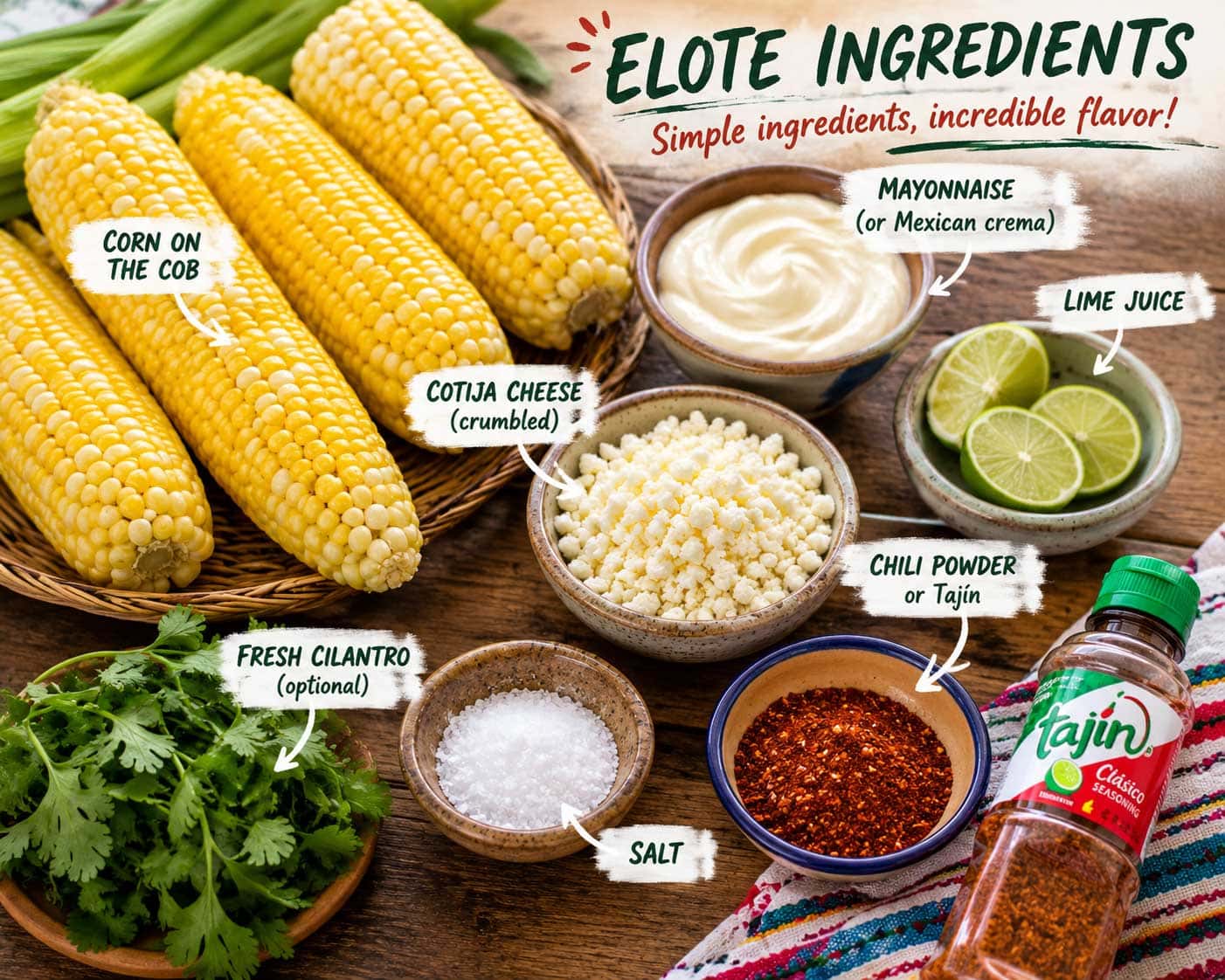
For elote and esquites, the cheese has to be dry and salty enough to cling to the mayonnaise or crema without melting on the hot corn.
- Best: finely grated Parmesan, or half Parmesan and half crumbled feta for the closest texture.
- Good: Pecorino Romano at half the amount, ricotta salata or queso añejo.
- In a pinch: crumbled feta alone, patted very dry.
- Skip: queso fresco and shredded melting cheeses, which go soft and slide off.
Finish the corn with chile powder or Tajín (Tajín Clásico is the classic bottle) and a squeeze of lime. Parmesan and Pecorino are saltier than cotija, so skip any extra salt.

Cotija vs. Feta: Is Cotija Just Feta?
No. They look alike and can stand in for each other, but they are different cheeses from different countries, made from different milk.
| Cotija | Feta | |
|---|---|---|
| Country | Mexico | Greece |
| Milk | Cow | Sheep, or sheep and goat |
| Aging | Aged dry, weeks to months | Cured in brine |
| Texture | Dry and crumbly; hard when aged | Moist, creamy crumbles |
| Flavor | Salty, milky; nutty when aged | Salty, tangy, briny |
| Grates? | Yes, when aged | No |
That last row is the practical difference: feta can replace crumbled cotija, but for grated cotija you need a hard cheese like Parmesan.
Vegan Cotija Substitute
This crumble takes about 10 minutes and works on elote, tacos and salads. It is closest to young, crumbled cotija.
Ingredients
- ½ cup raw cashews or blanched almonds (or roasted salted cashews, with the salt below cut to a pinch)
- 2 tablespoons nutritional yeast
- ½ teaspoon fine salt
- ¼ teaspoon garlic powder
- 1 teaspoon lime juice (optional)
Steps
- Toast raw nuts in a dry skillet over medium heat, stirring often, until lightly golden, 4 to 5 minutes. Let them cool completely, because warm nuts turn pasty.
- Pulse the nuts, nutritional yeast, salt and garlic powder in a food processor in short bursts until they look like coarse crumbs. Stop before it turns into nut butter.
- Stir in the lime juice, if using, and taste for salt.
- Sprinkle it on just before serving so it stays dry and crumbly.
For a softer crumble closer to queso fresco, press extra-firm tofu, crumble it and toss it with lime juice and salt. Several brands also sell plant-based feta, which crumbles well.
Cheeses That Don’t Work Well
- Melting cheeses such as Monterey Jack, Chihuahua, Oaxaca or mozzarella. They melt into strings instead of staying crumbly.
- Cheddar. The flavor is too different, and it turns oily on hot food.
- Fresh soft cheeses like cream cheese or fresh goat cheese, which smear instead of crumble.
- Panela. It is mild and springy and doesn’t crumble finely.
Cotija Substitute FAQ
What is the closest cheese to cotija?
Feta is the closest for young, crumbly cotija, and Parmesan is the closest for aged, grated cotija. Among Mexican cheeses, queso añejo is the closest, since it is often aged cotija.
Can I use Parmesan instead of cotija?
Yes. It is the best swap for grated cotija on elote, esquites and pasta. Use a little less, because Parmesan is saltier and stronger.
Can I use queso fresco instead of cotija?
Yes, on enchiladas, beans and chilaquiles. It is much milder and moister, so salt the dish a little more. It is too soft for elote.
What cheese can I use for Mexican street corn if I can’t find cotija?
Finely grated Parmesan, or Parmesan mixed with crumbled feta. See the street corn section for more options.
Is there a lower-sodium substitute for cotija?
Queso fresco is the lower-salt choice. It is mild, so you decide how much salt the dish gets. On elote, you can also swap the chile for Tajín Reduced Sodium.
Do Mexicans put cotija on tacos?
Often, yes. Crumbled cotija is a common topping for tacos, tostadas, sopes and enchiladas, though many street tacos come with just onion, cilantro and salsa.
More Mexican Cheese Guides
More Ingredients
See all →
Jorge Garcia is the founder of AmigoFoods, where he has spent over 20 years helping readers discover authentic Latin American and Spanish cuisine. Raised in a Cuban-American household, Jorge learned to cook at the hands of his mother and grandmother, carrying forward generations of family recipes. That heritage, backed by his family’s four-generation history in the Latin food industry, inspired him to launch AmigoFoods in 2003. With more than 1,000 published articles on recipes, ingredients, and food culture, Jorge’s mission is simple: make authentic Latin cooking approachable for home cooks everywhere while honoring the traditions behind every dish.