
Salvadoran desserts bring together sweet cheese cake, pineapple-filled pastries, creamy milk custards, and golden fritters with panela syrup. Favorites such as quesadilla salvadoreña, semita, nuégados, and leche poleada are as welcome with afternoon coffee as they are after a meal.
This guide explores 14 Salvadoran desserts, bakery sweets, and traditional drinks, with photos, flavor notes, and a chart to help you choose. You’ll learn what makes each one distinctive and find links to individual guides and recipes.
Two entries are drinks: atol de elote is a sweet corn beverage, while chilate is usually an unsweetened accompaniment to syrupy treats. Both are part of the experience of enjoying Salvadoran sweets.
Just want the recipes? Browse our Salvadoran desserts hub for nuegados, leche poleada and more, each with its own recipe or guide.
Quick Navigation
Quesadilla salvadoreña, the cheese pound cake, has a section in our guide to cakes and pastries across Latin America and Spain.
Find your next favorite
What are you craving?
| If you enjoy… | Start with… | What to expect |
|---|---|---|
| Creamy comforts | Milk custard, soaked sponge cake, and cinnamon rice pudding. | |
| Bakery favorites | Filled semita, sweet cheese cake, and simple sponge cake. | |
| Golden & syrupy | Fritters, syrup-soaked bread, and custard-filled plantain. | |
| Fruit flavors | Pineapple pastry, nance in syrup, and filled layer cake. | |
| Traditional drinks | Sweet corn atol or unsweetened chilate to pair with syrupy treats. |
 Atol de Elote
Tap a photo to jump to the dessert or drink. María Luisa fillings vary by bakery.
01. Nuégados
Fried favorites

Nuégados are fried bites served with miel de panela, a syrup made from unrefined cane sugar. Their crisp edges and soft centers make them a good introduction to Salvadoran sweets, especially alongside a warm cup of chilate.
The dough varies: nuégados de yuca use cassava, while nuégados de masa use corn dough. Egg-based buñuelos are another familiar part of the same sweet assortment. These are related preparations with different textures, rather than one dough with interchangeable names.
The “miel” in miel de panela means syrup here; it does not require bee honey. Try a bite with the syrup and a sip of chilate to experience the traditional pairing.
Further reading: Chilate and its traditional sweet accompaniments
02. Semita
Bakery favorites

Semita is a filled Salvadoran sweet bread or pastry, often recognizable by the crossed strips of dough on top. Pineapple preserves bring a fruity tang, while panela fillings offer a deeper caramel-like sweetness.
You will see both semita pacha, a flatter style, and semita alta, a taller, more substantial version. The exact dough, filling, and layering vary by bakery, so the names are more useful as a guide to style than a fixed layer count.
A slice with coffee is an easy place to start if you enjoy filled pastries. Salvadoran semita is different from the Mexican cemita sandwich.
Further reading: Salvadoran semita alta preparation
03. Leche Poleada
Creamy desserts

Leche poleada is a smooth, spoonable milk custard, usually flavored with cinnamon or vanilla. Milk, sugar, and starch form a common base; some recipes also include egg yolks for a richer result.
It can be served warm or chilled, and its thickness depends on the recipe. A softer version is lovely eaten by the spoonful, while a thicker preparation works as a filling for pastries and plantain empanadas.
Choose this dessert if you prefer a gentle sweetness and a creamy texture. A little ground cinnamon is a familiar finishing touch.
See our leche poleada recipe →
04. Quesadilla Salvadoreña
Sweet cheese cake

A Salvadoran quesadilla is a sweet cheese cake with a tender crumb and a lightly savory edge. It is a bakery favorite served in slices or small individual portions, often with sesame seeds scattered over its golden top.
Cheese, sugar, eggs, and dairy give the cake its character. Rice flour is common, but recipes vary and some include wheat flour. Queso duro is a traditional choice; cooks outside El Salvador may use another suitable hard cheese.
Enjoy it with coffee at breakfast or in the afternoon. Unlike a Mexican quesadilla, it is baked as a cake rather than folded into a tortilla.
05. Atol de Elote
Sweet corn drink

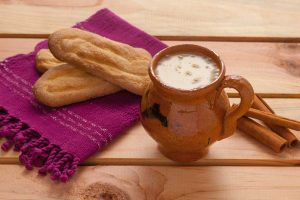
Atol de elote, also called atole de elote, is a warm, thick drink made with fresh corn. The kernels give it both its characteristic sweetness and its body, making it a comforting addition to a guide to Salvadoran sweet treats.
Preparations vary: some use milk, others rely on water, and sugar or cinnamon may be added. The flavor of the corn should remain at the center of the drink.
Think of it as a sweet snack in a cup rather than a sliceable dessert. It is a different experience from chilate, which is usually served unsweetened with sugary accompaniments.
Explore atole and its variations →
06. Torta María Luisa
Layered bakery cake

María Luisa is a layered bakery cake, but its filling and finish change across Latin America and between Salvadoran bakeries. Versions in El Salvador may feature leche poleada or a fruit filling, with a sweet topping that can include colored sugar.
The attraction is the contrast between soft cake and a generous filling. A custard-filled version is creamy and mild, while a fruit-filled slice brings a brighter flavor.
Ask which filling the bakery uses rather than expecting every María Luisa to match the orange-and-jam cake associated with other regional versions.
Further reading: A Salvadoran custard-filled María Luisa
07. Tres Leches
Milk-soaked cake
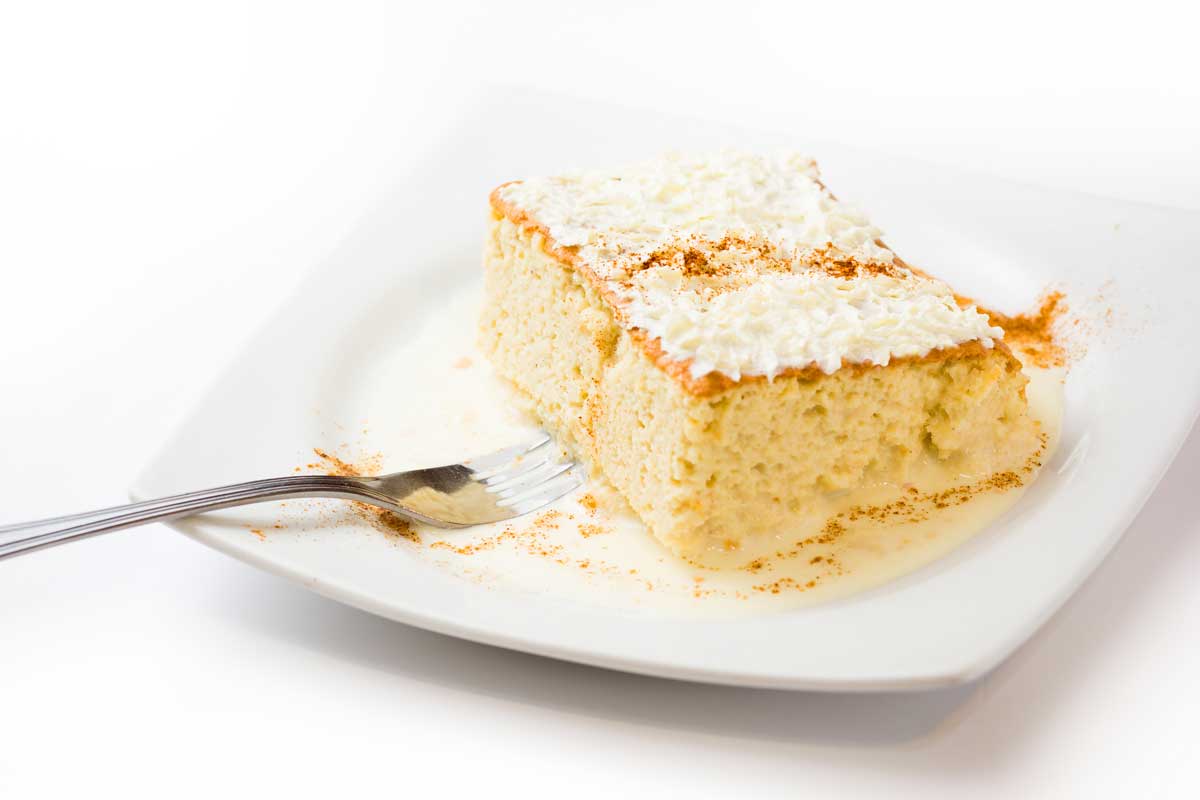
Tres leches is a sponge cake soaked in a sweet mixture of three milks. A familiar combination is evaporated milk, sweetened condensed milk, and whole milk or cream, finished with a light topping.
The cake absorbs the liquid while retaining enough structure to serve in slices. Expect a soft, exceptionally moist dessert with a rich milk flavor.
It is popular in El Salvador and across Latin America, rather than unique to one country. Choose it for a celebration or whenever you want a chilled, creamy cake.
08. Marquesote
Sponge cake

Marquesote is a simple sponge cake made with eggs, sugar, and flour. Its airy structure comes from the beaten eggs, and its relatively dry, porous crumb distinguishes it from a milk-soaked cake such as tres leches.
It is often cut into pieces and enjoyed with coffee or hot chocolate. Cinnamon or other flavorings may appear, but the appeal is the plain cake itself and how well it pairs with a warm drink.
Try marquesote if you prefer an unfrosted bakery sweet. It also helps explain why sponge-style breads work so well in syrup-soaked desserts such as torrejas.
09. Arroz con Leche
Rice pudding

Arroz con leche is a comforting rice pudding built around rice, milk, and sugar. Cinnamon adds a familiar fragrance, while slow cooking brings the rice and milk together into a creamy dessert.
Household versions differ in sweetness, thickness, and additions such as raisins. Some people prefer it warm and loose; others enjoy a thicker serving after it has cooled.
This is a shared Spanish and Latin American favorite with a place in Salvadoran home cooking. It is a good choice when you want something simple, creamy, and easy to recognize.
10. Pastelitos de Piña
Fruit-filled pastries

Pastelitos de piña are small pastries with a sweet pineapple filling. The fruit adds a tart edge that balances the rich pastry, making them an appealing option for anyone who enjoys jam-filled baked goods.
Salvadoran bakery recipes commonly bake these pastries until golden. Shapes and finishes vary from bakery to bakery.
Look for a well-filled pastry with a golden exterior, and enjoy it with coffee. The word pastelito covers several kinds of small pastries; specifying “de piña” distinguishes this sweet version from savory ones.
Further reading: Salvadoran baked pastelitos de piña
11. Torrejas
Syrup-soaked bread

Torrejas turn slices of bread into a rich, syrup-soaked dessert. The bread is coated with egg, fried, and served with a fragrant sweet syrup, often made with panela and warming spices.
Recipes differ in the bread used and whether milk is included. The result is softer and more syrupy than ordinary toast, with fried edges contrasting with the soaked center.
Torrejas are especially associated with Holy Week and Easter in El Salvador. If you enjoy French toast or bread pudding, this is a natural dessert to try next.
Further reading: Salvadoran torrejas preparation
12. Empanadas de Plátano y Leche
Plantain & custard

These Salvadoran empanadas use cooked, mashed ripe plantain to form the outside. A thick milk filling is tucked into the center before the oval-shaped parcels are fried and finished with sugar.
The plantain is the wrapper, rather than a filling inside a corn pastry. Its natural sweetness and soft texture work particularly well with the creamy center.
You may also find empanadas filled with beans. Ask for the milk-filled version when you want the classic plantain-and-custard combination.
Further reading: El Salvador’s official tourism guide to empanadas
13. Chilate
Traditional accompaniment

Salvadoran chilate is a hot corn-based drink commonly flavored with ginger and allspice. It is generally served unsweetened, providing a mild counterpoint to nuégados and other treats covered in panela syrup.
It belongs in this guide as a traditional accompaniment, rather than a sweet dessert in its own right. The pairing matters: take a bite of the sweet and follow it with a sip of chilate.
Drinks named chilate vary by country. The Salvadoran preparation should not be confused with the cacao-based versions found elsewhere.
14. Dulce de Nance
Fruit in syrup

Dulce de nance showcases a small yellow tropical fruit with a distinctive aroma and a tangy flavor. Cooking the fruit in a sweet syrup softens it while preserving its individual character.
The syrup may use sugar or panela, with spices such as cinnamon depending on the preparation. Panela gives a darker sweetness; lighter sugar syrup lets the fruit’s flavor stand out differently.
Try a small serving if nance is new to you. Whole preserved fruits may still contain their hard pits, so eat around them.
Further reading: Dulce de nance preparation
Salvadoran bakeries also sell espumillas, crisp little meringues that are often tinted pink. Bake your own with our espumillas recipe.
Which Salvadoran Dessert Should You Try First?
Choose by the flavors and textures you already enjoy:
- With coffee: Try quesadilla salvadoreña for its sweet-and-salty crumb, or semita for a filled bakery treat.
- For something creamy: Start with leche poleada, arroz con leche, or a chilled slice of tres leches.
- For a traditional pairing: Order nuégados with chilate and alternate the syrupy bites with the warm drink.
- For plantain lovers: Choose empanadas de plátano y leche for a soft plantain exterior and creamy filling.
- For fruit flavor: Try pastelitos de piña or a small serving of dulce de nance.
- For an Easter specialty: Look for torrejas soaked in fragrant syrup.
One ingredient worth knowing is panela, also called dulce de atado. This unrefined cane sugar gives many syrups and fillings their deep sweetness.
Frequently Asked Questions About Salvadoran Desserts
What are some popular Salvadoran desserts?
Quesadilla salvadoreña, semita, nuégados, leche poleada, torrejas, and empanadas de plátano are good starting points. Tres leches and arroz con leche are also enjoyed in El Salvador and elsewhere in Latin America.
Is Salvadoran quesadilla the same as Mexican quesadilla?
No. Quesadilla salvadoreña is a sweet baked cheese cake, often topped with sesame seeds and served with coffee. A Mexican quesadilla is a tortilla preparation. The shared name describes very different foods.
Is chilate a sweet dessert?
Salvadoran chilate is generally unsweetened. It is a corn-based drink served hot with ginger and allspice, traditionally paired with sweet foods such as nuégados and fruit in syrup.
What is inside Salvadoran plantain empanadas?
The outside is made from mashed ripe plantain. A common sweet version contains a thick milk filling; bean-filled versions are also popular. The plantain forms the wrapper, rather than sitting inside a corn dough.
Are Salvadoran desserts gluten-free?
It depends on the exact recipe. Rice flour is common in quesadilla salvadoreña, but some versions contain wheat. Semita and many cakes and pastries use wheat flour. Check the baker’s ingredients rather than relying on the dessert’s name.
What is the difference between semita alta and semita pacha?
Semita alta is a taller style, while semita pacha is flatter. Fillings can include pineapple preserves or panela, and the dough and layering vary by bakery. Both are familiar Salvadoran bakery sweets.
Bring Salvadoran Sweets to Your Table
Start with a bakery favorite or follow a complete recipe for one homemade dessert. Pair semita or quesadilla with coffee, spoon up a bowl of leche poleada, or explore the classic combination of chilate and nuégados.
Keep exploring with our Salvadoran food guides and Latin American dessert guide.
Shop Salvadoran foods on Amazon (paid link).
More Salvadoran Foods
See all →
Jorge Garcia is the founder of AmigoFoods, where he has spent over 20 years helping readers discover authentic Latin American and Spanish cuisine. Raised in a Cuban-American household, Jorge learned to cook at the hands of his mother and grandmother, carrying forward generations of family recipes. That heritage, backed by his family’s four-generation history in the Latin food industry, inspired him to launch AmigoFoods in 2003. With more than 1,000 published articles on recipes, ingredients, and food culture, Jorge’s mission is simple: make authentic Latin cooking approachable for home cooks everywhere while honoring the traditions behind every dish.
Such a tasty tour of Salvadoran desserts! Love the rich flavors and traditions behind each sweet treat! This post is a beautiful celebration of culture and flavor!