

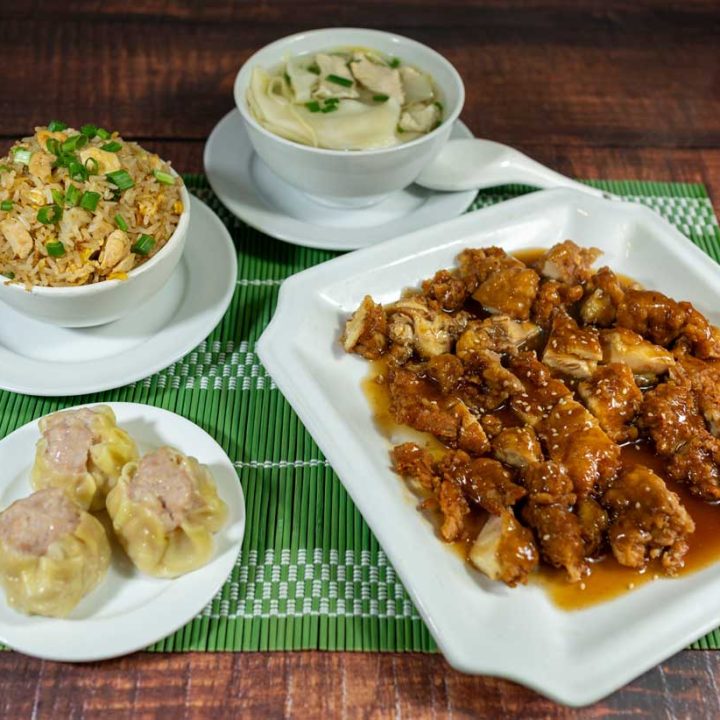
Chijaukay pairs crisp fried chicken with a savory soy-based sauce in Peru’s chifa cuisine. This home version uses bone-in pieces, a garlic-and-ginger marinade and a lightly sweet sauce added just before serving.
Chijaukay at a Glance
What Is Chijaukay? (Traditional Peruvian-Chinese Fried Chicken Explained)
The Origins of Chijaukay in Peruvian Chifa Cuisine

Authentic Ingredients in Traditional Chijaukay
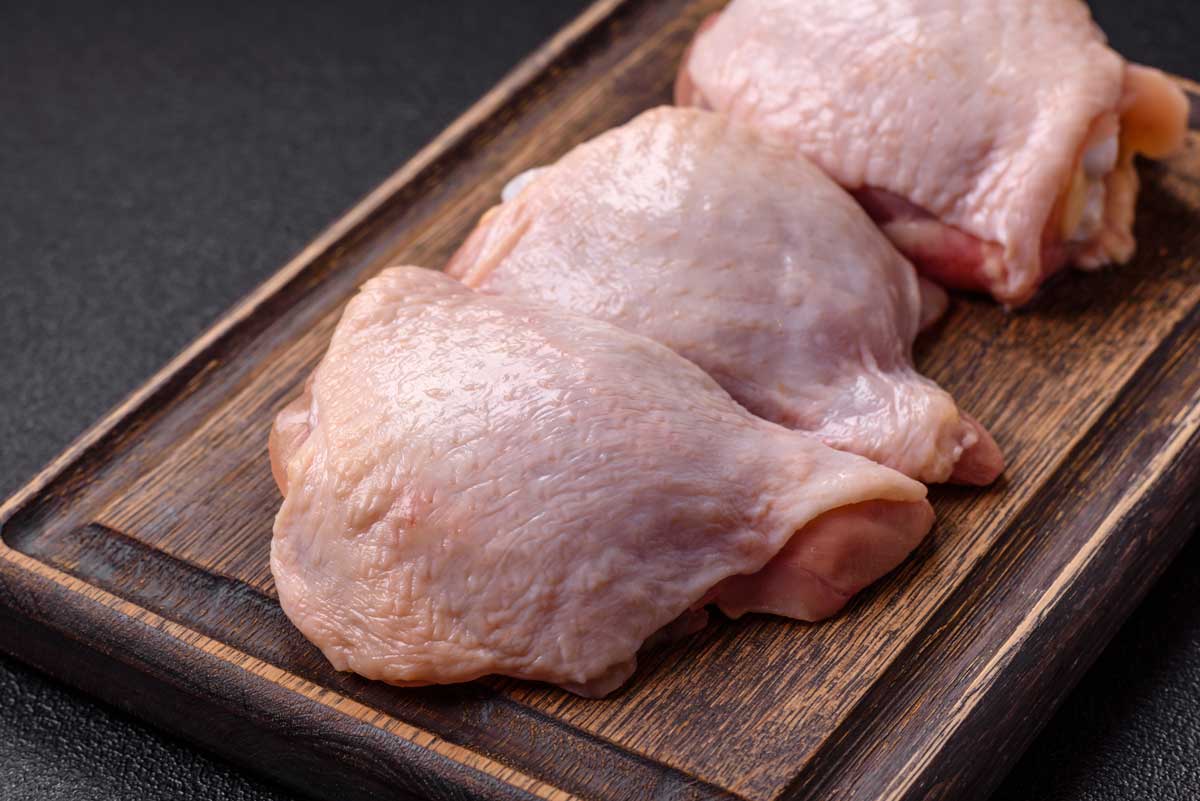
- Bone-in chicken pieces – Typically thighs or drumsticks. Bone-in cuts stay juicier and more flavorful during frying.
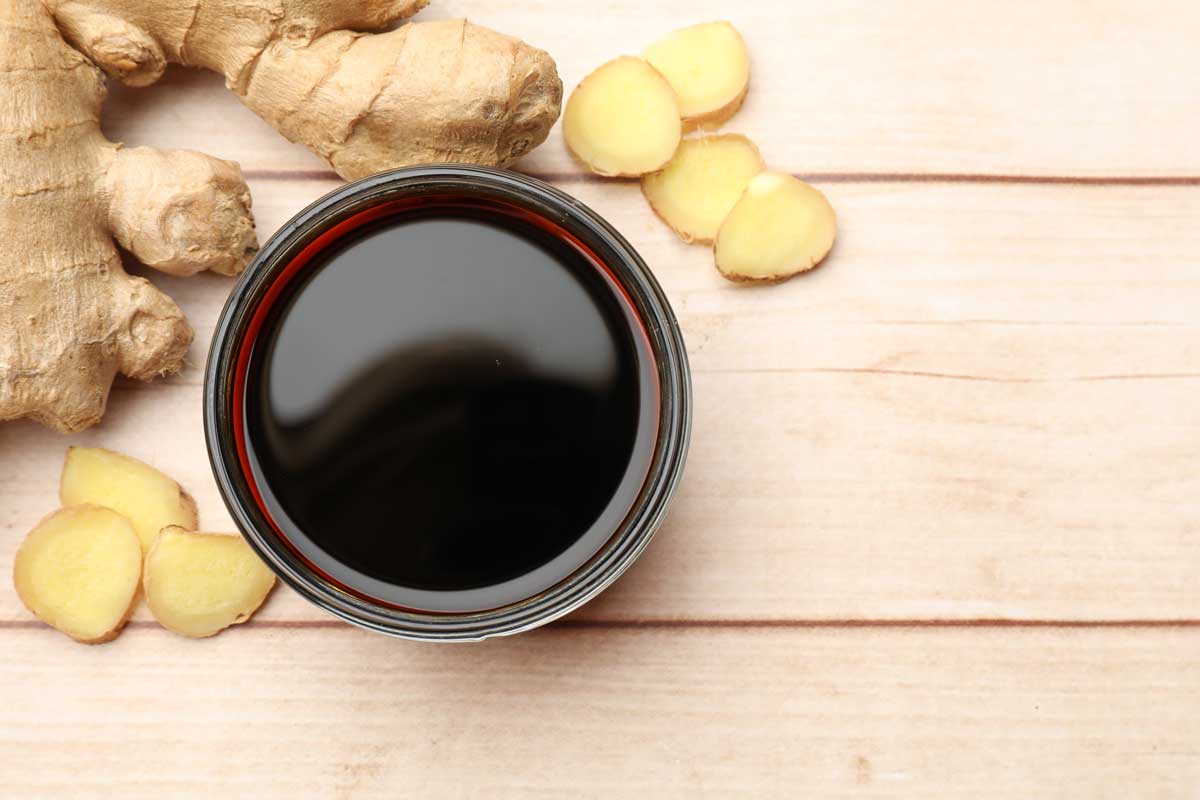
- Soy sauce (sillao) – The backbone of the marinade and glaze. Provides deep umami and saltiness.
- Fresh garlic – Bold and aromatic — Chijaukay is distinctly garlic-forward.
- Ginger – Adds subtle warmth and balance to the soy-based marinade.
- Cornstarch – Essential for achieving that ultra-crispy coating. Often used in larger proportion than flour.
- All-purpose flour – Combined with cornstarch for structure and crunch.
- Eggs – Help bind the batter to the chicken.
- Sugar – Balances the saltiness of soy sauce and creates the dish’s signature sweet-savory glaze.
- Sesame oil – A small amount enhances aroma and depth.
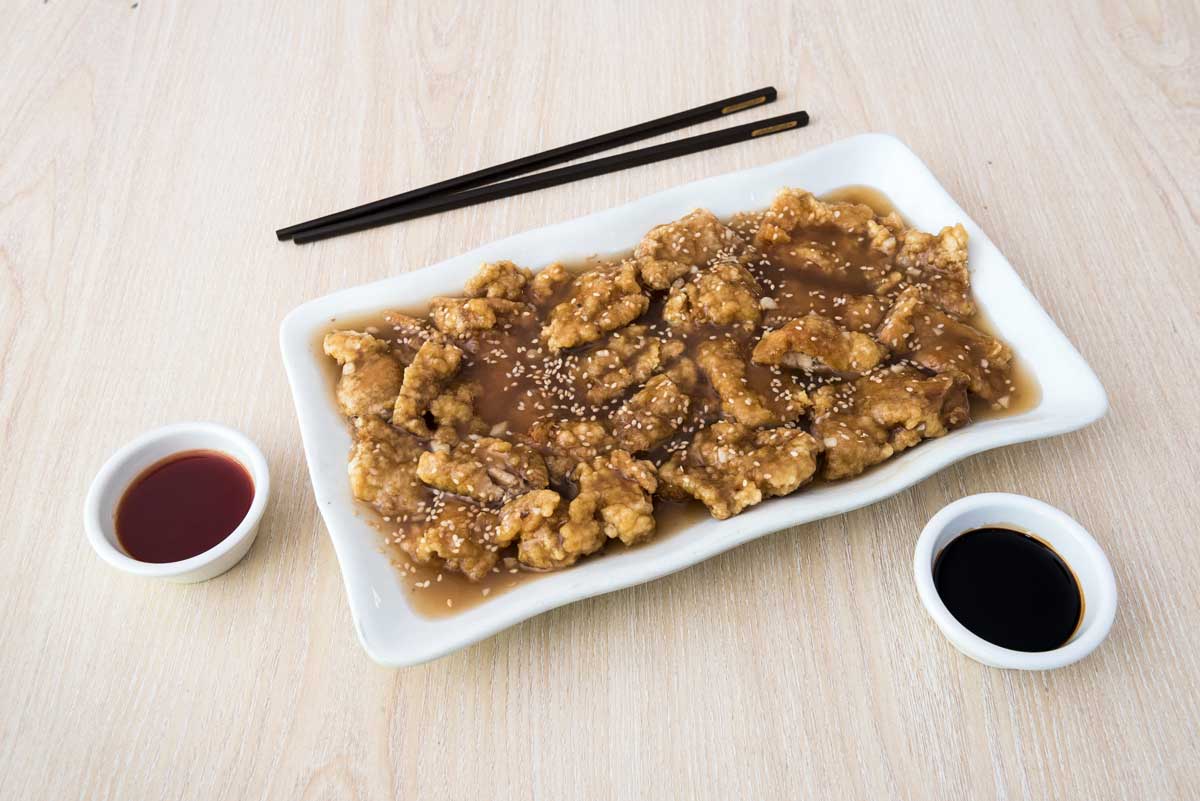
- Sesame seeds – Sprinkled on top for garnish and light nuttiness.
Some variations may include oyster sauce or a splash of Shaoxing-style cooking wine, but the core ingredients remain consistent: soy, garlic, crisp batter, and that irresistible glaze that defines authentic Chijaukay.
How to Make Chijaukay at Home
Ingredients
For the Chicken & Marinade
2½–3 lbs bone-in chicken pieces (thighs or drumsticks)
½ cup soy sauce (sillao)
6–8 cloves garlic, finely minced
1 tablespoon fresh ginger, grated
1 teaspoon sesame oil (optional but highly recommended)
For the Crispy Coating
1 cup cornstarch
½ cup all-purpose flour
½ teaspoon salt
½ teaspoon black pepper
½ teaspoon baking powder (optional, for extra crunch)
2 large eggs, beaten
For Frying
Neutral oil (vegetable or canola), enough for deep frying
For the Chijaukay Sauce (Glaze)
¼ cup soy sauce
2–3 tablespoons sugar (adjust to taste)
3 cloves garlic, minced
2–3 tablespoons water or chicken broth
½ teaspoon sesame oil (optional)
Garnish
1–2 teaspoons sesame seeds
Method
- Mix the marinade soy sauce, garlic, ginger and optional sesame oil in a bowl. Add the chicken, coat well, cover and refrigerate for at least 30 minutes or up to 24 hours. This recipe uses bone-in pieces; boneless thigh versions are also common.
- Combine the cornstarch, flour, salt, pepper and optional baking powder in a shallow dish. Put the beaten eggs in a separate dish. Lift the chicken from the marinade, letting excess drip off; discard the used marinade. Dip each piece in egg, then press into the dry coating.
- Heat 2–3 inches neutral oil in a deep, heavy pot to 350°F (175°C), leaving plenty of space above the oil. Fry in batches, adjusting the heat to maintain about 325–350°F (160–175°C). Allow about 15–20 minutes for bone-in pieces, depending on size, and turn as needed. Check the thickest part away from the bone reaches at least 165°F (74°C); color alone is not enough.
- Drain cooked chicken on a wire rack. If the coating darkens before the center is cooked, finish on a rack in a 350°F (175°C) oven until the chicken reaches 165°F (74°C). Allow extra time for large pieces or additional batches.
- In a small saucepan, combine the sauce soy sauce, sugar, garlic, water or broth and optional sesame oil. Simmer gently for 3–5 minutes until the garlic is cooked and the sauce lightly coats a spoon. Add a splash of water if it becomes too concentrated. Keep separate from the raw-chicken marinade.
- Spoon the warm sauce over the chicken just before serving, or toss briefly to coat. Sprinkle with sesame seeds and serve immediately with rice or your preferred side.
Makes 4–6 servings. Plan about 1 hour 30 minutes: 20 minutes preparation, 30 minutes refrigerated marinating and 40 minutes cooking in batches. Larger pieces, more batches or an oven finish may take longer. This bone-in home version has a sweeter sauce than many savory chifa versions.
For less salt, use reduced-sodium soy sauce and omit the coating salt. Refrigerate leftovers within 2 hours for up to 3 days, keeping sauce separate when possible. Reheat to 165°F (74°C). If preparing ahead, fully cook the chicken before chilling; do not partially fry and store it for later.
Chijaukay vs Other Peruvian Chicken Dishes
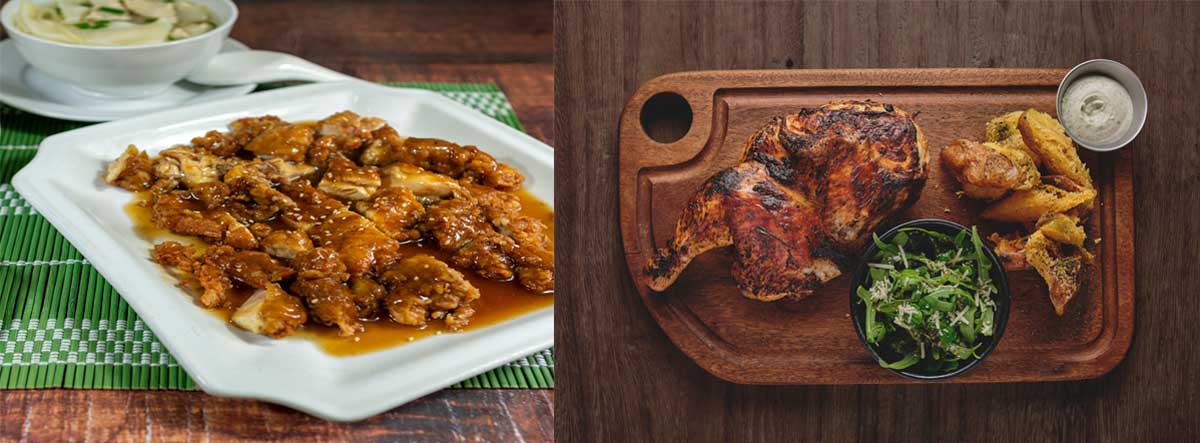
Chijaukay vs Pollo a la Brasa
- Cooking Style:
- Chijaukay: Deep-fried and glazed.
- Pollo a la Brasa: Rotisserie-roasted over open flame.
- Flavor Profile:
- Chijaukay: Garlic-forward, soy-based, sweet-savory.
- Pollo a la Brasa: Smoky, herby, paprika-heavy spice rub.
- Cultural Influence:
- Chijaukay: Chinese-Peruvian (Chifa).
- Pollo a la Brasa: Modern Peruvian classic with European influence.
Chijaukay vs Ají de Gallina
- Texture:
- Chijaukay: Crispy exterior, juicy interior.
- Ají de Gallina: Shredded chicken in a creamy sauce. Sauce
- Base:
- Chijaukay: Soy sauce glaze.
- Ají de Gallina: Creamy yellow chili sauce made with ají amarillo, bread, and cheese.
- Experience:
- Chijaukay: Crunchy, bold, and slightly sweet.
- Ají de Gallina: Comforting, rich, and mildly spicy.
Chijaukay vs Pollo Saltado
- Preparation Method:
- Chijaukay: Batter-coated and fried.
- Pollo Saltado: Stir-fried in a wok.
- Ingredients:
- Chijaukay: Soy glaze and sesame notes.
- Pollo Saltado: Soy sauce, onions, tomatoes, and often fries.
- Fusion Influence:
- Both reflect Chinese influence, but Pollo Saltado is more stir-fry focused, while Chijaukay highlights crisp frying techniques.
The Big Difference
When Is Chijaukay Served?
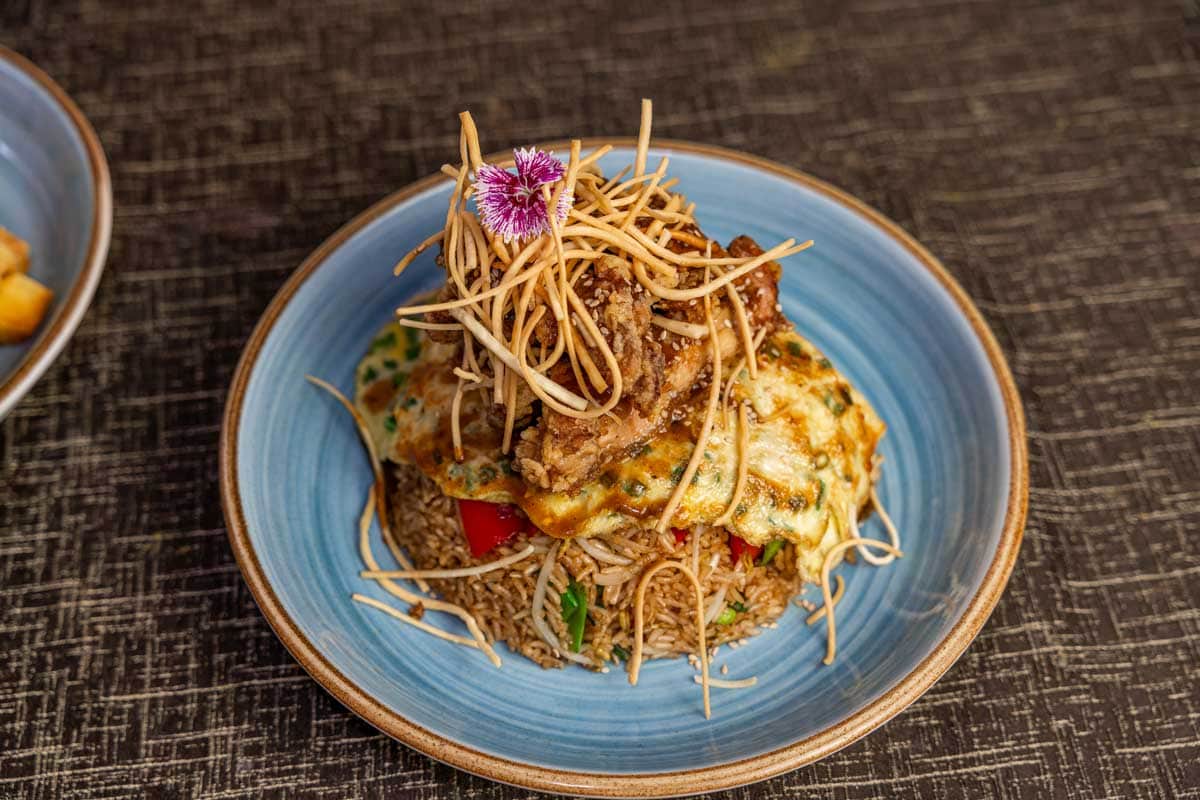
1. Family Dinners at Chifa Restaurants
- Ordered as a centerpiece dish to share.
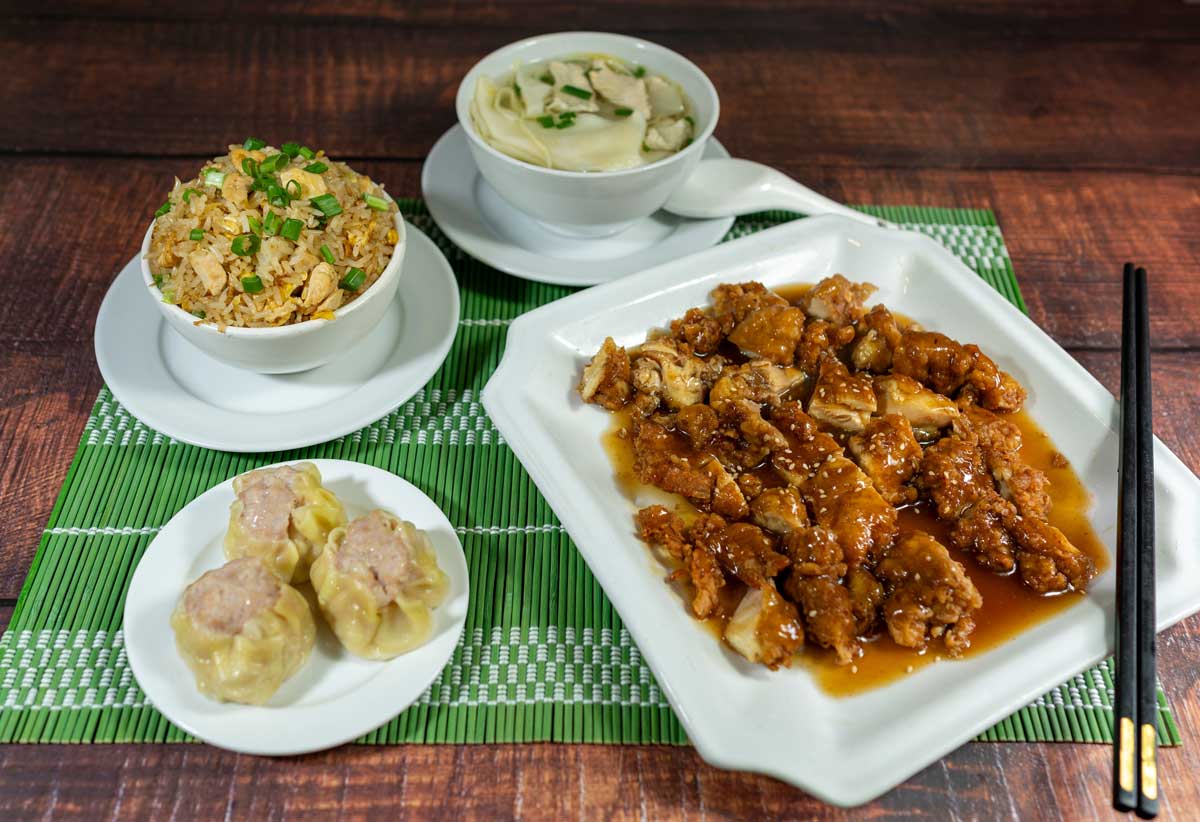
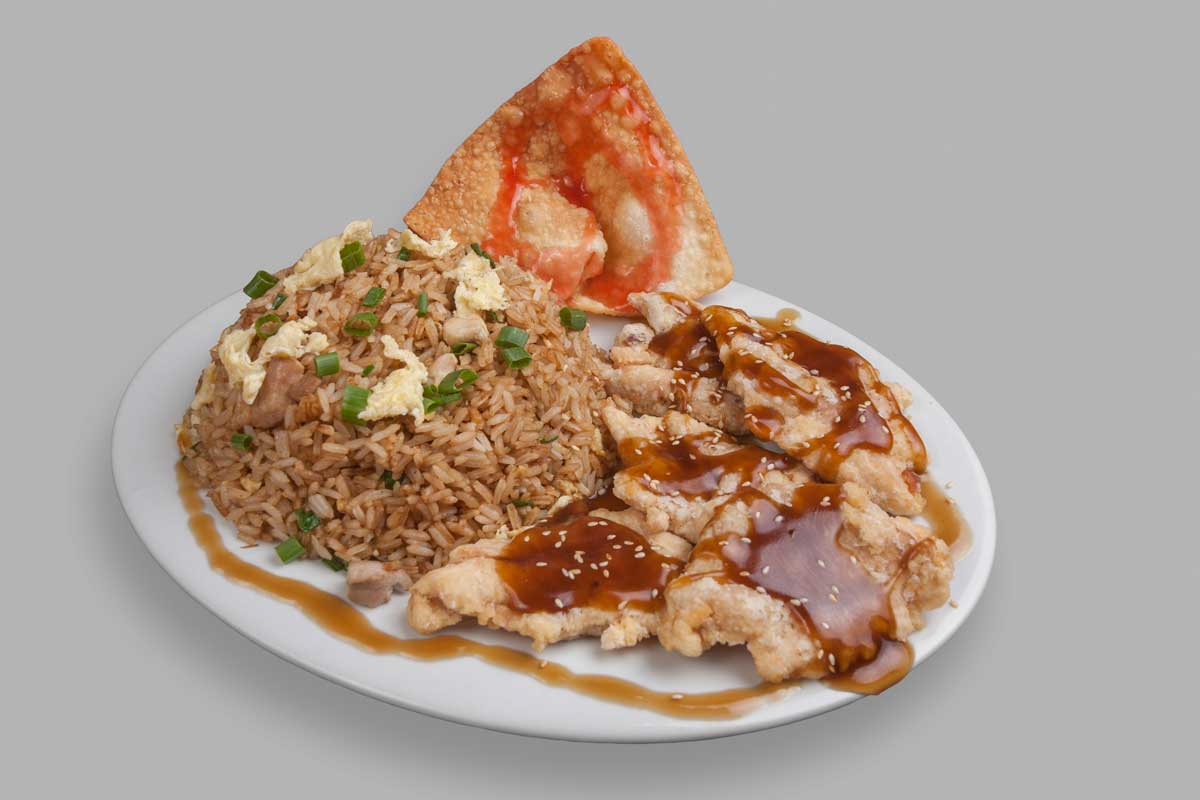
- Typically served alongside fried rice, chow mein (tallarín saltado), and wontons.
- Ideal for groups because of its bold flavor and crowd-pleasing crunch.
2. Celebrations & Gatherings
- Popular for birthdays, casual celebrations, and weekend outings.
- Often part of large takeaway orders for home gatherings.
- Seen as festive comfort food — indulgent and satisfying.
3. Takeout & Special Occasions
- Frequently ordered for delivery when families want something flavorful and filling.
- Considered more of a “treat meal” rather than an everyday home-cooked dish due to frying.
4. Urban Dining Culture
- Especially common in Lima’s Chifa establishments.
- Reflects Peru’s multicultural culinary identity — where Chinese heritage blends seamlessly into everyday Peruvian life.
In short, Chijaukay is served when people come together.
It’s crunchy, bold, and shareable — exactly the kind of dish that turns an ordinary meal into something memorable.
Storage, Reheating & Make-Ahead Tips
How to Store Leftover Chijaukay
- Cool briefly and refrigerate within 2 hours.
- Place in an airtight container.
- Refrigerate for up to 3 days.
- If possible, store sauce separately to preserve crispiness.
Avoid stacking pieces tightly — airflow helps prevent sogginess.
Best Way to Reheat Chijaukay
The goal is restoring crunch without drying out the meat.
Oven (Best Method):
- Preheat to 375°F (190°C).
- Place chicken on a rack over a baking sheet.
- Heat until the center reaches 165°F (74°C); 12–18 minutes is only a starting estimate.
Air Fryer (Quick & Effective):
- Reheat at 350–375°F until the center reaches 165°F (74°C); start checking after 5–8 minutes.
- Flip halfway through for even crisping.
Avoid Microwaving
- Microwaves soften the coating and make the glaze rubbery.
- Only use as a last resort.
Make-Ahead Tips for Maximum Crispiness
- Marinate the chicken in the refrigerator up to 24 hours in advance.
- Mix dry coating ahead of time and store airtight.
- Fully cook the chicken, refrigerate within 2 hours, then reheat to 165°F (74°C) before serving.
- Prepare the glaze separately and toss the chicken just before serving.
Pro Tip: For parties, fry the chicken first and glaze it in small batches right before bringing it to the table. That’s how Chifa restaurants keep it crisp! With the right reheating method and prep strategy, you can enjoy Chijaukay almost as crispy as the day it was made.
Nutrition & Calories (Is Chijaukay Healthy?)
- Calories: Vary with portion size, coating and oil absorption
- Protein: Provided by the chicken
- Fat: Moderate to high (due to deep-frying)
- Carbohydrates: Moderate (from batter and glaze)
- Sodium: High (soy sauce-based sauce)
The good news? It’s rich in protein thanks to the chicken.
The trade-off is higher fat and sodium from frying and the sweet-savory glaze.
If you’d like a healthier twist, consider air-frying instead of deep-frying, using low-sodium soy sauce, and cutting back slightly on the sugar.
Paired with steamed rice and vegetables, Chijaukay can still fit into a balanced diet — just best enjoyed in moderation.
Why Chijaukay Belongs on Your Table (Final Thoughts on Peru’s Crispy Chifa Classic)

Chijaukay Recipe
Chijaukay is Peru’s iconic Peruvian-Chinese fried chicken, known for its ultra-crispy coating, bold garlic-forward marinade, and glossy sweet-savory soy glaze. Made with juicy bone-in chicken and a cornstarch-based crust, this chifa classic delivers restaurant-quality crunch and flavor right at home.
Ingredients
For the Chicken & Marinade
- 2½–3 lbs bone-in chicken pieces (thighs or drumsticks)
- ½ cup soy sauce (sillao)
- 6–8 cloves garlic, finely minced
- 1 tablespoon fresh ginger, grated
- 1 teaspoon sesame oil (optional but highly recommended)
For the Crispy Coating
- 1 cup cornstarch
- ½ cup all-purpose flour
- ½ teaspoon salt
- ½ teaspoon black pepper
- ½ teaspoon baking powder (optional, for extra crunch)
- 2 large eggs, beaten
For Frying
- Neutral oil (vegetable or canola), enough for deep frying
For the Chijaukay Sauce (Glaze)
- ¼ cup soy sauce
- 2–3 tablespoons sugar (adjust to taste)
- 3 cloves garlic, minced
- 2–3 tablespoons water or chicken broth
- ½ teaspoon sesame oil (optional)
Garnish
- 1–2 teaspoons sesame seeds
Instructions
- Mix the marinade soy sauce, garlic, ginger and optional sesame oil in a bowl. Add the chicken, coat well, cover and refrigerate for at least 30 minutes or up to 24 hours. This recipe uses bone-in pieces; boneless thigh versions are also common.
- Combine the cornstarch, flour, salt, pepper and optional baking powder in a shallow dish. Put the beaten eggs in a separate dish. Lift the chicken from the marinade, letting excess drip off; discard the used marinade. Dip each piece in egg, then press into the dry coating.
- Heat 2–3 inches neutral oil in a deep, heavy pot to 350°F (175°C), leaving plenty of space above the oil. Fry in batches, adjusting the heat to maintain about 325–350°F (160–175°C). Allow about 15–20 minutes for bone-in pieces, depending on size, and turn as needed. Check the thickest part away from the bone reaches at least 165°F (74°C); color alone is not enough.
- Drain cooked chicken on a wire rack. If the coating darkens before the center is cooked, finish on a rack in a 350°F (175°C) oven until the chicken reaches 165°F (74°C). Allow extra time for large pieces or additional batches.
- In a small saucepan, combine the sauce soy sauce, sugar, garlic, water or broth and optional sesame oil. Simmer gently for 3–5 minutes until the garlic is cooked and the sauce lightly coats a spoon. Add a splash of water if it becomes too concentrated. Keep separate from the raw-chicken marinade.
- Spoon the warm sauce over the chicken just before serving, or toss briefly to coat. Sprinkle with sesame seeds and serve immediately with rice or your preferred side.
Notes
Makes 4–6 servings. Plan about 1 hour 30 minutes: 20 minutes preparation, 30 minutes refrigerated marinating and 40 minutes cooking in batches. Larger pieces, more batches or an oven finish may take longer. This bone-in home version has a sweeter sauce than many savory chifa versions.
For less salt, use reduced-sodium soy sauce and omit the coating salt. Refrigerate leftovers within 2 hours for up to 3 days, keeping sauce separate when possible. Reheat to 165°F (74°C). If preparing ahead, fully cook the chicken before chilling; do not partially fry and store it for later.
More Peruvian Foods
See all →
Jorge Garcia is the founder of AmigoFoods, where he has spent over 20 years helping readers discover authentic Latin American and Spanish cuisine. Raised in a Cuban-American household, Jorge learned to cook at the hands of his mother and grandmother, carrying forward generations of family recipes. That heritage, backed by his family’s four-generation history in the Latin food industry, inspired him to launch AmigoFoods in 2003. With more than 1,000 published articles on recipes, ingredients, and food culture, Jorge’s mission is simple: make authentic Latin cooking approachable for home cooks everywhere while honoring the traditions behind every dish.