
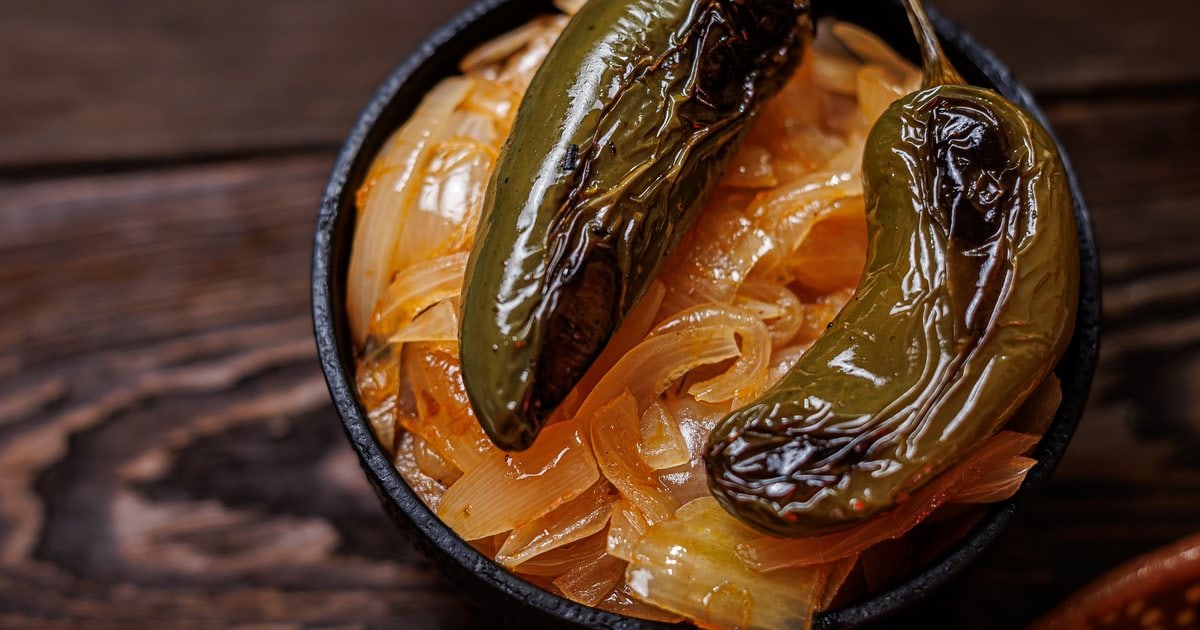
Chiles toreados are whole fresh chiles, usually jalapeños, blistered in a hot pan or on the grill until the skins char and the flesh turns soft, then tossed with onions, lime juice and a splash of soy or Maggi sauce. They are the chile that comes on the side of carne asada and tacos at taquerías all over Mexico and the US Southwest, and they take about 20 minutes to make at home.
This guide explains what the name means, which chiles and onions to use, the difference between the dry taquería style and the saucy cookout style, and how to make them without the chiles bursting or the oil spitting at you.
Chiles Toreados at a Glance
What Are Chiles Toreados?
In Mexico, chile toreado describes a method more than a recipe: a fresh chile cooked whole over high heat until its skin blisters and blackens in patches. In English they are usually called blistered or fried jalapeños. Jalapeños are the standard choice, but serranos and pale yellow güero chiles are just as common, and the chiles are almost always cooked alongside onions, either sliced white onion or whole knob onions (cebollitas).
The finished chiles are soft and smoky, milder than raw, and glossy with lime, salt and soy or Maggi. People eat them in alternating bites with tacos and grilled meat, or chop them into salsa. If you have ever been handed a little dish of charred jalapeños and grilled green onions with your carne asada, those were chiles toreados.
Why Are They Called Chiles Toreados?
Toreado comes from torear, to fight a bull, and also to tease or provoke. There are two popular explanations, and both describe what you actually do to the chile. One says the dark, blistered spots look like the bruises a torero gets in the ring. The other says it is about how the chiles are “fought” before cooking: many cooks roll each chile firmly on the counter under their palm, which bruises it, loosens the seeds and spreads the heat through the pepper. Either way, a chile toreado is a chile that has been roughed up.
Which Chiles and Onions to Use
Jalapeños
The taquería standard. Thick walls hold up to blistering and stay juicy. Medium heat, about 2,500 to 8,000 Scoville units. See our guide to jalapeño peppers.
Serranos
Thinner and about three times hotter. They blister in half the time. Read more about the serrano pepper.
Güero chiles
Pale yellow chiles, usually mild and slightly sweet, popular in northern Mexico. Hungarian wax or banana peppers are the closest swap.
Knob onions (cebollitas)
Green onions with a small round bulb. Cooked whole, they turn sweet and silky. Thick white onion slices or regular scallions also work.
Use one kind of chile or a mix. A plate with a few jalapeños, a couple of serranos and a güero or two lets everyone choose their own heat. For the rest of the family of Mexican chiles, see our list of Mexican peppers.

Dry Taquería Style or Saucy Cookout Style?
There are two ways people serve chiles toreados, and both are right.
| Style | How it is seasoned | Where you find it |
|---|---|---|
| Dry | Blistered in a little oil, finished with lime juice and coarse salt | Taquerías and taco stands, next to the salsas |
| Saucy | Tossed off the heat in soy sauce, Maggi or Worcestershire with lime, so the sauce pools on the plate | Backyard carne asadas and restaurants in northern Mexico and the US Southwest |
The soy sauce is not a modern fusion idea: Maggi and soy have been ordinary Mexican kitchen seasonings for generations, and the saucy version is how many families make them at home. The recipe below makes the saucy style; for dry chiles, skip the soy and Maggi and finish with lime and salt.
How to Make Chiles Toreados
- Roll the chiles. Press each chile under your palm and roll it on the cutting board a few times. This loosens the seeds and makes it hotter, so skip it if you want them mild.
- Pierce them. Poke each chile once or twice with the tip of a knife. Steam builds inside a whole chile, and a small hole stops it from bursting and spraying hot oil.
- Blister in a hot pan. Heat a little oil in cast iron until it shimmers, add the chiles in one layer and let them sit before turning. You want black blisters on every side and soft, slumped chiles, about 6 to 8 minutes.
- Add the onions. Push the chiles to one side and char the onions until browned and tender.
- Dress them off the heat. Take the pan off the burner, then add lime, soy and Maggi. The liquid sizzles and coats the chiles instead of boiling away.
- Lodge Round Cast Iron Griddle, 10.5 inch: a flat, comal-style griddle that gets hot enough to blister chiles, tortillas and onions.
- Lodge Pre-Seasoned Cast Iron Skillet, 13.25 inch: room for a big batch of chiles and cebollitas in one layer.
- Winco Cast-Iron Fajita Server Set: bring the chiles to the table still sizzling, restaurant style.
As an Amazon Associate I earn from qualifying purchases.
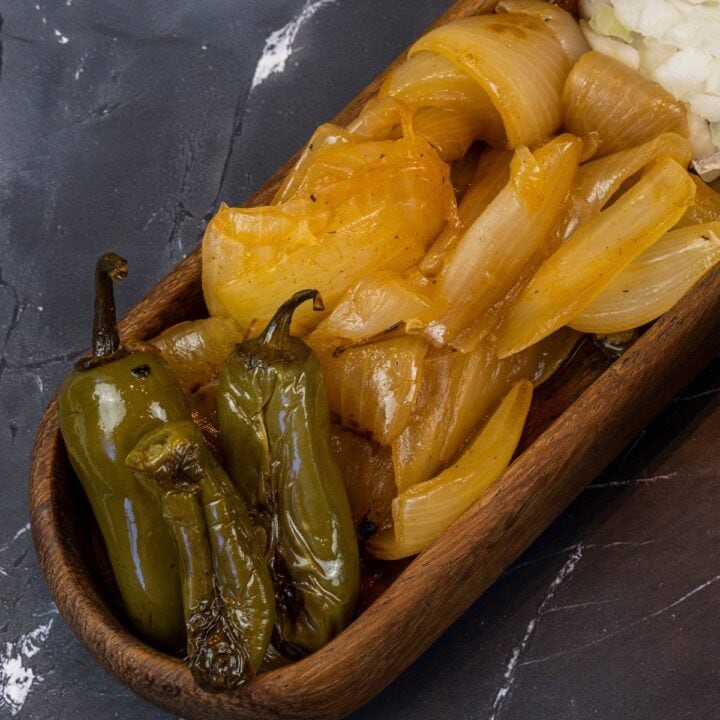
Chiles Toreados (Blistered Jalapeños with Onion, Lime and Soy)
Taquería-style chiles toreados: whole jalapeños blistered in a hot cast-iron pan with knob onions, then tossed with lime juice, soy sauce and Maggi. Ready in 20 minutes and made for carne asada and tacos.
Ingredients
- 8 jalapeños (or a mix of jalapeños, serranos and güero chiles)
- 8 knob onions (cebollitas) or green onions, roots trimmed, or 1 white onion cut into thick rings
- 2 tablespoons neutral oil, such as avocado or vegetable
- 2 tablespoons fresh lime juice (about 1 lime), plus lime wedges to serve
- 2 tablespoons soy sauce
- 1 teaspoon Maggi Jugo seasoning (or more soy sauce or Worcestershire)
- 1/4 teaspoon coarse salt, or to taste
Instructions
- Prep the chiles. Rinse the chiles and dry them completely. For hotter chiles, roll each one firmly on the cutting board under your palm. Pierce each chile once or twice with the tip of a knife so it does not burst.
- Heat the pan. Heat the oil in a large cast-iron skillet over medium-high heat until it shimmers.
- Blister the chiles. Add the chiles in a single layer and cook, turning with tongs every minute or two, until blistered and blackened in spots on all sides and softened, 6 to 8 minutes. Use a splatter screen or partly cover the pan.
- Char the onions. Push the chiles to one side, add the onions and cook, turning, until browned and tender, 3 to 4 minutes for knob onions or onion rings.
- Season off the heat. Take the pan off the heat. Add the lime juice, soy sauce and Maggi and toss to coat the chiles and onions. Season with salt.
- Rest and serve. Let them sit for 5 minutes so the chiles soak up the sauce, then serve warm with lime wedges and the juices from the pan.
Notes
For the dry taquería style, skip the soy sauce and Maggi and finish with lime juice and coarse salt.
On the grill: toss the pierced chiles and onions with oil and salt, grill over direct high heat until blistered, 6 to 10 minutes, then toss with the lime and sauces in a covered bowl.
Leftovers keep 3 to 4 days in the fridge. Reheat in a hot dry skillet.
Chiles Toreados on the Grill
At a carne asada, the chiles usually go straight on the grill. Toss whole, pierced chiles and cebollitas with a little oil and salt, lay them over direct high heat and turn them with tongs until blistered all over, 6 to 10 minutes for jalapeños and less for serranos. A grill basket keeps them from falling through the grates. Pile them into a bowl, add lime and soy or Maggi, and cover the bowl for a few minutes so they steam and soften.
What to Serve With Chiles Toreados
Chiles toreados belong next to anything grilled. Carne asada is the classic, with grilled cebollitas, tortillas, guacamole and a pot of frijoles charros.
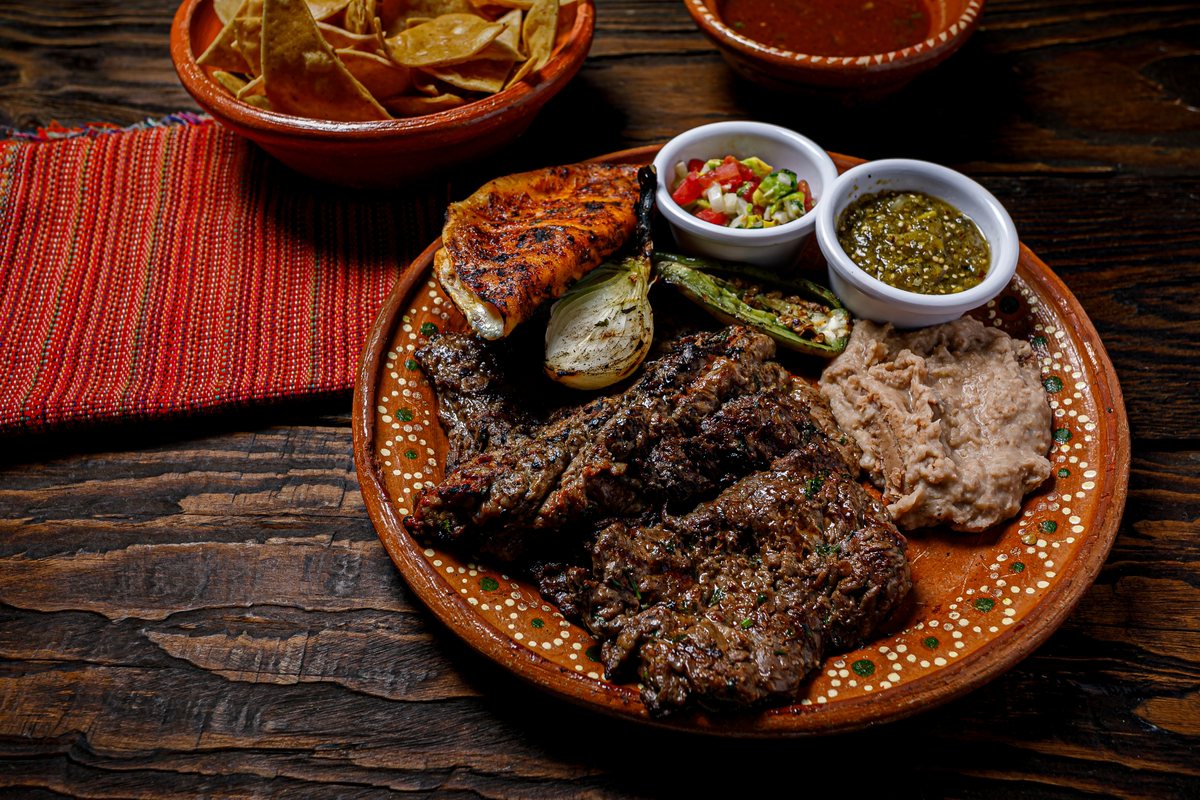
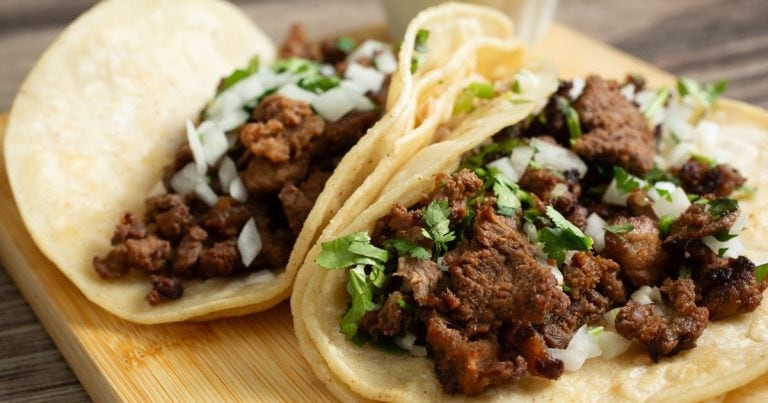 Carne Asada TacosThe classic partner
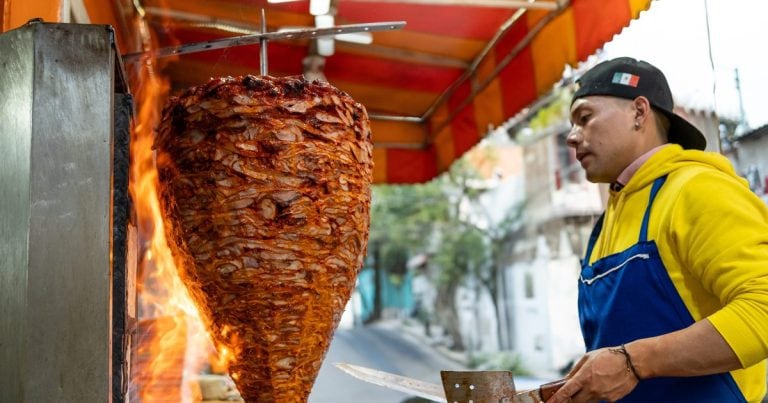 Tacos al PastorPork tacos from the trompo
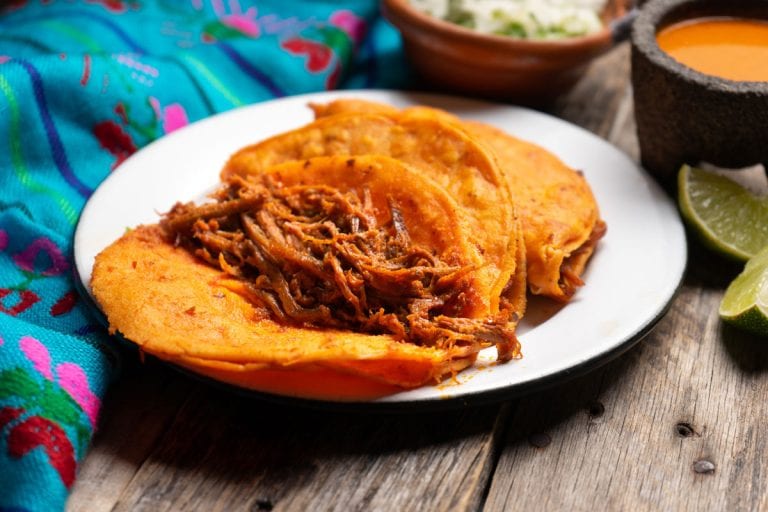 Birria TacosCrisp tacos with consomé
 Torta AhogadaGuadalajara’s drowned sandwich
They are also good chopped into scrambled eggs or pico de gallo, tucked into a burrito, or blended with roasted tomatillos into a smoky salsa verde. For more table sauces, see our roundup of Mexican salsas, and if you love stuffed chiles, try jalapeño poppers.
Storing and Reheating
Chiles toreados are best warm from the pan. Leftovers keep in a covered container in the fridge for 3 to 4 days with their juices. Reheat them in a hot dry skillet for a minute or two, or eat them cold, chopped into tacos and salads. They do not freeze well; they turn mushy.
Chiles Toreados FAQ
What is a chile toreado in English?
A blistered or pan-fried chile. The literal meaning is closer to a “bullfought” or “teased” chile, from the Spanish torear.
Are chiles toreados spicy?
They are a little milder than raw chiles, because cooking softens the heat, but jalapeños and serranos are still hot. Rolling the chiles before cooking makes them hotter; skipping that step and choosing güeros makes them milder.
Why do chiles toreados have soy sauce?
Soy sauce and Maggi seasoning are everyday seasonings in Mexican kitchens. Their salty, savory flavor balances the lime and the char, and they make the sauce that pools on the plate in the saucy style.
What can I use instead of Maggi?
More soy sauce, Worcestershire sauce or liquid aminos. For the dry style, just use lime and coarse salt.
Do you peel chiles toreados?
No. Unlike roasted poblanos, chiles toreados are eaten skin and all. The blistered skin is part of the flavor.
Why did my chiles burst in the pan?
Steam built up inside them. Poke each chile with a knife before cooking and they will vent instead of bursting.
How do you eat chiles toreados?
Hold one by the stem and take bites between bites of taco or meat, or cut it up over your food. Leave the stem on the plate.
Sources
- Chiles Toreados, Chili Pepper Madness: dry and saucy styles, name origin
- Chiles Toreados, Piña en la Cocina: rolling the chiles, chile and onion mix
- Jalapeño Pepper Guide, PepperScale: Scoville ranges
More Mexican Foods
See all →
Jorge Garcia is the founder of AmigoFoods, where he has spent over 20 years helping readers discover authentic Latin American and Spanish cuisine. Raised in a Cuban-American household, Jorge learned to cook at the hands of his mother and grandmother, carrying forward generations of family recipes. That heritage, backed by his family’s four-generation history in the Latin food industry, inspired him to launch AmigoFoods in 2003. With more than 1,000 published articles on recipes, ingredients, and food culture, Jorge’s mission is simple: make authentic Latin cooking approachable for home cooks everywhere while honoring the traditions behind every dish.