

Sancocho is a hearty Latin American stew with many regional versions. The recipe below combines chicken, pork and beef with roots, plantains, corn and a sofrito-seasoned broth for six to eight servings.
Sancocho at a Glance
What Is Sancocho?
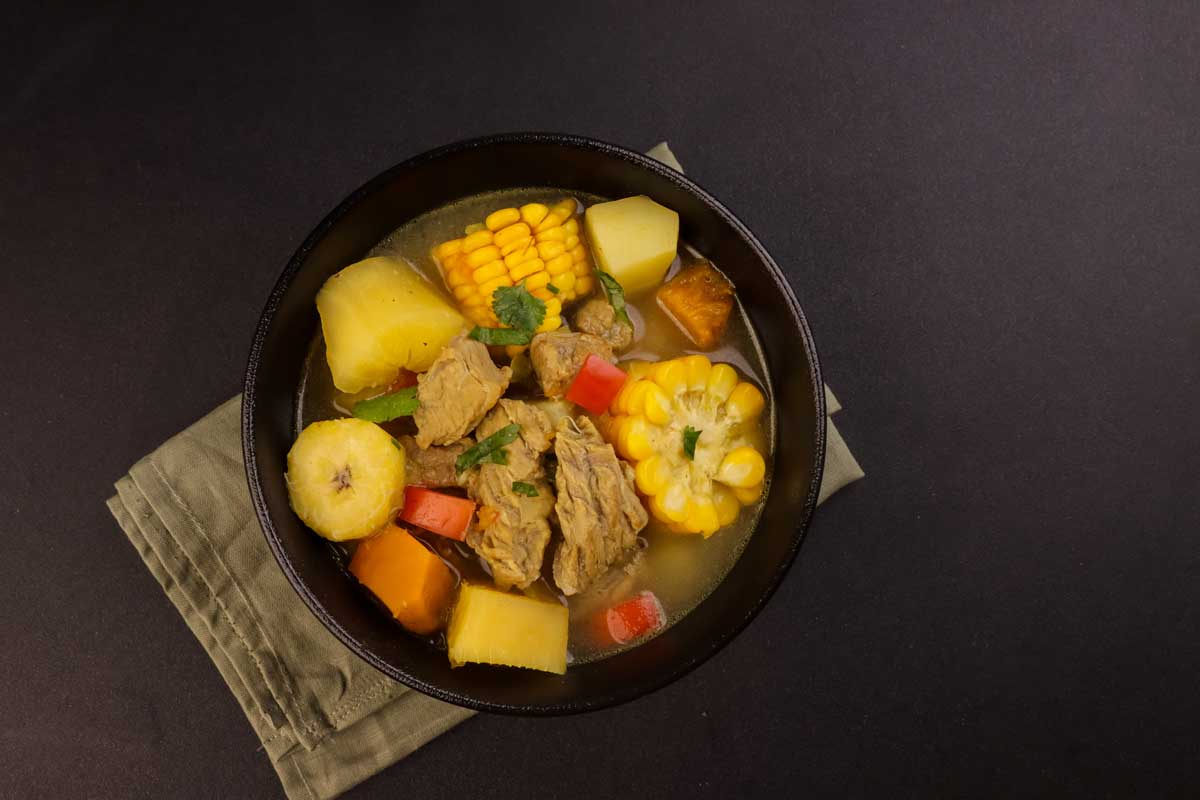
Sancocho is a traditional Latin American stew celebrated for its rich, comforting flavors and deep cultural roots.
Found in countries like Colombia, the Dominican Republic, Puerto Rico, Panama, and Venezuela, it’s a beloved latin dish that brings families together and often appears at festive gatherings, Sunday lunches, or even as a hangover cure.
At its core, sancocho is made by slow-simmering a combination of meats (such as chicken, beef, pork, or fish) with starchy vegetables like yuca, green plantains, potatoes, and corn on the cob.
It’s seasoned with aromatic herbs and spices like garlic, cilantro, and onion, creating a deeply flavorful broth.
Though the basic structure remains the same, every country—and often every family—has its own version of sancocho, shaped by local ingredients and traditions.
Key Ingredients in Sancocho
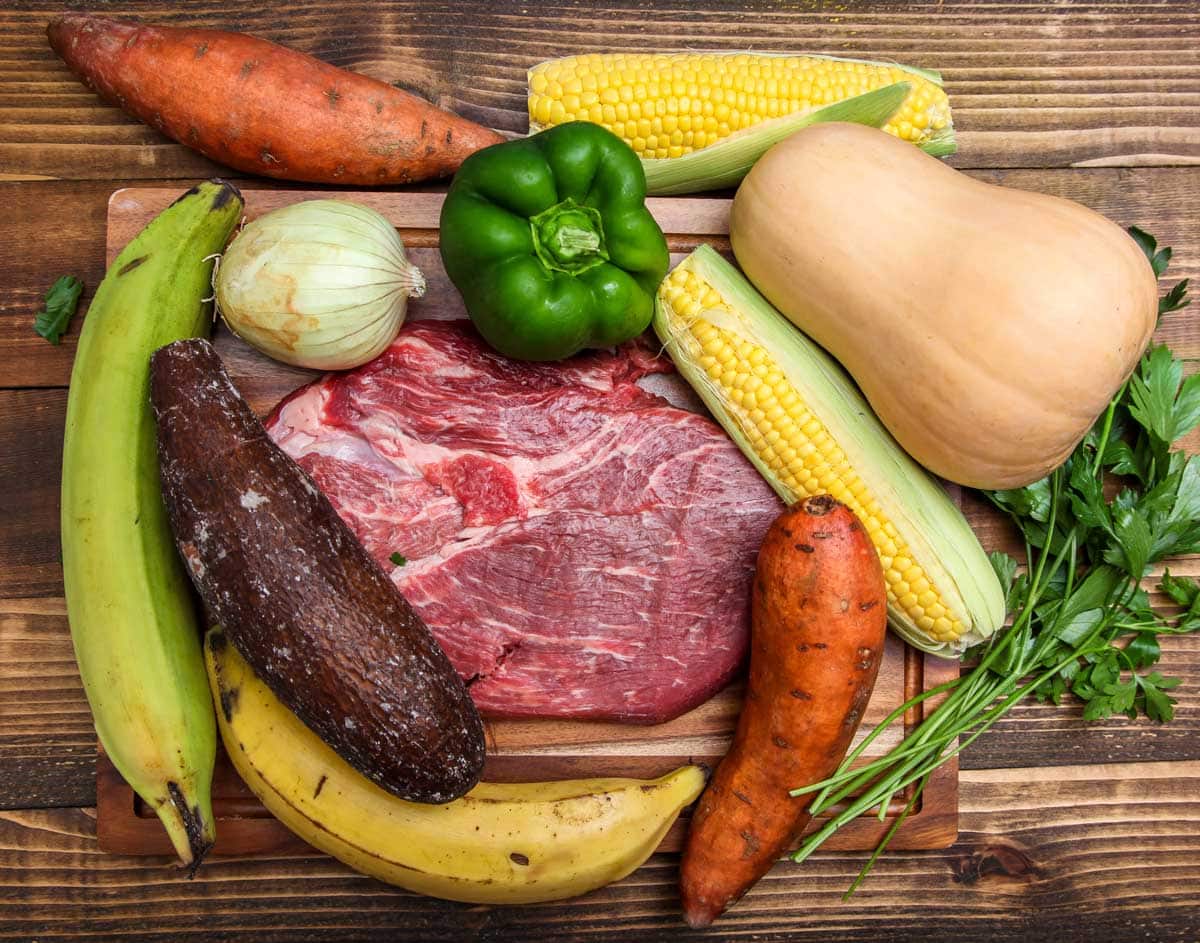
Sancocho’s flavor and heartiness come from its carefully layered ingredients, which vary slightly depending on the region—but always deliver comfort in a bowl.
-
Proteins:
-
Common meats include chicken, beef, pork, fish, or goat.
-
Some versions, like sancocho trifásico, combine multiple meats for a richer flavor.
-
-
Starchy Vegetables (Tubers):
-
Yuca (cassava), plantains, potatoes, ñame (yam), and malanga add body and texture.
-
Green plantains are especially important for thickening the broth.
-
-
Aromatics and Herbs:
-
Garlic, onion, cilantro, culantro, and scallions form the flavorful base.
-
Sofrito (a mix of aromatics sautéed in oil) is used in Puerto Rican versions.
-
-
Broth Base:
-
Slow-simmered with bones or bouillon cubes for depth.
-
Some versions use corn on the cob for natural sweetness.
-
-
Optional Additions:
-
Corn, pumpkin, carrots, or bell peppers depending on the country or family tradition.
-
Lime juice, avocado, or hot sauce as garnishes at serving time.
-
Each component plays a role in creating the stew’s bold, layered flavor and rustic appeal—making every bowl a uniquely delicious experience.
How to Make Traditional Sancocho (Step-by-Step)
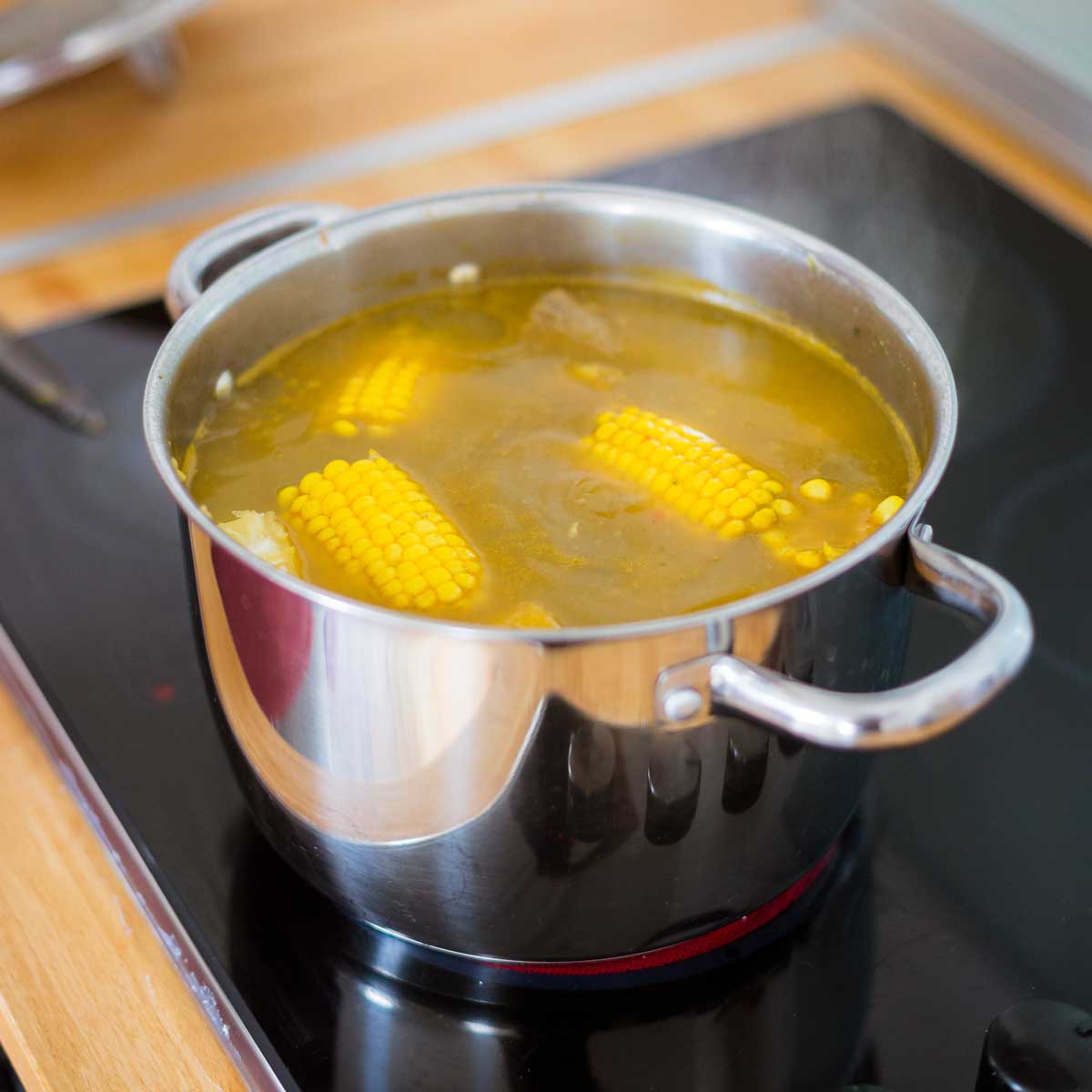
The recipe card below gives the quantities for this three-meat variation. Cook the ingredients in stages, checking tenderness as you go.
- Season the meats with the citrus juice and 1 teaspoon salt. Keep chicken in a separate covered container from beef and pork, and marinate in the refrigerator for 30 minutes.
- In a large stockpot, heat the olive oil. Soften onion, scallions and bell pepper for about 5 minutes; add garlic and sofrito and cook 2 minutes more. Add beef and pork, cumin, oregano, culantro and half the cilantro.
- Pour in 6 cups broth, then enough water to cover the meat. Bring to a boil, skim, and reduce to a gentle covered simmer. Cook about 75–90 minutes, or until beef and pork are nearly tender; larger cuts can take longer. Add hot water as needed to maintain the broth level.
- Add chicken, green plantains, peeled yuca and malanga or taro. Simmer about 15 minutes, then add potatoes, sweet potato and corn. Continue 20–30 minutes, until the roots are fully tender, beef and pork are tender, and chicken reaches 165°F (74°C) away from bone. Remove individual pieces as they finish if needed to prevent overcooking.
- Remove any tough yuca center fibers. Return any reserved cooked ingredients to the hot broth, add remaining cilantro, and adjust salt and pepper. Add hot water for a looser broth or mash a few cooked potato pieces for thickness.
- Divide among six to eight bowls and serve with separately prepared rice, avocado, lime and optional hot sauce.
Regional Variations Across Latin America

Sancocho is a beloved dish throughout Latin America, but each country adds its own twist—shaped by local ingredients, traditions, and culinary heritage.
-
Colombia – Sancocho Colombiano
-
Known for its “trifásico” version featuring three meats: beef, pork, and chicken.
-
Often includes plantains, yuca, corn, potatoes, and cilantro.
-
Served with white rice and avocado on the side.
-
-
Dominican Republic – Sancocho de Siete Carnes
-
Considered a national dish; sometimes made with seven types of meat.
-
Includes auyama (squash), yautía, and green plantains.
-
Richly spiced with oregano, citrus, and ajíes (peppers).
-
-
Panama – Sancocho Panameño
-
Made primarily with chicken and culantro (distinct from cilantro).
-
Simpler than other versions, often focused on flavor over variety.
-
Traditionally served with white rice and hot sauce.
-
-
Venezuela – Sancocho Venezolano
-
Usually made with beef ribs or hen, and includes sweet corn and taro.
-
Commonly prepared on weekends or after celebrations as a hangover cure.
-
Frequently garnished with lime and served with arepas.
-
-
Puerto Rico – Sancocho Boricua
-
Begins with a flavorful sofrito base and includes root vegetables like yuca and malanga.
-
Uses beef or chicken, often marinated in citrus.
-
Typically served with white rice, avocado, and tostones.
-
Despite their differences, all versions of sancocho share the same essence: a warm, nourishing stew that brings families together around the table.
What to Serve with Sancocho

Sancocho is hearty on its own, but the right sides and garnishes can elevate it into a complete and satisfying meal.
Here’s what to serve alongside this beloved stew:
-
White Rice
-
A traditional and essential side, perfect for soaking up the flavorful broth.
-
Served separately or sometimes added directly to the bowl.
-
-
Avocado Slices
-
Adds creaminess and a cooling contrast to the hot, savory stew.
-
Popular in Colombian and Puerto Rican versions.
-
-
Lime Wedges
-
A squeeze of fresh lime brightens the broth and enhances the spices.
-
Especially common in Venezuelan and Dominican sancocho.
-
-
Hot Sauce or Ají
-
For those who like a little heat—try homemade ají or your favorite Latin hot sauce.
-
-
Tostones or Fried Plantains
-
Crispy and salty, they add texture and a hint of sweetness to the meal.
-
Common in Puerto Rican and Dominican meals.
-
-
Arepas or Cornbread
-
Great for dipping or as a hearty complement to soak up every last drop.
-
Often served with Venezuelan sancocho.
-
These traditional latin sides don’t just complete the plate—they enhance the flavors and create a more balanced, deeply satisfying experience.
Where to Find Authentic Sancocho Ingredients
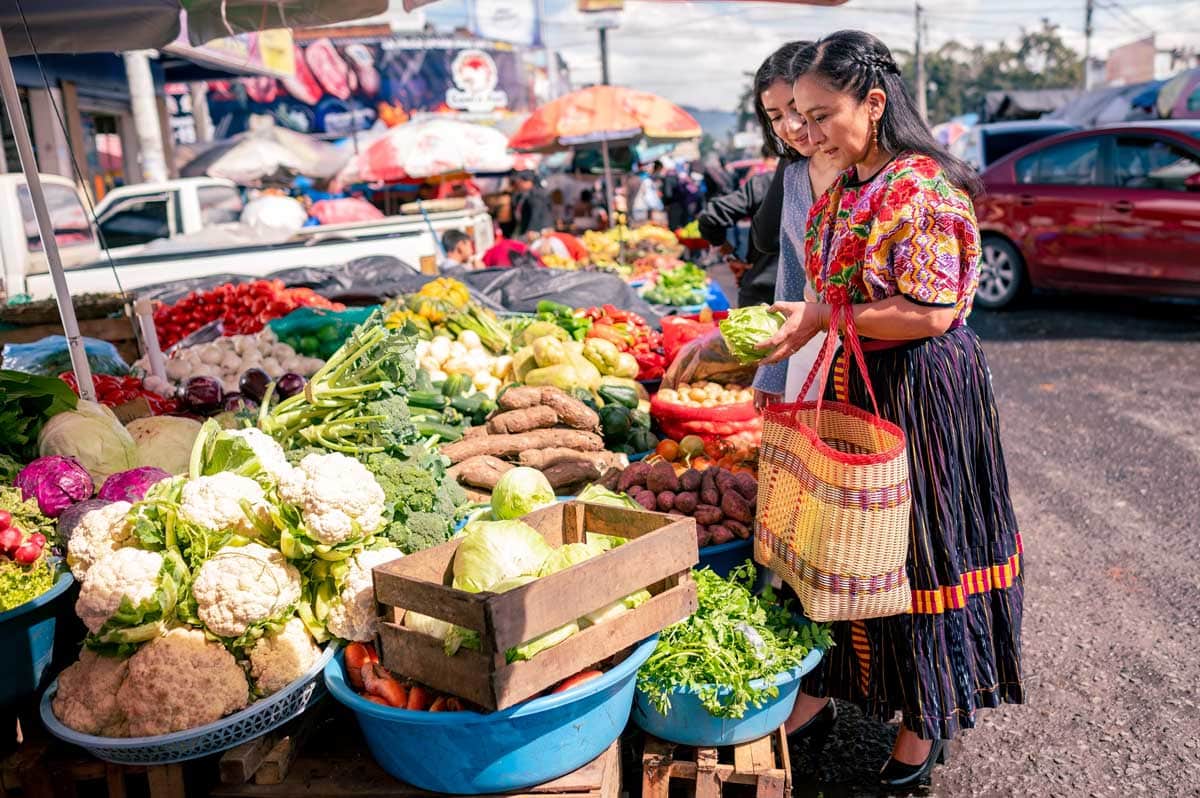
Making a rich, traditional sancocho starts with sourcing the right ingredients—and while some items may be pantry staples, others require a bit of hunting.
-
Latin American Grocery Stores (Tiendas Latinas)
-
Best place to find authentic ingredients like yuca, green plantains, culantro, and ajíes.
-
Many also carry specific meat cuts like beef ribs, chicken thighs, or goat.
-
-
Farmer’s Markets or Ethnic Produce Stands
-
Look for fresh root vegetables, corn on the cob, and tropical squash like auyama or calabaza.
-
You may also find local herbs like fresh cilantro or scallions.
-
-
Online Retailers & Latin Food Marketplaces
-
Websites like Amazon or MexGrocer offer hard-to-find pantry items such as sofrito, sazon packets, bouillon cubes, or even frozen yuca.
-
Specialty Latin markets online also ship culantro, guandules, and ají dulce.
-
-
Mainstream Grocery Stores
-
Most large supermarkets now carry basics like plantains, yuca, and cilantro in the international or produce sections.
-
Ask the butcher for bone-in meats if they’re not on display.
-
-
Substitutions if Ingredients Are Hard to Find
-
Cilantro for culantro (though less intense)
-
Russet potatoes if yuca or malanga isn’t available
-
Yellow squash or pumpkin instead of auyama
-
Pre-made sofrito or frozen versions when short on time
-
Finding authentic ingredients ensures your sancocho stays true to its roots—rich, rustic, and deeply satisfying.
Expert Tips for the Best Sancocho
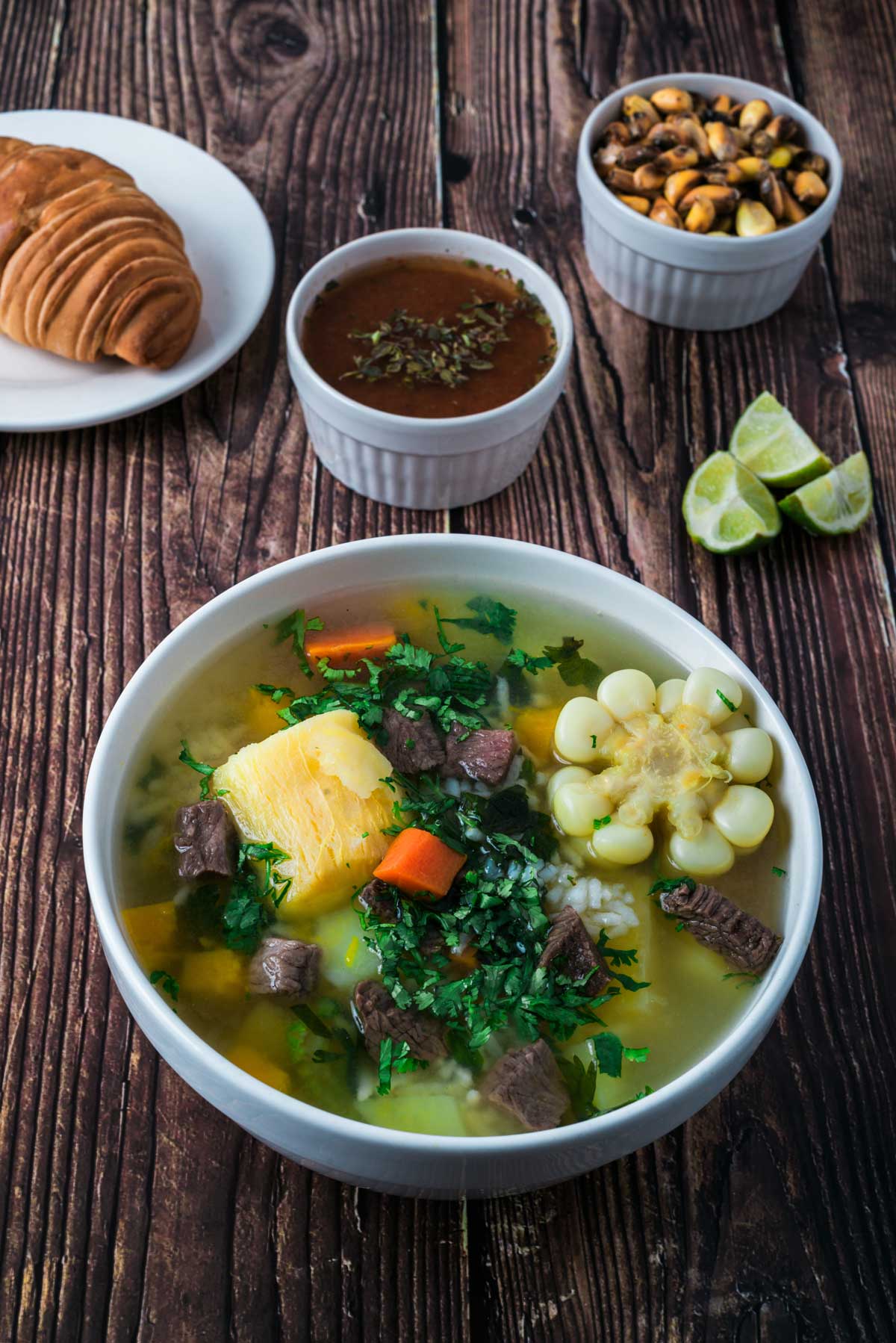
Want your sancocho to taste like it came straight from a Latin American grandmother’s kitchen?
These pro tips will take your stew from good to unforgettable.
-
Use Bone-In Meats for Maximum Flavor
-
Bones release collagen and richness into the broth as they simmer, giving your sancocho a deeper, silkier taste.
-
-
Layer Ingredients by Cooking Time
-
Start with tougher meats, then add starchy vegetables like yuca and plantains later to avoid overcooking or turning them mushy.
-
-
Make It a Day Ahead
-
Like many stews, sancocho tastes even better the next day after the flavors have had time to meld and intensify.
-
-
Simmer Low and Slow
-
Resist the urge to rush. A gentle simmer ensures tender meat and fully developed flavor without clouding the broth.
-
-
Balance the Broth
-
Adjust seasoning at the end with lime juice, salt, or a bouillon cube to make sure every spoonful hits the perfect savory note.
-
-
Add Fresh Herbs at the End
-
Stir in fresh chopped cilantro or culantro just before serving to keep their vibrant flavor intact.
-
-
Serve with the Right Sides
-
Don’t forget the essentials: a side of white rice, avocado slices, and a squeeze of lime to complete the experience.
-
With these tips, your sancocho will have that slow-cooked magic—comforting, complex, and completely crave-worthy.
Sancocho vs. Other Latin American Stews
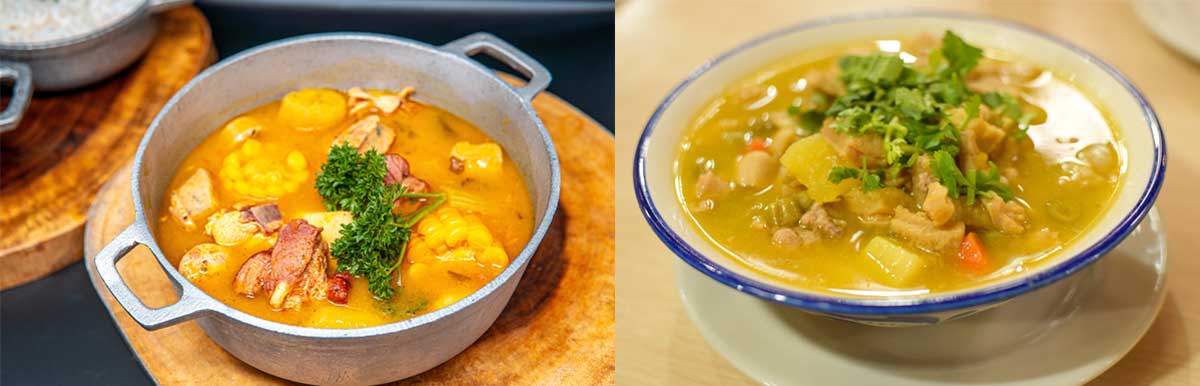
Sancocho is a standout, but it’s not the only beloved stew in Latin America.
Let’s compare it to other popular regional dishes to see what sets it apart.
-
Sancocho vs. Ajiaco (Colombia)
-
Sancocho: Broth-based with multiple meats and starchy vegetables.
-
Ajiaco: Creamier, made with three types of potatoes, corn, and chicken, often served with capers and cream.
-
-
Sancocho vs. Mondongo (Various Countries)
-
Sancocho: Features beef, chicken, or pork with vegetables in a clear broth.
-
Mondongo: Made with tripe and sometimes pig’s feet, with a more intense flavor and longer cook time.
-
-
Sancocho vs. Caldo de Res (Mexico)
-
Sancocho: Includes plantains, yuca, and tropical roots, giving it a Caribbean profile.
-
Caldo de Res: Focuses on beef shank and vegetables like carrots, corn, and squash—no plantains or tropical roots.
-
-
Sancocho vs. Locro (Ecuador, Peru, Argentina)
-
Sancocho: Has a clear or lightly thickened broth, more rustic and herbal.
-
Locro: Thick and creamy, often made with pumpkin, potatoes, and sometimes offal or chorizo.
-
-
Sancocho vs. Asopao (Puerto Rico, Dominican Republic)
-
Sancocho: A stew with large chunks of ingredients and a thinner broth.
-
Asopao: A rice-based soup with a thick, porridge-like texture—somewhere between soup and risotto.
-
Key Takeaway:
Sancocho is defined by its tropical roots, variety of meats, and vibrant herbal broth, while other stews reflect local ingredients and textures unique to their regions.
It’s this versatility and cultural adaptability that make sancocho a truly pan-Latin dish.
Sancocho in Latin American Culture & Celebrations
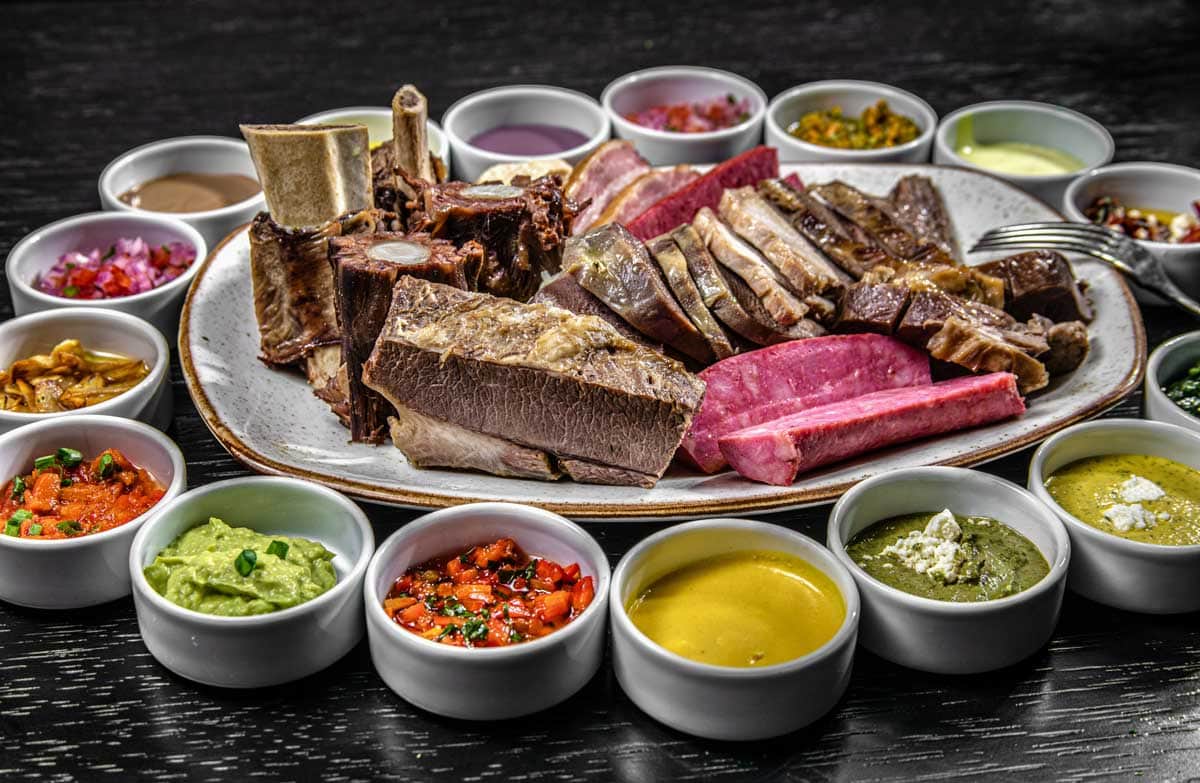
Sancocho isn’t just a dish—it’s a tradition. Deeply rooted in family, festivity, and resilience, it holds a cherished place in the cultural fabric of Latin America.
-
A Symbol of Togetherness
-
Sancocho is often cooked in large batches for family gatherings, community events, and Sunday lunches.
-
Its preparation is seen as a group activity, bringing people into the kitchen to peel, chop, stir, and share.
-
-
Celebratory and Ceremonial
-
In countries like the Dominican Republic and Colombia, sancocho is a staple at birthdays, weddings, and holidays.
-
It’s also a go-to dish for Carnival, Christmas, or New Year’s Day meals.
-
-
The Famous Hangover Cure
-
Known as a “levanta muertos” (wake-the-dead), sancocho is legendary for its ability to revive partygoers the morning after.
-
Its mix of protein, starches, and broth is believed to restore energy and hydration.
-
-
Passed Down Through Generations
-
Sancocho recipes are often family heirlooms, varying slightly from household to household.
-
Grandmothers are often seen as the keepers of the most authentic and flavorful versions.
-
-
Featured in Music and Pop Culture
-
Sancocho is referenced in songs, literature, and TV shows as a metaphor for unity, warmth, and cultural pride.
-
It’s even used humorously to describe a “mix of everything”—just like its ingredients.
-
Every pot tells a story of migration, adaptation, and celebration across Latin America.
Final Thoughts: Why Everyone Should Try Sancocho
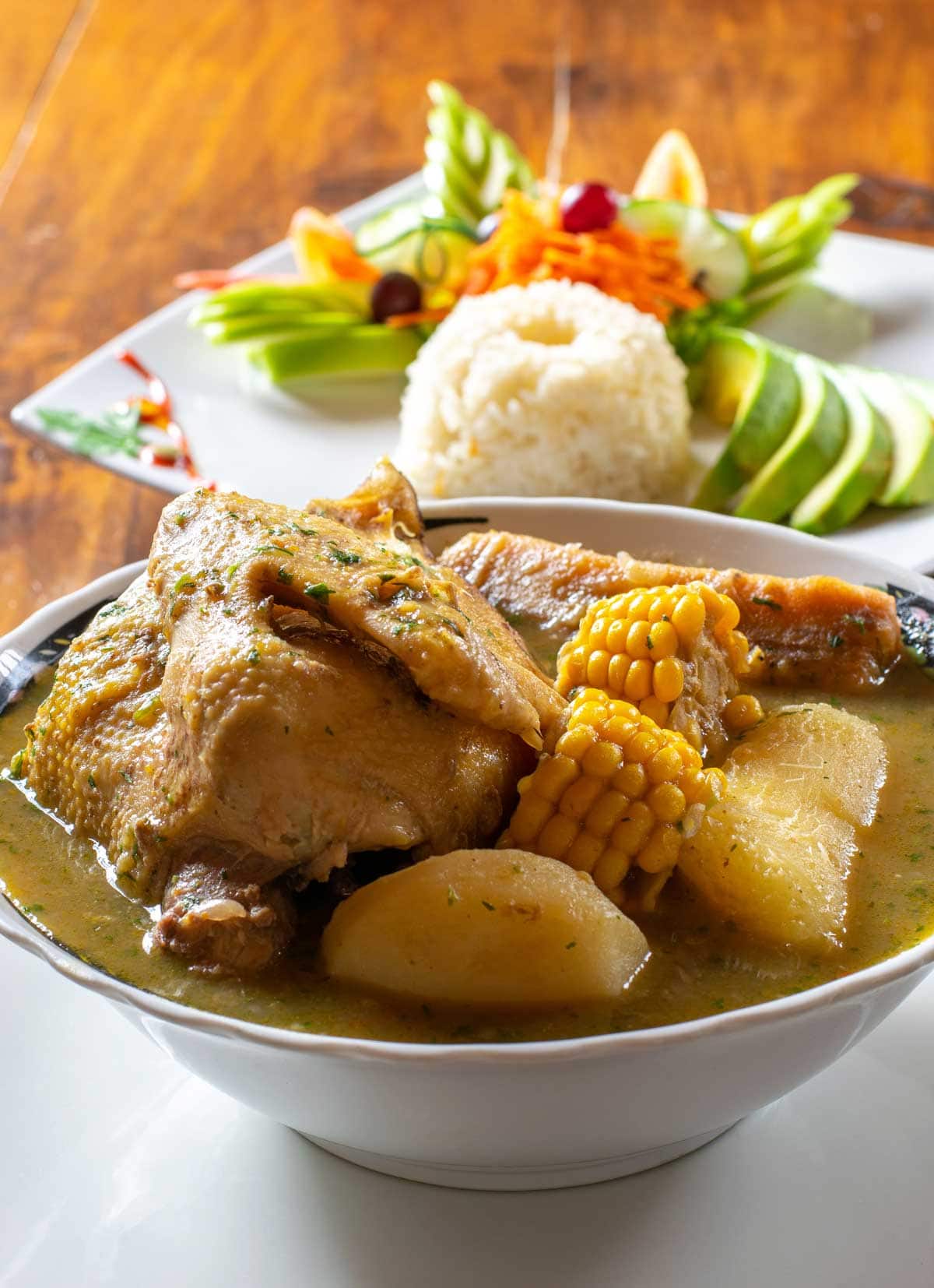
Sancocho isn’t just another stew—it’s a soulful journey through Latin America’s most cherished culinary traditions.
Every spoonful tells a story of family, culture, and comfort.
-
It’s rich in flavor and history, blending indigenous, African, and Spanish influences.
-
The recipe is adaptable, making it easy to personalize with your favorite meats and vegetables.
-
It’s the ultimate comfort food, perfect for cold days, gatherings, or anytime you need a hearty, feel-good meal.
-
Cooking sancocho is an experience, not just a recipe—it invites you to slow down, gather loved ones, and share something meaningful.
Whether you’re reconnecting with your roots or discovering it for the first time, sancocho is a dish everyone should taste at least once.
Warm, nourishing, and full of heart—it’s Latin American hospitality in a bowl.
So go ahead: grab a pot, gather your ingredients, and let sancocho work its magic!
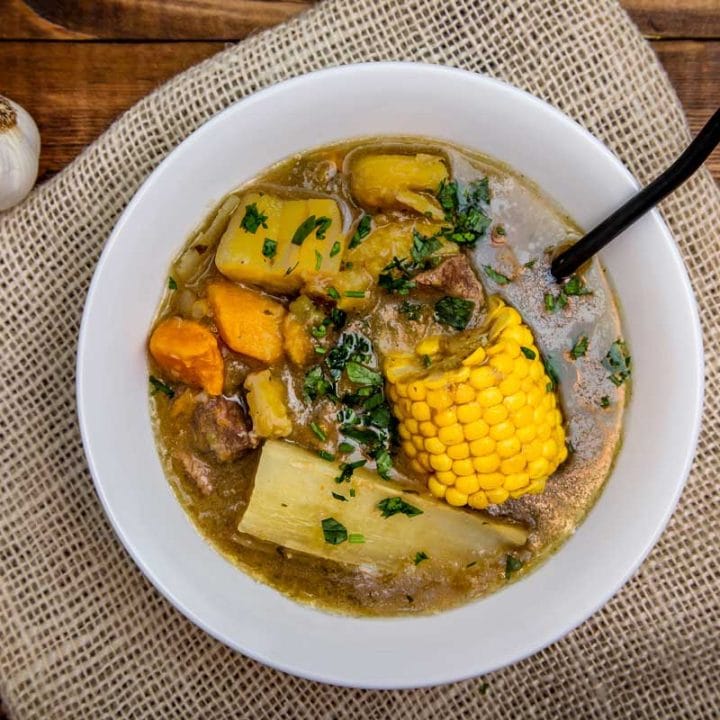
Sancocho Recipe (Trifásico Style)
A hearty three-meat sancocho variation with chicken, pork and beef, green plantains, root vegetables and corn in a sofrito-seasoned broth. Serve with rice, avocado and lime.
Ingredients
Proteins (Trifásico)
- 1 lb bone-in chicken thighs
- 1 lb pork shoulder, cut into 1½-inch chunks
- 1 lb beef chuck in 1½-inch chunks or bone-in short ribs (ribs may take longer)
- Juice of 1 bitter orange or 1 lime (for marinating)
- 1 tsp salt
Root Vegetables (Tubers)
- 2 green plantains, peeled and sliced
- 1 cup yuca (cassava), peeled and cubed
- 1 cup malanga (or taro root), peeled and cubed
- 2 small potatoes, peeled and chopped
- 1 medium sweet potato, peeled and cubed
Flavor Base
- 2 tbsp olive oil
- ½ cup sofrito (homemade or store-bought)
- 1 medium onion, chopped
- 4 garlic cloves, minced
- 4 scallions, chopped
- ½ cup chopped cilantro
- 2 tbsp chopped culantro (if available)
Vegetables and Broth
- 1 corn on the cob, sliced into rounds
- 1 bell pepper, chopped
- 6 cups low-sodium chicken broth, plus water as needed to cover (or 6 cups water with bouillon prepared according to its label)
- 1 tsp dried oregano
- 1 tsp ground cumin
- Salt and pepper to taste
Garnishes & Sides
- White rice (for serving)
- Lime wedges
- Sliced avocado
- Fresh cilantro
- Hot sauce (optional)
Instructions
- Season the meats with the citrus juice and 1 teaspoon salt. Keep chicken in a separate covered container from beef and pork, and marinate in the refrigerator for 30 minutes.
- In a large stockpot, heat the olive oil. Soften onion, scallions and bell pepper for about 5 minutes; add garlic and sofrito and cook 2 minutes more. Add beef and pork, cumin, oregano, culantro and half the cilantro.
- Pour in 6 cups broth, then enough water to cover the meat. Bring to a boil, skim, and reduce to a gentle covered simmer. Cook about 75–90 minutes, or until beef and pork are nearly tender; larger cuts can take longer. Add hot water as needed to maintain the broth level.
- Add chicken, green plantains, peeled yuca and malanga or taro. Simmer about 15 minutes, then add potatoes, sweet potato and corn. Continue 20–30 minutes, until the roots are fully tender, beef and pork are tender, and chicken reaches 165°F (74°C) away from bone. Remove individual pieces as they finish if needed to prevent overcooking.
- Remove any tough yuca center fibers. Return any reserved cooked ingredients to the hot broth, add remaining cilantro, and adjust salt and pepper. Add hot water for a looser broth or mash a few cooked potato pieces for thickness.
- Divide among six to eight bowls and serve with separately prepared rice, avocado, lime and optional hot sauce.
Notes
This is a three-meat sancocho variation with a sofrito base; regional recipes differ. Timing allows 25 minutes active preparation, 30 minutes refrigerated marinating and about 2½ hours cooking. Large short ribs may take longer. Fully peel and cook yuca and malanga or taro. Rice and other sides are additional. For next-day serving, cool promptly in shallow containers and refrigerate; do not leave the full pot standing out for an hour to develop flavor.
More Colombian Foods
See all →
Jorge Garcia is the founder of AmigoFoods, where he has spent over 20 years helping readers discover authentic Latin American and Spanish cuisine. Raised in a Cuban-American household, Jorge learned to cook at the hands of his mother and grandmother, carrying forward generations of family recipes. That heritage, backed by his family’s four-generation history in the Latin food industry, inspired him to launch AmigoFoods in 2003. With more than 1,000 published articles on recipes, ingredients, and food culture, Jorge’s mission is simple: make authentic Latin cooking approachable for home cooks everywhere while honoring the traditions behind every dish.