Coquito Recipe: Puerto Rican Coconut Eggnog (Cooked-Yolk and Egg-Free)
Coquito is Puerto Rico’s Christmas drink: a cold, creamy blend of coconut, canned milks, cinnamon and Puerto Rican rum that … Read more


✦ FEATURED THIS SEASON
Spain’s almond-and-honey nougat, soft from Jijona or crunchy from Alicante, is the one sweet that reaches nearly every Latin Christmas table. Learn the types, the brands worth buying, and how to keep it fresh.
Read the Turrón Guide →Polvorones, mantecados and marzipan.
Puerto Rico’s coconut eggnog.
Nochebuena menus from 11 countries.
Coquito, ponche, cola de mono and more.
Roscón and rosca de reyes.
Venezuela’s Christmas ham bread.
The panettone of Peru and Brazil.
The wrapped classics of the season.
Spain’s almond nougat, explained.
Late dinners, hidden figurines and a tamal for every country.
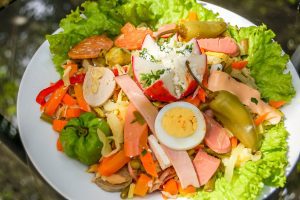 Behind the name
Nochebuena means “the good night.” Across Latin America and Spain, the big Christmas meal happens on December 24, often after midnight Mass, not on the 25th.
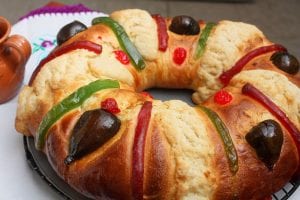 Hidden prize
A tiny baby Jesus figure hides inside the rosca de reyes on January 6. In Mexico, whoever finds it hosts the tamales on Día de la Candelaria, February 2.
On Nochebuena, the night of December 24. The meal usually starts late and runs past midnight, with fireworks in countries like Guatemala, El Salvador and Colombia. Christmas Day is for leftovers and visiting. A week later, on New Year's Eve, Spain and much of Latin America eat 12 grapes at midnight for luck.
Holiday dishes by country →Tamales take hours and many hands, so families make them together in December. Mexico and Central America make tamales (including pink sweet tamales) and nacatamales, Venezuela makes hallacas, and Puerto Rico and the Dominican Republic make pasteles.
Read about nacatamales →Almost every country has one: coquito in Puerto Rico, rompope in Mexico and Central America, ponche crema in Venezuela, ron ponche in Panama and cola de mono in Chile.
Holiday drinks by country →Panetón (panettone) is everywhere in Peru and much of South America, and pan dulce fills tables in Argentina and Uruguay. On January 6, Mexico and Spain close the season with rosca de reyes.
Read about Peruvian panetón →In Argentina, Uruguay, Paraguay and Chile, Christmas falls in summer. Tables lean on asado, cold dishes like vitel toné and ensalada rusa, and chilled drinks like clericó.
Read about vitel toné →A nougat of honey, sugar, egg white and almonds. Hard Alicante and soft Jijona are the two classics, and turrón is now a Christmas staple across Latin America too.
Read our turrón guide →Three Kings’ Day, January 6, ends the Christmas season. Children get gifts in Spain, Mexico and Puerto Rico, and families share a rosca de reyes.
Make a rosca de reyes →Christmas is one of the most cherished celebrations throughout Latin America and Spain, bringing families together around tables filled with generations of treasured recipes. From festive desserts and sweet breads to comforting holiday drinks and regional specialties, Latin Christmas foods reflect traditions passed down through Indigenous, Spanish, African and European influences. Whether the big meal is Nochebuena on December 24, Christmas Day, or Día de los Reyes on January 6, every country has its own signature dishes that make the season unforgettable.
Start with the classics: turrón, polvorones, rosca de reyes, pan de jamón, hallacas, panetón and coquito. Then go country by country through the holiday dishes and holiday drinks of Spain, Mexico, Puerto Rico, Cuba, Venezuela, Colombia, Peru, Argentina, Chile, Brazil, the Dominican Republic and Costa Rica.
If you are new to Latin and Spanish holiday baking, begin with our guide to 12 Traditional Spanish Sweets for Christmas, then work through the recipes, dessert guides and Christmas traditions collected here. Whether you are recreating a family recipe or starting a new tradition, these are the dishes that carry the warmth and generosity of Christmas across the Spanish-speaking world.
Coquito is Puerto Rico’s Christmas drink: a cold, creamy blend of coconut, canned milks, cinnamon and Puerto Rican rum that … Read more
Puerto Rican Christmas food starts with three dishes: pernil, arroz con gandules and pasteles. After that, the table fills up … Read more
Mexican Christmas food runs from December 12 to January 6, not just one dinner. The season moves from the Virgin … Read more
Buñuelos cubanos are Cuba’s Christmas fritters: a soft dough of boiled yuca and malanga, scented with anise, rolled into ropes, … Read more
Panetón D’Onofrio (often searched as “panetón Donofrio”) is Peru’s best-selling panetón: the tall, raisin-and-candied-fruit Christmas bread in the light-blue box. … Read more
Flan de queso is cream cheese flan: a baked caramel custard made with cream cheese, sweetened condensed milk, evaporated milk … Read more
Día de las Velitas lights up Colombia every December 7. Learn why, how families celebrate, what the candle colors mean, and the foods to serve.
Bauducco panettone explained: Italian or Brazilian, where it’s made, every U.S. flavor, how it tastes and keeps, plus a panettone bread pudding recipe.
Ensalada rusa is the potato salad of Latin America: boiled potatoes, carrots and peas folded with hard-boiled egg and mayonnaise, … Read more
The best turrón brands from Spain, compared: El Almendro, 1880, Sanchis Mira, Vicens and more, with IGP labels, almond grades and where to buy in the US.
Mexican Christmas drinks are mostly hot, sweet and spiced, made in big pots to serve a crowd. They’re poured at … Read more
Christmas in Uruguay happens in midsummer, and officially it isn’t called Christmas at all. Since 1919, December 25 has been … Read more
Ensaladilla rusa is Spain’s creamy potato salad: diced boiled potatoes, carrots and peas folded with tuna, hard-boiled egg and mayonnaise, … Read more
Christmas in Panama arrives with the dry season. In December the north wind blows the rains away, the sun comes … Read more
Christmas in Nicaragua starts with the Virgin Mary. Before anyone thinks about Nochebuena, the country celebrates La Purísima, nine days … Read more