

Coyotas are round Sonoran pastries with a crisp shell and a sweet piloncillo center. This baking-powder version makes 12, with cinnamon in the filling and a dough rest before rolling—ideal alongside café de olla or hot chocolate.
Coyotas at a Glance
What Are Coyotas?
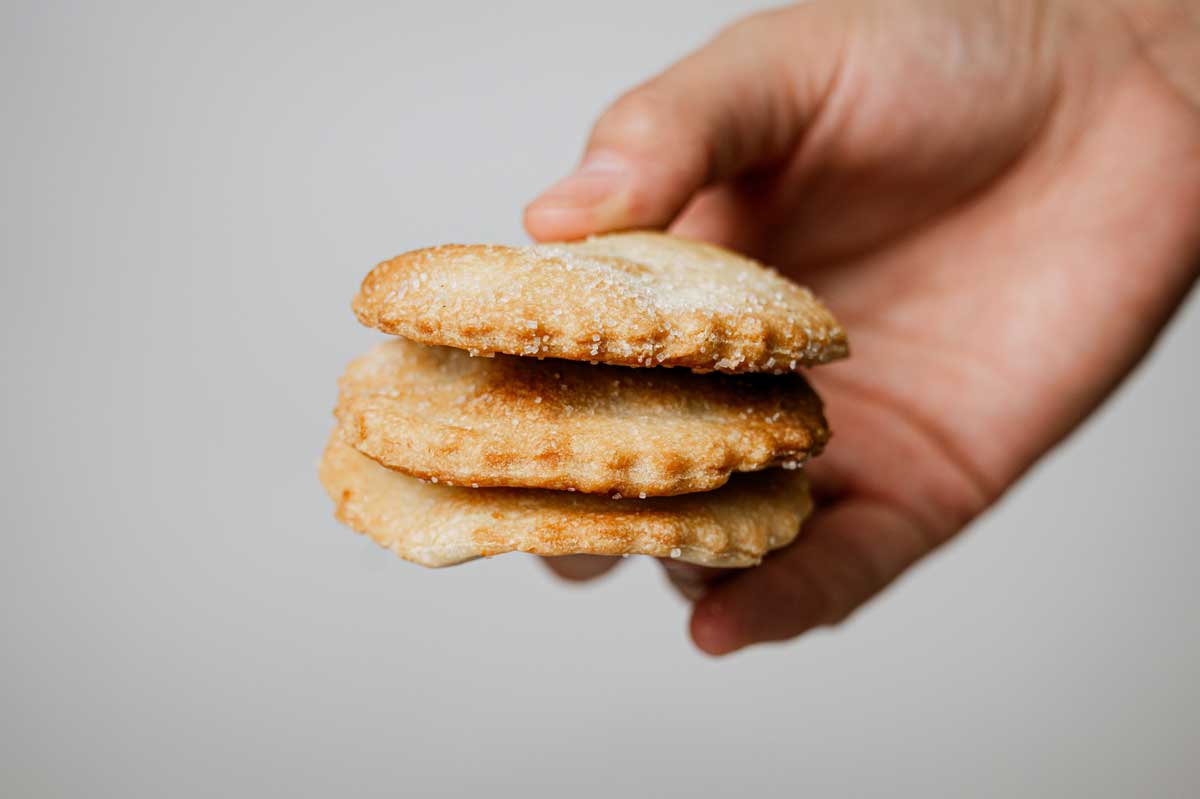
Coyotas are a traditional Mexican pastry originating from Sonora, Mexico.
These delicious, flaky, and thin pastries are typically filled with piloncillo, an unrefined cane sugar that gives them their signature caramel-like sweetness.
Coyotas have a unique texture and preparation method that sets them apart.
Key Characteristics of Coyotas:
- Thin and flaky dough – Unlike denser pastries, Coyotas have a light and crisp texture.
- Sweet fillings – While piloncillo is the traditional filling, variations include cajeta (caramelized goat’s milk), guava, and nuts.
- Baked to golden perfection – Unlike fried pastries, Coyotas are baked, giving them a delightful crispness.
- Sonoran specialty – They are particularly famous in Hermosillo, Sonora, where they are a staple treat.
A Brief History of Coyotas

Coyotas originated in 19th-century Sonora, Mexico, blending Spanish and indigenous baking traditions.
These pastries feature a flour-based dough filled with piloncillo, an unrefined cane sugar used in pre-Hispanic times.
The name “Coyota” is linked to the colonial-era term for people of mixed Spanish and indigenous heritage, reflecting the pastry’s mestizo roots.
While found throughout Sonora, Coyotas are most closely associated with Hermosillo, where families have been making them for generations.
Initially a homemade treat, Coyotas gained popularity and became a commercialized product in the 20th century.
Today, they remain a beloved Sonoran specialty, available in traditional and modern flavors like chocolate, guava, and caramel.
Traditional Ingredients Used in Coyotas

Coyotas are made with simple yet flavorful ingredients that come together to create a flaky, sweet, and satisfying pastry.
Each component plays a crucial role in achieving the authentic taste and texture that has made these Sonoran treats so beloved for generations.
1. Flour (Harina de Trigo)
- The base ingredient for the dough, providing structure and texture.
- Traditionally, all-purpose flour is used to create a soft yet firm pastry shell.
2. Piloncillo (Unrefined Cane Sugar)
- The classic filling for Coyotas, giving them their distinct caramel-like sweetness.
- Piloncillo is made from boiled and solidified sugarcane juice, offering a deep, molasses-like flavor.
- For this recipe, grate it finely and add it dry; it melts inside the pastry during baking.
3. Lard (Manteca) or Butter (Mantequilla)
- Adds richness and flakiness to the dough.
- Traditionally, pork lard (manteca de cerdo) was used for its authentic taste and texture, but some modern recipes substitute it with butter or vegetable shortening.
4. Baking Powder (Polvo de Hornear)
- Helps give the dough a slight lift and tenderness.
- While not always used in traditional recipes, many modern versions include it for better texture.
5. Salt (Sal)
- Enhances the flavors and balances the sweetness of the filling.
- A small pinch is enough to bring out the richness of the dough.
6. Water or Milk (Agua o Leche)
- Used to bind the dough ingredients together.
- Some recipes incorporate milk for added softness and richness.
7. Cinnamon & Vanilla (Canela y Vainilla) [Optional]
- Some variations add cinnamon powder to the dough or filling for extra warmth.
- Vanilla extract is sometimes mixed into the dough to enhance its aroma and flavor.
The Mexican cookies prove that simple ingredients can create something truly special.
Their combination of flaky dough and sweet filling makes them a timeless Sonoran delicacy loved across Mexico and beyond!
Popular Variations of Coyotas
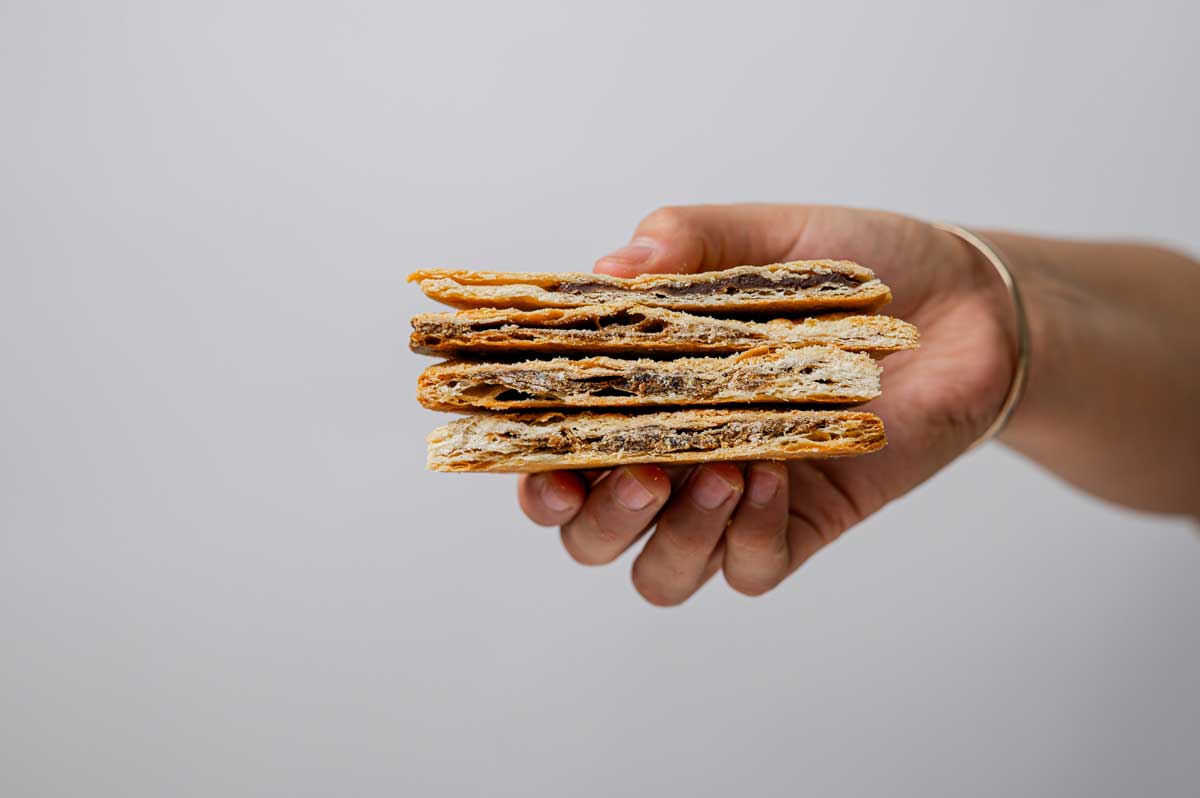
While the traditional Coyotas are filled with piloncillo (Mexican raw cane sugar), over the years, bakers have developed delicious variations to cater to different tastes.
These adaptations maintain the flaky, crisp pastry shell but offer diverse fillings that enhance the experience of this Sonoran delicacy.
1. Coyotas de Piloncillo (Traditional Coyotas)
- The classic and most authentic version of Coyotas.
- Filled with grated piloncillo, giving them a deep caramelized, molasses-like flavor.
- Best enjoyed with coffee, hot chocolate, or atole.
2. Coyotas de Cajeta
- Filled with cajeta, a Mexican goat’s milk caramel that adds a creamy, sweet, and slightly tangy taste.
- Popular for those who enjoy a richer, more indulgent filling.
3. Coyotas de Guayaba (Guava Coyotas)
- A fruity twist using guava paste (pasta de guayaba) as the filling.
- Offers a sweet and slightly tart flavor, balancing the richness of the dough.
- A favorite among those who enjoy tropical fruit-based pastries.
4. Coyotas de Nuez (Pecan Coyotas)
- Features chopped pecans or almonds mixed with piloncillo or honey.
- Provides a delightful crunch with every bite.
- Great for nut lovers looking for a more textured and hearty Coyota.
5. Coyotas de Chocolate
- A modern take, filled with Mexican chocolate, such as Abuelita or dark chocolate.
- Perfect for chocolate lovers who want a blend of crisp pastry and melted cocoa goodness.
- Sometimes enhanced with a dash of cinnamon or chili powder for an extra Mexican twist.
Coyotas continue to evolve, and creative bakers keep experimenting with new fillings to satisfy every palate.
How to Make Coyotas at Home (Step-by-Step Recipe)

Making Coyotas at home is easier than you might think!
With a few basic ingredients and some simple baking techniques, you can enjoy these authentic Sonoran pastries right from your own kitchen.
Follow this step-by-step recipe to create delicious, flaky Mexican cookies filled with traditional piloncillo or your favorite variation.
Ingredients for 12 Coyotas
- Dough
- 4 cups all-purpose flour, spooned and leveled
- 1 teaspoon baking powder
- ½ teaspoon salt
- ½ cup lard or softened butter
- 1 cup warm water or milk, plus a little more if needed
- 1 teaspoon vanilla extract, optional
- Piloncillo filling
- 1 cup finely grated piloncillo or dark brown sugar
- 1 teaspoon ground cinnamon
- 1 tablespoon all-purpose flour
- Optional finish
- 1 beaten egg mixed with 1 teaspoon water, for brushing
Step-by-Step Method
- Whisk the flour, baking powder and salt. Rub in the lard or butter until crumbly. Add the water or milk gradually, plus vanilla if using. Knead briefly until smooth, adding a teaspoon more liquid at a time if dry. Cover and rest for 30 minutes.
- Mix the finely grated piloncillo with cinnamon and the tablespoon of flour. Keep the filling dry; it melts during baking.
- Divide dough into 24 equal pieces. Roll each into a circle about 4–5 inches across and ⅛ inch thick. Divide the filling among 12 rounds, leaving a clear border. Cover with the remaining 12 rounds and press and crimp edges firmly.
- Heat the oven to 375°F (190°C). Arrange the 12 pastries on two parchment-lined baking sheets. Pierce the tops to vent. Brush lightly with optional egg wash. Bake for about 20 minutes, checking from 15 minutes, until lightly golden and cooked through; rotate trays as needed.
- Cool on a rack for at least 15 minutes before eating, longer if the filling is still hot. Serve with coffee, atole or hot chocolate.
Timing and Recipe Notes
Makes 12 coyotas from 24 dough rounds. Allow about 1 hour 50 minutes: 45 minutes active preparation, 30 minutes resting, 20 minutes baking and 15 minutes cooling. Add time if baking trays separately.
This is a baking-powder dough; other Sonoran recipes use yeast and longer rests. Lard and butter give different textures. The small amount of flour in the filling helps contain melted sugar. Seal edges well and avoid overfilling.
For variations, use a small spoonful of thick cajeta or guava paste instead of the piloncillo filling, or mix in a few chopped nuts. Cool completely before storing. Keep piloncillo-filled coyotas airtight at room temperature for up to 3 days; follow storage guidance for alternative fillings. Rewarm at 300°F (150°C) for a few minutes.
Where to Buy Authentic Coyotas

If you’re craving authentic Coyotas but don’t have time to make them at home, there are several great places where you can buy these delicious Sonoran pastries.
Whether you’re in Mexico, the U.S., or shopping online, here’s where to find the best Coyotas!
1. Traditional Bakeries in Sonora, Mexico
The best place to get freshly baked, authentic Coyotas is in Sonora, particularly in Hermosillo, the birthplace of this beloved treat.
Some of the most famous bakeries include:
- Coyotas Doña Maria – One of the most well-known Coyota makers in Hermosillo, offering a variety of traditional and modern fillings.
- Coyotas La Fama – A legendary bakery that has been making Coyotas for generations.
- Panadería El Manantial – Specializes in handmade Coyotas with high-quality ingredients.
- Coyotas La Abuela – A family-run bakery with authentic recipes passed down through generations.
If you’re ever in Hermosillo, visiting these bakeries is a must for any Mexican pastry lover!
2. Mexican Supermarkets & Latin Grocery Stores
If you’re in the United States, Canada, or other parts of Latin America, you may find pre-packaged Coyotas at:
- El Super (U.S.) – A Latin grocery store chain that sometimes carries Coyotas.
- Northgate Market (California, U.S.) – Known for stocking authentic Mexican pastries and treats.
- Cárdenas Markets (U.S.) – Often carries Sonoran baked goods, including Coyotas.
- Mexican bakeries (Panaderías) – Local Latin bakeries may have handmade Coyotas.
- Specialty Latin food stores – Many Hispanic food markets carry imported Mexican pastries.
Call ahead or check their websites to see if they stock Coyotas before making the trip!
3. Online Stores That Ship Coyotas
If you’re not near a Mexican bakery or Latin supermarket, you can buy authentic Coyotas online! Some great options include:
- Amazon Mexico – Sometimes sells packaged Coyotas from Sonoran bakeries.
- MexGrocer.com – Specializes in Mexican sweets and baked goods, including Coyotas de Piloncillo.
- Specialty Mexican bakeries with online shops – Many bakeries in Sonora ship Coyotas worldwide.
Whether you’re in Hermosillo, a Latin supermarket, or shopping online, finding authentic Coyotas has never been easier.
If you’re lucky enough to visit Sonora, Mexico, be sure to stop by a local bakery to try the real deal.
But if you’re elsewhere, you can always order them online or make them at home.
Serving and Pairing Suggestions

Coyotas are a versatile and delicious treat that can be enjoyed in many ways.
Whether you prefer them freshly baked, lightly warmed, or straight from the package, pairing them with the right drink or accompaniment enhances their authentic Sonoran flavors.
Here’s how to best enjoy Coyotas!
1. Best Drinks to Pair with Coyotas ☕
Coyotas pair exceptionally well with warm beverages that complement their sweetness.
Here are some of the best options:
Classic Mexican Beverages:
- Café de Olla – A traditional Mexican spiced coffee with cinnamon and piloncillo that enhances the rich flavors of Coyotas.
- Atole – A thick, warm corn-based drink that pairs perfectly with the flaky texture of Coyotas.
- Champurrado – A chocolate-infused version of atole, offering a creamy and indulgent match for Coyotas.
- Hot Chocolate (Chocolate Abuelita) – The deep, spiced flavors of Mexican chocolate blend beautifully with Coyotas.
Other Great Drink Pairings:
- Espresso or Black Coffee – The bold flavors balance the pastry’s sweetness.
- Tea (Cinnamon or Vanilla Infused) – A lighter, more fragrant pairing option.
- Cold Milk – A simple but classic combination that highlights the flavors of Coyotas.
- Horchata – The creamy rice and cinnamon drink enhances the dessert’s natural warmth.
2. Ideal Occasions for Enjoying Coyotas
Coyotas are great for any time of the day and make a wonderful addition to celebrations.
Here are some perfect moments to enjoy them:
- Breakfast or Merienda (Afternoon Snack) – Enjoy with coffee or atole for a classic Mexican breakfast or snack.
- Dessert after a Mexican Meal – Serve alongside flan, arroz con leche, or tres leches cake for an authentic experience.
- Holiday Celebrations – A great treat for Día de los Muertos, Christmas, and Las Posadas.
- Gifts & Souvenirs – Packaged Coyotas make for a thoughtful gift for those who love authentic Mexican sweets.
- On-the-Go Snack – Their portable size and firm texture make them easy to take anywhere!
3. Creative Ways to Serve Coyotas ️
Want to take Coyotas to the next level?
Try these delicious serving ideas:
- Warm them up – Heat in an oven at 300°F (150°C) for a few minutes for a crispier texture.
- Drizzle with Honey or Cajeta – Enhance the sweetness with Mexican caramel or honey.
- Dust with Powdered Sugar – A light sprinkle adds an extra touch of sweetness.
- Serve with Ice Cream – Pair with vanilla, cinnamon, or dulce de leche ice cream for a decadent Mexican dessert.
- Top with Fresh Fruits – Serve with sliced bananas, strawberries, or guava for a fruity contrast.
Coyotas are a delightful Sonoran treat that can be enjoyed in many ways, whether paired with a hot cup of café de olla, a scoop of ice cream, or simply on their own.
No matter how you serve them, they are always a perfect way to indulge in authentic Mexican flavors!
Experience the Sweet Tradition of Coyotas

Coyotas are more than just a Mexican pastry—they are a delicious piece of Sonoran history with a flaky crust and rich, sweet filling.
Coyotas are part of a big family of baked sweets; see our guide to Mexican cookies for 18 more.
Whether you try the classic piloncillo version, experiment with modern flavors like cajeta or chocolate, or even bake them at home, Coyotas are a must-try treat for any fan of authentic Mexican desserts.
From traditional bakeries in Hermosillo to Latin markets and online stores, finding authentic Coyotas has never been easier.
Pair them with café de olla or hot chocolate, and you have the perfect Mexican sweet experience.
Ready to try Coyotas?
Find a bakery near you, order them online, or make them at home and enjoy the timeless flavors of Sonora!

Coyotas Recipe
Coyotas are traditional Mexican pastries originating from Sonora, featuring a buttery, flaky dough filled with rich piloncillo (Mexican unrefined cane sugar) and warm cinnamon. These sweet, crispy pastries are often enjoyed with café de olla, atole, or hot chocolate. This authentic coyotas recipe will guide you step by step, including optional fillings like cajeta, guava paste, and Mexican chocolate to suit your taste.
Ingredients
Dough
- 4 cups all-purpose flour, spooned and leveled
- 1 teaspoon baking powder
- ½ teaspoon salt
- ½ cup lard or softened butter
- 1 cup warm water or milk, plus a little more if needed
- 1 teaspoon vanilla extract, optional
Piloncillo filling
- 1 cup finely grated piloncillo or dark brown sugar
- 1 teaspoon ground cinnamon
- 1 tablespoon all-purpose flour
Optional finish
- 1 beaten egg mixed with 1 teaspoon water, for brushing
Instructions
- Whisk the flour, baking powder and salt. Rub in the lard or butter until crumbly. Add the water or milk gradually, plus vanilla if using. Knead briefly until smooth, adding a teaspoon more liquid at a time if dry. Cover and rest for 30 minutes.
- Mix the finely grated piloncillo with cinnamon and the tablespoon of flour. Keep the filling dry; it melts during baking.
- Divide dough into 24 equal pieces. Roll each into a circle about 4–5 inches across and ⅛ inch thick. Divide the filling among 12 rounds, leaving a clear border. Cover with the remaining 12 rounds and press and crimp edges firmly.
- Heat the oven to 375°F (190°C). Arrange the 12 pastries on two parchment-lined baking sheets. Pierce the tops to vent. Brush lightly with optional egg wash. Bake for about 20 minutes, checking from 15 minutes, until lightly golden and cooked through; rotate trays as needed.
- Cool on a rack for at least 15 minutes before eating, longer if the filling is still hot. Serve with coffee, atole or hot chocolate.
Notes
Makes 12 coyotas from 24 dough rounds. Allow about 1 hour 50 minutes: 45 minutes active preparation, 30 minutes resting, 20 minutes baking and 15 minutes cooling. Add time if baking trays separately.
This is a baking-powder dough; other Sonoran recipes use yeast and longer rests. Lard and butter give different textures. The small amount of flour in the filling helps contain melted sugar. Seal edges well and avoid overfilling.
For variations, use a small spoonful of thick cajeta or guava paste instead of the piloncillo filling, or mix in a few chopped nuts. Cool completely before storing. Keep piloncillo-filled coyotas airtight at room temperature for up to 3 days; follow storage guidance for alternative fillings. Rewarm at 300°F (150°C) for a few minutes.
More Mexican Desserts
See all →
Jorge Garcia is the founder of AmigoFoods, where he has spent over 20 years helping readers discover authentic Latin American and Spanish cuisine. Raised in a Cuban-American household, Jorge learned to cook at the hands of his mother and grandmother, carrying forward generations of family recipes. That heritage, backed by his family’s four-generation history in the Latin food industry, inspired him to launch AmigoFoods in 2003. With more than 1,000 published articles on recipes, ingredients, and food culture, Jorge’s mission is simple: make authentic Latin cooking approachable for home cooks everywhere while honoring the traditions behind every dish.