Ecuadorian food is as diverse and vibrant as the country’s breathtaking landscapes, spanning the Amazon rainforest, the towering Andes mountains, and the beautiful Pacific coast.
From the fresh ceviches of the coast to the comforting stews of the highlands and the exotic dishes of the Amazon, Ecuadorian food offers a feast of tastes and traditions.
In this guide, we’ll introduce the top 25 Ecuadorian dishes, each one a delicious expression of the country’s culinary identity.
Whether you’re a seasoned traveler, a passionate foodie, or just curious to explore Ecuadorian food, this list promises to inspire and satisfy.
Ecuadorian Ceviche
Ceviche is a beloved coastal dish in Ecuador, known for its fresh and zesty flavors.
While variations of ceviche exist across Latin America, Ecuadorian ceviche is unique for its preparation style and ingredients.
Typically made with shrimp, fish, or mixed seafood, Ecuadorian ceviche is marinated in lime juice, which “cooks” the seafood, giving it a tender texture and bright taste.
Tomatoes, cilantro, and finely chopped onions add depth to the dish, while the tangy marinade is sometimes enhanced with a bit of tomato sauce, giving Ecuadorian ceviche a slightly reddish color.
It’s often served with sides like crispy plantain chips or popcorn, which add texture and a touch of local flair. For more snacks and sides made with plantains, browse our Latin plantain recipes.
Perfect for hot coastal days, the Ecuadorian seafood dish is a refreshing and iconic meal that captures the essence of the country’s cuisine.
2. Encebollado
Encebollado, Ecuadorian Seafood StewEncebollado is Ecuador’s famous fish stew, a dish treasured by locals as a comforting, warming meal.
Made with chunks of fresh fish, typically albacore, and complemented by hearty yuca, this dish is seasoned with red onions, tomatoes, cilantro, and a blend of spices that create a rich and flavorful broth.
Encebollado is often enjoyed with a squeeze of lime juice and served with sides like chifles (fried plantains) or crusty bread.
Known as a popular hangover remedy, encebollado is commonly eaten in the morning, particularly along the coast.
It’s a satisfying, nutritious dish that embodies Ecuadorian home cooking and has a well-deserved reputation as one of the country’s most cherished comfort foods.
3. Llapingachos
Llapingachos, Ecuadorian AppetizerLlapingachos are a delightful Ecuadorian snack and side dish made from seasoned potato patties filled with cheese and cooked until crispy on the outside and soft inside.
Originating from the Andean region, these patties are often served alongside chorizo, a fried egg, avocado slices, and a side of curtido, an Ecuadorian onion and tomato salad, creating a hearty and satisfying meal.
The key to the perfect llapingacho lies in the potatoes, which are mashed and mixed with achiote (annatto) for a slight hint of earthy flavor. Achiote is one of the 16 staples in our guide to Ecuadorian ingredients.
This dish is incredibly versatile and is enjoyed at any time of the day, from breakfast to dinner.
With their warm, cheesy filling and satisfying texture, llapingachos offer a comforting taste of Ecuador’s culinary tradition.
4. Locro de Papa
Traditional Ecuadorian Soup, Locro de Papa
Locro de Papa is a traditional potato soup that is especially popular in Ecuador’s highland regions.
This thick, creamy soup is made from potatoes, milk, cheese, and sometimes a hint of achiote for color.
The Ecuadorian soup is typically garnished with avocado slices and crumbled cheese, adding richness and depth to the flavor.
Locro de Papa is a staple dish enjoyed on cold days, thanks to its warming, hearty quality.
It is often served as an appetizer but can also stand alone as a filling meal.
This comforting dish showcases the humble potato, a staple in Ecuadorian agriculture, and highlights the Andean region’s simple, yet flavorful cooking style.
5. Empanadas de Viento
Empanadas de VientoEmpanadas de Viento, or “wind empanadas,” are a popular Ecuadorian snack known for their airy, light texture.
These Ecuadorian empanadas are filled with cheese and then deep-fried, causing them to puff up and form a hollow, crispy exterior.
After frying, they’re dusted with sugar, creating a unique sweet-savory combination that’s irresistible to many.
Empanadas de Viento are enjoyed at any time of day, often paired with a hot cup of coffee or colada morada, a traditional Ecuadorian drink.
The cheese filling, combined with the sweet sugar coating, makes these empanadas a treat that offers a delightful contrast of flavors and textures, embodying the playfulness of Ecuadorian snacks.
6. Fritada
Fritada de Chancho Ecuadorian Dish
Fritada is a flavorful pork dish that’s slow-cooked with a blend of spices, garlic, and orange juice, which infuses the meat with a deliciously sweet and tangy flavor.
Once tender, the pork is fried to create a crispy texture on the outside, while remaining juicy on the inside.
This dish is typically served with llapingachos, mote (hominy), and a fresh salad, creating a well-rounded and satisfying meal.
Fritada is a common sight at festivals, family gatherings, and market stalls, as it’s often prepared in large quantities to feed a crowd.
Its bold flavors and hearty ingredients make it a favorite among locals and visitors alike.
7. Hornado
Hornado Ecuadorian dish
Hornado, or roasted pork, is a cherished Ecuadorian dish that’s especially popular in highland regions.
The pork is marinated with spices like garlic and cumin, then slow-roasted until the meat is tender and the skin is perfectly crispy.
Traditionally cooked in clay ovens, hornado is often served with sides like llapingachos, mote, and fresh salads, creating a meal that’s both flavorful and visually appealing.
This dish is a common offering at markets and is typically enjoyed during celebrations and special occasions.
With its succulent meat and crispy skin, hornado is a must-try for anyone exploring Ecuadorian food, offering a delicious taste of local culinary techniques.
8. Seco de Chivo
Ecuadorian Goat Stew
Seco de Chivo is a traditional goat stew, cooked slowly with a tangy sauce made from naranjilla, a citrus-like fruit that adds a unique flavor to the dish.
This popular Ecuadorian stew is seasoned with garlic, cumin, and herbs, and the slow-cooking process allows the goat meat to become tender while absorbing the rich flavors of the sauce.
Seco de Chivo is typically served with rice, avocado, and fried plantains, which balance the savory, acidic notes of the stew.
This dish, which comes from the coast (Santa Elena and Guayaquil) and is now eaten all over Ecuador, is a testament to Ecuadorian cooking’s ability to transform simple ingredients into a flavorful, satisfying meal.
9. Yahuarlocro
Traditional Ecuadorian Soup
Yahuarlocro is a hearty Ecuadorian potato soup, particularly popular in the highland region.
The soup is made with a base of potatoes and is often enriched with beef or lamb.
The unique touch in Yahuarlocro is the addition of lamb’s blood, giving it a rich depth of flavor.
It’s typically garnished with avocado slices, fried lamb intestines, and a sprinkle of green onions, creating a dish with layers of taste and texture.
Yahuarlocro is a comforting and flavorful choice that showcases Ecuador’s Andean culinary heritage.
10. Bolón de Verde
Bolon de Verde, Ecuadorian DishBolón de Verde, which translates to “green plantain ball,” is a popular breakfast item in Ecuador, especially on the coast.
Made from mashed green plantains mixed with cheese or pork (chicharrón), Bolón de Verde is formed into balls and fried until golden.
The result is a dish that’s crispy on the outside and soft on the inside, with a savory, satisfying flavor.
It’s often enjoyed with a cup of coffee or hot chocolate, making it a hearty and energizing start to the day.
Bolón de Verde is a great example of Ecuadorian food that utilizes plantains in delicious, innovative ways.
11. Humitas
Humitas served with traditional saucesHumitas are traditional Ecuadorian tamales made from ground corn, cheese, and spices, all wrapped in corn husks and steamed.
Unlike typical tamales, which are often dense, humitas have a soft, slightly crumbly texture that makes them particularly enjoyable.
Humitas can be prepared in both sweet and savory versions, depending on the ingredients used, and they are commonly enjoyed as a snack, breakfast, or light meal.
This dish showcases the versatility of corn in Ecuadorian cuisine, and its preparation has been passed down through generations, making it a cherished culinary tradition.
12. Quimbolitos
Quimbolitos, Traditional Ecuadorian DessertQuimbolitos are soft, fluffy corn cakes wrapped in achira leaves and steamed until tender, making them a beloved Ecuadorian treat.
Often enjoyed as a dessert or snack, quimbolitos have a slightly sweet flavor and are sometimes enhanced with raisins or other dried fruits.
Unlike humitas, which use fresh ground corn, quimbolitos are made with corn flour (often mixed with wheat flour) and have a lighter, more cake-like texture.
The achira leaves used in wrapping add a subtle, earthy aroma to the cakes as they steam, infusing each bite with a delicate flavor.
Quimbolitos are a delightful example of Ecuador’s culinary creativity, offering a taste of local ingredients and traditional techniques.
13. Morocho
Empanadas de Viento & Morocho
Morocho is a thick, creamy beverage made from white corn, milk, and spices such as cinnamon and cloves, often sweetened with sugar.
This warm drink is especially popular in the highlands, where the cool climate makes it a comforting treat.
Sold by street vendors and in cafes, morocho is commonly enjoyed as a late afternoon or evening snack, often accompanied by empanadas or other pastries.
The consistency is rich and slightly textured, thanks to the corn, making it both filling and flavorful.
Morocho reflects Ecuador’s tradition of incorporating corn into a variety of dishes, both savory and sweet.
The same cracked white corn, cooked and ground into a dough, is what makes empanadas de morocho, the crunchy pork-filled empanadas Quito eats with ají.
14. Maito
Ecuadorian Maito Dish
Maito is a unique dish from Ecuador’s Amazon region, where fish is wrapped in large bijao or banana leaves and then grilled or steamed.
The wrapping helps to lock in moisture and infuses the fish with a delicate, smoky flavor from the leaves.
Typically prepared with river fish, maito is often accompanied by sides like yuca, plantains, and salad.
This dish is especially popular among indigenous communities, where traditional cooking methods are highly valued.
Maito offers a taste of the Amazon’s abundant natural resources and provides insight into the local culture and customs surrounding food preparation.
15. Patacones
Ecuadorian Patacones with dipping saucesPatacones are thick, twice-fried green plantain slices that are crispy on the outside and tender inside.
These plantain discs are a staple side dish in Ecuador and can accompany a wide variety of meals, especially along the coast. They often share the plate with menestra, Ecuador’s stewed lentils or beans.
After being sliced and lightly fried, the plantains are flattened and fried again to achieve their signature crispy texture.
Often served with a sprinkling of salt, patacones are also delicious when paired with cheese, avocado, or a dipping sauce.
Their versatility and satisfying crunch make them a popular choice in Ecuadorian cuisine and an essential part of any traditional meal.
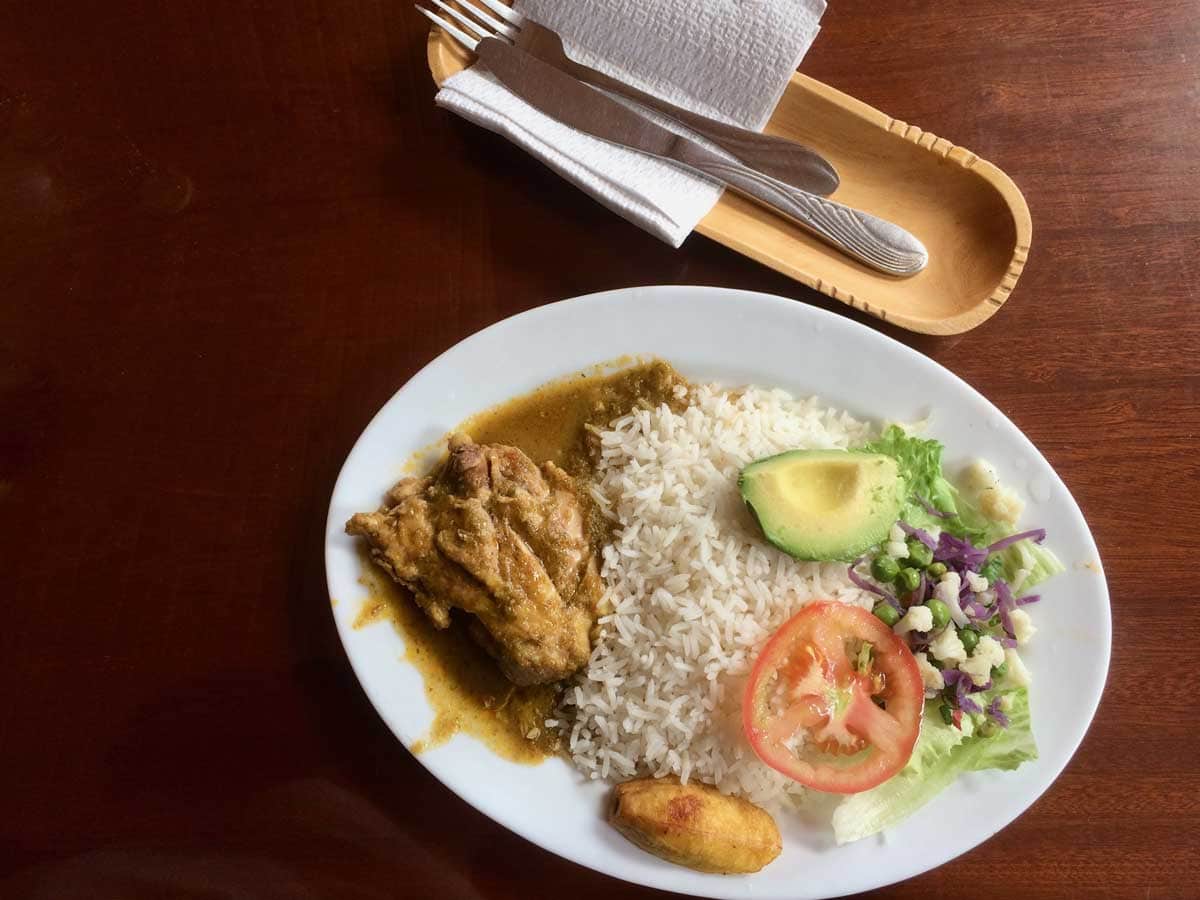
16. Seco de Pollo
Seco de Pollo served with rice and avocado
Seco de Pollo is a tangy, flavorful chicken stew that’s closely related to Seco de Chivo but uses chicken instead of goat.
The dish is prepared by simmering chicken in a sauce made from beer, tomatoes, onions, garlic, and naranjilla, a local Ecuadorian fruit that adds a unique citrus flavor.
The chicken becomes tender as it absorbs the tangy, slightly sweet flavors of the sauce, making it a comforting and well-rounded meal.
Seco de Pollo is commonly served with rice, avocado, and fried plantains, offering a delicious balance of flavors and textures.
It’s a beloved family dish that’s enjoyed across Ecuador, highlighting the country’s use of local ingredients.
17. Churrasco Ecuatoriano
Churrasco Ecuatoriano
Churrasco Ecuatoriano is Ecuador’s take on the classic South American grilled steak dish, but with its own unique twist.
In Ecuador, churrasco typically consists of a grilled steak served with rice, a fried egg, avocado slices, and fried plantains, creating a complete and hearty meal.
The meat is often marinated with garlic, cumin, and spices to enhance its flavor before grilling.
Churrasco is a popular lunch choice, offering a satisfying blend of protein, grains, and vegetables.
This dish represents Ecuador’s appreciation for balanced, flavorful meals and showcases how the country has adapted traditional Latin American cuisine to its own tastes.
18. Sango de Camarón
Ecuadorian Shrimp Stew
Sango de Camarón is a rich and creamy shrimp stew thickened with green plantain.
The plantains are mashed and cooked with onions, garlic, and shrimp, resulting in a hearty and satisfying dish with a smooth texture.
This coastal specialty is popular for its unique flavor, combining the natural sweetness of shrimp with the earthy taste of plantains.
Sango de Camarón is often enjoyed as a main course, served with a side of rice or patacones to complete the meal.
It’s a great example of Ecuador’s coastal cuisine and the creative ways plantains are used in traditional dishes.
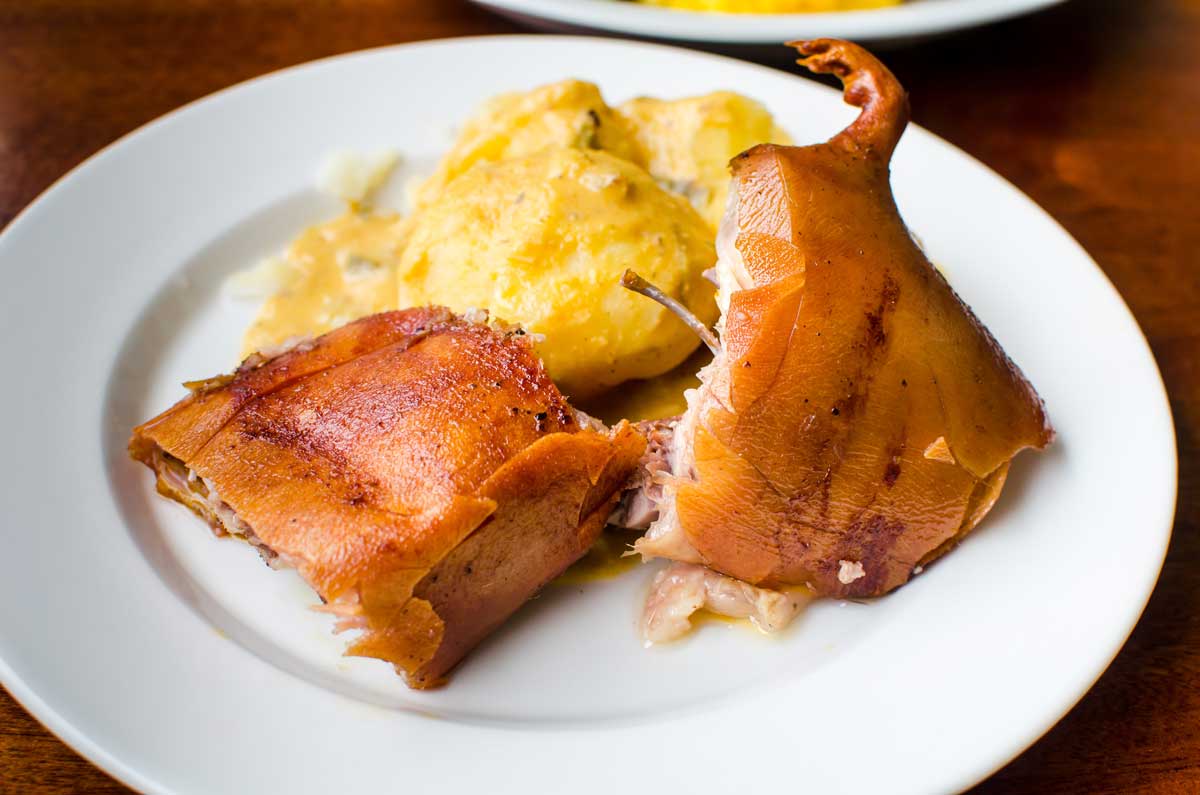
19. Cuy Asado
Cuy Asado
Cuy Asado, or roasted guinea pig, is one of Ecuador’s most distinctive dishes, particularly in the highland regions.
Guinea pig has been a source of protein for indigenous communities for centuries and is traditionally prepared by roasting it whole over an open flame.
The result is a crispy, flavorful dish that’s often served with potatoes, corn, and a spicy sauce.
While it may be unfamiliar to some, cuy holds cultural significance in Ecuador, particularly for special occasions and celebrations.
It’s a dish that offers a glimpse into the traditional diets of the Andean region, showcasing Ecuador’s culinary heritage.
20. Mote Pillo
Mote Pillo Ecuadorian Side DishMote Pillo is a traditional Ecuadorian dish from the highland region, particularly popular in the province of Azuay.
Made with mote (hominy corn) and scrambled eggs, this dish is simple yet deeply flavorful.
The hominy is sautéed with onions, garlic, and achiote (annatto), which gives it a warm, golden color and subtle earthy taste.
Freshly scrambled eggs are then mixed in, creating a soft, creamy texture.
Mote Pillo is often garnished with green onions and cilantro and served alongside cheese, avocado, or grilled meat.
It’s a comforting, satisfying dish, enjoyed for breakfast or as a side, celebrating Ecuador’s love for hominy corn.
21. Fanesca
Fanesca Soup served with platanos madurosFanesca is a traditional Ecuadorian soup served during Holy Week, especially on Good Friday.
This hearty dish combines a variety of grains, beans, and vegetables, symbolizing the bounty of Ecuador’s land, with salt cod as its central protein.
The creamy broth is made with milk, and the soup is enriched with ingredients like lentils, fava beans, corn, squash, and spices for depth and warmth.
Garnished with fried plantains, hard-boiled eggs, and fresh cheese, fanesca is both flavorful and visually appealing.
This dish, steeped in symbolism, is prepared and enjoyed with family, celebrating both community and Ecuadorian heritage.
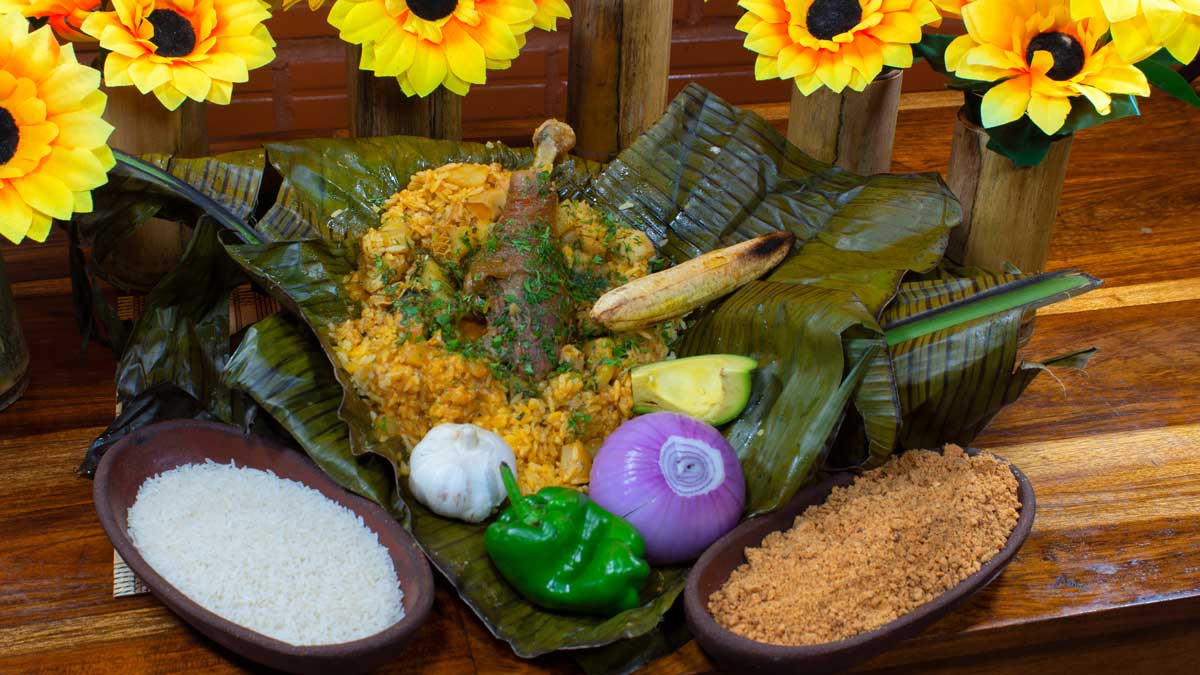
22. Tonga
Traditional Ecuadorian Dish of Tonga
Tonga is a traditional Ecuadorian meal that’s prepared by wrapping rice, meat, and sometimes vegetables in a banana leaf.
This practice helps to retain the flavors and moisture, resulting in a tender and flavorful dish that’s convenient to eat on the go.
The meat, often chicken or pork, is seasoned with spices and sometimes cooked with peanut sauce, adding richness to the meal.
Tonga is a popular dish in the coastal and jungle regions, where the availability of banana leaves makes it a practical choice.
It’s an excellent example of Ecuadorian food’s adaptability and the influence of indigenous cooking techniques.
23. Colada Morada
Colada MoradaColada Morada is a traditional Ecuadorian drink that’s made with purple corn, fruits like naranjilla and babaco, and a blend of spices, including cinnamon and cloves.
This thick, sweet drink is especially popular during Día de los Difuntos (Day of the Dead) celebrations, where it is served alongside guaguas de pan (bread shaped like children).
Colada Morada’s vibrant purple color and rich, fruity flavor make it a unique seasonal treat that holds cultural significance in Ecuador.
This drink is not only a delicious beverage but also a symbol of Ecuador’s respect for ancestral traditions and the rich heritage of its highland communities.
For something sweet from the street carts, try espumilla, Ecuador’s guava meringue cream piled into ice cream cones and topped with blackberry syrup.
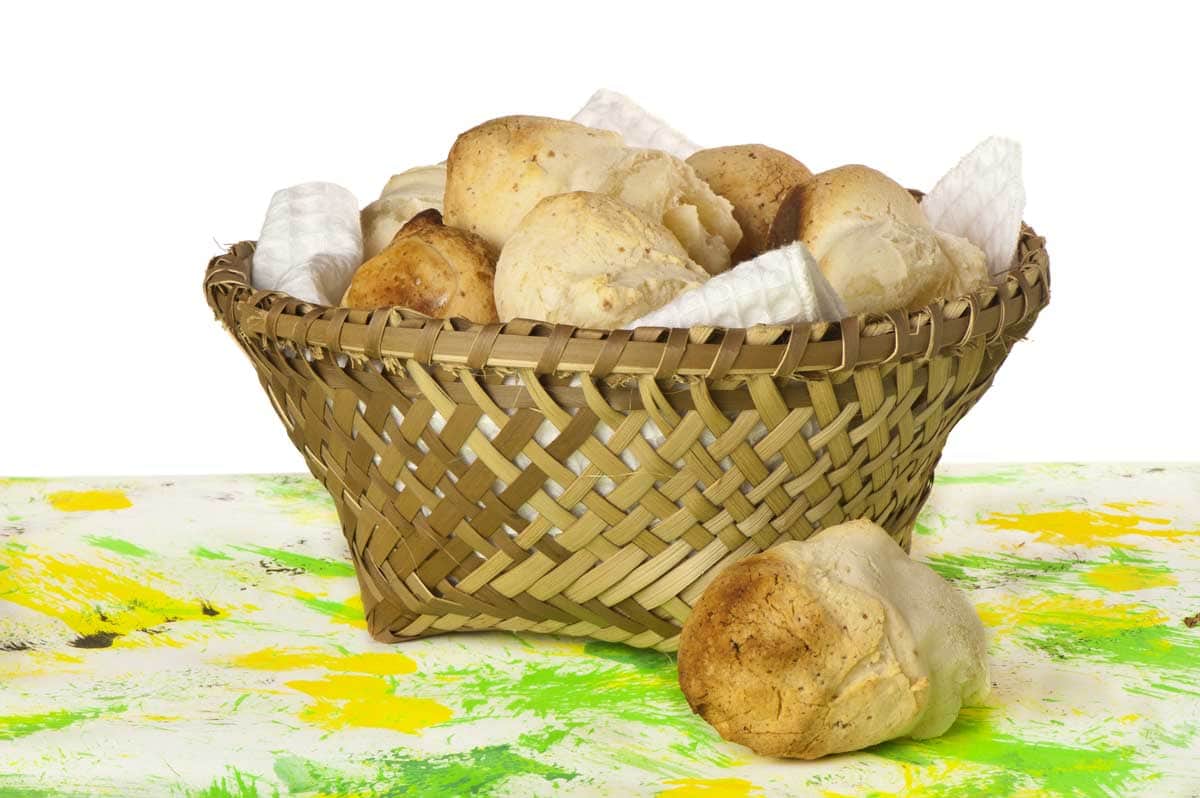
24. Pan de Yuca
Ecuadorian Pan de YucaPan de Yuca is a small, round bread made from yuca flour and cheese, creating a chewy texture and mild flavor.
This bread is particularly popular as a snack or breakfast item, often enjoyed with yogurt, creating a delightful contrast of flavors.
Pan de Yuca is commonly found in bakeries and cafes across Ecuador, and its popularity has spread beyond the country’s borders.
Made with minimal ingredients, this bread showcases the versatility of yuca in Ecuadorian cuisine.
Whether served fresh out of the oven or with a side of coffee, Pan de Yuca is a simple yet satisfying treat that’s loved by locals and visitors alike.
25. Canelazo
Ecuadorian CanelazoCanelazo is a traditional hot drink in Ecuador, especially enjoyed during colder months and festivities.
This spiced alcoholic beverage is made by combining aguardiente (a sugarcane spirit) with cinnamon, cloves, and fruit juice, usually from naranjilla or passion fruit.
The result is a warm, aromatic drink that’s both comforting and invigorating.
Canelazo is particularly popular in the highlands, where the chilly climate calls for something warm to drink.
Often served during festivals and gatherings, canelazo embodies the warmth of Ecuadorian hospitality and adds a festive touch to any celebration.
It’s a drink that captures the essence of Ecuador’s traditional flavors and vibrant social customs.
Discover the Best of Ecuadorian Food
Traditional Ecuadorian Dishes
Ecuadorian food offers a flavorful journey through the country’s diverse regions, each dish reflecting a unique blend of history, culture, and ingredients.
From coast to highlands to rainforest, the cuisine is rich in variety and taste, inviting food lovers everywhere to explore its delights.
We hope this guide to the top 25 Ecuadorian dishes inspires you to experience these flavors firsthand, whether at a local Ecuadorian restaurant or by recreating these recipes at home.
Ecuadorian food is not just a meal; it’s an experience that connects you to the heart of Ecuador’s vibrant culinary heritage.
Dive in and savor the essence of Ecuador!
Jorge Garcia is the founder of AmigoFoods, where he has spent over 20 years helping readers discover authentic Latin American and Spanish cuisine. Raised in a Cuban-American household, Jorge learned to cook at the hands of his mother and grandmother, carrying forward generations of family recipes. That heritage, backed by his family’s four-generation history in the Latin food industry, inspired him to launch AmigoFoods in 2003. With more than 1,000 published articles on recipes, ingredients, and food culture, Jorge’s mission is simple: make authentic Latin cooking approachable for home cooks everywhere while honoring the traditions behind every dish.