

Nochebuena, “the good night,” is Christmas Eve, and in most of Latin America and Spain it is the biggest meal of the year. Families eat late, often around midnight, and the menu changes from country to country: pernil and pasteles in Puerto Rico, hallacas in Venezuela, bacalao and romeritos in Mexico, tamales in Guatemala, a cold summer spread with vitel toné in Argentina. This guide explains what Nochebuena is, how it is celebrated, and what is on the table in each country, with links to our full Christmas food guide and recipes for every one.
Nochebuena at a Glance
AmigoFoods may earn a commission from qualifying Amazon purchases made through links on this page.
What is Nochebuena?
Nochebuena is the Spanish name for Christmas Eve, the night of December 24. The word joins noche (night) and buena (good), and a line from a traditional Spanish carol sums up the mood: esta noche es Nochebuena, y no es noche de dormir, “tonight is the good night, and it is not a night for sleeping.” For many Latin American and Spanish families it matters more than Christmas Day itself. December 25, or Navidad, is often a quiet day of leftovers, visits and rest. In Mexico the word is also the name of the poinsettia, the red Christmas flower, but this guide is about the dinner.
The heart of the night is food. Families spend days, sometimes weeks, getting ready: grinding corn and wrapping tamales, marinating a pork shoulder, baking sweet breads and mixing big batches of eggnog-style drinks. In Puerto Rico and Cuba the night centers on roast pork. In Venezuela it centers on the hallaca, a cornmeal parcel steamed in plantain leaves. In Mexico the meal often starts with salt cod and ends with buñuelos, while in Argentina and Chile, where December is summer, it may be a barbecue or a cold buffet eaten outdoors.
Brazilians celebrate the same night as the Ceia de Natal, the Christmas Eve supper, with very similar habits even though the name is Portuguese. Filipinos also say Noche Buena, a legacy of Spanish rule, but this guide sticks to Latin America and Spain.

When is Nochebuena in 2026?
Nochebuena always falls on December 24. In 2026 that is a Thursday, so Christmas Day is Friday, December 25, and many families get a long weekend to recover. The dinner itself starts late. In Mexico, Spain and much of Central America it is common to eat at 10 or 11 p.m., or after Midnight Mass. In Puerto Rico and among Cuban families the cooking (and the music) can go on all afternoon.
Nochebuena is one night inside a long season. It opens with Las Posadas in Mexico and the Novena de Aguinaldos in Colombia, both running from December 16 to 24. Nicaragua celebrates La Gritería on December 7, and Guatemala burns the devil in the Quema del Diablo the same night. After Christmas comes New Year’s Eve, when Spain and much of Latin America eat 12 grapes at midnight, and the season ends on January 6, Three Kings Day, with a rosca de reyes in Mexico or a roscón de reyes in Spain. In Puerto Rico the party keeps going until the Fiestas de la Calle San Sebastián in mid-January.
Nochebuena traditions
- Misa de Gallo. The “rooster’s Mass” is the Midnight Mass of Christmas Eve. Many families eat before it and many eat after, but in either case dinner is built around it.
- Las Posadas. In Mexico and parts of Central America, neighbors reenact Mary and Joseph’s search for shelter on each of the nine nights before Christmas. Each posada ends with tamales, ponche and a piñata.
- The Novena. Colombian families pray the Novena de Aguinaldos around the nativity scene for nine nights, followed by buñuelos and natilla.
- Parrandas. In Puerto Rico, friends show up at your door late at night with guitars, güiros and maracas, sing aguinaldos, and expect to be fed. The group then moves on to the next house, picking up more singers.
- The nativity scene. The nacimiento or pesebre is set up in early December, and in many homes the baby Jesus is only placed in the manger at midnight on the 24th.
- Midnight hugs and fireworks. In Guatemala, El Salvador, Argentina and elsewhere, the clock striking twelve brings fireworks, a toast and a round of hugs. Then the food comes out.
- Gifts. Depending on the country and family, gifts come from Niño Dios at midnight, from Santa Claus (Papá Noel, or Viejito Pascuero in Chile) on Christmas morning, or from the Three Kings on January 6.
Nochebuena foods by country
Most Nochebuena tables share three things: a roast, a dish wrapped in leaves, and a sweet table that comes out at midnight. Here is how each country fills those roles. Each heading links to our full Christmas food guide or holiday recipe page for that country.
Mexico
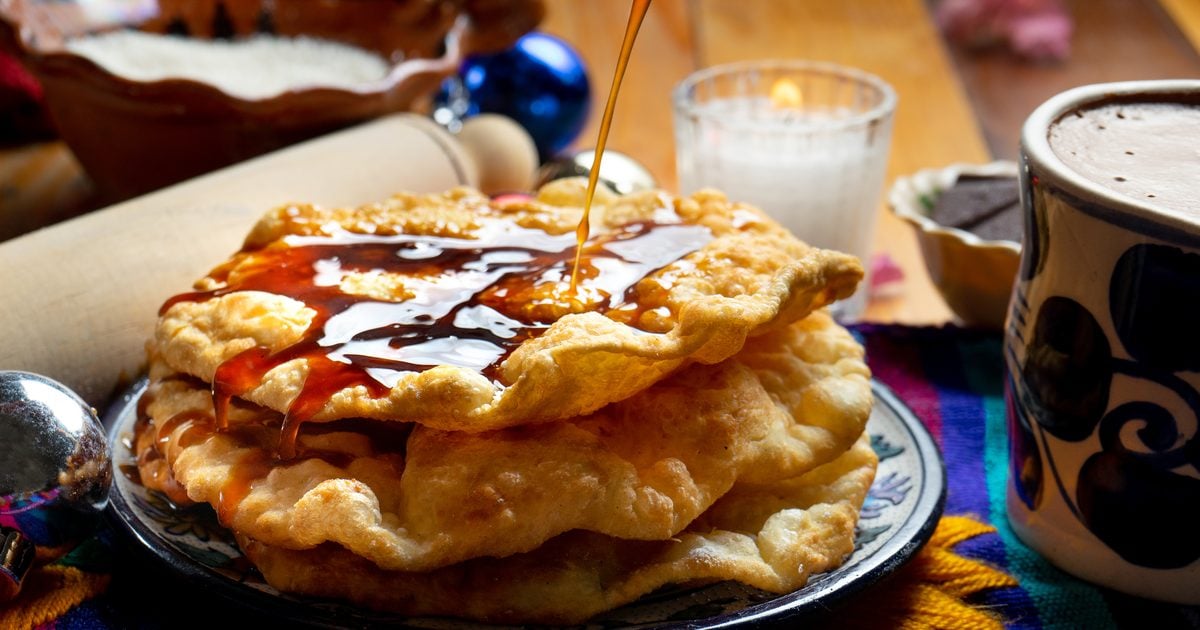
Mexican Nochebuena is the end of nine nights of posadas. The dinner often starts with bacalao a la vizcaína, salt cod stewed with tomatoes, olives and güero chiles, a dish that came from Spain. Next to it are romeritos, a wild green cooked in mole with potatoes and dried-shrimp cakes. The main course is roast turkey (pavo relleno) or an adobo-rubbed pork leg, with ensalada de Nochebuena, a bright salad of beets, jícama, orange and peanuts. Tamales show up throughout the season, especially at posadas. To drink there is hot ponche navideño with tejocotes, guava and sugarcane, plus rompope and champurrado, and for dessert crisp buñuelos in piloncillo syrup. See the full Mexican Christmas foods guide and our Mexico holiday dishes page.

Puerto Rico
The Puerto Rican table is built around pernil, a pork shoulder marinated overnight in garlic and oregano and roasted until the skin, the cuero, shatters. It comes with arroz con gandules and pasteles, a masa of grated green banana and root vegetables filled with pork and wrapped in plantain leaves. Morcilla, potato salad and fried plantains fill out the plate. Dessert is tembleque or arroz con dulce, and the drink is coquito, a coconut and rum eggnog. More in our Puerto Rican Christmas foods guide and Puerto Rico holiday dishes.

Cuba
For Cuban families, Nochebuena means lechón asado, a whole pig or a big pork shoulder marinated in sour orange mojo and roasted for hours, often outdoors in a pit or a roasting box. On the side go black beans and rice (congrí or moros y cristianos), yuca con mojo, fried plantains and an avocado salad. Dessert is turrón, buñuelos in anise syrup or natilla cubana, with a cup of strong Cuban coffee. Read the full Cuban Christmas dinner guide and Cuba holiday dishes.
Dominican Republic
Dominican Nochebuena centers on cerdo asado (roast pork) or a baked chicken or turkey, served with moro de guandules cooked in coconut milk, ensalada rusa (a potato and beet salad), arroz navideño (Christmas rice with raisins and almonds), and pasteles en hoja. Telera, a soft bread, is torn and passed around the table. Drinks run from ponche to hot ginger tea, and the season brings plenty of sweets. More in our Dominican Christmas food guide and Dominican Republic holiday dishes.
Venezuela
Venezuela’s Christmas plate, the plato navideño, is one of the most fixed menus in the region. It has four parts: hallacas, pan de jamón (a bread rolled with ham, olives and raisins), roast pernil, and ensalada de gallina, a creamy chicken and potato salad. Dessert is dulce de lechosa, candied green papaya, and the drink is ponche crema. Families make hallacas together in December, often in batches of a hundred or more, and trade them with neighbors. See our Venezuelan Christmas foods guide and Venezuela holiday dishes.

Colombia
In Colombia, the nine nights of the Novena end on December 24 with a big family dinner. Every night of the Novena has buñuelos, round cheese fritters, and natilla, a firm cinnamon pudding. For the Nochebuena dinner itself, many families serve lechona, a whole pig stuffed with rice, peas and pork, or Colombian tamales wrapped in plantain leaves. Read the Colombian Christmas food guide and Colombia holiday dishes.
Central America
Guatemala: The night belongs to tamales, red tamales colorados with a tomato and chile recado and sweet black tamales negros with chocolate, eaten after the midnight fireworks with hot ponche de frutas. See the Guatemalan Christmas foods guide and Guatemala holiday dishes.
El Salvador: After midnight, families sit down to panes con chumpe, crusty rolls stuffed with turkey roasted in a spiced tomato sauce, or panes con pollo. Gallina en salsa and roast pork are also common. More in the Salvadoran Christmas foods guide and El Salvador holiday dishes.
Honduras: Tamales and nacatamales, roast pork leg and torrejas, bread slices soaked and fried and then served in a spiced syrup. See Honduras holiday dishes.
Nicaragua: Nacatamales, large banana-leaf parcels of masa, pork, rice, potato and mint, plus gallina rellena, a stuffed hen. The season starts with La Gritería on December 7. See Nicaragua holiday dishes.
Costa Rica: Pork and rice tamales wrapped in plantain leaves, made by the dozen in family assembly lines, with rompope and a dark Christmas fruitcake. Read the Costa Rican Christmas foods guide and Costa Rica holiday dishes.
Panama: Tamales, arroz con pollo, a baked ham and ron ponche, a rum eggnog. See Panama holiday dishes.
Peru, Ecuador and Bolivia
Peru: The Nochebuena dinner is roast turkey with apple purée and salads, and at midnight families toast and hug, then cut into a panetón with a mug of thick hot chocolate, even in the summer heat of Lima. See our Peruvian Christmas foods guide and Peru holiday dishes.

Ecuador: Roast turkey or pernil is the main dish, with pristiños (fried dough rings in panela syrup) and buñuelos for dessert. In the Sierra, families make humitas and tamales by the dozen. Read about Ecuadorian holiday foods and see Ecuador holiday dishes.
Bolivia: The traditional dish is picana, a rich soup of beef, chicken and sometimes lamb with corn, potatoes and wine, served after Midnight Mass. See Bolivia holiday dishes.
Argentina, Chile, Uruguay and Paraguay
South of the equator, Nochebuena falls in early summer, so the menu turns cold or moves to the grill. Argentines set out vitel toné (cold veal in a tuna and caper sauce), ensalada rusa, matambre and cold cuts, or fire up an asado. At midnight come fireworks, a glass of sidra and a sweet table of pan dulce, turrón and garrapiñadas. Read the Argentina Christmas food guide and Argentina holiday dishes.
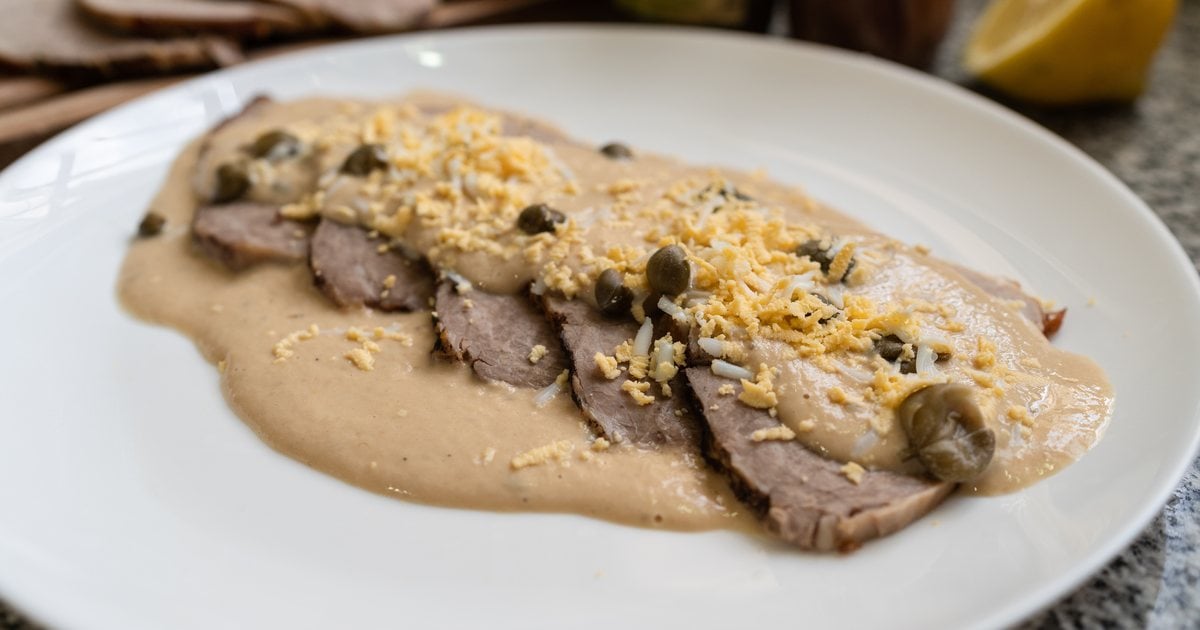
Chileans roast a turkey or grill outdoors, and the essentials are pan de pascua, a spiced fruit cake, and cola de mono, a chilled coffee and aguardiente drink. See the Chilean Christmas foods guide and Chile holiday dishes.
Uruguay eats much like Argentina, with asado, vitel toné and pan dulce. December 25 is officially called the Día de la Familia there. See Uruguay holiday dishes. In Paraguay, the table has sopa paraguaya and chipa guasu (two kinds of savory corn cake), cold meats and a pitcher of clericó, a fruit and wine punch. See Paraguay holiday dishes.
Brazil
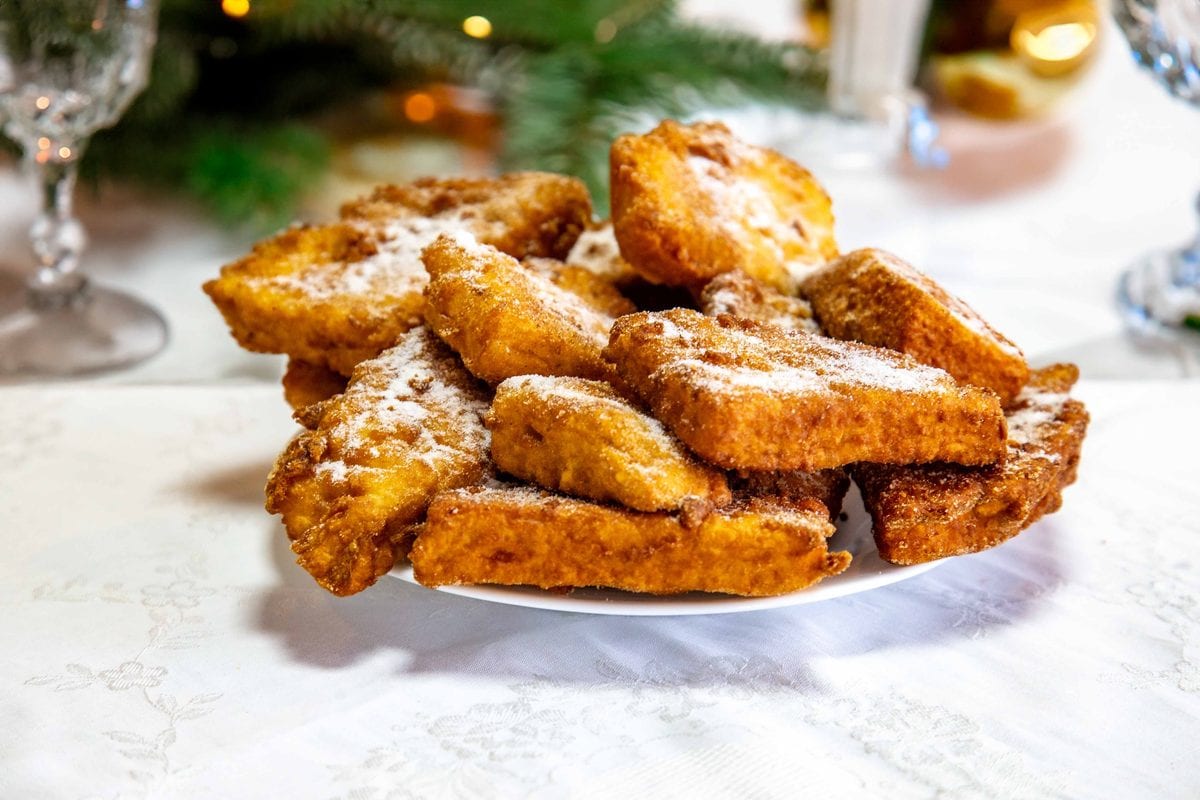
The Brazilian Ceia de Natal is a big buffet: roast turkey or chester (a breed of large chicken), pernil, a ham, bacalhau, arroz à grega (rice with raisins and vegetables), salpicão (a chicken salad) and farofa. Dessert is rabanada, a cinnamon-sugar fried bread, and panetone. Read the Brazilian Christmas food guide and Brazil holiday dishes.
Spain
Spain is where the word Nochebuena comes from. The dinner on the 24th is a family affair that often starts with seafood: prawns, langostinos, clams and seafood soup. The main course may be roast lamb, cochinillo (suckling pig) or a baked fish such as besugo. After dinner come the sweets, turrón, polvorones, mantecados and mazapán, with a glass of cava or, in Asturias, sidra. Many families then go to the Misa del Gallo. See the Spain Christmas foods guide and Spain holiday dishes.
Tamales, hallacas and pasteles: the dishes wrapped in leaves
Almost every Nochebuena table has a dish of dough, filling and leaves that takes a whole family a whole day to make. The idea is the same everywhere, but the details change:
- Mexican tamales: corn masa beaten with lard, filled with pork in red chile, chicken in green salsa or rajas and cheese, and steamed in corn husks.
- Guatemalan tamales colorados: a softer masa with a red recado, pork or chicken, an olive and a strip of red pepper, wrapped in plantain leaves.
- Venezuelan hallacas: a thin layer of corn dough colored with achiote, filled with a stew of beef, pork and chicken, topped with olives, raisins and capers, folded in plantain leaves and tied with string.
- Puerto Rican pasteles: not corn at all, but a masa of grated green banana, plantain and yautía with a pork filling, wrapped in plantain leaves and boiled.
- Nicaraguan nacatamales: big banana-leaf parcels with pork, rice, potato, tomato and mint inside the masa.
- Colombian tamales: large tamales from Tolima or Bogotá, with pork, chicken, egg, peas and carrots, tied in plantain leaves.

Because these dishes are made in batches of 50 to 100, a big steamer pot is one of the most useful things you can own in December. A 20-quart pot with a rack holds several dozen tamales standing up, and a pot with a water spout lets you top up the water without unloading the tamales. Our tamales guide and the hallacas, pasteles and nacatamales posts explain each one step by step.

- PREMIUM STAINLESS STEEL: ARC Vegetable steamer pot and parts are made of multi-ply construction...
- SPOUT DESIGN : Vaporeras para tamales with spout allows adding more water without opening the lid...
The roast: pernil, lechón and pavo
The second pillar of Nochebuena is a roast. In the Caribbean and Venezuela it is pork: pernil (pork shoulder) in Puerto Rico and Venezuela, lechón asado in Cuba, cerdo asado in the Dominican Republic, or a whole stuffed lechona in Colombia. In Mexico, Peru, Chile and Brazil, roast turkey shares the table with or replaces the pork. In Spain it may be lamb or suckling pig.
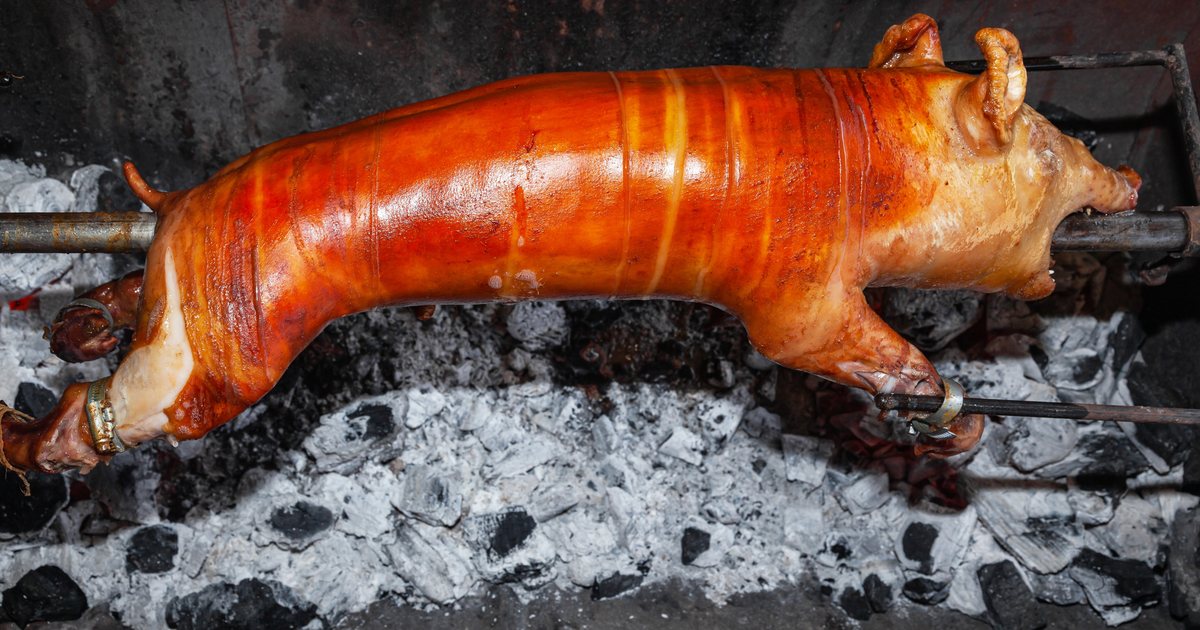
Most of these roasts follow the same plan. Marinate the meat overnight, roast it low and slow for several hours, then turn up the heat at the end to crisp the skin. A 9-pound bone-in pork shoulder needs about 5 to 6 hours at 325°F (165°C), and it is done when the meat reaches about 190°F (88°C) and pulls apart easily. Rest it for 30 minutes before carving. Our pernil recipe walks through the marinade and the crackling skin.
A heavy roasting pan with a rack makes a big difference here. The rack keeps the meat out of the drippings so the bottom does not steam, and a pan with high sides holds the juices for gravy or for spooning back over the meat. Choose one big enough for a large shoulder or a 20-pound turkey.
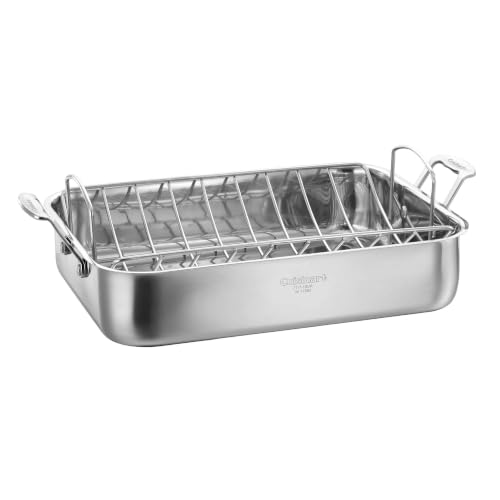
- MADE FOR FAMILY ROASTS — The 16 in. stainless steel roasting pan and removable rack handle holiday...
- EVEN HEAT AND MIRROR FINISH — Mirror-finish stainless steel roasting pan cooking surface does not...

Christmas desserts and drinks
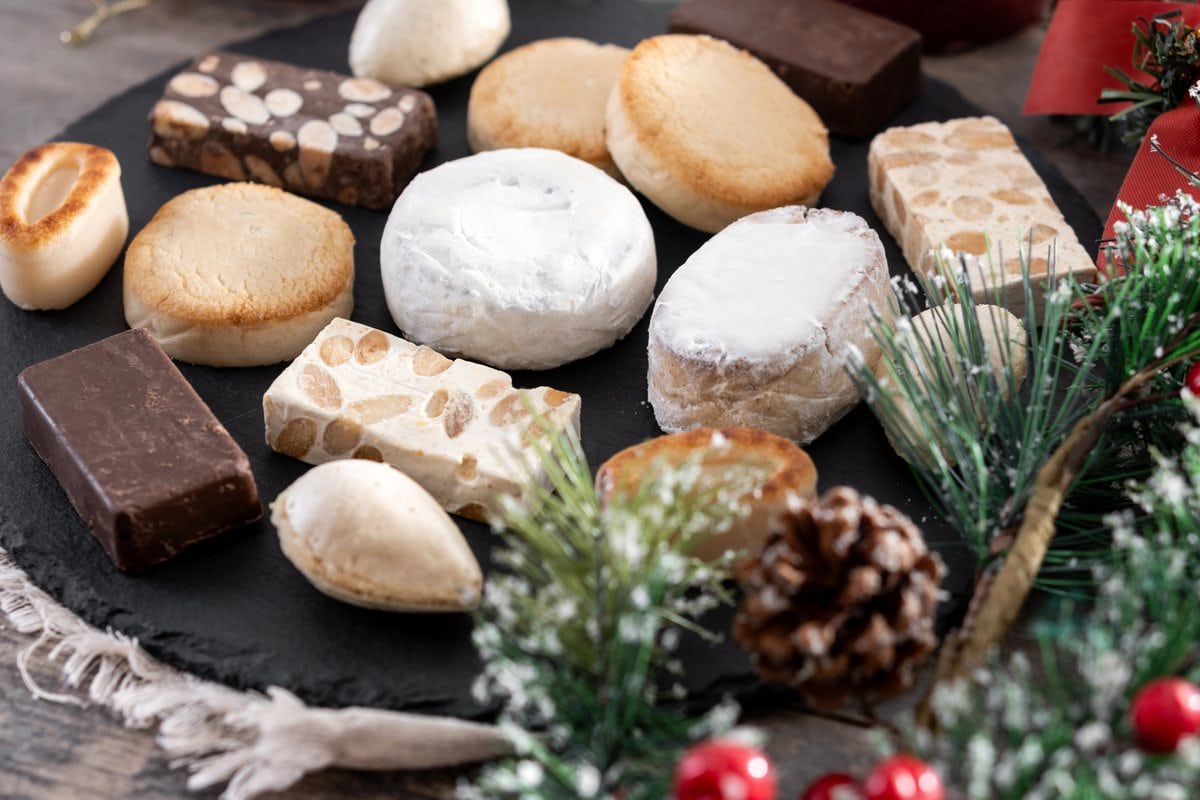
When the clock strikes twelve, the sweets come out. Spain’s turrón, polvorones and mazapán have spread through most of Latin America. Peru and much of South America cut into panetón and pan dulce. Colombia and Mexico fry buñuelos. Brazil makes rabanada, and Chile bakes pan de pascua. Our list of Latin and Spanish Christmas desserts collects 17 of them.
The drinks are just as regional. Almost every country has its own creamy, eggnog-style drink: coquito in Puerto Rico, ponche crema in Venezuela, rompope in Mexico and Central America, and cola de mono in Chile. Mexico and Guatemala serve hot fruit punch, ponche navideño, and Peru drinks hot chocolate with its panetón. For the midnight toast it is cava in Spain and sidra in Argentina. For more, see our page of Latin holiday drinks.
Nochebuena by country at a glance
| Country | Main dishes | Sweets and drinks | Read more |
|---|---|---|---|
| Mexico | Bacalao, romeritos, pavo or pierna, tamales | Buñuelos, ponche, rompope | Guide |
| Puerto Rico | Pernil, arroz con gandules, pasteles | Tembleque, arroz con dulce, coquito | Guide |
| Cuba | Lechón asado, congrí, yuca con mojo | Turrón, buñuelos, natilla | Guide |
| Dominican Republic | Cerdo asado, moro de guandules, ensalada rusa | Ponche, ginger tea | Guide |
| Venezuela | Hallacas, pan de jamón, pernil, ensalada de gallina | Dulce de lechosa, ponche crema | Guide |
| Colombia | Lechona, tamales | Buñuelos, natilla | Guide |
| Guatemala | Tamales colorados and negros | Ponche de frutas | Guide |
| El Salvador | Panes con chumpe, gallina en salsa | Horchata, fruit punch | Guide |
| Costa Rica | Pork and rice tamales | Rompope, fruitcake | Guide |
| Nicaragua | Nacatamales, gallina rellena | Ponche, sweets from La Gritería | Recipes |
| Honduras | Tamales, roast pork leg | Torrejas | Recipes |
| Panama | Tamales, arroz con pollo, baked ham | Ron ponche | Recipes |
| Peru | Roast turkey, apple purée | Panetón, hot chocolate | Guide |
| Ecuador | Pavo or pernil, humitas | Pristiños, buñuelos | Guide |
| Bolivia | Picana | Varies by region | Recipes |
| Argentina | Vitel toné, asado, cold cuts | Pan dulce, turrón, sidra | Guide |
| Chile | Roast turkey, grilled meats | Pan de pascua, cola de mono | Guide |
| Uruguay | Asado, vitel toné | Pan dulce, sidra | Recipes |
| Paraguay | Sopa paraguaya, chipa guasu, cold meats | Clericó | Recipes |
| Brazil | Turkey or chester, bacalhau, farofa | Rabanada, panetone | Guide |
| Spain | Seafood, roast lamb or cochinillo | Turrón, polvorones, cava | Guide |
A Nochebuena dinner menu and make-ahead plan
If you are hosting your first Nochebuena, or want a menu that mixes traditions, here is a plan for 10 to 12 people that borrows the best-known dish from several countries. Pick one item from each line.
- To start: bacalao a la vizcaína with crusty bread, or a seafood platter in the Spanish style.
- The roast: pernil or roast turkey.
- The wrapped dish: tamales, hallacas or pasteles.
- Sides: arroz con gandules, yuca con mojo, and a potato salad such as ensalada de pollo.
- At midnight: turrón, panetón and buñuelos.
- To drink: coquito or ponche crema, hot ponche navideño, and cava for the toast.
Make-ahead timeline:
- 2 to 3 weeks before: Make and freeze tamales, hallacas or pasteles. Order a pork shoulder or a turkey, and buy plantain leaves, turrón and panetón.
- 1 week before: Mix the coquito or ponche crema. It keeps in the fridge for about a week, and the flavor improves.
- December 22 or 23: Thaw a frozen turkey in the fridge (allow 1 day per 4 to 5 pounds). Marinate the pernil, and soak the salt cod for bacalao, changing the water several times.
- December 24, afternoon: Roast the pernil or turkey. Make the rice and salads. Cook the bacalao, which reheats well.
- December 24, evening: Steam the tamales straight from the freezer, rest and carve the roast, heat the ponche, and set out the sweets for midnight.
Nochebuena FAQ
What does Nochebuena mean?
Nochebuena means “good night” in Spanish, from noche (night) and buena (good). It is the name for Christmas Eve, December 24.
Is Nochebuena on December 24 or 25?
December 24. The dinner usually starts late on the 24th and runs past midnight into Christmas Day. December 25 is called Navidad.
What food is eaten on Nochebuena?
It depends on the country, but most tables have a roast (pernil, lechón or turkey), a dish wrapped in leaves (tamales, hallacas, pasteles or nacatamales), rice and salads, and sweets such as turrón, buñuelos and panetón. Mexico and Spain also eat salt cod and seafood.
What is the difference between Nochebuena and Navidad?
Nochebuena is Christmas Eve, the night of the big family dinner. Navidad is Christmas Day, December 25, which in many Latin American homes is a quieter day of rest and leftovers.
Do Cubans and Puerto Ricans celebrate Nochebuena the same way?
Both center the night on roast pork. Cubans favor lechón asado with black beans and rice and yuca con mojo, and Puerto Ricans serve pernil with arroz con gandules and pasteles, with coquito to drink.
When are presents opened?
It varies. Some families open gifts at midnight on Nochebuena, some on Christmas morning, and in Spain, Mexico, Puerto Rico and other countries many children get their main gifts from the Three Kings on January 6.
What do Mexicans eat on Christmas Eve?
Bacalao a la vizcaína, romeritos in mole, roast turkey or pork leg, ensalada de Nochebuena and tamales, with ponche navideño and buñuelos. Our Mexican Christmas foods guide has the full list.
More holiday dishes
Nochebuena is one part of a full year of Latin holidays. Our Latin American and Spanish holiday dishes hub has recipes for every country and every holiday, from Day of the Dead and Lent to New Year’s Eve and Three Kings Day. For the sweets alone, start with the Latin and Spanish Christmas desserts, and for the drinks, see Latin holiday drinks. Every Christmas recipe on the blog is also collected on our Latin Christmas foods page.
Shopping list: an ARC 20-quart tamale steamer, a Cuisinart 16-inch roasting pan with rack, a meat thermometer for the roast, a caja china roasting box for a whole lechón, Spanish turrón and a panetón for the midnight sweets.
Sources
- Wikipedia: Christmas Eve (Nochebuena, Misa de Gallo and Christmas Eve dinners)
- Wikipedia: Midnight Mass
- Wikipedia: Christmas in Mexico
- Wikipedia: Christmas in Puerto Rico
- Wikipedia: Christmas in Spain
- Wikipedia: Christmas in Brazil
- Wikipedia: Hallaca
- Wikipedia: Pastel (food)
- Wikipedia: Nacatamal
- Wikipedia: Romeritos
- Wikipedia: Quema del Diablo
- USDA FSIS: Safe Minimum Internal Temperature Chart
More Latin Christmas Foods
See all →
Jorge Garcia is the founder of AmigoFoods, where he has spent over 20 years helping readers discover authentic Latin American and Spanish cuisine. Raised in a Cuban-American household, Jorge learned to cook at the hands of his mother and grandmother, carrying forward generations of family recipes. That heritage, backed by his family’s four-generation history in the Latin food industry, inspired him to launch AmigoFoods in 2003. With more than 1,000 published articles on recipes, ingredients, and food culture, Jorge’s mission is simple: make authentic Latin cooking approachable for home cooks everywhere while honoring the traditions behind every dish.