

Gallo en Chicha is a sweet-tart poultry stew shared by Salvadoran and Guatemalan cuisine. Rooster simmers in fermented chicha with tomatoes, warm spices and panela until tender; chicken makes a quicker variation.
Gallo en Chicha at a Glance
What Is Gallo en Chicha?

Gallo en Chicha is a beloved traditional dish from Central America—especially El Salvador and Guatemala—that brings together bold flavors, cultural heritage, and time-honored cooking techniques.
At its core, it’s a slow-cooked stew made with mature rooster (gallo), chicha (a mildly fermented corn or fruit drink), and a blend of sweet and savory spices.
The use of gallo instead of regular chicken isn’t just about tradition—it’s about texture and flavor.
Older roosters have tougher meat, but when slow-cooked in the acidic, aromatic base of chicha, the result is a tender, flavorful protein that practically melts in your mouth.
The chicha plays a starring role.
Slightly sweet, tangy, and fermented, this ancestral drink infuses the stew with complexity and a unique depth of flavor.
Depending on the region or family recipe, chicha can be made from corn, pineapple, or other tropical fruits, and is often slightly bubbly from natural fermentation.
Unlike typical chicken stews, Gallo en Chicha leans into sweet spices like cinnamon, clove, and allspice, along with tomato, garlic, and sometimes even raisins or prunes.
The classic latin dish beautifully balances sweetness and acidity, making it rich, comforting, and festive all at once.
Whether served at special family gatherings or during holidays like Semana Santa (Holy Week), this dish is a culinary bridge between the past and present, offering a taste of cultural identity with every spoonful.
The Origins of the Rooster Stew
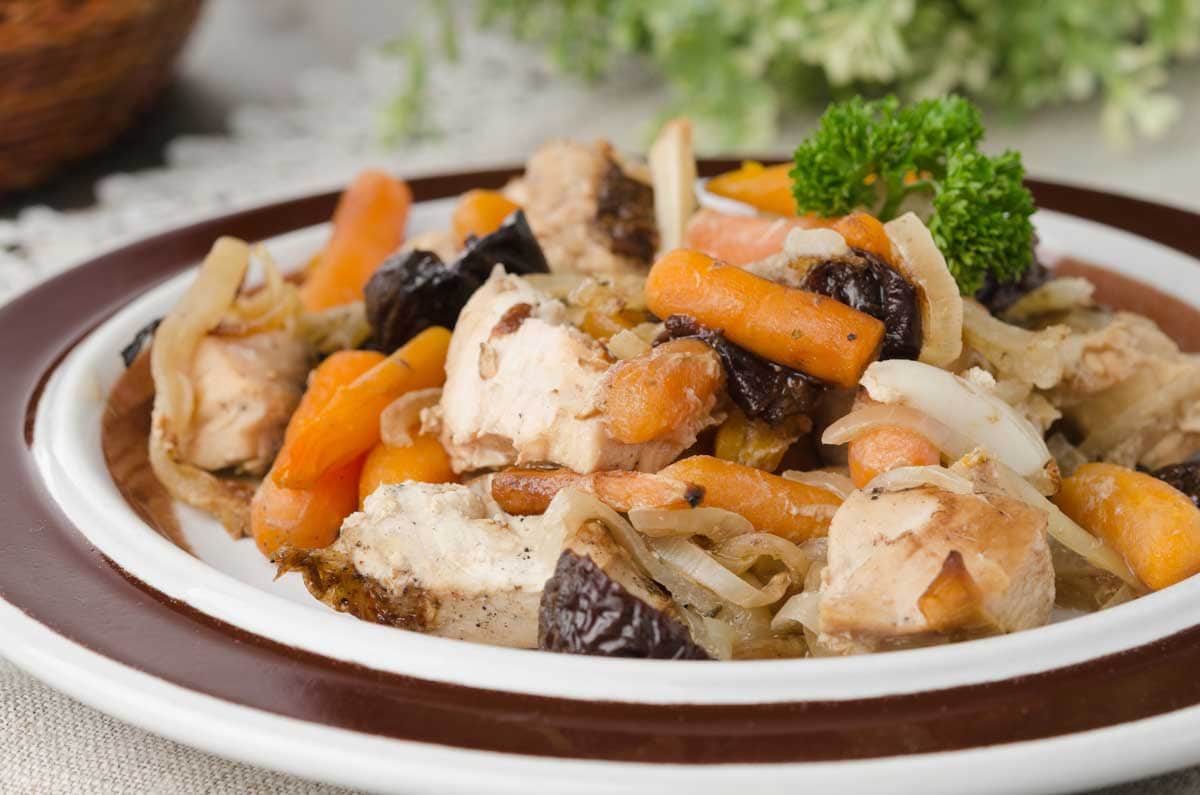
Gallo en Chicha is more than a dish—it’s a reflection of Central American heritage.
Its origins lie in the blend of indigenous Mesoamerican traditions and Spanish colonial influences, making it a symbol of cultural fusion and resilience.
The use of chicha, a lightly fermented corn or fruit drink, dates back to pre-Columbian times, when it played a role in rituals and daily life.
After colonization, local cooks combined native ingredients with Spanish spices and cooking techniques to create flavorful, meaningful dishes like this one.
In El Salvador and Guatemala, Gallo en Chicha is closely tied to religious and festive celebrations, especially during Semana Santa or family gatherings.
The rooster—a traditional choice—represents strength and is often reserved for special meals.
Today, it remains a culinary heirloom, passed down through generations as a delicious reminder of identity, community, and tradition.
Gallo en Chicha Traditional Ingredients

Every ingredient in Gallo en Chicha carries history, flavor, and purpose.
This isn’t just about taste—it’s about storytelling through food.
-
Gallo (rooster): Traditionally, an older rooster is used for its deeper flavor and symbolic value. The rooster represents strength and is typically reserved for special meals, making the dish feel more ceremonial.
-
Chicha: This fermented corn or fruit drink is the soul of the dish. Slightly sweet and tangy, chicha tenderizes the meat while adding a distinct depth that ties the dish to its indigenous roots.
-
Tomatoes, onions, and garlic: These provide a rich, savory base and are staples in Latin American stews, adding body and umami.
-
Sweet spices (cinnamon, cloves, allspice): These warming spices give Gallo en Chicha its signature flavor—aromatic, comforting, and slightly sweet.
-
Panela or brown sugar: A nod to the dish’s sweet side, panela adds richness and balance to the acidic chicha.
-
Optional add-ins (raisins, prunes, vegetables): These vary by family or region and add texture, sweetness, and depth to the dish.
Together, these ingredients reflect a blend of indigenous and colonial flavors, creating a stew that’s not only satisfying but deeply meaningful.
How to Make Gallo en Chicha

This version uses a refrigerated chicha marinade and a gentle braise. Allow about 7 hours for rooster, including a minimum 4-hour marinade; a mature bird may need longer. Chicken cooks faster.
Ingredients (6 servings)
- 1 whole rooster, about 4–5 lb, cut into serving pieces (or bone-in chicken; see timing note)
- 2 cups fermented corn or fruit chicha from a reputable producer
- 4 garlic cloves, minced
- 1 teaspoon ground allspice
- Salt and black pepper, to taste
- 2 tablespoons neutral oil
- 2 large tomatoes, chopped
- 1 large onion, sliced
- 1–2 cinnamon sticks
- 4 whole cloves
- 2 tablespoons panela or brown sugar, plus more to taste
- 1/2 cup pitted green olives
- Water or unsalted broth, as needed
- Optional: 1/4 cup raisins or chopped pitted prunes; 1 sliced carrot
Method
- Combine the poultry, chicha, all the garlic and allspice, salt and pepper in a nonreactive covered container. Refrigerate for at least 4 hours or overnight (8–12 hours).
- Lift out the meat, reserving the marinade, and pat dry. Heat the oil in a heavy pot. Brown the pieces in batches, about 10–15 minutes total, then set aside.
- Cook the onion and tomatoes in the same pot for 5–8 minutes until softened. Add the cinnamon and cloves. Pour in all the reserved marinade and bring to a full boil before tasting.
- Return the meat and add enough water or unsalted broth to come about halfway up the pieces. Add the panela. Cover and simmer gently, turning the pieces occasionally and topping up the liquid as needed.
- Allow about 2–3 hours of simmering for rooster, or longer for a mature bird, until fork-tender. Regular chicken usually needs about 45–60 minutes; check early and remove pieces as they finish. Poultry must reach at least 165°F (74°C) in the thickest part, away from bone. Add olives, optional dried fruit and carrot during the final 20–30 minutes.
- Remove the cinnamon and whole cloves. If the sauce is thin, lift out the cooked meat and simmer the sauce uncovered to reduce, then return the meat. Taste and adjust salt, pepper and sweetness. Serve with rice, corn tortillas or tamales.
Serve with white rice, corn tortillas, or tamales.
Yield: 6 servings with sides. Plan on about 7 hours total for rooster: 30 minutes prep, approximately 2 hours 30 minutes cooking and a minimum 4-hour refrigerated marinade. A mature rooster may take longer; overnight marinating adds more elapsed time. Chicken is a quicker variation. Side dishes and making chicha are not included.
Use already fermented chicha from a reputable producer and follow its storage instructions. This is not a home-fermentation recipe. Never taste marinade that has touched raw poultry before boiling it.
Cool leftovers promptly in shallow containers and refrigerate within 2 hours (1 hour above 90°F). Keep refrigerated for 3–4 days and reheat to 165°F (74°C).
Tips for Cooking with Chicha

Chicha isn’t just an ingredient—it’s the heart of Gallo en Chicha.
Whether you’re using a homemade brew or sourcing it locally, these tips will help you get the most flavor (and authenticity) out of your stew.
1. Homemade vs. Store-Bought Chicha
-
Homemade chicha: fermentation requires a reliable, validated method. This stew recipe starts with already fermented chicha from a reputable producer; it does not provide a fermentation procedure.
-
Store-bought chicha is a convenient option, especially from Latin markets—just be sure it’s the non-carbonated, fermented kind, not the soda-like version.
2. Adjusting Acidity & Sweetness
-
Chicha naturally has a sweet-tart balance, but it varies by batch.
-
Taste before using—if it’s too sour, add a bit more panela or brown sugar to balance the stew.
-
If it’s too sweet, a splash of vinegar or lime juice can brighten it up.
3. No Chicha? Try These Substitutes
-
Can’t find chicha? Mix grape juice + vinegar or pineapple juice + a touch of beer or wine for acidity and depth.
-
While not traditional, these combos can still capture the essence of the dish.
️ 4. Let It Marinate
-
The acidity in chicha helps tenderize tougher meats, especially rooster. Marinate for at least 4 hours, ideally overnight, always in the refrigerator.
⚠️ 5. Fermentation Safety Tips
-
Follow the producer’s storage instructions for purchased chicha. For home fermentation, use a validated procedure with defined ingredient ratios, temperature and handling controls.
-
Bubbles or a fruity smell do not establish that a ferment is safe. Do not taste a suspect batch.
Handled properly, chicha adds a signature flavor you just can’t replicate.
It’s what gives Gallo en Chicha its unique identity and old-world soul.
Regional Variations: El Salvador vs. Guatemala

While Gallo en Chicha is a shared tradition in Central America, the way it’s prepared can vary significantly between El Salvador and Guatemala .
Each country brings its own twist, influenced by local ingredients, culinary traditions, and family customs.
El Salvador
-
Sweeter, thicker sauce: Salvadoran versions often include more panela or brown sugar, creating a rich, almost syrupy depth.
-
Slow-cooked for flavor: Long simmering is key, making the rooster incredibly tender and the sauce deeply infused.
-
Corn-based chicha: Typically uses chicha de maíz, offering a rustic, earthy sweetness.
-
Holiday dish: Commonly served during Semana Santa or family celebrations, paired with rice or tamales.
Guatemala
-
More acidic and bold: Guatemalan recipes may include vinegar or dry wine along with chicha for a tangier, more robust flavor.
-
Hints of spice: A touch of chile or peppercorn gives some versions a gentle heat.
-
Fruit-based chicha: Chicha made with pineapple or other fruits brings brightness and subtle tropical notes.
-
Classic sides: Often served with fresh corn tortillas, pickled veggies, and herbs.
Both versions celebrate the heart of the dish: a slow-cooked, soulful stew that brings people together.
Whether you lean sweet or tangy, you’re honoring a centuries-old tradition.
Gallo en Chicha Pairings and Serving Suggestions

Gallo en Chicha is a rich, bold stew—and the right pairings can elevate the whole experience.
Whether you’re serving it at a holiday table or for a cozy family meal, here are some classic and creative ways to enjoy it.
Traditional Sides
-
White rice: The most common pairing—its simplicity balances the stew’s deep flavors.
-
Tamales: Especially in El Salvador, tamales (made with corn masa) make an excellent companion.
-
Corn tortillas: Fresh, handmade tortillas are perfect for scooping up the sauce and tender meat.
Garnishes & Extras
-
Fresh herbs: Chopped cilantro or parsley adds brightness.
-
Pickled vegetables: Especially in Guatemalan meals, curtido or escabeche can cut through the richness.
-
Avocado slices: Creamy and mild, avocado makes a great contrast to the stew’s complexity.
Drinks to Serve With
-
More chicha: If available, serve a chilled glass of the same chicha used in the dish—it ties the meal together beautifully.
-
Agua de horchata or tamarindo: Sweet, refreshing drinks that complement the savory-sweet flavor.
-
Black coffee: A strong Central American coffee pairs wonderfully for a midday or evening meal.
When to Serve
-
Perfect for festive occasions, Sunday family dinners, or cultural celebrations like Semana Santa or birthdays.
-
The dish reheats well, so it’s great for meal prep or serving a crowd.
FAQs About Gallo en Chicha

Got questions? You’re not alone!
Here are some of the most frequently asked questions about Gallo en Chicha, answered to help you cook with confidence.
❓ Can I use chicken instead of rooster?
Yes! While rooster (gallo) is traditional for its robust flavor, chicken—especially bone-in thighs or drumsticks—makes a great substitute. Just adjust the cooking time since chicken tends to cook faster.
❓ What’s a good substitute for chicha?
If you can’t find chicha, try mixing pineapple juice with a splash of apple cider vinegar or dry wine. This mimics the sweet-tart flavor profile of traditional chicha.
❓ How long should I marinate the meat?
Ideally, overnight (8–12 hours). At minimum, give it 4 hours in the refrigerator so the chicha can infuse the meat with flavor.
❓ Is it safe to ferment chicha at home?
This recipe does not give a validated home-fermentation method. Use chicha from a reputable producer, or follow a reliable fermentation procedure separately; a set number of days and a pleasant smell alone cannot establish safety.
❓ Can I make it ahead of time?
Yes. Cool promptly in shallow containers and refrigerate within 2 hours (1 hour above 90°F). Keep for 3–4 days and reheat to 165°F (74°C), or freeze for longer storage.
❓ Is this dish spicy?
Not typically. The traditional recipe leans sweet and aromatic, but in some Guatemalan versions, a bit of chile or peppercorn may add subtle heat.
Gallo en chicha is one of 15 dishes in our guide to Salvadoran soups and stews, alongside sopa de res and sopa de gallina india.
Conclusion: Why Gallo en Chicha Is a Must-Try Traditional Dish

Gallo en Chicha is more than a delicious Central American stew—it’s a celebration of heritage, flavor, and family tradition.
From its roots in indigenous and colonial history to the bold blend of sweet, savory, and fermented flavors, this dish offers a truly unique culinary experience.
Whether you’re making the Salvadoran version with panela and chicha de maíz, or exploring the Guatemalan style with fruit-based chicha and a tangy twist, each variation is rich with culture and heart.
If you’re passionate about exploring traditional Latin American recipes, Gallo en Chicha is a perfect place to start.
Try it for your next holiday meal, cultural celebration, or simply to connect with the comforting flavors of home.
Ready to bring this time-honored dish to your table?
Gather your ingredients, honor the process, and enjoy the soulful depth of Gallo en Chicha.

Gallo en Chicha Stew Recipe
Ingredients
- 1 whole rooster, about 4–5 lb, cut into serving pieces (or bone-in chicken; see timing note)
- 2 cups fermented corn or fruit chicha from a reputable producer
- 4 garlic cloves, minced
- 1 teaspoon ground allspice
- Salt and black pepper, to taste
- 2 tablespoons neutral oil
- 2 large tomatoes, chopped
- 1 large onion, sliced
- 1–2 cinnamon sticks
- 4 whole cloves
- 2 tablespoons panela or brown sugar, plus more to taste
- 1/2 cup pitted green olives
- Water or unsalted broth, as needed
- Optional: 1/4 cup raisins or chopped pitted prunes; 1 sliced carrot
Instructions
- Combine the poultry, chicha, all the garlic and allspice, salt and pepper in a nonreactive covered container. Refrigerate for at least 4 hours or overnight (8–12 hours).
- Lift out the meat, reserving the marinade, and pat dry. Heat the oil in a heavy pot. Brown the pieces in batches, about 10–15 minutes total, then set aside.
- Cook the onion and tomatoes in the same pot for 5–8 minutes until softened. Add the cinnamon and cloves. Pour in all the reserved marinade and bring to a full boil before tasting.
- Return the meat and add enough water or unsalted broth to come about halfway up the pieces. Add the panela. Cover and simmer gently, turning the pieces occasionally and topping up the liquid as needed.
- Allow about 2–3 hours of simmering for rooster, or longer for a mature bird, until fork-tender. Regular chicken usually needs about 45–60 minutes; check early and remove pieces as they finish. Poultry must reach at least 165°F (74°C) in the thickest part, away from bone. Add olives, optional dried fruit and carrot during the final 20–30 minutes.
- Remove the cinnamon and whole cloves. If the sauce is thin, lift out the cooked meat and simmer the sauce uncovered to reduce, then return the meat. Taste and adjust salt, pepper and sweetness. Serve with rice, corn tortillas or tamales.
Notes
Yield: 6 servings with sides. Plan on about 7 hours total for rooster: 30 minutes prep, approximately 2 hours 30 minutes cooking and a minimum 4-hour refrigerated marinade. A mature rooster may take longer; overnight marinating adds more elapsed time. Chicken is a quicker variation. Side dishes and making chicha are not included.
Use already fermented chicha from a reputable producer and follow its storage instructions. This is not a home-fermentation recipe. Never taste marinade that has touched raw poultry before boiling it.
Cool leftovers promptly in shallow containers and refrigerate within 2 hours (1 hour above 90°F). Keep refrigerated for 3–4 days and reheat to 165°F (74°C).
More Guatemalan Foods
See all →
Jorge Garcia is the founder of AmigoFoods, where he has spent over 20 years helping readers discover authentic Latin American and Spanish cuisine. Raised in a Cuban-American household, Jorge learned to cook at the hands of his mother and grandmother, carrying forward generations of family recipes. That heritage, backed by his family’s four-generation history in the Latin food industry, inspired him to launch AmigoFoods in 2003. With more than 1,000 published articles on recipes, ingredients, and food culture, Jorge’s mission is simple: make authentic Latin cooking approachable for home cooks everywhere while honoring the traditions behind every dish.