

On this page
Is Mexican food healthy? Traditional Mexican food can be very healthy. It’s built on beans, corn tortillas, vegetables, chiles and soups. What gives it a bad name is usually the restaurant version, with fried shells, melted cheese, oversized flour tortillas and sugary drinks.
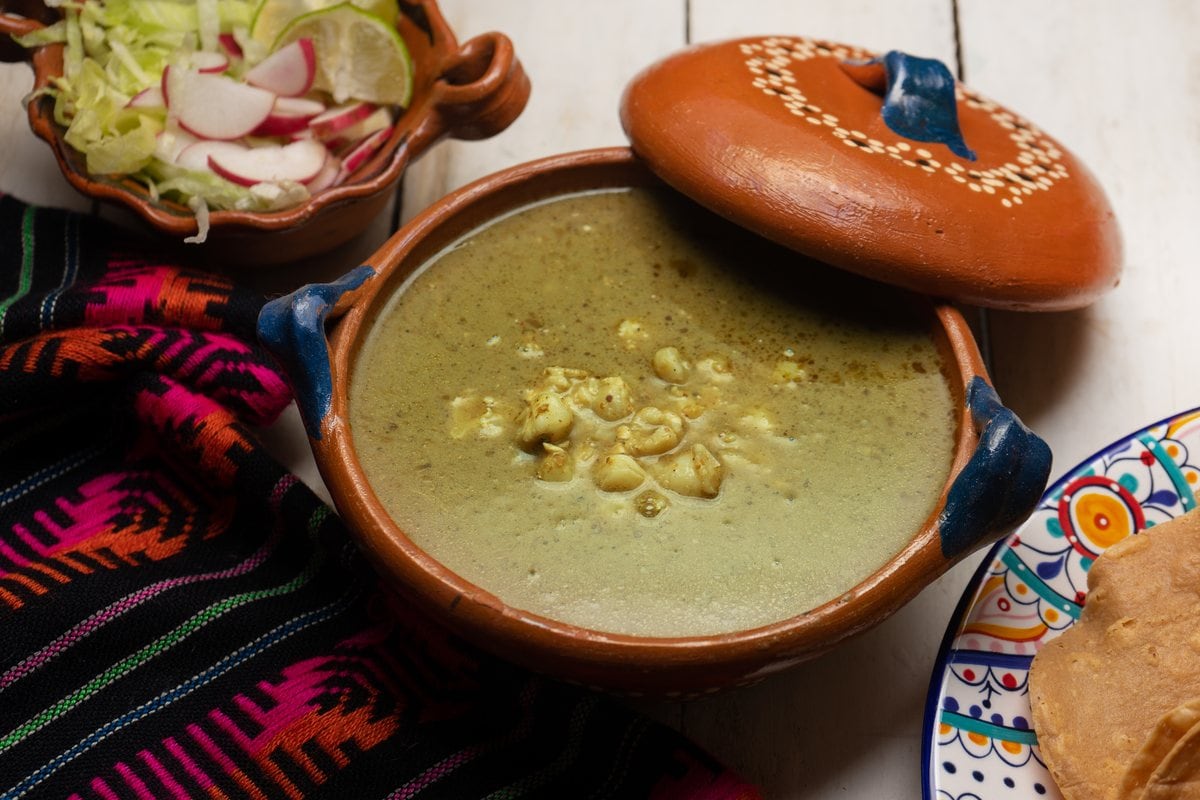
So the better question is which Mexican food you mean. A bowl of pozole with cabbage and radish and a plate of cheese-covered nachos are very different meals.
- Traditional meals are often a good choice. Beans and corn tortillas supply fiber, and vegetables and salsas add flavor without many calories.
- Research backs this up, modestly. In a controlled trial, a traditional Mexican diet improved insulin sensitivity compared with a typical US diet.
- Portions and frying matter most. Large fried dishes with cheese can pass 1,000 calories.
- Salt is the catch. Restaurant Mexican food can be high in sodium.
Traditional Mexican Food vs. Restaurant Mexican Food
Much of what Americans call Mexican food is a richer, larger version of the original. Here’s how the two usually compare:
| On the plate | Traditional home cooking | Typical US restaurant |
|---|---|---|
| Tortillas | Small corn tortillas | Large flour tortillas or fried shells |
| Beans | Simmered whole or lightly mashed | Refried, sometimes with lard and cheese |
| Cheese | A sprinkle of fresh or aged cheese | Melted over the top, or served as queso |
| Starter | Soup or a small plate | Bottomless fried chips |
| Vegetables | Nopales, squash, cabbage, radish, salsa | Often just shredded lettuce |
| Drinks | Water or a light agua fresca | Soda or large margaritas |
That said, not every traditional dish is light. Tamales are often made with lard, and carnitas are simmered in it. Those are delicious, but they’re richer foods best enjoyed in reasonable portions.
What the Research Says
Scientists have studied this directly, and the results favor traditional eating, with some limits:
Keep the limits in mind. The trial was short and only included women, and surveys show associations rather than cause and effect. The fair conclusion is that traditional Mexican eating looks good for metabolic health, not that it’s a cure for anything.
What’s Good About Traditional Mexican Food

Is Mexican Food Fattening?
It doesn’t have to be. Mexican food becomes fattening the same way any food does: too many calories, too often. The problem is that restaurant meals make that easy, with several rich items on one plate.
These add up fastest:
- Chips and queso. You can eat a meal’s worth of calories before the food arrives.
- Burrito-size flour tortillas. A 10 to 12-inch tortilla can have 218 to 356 calories before any filling.
- Deep-fried dishes. Chimichangas, flautas and fried shells soak up oil.
- Sour cream, cheese and refried beans together. Each is fine, but combined they add up.
- Margaritas and soda. Liquid calories are easy to forget, and refills multiply them.
Corn and beans get unfairly blamed. They’re carbohydrate foods, but they also bring fiber and help you feel full, and they were everyday staples long before obesity rates rose in Mexico.
What Is the Healthiest Mexican Food?
The healthiest choices are usually grilled or simmered, with beans or vegetables and corn tortillas. Here’s a quick guide:
| Choose more often | Why | Save for a treat |
|---|---|---|
| Grilled tacos on corn tortillas | Small portions, simple toppings | Deep-fried chimichangas |
| Pozole and other broth soups | Filling and full of vegetables | Cheese-loaded nachos |
| Ceviche and aguachile | Lean seafood, nothing fried | Fried fish tacos with creamy sauce |
| Chicken or shrimp fajitas | Lean protein with lots of vegetables | Queso fundido with chorizo |
| Whole black or pinto beans | Fiber and protein | Refried beans made with lard |
| Chicken tinga on a baked tostada | Lean, saucy and full of flavor | Fully loaded burritos |

If you’re also wondering about the heat, see our guide to whether Mexican food is spicy, with heat levels dish by dish.
How to Eat Healthy at a Mexican Restaurant
- Move the chips away. Ask for a smaller portion, or have the basket removed after a few.
- Ask for corn tortillas. They’re smaller and lighter than flour.
- Choose grilled over fried. Look for a la plancha or asado on the menu.
- Use salsa as your sauce. Pico de gallo adds flavor for very few calories.
- Pick one rich topping. Choose cheese, sour cream or guacamole, not all three.
- Swap the sides. Ask for whole beans or a salad instead of rice and refried beans.
- Box half. Restaurant portions are often large enough for two meals.
- Watch the drinks. Water or unsweetened iced tea saves a lot of calories compared with a large margarita.
How to Make Mexican Food Healthier at Home
Home cooking lets you control the oil and salt. Warm your tortillas on a dry comal, and try cooking beans from scratch with onion and garlic so you can decide how much salt goes in.
Bake flautas instead of frying them, and top dishes with a little strongly flavored cotija rather than lots of melted cheese. Our traditional Mexican food list has ideas for dishes to try, and Mexican side dishes can easily fill out the vegetable part of a meal.
- El Milagro Corn Tortillas, a simple soft corn tortilla.
- Uno Casa Tortilla Press, if you’d like to make your own from masa.
- Tia Lupita Salsa Verde Hot Sauce, a sugar-free way to add flavor.
As an Amazon Associate, AmigoFoods earns from qualifying purchases.
Is Mexican Food Good for Diabetics?
It can fit well, especially when it’s built around beans, vegetables and lean protein. Corn tortillas, rice, beans and sweet drinks all count toward carbohydrates, so the main thing to watch is having several of them at one meal.
Good restaurant choices include fajitas with a small portion of tortillas, grilled fish or chicken with vegetables, and broth soups. Everyone’s needs differ, so a doctor or registered dietitian is the best person to help plan your meals.
Frequently Asked Questions
Is Mexican food healthier than American food?
The traditional version often compares well. In the feeding trial above, a traditional Mexican diet improved insulin sensitivity compared with a typical US diet, at the same calories. Restaurant Mexican food is a different story and can be just as heavy as any other fast-casual meal.
Can you eat Mexican food and still lose weight?
Yes, if your overall calories fit your goal. Tacos on corn tortillas, fajitas without the extras, and soups are all filling choices. No single cuisine causes or prevents weight gain by itself.
Are corn tortillas healthier than flour tortillas?
Generally, yes. Corn tortillas are smaller, have fewer calories and usually contain less fat and sodium than flour ones. They’re also typically gluten-free, though you should check the label if you need to avoid gluten.
Are refried beans healthy?
They’re still a good source of fiber and protein, but they can be high in fat and salt when made with lard. Look for versions made with less fat, or mash whole beans with a little oil at home.
Is authentic Mexican food healthy?
Much of it is. Everyday home cooking relies on beans, corn, vegetables and soups. Celebration dishes and fried street snacks are richer, so they’re best as occasional treats.
What is the unhealthiest Mexican food?
Large fried items covered in cheese and sour cream are usually the heaviest, such as chimichangas and loaded nachos. Sugary margaritas and fried desserts add to the total.
Sources
- Santiago-Torres M et al. Metabolic responses to a traditional Mexican diet compared with a commonly consumed US diet in women of Mexican descent. Am J Clin Nutr, 2016.
- Santiago-Torres M et al. Development and use of a traditional Mexican diet score. J Nutr, 2015.
- Valerino-Perea S et al. Adherence to a traditional Mexican diet and non-communicable disease-related outcomes. Br J Nutr, 2023.
- Marrón-Ponce JA et al. Energy contribution of NOVA food groups and sociodemographic determinants of ultra-processed food consumption in the Mexican population. Public Health Nutr, 2018.
- Scripps Health. 8 Healthy Mexican Food Tips.
- LBU Community Clinic. The Best Choices When Eating Out: Mexican Restaurant Edition.
More Mexican Foods
See all →
Jorge Garcia is the founder of AmigoFoods, where he has spent over 20 years helping readers discover authentic Latin American and Spanish cuisine. Raised in a Cuban-American household, Jorge learned to cook at the hands of his mother and grandmother, carrying forward generations of family recipes. That heritage, backed by his family’s four-generation history in the Latin food industry, inspired him to launch AmigoFoods in 2003. With more than 1,000 published articles on recipes, ingredients, and food culture, Jorge’s mission is simple: make authentic Latin cooking approachable for home cooks everywhere while honoring the traditions behind every dish.