

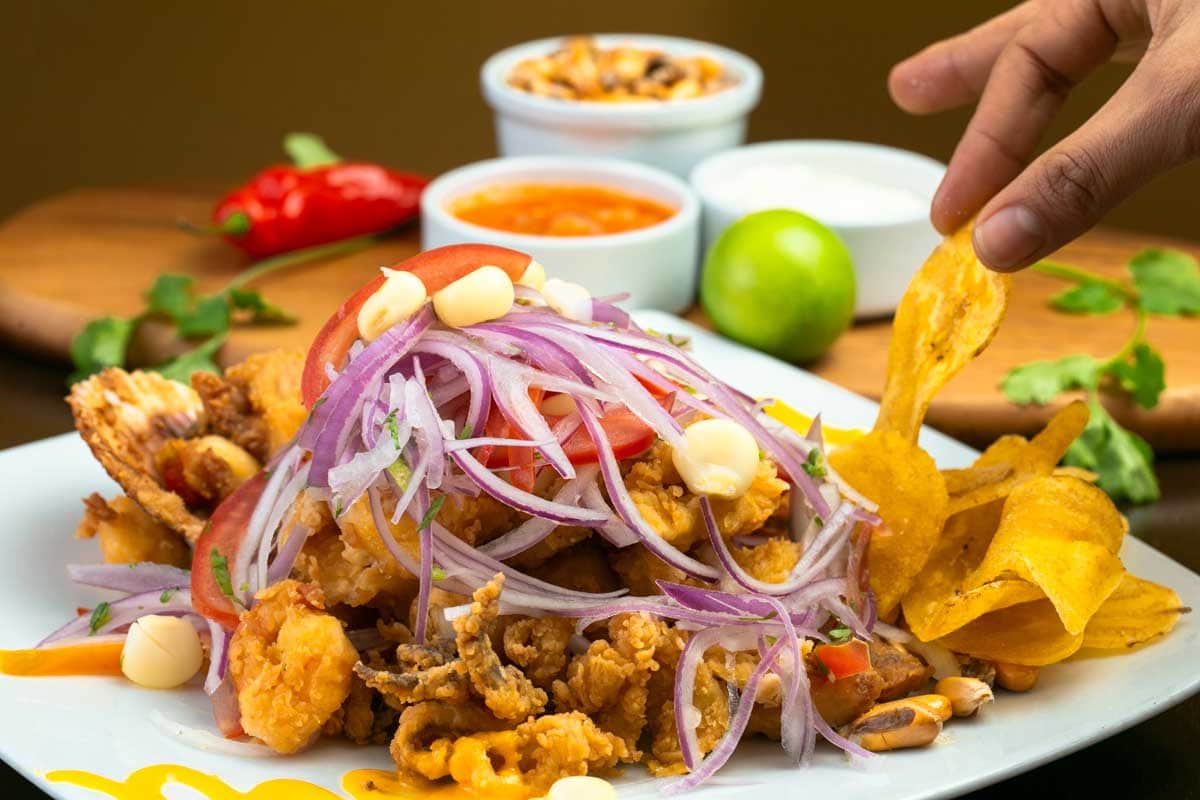
Jalea de mariscos is a crisp Peruvian seafood platter served with fried yuca and tangy salsa criolla. This version combines fish, shrimp and squid with a light flour-and-cornstarch coating, ready to share straight from the frying pan.
Jalea de Mariscos at a Glance
What Is Jalea de Mariscos?

Jalea de Mariscos is a traditional Peruvian seafood dish that showcases the country’s rich coastal heritage.
It consists of a variety of seafood—typically including squid, shrimp, fish fillets, and sometimes mussels—lightly seasoned, coated in a flour-based mixture, and deep-fried to golden perfection.
The crispy seafood is then served over a bed of fried yucca and topped with salsa criolla, a vibrant mix of thinly sliced red onions, lime juice, cilantro, and chili peppers.
More than just a fried seafood platter, jalea is a symbol of celebration and communal dining in Peru.
It’s a staple at beachside cevicherías and weekend family gatherings, especially in coastal cities like Lima, Callao, and Piura.
Its roots are deeply influenced by Afro-Peruvian culinary traditions, which introduced frying techniques and bold spice blends that define the dish today.
With its irresistible crunch, fresh garnishes, and zesty citrus kick, jalea de mariscos captures the spirit of Peruvian cuisine in one vibrant, flavor-packed plate.
Ingredients You’ll Need for Authentic Jalea

-
Mixed Seafood: Common choices include squid rings, shrimp, white fish fillets (like corvina or tilapia), and mussels
-
Flour & Cornstarch: Used to coat the seafood for an ultra-crispy texture
-
Seasonings: Salt, pepper, garlic powder, cumin, and sometimes paprika or ají amarillo for extra flavor
-
Yuca (Cassava): Boiled and then fried, it forms the starchy base of the dish
-
Salsa Criolla: A vibrant mix of thinly sliced red onions, lime juice, cilantro, and chili peppers
-
Cancha or Choclo (optional): Toasted corn or boiled Peruvian corn as a crunchy or starchy side
-
Lime Wedges: Essential for squeezing over the finished dish for a citrusy kick
-
Vegetable Oil: For deep-frying the seafood and yucca to golden perfection
How to Make Jalea de Mariscos at Home (Step-by-Step Recipe)
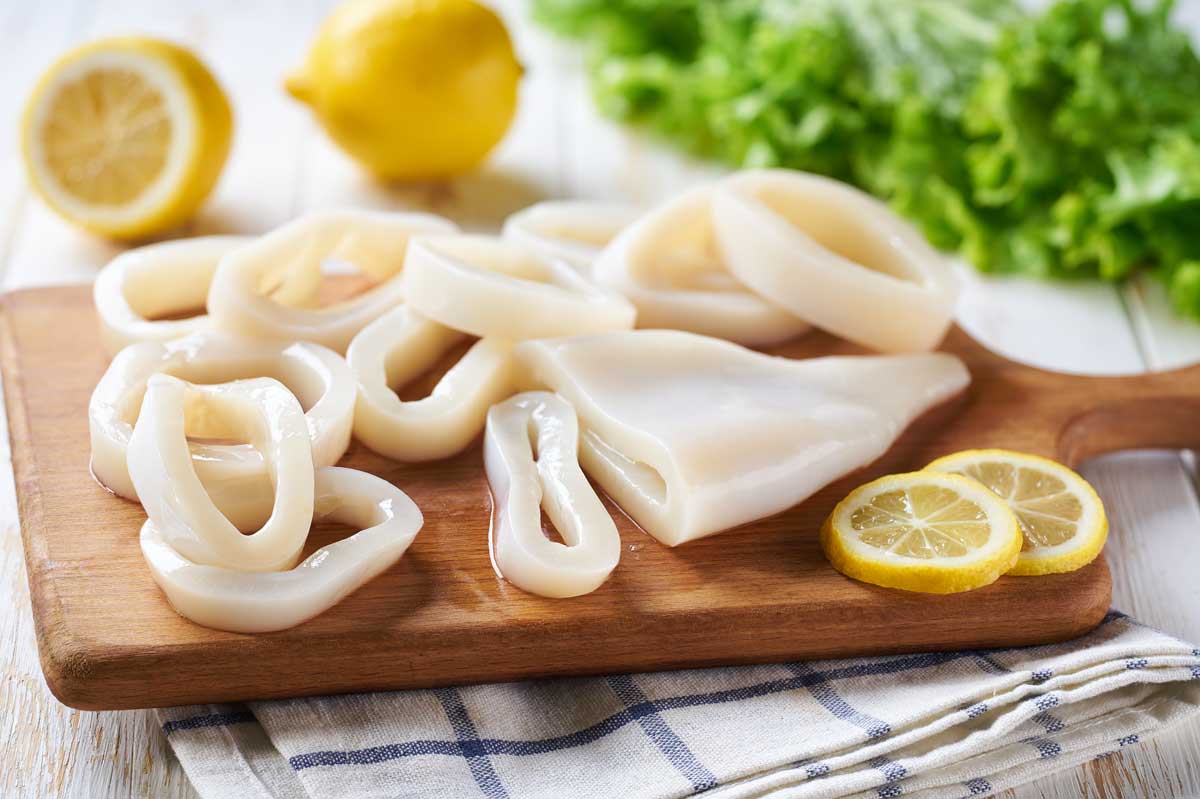
- Boil peeled yuca in salted water until fully tender, about 20–30 minutes or longer as needed. Drain, discard the water, remove tough center fibers and let the pieces steam-dry. Cut into wedges.
- While yuca cooks, soak sliced red onion in cold salted water for 5 minutes, drain well and mix with lime juice, chili, cilantro and salt. Set aside until serving.
- Pat seafood dry. Cut fish into roughly 1-inch pieces and keep each seafood type separate. Season with salt, pepper, garlic powder and cumin. Combine flour and cornstarch with optional paprika or ají amarillo powder. Coat only the batch you are about to fry, shaking off excess.
- Heat oil in a deep heavy pan to 350°F (175°C), leaving ample headroom. Fry dry yuca wedges in batches until golden, about 4–6 minutes. Drain on a rack and salt lightly.
- Return oil to 350°F. Fry seafood in small batches, separating types: thin squid rings usually take 1–2 minutes, shrimp about 2–3 minutes, and 1-inch fish pieces about 3–4 minutes. Times vary with size; fish should reach 145°F (63°C), and shrimp should be opaque and firm. Optional cooked mussel meat needs only enough time to heat through and crisp its coating. Drain each batch on a rack.
- Arrange yuca and seafood on a platter. Add drained salsa criolla just before serving, or offer it alongside to preserve the crust. Finish with lime and optional prepared corn. Serve immediately.
Makes four modest servings or a shared appetizer platter. Allow about 25 minutes preparation and 45 minutes cooking; prepare salsa and seafood while yuca boils. Thaw seafood before starting, and allow extra time for additional batches. Use prepared seafood: whole raw mussels must be cooked and shelled separately before using in this version. Do not judge fish doneness by crust color alone.
Use ají limo or jalapeño in the salsa, and serve with chicha morada.
Regional Variations Across Peru

While Jalea de Mariscos is beloved nationwide, each coastal region in Peru adds its own local flair to this crispy seafood classic.
-
Lima (Central Coast):
-
Features a refined mix of seafood like calamari, shrimp, and white fish
-
Often served with cancha (toasted corn) and a finely chopped salsa criolla
-
Plating is more elegant, especially in urban cevicherías
-
-
Piura (Northern Coast):
-
Known for heartier, rustic versions with more generous portions
-
Often includes regional fish like cabrilla or mero, plus sweet potatoes alongside yuca
-
Spicier and more robust seasoning, influenced by northern culinary traditions
-
-
Tumbes (Far North):
-
Callao (Port City):
-
Street-style jalea that’s ultra-crispy, piled high, and served with beer
-
Often found in casual, bustling cevicherías near the docks
-
Each region brings a delicious twist, showing how Peru’s geography and local ingredients shape the flavor and soul of jalea.
Cultural Significance of Jalea in Peru

Jalea de Mariscos isn’t just a dish—it’s a reflection of Peru’s coastal identity, Afro-Peruvian roots, and love for communal dining.
-
A Symbol of Coastal Cuisine:
-
Jalea embodies the abundance of the Pacific Ocean and the creativity of Peru’s coastal cooks
-
It’s a staple in beach towns, often enjoyed after a day in the sun or shared among family and friends at seaside cevicherías
-
-
Afro-Peruvian Culinary Heritage:
-
The technique of deep-frying and seasoning seafood has roots in Afro-Peruvian communities
-
Jalea stands as a flavorful reminder of their influence on Peruvian gastronomy
-
-
Weekend and Festive Tradition:
-
Commonly eaten on weekends, holidays, and at family gatherings
-
Seen as a celebratory meal—perfect for sharing and served in generous, piled-high portions
-
-
Part of Peru’s National Identity:
-
Alongside ceviche, lomo saltado, and causa, jalea is considered a national treasure
-
It represents Peru’s diverse culinary influences—from Indigenous to African to Spanish—and the joyful spirit of its people
-
Whether eaten on the beach or at a bustling urban cevichería, jalea is more than food—it’s a delicious cultural expression.
Jalea vs. Other Peruvian Seafood Dishes

Peru’s coastline offers a bounty of seafood dishes—but jalea de mariscos stands apart with its bold crunch and festive flair.
Here’s how it compares to other Peruvian favorites:
-
Jalea vs. Ceviche:
-
Jalea is deep-fried, while ceviche is raw seafood cured in citrus juice
-
Ceviche is light and tangy, jalea is hearty and crispy
-
Both are often served with salsa criolla, but jalea comes with fried yucca instead of corn and sweet potato
-

-
Jalea vs. Chicharrón de Pescado:
-
Both are fried, but chicharrón de pescado focuses only on battered fish
-
Jalea includes a variety of seafood (shrimp, squid, mussels), not just fish
-
Jalea is usually a larger, more elaborate dish served with sides and toppings
-
-
Jalea vs. Sudado de Mariscos:
-
Sudado is a seafood stew simmered in broth with tomatoes, onions, and spices
-
It’s soft, saucy, and comforting—completely different from jalea’s dry, crispy texture
-
Sudado is typically eaten with rice, while jalea comes with yucca and lime
-
Each dish has its own charm, but jalea is the go-to when you’re craving something bold, crispy, and perfect for sharing.
Where to Try the Best Jalea in Peru and Beyond
Whether you’re savoring it seaside in Peru or searching for the perfect bite abroad, here’s where to find top-tier jalea de mariscos:
-
Lima, Peru – The Culinary Capital
-
La Red (Miraflores): A local favorite known for its crispy, flavorful jalea
-
Punto Azul (Multiple locations): Popular with locals and tourists alike for consistent quality
-
Canta Rana (Barranco): A classic cevichería with a laid-back vibe and iconic jalea
-
-
Callao – The Heart of Portside Seafood
-
El Colorao de Chucuito: Famous for massive portions and ultra-crunchy seafood
-
Mi Barrunto: A beloved spot for traditional jalea and live Creole music
-
-
Piura – Northern Peru’s Jalea Hub
-
Street stalls near Plaza de Armas offer rustic, spicy versions unique to the region
-
Marisquería Don Fernando: A go-to for authentic northern-style jalea
-
-
United States – Peruvian Flavors Abroad
-
Pio Pio (New York): Peruvian chain with a reliable jalea and vibrant atmosphere
-
El Pollo Inka (California): Known for generous seafood platters and traditional seasoning
-
Ceviche 105 (Miami): Upscale Peruvian dining with beautifully presented jalea
-
-
Tips for Finding Great Jalea Anywhere:
-
Look for cevicherías with high turnover and fresh seafood
-
Ask if they use a variety of mariscos—not just fish
-
Bonus points for places that make salsa criolla fresh to order
-
Whether you’re in Peru or beyond, authentic jalea is just a good cevichería away!
Tips for Perfecting Your Homemade Jalea

Want that restaurant-quality crisp and bold Peruvian flavor at home?
These pro tips will help you master your homemade jalea de mariscos:
-
Use Very Dry Seafood:
-
Pat all seafood completely dry before seasoning and coating—moisture prevents crisping
-
Keep prepared seafood refrigerated until you are ready to coat and fry it
-
-
Mix Flour with Cornstarch:
-
A 1:1 ratio of all-purpose flour and cornstarch creates an extra-light, crispy coating
-
Add spices like paprika, garlic powder, or ají amarillo for deeper flavor
-
-
Fry in Small Batches:
-
Don’t overcrowd the pan—fry a few pieces at a time so the oil stays hot and crispiness is maintained
-
Maintain oil temperature around 350°F (175°C)
-
-
Dry the Cooked Yuca:
-
Boil yuca until fully tender, drain well and let the surface steam-dry before frying
-
Sprinkle with salt right after frying
-
-
Prep Salsa Criolla in Advance:
-
Let onions soak in lime juice and salt for 10–15 minutes to mellow their bite
-
Use fresh cilantro and thin-sliced chili for the perfect zing
-
-
Serve Immediately:
-
Jalea is best enjoyed fresh and hot—assemble it just before serving to preserve the crunch
-
Plate on a bed of fried yucca, top with salsa criolla, and serve with lime wedges for that final citrusy pop
-
Follow these tips, and you’ll be dishing out crispy, crowd-pleasing jalea like a true Peruvian chef!
Why Jalea de Mariscos Should Be Your Next Seafood Obsession

Crunchy, golden, and bursting with bold Peruvian flavor—Jalea de Mariscos isn’t just a dish, it’s an experience.
From the first bite of perfectly fried shrimp to the zing of lime-soaked salsa criolla, every element hits with texture, taste, and tradition.
Whether you’re a seafood lover looking to explore new horizons or a home cook wanting to impress, jalea brings the best of Peru’s coastal cuisine to your plate.
So next time you’re planning a seafood feast, skip the ordinary.
Try your hand at jalea de mariscos and bring a little Peruvian sunshine to your table.
Your taste buds will thank you!

Jalea de Mariscos Recipe
Jalea de Mariscos is a classic Peruvian seafood dish made with crispy fried fish, squid, shrimp, and mussels, served over golden yuca and topped with vibrant salsa criolla. Bursting with flavor, texture, and coastal tradition, this dish is perfect for sharing.
Ingredients
For the Seafood
- 1 lb prepared mixed seafood: cleaned squid rings, peeled deveined shrimp and boneless white fish; optional fully cooked, shelled mussel meat within that total
- ½ cup all-purpose flour
- ½ cup cornstarch
- 1 tsp salt
- ½ tsp pepper
- 1 tsp garlic powder
- ½ tsp ground cumin
- ½ tsp paprika or ají amarillo powder (optional)
- Vegetable oil, for frying
For the Yuca
- 1 lb yuca (cassava), peeled and cut into chunks
- Salt, to taste
For the Salsa Criolla
- 1 medium red onion, thinly sliced
- Juice of 2 limes
- 1 small red chili or ají limo, thinly sliced
- 2 tbsp chopped cilantro
- Salt, to taste
Optional Garnishes:
- ½ cup cancha (toasted corn) or choclo (boiled Peruvian corn)
- Lime wedges
Instructions
- Boil peeled yuca in salted water until fully tender, about 20–30 minutes or longer as needed. Drain, discard the water, remove tough center fibers and let the pieces steam-dry. Cut into wedges.
- While yuca cooks, soak sliced red onion in cold salted water for 5 minutes, drain well and mix with lime juice, chili, cilantro and salt. Set aside until serving.
- Pat seafood dry. Cut fish into roughly 1-inch pieces and keep each seafood type separate. Season with salt, pepper, garlic powder and cumin. Combine flour and cornstarch with optional paprika or ají amarillo powder. Coat only the batch you are about to fry, shaking off excess.
- Heat oil in a deep heavy pan to 350°F (175°C), leaving ample headroom. Fry dry yuca wedges in batches until golden, about 4–6 minutes. Drain on a rack and salt lightly.
- Return oil to 350°F. Fry seafood in small batches, separating types: thin squid rings usually take 1–2 minutes, shrimp about 2–3 minutes, and 1-inch fish pieces about 3–4 minutes. Times vary with size; fish should reach 145°F (63°C), and shrimp should be opaque and firm. Optional cooked mussel meat needs only enough time to heat through and crisp its coating. Drain each batch on a rack.
- Arrange yuca and seafood on a platter. Add drained salsa criolla just before serving, or offer it alongside to preserve the crust. Finish with lime and optional prepared corn. Serve immediately.
Notes
Makes four modest servings or a shared appetizer platter. Allow about 25 minutes preparation and 45 minutes cooking; prepare salsa and seafood while yuca boils. Thaw seafood before starting, and allow extra time for additional batches. Use prepared seafood: whole raw mussels must be cooked and shelled separately before using in this version. Do not judge fish doneness by crust color alone.
More Peruvian Foods
See all →
Jorge Garcia is the founder of AmigoFoods, where he has spent over 20 years helping readers discover authentic Latin American and Spanish cuisine. Raised in a Cuban-American household, Jorge learned to cook at the hands of his mother and grandmother, carrying forward generations of family recipes. That heritage, backed by his family’s four-generation history in the Latin food industry, inspired him to launch AmigoFoods in 2003. With more than 1,000 published articles on recipes, ingredients, and food culture, Jorge’s mission is simple: make authentic Latin cooking approachable for home cooks everywhere while honoring the traditions behind every dish.