

Pabellón criollo brings shredded beef, seasoned black beans, white rice and sweet fried plantains together on one plate. This Venezuelan classic balances savory meat, creamy beans and caramelized sweetness, with each component cooked separately before serving.
Pabellón Criollo at a Glance
What Is Pabellón Criollo?
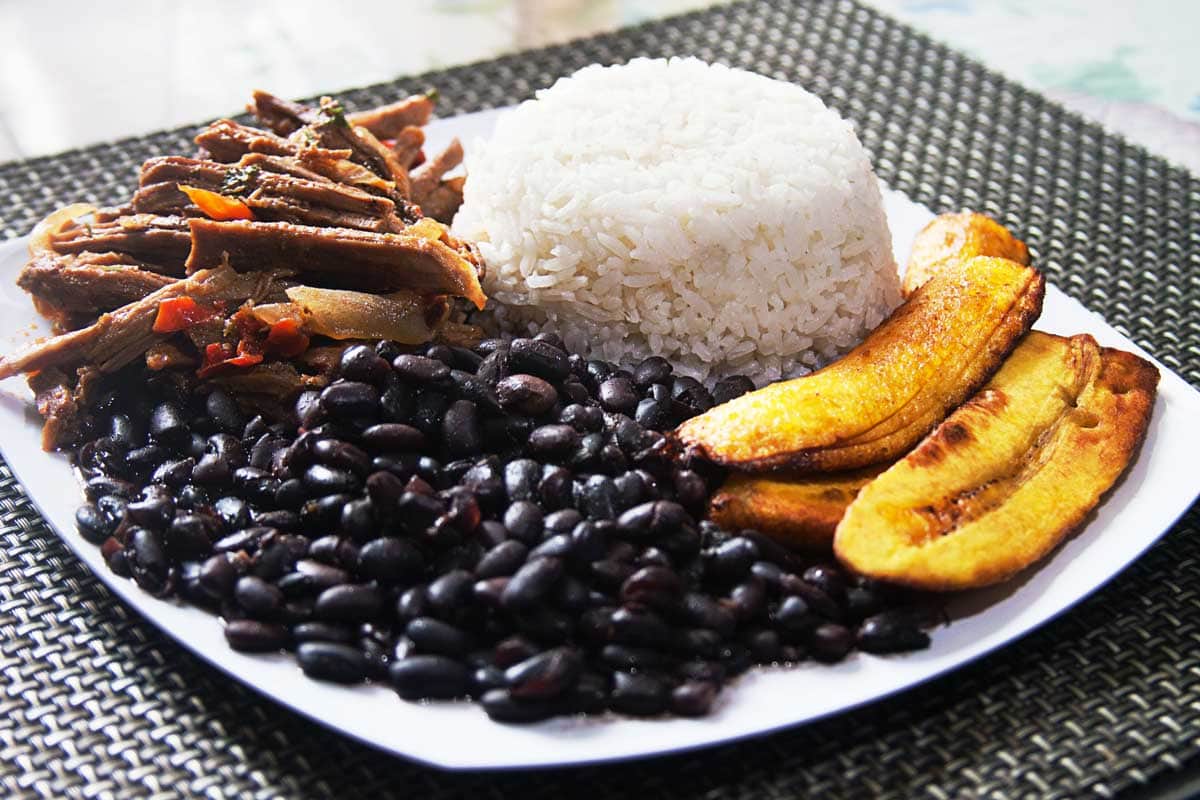
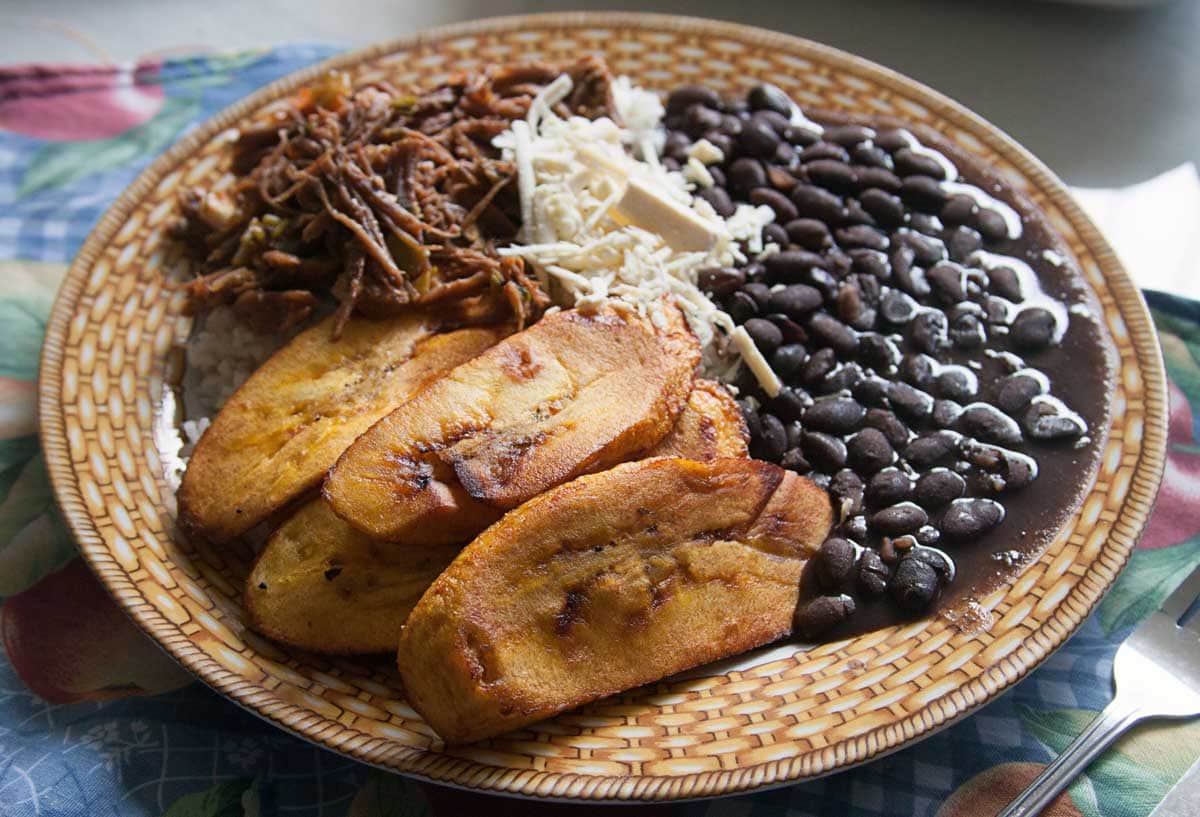
Pabellón Criollo is the national dish of Venezuela, a beloved and flavorful meal that brings together shredded beef, black beans, white rice, and fried ripe plantains.
Each element of the dish carries cultural significance, symbolizing the diverse roots of Venezuelan heritage—Indigenous, African, and Spanish.
The components are typically arranged side by side on the plate, visually resembling the stripes of a flag, which is fitting since “pabellón” means “flag” in Spanish.
More than just a Venezuelan comfort food, Pabellón Criollo is a powerful symbol of national identity and culinary tradition, found in home kitchens and restaurants across the country.
Traditional Ingredients in Pabellón Criollo

At the heart of Pabellón Criollo are four essential ingredients, each contributing unique flavor and cultural meaning.
The shredded beef, known as carne mechada, is slow-cooked with aromatics until tender and savory. Black beans, or caraotas negras, are seasoned with garlic, onions, and sometimes a hint of cumin, offering richness and depth.
White rice provides a fluffy, neutral base that ties the dish together. Finally, fried ripe plantains, called tajadas, add a touch of sweetness and balance to the savory elements.
Some versions may also include extras like a fried egg (a caballo), slices of avocado, or even crumbled white cheese, depending on regional customs and personal preference.
How to Make Pabellón Criollo (Step-by-Step Recipe)
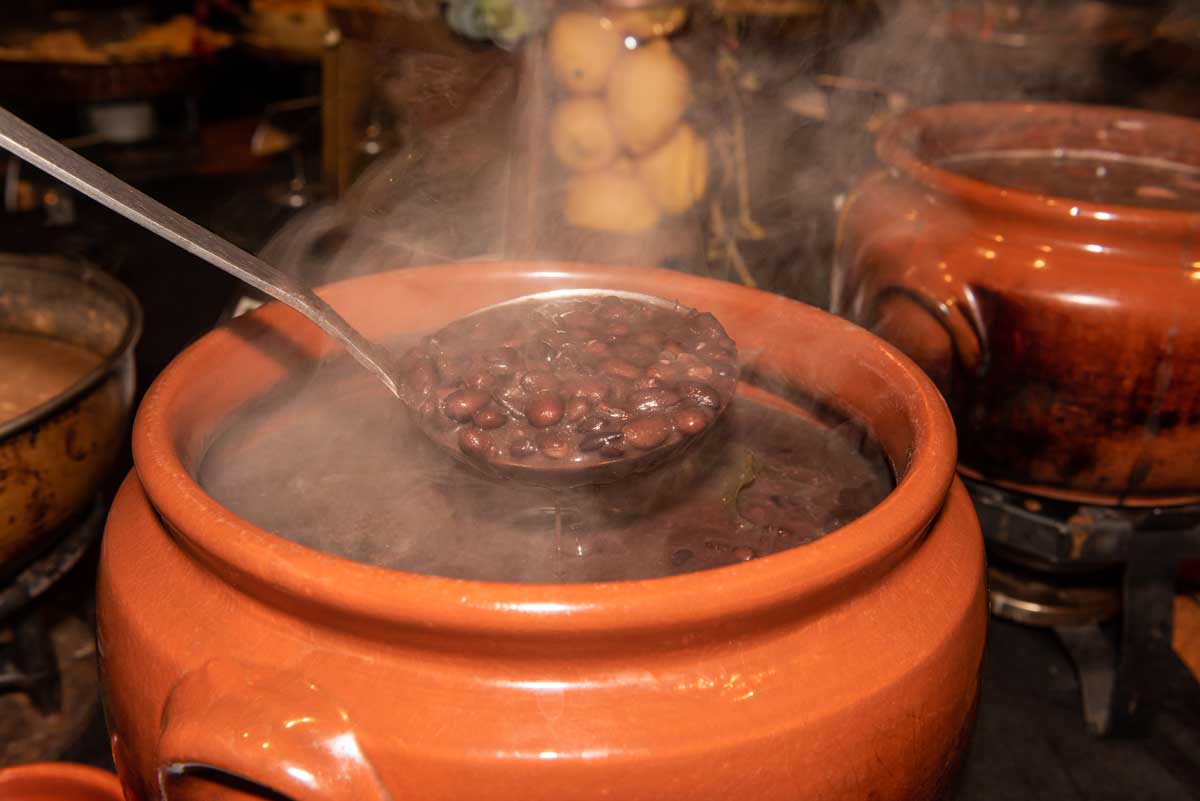
- If using dried beans, sort and rinse them, then soak in plenty of water in the refrigerator for 8 hours or overnight. Drain. Put in a pot with fresh water to cover by about 2 inches. Bring to a boil, then simmer until fully tender, about 1–2 hours, adding water as needed. Start the beef while the beans cook. Skip this step for canned beans.
- Cover steak with water in a large pot and add the halved onion, crushed garlic and bay leaves. Bring to a boil, skim, then cover and simmer gently for about 1½–2 hours, or longer until easy to shred. Keep the meat covered with liquid. Remove beef, reserve some broth, discard bay leaves and shred with forks.
- Heat 2 tablespoons oil in a skillet. Soften the sliced onion and bell pepper for about 5 minutes; add minced garlic and diced tomatoes and cook another 5 minutes. Stir in shredded beef, cumin, annatto or paprika, salt and pepper. Add ½ cup reserved broth and simmer 15–20 minutes, adding a splash more if needed to keep the meat moist.
- For the beans, sauté the diced small onion in 1 tablespoon oil until soft, then add garlic, cumin and optional chopped pepper. Stir into tender beans with enough cooking liquid for a moist consistency and simmer 10–15 minutes. For canned beans, add them to the sautéed aromatics with ½ cup water and simmer 10–15 minutes. Season with salt and optional sugar.
- While the meat finishes, optionally toast rice in 1 tablespoon oil for 1–2 minutes. Add 3 cups water and salt, bring to a boil, cover and cook on low for 15–20 minutes or according to the rice package. Remove from heat and rest, covered, for 5–10 minutes; fluff.
- Peel ripe plantains and slice diagonally about ¼ inch thick. Heat a shallow layer of oil over medium heat and fry in batches for about 2–3 minutes per side, until golden and tender, adjusting heat to prevent burning. Drain and salt lightly if desired. Divide rice, beef, beans and plantains among four plates; add optional garnishes.
Allow about 30 minutes preparation and 2½ hours cooking with the components prepared alongside one another, plus 8 hours or overnight for soaking dried beans. Canned beans remove soaking and bean-boiling time, but the beef still needs its full simmer. Cook beef until it shreds easily rather than relying only on the clock. Use very ripe plantains and serve the four components in separate sections. Beef and beans can be made a day ahead and refrigerated; reheat thoroughly and fry plantains close to serving.
Optional arepas can be served alongside.
Regional Variations and Modern Twists
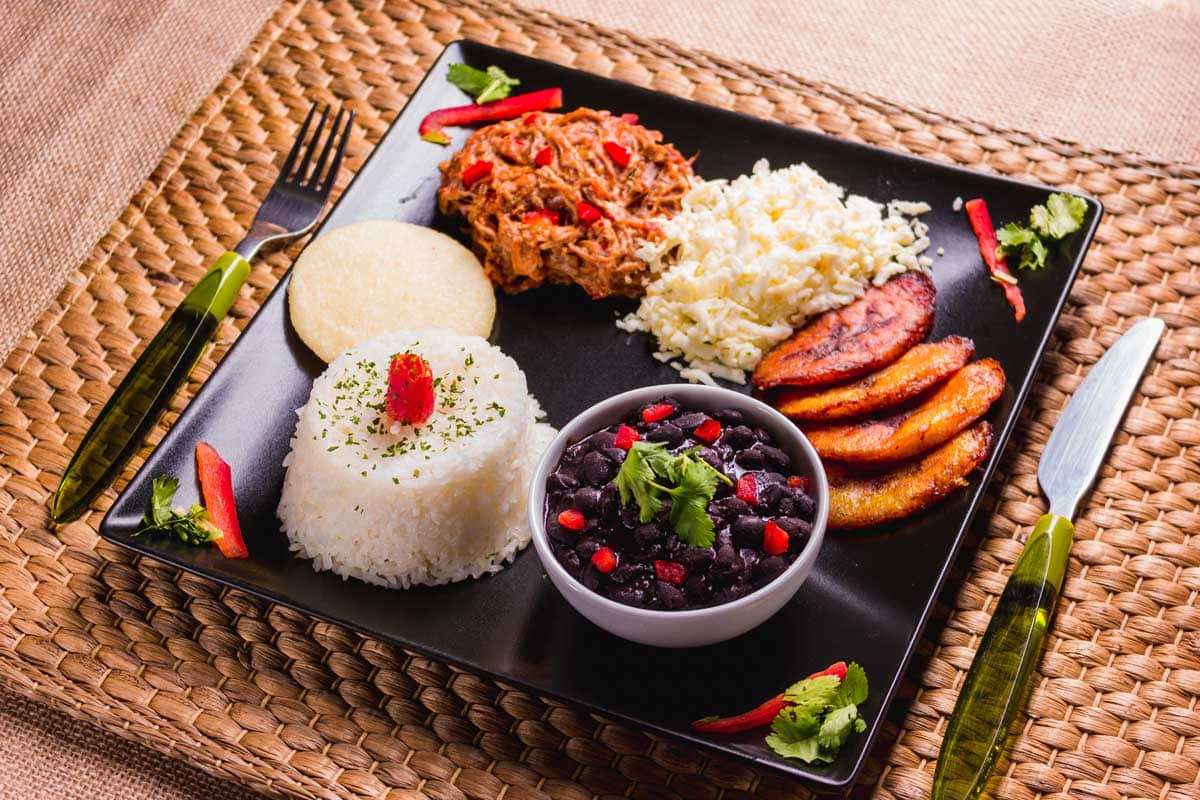
While the classic version of Pabellón Criollo features shredded beef, black beans, white rice, and fried plantains, regional adaptations across Venezuela bring exciting variations to the table.
In the Llanos region, it’s common to top the dish with crumbled white cheese or even a fried egg, a style known as Pabellón a caballo.
Coastal areas might incorporate grated coconut into the black beans, adding a subtly sweet, tropical flavor.
In urban centers like Caracas, modern chefs have begun reimagining Pabellón Criollo with creative flair—serving it as a stuffed arepa (the arepera classic, arepa de pabellón), empanada filling, or even layered in a bowl-style presentation with avocado and pickled onions.
Vegan versions substitute jackfruit or lentils for the beef, while low-carb adaptations replace rice with cauliflower rice or lettuce wraps.
These modern twists allow the dish to evolve while still honoring its traditional roots, proving that Pabellón Criollo is both timeless and versatile.
Cultural and Historical Origins of Pabellón Criollo

The origins of Pabellón Criollo are deeply tied to Venezuela’s colonial past and its multicultural heritage.
Emerging during the colonial era, the dish reflects the convergence of Indigenous, African, and Spanish culinary traditions.
The black beans are believed to represent African influences, the shredded beef points to Spanish methods of meat preparation, and the rice and plantains reflect both Indigenous agriculture and Caribbean trade.
The word criollo itself refers to things native to Latin America, especially those shaped by European descent born in the New World.
Over time, this humble combination of accessible, everyday ingredients became a powerful symbol of national identity—so much so that it was eventually recognized as Venezuela’s official national dish.
Beyond its flavors, Pabellón Criollo tells a story of resilience, adaptation, and cultural blending.
It remains a cherished part of Venezuelan family life and national pride, served at both casual meals and celebratory gatherings across the country.
Where to Find the Best Pabellón Criollo in Venezuela and Abroad

Whether you’re in Venezuela or abroad, there are plenty of places where you can enjoy an authentic and satisfying plate of Pabellón Criollo.
Here’s where to look:
In Venezuela
-
Caracas: Try El Budare de la Castellana or La Casa Bistró for traditional versions with upscale touches.
-
Maracaibo: Local eateries often serve Pabellón with regional twists, such as shredded goat or cheese toppings.
-
Mérida: Known for hearty Andean cooking, you’ll find rustic and home-style Pabellón Criollo at family-run establishments.
In the United States
-
Miami, FL: Doggi’s Arepa Bar and La Latina are famous for their authentic Venezuelan flavors and perfectly cooked carne mechada.
-
New York City, NY: Caracas Arepa Bar offers modern takes on Venezuelan classics, including well-balanced Pabellón plates.
-
Houston, TX: With a growing Venezuelan community, restaurants like Arepa Xpress often feature Pabellón Criollo on their menus.
Whether you’re in the heart of Caracas or exploring a Latin American food spot abroad, Pabellón Criollo continues to win hearts—and taste buds—around the world.
What to Serve with Pabellón Criollo
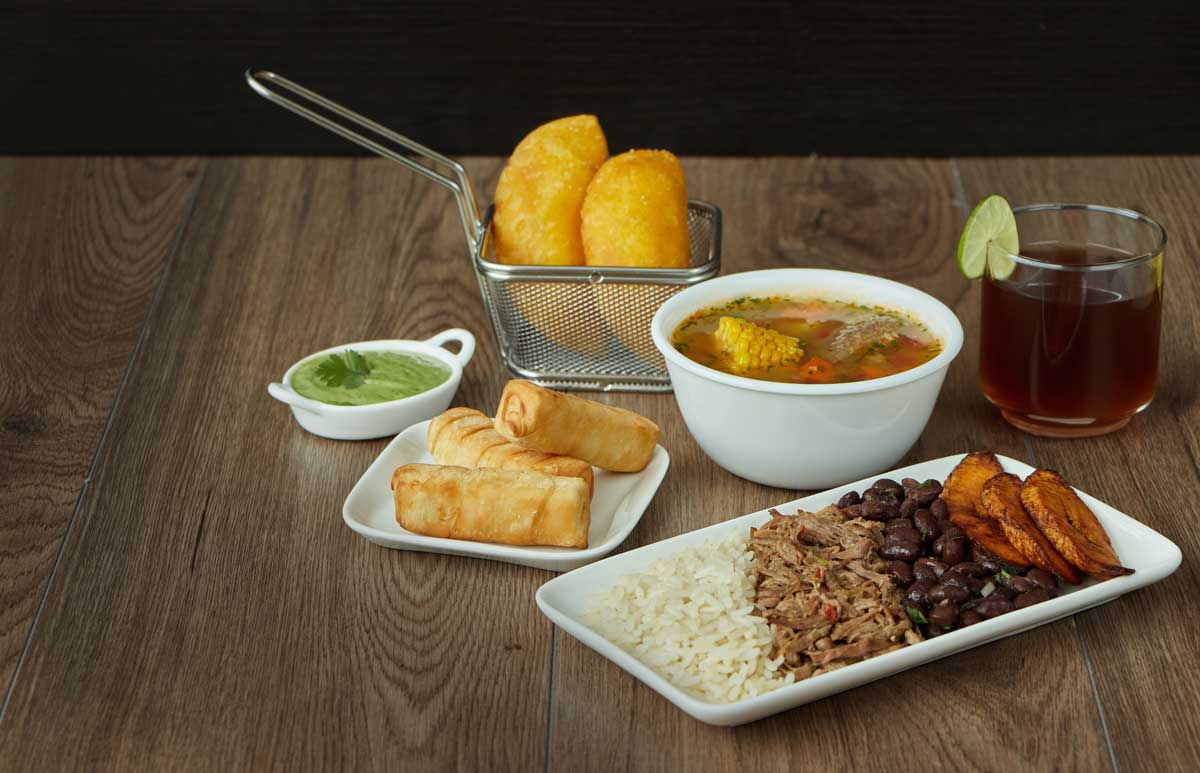
Pabellón Criollo is a complete meal on its own, but the right Venezuelan side dishes and accompaniments can elevate it even further.
Whether you’re aiming for a traditional Venezuelan spread or adding a personal touch, here are some delicious ideas to serve alongside:
-
Arepas: These soft cornmeal cakes are a classic Venezuelan side. Serve plain or stuffed with cheese, and use them to scoop up beans or beef.
-
Avocado Slices: Creamy avocado adds a fresh, cooling contrast to the savory and sweet elements of the plate.
-
Fried Egg (a caballo): A popular upgrade, the addition of a fried egg on top of the beef brings extra richness and visual appeal.
-
Queso Blanco (Fresh White Cheese): Crumbled over beans or rice, this mild cheese adds a touch of saltiness and texture.
-
Papelón con Limón: A traditional Venezuelan drink made from raw cane sugar and lime juice—it’s tangy, sweet, and incredibly refreshing.
-
Fresh Salad: A simple tomato and lettuce salad with lime dressing provides balance and crunch.
-
Hot Sauce or Guasacaca: For those who like a kick, a drizzle of spicy sauce or creamy avocado-based guasacaca enhances every bite.
These sides not only round out the meal but also highlight the diversity and richness of Venezuelan cuisine.
Nutritional Profile & Tips for a Healthier Pabellón Criollo

Pabellón Criollo is a hearty, nutrient-dense dish that offers a balanced mix of protein, fiber, and carbohydrates, but it can also be high in fat and calories depending on how it’s prepared.
Here’s a breakdown of its nutritional highlights and ways to make it lighter without sacrificing flavor.
Nutritional Highlights
-
Protein: The shredded beef provides a solid source of protein, essential for muscle repair and satiety.
-
Fiber: Black beans add dietary fiber, supporting digestion and helping regulate blood sugar.
-
Carbohydrates: White rice and plantains supply quick energy, though they can spike blood sugar levels if consumed in excess.
-
Fats: Fried plantains and beef sautéed in oil contribute saturated fats, especially if large quantities are used.
Tips for a Healthier Version
-
Lean Cuts of Beef: Trim visible fat from flank steak; substitutions may need different cooking times to shred well.
-
Limit Oil Use: Instead of frying, sauté with a small amount of olive oil or use a nonstick pan.
-
Bake or Air-Fry Plantains: Swap traditional frying for oven-baked or air-fried tajadas to reduce fat and calories.
-
Use Brown Rice or Quinoa: Replace white rice with whole grains for more fiber and nutrients.
-
Control Portion Size: Serve moderate portions of each component to keep the meal balanced.
-
Add More Vegetables: Pair the dish with a fresh side salad or sautéed veggies to increase volume and micronutrient content.
With just a few smart swaps, Pabellón Criollo can be transformed into a lighter, nutrient-packed version that still honors its rich Venezuelan heritage.
Pabellón is one of the few Latin American national dishes with official status. See how it compares in our guide to the national dish of every Latin American country.
Why Pabellón Criollo Deserves a Spot on Your Latin Food Bucket List
Pabellón Criollo is a flavorful expression of Venezuelan culture, history, and tradition.
From its perfectly seasoned shredded beef to its sweet plantains and hearty black beans, every bite tells a story of the country’s diverse roots.
Whether you’re cooking it at home or seeking out an authentic version abroad, Pabellón Criollo offers a delicious and memorable experience that belongs on every Latin food lover’s radar.
Add it to your culinary bucket list and discover why this iconic Venezuelan dish continues to captivate foodies around the world.

Pabellón Criollo Recipe
Pabellón Criollo is the national dish of Venezuela, featuring tender shredded beef (carne mechada), seasoned black beans, fluffy white rice, and caramelized sweet plantains. This flavorful and balanced meal captures the soul of Venezuelan cuisine.
Ingredients
For the Shredded Beef (Carne Mechada)
- 1½ lbs flank or skirt steak
- 1 onion (halved)
- 3 garlic cloves (crushed)
- 2 bay leaves
- Water (to cover)
- 1 onion (sliced)
- 1 bell pepper (sliced)
- 2 garlic cloves (minced)
- 2 tomatoes (diced)
- 1 tsp cumin
- 1 tsp annatto or paprika
- Salt and pepper to taste
- 2 tbsp vegetable oil
For the Black Beans (Caraotas Negras)
- 1 cup dried black beans, soaked overnight, or two 15-oz cans, drained and rinsed
- Water to cover dried beans, plus more as needed; ½ cup water for canned beans
- 1 small onion (diced)
- 2 garlic cloves (minced)
- 1 tsp cumin
- 1 tbsp oil
- Salt to taste
- Optional: ½ tsp sugar or chopped bell pepper
For the White Rice
- 1½ cups long-grain white rice
- 3 cups water
- 1 tbsp oil (optional)
- Pinch of salt
For the Fried Plantains (Tajadas)
- 2 ripe plantains (yellow with black spots)
- Vegetable oil (for frying)
- Salt (optional)
Optional Garnishes
- Avocado slices
- Fried egg
- Grated cheese or arepa on the side
Instructions
- If using dried beans, sort and rinse them, then soak in plenty of water in the refrigerator for 8 hours or overnight. Drain. Put in a pot with fresh water to cover by about 2 inches. Bring to a boil, then simmer until fully tender, about 1–2 hours, adding water as needed. Start the beef while the beans cook. Skip this step for canned beans.
- Cover steak with water in a large pot and add the halved onion, crushed garlic and bay leaves. Bring to a boil, skim, then cover and simmer gently for about 1½–2 hours, or longer until easy to shred. Keep the meat covered with liquid. Remove beef, reserve some broth, discard bay leaves and shred with forks.
- Heat 2 tablespoons oil in a skillet. Soften the sliced onion and bell pepper for about 5 minutes; add minced garlic and diced tomatoes and cook another 5 minutes. Stir in shredded beef, cumin, annatto or paprika, salt and pepper. Add ½ cup reserved broth and simmer 15–20 minutes, adding a splash more if needed to keep the meat moist.
- For the beans, sauté the diced small onion in 1 tablespoon oil until soft, then add garlic, cumin and optional chopped pepper. Stir into tender beans with enough cooking liquid for a moist consistency and simmer 10–15 minutes. For canned beans, add them to the sautéed aromatics with ½ cup water and simmer 10–15 minutes. Season with salt and optional sugar.
- While the meat finishes, optionally toast rice in 1 tablespoon oil for 1–2 minutes. Add 3 cups water and salt, bring to a boil, cover and cook on low for 15–20 minutes or according to the rice package. Remove from heat and rest, covered, for 5–10 minutes; fluff.
- Peel ripe plantains and slice diagonally about ¼ inch thick. Heat a shallow layer of oil over medium heat and fry in batches for about 2–3 minutes per side, until golden and tender, adjusting heat to prevent burning. Drain and salt lightly if desired. Divide rice, beef, beans and plantains among four plates; add optional garnishes.
Notes
Allow about 30 minutes preparation and 2½ hours cooking with the components prepared alongside one another, plus 8 hours or overnight for soaking dried beans. Canned beans remove soaking and bean-boiling time, but the beef still needs its full simmer. Cook beef until it shreds easily rather than relying only on the clock. Use very ripe plantains and serve the four components in separate sections. Beef and beans can be made a day ahead and refrigerated; reheat thoroughly and fry plantains close to serving.
More Venezuelan Foods
See all →
Jorge Garcia is the founder of AmigoFoods, where he has spent over 20 years helping readers discover authentic Latin American and Spanish cuisine. Raised in a Cuban-American household, Jorge learned to cook at the hands of his mother and grandmother, carrying forward generations of family recipes. That heritage, backed by his family’s four-generation history in the Latin food industry, inspired him to launch AmigoFoods in 2003. With more than 1,000 published articles on recipes, ingredients, and food culture, Jorge’s mission is simple: make authentic Latin cooking approachable for home cooks everywhere while honoring the traditions behind every dish.