
Paraguayan desserts do not taste like the rest of South America’s. There is no dulce de leche on every plate and very little chocolate. Two ingredients do most of the work instead: miel negra, the thick black syrup boiled down from sugarcane, and queso Paraguay, a squeaky fresh cow’s-milk cheese that Paraguayans put next to sweet things rather than after them.
The third thing that sets these sweets apart is what they are built from. Where other countries reach for wheat flour, Paraguay reaches for corn and mandioca. That is why so much of this list is porridge, paste and pudding rather than cake.
Here are 14 traditional Paraguayan desserts, from the ones sitting on the counter of every corner despensa to the ones that only appear at a festival or a wake.
Just want them laid out dish by dish? Browse the Paraguayan desserts page for the same sweets in card form.
| Dessert | What it is | Built on | When you’ll meet it |
|---|---|---|---|
| Kosereva | Bitter orange peel stewed in cane syrup | Apepú orange, miel negra | With cheese, any afternoon |
| Kaguyjy | Hominy corn pudding | White corn, milk | Winter, festivals |
| Mbaipy he’ẽ | Sweet corn polenta | Cornmeal, milk, miel negra | Hot, after dinner |
| Kivevé | Squash and cornmeal purée | Andai squash, cheese | Dessert or side dish |
| Ka’i ladrillo | Peanut and molasses brick | Peanuts, miel negra | Street stalls, road stops |
| Dulce de mamón | Green papaya in spiced syrup | Papaya, clove | Sunday lunch, with cheese |
| Arasá kesu | Guava paste with fresh cheese | Guava, queso Paraguay | The everyday dessert |
| Eira kesu | Fresh cheese under cane syrup | Queso Paraguay, miel negra | Two minutes’ notice |
| Dulce de batata | Sweet potato paste with cheese | Sweet potato | Alongside arasá kesu |
| Kamby arró | Rice pudding | Rice, milk, cinnamon | Childhood, cold nights |
| Torta de miel negra | Dark molasses cake | Miel negra | With mate or cocido |
| Pastafrola | Lattice tart, guava filled | Guava paste, pastry | Every bakery window |
| Budín de pan | Bread pudding in caramel | Stale bread, eggs | Nochebuena |
| Bollos con crema | Fried dough filled with cream | Fried dough, cream | San Bernardino in summer |
1. Kosereva
If one sweet deserves to be called Paraguay’s own, it is kosereva. Cooks take apepú, the sour orange that grows half-wild across the country, peel it, boil the peel until the bitterness softens, then simmer it slowly in miel negra with cloves until the strips turn glossy and almost black.
The result is not really a jam and not really a candy. It is sweet, then bitter, then sweet again, and it is nearly always served with a slab of queso Paraguay to cut through it.
Tastes like burnt orange marmalade with the sugar dialled down and a smoky edge from the cane syrup.
Look for it in glass jars at any despensa, and on the dessert table at Semana Santa.
2. Kaguyjy (Mazamorra)
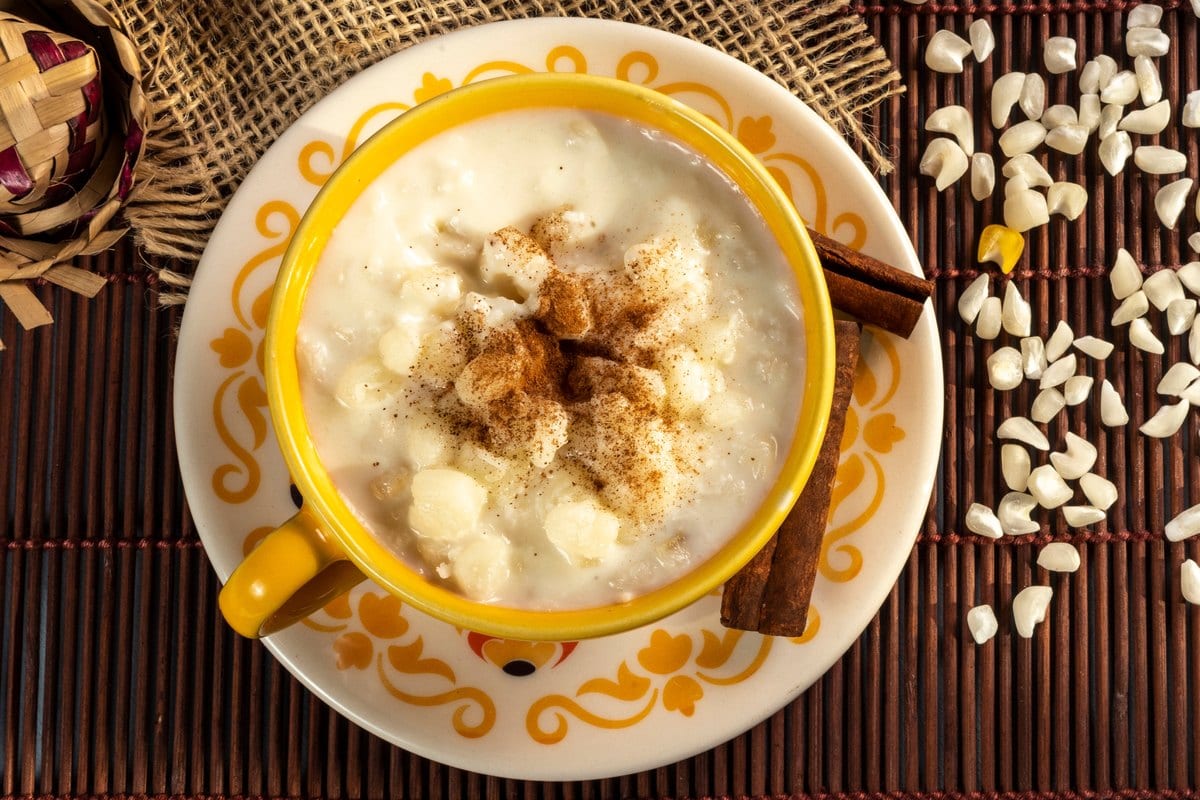
Kaguyjy is white corn cooked until the kernels split and go creamy, then loosened with milk and sweetened with cane syrup or sugar. Everywhere else in Latin America a version of this exists under the name mazamorra; in Paraguay it carries its Guaraní name and a heavier history.
After the War of the Triple Alliance left the country starving, cheap corn puddings like this one kept people fed. It is still cooked in volume for religious festivals and served warm in deep bowls. Across the border, Brazilians make a close cousin called canjica, finished with condensed milk and coconut.
3. Mbaipy He’ẽ
Mbaipy he’ẽ translates roughly as “sweet polenta”, and that is exactly what it is: cornmeal stirred into hot milk until it thickens, then sweetened with miel negra or sugar and eaten warm with a spoon.
Paraguayans treat it as a cold-weather dessert, the kind of thing a grandmother makes in twenty minutes because the ingredients are already in the house. The savoury version, plain mbaipy, shows up at lunch — the he’ẽ on the end is the only thing that makes it a dessert.
4. Kivevé
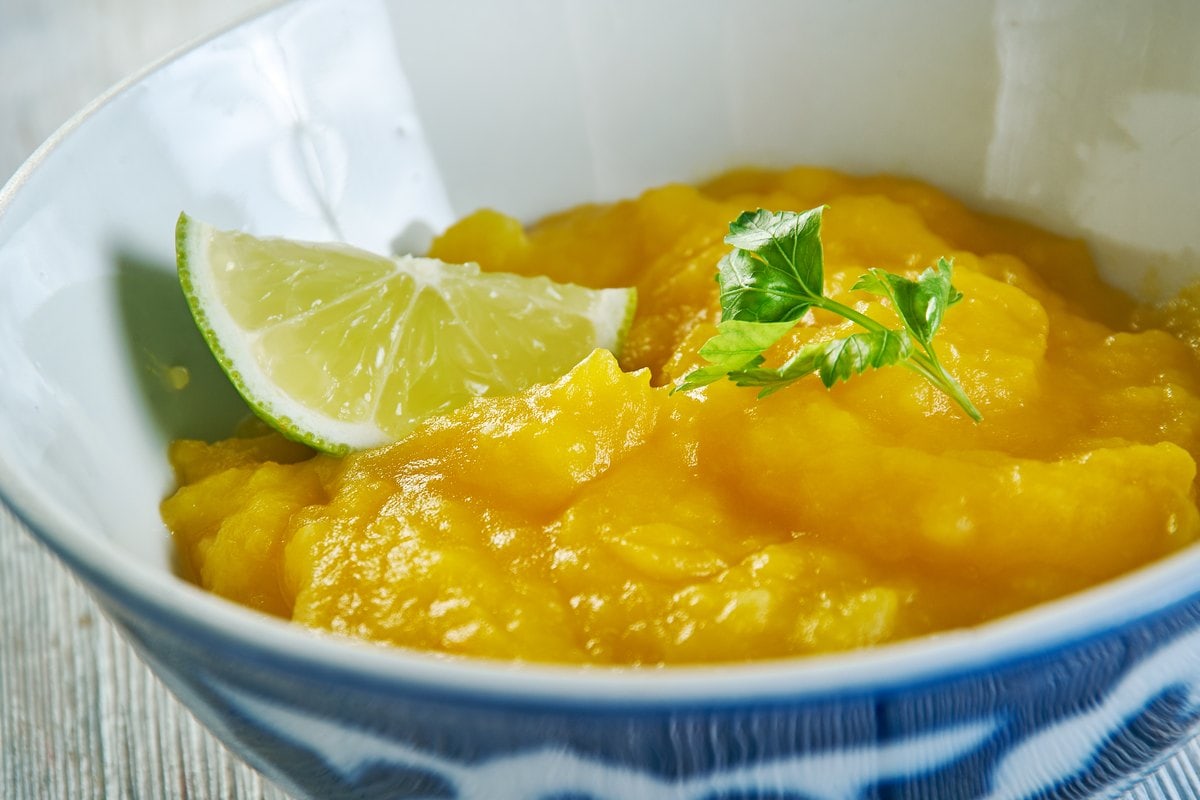
Kivevé sits on the line between a dessert and a side dish, and Paraguayans are relaxed about which side it falls on. Andai squash is cooked down to a purée, thickened with cornmeal, enriched with milk and finished with crumbled queso Paraguay and enough sugar to make it sweet without being a pudding.
It comes to the table bright orange and warm. Served with a roast it is a side; served on its own in a bowl it is dessert.
5. Ka’i Ladrillo
The name means “monkey’s brick” — ka’i for the small native monkey, ladrillo for the shape. Miel negra is boiled until a spoon drawn across the pan leaves a clean line, toasted peanuts go in whole or roughly chopped, and the mixture is poured into shallow moulds to set hard.
Some cooks add a squeeze of sour orange or grapefruit to stop it cloying. It is sold in slabs at bus terminals and roadside stalls, and like kaguyjy it became popular because it was cheap, filling and full of protein in years when that mattered a great deal.

6. Dulce de Mamón
Green papaya, not the ripe orange kind, is the starting point. The fruit is sliced, soaked in lime or ash water so it holds its shape, then simmered in sugar syrup with cinnamon or cloves until the pieces turn translucent and amber.
It keeps for months in the jar, and it is served the way Paraguayans serve most sweet things: with a piece of fresh cheese on the same plate.

7. Arasá Kesu
Arasá is guava in Guaraní, kesu is cheese, and the dessert is exactly those two things: a thick slice of guava paste laid next to an equally thick slice of queso Paraguay. Argentina calls its version vigilante, Brazil calls it Romeu e Julieta, and Paraguay simply calls it dessert.
It sounds too simple to be worth naming, and then you eat it and the salty squeak of the cheese against the dense perfumed guava makes complete sense.

8. Eira Kesu
Eira kesu is the two-minute dessert: a wedge of queso Paraguay on a plate with miel negra poured over the top. Nothing is cooked and nothing is baked.
It works because Paraguayan cane syrup is genuinely dark and slightly bitter rather than simply sweet, so it behaves the way good honey does against a salty cheese. If you have ever eaten manchego with membrillo, you already understand the idea.
9. Dulce de Batata
Sweet potato is cooked down with sugar until it sets into a sliceable block, sometimes with a vein of chocolate running through it. In parts of the country it goes by yvyty kesu once the obligatory cheese is added.
Paraguay shares this one with Argentina and Uruguay, and it is the second half of the cheese-and-paste tradition that arasá kesu started. Most households keep both in the fridge and let guests choose.

10. Kamby Arró
Kamby is milk, arró is rice, and the dessert is the rice pudding that every Latin American country claims. The Paraguayan version leans creamy rather than firm, is scented with cinnamon and lemon peel, and is eaten warm more often than chilled.
It is the dessert Paraguayans describe as tasting like being eight years old.

11. Torta de Miel Negra
A dark, dense, only-just-sweet cake built on cane molasses, close in spirit to gingerbread but without the ginger. The crumb is firm and springy and the flavour is more caramel and smoke than sugar.
The town of Itá is known for its version, sometimes sold as boquerón. It is a cake to eat with something bitter — cocido, black coffee, or a gourd of mate in the morning.
12. Pastafrola
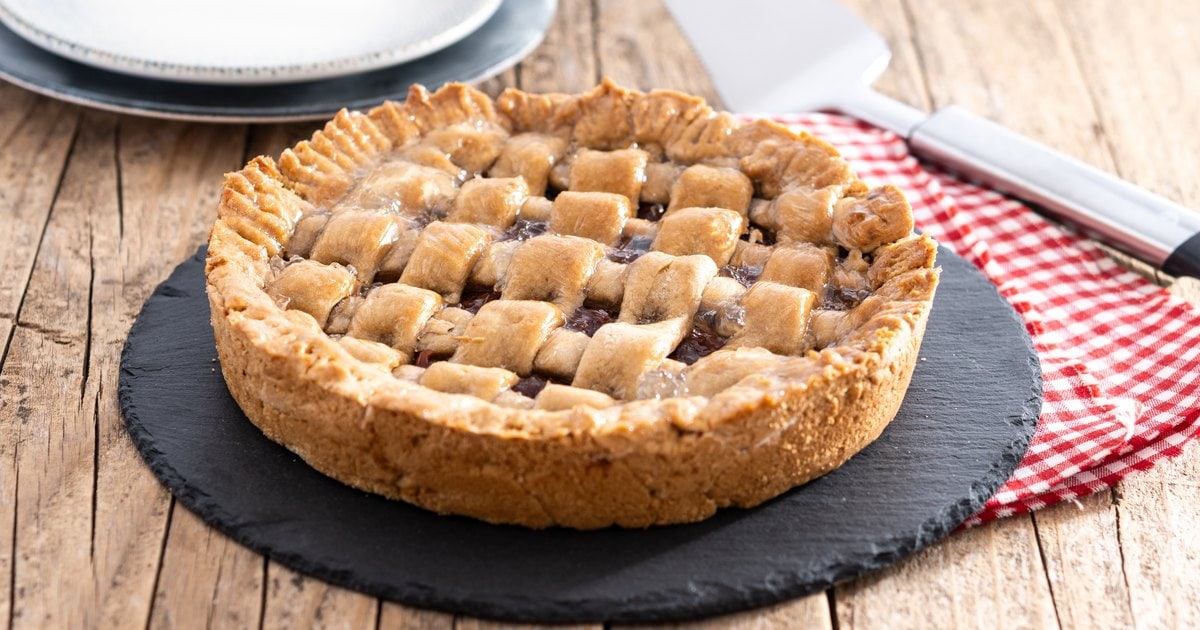
Pastafrola is the lattice-topped tart in every Paraguayan bakery window. The pastry is short and biscuity, the filling is usually guava paste, and the strips over the top are laid in a diamond grid.
Argentina and Uruguay make it with quince more often; Paraguay reaches for guava first. Buy a slice with a cocido at ten in the morning and you have had a very Paraguayan breakfast.

13. Budín de Pan
Stale bread, eggs, milk, sugar and a caramel-lined mould, baked until it sets into something between a flan and a cake. It is thrift turned into a dessert, and it turns up on Paraguayan tables most reliably at Christmas.
Because Nochebuena falls in the middle of a Paraguayan summer, it is often served cold, straight from the fridge, with the caramel pooling around the base.

14. Bollos con Crema
Rounds of dough are fried until puffed and golden, split, and filled with sweetened cream or guava paste. They are a lake-town speciality, most associated with San Bernardino on Lake Ypacaraí, where they are sold to people who have spent the day on the water.
Eat them the hour they are made. The next day they are just bread.
The Three Things That Make These Desserts Paraguayan
Miel negra. Sugarcane juice boiled down to a near-black syrup, thicker and more bitter than molasses sold in US supermarkets. It sweetens kaguyjy, sets ka’i ladrillo, soaks kosereva and builds the cake in number eleven. Nothing substitutes for it exactly; blackstrap molasses thinned slightly with water comes closest.
Queso Paraguay. A fresh, salty, faintly squeaky cow’s-milk cheese that does not melt so much as soften. It is the reason so many Paraguayan desserts arrive with cheese on the plate rather than cream. Queso fresco or a mild halloumi will stand in.
Corn and mandioca. Paraguay’s two staple starches run through the savoury kitchen — sopa paraguaya, chipa and mbejú all depend on them — and they run through the sweet one too. Kaguyjy, mbaipy he’ẽ and kivevé are all, underneath, corn.
Where to Buy the Ingredients
Most of this list is reachable from a US kitchen with three or four pantry buys. Paraguayan brands are rare outside the country, so these are the closest widely available substitutes.
- Blackstrap molasses — the nearest thing to miel negra for kaguyjy, ka’i ladrillo and the molasses cake.
- Guava paste — for arasá kesu and for filling pastafrola.
- Dulce de batata — sold in the same aisle as guava paste.
- Dried white hominy — the corn for kaguyjy.
- Corn meal — for mbaipy he’ẽ and kivevé.
- Yerba mate — because half these desserts are served alongside tereré or a hot cocido.
As an Amazon Associate, AmigoFoods earns from qualifying purchases.
Paraguayan Desserts FAQs
What is the most traditional Paraguayan dessert?
Kosereva has the strongest claim. It uses a fruit that grows wild in Paraguay, it is sweetened with Paraguayan cane syrup rather than refined sugar, and it is eaten with Paraguayan cheese. Kaguyjy and ka’i ladrillo are close behind, both of them tied to the country’s recovery after the War of the Triple Alliance.
What is miel negra?
Miel negra, or miel de caña, is sugarcane juice reduced to a thick black syrup. It is less sweet and more bitter than the molasses most Americans know, with a smoky finish. It is poured over cheese, stirred into puddings and boiled hard to set candy.
Why is cheese served with Paraguayan desserts?
Queso Paraguay is salty and mild, which balances fruit pastes and cane syrup the way a cheese board balances membrillo. The pairing is so standard that several desserts carry kesu — cheese — in their Guaraní names: arasá kesu, eira kesu, yvyty kesu.
Is chipa a dessert?
No. Chipa is a savoury cheese bread made with mandioca starch, eaten at breakfast, on bus journeys and especially during Holy Week. Paraguay’s sweet baking sits in a separate tradition built on corn, cane syrup and fruit pastes.
What do Paraguayans eat for dessert at Christmas?
Budín de pan, clericó (a chilled wine-and-fruit punch) and whatever fruit is in season. Nochebuena falls at the height of a Paraguayan summer, so the table leans cold and light rather than heavy — see our guide to Paraguayan holiday dishes.
Are Paraguayan desserts very sweet?
Less than you would expect. Cane syrup, bitter orange and salty cheese pull in the opposite direction, and several of these — kosereva, kivevé, torta de miel negra — are better described as sweet-savoury than sweet.
Keep Exploring
If this list has you curious about the rest of the country’s cooking, start with our guide to the 15 best Paraguayan foods, or browse everything we have written about the country on the Paraguayan food hub.
Paraguay’s neighbours share more of this table than the borders suggest. Compare it with Argentine desserts, Uruguayan desserts, Bolivian desserts and Brazilian desserts, or step back and look at the whole region through our guides to Latin American cakes and pastries and Latin American cookies and sweets.
More Paraguayan Foods
See all →
Jorge Garcia is the founder of AmigoFoods, where he has spent over 20 years helping readers discover authentic Latin American and Spanish cuisine. Raised in a Cuban-American household, Jorge learned to cook at the hands of his mother and grandmother, carrying forward generations of family recipes. That heritage, backed by his family’s four-generation history in the Latin food industry, inspired him to launch AmigoFoods in 2003. With more than 1,000 published articles on recipes, ingredients, and food culture, Jorge’s mission is simple: make authentic Latin cooking approachable for home cooks everywhere while honoring the traditions behind every dish.