

Pastel de Papa is a creamy Peruvian potato casserole with layers of sliced potatoes, cheese and a milk-and-egg custard. This Arequipa-style side serves 6–8 and pairs especially well with rocoto relleno; a ground-meat variation is included below.
Pastel de Papa at a Glance
What is Pastel de Papa?
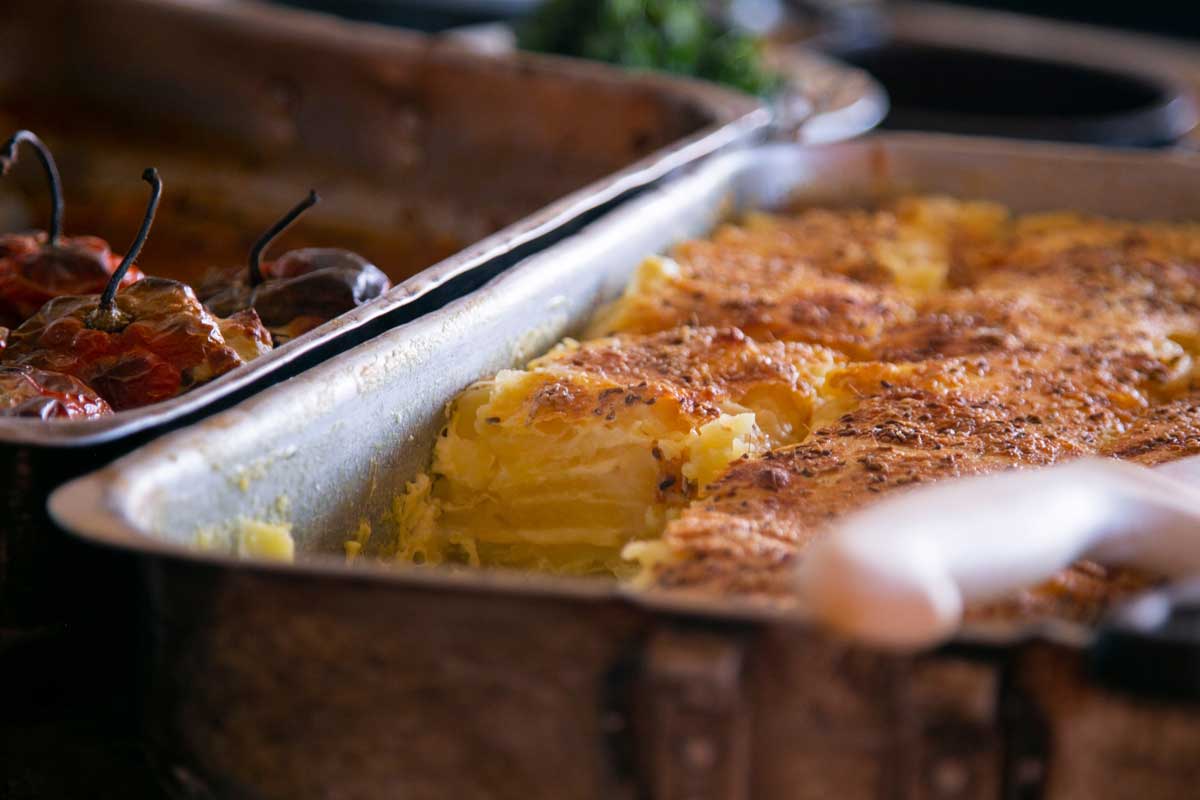
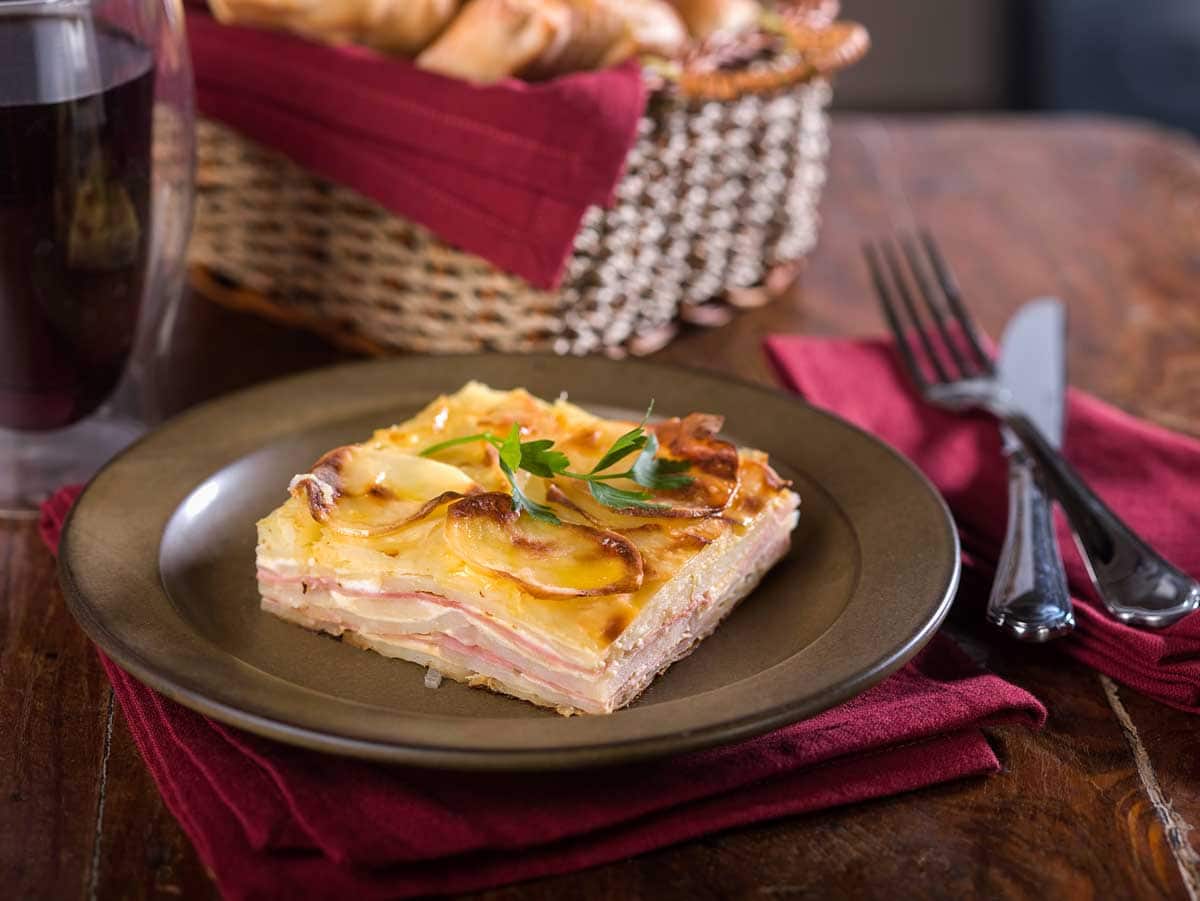
Pastel de Papa is a classic Peruvian dish that combines layers of tender potato slices with rich, savory fillings, all baked to golden perfection.
Often compared to a potato lasagna, this casserole is a harmonious blend of flavors and textures, showcasing the versatility of Peru’s native potatoes.
At its core, it features thinly sliced potatoes layered with a creamy mixture of milk or cream, eggs, and cheese.
The classic Arequipa version is meatless. An optional variation adds ground beef seasoned with ají panca, for a heartier filling.
The top layer, often sprinkled with cheese, develops a deliciously crispy crust during baking, contrasting beautifully with the soft, melt-in-your-mouth potatoes below.
Whether served as a side dish alongside Peruvian classics like Lomo Saltado or enjoyed on its own, Pastel de Papa is a comforting, hearty dish that perfectly embodies the richness of Peruvian cuisine.
Its simplicity and adaptability make it a favorite in Peruvian households and beyond.
A Brief History of Pastel de Papa

Pastel de Papa is a shining example of Peru’s ability to blend tradition and innovation in its cuisine.
As the birthplace of the potato, Peru has cultivated this versatile ingredient for thousands of years, boasting over 4,000 varieties.
The dish itself was influenced by European casseroles, brought to Peru during Spanish colonization, and adapted to include native ingredients and local flavors.
Traditionally, Pastel de Papa became popular in the southern regions of Peru, particularly in Arequipa, where it is often served alongside rocoto relleno, another iconic dish.
Over the centuries, it has evolved into a beloved staple of Peruvian households and festive occasions.
Its layers of potatoes, cheese, and spices reflect the fusion of indigenous and European culinary traditions that define much of Peruvian cuisine today.
Key Ingredients for the Perfect Pastel de Papa

Creating the perfect Pastel de Papa starts with simple, high-quality ingredients that bring this classic dish to life.
Here’s what you’ll need:
- Potatoes: Use Yukon Gold or firm white potatoes that hold their shape when sliced. Fragile papa amarilla, pictured above, can fall apart and is better suited to mashed dishes.
- Cheese: Peruvian queso fresco or queso paria adds a mild, creamy flavor. For alternatives, use mozzarella, Monterey Jack, or even Parmesan for extra richness.
- Milk or Cream: Adds creaminess to the layers, binding the dish together for a silky texture.
- Eggs: Beaten eggs provide structure and help the dish hold its layers.
- Ground Meat (Optional): The classic Arequipa bake has no meat filling. For a heartier variation, add ground beef or pork cooked with onion, garlic and optional ají panca.
- Ají Panca: This mild Peruvian chili paste brings a subtle smoky and sweet flavor that elevates the dish.
- Butter: Used to grease the baking dish and add richness to the casserole.
- Seasonings: Salt, pepper, and a touch of nutmeg enhance the flavors of the potatoes and cheese.
- Optional Additions: Some variations include olives, raisins, or a touch of cinnamon for a sweet-savory contrast.
With these ingredients, you can craft an authentic Pastel de Papa that balances creamy, savory, and spiced flavors, making it the perfect comfort food for any occasion.
How to Make Pastel de Papa: Step-by-Step Recipe
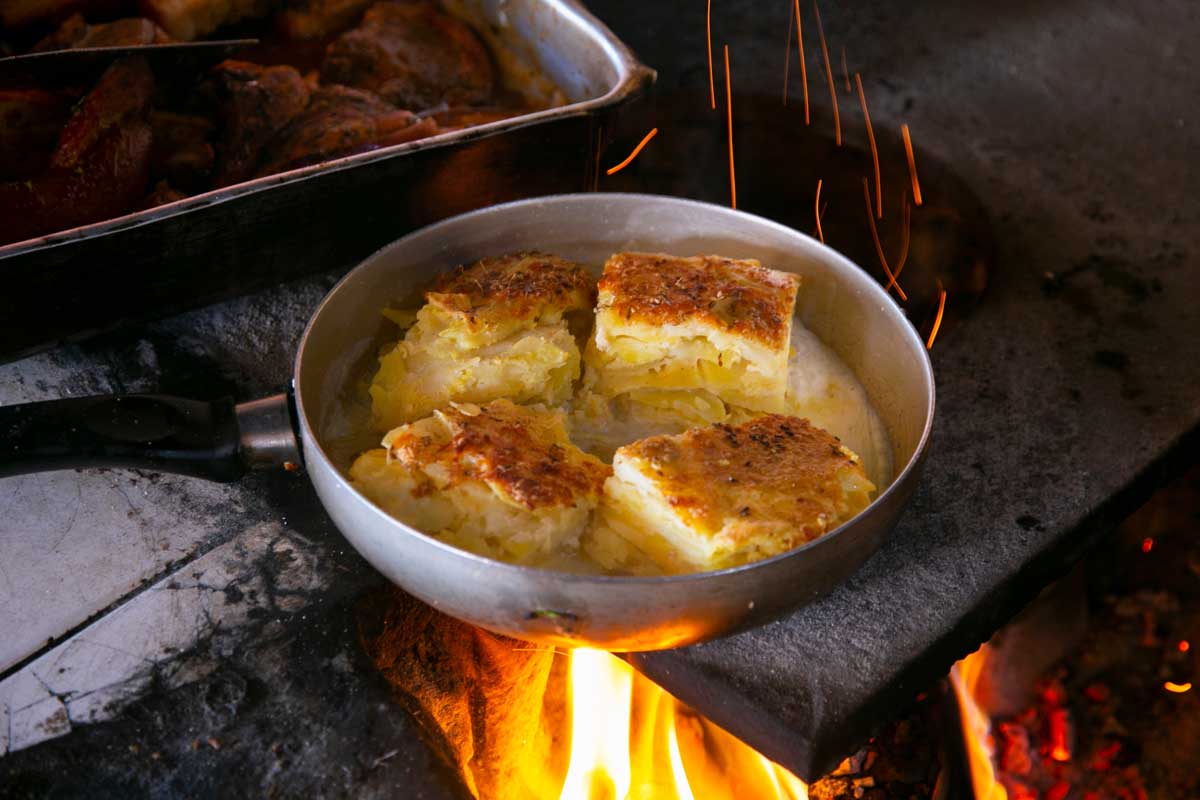
Making Pastel de Papa at home is surprisingly simple and incredibly rewarding.
Follow this step-by-step recipe for a perfectly creamy and flavorful dish.
Ingredients
- 2 lbs Yukon Gold or firm white potatoes, peeled
- 2 cups crumbled queso fresco or shredded mozzarella or Monterey Jack
- 1 cup milk or heavy cream
- 3 large eggs
- 2 tbsp butter, for greasing and dotting
- Salt, pepper, and a pinch of nutmeg to taste
- Chopped parsley, optional garnish
- 1 lb ground beef or pork (optional meat variation)
- 1 small onion, finely chopped (optional meat variation)
- 2 garlic cloves, minced (optional meat variation)
- 2 tbsp ají panca paste, optional (optional meat variation)
- Olives or raisins, optional (optional meat variation)
Method
- Heat the oven to 375°F (190°C). Butter a 2–3-quart baking dish; reserve the remaining butter for the top. Use the larger dish for the meat variation.
- Cut potatoes into even 1/4-inch rounds. Place in salted water, bring to a gentle boil, and cook about 10–15 minutes until just tender but still holding their shape. Drain carefully.
- For the optional meat variation, cook the ground meat in a skillet over medium heat, breaking it up. Add onion and garlic and cook until softened and the meat is cooked through. Stir in ají panca, salt and pepper; drain excess fat.
- Whisk the milk or cream with the eggs, nutmeg, salt and pepper. Layer half the potatoes and half the cheese in the dish. Add the cooked meat mixture and optional olives or raisins if using. Finish with the remaining potatoes and cheese.
- Pour the egg mixture evenly over the layers and dot with the reserved butter. Bake 30–35 minutes, or longer as needed, until the potatoes are tender and the custard is set throughout. Tent with foil if the top browns too quickly.
- Rest for 10 minutes before slicing. Garnish with parsley if desired and serve warm with rocoto relleno or a salad.
The classic Arequipa version is a meatless potato, cheese and egg bake; the ground-meat filling is an optional variation. Choose potatoes that hold their shape, rather than fragile papa amarilla.
Allow about 1 hour 20 minutes: 20 minutes preparation, up to 50 minutes cooking, and 10 minutes resting. Prepare the optional filling while the potatoes cook; allow extra time if working sequentially.
Pro Tip:
Pair your Pastel de Papa with a side of rocoto relleno or a fresh salad to enjoy a traditional Peruvian meal.
It’s also perfect as a standalone dish for any occasion!
Pastel de Papa vs. Other Peruvian Potato Dishes
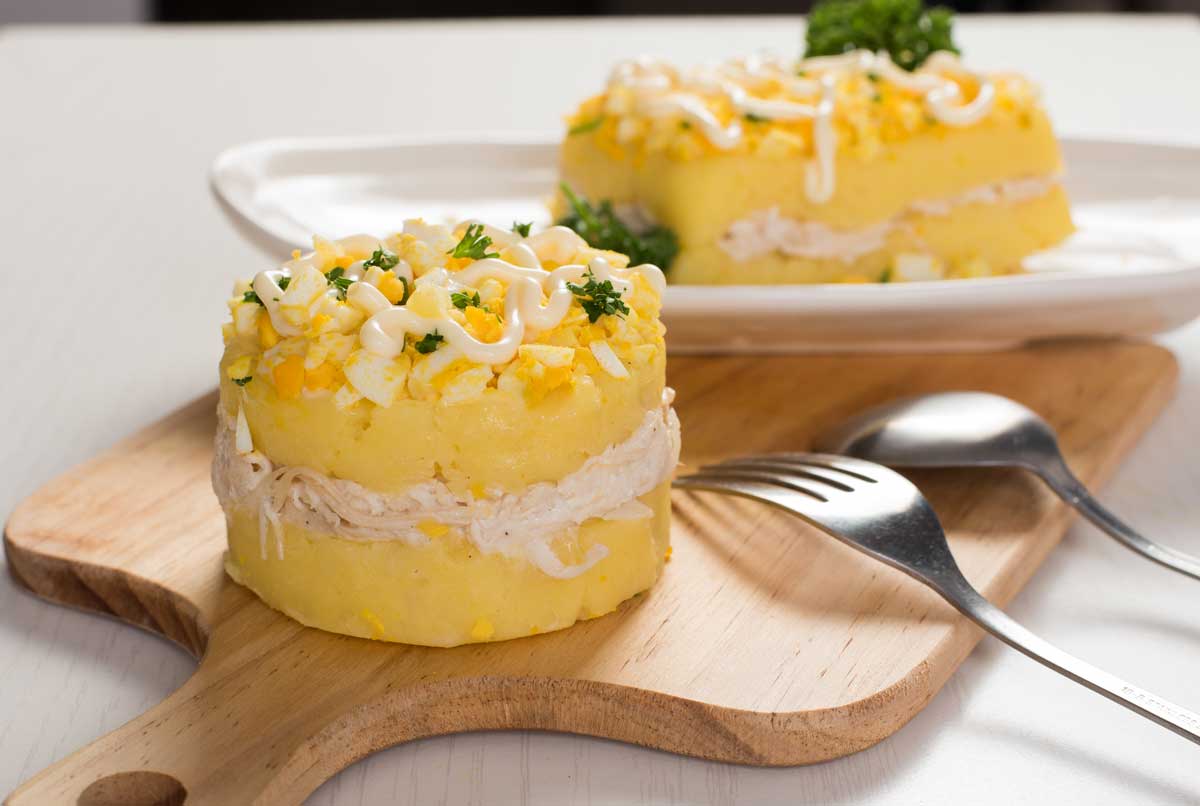
Peruvian cuisine is renowned for its creative use of potatoes, and Pastel de Papa stands out as a comforting, layered casserole that’s both simple and elegant.
But how does it compare to other beloved Peruvian potato dishes?
Let’s explore the differences.
Pastel de Papa
- Type: A baked casserole with layers of potatoes, cheese, and optional fillings like seasoned ground meat.
- Texture: Creamy and rich, with a crispy, cheesy top layer.
- Occasions: Popular at family gatherings, holidays, and as a side dish for meals like rocoto relleno.
Causa Limeña
- Type: A cold potato terrine made with mashed potatoes, lime, and ají amarillo, layered with fillings like chicken, tuna, or avocado.
- Texture: Smooth and refreshing, with contrasting layers of creamy and tangy ingredients.
- Occasions: Served as a starter or light meal, especially during warm weather.
Papa a la Huancaína
- Type: Boiled potatoes draped in a spicy, creamy sauce made from cheese, ají amarillo, and milk.
- Texture: Silky sauce over tender potato slices.
- Occasions: A common appetizer or side dish, often paired with hard-boiled eggs and olives.
Papa Rellena
- Type: Mashed potatoes stuffed with seasoned meat, onions, olives, and sometimes raisins, then fried until golden.
- Texture: Crispy on the outside, soft and flavorful inside.
- Occasions: A popular street food or snack, perfect for on-the-go meals.
Ocopa Arequipeña
- Type: Boiled potatoes served with a creamy, spicy sauce made from huacatay, peanuts, and ají amarillo.
- Texture: Rich, earthy sauce over tender potatoes.
- Occasions: A specialty from the Arequipa region, often served at festive gatherings.
What Makes Pastel de Papa Unique?
While other Peruvian potato dishes often rely on sauces or frying, this dish focuses on the harmony of baked layers, creamy textures, and hearty fillings.
It’s a warm, versatile dish that transitions easily from a side to a main course, making it a standout in Peru’s diverse culinary repertoire.
Tips for a Perfect Peruvian Potato Casserole
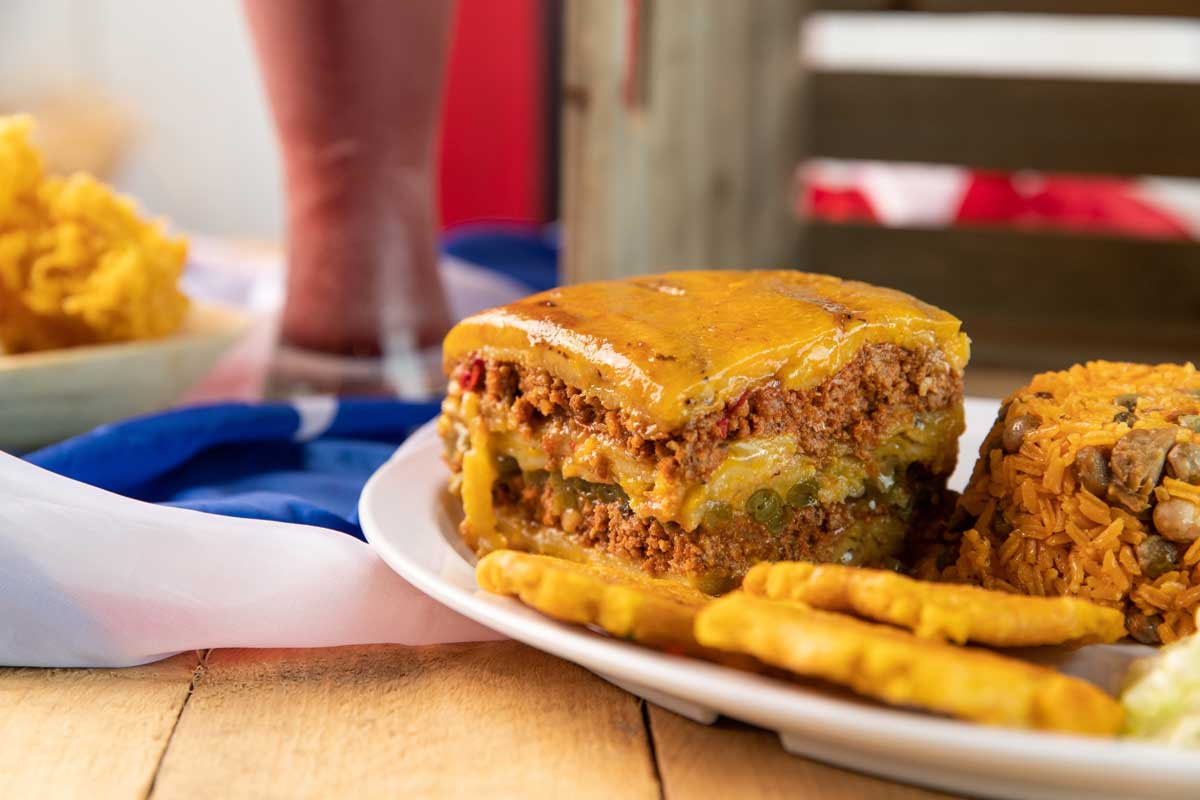
Crafting a flawless Pastel de Papa requires attention to detail and a few key techniques.
Follow these tips to ensure your dish is creamy, flavorful, and irresistible:
Choose the Right Potatoes
- Use Yukon Gold or firm white potatoes; they should stay intact after parboiling.
Slice Potatoes Evenly
- Use a mandoline or a sharp knife to slice the potatoes into uniform rounds, about 1/4 inch thick. This ensures even cooking and beautiful layers.
Pre-Cook the Potato Slices
- Parboil the slices for about 10–15 minutes until just tender, then drain gently. The baking time in this recipe assumes pre-cooked potatoes.
Season Every Layer
- Lightly season each layer of potatoes and fillings with salt and pepper to enhance the overall flavor. A touch of nutmeg in the milk mixture adds a subtle warmth.
Use Quality Cheese
- For authentic flavor, use queso fresco or queso paria. If unavailable, mozzarella, Monterey Jack, or Parmesan make great substitutes.
Let the Egg Mixture Soak In
- After pouring the milk and egg mixture, gently press the top layer of potatoes with a spoon to help the liquid seep into all layers. This ensures a creamy texture throughout.
Watch the Top as It Bakes
- Bake at 375°F (190°C) for about 30–35 minutes, until the potatoes are tender and the custard is fully set. Tent with foil only if the top browns before the center is ready.
Rest Before Serving
- Allow the dish to cool for 10 minutes after baking. This helps the layers set and makes slicing easier.
Add a Peruvian Twist
- Incorporate Peruvian staples like ají panca or ají amarillo into the meat or milk mixture for added flavor.
Experiment with Fillings
- Traditional Arequipa pastel de papa is meatless. Cooked meat or sautéed vegetables are optional variations; drain fillings well so the custard sets.
With these tips, your Pastel de Papa will turn out perfectly every time—creamy, flavorful, and irresistibly golden!
Where to Enjoy Pastel de Papa in Peru
If you’re visiting Peru, tasting authentic Pastel de Papa is a must.
This beloved dish can be found across the country, but some regions and establishments are especially renowned for their versions.
Here’s where to enjoy Pastel de Papa at its best:
Arequipa – The Culinary Heart of Pastel de Papa
- Arequipa is famous for pairing Pastel de Papa with rocoto relleno, creating a traditional and flavorful combination.
- Must-Try Spots:
- La Nueva Palomino: A traditional picantería serving authentic Arequipeño dishes, including a rich and creamy Pastel de Papa.
- Sol de Mayo: Known for its rustic ambiance and flavorful local cuisine.
Lima – Fusion and Tradition
- Lima, Peru’s culinary capital, offers both traditional and modern interpretations of Pastel de Papa in high-end restaurants and local eateries.
- Must-Try Spots:
- Panchita: A celebrated spot for Peruvian comfort food with a contemporary twist.
- El Señorio de Sulco: Specializing in traditional recipes made with high-quality ingredients.
Cusco – Pastel de Papa with an Andean Touch
- In Cusco, enjoy Pastel de Papa as a hearty side dish in Andean feasts. Many restaurants incorporate local cheeses and potatoes unique to the region.
- Must-Try Spots:
- Cicciolina: A blend of Andean ingredients and Mediterranean flair, often featuring this dish on its menu.
- Morena Peruvian Kitchen: Known for its authentic yet creative take on Peruvian classics.
Traditional Markets
- For a truly authentic experience, visit local markets where vendors serve homemade Pastel de Papa as part of traditional meals.
- Notable Markets:
- San Camilo Market in Arequipa
- Surquillo Market in Lima
Peruvian Fiestas and Family Gatherings
- If you’re lucky enough to be invited to a Peruvian family gathering or a festival, you’ll likely find Pastel de Papa as part of the feast. Homemade versions often carry unique family twists, making each dish one-of-a-kind.
Wherever you try it, Pastel de Papa in Peru is a dish that reflects the warmth, creativity, and richness of the country’s culinary traditions.
Why Pastel de Papa is a Must-Try Peruvian Dish
Whether you savor it in a cozy Peruvian picantería, enjoy it as part of a festive meal, or recreate it in your own kitchen, Pastel de Papa captures the heart of Peruvian cuisine with its creamy textures, savory layers, and comforting flavors.
From its roots in Peru’s rich potato heritage to its versatility in modern kitchens, Pastel de Papa is a dish that bridges tradition and innovation.
Now that you know its history, ingredients, and how to prepare it, there’s no better time to bring a taste of Peru to your table.

Pastel de Papa Recipe
Pastel de Papa is a Peruvian casserole of sliced potatoes, cheese and a milk-and-egg custard. This version serves 6–8 as a side, with an optional seasoned ground-meat variation.
Ingredients
- 2 lbs Yukon Gold or firm white potatoes, peeled
- 2 cups crumbled queso fresco or shredded mozzarella or Monterey Jack
- 1 cup milk or heavy cream
- 3 large eggs
- 2 tbsp butter, for greasing and dotting
- Salt, pepper, and a pinch of nutmeg to taste
- Chopped parsley, optional garnish
Optional meat variation
- 1 lb ground beef or pork
- 1 small onion, finely chopped
- 2 garlic cloves, minced
- 2 tbsp ají panca paste, optional
- Olives or raisins, optional
Instructions
- Heat the oven to 375°F (190°C). Butter a 2–3-quart baking dish; reserve the remaining butter for the top. Use the larger dish for the meat variation.
- Cut potatoes into even 1/4-inch rounds. Place in salted water, bring to a gentle boil, and cook about 10–15 minutes until just tender but still holding their shape. Drain carefully.
- For the optional meat variation, cook the ground meat in a skillet over medium heat, breaking it up. Add onion and garlic and cook until softened and the meat is cooked through. Stir in ají panca, salt and pepper; drain excess fat.
- Whisk the milk or cream with the eggs, nutmeg, salt and pepper. Layer half the potatoes and half the cheese in the dish. Add the cooked meat mixture and optional olives or raisins if using. Finish with the remaining potatoes and cheese.
- Pour the egg mixture evenly over the layers and dot with the reserved butter. Bake 30–35 minutes, or longer as needed, until the potatoes are tender and the custard is set throughout. Tent with foil if the top browns too quickly.
- Rest for 10 minutes before slicing. Garnish with parsley if desired and serve warm with rocoto relleno or a salad.
Notes
The classic Arequipa version is a meatless potato, cheese and egg bake; the ground-meat filling is an optional variation. Choose potatoes that hold their shape, rather than fragile papa amarilla.
Allow about 1 hour 20 minutes: 20 minutes preparation, up to 50 minutes cooking, and 10 minutes resting. Prepare the optional filling while the potatoes cook; allow extra time if working sequentially.
More Peruvian Foods
See all →
Jorge Garcia is the founder of AmigoFoods, where he has spent over 20 years helping readers discover authentic Latin American and Spanish cuisine. Raised in a Cuban-American household, Jorge learned to cook at the hands of his mother and grandmother, carrying forward generations of family recipes. That heritage, backed by his family’s four-generation history in the Latin food industry, inspired him to launch AmigoFoods in 2003. With more than 1,000 published articles on recipes, ingredients, and food culture, Jorge’s mission is simple: make authentic Latin cooking approachable for home cooks everywhere while honoring the traditions behind every dish.