

In Peru, seco is defined by its reduced, herb-heavy sauce, not by dryness. The two most common versions—Seco de Carne and Seco de Pollo—share the same technique but deliver very different results.
This guide explains those differences clearly, so you know exactly which one to cook, serve, or shop Peruvian ingredients for.
What Is Peruvian Seco?

Seco is a traditional Peruvian stew defined by its thick, reduced sauce and herb-forward flavor, not by dryness.
The name “seco” refers to the cooking technique: the liquid is simmered down until it tightly coats the protein instead of pooling like a soup.
At its core, Peruvian seco is built on a cilantro-based sauce blended with onion, garlic, ají peppers, and a cooking liquid such as chicha de jora or beer.
This mixture is cooked slowly until the flavors concentrate and the sauce darkens and thickens.

Key characteristics of Peruvian seco:
-
Thick, clingy sauce rather than broth
-
Strong presence of cilantro and ají
-
Slow reduction to intensify flavor
-
Usually made with beef or chicken
-
Served almost always with white rice
Seco is especially associated with northern and coastal regions of Peru, where cilantro-heavy dishes are common.
While there are many family variations, the defining element remains the same: a well-reduced, aromatic sauce that binds the dish together.
In Peruvian cooking, seco is everyday food—simple ingredients, clear technique, and flavor built through patience rather than complexity.
What Is Seco de Carne (Peru)?

Seco de Carne is the beef version of Peruvian seco, known for its deep, savory flavor and rich, reduced sauce.
It is made by slowly braising beef in a cilantro-based mixture until the liquid concentrates and tightly coats the meat.
In Peru, Seco de Carne is typically prepared with beef chuck, brisket, or short ribs—cuts that benefit from long, slow cooking.
As the stew simmers, the beef becomes tender while the sauce thickens and darkens, developing a robust, umami-heavy profile.
Core elements of Seco de Carne (Peru):
-
Beef cuts suited for slow braising
-
Sauce made from cilantro, onion, garlic, ají, and liquid
-
Cooking liquid usually chicha de jora or beer
-
Long simmer time to fully reduce the sauce
-
Served with white rice, sometimes beans or yuca
Compared to the chicken version, Seco de Carne is heavier and more filling, with a sauce that carries more depth and intensity.
In Peruvian households, it is often cooked for weekends, family lunches, or gatherings, when there is time to let the stew develop properly.
Above all, Seco de Carne reflects a core principle of Peruvian cooking: flavor built through slow reduction and restraint, not excess ingredients.
What Is Seco de Pollo (Peru)?
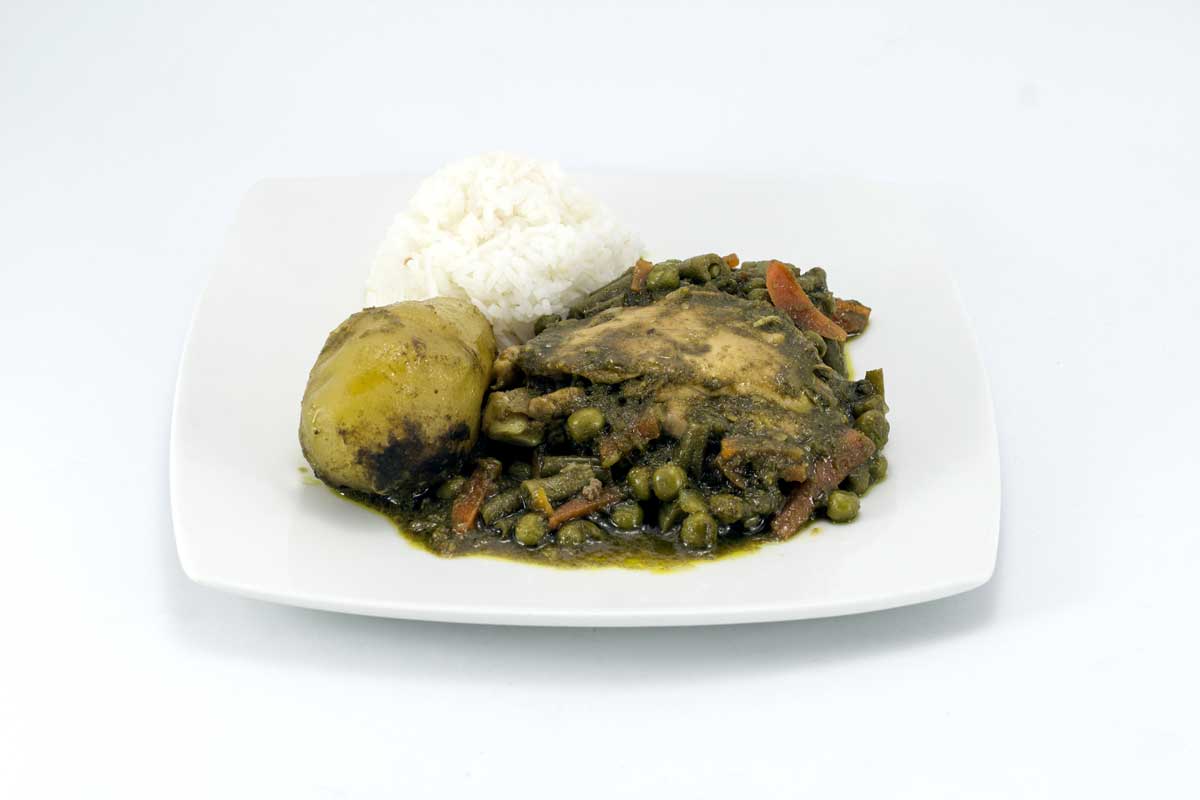
Seco de Pollo is the chicken version of Peruvian seco, valued for its bright, herb-forward flavor and shorter cooking time.
Seco de pollo is often confused with estofado de pollo, the other everyday Peruvian chicken stew. Estofado is red and tomato-based with ají panca and wine; seco is green with cilantro.
It uses the same reduced-sauce technique as other secos, but chicken absorbs the cilantro and ají base more quickly, resulting in a lighter, fresher dish.
In Peru, Seco de Pollo is most often made with bone-in chicken pieces, especially thighs and drumsticks, which stay moist during simmering.
The Peruvian sauce—blended from cilantro, onion, garlic, ají peppers, and liquid—is cooked down until it lightly coats the chicken without becoming heavy.
Key features of Seco de Pollo (Peru):
-
Bone-in chicken for flavor and moisture
-
Heavy use of fresh cilantro
-
Cooking liquid typically chicha de jora or beer
-
Faster cooking than beef seco
-
Sauce that is greener and less dense
Seco de Pollo is commonly prepared as an everyday home meal.
It fits well into weekday cooking because it delivers strong flavor without requiring long simmer times.
When served with white rice, the sauce is meant to soak in, not pool on the plate.
Compared to Seco de Carne, Seco de Pollo is lighter, fresher, and more practical, while still staying true to the defining characteristics of Peruvian seco.
Flavor Comparison (Peruvian Style)

While both dishes share the same base technique, the protein choice drives the flavor outcome in Peruvian seco.
Seco de Carne
-
Deep, savory, and rich
-
Strong umami from slow-braised beef
-
Herbs are present but more integrated
-
Sauce tastes heavier and more rounded
-
Flavors develop gradually through long reduction
Seco de Pollo
-
Brighter and more aromatic
-
Cilantro and ají flavors stand out immediately
-
Lighter, cleaner finish on the palate
-
Sauce tastes fresher and greener
-
Flavor peaks earlier due to shorter cooking time
In Peruvian cooking, Seco de Carne is chosen for depth and intensity, while Seco de Pollo is chosen for freshness and balance.
Neither is seasoned more aggressively than the other—the difference comes from how beef and chicken interact with the same cilantro-based sauce.
Seco Cooking Time & Texture
Cooking time is one of the clearest differences between the two Peruvian secos and directly affects texture and sauce consistency.
Seco de Carne
-
Requires long, slow simmering
-
Typical cooking time: 90–120 minutes
-
Beef becomes fork-tender as collagen breaks down
-
Sauce thickens naturally and coats the meat heavily
-
Final texture is rich and dense
Seco de Pollo
-
Cooks much faster
-
Typical cooking time: 45–60 minutes
-
Chicken stays tender if monitored closely
-
Sauce remains lighter and less concentrated
-
Final texture is softer and less heavy
In Peruvian cooking, beef seco rewards patience with depth and body, while chicken seco prioritizes efficiency and freshness.
Overcooking is a greater risk with chicken, while undercooking is the main concern with beef.
Seco Ingredient Differences

| Ingredient / Element | Seco de Carne (Peru) | Seco de Pollo (Peru) |
|---|---|---|
| Protein | Beef chuck, brisket, short ribs | Bone-in chicken thighs or drumsticks |
| Cilantro Base | Moderate use, cooked longer for depth | Heavier use, stays bright and green |
| Ají Amarillo | Used moderately for warmth | Often more pronounced and aromatic |
| Cooking Liquid | Chicha de jora or beer, deeper finish | Chicha de jora or beer, lighter profile |
| Stock | Beef stock or water for body | Chicken stock or water for lightness |
| Sauce Color | Darker, more concentrated | Greener and brighter |
| Sauce Texture | Thick, clingy, heavily reduced | Looser, lighter reduction |
| Aromatics | Onion and garlic cooked longer | Onion and garlic cooked shorter |
Nutrition Comparison
From a nutritional standpoint, the main difference between Seco de Carne and Seco de Pollo in Peruvian cooking comes from the protein choice, not the sauce.
Both Peruvian dishes use similar aromatics and cooking methods.
Seco de Carne (Beef)
-
Higher in iron and zinc
-
Provides more total protein per serving
-
Higher fat content, depending on the cut used
-
More calorie-dense due to marbling and longer reduction
-
More filling, often requiring smaller portions
Seco de Pollo (Chicken)
-
Leaner overall, especially with skin trimmed
-
Lower in saturated fat
-
Slightly lower calorie count per serving
-
Still high in protein
-
Easier to fit into lighter or lower-fat meals
Key considerations
-
The sauce contributes calories in both versions
-
Portion size matters more than protein choice
-
White rice significantly increases total carbohydrates
-
Both dishes can fit into a balanced diet when served mindfully
In classic Peruvian cuisine, nutrition is shaped more by how much is served and what it’s paired with than by whether seco is made with beef or chicken.
Which One Should You Choose?

The choice between Seco de Carne and Seco de Pollo comes down to time, appetite, and purpose, not authenticity.
Both are fully traditional in Peruvian cuisine.
Choose Seco de Carne if you want:
-
A hearty, filling meal
-
Deep, slow-developed flavor
-
A dish suited for weekends or gatherings
-
Something that holds well for leftovers
Choose Seco de Pollo if you want:
-
A faster-cooking dish
-
A lighter, fresher profile
-
An easy weekday meal
-
A stew that pairs cleanly with rice without feeling heavy
In Peru, the decision is often practical: beef when there is time to cook slowly, chicken when there is not.
Neither version is better—each fits a different moment and need.
Seco de Carne vs Seco de Pollo: Final Comparison in Peruvian Cuisine
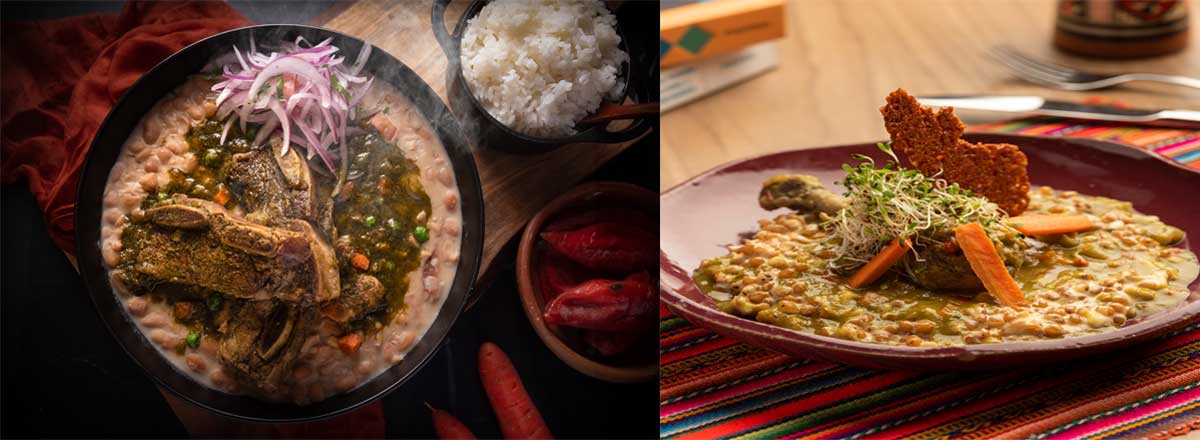
In Peruvian cooking, Seco de Carne vs Seco de Pollo is not a question of tradition, but of context.
Both dishes use the same cilantro-based sauce and reduction technique, yet deliver very different results.
Seco de Carne offers deeper flavor and a richer texture, while Seco de Pollo provides speed, freshness, and a lighter finish.
Choosing the right seco depends on how much time you have, how filling you want the meal to be, and when you plan to serve it.
Beef is ideal for slow, weekend cooking, while chicken works best for everyday meals.
Understanding these differences makes it easier to choose—and cook—the right Peruvian seco every time.
More Peruvian Foods
See all →
Jorge Garcia is the founder of AmigoFoods, where he has spent over 20 years helping readers discover authentic Latin American and Spanish cuisine. Raised in a Cuban-American household, Jorge learned to cook at the hands of his mother and grandmother, carrying forward generations of family recipes. That heritage, backed by his family’s four-generation history in the Latin food industry, inspired him to launch AmigoFoods in 2003. With more than 1,000 published articles on recipes, ingredients, and food culture, Jorge’s mission is simple: make authentic Latin cooking approachable for home cooks everywhere while honoring the traditions behind every dish.