
Types of tamales run into the hundreds, and Mexico alone has more regional styles than anyone has fully counted.
This guide sorts the main ones by wrapper, filling and region, from red pork and pink sweet tamales to Oaxacan mole tamales, giant zacahuil, Nicaraguan nacatamales and Venezuelan hallacas.
Each type with a recipe on AmigoFoods links straight to it, so you can pick one and start cooking.
Types of Tamales at a Glance
AmigoFoods may earn a commission from qualifying Amazon purchases made through links on this page.
What makes a tamal a tamal?
A tamal is a dough, usually corn masa, wrapped around or mixed with a filling, sealed in a leaf and cooked. The word comes from the Nahuatl tamalli. The Spanish singular is tamal; tamales is the plural.
Mexico’s Secretaría de Cultura describes tamal styles there as numbering in the hundreds, perhaps thousands. Most are steamed, but some are cooked in a pit like barbacoa or baked in an oven.
Four things set one type apart from another: the dough (dried nixtamalized corn, fresh corn, rice or even green banana), the filling, the wrapper and the cooking method.

Corn husk vs banana leaf tamales
The Secretaría de Cultura splits Mexican tamales into two broad families by wrapper.
- Corn-husk tamales (hojas de maíz, called totomochtli in Nahuatl) are made all over Mexico. They are usually smaller and firmer, and the husk gives a light corn aroma.
- Banana-leaf tamales belong to the coasts and the tropical south, such as Oaxaca, Chiapas, Veracruz and Yucatán. They tend to be flatter, moister and softer, with a faint grassy flavor from the leaf.
Some tamales use other wrappers: fresh green corn husks for uchepos, corn plant leaves for corundas, papatla leaves for zacahuil, and achira leaves for Ecuador’s quimbolitos.
Types of Mexican tamales
These are the tamales you will find at most tamal stands and family tables in central Mexico and in Mexican communities in the United States.
1. Red chile pork tamales (tamales rojos)
Shredded pork in a red sauce of dried chiles such as guajillo and ancho, wrapped in corn husks. They are the classic savory tamal for Christmas Eve. Recipe: red chile pork tamales.
2. Green tamales (tamales verdes)
Chicken or pork in a tart tomatillo salsa verde, usually with serrano chiles and cilantro. Recipe: chicken tamales verdes.
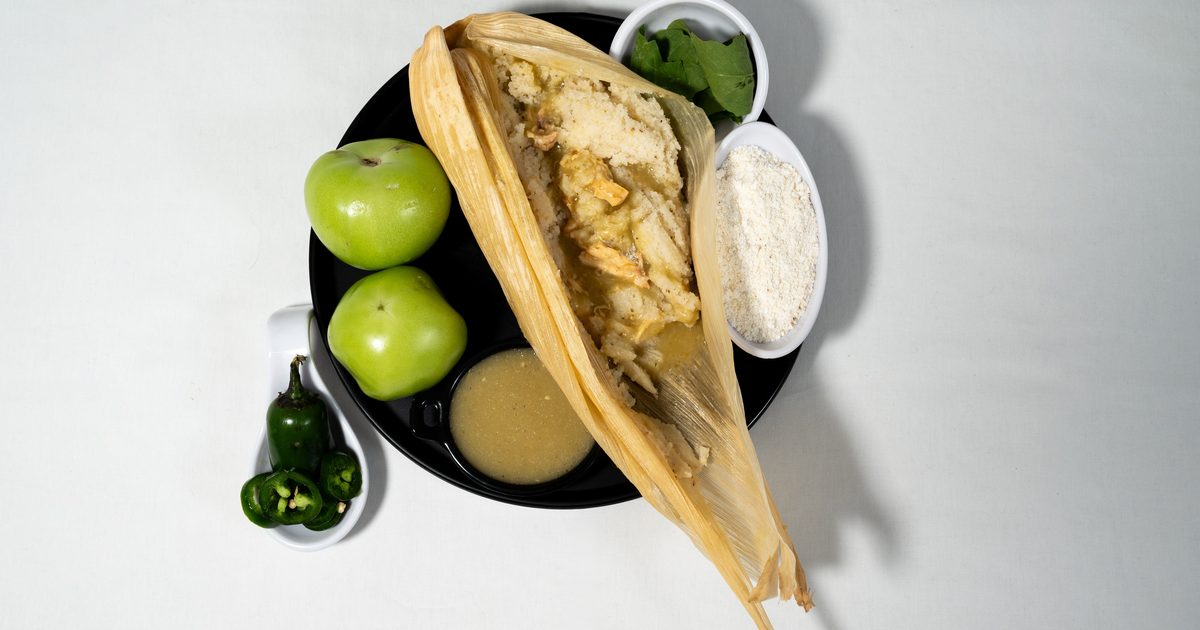
3. Rajas con queso tamales
The classic meatless tamal of central Mexico: strips of roasted poblano chile, Oaxaca cheese and a spoonful of tomato salsa. Recipe: tamales de rajas con queso.
4. Mole tamales
Chicken or turkey in mole. In Oaxaca they are wrapped in banana leaves and made with mole negro, and also with the state’s other moles, such as verde and amarillo. Recipe: tamales oaxaqueños.

5. Sweet tamales (tamales de dulce)
Masa sweetened with sugar and flavored with cinnamon and vanilla, often tinted pink and studded with raisins. Pineapple, strawberry and chocolate versions are common too. Recipe: sweet pink tamales.
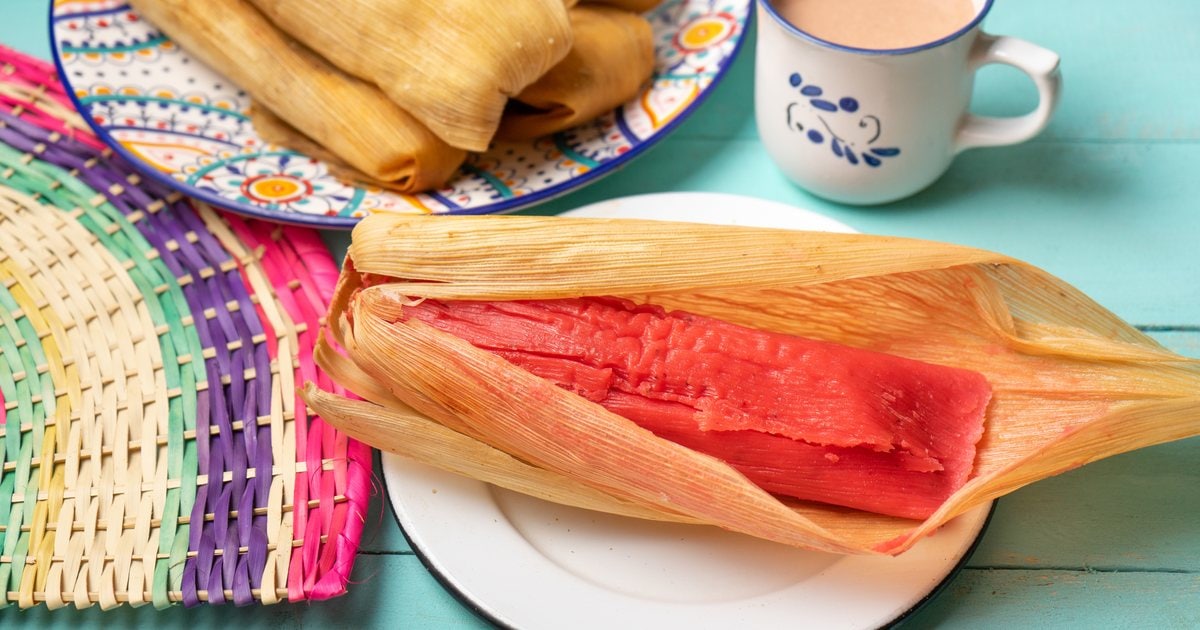
6. Bean tamales (tamales de frijol)
Masa spread with seasoned beans, common in rural communities across Mexico and an easy vegetarian option. Use vegetable shortening and vegetable broth for a fully meat-free batch.
7. Uchepos (fresh corn tamales)
Michoacán’s tender tamales of freshly ground corn, milk, sugar and butter instead of masa harina. They are served sweet or with crema, cheese and salsa. Recipe: uchepos.
Regional Mexican tamales worth knowing
Every Mexican state has its own tamales. These are some of the best known, as described by the Secretaría de Cultura.
8. Corundas (Michoacán)
Small, many-sided tamales with a plain, neutral flavor, wrapped in the long leaves of the corn plant. They are served several to a plate with red salsa and crema.
9. Tamales canarios
Soft, yellow sweet tamales with raisins. Directo al Paladar describes them as made with rice flour, butter, milk, egg yolks and sugar; the Secretaría de Cultura lists them in Querétaro.
10. Zacahuil (Huasteca)
The biggest tamal there is: up to about a meter long, made with coarsely ground masa and pork and turkey, wrapped in papatla leaves and cooked in a pit or wood oven. One zacahuil feeds a whole party.
11. Mucbipollo or pib (Yucatán)
A large, casserole-style tamal of masa and chicken or pork, wrapped in banana leaves. It is required eating for Day of the Dead in Yucatán. Yucatán also has vaporcitos, soft thin steamed tamales.
12. Chipilín tamales (Chiapas, Tabasco, coastal Oaxaca)
Masa mixed with chipilín, a leafy herb, and wrapped in banana leaves.
13. Tamales barbones (Sinaloa and Nayarit)
Shrimp tamales made with unpeeled shrimp, named for the “beards” (the antennae) that stick out of the wrapper.
14. Torta de tamal (Mexico City)
Not a separate tamal but a classic way to eat one: a tamal tucked inside a telera or bolillo roll, sold at breakfast stands with atole or champurrado.
Types of tamales across Latin America
Almost every Latin American country has its own tamal, often under a different name. These are the best known outside Mexico.
15. Nacatamales (Nicaragua and Honduras)
Big, pillow-shaped tamales of masa rich with lard and sour orange, filled with achiote-marinated pork, rice, potato, tomato, sweet pepper and mint, wrapped in banana leaves and boiled for about 4 hours. Recipe: nacatamales.

16. Hallacas (Venezuela)
Flat, rectangular Christmas parcels of precooked corn dough tinted with annatto, filled with a sweet-and-savory meat stew with olives, raisins and capers, wrapped in banana leaves and boiled. Recipe: hallacas.
17. Colombian tamales (tamal tolimense)
Large banana-leaf bundles of soft corn dough and rice with pork, chicken, bacon, egg and vegetables. Raw meat goes in with the dough and everything cooks together. Recipe: Colombian tamales.
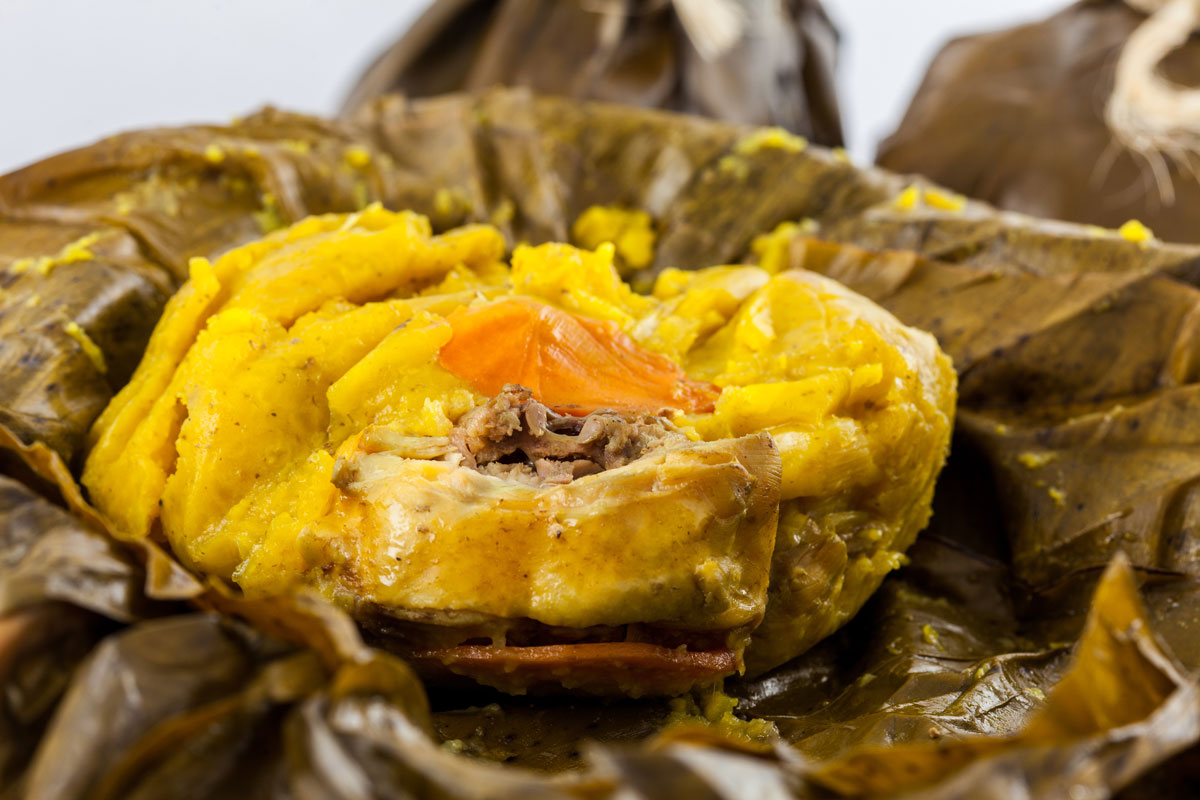
18. Humitas (South America)
Fresh-corn parcels made in Ecuador, Chile, Peru and Argentina, usually wrapped in corn husks, often with cheese. Recipe: humitas.
19. Quimbolitos (Ecuador)
Sweet steamed cakes cooked in achira leaves, closer to a sponge cake than a savory tamal. Recipe: quimbolitos.
20. Puerto Rican pasteles
Often called Puerto Rican tamales, but there is no corn in them: the masa is grated green banana and root vegetables, filled with pork, wrapped in banana leaf and paper, and boiled. Recipe: pasteles.
Types of tamales compared
| Type | Where | Dough | Wrapper | Cooked |
|---|---|---|---|---|
| Red chile pork | Mexico | Corn masa | Corn husk | Steamed |
| Verdes | Mexico | Corn masa | Corn husk | Steamed |
| Rajas con queso | Central Mexico | Corn masa | Corn husk | Steamed |
| Sweet (de dulce) | Mexico | Sweetened corn masa | Corn husk | Steamed |
| Oaxaqueños | Oaxaca | Corn masa | Banana leaf | Steamed |
| Uchepos | Michoacán | Fresh corn | Fresh corn husk | Steamed |
| Corundas | Michoacán | Corn masa | Corn plant leaf | Steamed |
| Zacahuil | Huasteca | Coarse corn masa | Papatla leaves | Pit or wood oven |
| Mucbipollo | Yucatán | Corn masa | Banana leaf | Baked or pit-cooked |
| Nacatamal | Nicaragua, Honduras | Corn masa | Banana leaf | Boiled |
| Hallaca | Venezuela | Precooked corn flour | Banana leaf | Boiled |
| Tamal tolimense | Colombia | Corn dough and rice | Banana leaf | Boiled or steamed |
| Humitas | South America | Fresh corn | Corn husk | Steamed or boiled |
| Pasteles | Puerto Rico | Green banana and root vegetables | Banana leaf and paper | Boiled |
Christmas tamales
In Mexico, tamales are a Christmas Eve staple, made in big batches because they take a full day and freeze well. Red pork, green chicken, rajas and sweet tamales are the usual mix.
They come back on February 2, Día de la Candelaria, when whoever found the baby figurine in the rosca on Three Kings Day hosts the tamales.
Elsewhere, hallacas anchor the Venezuelan Christmas plate, pasteles fill Puerto Rican freezers in December, and nacatamales and Colombian tamales show up for the holidays too. For the full menus, see Mexican Christmas food and Nochebuena traditions by country.
Which type of tamal to make first
- First batch: red chile pork or chicken verdes. Both use masa harina, corn husks and a regular pot with a steamer rack.
- Vegetarian: rajas con queso or bean tamales.
- Sweet: pink sweet tamales or uchepos when you have fresh corn.
- Big project: hallacas, nacatamales or Colombian tamales, best made over two days with helpers.
Types of tamales FAQ
How many types of tamales are there?
Nobody has an exact count. Mexico’s Secretaría de Cultura puts Mexican tamal styles in the hundreds, perhaps thousands, and most Latin American countries have their own.
What are the most common types of tamales?
In Mexico: green tamales, red chile pork, mole, rajas con queso and pink sweet tamales.
What is the difference between corn-husk and banana-leaf tamales?
Corn-husk tamales are usually smaller and firmer. Banana-leaf tamales are flatter, moister and softer, with a light grassy flavor from the leaf.
What are Christmas tamales?
Any tamales made for the holidays. In Mexico that usually means red pork, green chicken, rajas and sweet tamales made in large batches for Christmas Eve.
Are hallacas tamales?
They belong to the same family of leaf-wrapped corn dough dishes, but Venezuelans treat hallacas as their own dish: flat, rectangular, made with precooked corn flour and boiled.
Are pasteles tamales?
Pasteles are often called Puerto Rican tamales, but the dough is green banana and root vegetables, not corn.
What is the biggest tamal?
Zacahuil, from the Huasteca region of Mexico, can be about a meter long and feeds a crowd.
Tamal shopping list: dried corn husks, masa harina for tamales and a tamale steamer pot.
Sources
More Uncategorized
See all →
Jorge Garcia is the founder of AmigoFoods, where he has spent over 20 years helping readers discover authentic Latin American and Spanish cuisine. Raised in a Cuban-American household, Jorge learned to cook at the hands of his mother and grandmother, carrying forward generations of family recipes. That heritage, backed by his family’s four-generation history in the Latin food industry, inspired him to launch AmigoFoods in 2003. With more than 1,000 published articles on recipes, ingredients, and food culture, Jorge’s mission is simple: make authentic Latin cooking approachable for home cooks everywhere while honoring the traditions behind every dish.