
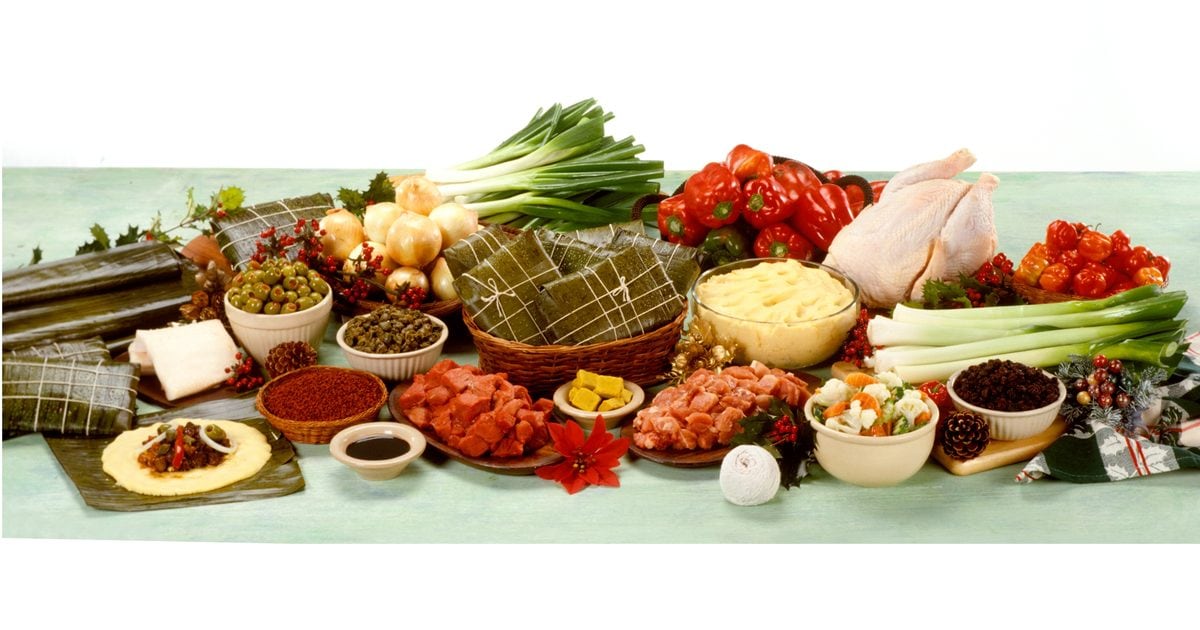
Venezuelan cooking starts with corn. There’s an arepa at breakfast, a cachapa on the weekend and a hallaca at Christmas, and all of them begin with a bag of flour or a pile of fresh ears.
Around the corn is a short list of ingredients that show up over and over: sweet peppers and onoto for color and flavor, black beans and plantains on the side, fresh white cheese on almost everything, and a block of papelón for anything sweet.
Here are the sixteen ingredients behind an arepa, a plate of pabellón criollo and a hallaca, and what each one is doing.
Venezuelan Ingredients at a Glance
| Ingredient | What it is | Where it shows up |
|---|---|---|
| Ají dulce | Sweet, fragrant pepper with no real heat | Sofrito, hallacas, caraotas |
| Onoto | Annatto seeds and the red oil made from them | Hallaca dough, stews, rice |
| Aliños | Scallion, leek, garlic, culantro and pepper | The sofrito behind almost every stew |
| Papelón | Unrefined cane sugar in hard blocks | Papelón con limón, asado negro, sweets |
| Harina P.A.N. | Precooked white corn flour | Arepas, empanadas, hallaca dough, bollos |
| Jojoto | Fresh sweet corn | Cachapas, soups |
| Plátano | Green and ripe plantains | Tajadas, tostones, patacón maracucho |
| Yuca & casabe | Cassava and cassava bread | Hervido, yuca frita, casabe |
| Caraotas negras | Black beans | Pabellón, arepa dominó, breakfast |
| Aguacate | Avocado | Guasacaca, reina pepiada |
| Queso blanco | Salty white cheese, hard or soft | Grated on arepas, beans, pasta |
| Queso de mano | Soft, stretched fresh cheese | Folded into cachapas |
| Nata | Thick, slightly tangy cream | Spread on arepas, cachapas |
| Hojas de plátano | Plantain leaves | Wrapping hallacas and bollos |
| Cacao | Fine-flavor criollo cacao | Chocolate, hot chocolate, sweets |
| Ron | Aged Venezuelan rum | Sipping, cocktails, ponche crema |
Seasoning and Color
1. Ají Dulce
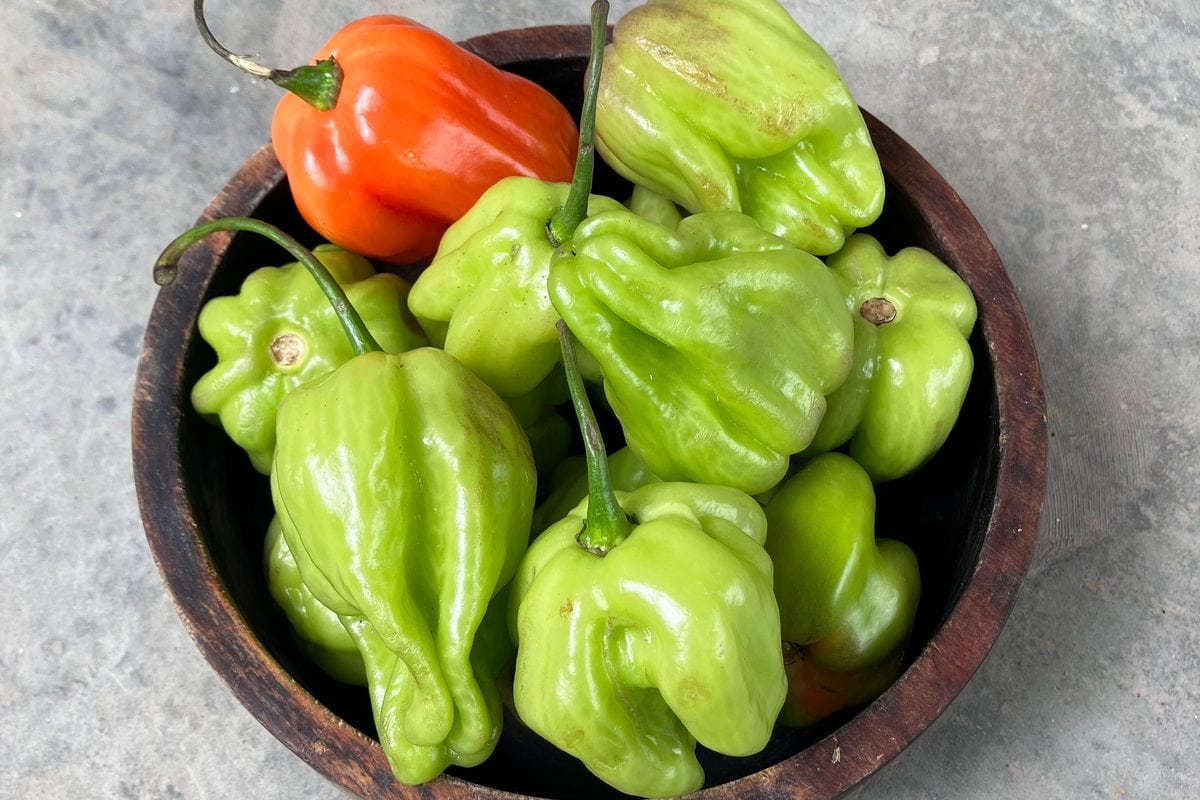
Ají dulce is the pepper that makes Venezuelan food taste Venezuelan. It looks like a small, wrinkled habanero, and it’s the same species, Capsicum chinense. But it has almost no heat. What it has is a sweet, fruity, floral smell.
It’s chopped into the sofrito for hallacas, black beans, carne mechada and chicken stews. Venezuelan cooking is rarely spicy, and ají dulce is a big reason why: the flavor comes from the pepper’s perfume, not its fire. For hotter relatives, see our guide to Latin American chile peppers.
2. Onoto
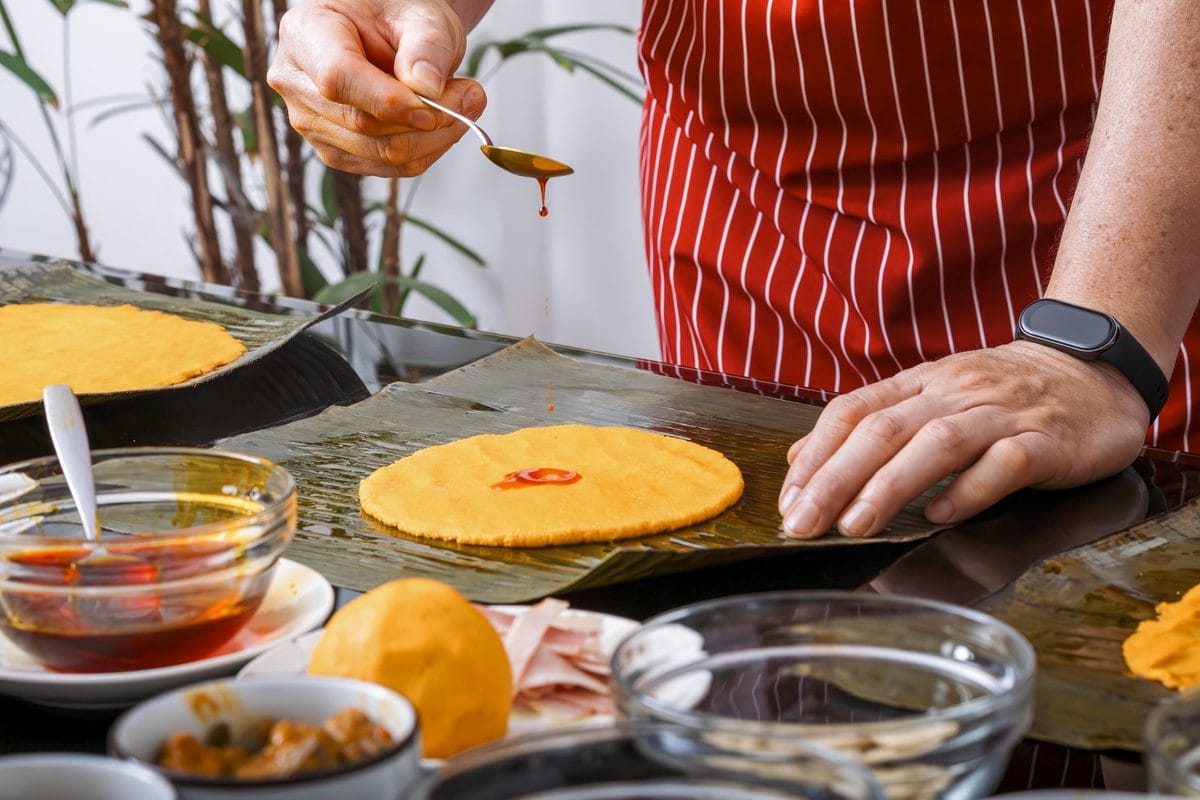
Onoto is Venezuela’s word for annatto, the brick-red seed of a tropical shrub. Cooks warm the seeds in oil or lard until the fat turns deep orange, then strain them out.
That colored oil is what turns hallaca dough golden. It’s also stirred into stews, rice and chicken dishes, where it adds a warm color and a faint, earthy flavor.
3. Aliños: Cebollín, Ajo Porro and Culantro
Ask a Venezuelan cook what goes into a stew and the answer starts with aliños, the aromatic base. It’s onion and garlic, plus cebollín (scallion), ajo porro (leek), pimentón (red bell pepper), ají dulce and a handful of culantro or cilantro.
They’re chopped fine and cooked slowly in oil until soft and sweet. That sofrito is the start of hallaca filling, carne mechada, caraotas and most soups. Many families blend a big batch and keep it in the fridge all week.
4. Papelón

Papelón is unrefined cane sugar, boiled down and set into hard blocks or cones. It’s the same product as panela, with a deep molasses and caramel flavor.
Dissolved in water with lime juice, it becomes papelón con limón, the drink served with almost every lunch. It also sweetens desserts and Venezuelan coffee, and it’s the secret of asado negro, a beef roast browned in caramelized papelón until it’s nearly black.
Corn, Plantains and Roots
5. Harina P.A.N.
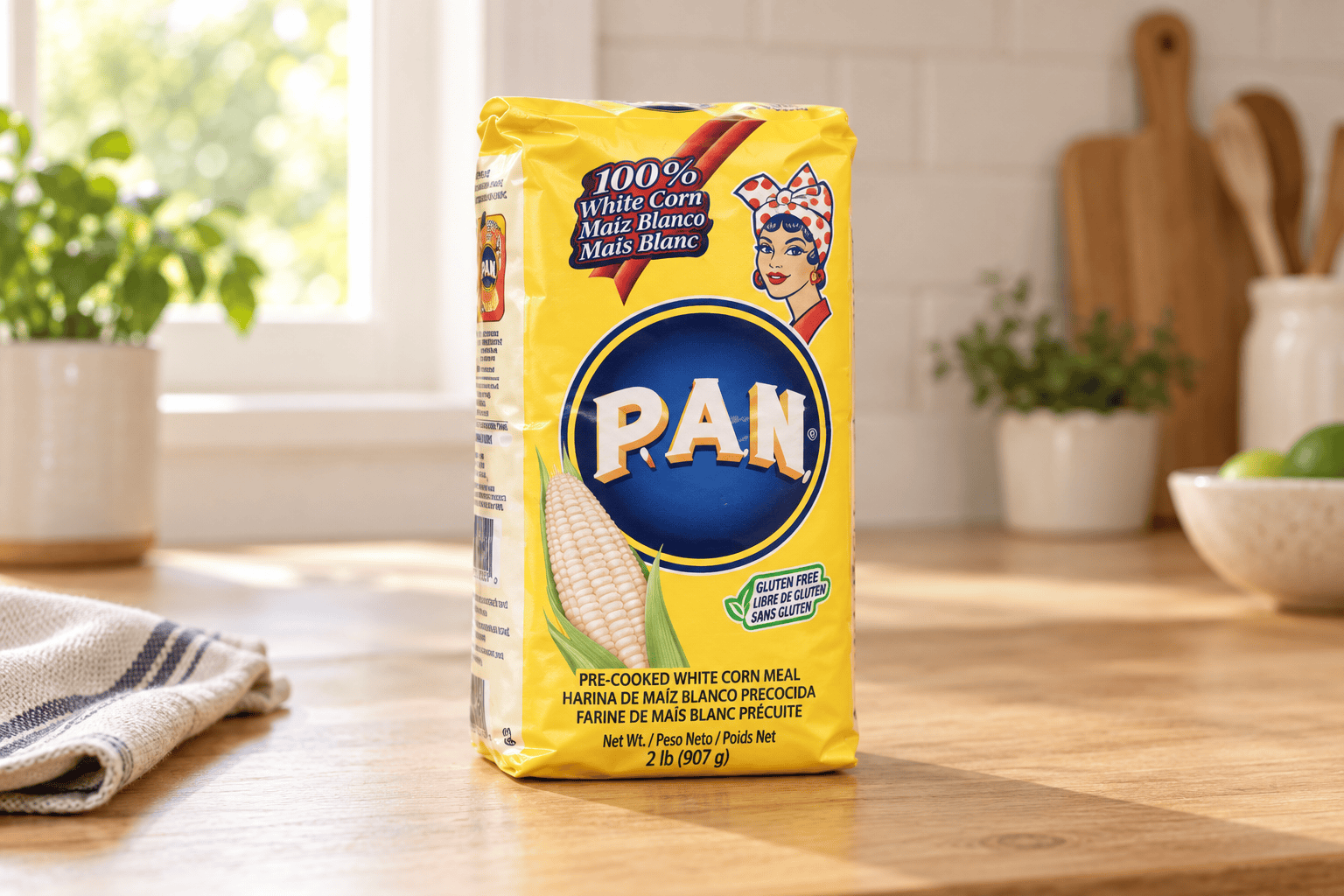
Before 1960, making arepas meant soaking, boiling and grinding corn by hand. Then a Venezuelan company launched Harina P.A.N., a precooked white corn flour that turns into dough with just water and salt. The name stands for Productos Alimenticios Nacionales.
It changed Venezuelan kitchens for good. Today it’s the base of arepas, empanadas, bollos and hallaca dough. Don’t swap in regular cornmeal or Mexican masa harina; neither one works. Our guide to Harina P.A.N. vs. Maseca explains why.
6. Jojoto

Jojoto is fresh sweet corn, eaten off the cob or cut off it. Its most famous use is the cachapa: fresh kernels ground into a thick batter, cooked on a hot griddle and folded around cheese.
Jojoto also goes into soups and sweet corn cakes. Outside Venezuela, frozen corn kernels are the easiest substitute, and there are packaged cachapa mixes too.
7. Plátano

Plantains are on the Venezuelan table almost every day. Ripe ones become tajadas, long, sweet fried slices served with pabellón and just about any lunch plate.
Green plantains are smashed and fried into tostones. In Maracaibo, two big fried green plantains become the bread for the patacón maracucho, a sandwich stacked with meat, cheese, cabbage and sauce. See our guides to patacones and tajadas.
8. Yuca and Casabe

Yuca, or cassava, is boiled into hervido, the big Sunday soup, and fried into golden sticks served with guasacaca.
Casabe is the oldest bread in Venezuela. Indigenous cooks grate bitter cassava, press out its juice and bake the pulp on a hot griddle into huge, thin rounds. It’s crisp and plain, and it’s still made the same way in the east of the country. For more on the root, see our guide to yuca and cassava.
9. Caraotas Negras

In Venezuela, beans are caraotas, and black beans are the ones that matter. They’re simmered with aliños and ají dulce, often with a little papelón, until thick and glossy.
They’re one of the four parts of pabellón criollo. Stuffed into an arepa with grated white cheese, they make an arepa dominó, named for its black and white. Leftovers are fried into caraotas refritas for breakfast. See more Venezuelan side dishes.
Avocado and Dairy
10. Aguacate
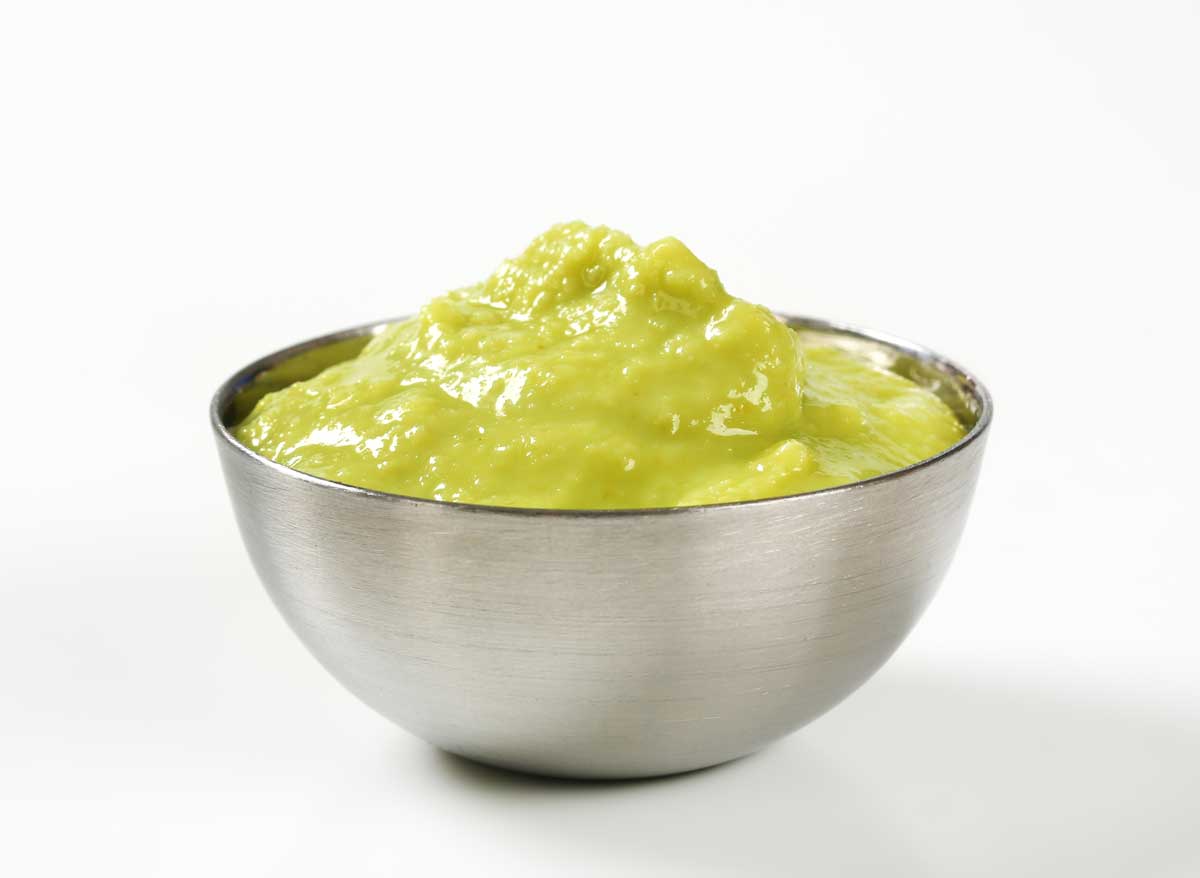
Avocado is the base of guasacaca, Venezuela’s favorite sauce. It’s blended with onion, peppers, cilantro, parsley, vinegar and oil, then served with grilled meat, yuca and tequeños.
Avocado is also half of the reina pepiada, the chicken and avocado salad that’s the country’s most famous arepa filling.
11. Queso Blanco

Venezuelans eat a lot of white cheese, and there are several kinds. Queso duro and queso llanero, from the cattle plains, are firm and very salty. They’re grated over beans, arepas and pasta. Queso guayanés and queso de año sit at the soft and aged ends.
Firm white cheese is also what goes inside tequeños, the fried cheese sticks served at every party. Our guide to Latin cheeses covers more.
12. Queso de Mano

Queso de mano means “hand cheese,” and it’s made by hand: fresh curd is stretched and shaped into soft, springy rounds, a little like fresh mozzarella but saltier.
It’s the cheese for cachapas. A thick slice goes inside the hot corn pancake and softens just enough to melt at the edges. Fresh mozzarella is the closest stand-in outside Venezuela.
More on queso de mano, and the best substitutes outside Venezuela.
13. Nata
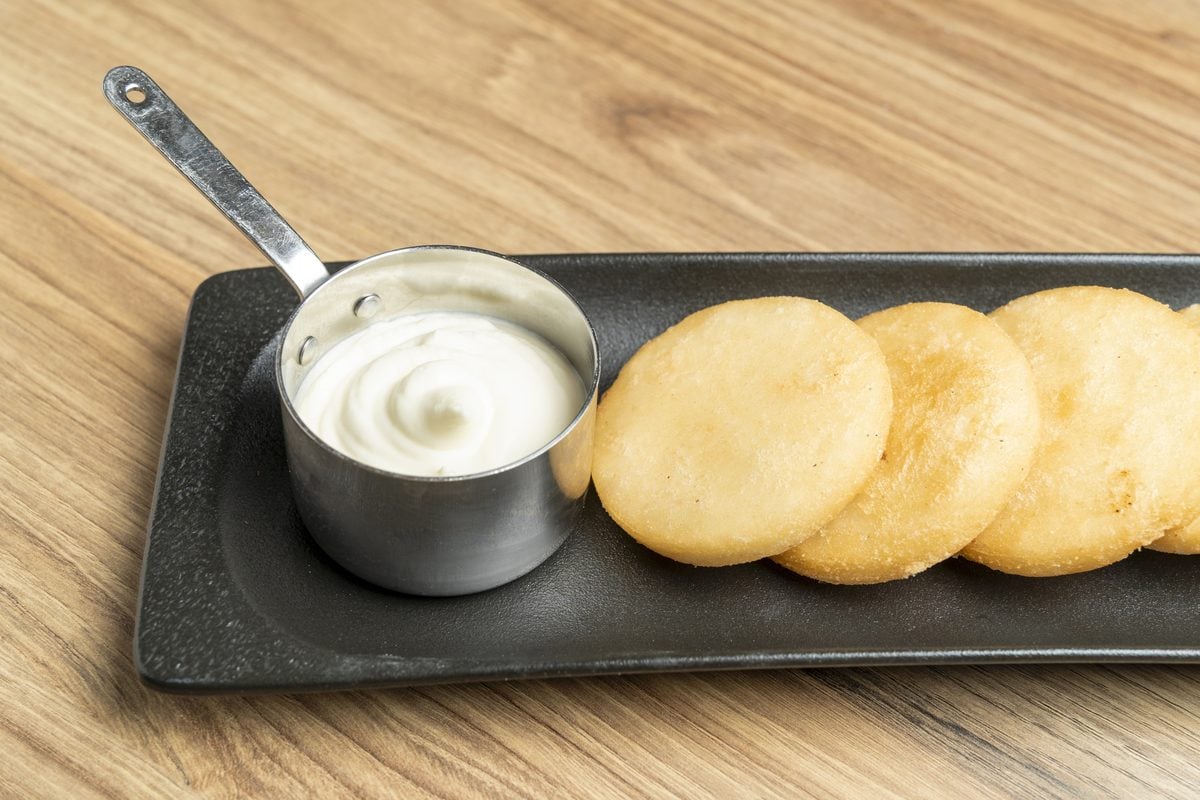
Nata is Venezuela’s cream: thick, rich and a little tangy, somewhere between sour cream and crème fraîche.
It’s spread inside a hot arepa, spooned onto cachapas and served next to fried arepitas and black beans. Crème fraîche or Mexican crema is the best substitute.
Holiday, Sweet and Strong
14. Hojas de Plátano

Plantain leaves are a Christmas ingredient in Venezuela. Every hallaca is spread with dough on a leaf, filled with a stew of meat, raisins, olives and capers, then folded, tied with string and boiled.
The leaves are wiped clean and passed over a flame to make them soft. They keep the dough moist and give it a faint green, grassy flavor. Frozen banana leaves from a Latin or Asian grocery work just as well. More holiday dishes are in our guide to Venezuelan Christmas foods.
15. Cacao
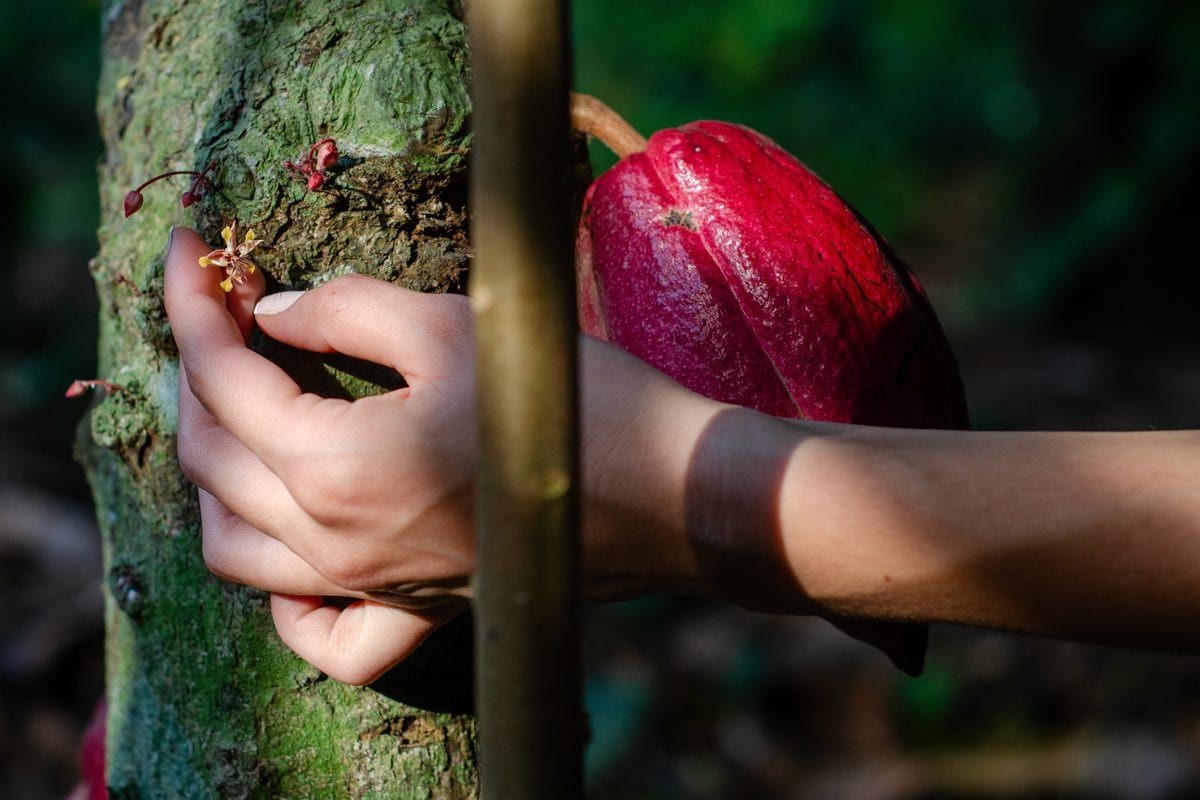
Venezuela grows some of the most prized cacao in the world. Most of it is native criollo, prized for flavor rather than yield.
Two names are famous among chocolate makers. Chuao comes from a coastal village you can only reach by boat or a long mountain hike. Porcelana, from south of Lake Maracaibo, has pale, almost white beans. At home, cacao goes into hot chocolate and many Venezuelan desserts.
16. Ron
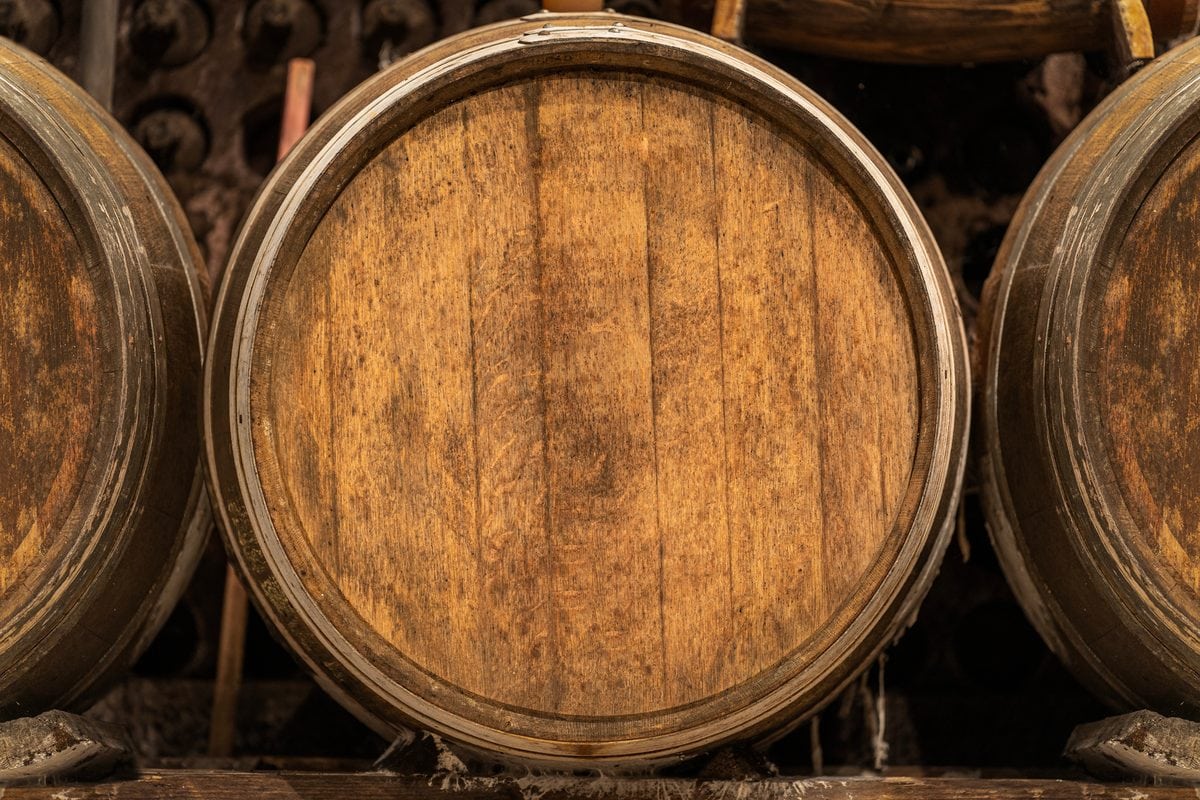
Venezuela takes its rum seriously. Since 2003, Ron de Venezuela has had a protected denomination of origin, and it must be aged in oak barrels for at least two years.
The best aged rums are sipped neat. Rum is also the kick in ponche crema, the Christmas eggnog, and the base of many Venezuelan drinks.
Where to Buy Venezuelan Ingredients
Outside Venezuela, a Latin grocery will carry most of this list: Harina P.A.N., papelón or panela, black beans, plantains, frozen plantain leaves and frozen corn for cachapas. Many also stock Venezuelan-style white cheese and nata.
Online, look for Harina P.A.N., papelón, onoto seeds and banana leaves.
Fresh ají dulce and queso de mano are the hardest to find. Grow the peppers if you can. For the cheese, fresh mozzarella gets you close.
Frequently Asked Questions
What is the most important ingredient in Venezuelan cooking?
Corn, and specifically precooked white corn flour. It’s the base of arepas, empanadas and hallacas, and a bag of Harina P.A.N. is in almost every Venezuelan kitchen.
Is Venezuelan food spicy?
No. The main pepper, ají dulce, is sweet and fragrant, not hot. Heat comes from bottled hot sauce or a jar of picante on the table, added to taste.
What is ají dulce?
A small, sweet pepper from the same species as the habanero, with the fruity smell but almost none of the heat. It’s chopped into sofrito, beans and hallaca filling.
What cheese do Venezuelans use?
Mostly fresh white cheeses: salty, firm queso llanero or queso duro for grating, and soft queso de mano for cachapas.
What is papelón?
Unrefined cane sugar sold in hard blocks, the same as panela. It sweetens papelón con limón, asado negro and many desserts.
What Else Is Always There
A few more things live in a Venezuelan kitchen. There’s cumin and oregano for the stews, capers, olives and raisins for hallacas, and a jar of salsa rosada and garlic sauce for street food. Rice goes with nearly every lunch.
Once your pantry is stocked, cook your way through our guide to Venezuelan food dishes or browse everything we’ve written about Venezuelan food. To compare pantries, see our guides to Colombian ingredients and Dominican ingredients, or explore ingredients by country.
More Ingredients
See all →
Jorge Garcia is the founder of AmigoFoods, where he has spent over 20 years helping readers discover authentic Latin American and Spanish cuisine. Raised in a Cuban-American household, Jorge learned to cook at the hands of his mother and grandmother, carrying forward generations of family recipes. That heritage, backed by his family’s four-generation history in the Latin food industry, inspired him to launch AmigoFoods in 2003. With more than 1,000 published articles on recipes, ingredients, and food culture, Jorge’s mission is simple: make authentic Latin cooking approachable for home cooks everywhere while honoring the traditions behind every dish.