
On this page
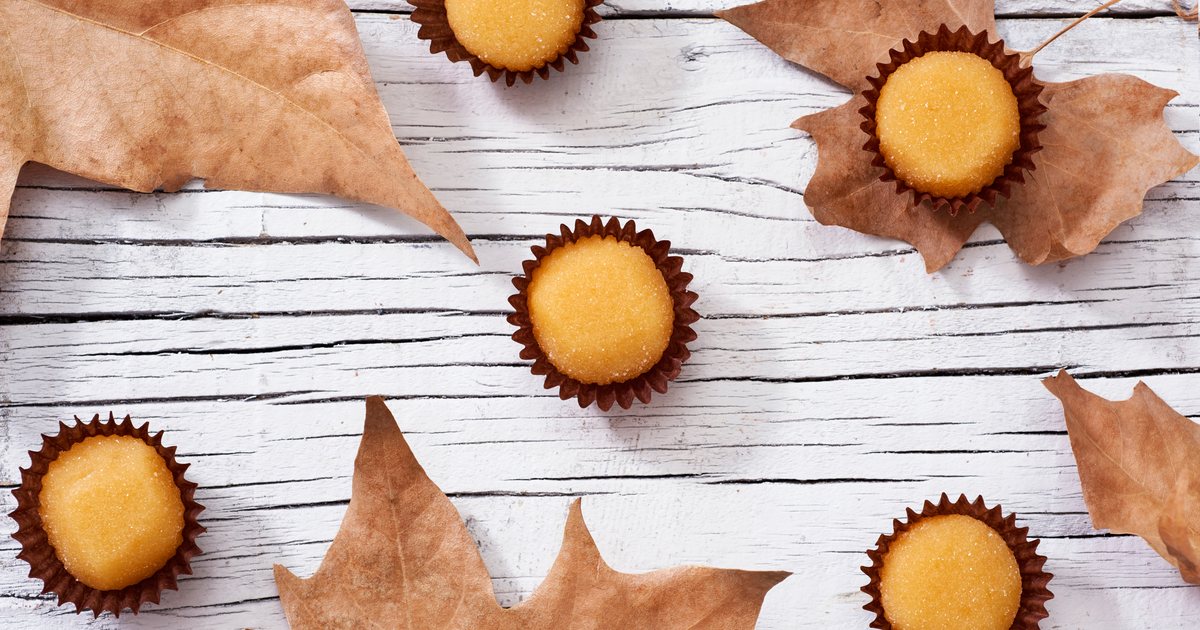
Yemas de Santa Teresa are small Spanish sweets made from egg yolks cooked in a lemon-and-cinnamon sugar syrup until they form a soft paste, then rolled into balls, coated in sugar and set in paper cups. They come from Ávila, the walled city in Castile where Saint Teresa was born, and they have been sold under her name since 1860.
Yemas de Santa Teresa at a Glance
AmigoFoods may earn a commission from qualifying Amazon purchases made through links on this page.
What are yemas de Santa Teresa?
Yema is Spanish for egg yolk, and yemas de Santa Teresa are exactly that: yolks and sugar, cooked slowly until they set into a dense, spoonable paste. Each one is about the size of a large marble, bright orange-yellow inside and dusted white outside.
There is no flour, butter or milk in them. The only flavorings are the lemon peel and cinnamon that steep in the syrup. In Ávila they are also called yemas de Ávila; the two names mean the same sweet, though “Yemas de Santa Teresa” is also a registered brand (more on that below).
They belong to the family of Spanish dulces de convento, the convent sweets built on egg yolks, sugar and almonds, and they sit alongside turrón and marzipan as classic Spanish Christmas sweets.
What do yemas taste like?
Think of the richest part of a flan with no caramel and almost no wobble. The texture is soft and slightly fudgy, and it melts on the tongue rather than needing to be chewed. The outside has a thin, sugary crust that crunches a little.
The flavor is pure egg yolk and sugar, with a faint note of lemon and cinnamon in the background. Spaniards often compare it to tocino de cielo, the yolk-and-syrup custard from Andalusia. One yema is very sweet, which is why they are eaten one at a time with a strong coffee.
History of yemas de Santa Teresa
Ávila has two origin stories for its yemas, and they are not in conflict.
The older one is about convents. For centuries Spanish winemakers clarified wine with egg whites and gave away the leftover yolks, and convents turned them into sweets to sell. Ávila, a city of churches and cloisters, had plenty of both. Many local writers credit the city’s nuns with the first yemas, but no early recipe has survived to prove it.
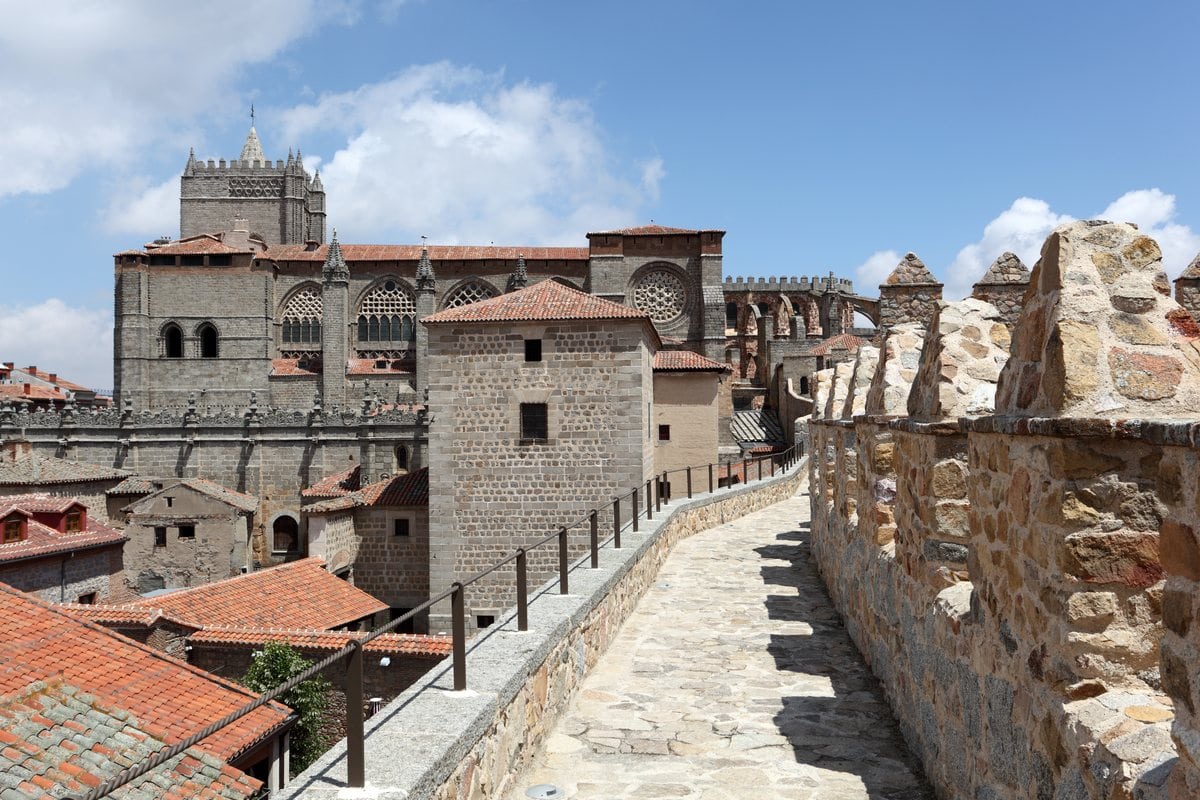
The documented story starts in 1860. Isabelo Sánchez, owner of a pastry shop called La Dulce Avilesa, began selling the sweet under the name “Yemas de Santa Teresa” in honor of the city’s patron saint. The shop later became La Flor de Castilla, and the name is still a trademark owned by the company that runs it. Other bakers in Ávila sell the same sweet as “yemas de Ávila.”
- 1515 Teresa de Cepeda y Ahumada is born in Ávila.
- 1562 She founds the convent of San José in Ávila, the first house of the Discalced Carmelites.
- 1582 She dies at Alba de Tormes. Her feast day is set on October 15.
- 1622 She is canonized as Saint Teresa of Ávila.
- 1860 Isabelo Sánchez starts selling “Yemas de Santa Teresa” in Ávila.
- Today Ávila’s pastry shops still roll the yemas by hand and sell them in boxes of 12 and 24.
Who was Santa Teresa?
Saint Teresa of Ávila (1515–1582) was a Carmelite nun, mystic and writer who reformed her order and founded 17 convents across Spain. In 1970 she became the first woman named a Doctor of the Church. In Ávila her name is everywhere, from the convent built on her birthplace to the Plaza de Santa Teresa, so naming the city’s best-known sweet after her was natural. Yemas are especially popular around her feast day on October 15.
Ingredients for yemas de Santa Teresa
- Egg yolks: 12 large yolks, the fresher the better. The color of the yemas comes entirely from the yolks, so eggs with deep orange yolks give the most striking result.
- Sugar and water: boiled into a syrup that cooks and sweetens the yolks. The ratio here (150 g sugar to 200 g yolk) gives a paste that rolls easily without being cloying.
- Lemon: a strip of peel steeped in the syrup and a teaspoon of juice stirred in at the end, both to cut the richness.
- Cinnamon stick: steeped in the syrup for a warm background note. Whole sticks such as Badia cinnamon sticks infuse cleanly without darkening the paste.
- Powdered sugar: for rolling. Mix in a little granulated sugar if you want the slightly crunchy shell of the Ávila originals.
How to make yemas de Santa Teresa
The whole method comes down to two things: getting the syrup to the right stage, and cooking the yolks slowly enough that they thicken without scrambling. The full measurements are in the recipe card below.
1. Strain the yolks
Separate the eggs and push the yolks through a fine-mesh sieve. This removes the membranes and the stringy bits (chalazae) that would otherwise show up as hard specks in the finished yemas. Stir them gently with a fork; you do not want to whip in air.
2. Make the syrup
Bring the sugar, water, lemon peel and cinnamon stick to a boil, stirring only until the sugar dissolves. Then leave it alone and let it boil for 6 to 8 minutes, until it reaches the thread stage, 223 to 230°F (106 to 110°C). A clip-on thermometer like the CRAFT911 candy thermometer takes the guesswork out of it. The syrup should stay clear; if it starts to turn golden, it has gone too far.
3. Combine syrup and yolks
Take the pan off the heat, fish out the peel and cinnamon, and let the syrup rest for a minute. Then pour it into the yolks in a thin stream while whisking constantly. Pouring too fast, or adding the yolks to the syrup instead, is how you end up with sweet scrambled eggs. Stir in the lemon juice.
4. Cook the paste low and slow
Return everything to the saucepan over low heat and stir constantly with a silicone spatula, scraping the corners. After 10 to 15 minutes it turns from a runny custard into a thick, glossy paste that comes away from the sides of the pan and leaves a clear trail when you drag the spatula across the bottom. It should look like smooth, very thick mashed potatoes. If it starts to look grainy, pull the pan off the heat and keep stirring for a moment.
5. Cool and chill
Spread the paste on a parchment-lined plate, press plastic wrap directly onto the surface so no skin forms, and let it cool. Refrigerate for at least 2 hours, or overnight. The commercial makers in Ávila rest their paste for 24 to 48 hours before shaping, which is why their yemas hold such a neat round shape.
6. Roll and coat
Dust the counter and your hands with powdered sugar. Roll the paste into a log, cut it into 20 pieces and roll each into a ball. Coat them in powdered sugar (or a mix of powdered and granulated for a crisper shell) and set each one in a mini paper candy cups. For yemas tostadas, sprinkle the tops with granulated sugar and caramelize them with a kitchen torch.
Troubleshooting your yemas
| Problem | Why it happens | Fix |
|---|---|---|
| Too soft to roll | The paste was taken off the heat too early, or not chilled long enough. | Chill it overnight. If it is still sticky, cook it a few more minutes over low heat and chill again. |
| Lumpy or scrambled | The syrup went in too fast or the heat was too high. | Push the warm paste through a sieve, then finish cooking on the lowest heat. |
| Dry and crumbly | The paste was overcooked, or the syrup went past the thread stage. | Next time, stop as soon as the paste pulls away from the pan. Knead in a teaspoon of syrup or water to rescue a batch. |
| Grainy texture | The syrup crystallized because it was stirred while boiling. | Stir only until the sugar dissolves, then leave the syrup alone. |
| Sugar coat disappears | The yemas absorb the powdered sugar in the fridge. | Roll them a second time just before serving. |
Yemas de Santa Teresa vs. other yolk sweets
Egg yolk sweets turn up all over Spain and in every country Spain and Portugal touched. These are the ones most often confused with Ávila’s yemas.
| Sweet | Where | How it differs |
|---|---|---|
| Yemas de Santa Teresa | Ávila, Spain | Yolks cooked in lemon-cinnamon syrup, rolled in sugar, set in paper cups. |
| Yemas de San Leandro | Seville, Spain | Made by the Augustinian nuns of the San Leandro convent. Softer, glazed and sold from the convent’s turning window. |
| Yemas tostadas | Across Spain | The same base with a caramelized sugar top, like a bite-size crema catalana. |
| Turrón de yema tostada | Spain (Christmas) | A bar of almond and yolk paste with a torched top. See our guide to Spanish turrones. |
| Filipino yema | Philippines | A descendant made with condensed milk and yolks, shaped into pyramids and wrapped in cellophane. |
| Quindim | Brazil | Yolks, sugar and coconut baked into a glossy custard. See our quindim recipe. |

The same yolk paste fills huesos de santo, the marzipan “saints’ bones” eaten on All Saints’ Day, November 1. If you make a batch of yemas, set some paste aside and pipe it into rolled marzipan.
How to serve and store yemas
In Spain yemas are an after-meal sweet, eaten one or two at a time during sobremesa with a small strong coffee, a glass of sweet sherry or anís. They are a common hostess gift, and at Christmas they go on the tray with turrón, polvorones and marzipan. If you are putting together a holiday sweets board, a bar of El Almendro turrón duro next to the yemas covers both the crunchy and the soft side of the Spanish Christmas table.
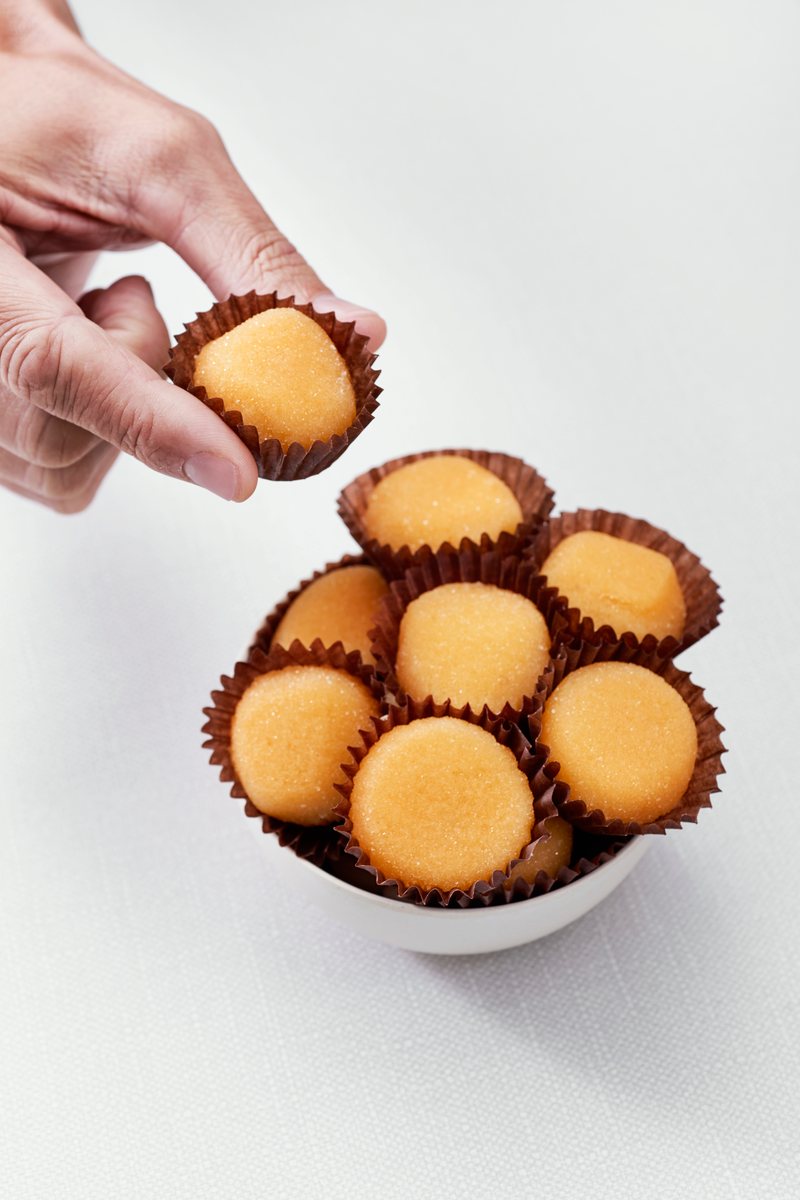
- Serve them at cool room temperature. Take them out of the fridge 15 minutes before serving so the texture softens.
- Store them in an airtight container in the refrigerator for up to 5 days, in a single layer or with parchment between layers.
- Freeze the unrolled paste, well wrapped, for up to 1 month. Thaw it in the fridge overnight, then roll and coat.
Where to buy yemas in Ávila
If you visit Ávila, yemas are sold in almost every pastry shop and souvenir store inside the walls. La Flor de Castilla, the shop that first sold them in 1860, still sells them on the Plaza de Santa Teresa and runs a small yema museum with hands-on rolling workshops. Most shops pack them in boxes of 12 or 24.
Outside Spain they are hard to find. The real thing contains no preservatives and keeps only a short time, so very little is exported. That is the best argument for making them yourself: the homemade version is just as close to the original as anything you can buy abroad.
Yemas de Santa Teresa FAQ
What does “yemas” mean?
Yemas is Spanish for egg yolks. Yemas de Santa Teresa means “Saint Teresa’s yolks,” after Saint Teresa of Ávila.
Are yemas de Ávila and yemas de Santa Teresa the same?
Yes, they are the same sweet. “Yemas de Santa Teresa” is the name and trademark of the original 1860 maker, La Flor de Castilla, so other Ávila bakeries sell them as “yemas de Ávila.”
Are the eggs in yemas raw?
No. The yolks are cooked in hot syrup and then over the heat until they set into a thick paste, so the egg is fully cooked.
How long do yemas de Santa Teresa last?
Homemade yemas keep for up to 5 days in an airtight container in the refrigerator. Bring them to room temperature for about 15 minutes before eating.
Can I make yemas with whole eggs?
Not if you want the classic texture. The whites make the paste firm and spongy, and the flavor much less rich. Use yolks only.
What is the difference between Spanish and Filipino yemas?
Spanish yemas are made from yolks cooked in sugar syrup. Filipino yema is a later descendant made with sweetened condensed milk and yolks, often with peanuts, shaped into pyramids and wrapped in cellophane. It is a different sweet from Mexican pan de yema too, which is an egg-yolk bread.
Yemas de Santa Teresa Recipe
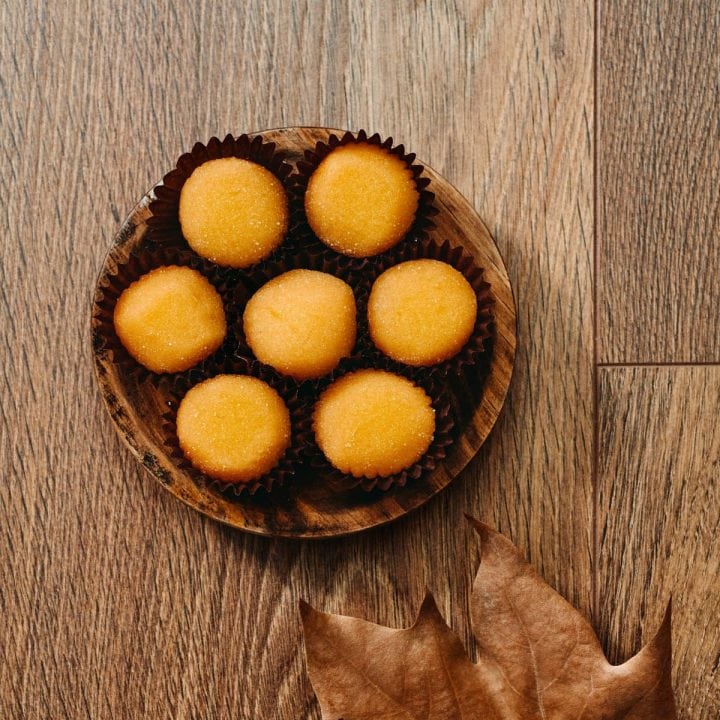
Yemas de Santa Teresa (Spanish Egg Yolk Sweets)
Ávila’s famous egg yolk sweets: yolks cooked in a lemon-and-cinnamon syrup until they form a soft paste, rolled into balls and coated in sugar. Five ingredients, no oven.
Ingredients
- 12 large egg yolks (about 1 cup / 200 g), at room temperature
- 3/4 cup (150 g) granulated sugar
- 1/3 cup plus 1 tablespoon (100 ml) water
- 1 wide strip lemon peel, white pith removed
- 1 cinnamon stick
- 1 teaspoon fresh lemon juice
- 1/2 cup (60 g) powdered sugar, for rolling
- 2 tablespoons granulated sugar, for coating (optional, for a crisper shell)
Instructions
- Separate the eggs. Pass the yolks through a fine-mesh sieve into a bowl to remove the membranes and stringy chalazae, then stir gently with a fork without whipping in air.
- Put the sugar, water, lemon peel and cinnamon stick in a small heavy saucepan. Bring to a boil over medium heat, stirring only until the sugar dissolves, then boil without stirring for 6 to 8 minutes, until the syrup reaches the thread stage: 223 to 230°F (106 to 110°C), or a drop pressed between two fingers pulls into a thin thread. Do not let it color.
- Take the pan off the heat, lift out the lemon peel and cinnamon, and let the syrup stand for 1 minute.
- Whisking the yolks constantly, pour in the hot syrup in a thin stream. Stir in the lemon juice.
- Return the mixture to the saucepan over low heat. Stir constantly with a silicone spatula, scraping the bottom and corners, for 10 to 15 minutes, until it turns into a thick, glossy paste that pulls away from the sides and leaves a clean trail across the bottom of the pan. Lower the heat if you see any lumps forming.
- Scrape the paste onto a parchment-lined plate, spread it about 3/4 inch thick, and press plastic wrap onto the surface. Cool to room temperature, then refrigerate for at least 2 hours, or overnight for the firmest texture.
- Sift powdered sugar onto a clean surface. Roll the chilled paste into a log, cut it into 20 even pieces (about 15 g each) and roll each into a ball with lightly sugared hands.
- Roll each ball in powdered sugar, or in the granulated and powdered sugar mixed for a crisper shell, and set it in a small paper candy cup. Serve at cool room temperature.
Notes
Make ahead: Yemas keep in an airtight container in the refrigerator for up to 5 days. Let them stand at room temperature for 15 minutes before serving.
Leftover egg whites: Freeze them or use them for meringues.
Toasted yemas: For yemas tostadas, sprinkle the tops with granulated sugar and caramelize with a kitchen torch.
No thermometer? Dip a spoon in the syrup, let it cool for a few seconds and pinch a drop between thumb and finger. When you open them, it should stretch into a short, thin thread.
More Spanish sweets to make
Browse every dish in our guide to Spanish desserts, or see what else goes on the table in our Spanish Christmas foods roundup.
More Spanish Foods
See all →
Jorge Garcia is the founder of AmigoFoods, where he has spent over 20 years helping readers discover authentic Latin American and Spanish cuisine. Raised in a Cuban-American household, Jorge learned to cook at the hands of his mother and grandmother, carrying forward generations of family recipes. That heritage, backed by his family’s four-generation history in the Latin food industry, inspired him to launch AmigoFoods in 2003. With more than 1,000 published articles on recipes, ingredients, and food culture, Jorge’s mission is simple: make authentic Latin cooking approachable for home cooks everywhere while honoring the traditions behind every dish.