
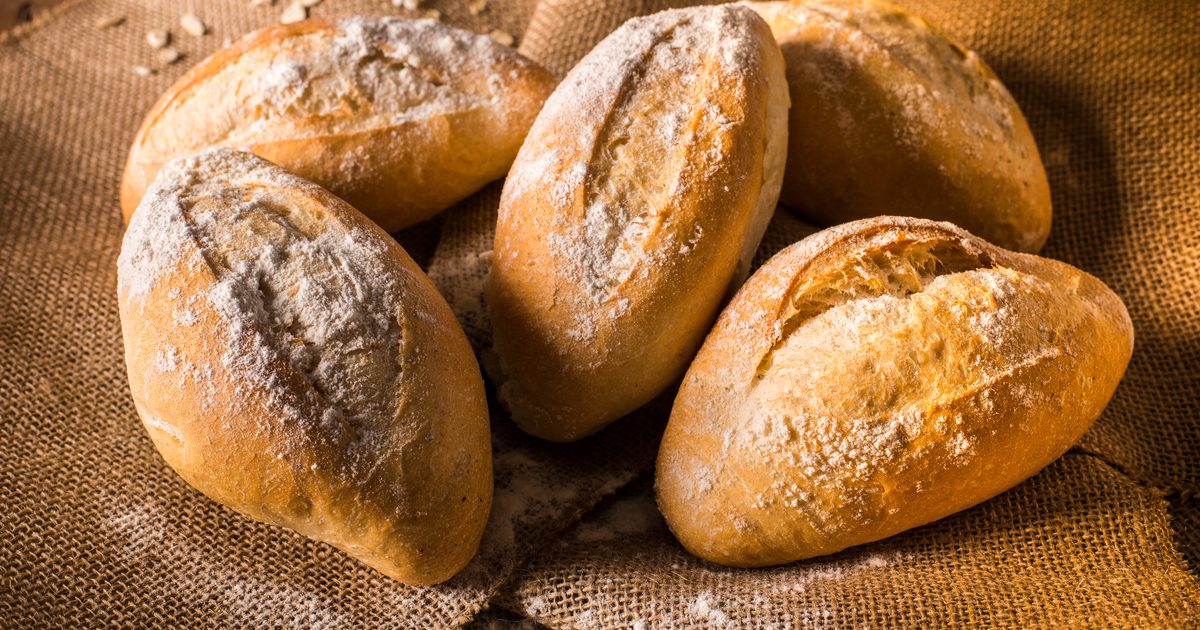
A bolillo is Mexico’s everyday white bread roll: about 6 inches long, oval with tapered ends, with a thin, crackly golden crust, a soft, fluffy center and one split down the top. It’s the bread for tortas and molletes, and a side for soups and stews. You can bake a batch of eight at home with flour, yeast, water, salt and a little sugar and lard.
Bolillo at a Glance
AmigoFoods may earn a commission from qualifying Amazon purchases made through links on this page.
What is a bolillo?
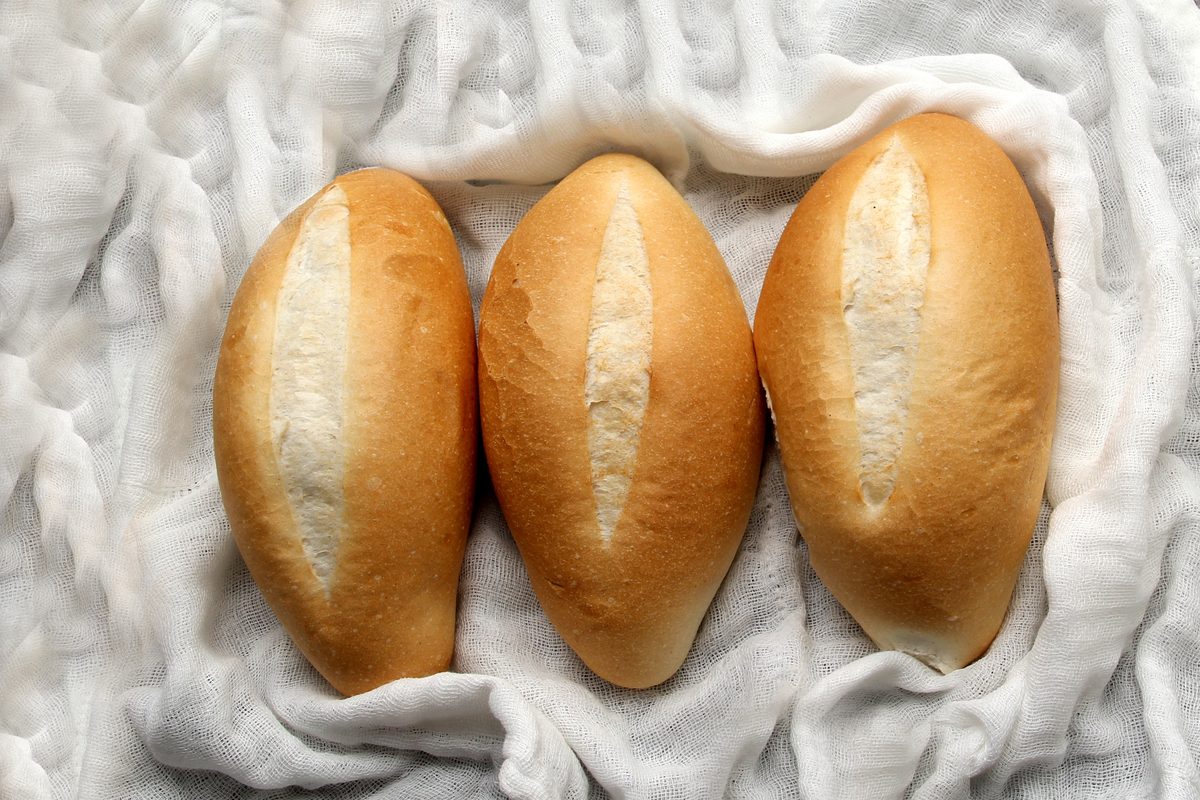
A bolillo (pronounced boh-LEE-yoh) is a savory yeast roll made from white wheat flour. It’s sold by the dozen in every Mexican panadería and supermarket, often still warm, and after the corn tortilla it’s the bread Mexicans eat most.
A good bolillo has three features. The crust is thin and crisp and shatters slightly when you bite it. The inside, called the migajón, is white, soft and airy. The ends taper into little points, sometimes called orejas or puntas, which come out extra crunchy. The single slash along the top opens in the oven into a pale, ragged ridge that makes the roll easy to recognize.
The name means “little bobbin,” after the spindle-shaped wooden bobbins used in lacemaking, which a bolillo resembles. In English, a bolillo is usually called a Mexican bread roll or a Mexican French roll. In El Salvador and much of Central America, a very similar roll is called pan francés.
Bolillo vs. telera vs. birote
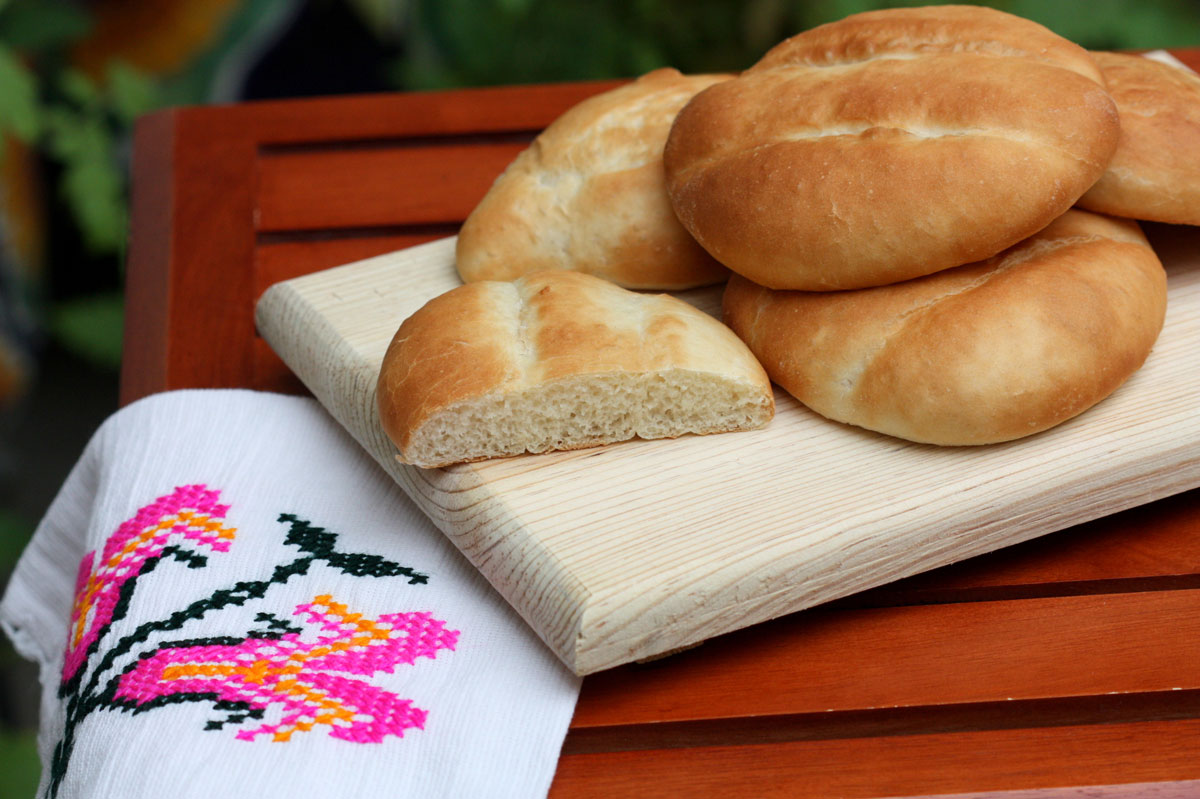
Mexico has three closely related white rolls, and people often mix up the names. In some regions, birote is simply another word for bolillo.
| Bolillo | Telera | Birote salado | |
|---|---|---|---|
| Shape | Oval with pointed ends and one slash | Flat, rounder, pressed into three sections | Longer and thinner, with pointed ends |
| Crust | Thin and crackly | Soft, lightly floured | Thick, hard and very crunchy |
| Flavor | Mild, slightly sweet | Mild | Salty and a little sour (made with a starter) |
| Where | All over Mexico | Central Mexico, especially Mexico City | Guadalajara, Jalisco |
| Best for | Tortas, molletes, soups, eating plain | Big stacked tortas | Tortas ahogadas, which need bread that won’t fall apart in sauce |
Where bolillos come from
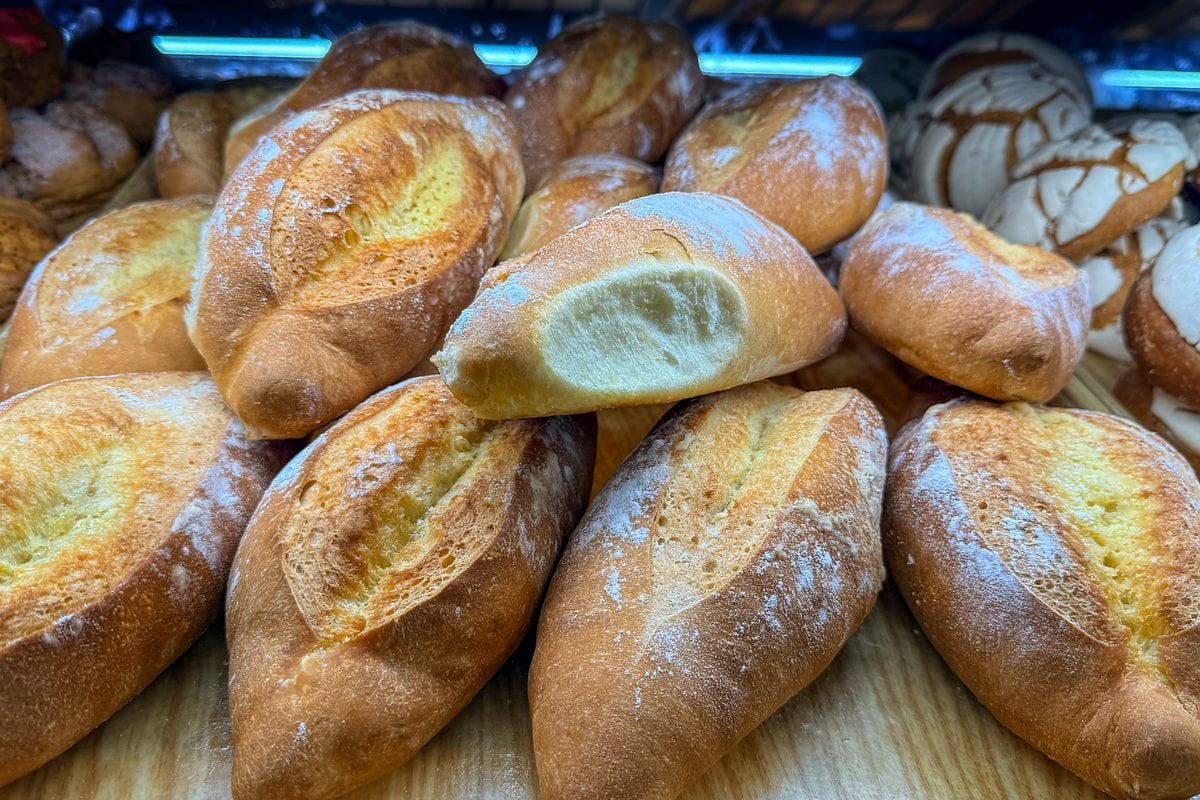
The Spanish brought wheat to Mexico in the 1500s, but the bolillo as we know it is a French-style bread. The usual story is that bakers who came with Emperor Maximilian during the French intervention of the 1860s introduced crusty French bread to Mexico City. Mexican bakers then made the loaf smaller and gave it the bolillo’s oval shape. That story is repeated everywhere, but there is little hard evidence for any particular baker. What’s certain is that French baking was very fashionable in late 19th-century Mexico, especially under Porfirio Díaz, and that by the 20th century the bolillo had become ordinary daily bread.
Today the bolillo is part of daily life in Mexico. People buy a bag at the corner bakery in the morning or on the way home. There’s even a folk remedy, el bolillo para el susto: after a fright or a bit of bad news, eat a bolillo to calm your nerves. People still joke about it after an earthquake or a tense soccer match.
Ingredients for bolillos
Bolillos use only six ingredients, so each one matters. Weighing them on a kitchen scale gives the most consistent results.
- Bread flour: its higher protein gives a chewier crumb, better rise and a crisper crust. All-purpose flour works too, but hold back 1–2 tablespoons of water. A widely available option is King Arthur bread flour.
- Yeast: one packet (7 g) of active dry or instant yeast.
- Warm water: 105–110°F (40–43°C), warm to the touch but not hot. Water that’s too hot kills the yeast.
- Salt: for flavor and to strengthen the dough. Don’t skip it.
- Sugar: just 2 teaspoons, to feed the yeast and help the crust brown.
- Lard: Mexican bakeries traditionally use a spoonful of lard or vegetable shortening, which makes the crumb softer. A neutral oil works too and keeps the rolls vegan.
How to make bolillos
These are the steps, with the reasons behind each one. Exact amounts and times are in the recipe card below.
1. Wake up the yeast
Stir the sugar into the warm water, sprinkle the yeast on top and wait 5–10 minutes until it foams. If it doesn’t foam, the yeast is dead, and it’s better to find out now than after three hours. If you’re using instant yeast, you can mix it straight into the flour instead.
2. Mix and knead
Add the flour, salt and lard, then knead 8–10 minutes with a dough hook on medium-low, or 12–15 minutes by hand. A stand mixer such as the KitchenAid Artisan does the work for you, but your hands work just as well. The dough is ready when it’s smooth, springy and only slightly tacky. A small piece should stretch thin enough to let light through without tearing.
3. First rise
Cover the dough and let it rise in a warm spot for 1 to 1½ hours, until doubled. In a cold kitchen, put it in the oven with only the light switched on.
4. Divide and rest
Cut the dough into 8 equal pieces of about 108 g each and roll each into a tight ball. Cover them and let them rest for 15 minutes. Resting relaxes the gluten so the dough doesn’t spring back when you shape it.
5. Shape the bolillos
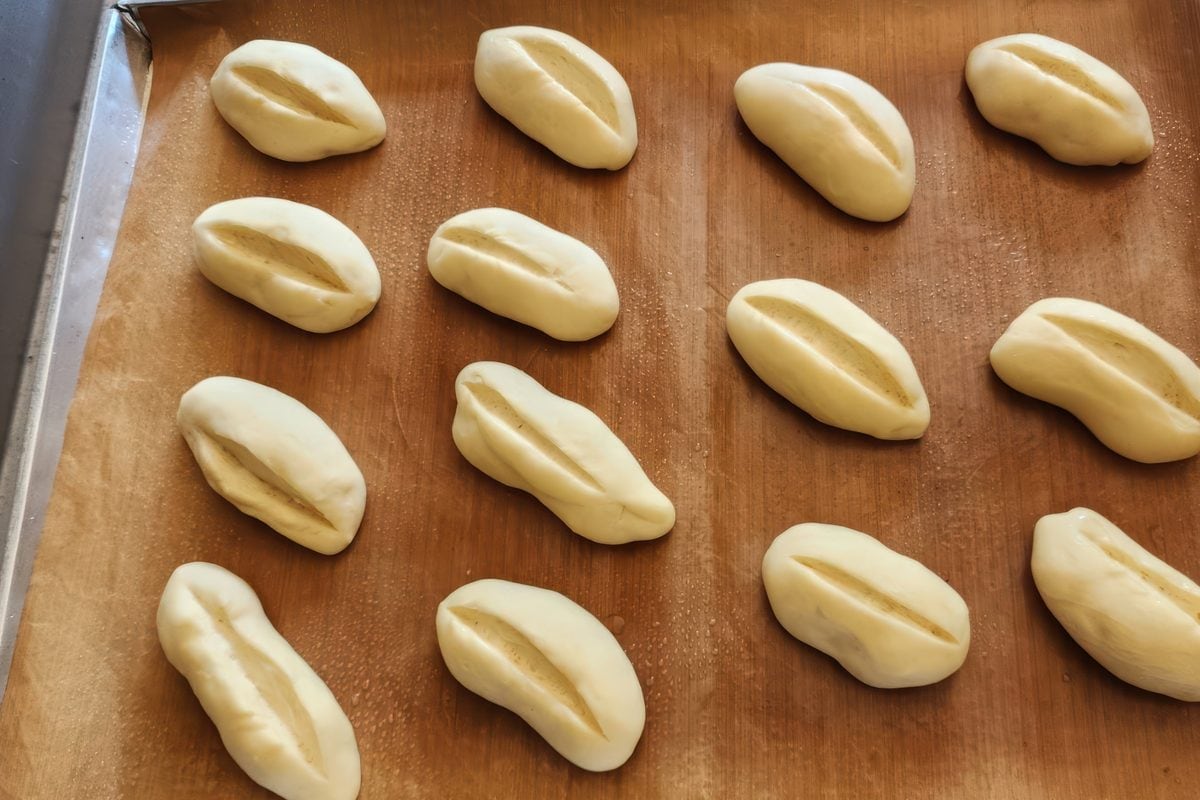
Press each ball into an oval, fold the top third down and press the seam, then fold it in half lengthwise and seal it with the heel of your hand. This builds surface tension, which gives the roll its lift. Roll it into a 6-inch log, then roll the ends under your fingertips so they taper to points. Set the rolls seam-side down on parchment-lined baking sheets, 4 per sheet.
6. Second rise
Cover loosely and let the rolls rise 45–60 minutes, until puffy and about 1½ times their size. Press one gently with a fingertip. When it’s ready, the dent springs back slowly.
7. Steam, score and bake
Preheat to 425°F (220°C) with an empty metal pan on the bottom rack. Mist the rolls with water and make one cut about ½ inch deep down each roll with a bread lame or a razor-sharp knife, held at a low angle. Slide in the sheet, pour a cup of hot water into the pan and close the door quickly. Bake 20–25 minutes, until deep golden and hollow-sounding underneath. Let the rolls cool on a rack for at least 15 minutes. You’ll hear the crust crackle as it cools.
Tips for crusty bolillos
- Don’t add too much flour. A slightly tacky dough makes a lighter roll. Flour the counter lightly and use a bench scraper instead of adding more flour.
- Shape tightly. Loose shaping gives flat rolls that spread sideways instead of rising.
- Cut with confidence. Make one quick, steady stroke. Several hesitant cuts tear the dough and won’t open into a clean ear.
- Bake until deep golden. A pale bolillo softens within an hour. If you have a thermometer, the center should read about 200°F (93°C).
- Let them cool before cutting. The crumb finishes setting on the rack. Cut too early and it turns gummy.
Why are my bolillos dense or hard?
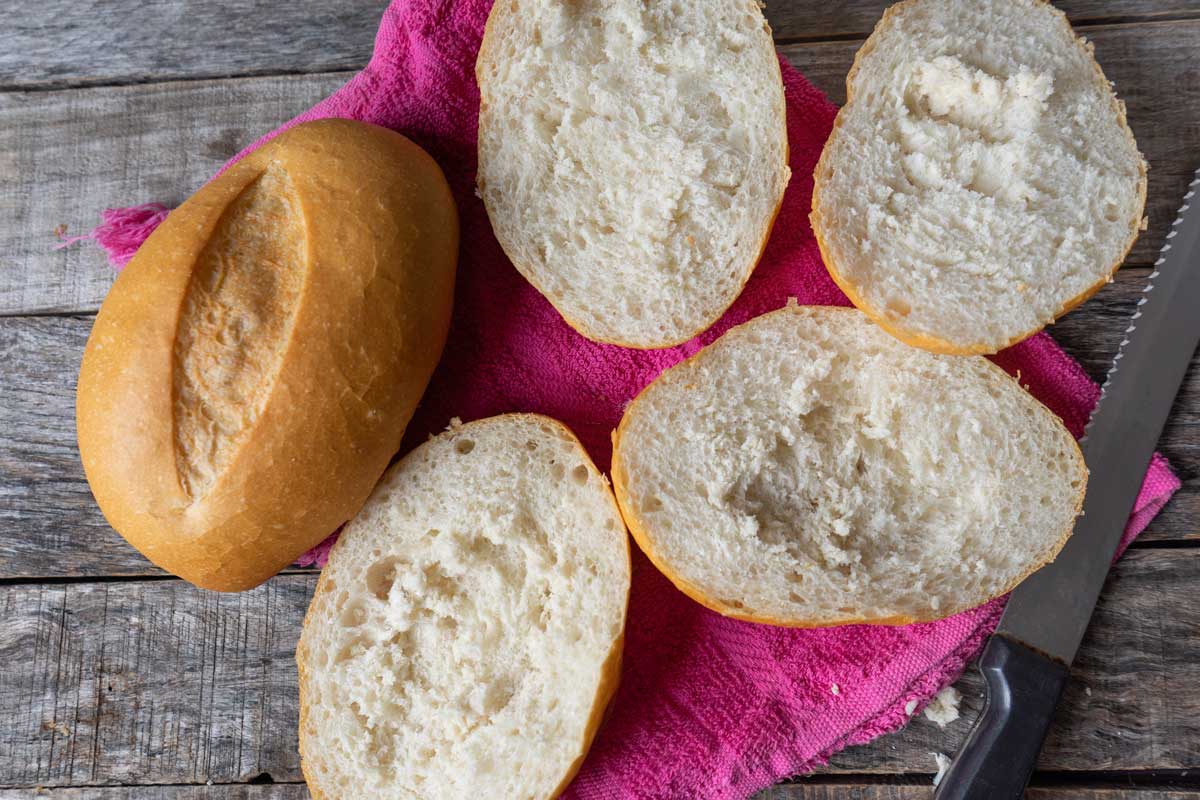
- Dense or heavy: the dough was under-kneaded or under-risen, or the yeast was weak. Knead until the dough is smooth and stretchy, and wait for each rise to finish. Don’t go by the clock alone.
- Hard, thick crust: the oven had no steam, or the rolls baked too long at too low a temperature. Use the hot-water pan, and check that your oven really reaches 425°F.
- Flat rolls that spread: the rolls were shaped too loosely or over-proofed. If a poked roll doesn’t spring back at all, it has risen too long.
- Slash didn’t open: the cut was too shallow, or the surface dried out during proofing. Keep the rolls covered and cut a little deeper.
- Soft crust the next day: this is normal. Re-crisp the rolls in a hot oven for a few minutes.
How to eat bolillos

- Molletes: split bolillos topped with refried beans and cheese and toasted until bubbly. Ready-made La Sierra refried pinto beans make them a 15-minute breakfast. A classic breakfast. Try our molletes recipe.
- Tortas: Mexico’s big sandwiches, filled with milanesa, ham, carnitas or chorizo and egg. See our guide to Mexican sandwiches.
- Torta ahogada: Guadalajara’s “drowned” pork sandwich, made with crusty birote and soaked in tomato and chile de árbol sauce. Here’s our torta ahogada recipe.
- Pambazos: a roll dipped in red guajillo chile sauce, filled with potato and chorizo, then griddled. Toasting and grinding whole El Molcajete dried guajillo chiles gives the sauce its deep red color and mild, smoky heat.
- Capirotada: stale bolillos are the base of Mexico’s Lenten bread pudding, layered with piloncillo syrup, cheese and nuts.
- With soups and stews: a bolillo is the standard side for pozole, birria and other Mexican soups and stews.
- Plain or with coffee: warm with butter, or dunked in café de olla or Mexican hot chocolate.
Day-old bolillos make excellent bread crumbs and croutons. For more ideas, see our guide to Mexican breakfast foods.
Storing and reheating bolillos
- Same day: leave them uncovered on a rack or in a paper bag. A plastic bag traps moisture and softens the crust.
- Next day: store in a paper bag inside a loosely closed plastic bag for up to 2 days.
- Freezer: freeze the cooled rolls in a zip-top bag for up to 3 months. Thaw at room temperature for 30 minutes.
- To re-crisp: mist the rolls lightly with water and heat in a 350°F (175°C) oven for 5–8 minutes. Avoid the microwave, which makes the crust chewy and then rock-hard as it cools.
Bolillo calories
One homemade bolillo from this recipe has about 250 calories, since the batch makes eight fairly large rolls. A typical 60–70 g bakery bolillo has roughly 170–200 calories. Nearly all of it comes from carbohydrate, with about 7–8 g of protein and very little fat or sugar. These numbers are estimates based on the ingredients; brand and roll size change the total.
Bolillo FAQ
What is a bolillo in English?
There’s no exact English word. It’s usually called a Mexican bread roll, a Mexican white roll or a Mexican French roll. A crusty sub roll or a short baguette is the closest thing in the US.
Is a bolillo the same as French bread?
It’s related but not the same. A bolillo is shorter, oval and has pointed ends. It’s often made with a little lard and sugar, which gives it a softer crumb than a lean French baguette.
What is the difference between a bolillo and a telera?
Both are made from the same kind of dough. A bolillo is oval and crusty with one slash. A telera is flatter and softer, and it’s pressed into three sections, which makes it easier to stack fillings for tortas.
Can I make bolillos without a stand mixer?
Yes. Knead by hand for 12–15 minutes, until the dough is smooth and elastic. Hand-kneaded bolillos come out just as well.
Can I use all-purpose flour?
Yes. Use 1–2 tablespoons less water, since all-purpose flour absorbs less. The rolls will be slightly softer and less chewy.
Are bolillos vegan?
That depends on the fat. Bakery bolillos are often made with lard. Made with vegetable shortening or oil, as in the variation here, they contain no animal products.
What does “bolillo para el susto” mean?
It’s a Mexican saying and folk remedy: after a fright (susto), eat a bolillo to settle your nerves. Today it’s mostly said as a joke.
Bolillo Recipe
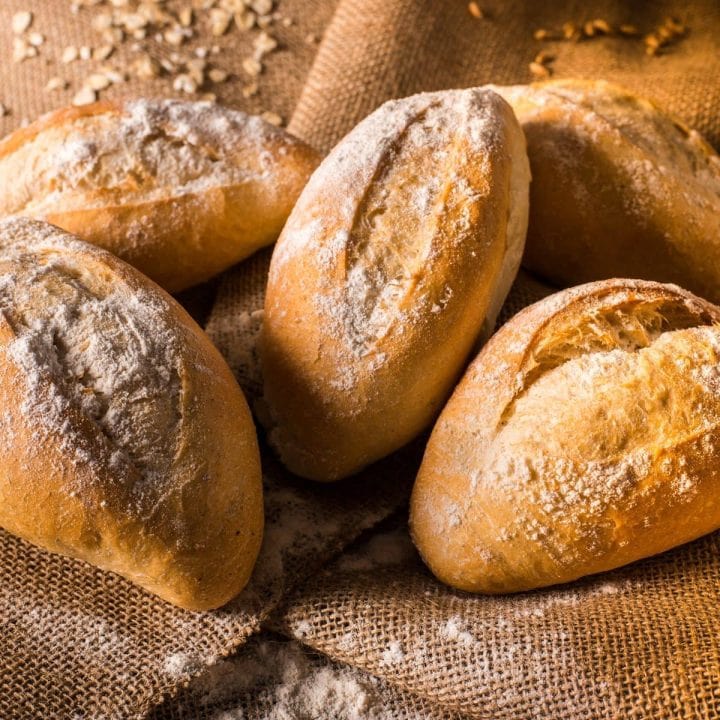
Bolillos (Mexican Bread Rolls)
Crusty Mexican bolillo rolls with a crackly golden crust and a soft, fluffy center. Made with flour, yeast, water, salt, a little sugar and lard, then baked with steam.
Ingredients
- 500 g (about 4 cups) bread flour, or all-purpose flour
- 325 ml (1⅓ cups) warm water, 105–110°F (40–43°C)
- 7 g (2¼ teaspoons, 1 packet) active dry yeast or instant yeast
- 10 g (2 teaspoons) sugar
- 10 g (1¾ teaspoons) fine salt
- 15 g (1 tablespoon) lard, vegetable shortening or neutral oil, plus a little for the bowl
- 1 cup hot water, for steaming the oven
Instructions
- Pour the warm water (105–110°F / 40–43°C) into a large bowl or the bowl of a stand mixer. Stir in the sugar, sprinkle the yeast over the top and let it stand 5–10 minutes, until foamy. If nothing happens, the yeast is dead; start again with fresh yeast.
- Add the flour, salt and lard (or oil). Mix until a shaggy dough forms, then knead 8–10 minutes on medium-low with the dough hook, or 12–15 minutes by hand, until the dough is smooth, elastic and only slightly tacky. Add flour 1 tablespoon at a time only if it sticks badly.
- Shape the dough into a ball, place it in a lightly greased bowl, cover and let it rise in a warm, draft-free spot for 1 to 1½ hours, until doubled.
- Turn the dough out onto a very lightly floured counter and divide it into 8 equal pieces (about 105 g each). Roll each into a tight ball, cover with a towel and rest 15 minutes.
- Shape each bolillo: press a ball into a 5-inch oval, fold the top third down and press the seam, then fold the dough in half lengthwise and seal it with the heel of your hand. Roll it into a 6-inch log, then press and roll the ends under your fingertips so they taper to points.
- Place the rolls seam-side down on two parchment-lined baking sheets, 4 per sheet. Cover loosely and let rise 45–60 minutes, until puffy and about 1½ times their size.
- About 30 minutes before baking, set a rack in the middle of the oven and an empty metal pan on the lowest rack, and preheat to 425°F (220°C).
- Lightly mist the rolls with water. With a bread lame, razor or very sharp serrated knife held at a low angle, make one cut about ½ inch deep down the length of each roll.
- Put one sheet in the oven, pour 1 cup of hot water into the hot pan below (stand back from the steam) and close the door. Bake 20–25 minutes, rotating halfway, until the crust is deep golden and the bottoms sound hollow when tapped (about 200°F inside). Repeat with the second sheet, adding fresh water to the pan.
- Cool the bolillos on a wire rack for at least 15 minutes before cutting; the crust crackles as it cools and the crumb finishes setting.
Notes
Flour: bread flour gives the chewiest crumb and best lift; all-purpose flour works too, but use 1–2 tablespoons less water.
Instant yeast: skip the foaming step and mix it straight into the flour.
Steam: the pan of hot water is what makes the thin, crackly crust. Do not pour water onto a glass dish, which can shatter.
Storage: keep at room temperature in a paper bag for 1 day, or freeze up to 3 months. Re-crisp in a 350°F oven for 5–8 minutes.
Calories: about 250 calories per roll when the batch makes 8 (estimate).
More Mexican breads
Bolillos are only the start of a Mexican bakery. Explore the whole range in our guide to Mexican bread, try cemitas from Puebla, or go sweet with Mexican pastries and pan dulce. For more breads and sides, see Mexican breads and side dishes, and for the bigger picture, our list of the best traditional Mexican food.
More Mexican Foods
See all →
Jorge Garcia is the founder of AmigoFoods, where he has spent over 20 years helping readers discover authentic Latin American and Spanish cuisine. Raised in a Cuban-American household, Jorge learned to cook at the hands of his mother and grandmother, carrying forward generations of family recipes. That heritage, backed by his family’s four-generation history in the Latin food industry, inspired him to launch AmigoFoods in 2003. With more than 1,000 published articles on recipes, ingredients, and food culture, Jorge’s mission is simple: make authentic Latin cooking approachable for home cooks everywhere while honoring the traditions behind every dish.