

On this page
Pambazos are Mexico City’s chile-dipped sandwiches: a soft white roll stuffed with papas con chorizo, dunked in red guajillo chile sauce, pan-fried until the outside turns brick red and crisp, then opened up and piled with lettuce, crema, cheese and salsa. Below is the street-style recipe that makes six, plus how to keep the bread from falling apart, the regional versions from Veracruz to Michoacán, and how a pambazo differs from a torta.
Pambazos at a Glance
What Is a Pambazo?
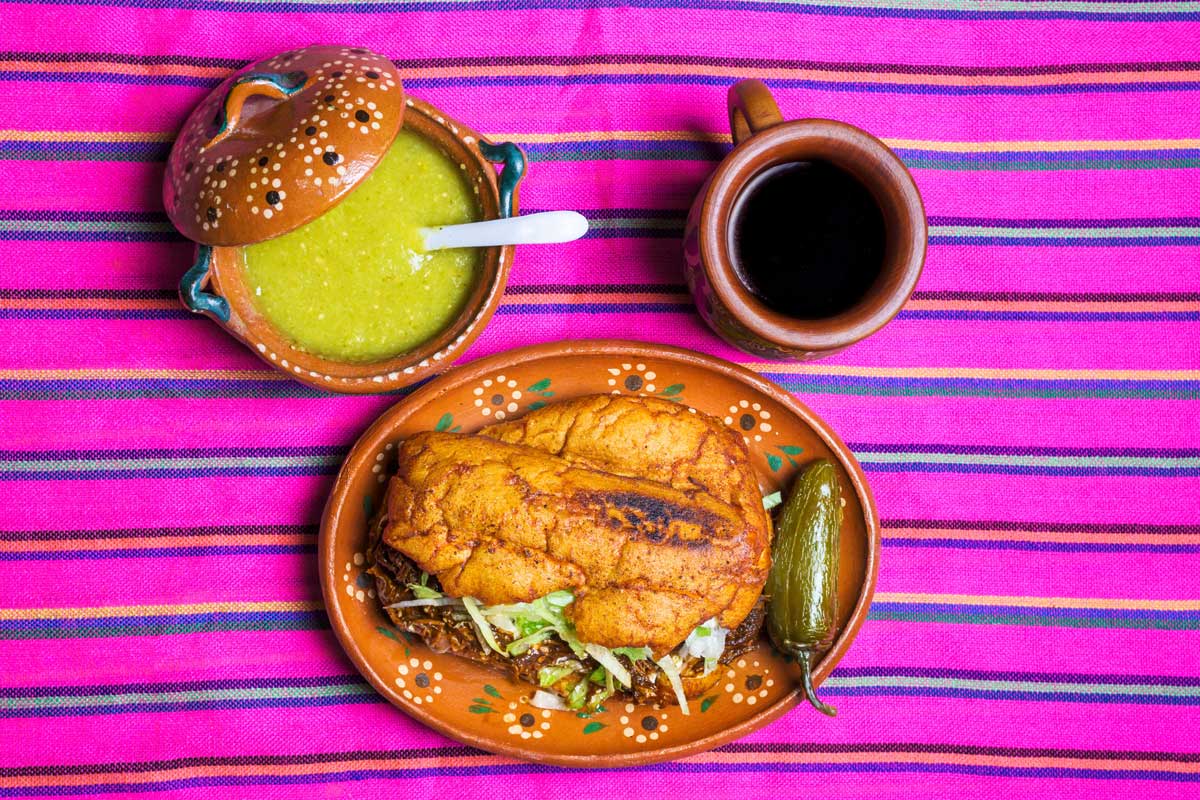
A pambazo (pronounced pahm-BAH-soh) is two things at once: a soft, flour-dusted Mexican bread roll, and the sandwich made from it. In Mexico City and the surrounding State of Mexico, “pambazo” almost always means the red one: the roll is filled, bathed in a mild sauce of dried guajillo chiles and garlic, and fried on a griddle so the sauce sets into a thin, slightly crunchy, brick-red crust.
The classic filling is papas con chorizo, diced potatoes cooked in the red fat of fresh Mexican chorizo until they almost mash. After frying, the pambazo is pried open and finished cold: shredded lettuce, a drizzle of Mexican crema, crumbled queso fresco and a spoonful of salsa. Hot, crisp and spicy outside; cool and creamy inside. That contrast is the whole point.
Pambazos are a classic antojito, the street snacks sold from griddle stands alongside quesadillas, sopes and tlacoyos. They show up at night markets, outside churches after Sunday mass, and on almost every table on the night of September 15, when Mexico celebrates Independence. See more of the genre in our guide to Mexican antojitos and our roundup of Mexican street food.
What Does Pambazo Mean? A Short History
The name comes from pan bazo (also written pan basso), old Spanish for “low” or coarse bread. In colonial Mexico, bakers made a cheaper loaf from lower-grade flour, bran or flour from damaged wheat, and sold it to the poor. Historian Virginia García Acosta’s research on Mexico City’s colonial bakeries describes bakeries dedicated to this bread and limits on how much flour could go to it.
The everyday bread outlived its reputation. Today’s pambazo roll is made with ordinary white flour, but it kept its humble character: a soft crumb, a thin crust and very little sugar. That softness is exactly why it works. A crusty roll would shatter on the griddle; the pambazo soaks up the chile sauce and fries like French toast.
A popular story in Veracruz says a cook named Josef Tüdös created the pambazo in Xalapa for Empress Carlota, wife of Maximilian, in the 1860s, and that the floury top was meant to look like the snow-capped Pico de Orizaba. It is a charming tale, but there is no evidence for it, and the bread’s name is centuries older than the Second Mexican Empire.
Pambazo Ingredients
A pambazo has four parts. Each one is simple, but the bread and the sauce need to be right or the sandwich falls apart. The full amounts are in the recipe card.
The bread: pan para pambazo (and what to use instead)
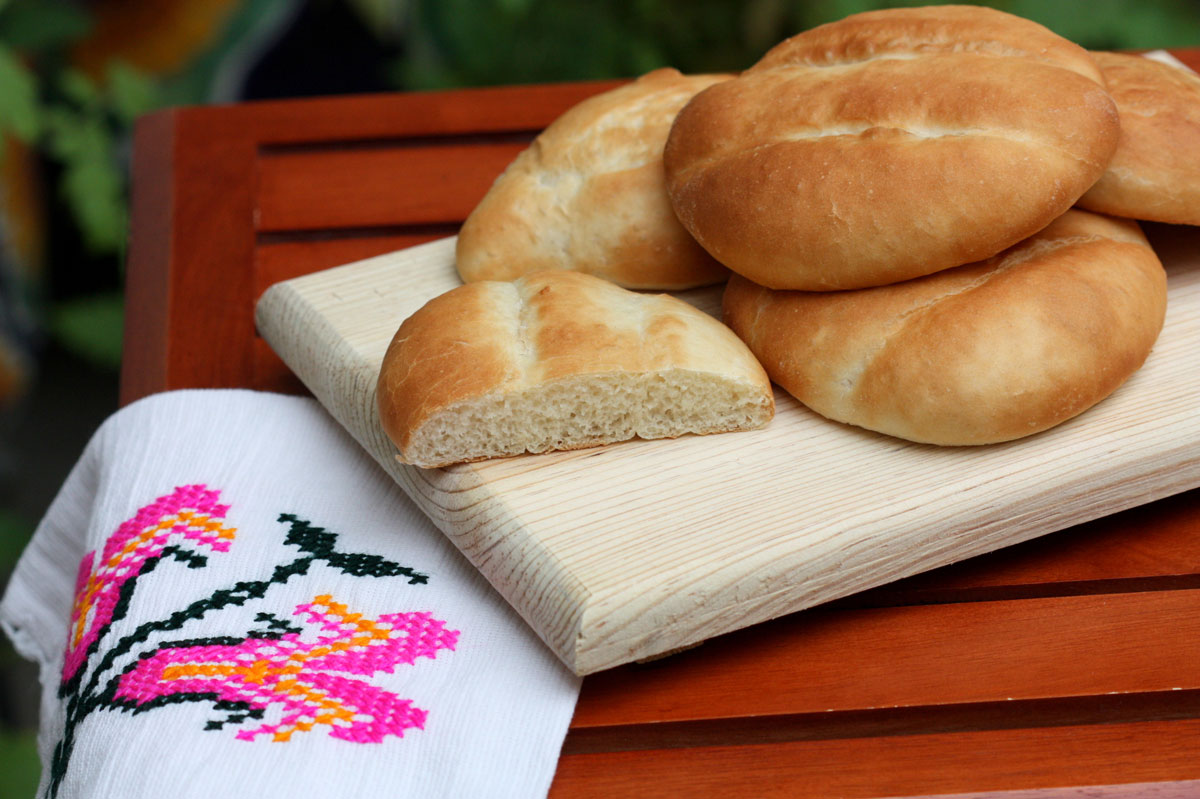
Real pambazo rolls are oval or round, soft, dusted with flour and almost crustless. Mexican bakeries in the US often sell them as pan para pambazo, especially in September. If you can’t find them, use the best match you can get:
- Teleras are the top choice. They are flat, soft and wide, and many Mexico City vendors use them anyway. Read more about Mexican bread.
- Bolillos work, but their crisp crust resists the sauce. Brush the sauce on rather than dipping.
- Seedless Kaiser rolls or sturdy hamburger buns (not brioche) are a fine supermarket fallback.
Whatever you use, a day-old roll is better. Fresh, airy bread drinks the sauce and tears.
The sauce: guajillo adobo

The red coating is made from guajillo chiles, blended with garlic, onion and a little Mexican oregano, then strained. Guajillos are bright, tangy and mild (roughly 2,500 to 5,000 Scoville units), so pambazos are more flavorful than hot. For a spicier sauce, add one or two chiles de árbol. Look for chiles that are flexible and leathery, not brittle. You can find dried guajillo chiles on Amazon if your store doesn’t carry them.
The consistency matters more than anything else in this recipe. The sauce should coat a spoon like heavy cream. Too thin and it soaks through the bread; too thick and it scorches on the griddle before the bread crisps.
The filling: papas con chorizo
Use fresh Mexican chorizo, the soft, raw, chile-red sausage sold in links or tubes, not cured Spanish chorizo. (Here’s how chorizo differs from other sausages.) Pork chorizo renders the most flavorful fat; beef or soy chorizo also work. Yukon Gold potatoes hold their shape at first, then soften into the chorizo fat when you press them, which is what you want: a filling that clumps and stays put inside the bread.
The toppings
- Shredded iceberg or romaine
- Mexican crema
- Queso fresco or cotija
- Salsa verde
- Pickled jalapeños
Iceberg is the street standard because it stays crunchy against the hot bread. Crema is thinner and less tangy than sour cream; if you use sour cream, thin it with a splash of milk. Cotija is saltier and drier than queso fresco and works if that’s what you have.
How to Make Pambazos
This is the overview with the reasons behind each step. The printable recipe card below has exact amounts and times.
1. Cook the potatoes
Peel and dice the potatoes into ½-inch cubes and boil them in well-salted water for 8 to 10 minutes, just until a fork slides in. Drain well. Slightly underdone is better than mushy, because they finish cooking in the chorizo.
2. Toast and soak the guajillos
Stem and seed the chiles, then press them flat on a dry comal or skillet over medium heat for 10 to 15 seconds per side, until they smell toasty and blister slightly. Don’t let them blacken or the sauce turns bitter. Cover with just-boiled water and soak for 15 minutes.
3. Blend and strain the sauce
Blend the soaked chiles with garlic, a piece of white onion, Mexican oregano, a pinch of cumin, salt and about 1 cup of the soaking water for a full 2 minutes. Push it through a fine-mesh strainer into a wide, shallow dish, pressing on the solids. Straining is what gives street pambazos their smooth, even coating instead of flecks of skin.
For a deeper, rounder flavor, heat 1 tablespoon of oil in a saucepan and pour in the strained sauce (stand back, it spits). Simmer 4 to 5 minutes until it darkens slightly and thickens, then cool it to warm before dipping. It also clings to the bread better.
4. Make the papas con chorizo

Crumble the chorizo into a large skillet over medium heat and cook 6 to 8 minutes, breaking it up, until it has rendered its fat and is cooked through. Add chopped onion for 2 minutes, then the potatoes. Cook another 5 minutes, pressing some of the potatoes with the back of a spoon so they soak up the red fat and bind everything together. Taste for salt.
5. Fill, dip and fry the pambazos
Split the rolls through the side, leaving a hinge. Spoon about ½ cup of filling into each one and press them closed. Heat 2 tablespoons of oil on a griddle or large skillet over medium heat.
Working one at a time, lay a filled pambazo in the sauce, count to two, flip it, count to two, and lift it out, letting the excess drip back. You want the outside fully red, not soaked. Fry 2 or 3 at a time for 2 to 3 minutes per side, pressing gently with a spatula, until the sauce darkens to brick red and the surface feels dry and slightly crisp. Add oil between batches.
Want a heavy pan that holds heat? A Lodge 10.5-inch round cast-iron griddle is the closest thing to a street vendor’s comal; a Lodge reversible grill/griddle fits four pambazos at once across two burners.
As an Amazon Associate, AmigoFoods earns from qualifying purchases.
6. Dress and serve right away
Open each hot pambazo along the hinge and stuff in a handful of lettuce, a generous drizzle of crema, crumbled cheese and salsa verde. Close and eat immediately, with a napkin. Pambazos don’t wait well: the lettuce wilts and the crust softens within 10 minutes.
Dip, Brush or Bake? Three Ways to Sauce the Bread
| Method | How it works | Best for |
|---|---|---|
| Dip (street style) | Fill the roll, dunk the whole thing in sauce for a few seconds, then fry both sides. | The most authentic texture and the reddest crust. Needs soft, day-old rolls. |
| Brush | Split the empty roll, brush the sauce on the outside with a pastry brush, fry, then fill. | Crustier bread like bolillos, or anyone worried about tearing. Much less mess. |
| Oven | Brush the outside with sauce, bake at 425°F for 8 minutes, brush with oil, bake 4 minutes more. | Big batches for a party; less oil and no splatter, though the crust is drier and less crisp. |
Why Pambazos Get Soggy or Fall Apart (and How to Fix It)
The bread tears in the sauce
Your rolls are too fresh or the dip was too long. Use day-old bread, keep the dip to about 2 seconds a side, or brush instead of dipping.
The outside is soggy
The sauce is too thin or the pan isn’t hot enough. Simmer the sauce until it coats a spoon, and wait until the oil shimmers before frying.
The sauce burns before the bread crisps
The sauce is too thick or the heat is too high. Thin it with a tablespoon of water and fry over medium, not medium-high.
The filling falls out
Press the potatoes into the chorizo until the mixture holds together, and don’t overfill: about ½ cup per roll is plenty.
Many Mexican home cooks sauce the split, empty rolls, let them air-dry on a rack for an hour or two, and only then fry and fill them. The sauce sets into a skin, and the bread almost never tears.
Regional Pambazos: Mexico City, Veracruz, Puebla and Michoacán

The red, sauce-dipped pambazo is the version most people know, but it is really the Mexico City style. In other regions the same bread gets very different treatment.
Mexico City & State of Mexico
- Dipped
- Fried
Guajillo-dipped, griddle-fried and stuffed with papas con chorizo (or potatoes with longaniza), lettuce, crema and cheese. This is the recipe on this page.
Veracruz (Xalapa)
- Not dipped
- Beans + chipotle
The pambazo veracruzano is a soft white floury roll that is never bathed in sauce. It’s filled with refried beans, mayonnaise, ham, shredded chicken or chorizo, lettuce, onion and chipotles in adobo.
Orizaba & Puebla
- Not dipped
- Beans or mole
Filled with refried beans or mole, longaniza, white cheese, lettuce and chipotle. In Puebla you may also get avocado and pápalo, the herb that defines Puebla’s cemitas.
Michoacán
- Dipped
- Vinegar cabbage
The pambazo michoacano is dipped and fried like the capital’s, but topped with shredded cabbage dressed in vinegar instead of plain lettuce, which cuts through the richness.
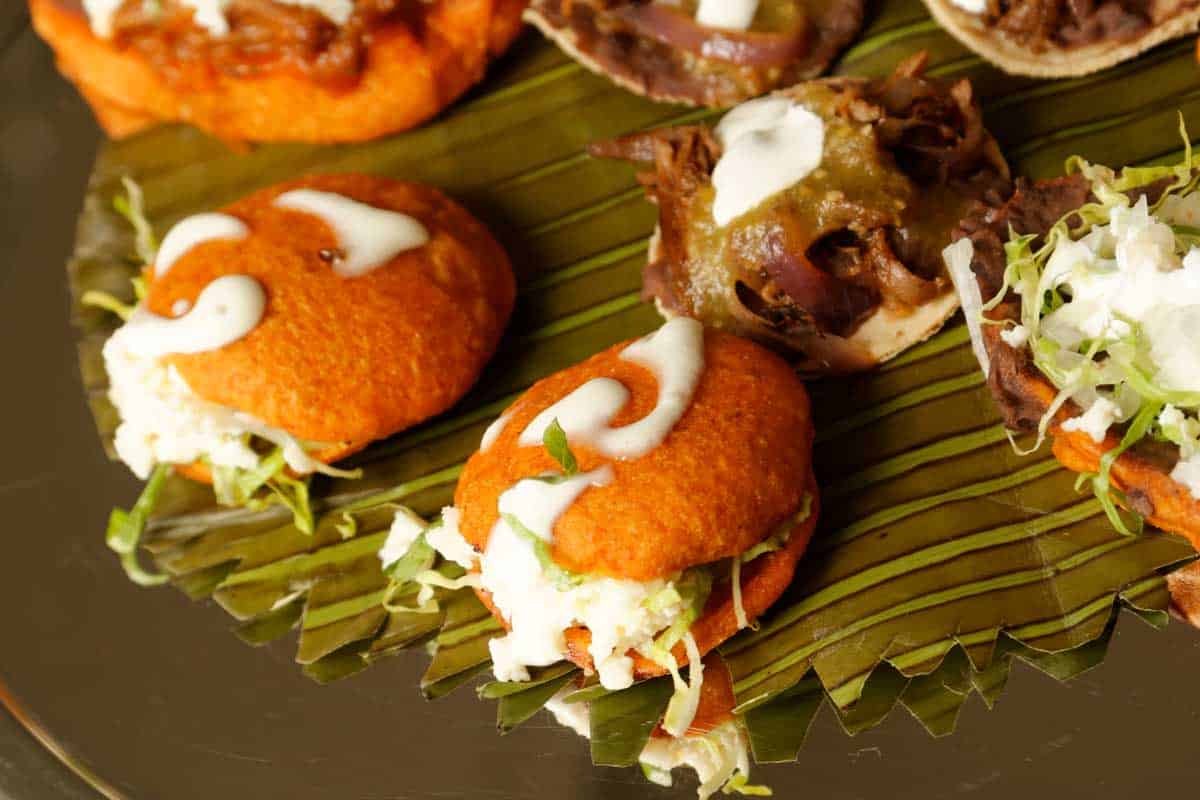
In Veracruz, small pambacitos (“little pambazos”) are served at weddings, baptisms and parties the way other places serve canapés. For a Veracruz-style pambazo at home, skip the sauce, spread the bread with refried beans and add a few slices of chipotle in adobo; a can of Goya chipotle peppers in adobo covers several batches.
As an Amazon Associate, AmigoFoods earns from qualifying purchases.
Pambazo vs. Torta vs. Torta Ahogada
All three are Mexican sandwiches on rolls, and the pambazo is often described as a type of torta, but they are different dishes.
| Pambazo | Torta | Torta ahogada | |
|---|---|---|---|
| Bread | Soft, floury pambazo roll or telera | Bolillo or telera | Crusty, sourdough-like birote salado |
| Sauce | Dipped in guajillo, then fried before filling is finished | None on the bread; salsa inside | Drowned in tomato sauce and chile de árbol sauce after assembly |
| Classic filling | Papas con chorizo | Anything: milanesa, ham, carnitas, eggs | Carnitas |
| Home | Mexico City | All of Mexico | Guadalajara, Jalisco |
| How you eat it | By hand, hot | By hand | With a spoon or fork |
Read more about Guadalajara’s sauce-soaked sandwich in our torta ahogada guide, and see where all of them fit in our list of Mexican sandwiches.
What to Serve with Pambazos

One pambazo is a filling snack; two make a meal. Street stands serve them on their own with salsa, but at home they’re good with:
- A cold drink like agua de jamaica or another Mexican drink to cool the chile.
- A cup of esquites (street corn in a cup) for a full antojito spread.
- Pozole rojo, the other September 15 classic, for an Independence night menu.
- Extra salsa: pambazos love a sharp tomatillo salsa verde. See our guide to Mexican salsas.
Make Ahead, Storage and Reheating
- Sauce: refrigerate up to 3 days or freeze up to 3 months. Rewarm gently and thin with water if it has thickened.
- Papas con chorizo: refrigerate up to 3 days. Reheat in a skillet until sizzling before filling the bread.
- Assembled pambazos: best eaten right away. If you must, store the fried, unfilled bread separately and re-crisp it in a dry skillet or a 400°F oven for 5 minutes, then add the hot filling and cold toppings.
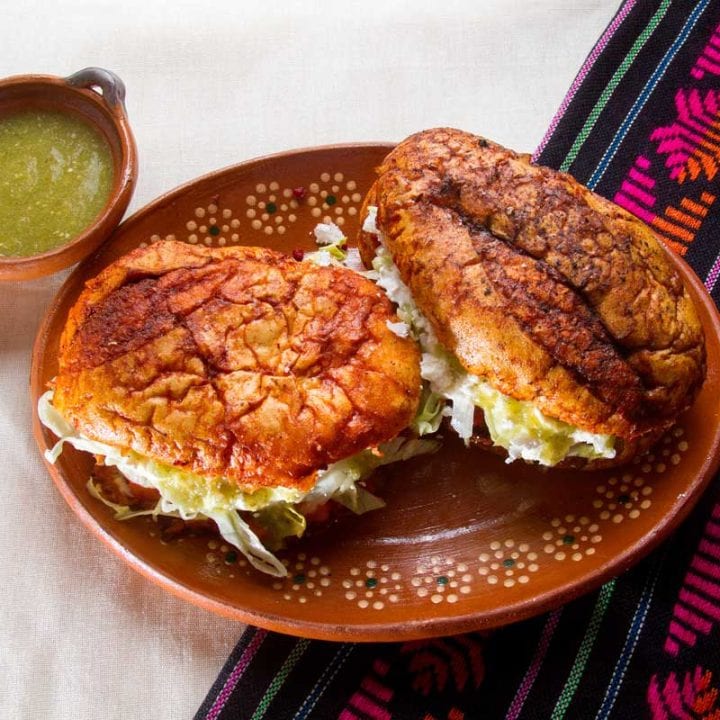
Pambazos (Mexico City Street-Style)
Mexico City pambazos: soft rolls stuffed with papas con chorizo, dipped in guajillo chile sauce, pan-fried until crisp and finished with lettuce, crema, queso fresco and salsa verde.
Ingredients
Guajillo sauce
- 6 guajillo chiles (about 1¼ oz / 35 g), stemmed and seeded
- 1 to 2 chiles de árbol, stemmed (optional, for heat)
- 2 garlic cloves, peeled
- ¼ small white onion
- ½ teaspoon Mexican oregano
- 1 pinch ground cumin
- 1 teaspoon kosher salt, plus more to taste
- 1 tablespoon vegetable oil (optional, for frying the sauce)
Papas con chorizo
- 1½ pounds Yukon Gold potatoes (about 3 medium), peeled and cut into ½-inch dice
- 12 ounces fresh Mexican pork chorizo, casings removed
- ¼ small white onion, finely chopped
- Kosher salt, to taste
To assemble
- 6 pambazo rolls or teleras, preferably a day old
- ⅓ cup vegetable oil or lard, for frying
- 2 cups finely shredded iceberg lettuce
- ¾ cup Mexican crema
- ¾ cup crumbled queso fresco or cotija
- Salsa verde, to serve
- Pickled jalapeños, to serve (optional)
Instructions
- Cook the potatoes. Boil the diced potatoes in well-salted water for 8 to 10 minutes, just until fork-tender. Drain and set aside.
- Toast and soak the chiles. Press the guajillos (and árbol chiles, if using) onto a dry skillet over medium heat for 10 to 15 seconds per side, until fragrant but not blackened. Cover with 2 cups just-boiled water and soak 15 minutes.
- Make the sauce. Blend the chiles with the garlic, onion, oregano, cumin, salt and 1 cup of the soaking water for 2 minutes, until very smooth. Strain into a wide, shallow dish, pressing on the solids. It should coat a spoon like heavy cream; add soaking water a tablespoon at a time if it is thicker. Optional: simmer the strained sauce in 1 tablespoon oil for 4 to 5 minutes, then cool to warm.
- Cook the filling. In a large skillet over medium heat, cook the chorizo for 6 to 8 minutes, breaking it up, until cooked through. Add the chopped onion and cook 2 minutes. Add the potatoes and cook 5 minutes more, pressing some with the back of a spoon so the mixture holds together. Season with salt.
- Fill the rolls. Split each roll through the side, leaving a hinge. Fill each with about ½ cup of the papas con chorizo and press closed.
- Dip and fry. Heat 2 tablespoons oil on a griddle or large skillet over medium heat. Dip a filled pambazo in the sauce for about 2 seconds per side, let the excess drip off and set it on the griddle. Repeat with 1 or 2 more. Fry 2 to 3 minutes per side, pressing gently with a spatula, until the outside is brick red, dry and lightly crisp. Repeat with the rest, adding oil between batches.
- Dress and serve. Open each pambazo along the hinge and fill with lettuce, crema, cheese and salsa verde. Serve immediately, with pickled jalapeños if you like.
Notes
Bread: Day-old teleras are the best substitute for pambazo rolls. For crusty bolillos, brush the sauce on the outside instead of dipping.
No-tear method: Brush the sauce onto the split, empty rolls and let them air-dry on a rack for 1 to 2 hours, then fry and fill.
Oven method: Brush the outside of the rolls with sauce, bake at 425°F for 8 minutes, brush with oil and bake 4 minutes more until crisp, then fill.
Make ahead: The sauce and the papas con chorizo each keep 3 days in the fridge. Reheat the filling until sizzling before using.
Pambazo FAQ
What does pambazo mean?
It comes from pan bazo, old Spanish for coarse, “low” bread made from cheaper flour in colonial Mexico. The name stuck to the bread, and then to the sandwich made from it.
Are pambazos spicy?
Only mildly. Guajillo chiles are fruity rather than hot. Most of the heat comes from the chorizo and whatever salsa you add. Blend in a chile de árbol or two if you want more.
What is the red sauce on a pambazo?
A strained purée of soaked guajillo chiles with garlic, onion, oregano and salt. Some cooks fry it briefly in oil and some add a little ancho chile for depth.
What is the difference between a pambazo and a torta?
A torta is any sandwich on a bolillo or telera and is not sauced. A pambazo uses a softer roll that is dipped in guajillo sauce and fried before it’s finished, which gives it a red, crisp outside.
Can I make pambazos without frying?
Yes. Brush the outside of the rolls with sauce, bake at 425°F for 8 minutes, brush with oil and bake 4 more minutes until crisp, then fill.
How many calories are in a pambazo?
A full-size pambazo made with this recipe, with crema and cheese, is roughly 700 to 850 calories, depending on the size of the roll and how much oil it absorbs. Brushing instead of dipping, using less crema and choosing a leaner chorizo all bring it down.
Is a pambazo veracruzano the same thing?
No. In Veracruz, a pambazo is a soft floury roll that isn’t dipped in sauce at all. It’s filled with beans, mayonnaise, ham or chicken, and chipotle. See the regional styles above.
What can I use instead of chorizo?
Potatoes alone (seasoned with a little of the guajillo sauce), shredded chicken tinga, carnitas or soy chorizo all work. Many stands sell a vegetarian pambazo de papa.
Sources
- México Desconocido: ¿Qué es un pambazo?
- El Universal: Conoce el pambazo veracruzano
- Wikipedia: Pambazo
- Rick Bayless: Pambazo Tortas
More Mexican Foods
See all →
Jorge Garcia is the founder of AmigoFoods, where he has spent over 20 years helping readers discover authentic Latin American and Spanish cuisine. Raised in a Cuban-American household, Jorge learned to cook at the hands of his mother and grandmother, carrying forward generations of family recipes. That heritage, backed by his family’s four-generation history in the Latin food industry, inspired him to launch AmigoFoods in 2003. With more than 1,000 published articles on recipes, ingredients, and food culture, Jorge’s mission is simple: make authentic Latin cooking approachable for home cooks everywhere while honoring the traditions behind every dish.