
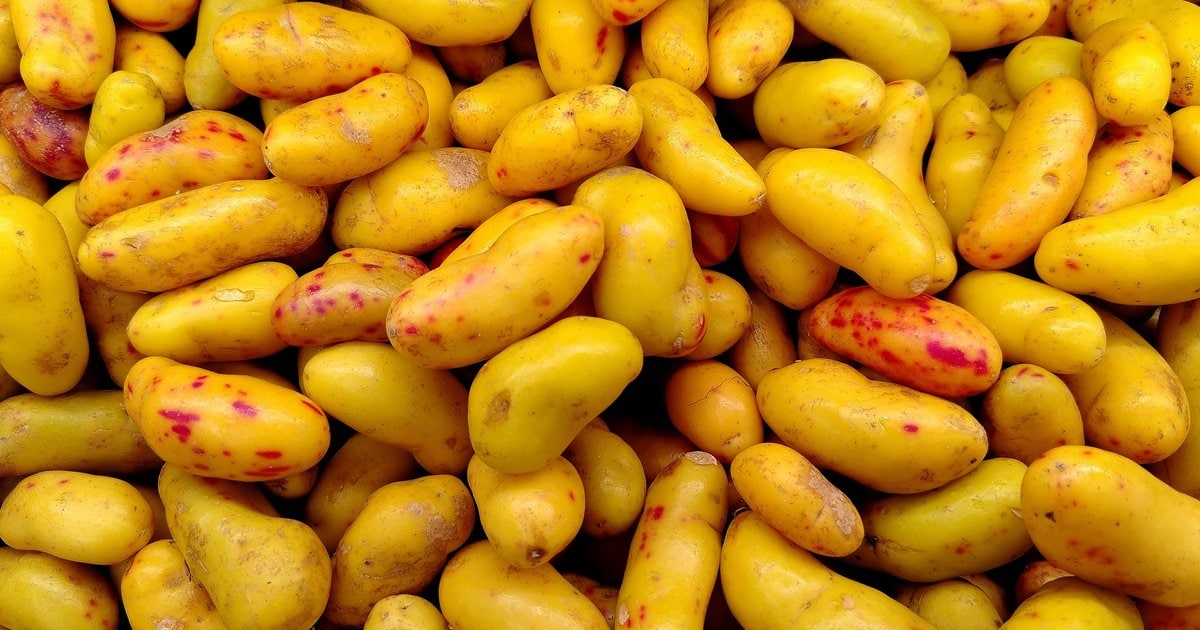
Olluco (ulluco in English) is a small, waxy Andean tuber with glossy yellow, pink or magenta skin that stays crisp-tender no matter how long you cook it. It tastes clean and earthy, a little like beet without the sweetness. In Peru it is braised with beef into olluco con carne, the recipe below, or with dried meat into olluquito con charqui. Outside South America you will usually buy it in jars.
Olluco con Carne at a Glance
AmigoFoods may earn a commission from qualifying Amazon purchases made through links on this page.
What Is Olluco?
Olluco is the tuber of Ullucus tuberosus, a low, leafy plant from the Andes and the only species in its genus. Andean farmers have grown it for more than 4,000 years, and it is still the second most important root crop of the region after the potato. It grows high in the mountains of Peru, Bolivia, Ecuador and Colombia, roughly 8,200 to 13,100 feet up, planted alongside oca and mashua.
It is not a potato. Olluco belongs to the Basellaceae family, the same family as Malabar spinach, and its leaves can be cooked like spinach too. The tubers are usually the size of a small new potato or smaller, smooth and waxy with no real eyes, in lemon yellow, coral, magenta and purple, often freckled. Yellow ollucos are the favorite in Ecuadorian markets; red ones are the most frost-hardy in the field.
In English it is called ulluco, from the Quechua word ulluku. “Olluco” is the Peruvian Spanish name, and olluquito is the affectionate diminutive Peruvians use for the dish.
- In English
- Ulluco
- Botanical name
- Ullucus tuberosus (Basellaceae)
- Other names
- Papa lisa, papalisa, melloco, chugua, ruba, ulluma
- Grows at
- About 8,200 to 13,100 ft in the Andes
- Colors
- Yellow, pink, red, purple, speckled
- Cooked texture
- Crisp-tender and a little silky; never mealy
- Flavor
- Clean, earthy, faintly mineral
- Best for
- Braises, stews, soups and salads; not frying

What Does Olluco Taste Like?
Olluco tastes fresh and earthy with a faint mineral edge. Cooks compare the flavor to beet without the sweetness, and the texture to boiled peanuts or water chestnuts: firm, moist and almost crunchy. Raw olluco feels slippery from its natural mucilage, a soluble fiber; cooking tames most of it into a pleasant, silky finish.
Because the flavor is mild, olluco is almost always paired with strong seasonings: ají panca, garlic and cumin in Peru, lime and fresh cheese in Ecuador, and spicy picantes in Bolivia. It soaks up whatever sauce it is cooked in.
Why Olluco Never Goes Mushy
This is the thing that surprises first-time cooks. Olluco is 84 to 88 percent water, and its starch does not break down into a fluffy, mealy texture the way a russet potato’s does. Cook it for 15 minutes or an hour and it stays firm with a slight bite, the way jícama does in a stir-fry.
- Don’t wait for it to soften. Taste at 15 minutes. If it is hot through and seasoned, it is done.
- Don’t mash or fry it. It will not mash, and with that much water it steams and spits in hot oil instead of browning.
- Cut it thin. The traditional cut is a fine julienne, so every strand gets coated in sauce.
- Salt toward the end. Many Peruvian cooks salt olluco late, because salt draws out its liquid early and waters down the sauce.
Olluco, Ulluco, Melloco: One Tuber, Many Names
The same tuber goes by a different name in nearly every Andean country, which is why recipes can be hard to track down. If you see any of these, it is olluco.
| Where | Name | How it’s eaten |
|---|---|---|
| Peru | Olluco, papa lisa | Olluco con carne, olluquito con charqui, sopa de olluco |
| Ecuador | Melloco | Ensalada de mellocos, highland soups and locros |
| Bolivia | Papalisa, lisa | Picantes and stews, often with chuño; Holy Week dishes |
| Colombia | Chugua, ruba | Highland soups and stews |
| Northern Argentina | Ulluma | Stews |
| English | Ulluco | Sold mainly jarred or canned |
How Olluco Is Eaten Across the Andes
Peru: olluco con carne and olluquito con charqui
Peru’s signature olluco dish is a braise of julienned olluco in an aderezo of onion, garlic, ají panca and cumin, finished with parsley and served over white rice. Made with beef, it is olluco con carne, also called olluquito con carne. Made with charqui, the salt-dried llama or alpaca meat of the highlands, it is the older olluquito con charqui. The recipe on this page is the beef version, because charqui is hard to buy outside Peru.
Olluco also goes into soups. Sopa de olluco turns it into a hearty highland soup, and ajiaco de olluco is a stew of olluco and potatoes in an ají sauce. In the markets of Cusco and Huancayo, ollucos sit in bright heaps next to chuño and dozens of native potatoes. For more of that produce aisle, see our guide to Peruvian vegetables.
Ecuador: ensalada de mellocos
In Ecuador olluco is melloco, and the classic way to eat it is cold, in a bright salad served next to grilled meats or as a light lunch. Mellocos also go into highland soups. It is one of the everyday sides you will find across Ecuadorian food.
- Boil 1 lb (450 g) whole mellocos in salted water for 15 to 20 minutes, until crisp-tender. Drain, cool and slice into rounds.
- Soak half a thinly sliced red onion in cold water for 5 minutes, then drain.
- Toss the mellocos with the onion, 1 diced tomato, 2 tablespoons chopped cilantro, the juice of 2 limes, 2 tablespoons oil and salt to taste.
- Top with ½ cup crumbled queso fresco and serve cold.
Bolivia: papalisa
Bolivians call it papalisa, “smooth potato,” and cook it into spicy picantes and stews, often alongside chuño. It is a traditional food during Holy Week. You will find it with the rest of the country’s pantry in our guide to Bolivian ingredients.
Colombia: chugua and ruba
In the Colombian highlands olluco goes by chugua or ruba and is simmered into hearty soups with potatoes and other Andean tubers.
How to Prepare Fresh Olluco
- Wash before you cut. Scrub the tubers under running water. There is no need to peel; the skin is thin and holds the color.
- Cut thin. For stews, slice into matchsticks about ⅛ inch thick. For salads, boil whole and slice into rounds.
- Cook it soon after cutting. If the slippery feel bothers you, a quick rinse of the cut pieces removes some of the mucilage.
- Braise gently, covered. Olluco releases its own juices, so it needs little or no added liquid. Fifteen to 20 minutes over medium-low heat is enough.
How to Make Olluco con Carne
This is the everyday Peruvian olluco dish, and it takes one pan. The full ingredient list and quantities are in the recipe card below.
What you need
- Olluco: 2 pounds fresh, or about 2 jars. Look for jarred Peruvian ollucos on Amazon if your market doesn’t carry them.
- Beef: sirloin or flank steak cut into thin strips. Chicken thigh works too.
- Ají panca paste: the smoky, mild red pepper paste that gives the dish its color. Search ají panca paste.
- Ají amarillo paste (optional): for fruity heat. Inca’s Food ají amarillo paste is the widely sold six-pack, and Sanniti ají amarillo is a good two-pack. More on the pepper in our ají amarillo guide.
- Aromatics: red onion, garlic, ground cumin, dried oregano and fresh parsley.
1. Julienne the olluco
Scrub and cut the olluco into thin matchsticks. A mandoline with a julienne blade makes quick work of two pounds; with jarred olluco, just drain, rinse and halve any thick pieces.
2. Sear the beef, then build the aderezo
Brown the seasoned beef strips quickly over high heat and set them aside. In the same pan, soften the onion, then add garlic, ají panca, cumin and oregano and cook until the paste turns deep red and smells toasty. This aderezo is the base of most Peruvian stews.

3. Braise the olluco
Stir the olluco into the aderezo, cover and cook over medium-low heat for 15 to 20 minutes, stirring now and then. It will give off its own liquid; add a splash of broth only if the pan looks dry.
4. Bring it together
Return the beef, salt to taste and cook uncovered for a few minutes, until the sauce clings to every strand. Finish with parsley and serve with white rice and, if you like, a few slices of boiled sweet potato.
Where to Buy Olluco in the US
Fresh olluco is rare outside South America because it needs the cool, short days of the Andes to form tubers. In the US you will mostly find it jarred or canned, labeled “olluco,” “ollucos” or “olluquito en conserva,” in Peruvian markets and Latin grocery stores, and online. Frozen olluco occasionally turns up in stores with a large Peruvian clientele.
Gardeners can grow it from seed tubers sold by specialist nurseries. It is a short-day plant, so in most of the US it only starts making tubers as the days shorten in autumn, and it needs a long, frost-free fall to give a good harvest.
Olluco Nutrition
Olluco is mostly water and carbohydrate, with moderate protein, very little fat and some fiber. It has about twice the vitamin C of carrots, though less than a potato. Values vary a lot between varieties; these are typical ranges per 100 grams of raw tuber.
| Per 100 g, raw | Olluco | Potato |
|---|---|---|
| Calories | About 74 | About 77 |
| Water | 84 to 88 g | 79 g |
| Carbohydrates | 14 to 15 g | 17 g |
| Protein | 1.1 to 2.6 g | 2 g |
| Fiber | 0.9 to 4.9 g | 2.2 g |
| Fat | 0.1 to 1.4 g | 0.1 g |
| Vitamin C | 11.5 mg | 19.7 mg |
| Iron | 1.1 mg | 0.8 mg |
What Can I Substitute for Olluco?
Nothing is an exact match, because nothing else stays this crisp in a long braise. Pick based on what matters most to you in the dish.
Olluco FAQ
What is olluco in English?
In English, olluco is called ulluco. Its botanical name is Ullucus tuberosus, and it is also sold as papa lisa, papalisa or melloco.
Is olluco a potato?
No. It grows alongside potatoes in the Andes and is sometimes called papa lisa, “smooth potato,” but it belongs to a different plant family, the Basellaceae.
What does olluco taste like?
Clean and earthy, a little like beet without the sweetness, with a firm, almost crunchy texture similar to boiled peanuts or water chestnuts.
Why doesn’t olluco get soft when I cook it?
That is its nature. Its high water content and firm structure keep it crisp-tender however long it cooks, so don’t keep boiling it waiting for it to turn mealy.
Can you eat olluco raw?
Yes, it is edible raw, but it is slippery from its mucilage, so in the Andes it is almost always cooked or pickled. Thin slices can go into salads.
Do you have to peel olluco?
No. The skin is thin and tender. Just scrub the tubers well before cutting.
Is olluco the same as melloco?
Yes. Melloco is the Ecuadorian name for olluco, and papalisa is the Bolivian one.
What is the difference between olluco and olluquito?
Olluquito is simply the diminutive of olluco. Peruvians usually use it for the dish, as in olluquito con carne or olluquito con charqui.
Olluco con Carne Recipe
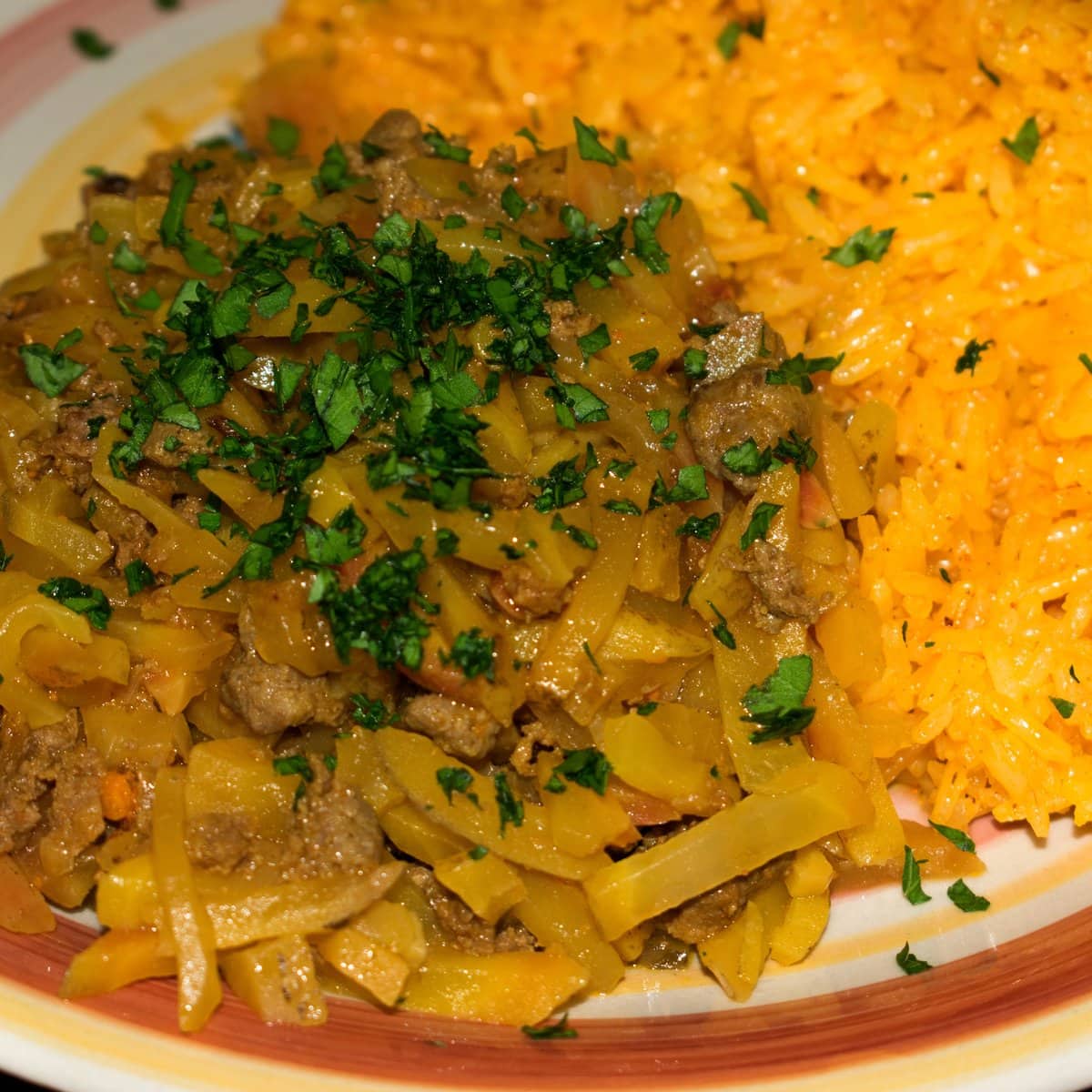
Olluco con Carne (Peruvian Olluco and Beef Stew)
Julienned olluco braised with strips of beef, ají panca, garlic and cumin until crisp-tender. This is Peru’s everyday olluquito con carne, and it works with fresh or jarred olluco.
Ingredients
- 2 lb (900 g) fresh olluco, or about 2 jars (15 to 20 oz each) olluco, drained
- 1 lb (450 g) beef sirloin or flank steak, cut into thin strips
- 3 tablespoons vegetable oil, divided
- 1 medium red onion, finely chopped
- 4 garlic cloves, minced
- 2 tablespoons ají panca paste
- 1 tablespoon ají amarillo paste (optional, for extra heat)
- 1/2 teaspoon ground cumin, divided
- 1/2 teaspoon dried oregano
- 1 teaspoon salt, divided, plus more to taste
- 1/4 teaspoon ground black pepper
- 1/4 cup (60 ml) beef broth or water, only if needed
- 2 tablespoons chopped fresh parsley
- Cooked white rice, to serve
Instructions
- Prep the olluco. Scrub the olluco under running water (no need to peel), pat dry and cut into thin matchsticks about 1/8 inch thick. If using jarred or canned olluco, drain and rinse it, and halve any thick pieces lengthwise.
- Sear the beef. Season the beef with 1/2 teaspoon of the salt, the pepper and half the cumin. Heat 1 tablespoon of the oil in a large skillet or wide pot over high heat and sear the beef in a single layer for 2 to 3 minutes, until browned. Transfer to a plate.
- Make the aderezo. Lower the heat to medium, add the remaining 2 tablespoons of oil and the onion, and cook for 5 minutes, until soft. Add the garlic, ají panca paste, ají amarillo paste (if using), the rest of the cumin and the oregano. Cook, stirring, for 3 to 4 minutes, until deep red and fragrant.
- Braise the olluco. Add the fresh olluco and stir to coat it in the aderezo. Cover and cook over medium-low heat for 15 to 20 minutes, stirring every few minutes, until crisp-tender. Olluco releases its own juices; add a splash of broth only if the pan looks dry. (Canned olluco: add it with the 1/4 cup broth and cook for just 5 minutes.)
- Finish and serve. Return the beef and its juices to the pan, add the remaining salt, and cook uncovered for 3 to 5 minutes, until the sauce clings to the olluco. Taste for salt, stir in the parsley and serve with white rice.
Notes
Olluco will not turn soft however long it cooks, so stop when the beef is hot and the sauce clings; more time only makes the beef tough.
For the classic dried-meat version, make olluquito con charqui. For a vegetarian olluco, skip the beef and stir in 1 cup cooked fava beans or green peas at the end.
Leftovers keep, covered, for 3 days in the fridge. Reheat gently with a spoonful of water.
More Andean Roots and Peruvian Staples
Olluco is one of the twelve starches in our guide to Latin American roots and tubers. Its neighbors in the Andean market are chuño, papa criolla and maca; for the Caribbean side of the family, read about malanga and ñame, or browse the roots and produce hub. To cook more from the same pantry, see our guide to traditional Peruvian ingredients and the 47 dishes in Peruvian food.
Sources: Wikipedia: Ullucus; Ullucus tuberosus: A Review of Its Biology, Nutritional Profile, Phytochemistry, and Food Industry Applications (PMC).
More Peruvian Foods
See all →
Jorge Garcia is the founder of AmigoFoods, where he has spent over 20 years helping readers discover authentic Latin American and Spanish cuisine. Raised in a Cuban-American household, Jorge learned to cook at the hands of his mother and grandmother, carrying forward generations of family recipes. That heritage, backed by his family’s four-generation history in the Latin food industry, inspired him to launch AmigoFoods in 2003. With more than 1,000 published articles on recipes, ingredients, and food culture, Jorge’s mission is simple: make authentic Latin cooking approachable for home cooks everywhere while honoring the traditions behind every dish.