

Latin American roots and tubers are not side dishes. Across most of the region they are the starch the meal is built on, the way bread is in Europe and rice is in Asia — and the potato itself was domesticated in the Andes thousands of years before it ever reached a European field.
The catch is that almost none of them behave like the vegetables they resemble. A green plantain and a ripe one are the same fruit at different ages and produce completely different dishes. Yuca is toxic raw. Olluco refuses to go soft however long you boil it.
This guide covers twelve roots, tubers and starchy fruits from across Latin America: what each one is, how it behaves when you cook it, and what to do with it.
Looking for recipes rather than a field guide? Our Latin American roots and produce hub collects every yuca, plantain, potato and tropical-fruit article on the site, and the plantain dishes page gathers the plantain recipes in one place.
Every Root in This Guide
| Name | Where from | Texture when cooked | Best for |
|---|---|---|---|
| Green plantain | Caribbean & Central America | Firm, starchy | Frying twice — tostones |
| Ripe plantain | Caribbean & Central America | Soft, sweet | Frying once — maduros |
| Yuca | Amazon & Caribbean | Dense, fibrous | Boiling then frying |
| Casabe | Caribbean | Crisp flatbread | Eating in place of bread |
| Papa criolla | Colombia | Dissolves | Thickening stews |
| Chuño | Andes | Chewy, spongy | Soups and stews |
| Olluco | Andes | Stays crisp | Stir-fried stews |
| Camote | Mexico & Peru | Soft, sweet | Desserts and sides |
| Jícama | Mexico | Eaten raw | Snacking with lime and chile |
| Malanga | Caribbean | Creamy, nutty | Fritters and purées |
| Ñame | Caribbean & Colombia | Dry, floury | Sancocho |
| Maca | Peruvian Andes | Dried and powdered | Drinks and baking |
Green or Ripe: The Distinction That Decides the Dish
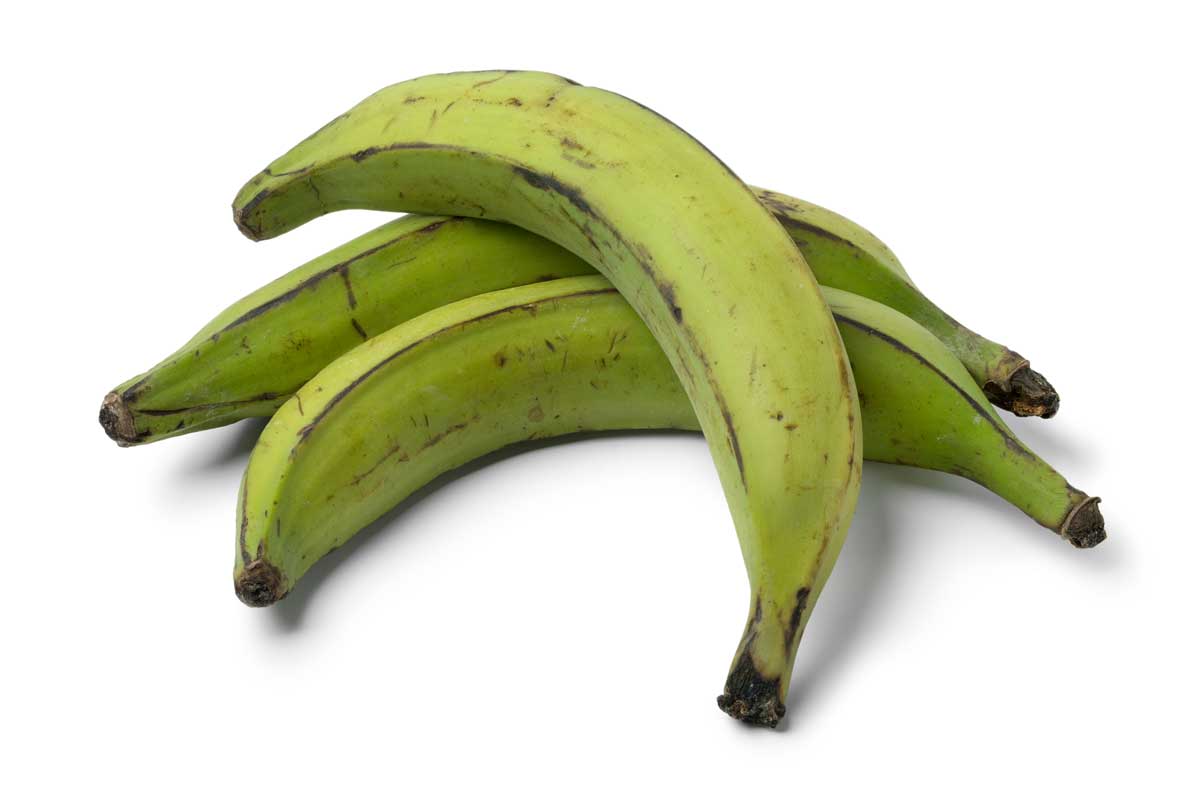
Plantains are the single most misunderstood item on this list, and it is entirely a question of timing. The same fruit passes through three usable stages.
- Green. Hard, starchy and barely sweet. This is a vegetable, not a fruit. It is what you want for tostones — fried, smashed flat, fried again.
- Yellow. The awkward middle. Sweet enough to caramelise, firm enough to hold together.
- Black. Almost entirely sugar. This is maduros territory — fried once, until the edges go dark.
A green plantain will never make good maduros and a black one collapses into mush if you try to smash it. Our guide to tostones versus maduros covers the difference in detail, and choosing the right plantain explains what to look for.

Cassava and Its Bread
Yuca

Also called cassava or manioc, yuca is a long brown root with dense white flesh and a woody core you cut out. It cannot be eaten raw — cassava contains cyanogenic compounds that cooking destroys — but boiled and then fried it makes the best chips in the Americas. Try it with garlic mojo, as yuca fries, or boiled and piled with chicharrón and cabbage salad in Nicaragua’s vigorón.
Mash boiled yuca into a dough and you have carimañolas, the stuffed fritters of Colombia and Panama.
Casabe

Casabe is what happens when you take that toxicity seriously. Bitter cassava is grated, pressed to squeeze out the liquid, and baked into a dry round flatbread. The Taíno were making it long before Columbus, and it keeps for months without refrigeration.
Andean Potatoes and Tubers
Peru grows several thousand potato varieties. What follows is not a complete list of anything — it is the handful you are most likely to meet outside the Andes.
Papa Criolla

Small, golden and Colombian. Papa criolla is so high in starch that it disintegrates as it cooks, which sounds like a flaw until you taste the ajiaco it thickens. Usually sold frozen outside Colombia.
Chuño

Chuño is a potato freeze-dried by the Andes themselves: left out through freezing nights and bright days for weeks, trodden to press out the water, then dried. It keeps for years. Rehydrated, it goes chewy and spongy rather than soft, and it carries the flavour of whatever it is cooked in.
Olluco

Small, waxy and improbably coloured — pink, yellow, magenta. Olluco never turns floury no matter how long it cooks, staying closer to a water chestnut than a potato. It is the defining ingredient of olluquito con charqui. More on the region’s produce in our guide to Peruvian vegetables.
More on olluco, why it never goes mushy, and how to cook it.
Maca

Maca grows higher than almost any other food crop, above 13,000 feet. The root is dried and powdered rather than cooked, with a malty, slightly bitter flavour, and it is usually stirred into drinks. You can buy maca powder easily enough.
Caribbean and Mexican Roots
Camote

The sweet potato, and native to this region rather than to Asia. In Mexico camote is as often dessert as side — steamed and sold from whistling street carts, eaten with condensed milk.
Jícama

The outlier: jícama is eaten raw. Papery brown skin, white flesh, crisp like an apple and only faintly sweet. Sliced into batons with lime, salt and chile powder it is one of Mexico’s great street snacks.
Malanga
Sometimes sold as taro or yautía, malanga has hairy brown skin and flesh that cooks to something creamier and nuttier than potato. It is a staple of Cuban and Puerto Rican cooking, and gentle enough that it is a traditional first food for babies.
More on malanga, how it differs from taro, and how to cook it.
Ñame
True yam — no relation to the American sweet potato that borrowed the name. Large, rough-skinned and drier than most roots here, ñame is a fixture in Colombian and Caribbean sancocho, where it thickens the broth as it breaks down. On Colombia’s Caribbean coast it is the base of mote de queso, a thick yam and cheese soup.
More on ñame, the true yam, and how it is cooked from Santo Domingo to Panama.
Buying and Storing
Roots should feel heavy for their size with no soft patches. Cut yuca often has a waxed coating, which is normal and comes off with the skin — but check the exposed end for grey or blue streaks, which mean it has started to spoil.
Store roots somewhere cool and dark, not in the fridge, where the starch turns sweet and the texture goes off. The exception is peeled or cut yuca, which should be used within a day or frozen. Plantains ripen on the counter and can be slowed down in the fridge once they reach the stage you want — the skin blackens but the flesh holds.
Where to Buy Latin Roots and Tubers
Latin and Caribbean grocers carry all of these fresh, usually cheaply. Frozen yuca and papa criolla are widely available and genuinely good — both freeze better than most vegetables. Online, the dried and powdered products travel best.
Frequently Asked Questions About Latin American Roots and Tubers
Is yuca the same as yucca?
No, and the spelling matters. Yuca is cassava, the edible root. Yucca is an ornamental desert plant that is not food. They are unrelated.
Can you eat yuca raw?
No. Raw cassava contains compounds that release cyanide. Peeling, cooking through and discarding the water removes them, which is why every traditional preparation boils it first.
What is the difference between a plantain and a banana?
Plantains are starchier, larger and thicker-skinned, and they are cooked at every stage of ripeness. A dessert banana is bred to be eaten raw; a plantain generally is not. See our plantain vs banana guide for the full comparison.
Which root should I try first?
Yuca fries. They are crisper than potato fries and hold that crispness longer, and frozen yuca makes them easy.
Are these interchangeable in a stew?
Only loosely. Papa criolla dissolves and thickens, ñame goes floury, olluco stays crisp and malanga turns creamy. A sancocho recipe usually names several on purpose, because each one does a different job in the pot.
Why is chuño worth the trouble?
Because it stores for years without refrigeration, which is what let Andean societies survive bad harvests. The texture is unfamiliar, but it soaks up broth in a way no fresh potato does.
Sources
- International Potato Center: Potato Facts and Figures
- FAO: Save and Grow — Cassava
- Britannica: Cassava
More Latin Favorites
See all →
Jorge Garcia is the founder of AmigoFoods, where he has spent over 20 years helping readers discover authentic Latin American and Spanish cuisine. Raised in a Cuban-American household, Jorge learned to cook at the hands of his mother and grandmother, carrying forward generations of family recipes. That heritage, backed by his family’s four-generation history in the Latin food industry, inspired him to launch AmigoFoods in 2003. With more than 1,000 published articles on recipes, ingredients, and food culture, Jorge’s mission is simple: make authentic Latin cooking approachable for home cooks everywhere while honoring the traditions behind every dish.