

Chancaca is unrefined cane sugar with a deep, molasses-like flavor. Simmer it with cinnamon and cloves to make a warm syrup for Latin American desserts, especially picarones and sopaipillas.
Chancaca Syrup at a Glance
What is Chancaca?

Chancaca is a traditional unrefined sugar product made by boiling and solidifying sugarcane juice.
Commonly found in several Latin American countries—particularly Peru, Bolivia, and Chile—it’s known for its rich, molasses-like flavor and deep brown color.
Chancaca has a richer flavor and darker color than white sugar; choose it for those culinary qualities rather than an assumed health advantage.
Also referred to as panela or piloncillo in other regions, chancaca is typically sold in solid blocks or cones.
It’s often melted down into syrup form for use in desserts like picarones (Peruvian sweet potato doughnuts) or sopaipillas (Chilean fried pastries).
While the names may vary by country, chancaca remains a beloved staple in traditional Latin American cooking, treasured for both its taste and cultural significance.
How to Make Chancaca Syrup at Home

This spiced syrup is used in Peruvian desserts and Chilean desserts. Drizzle it over fritters or use it to sweeten your favorite dishes.
Ingredients
- 8 oz (225 g) chancaca or panela, coarsely grated or broken into pieces
- 1 cup (240 ml) water
- 1 cinnamon stick
- 2–3 whole cloves
- Peel of 1 orange, colored part only (optional)
- 1 whole star anise (optional)
Instructions
- Coarsely grate or carefully break the chancaca into small pieces. Put it in a saucepan with the water, cinnamon, cloves and optional orange peel and star anise.
- Bring to a gentle boil, then lower the heat and simmer for about 15–20 minutes, stirring occasionally until the sugar dissolves and the syrup lightly coats a spoon. Reduction time varies with the pan and heat.
- Remove from the heat and strain out all the whole spices and orange peel through a fine-mesh sieve into a heatproof container. Let stand about 10 minutes before serving warm; hot sugar syrup can burn.
- The syrup thickens as it cools. If too thick, warm gently and stir in water a teaspoon at a time. If too thin, return it to the pan and simmer a little longer. Makes about 1 cup, depending on reduction.
Plan on about 35 minutes: 5 minutes preparation, up to 20 minutes simmering and 10 minutes cooling for warm serving. Cooling fully for storage takes longer. Use only the colored orange zest, avoiding bitter white pith.
Refrigerate the homemade syrup in a clean, covered container and use within 2 weeks. Do not store it at room temperature as a preserve. For purchased syrup, follow the label after opening.
Culinary Uses of the Latin American Sweetener

Chancaca is a versatile sweetener that goes far beyond traditional sugar.
Its deep, caramel-like flavor with hints of molasses and spice makes it a favorite in many Latin American kitchens, especially for desserts and festive dishes.
Traditional Uses:
-
Picarones (Peruvian doughnuts) – Drizzled generously with warm chancaca syrup.
-
Sopaipillas pasadas (Chile) – Fried pumpkin pastries soaked in sweet chancaca syrup.
-
Api morado (Bolivia) – A spiced purple corn drink often enhanced with chancaca for sweetness.
-
Arroz zambito (Peru) – Lima’s dark rice pudding, cooked in chancaca syrup with coconut, raisins and pecans.

Modern Applications:
-
Topping for pancakes or waffles – A rich alternative to maple syrup.
-
Sweet glaze for roasted vegetables or meats – Adds a subtle depth and shine.
-
Stirred into oatmeal or yogurt – A flavorful natural sweetener.
Baking & Sweets:
-
Used in cakes, cookies, and bread – As a substitute for brown sugar or molasses.
-
Candied fruits and nuts – Coated with reduced chancaca syrup for a glossy finish.
-
Homemade ice cream sauces – Pairs beautifully with vanilla or spiced ice cream.
Where to Buy Chancaca

Chancaca, the traditional unrefined cane sugar used in many Latin American dishes, is readily available both online and in specialty markets.
Whether you’re looking for the classic block form or a convenient syrup, there are plenty of reliable sources.
Online Retailers
-
Amazon
Offers a variety of chancaca products, including fig-flavored syrups and solid blocks. Great for finding Peruvian and Chilean brands that ship nationally or internationally. -
Peruvian Box
Specializes in Peruvian ingredients, including high-quality chancaca suitable for authentic desserts like picarones. -
Walmart (Online)
Carries packaged chancaca syrups often flavored with fig or spices, ideal for quick and easy use in traditional recipes. -
Latin American Specialty Stores
Websites focused on Latin grocery products frequently stock it or its regional equivalents like panela or piloncillo.
In-Store Options
-
Latin American Grocery Stores
Look for chancaca in the baking or international foods aisle. Stores catering to Peruvian, Chilean, or Bolivian communities are your best bet. -
Mexican Markets
While labeled as piloncillo, the flavor and use are nearly identical. It’s a great substitute for chancaca and widely available in cone or block form.
Whether shopping online or browsing local aisles, chancaca is easy to find and even easier to fall in love with—perfect for adding authentic Latin flavor to your favorite dishes.
How to Store the Latin American Sweetener

For Solid Chancaca (Blocks or Cones):
-
Airtight Container: Store in a tightly sealed container to prevent moisture and clumping.
-
Cool, Dry Place: Keep it in a pantry or cupboard away from direct sunlight and humidity.
-
Avoid the Fridge: Refrigeration can introduce moisture and cause the sugar to harden or degrade.
For Chancaca Syrup:
-
Refrigerate After Opening: Store in the refrigerator to maintain freshness and prevent fermentation.
-
Use Within a Few Weeks: Use this homemade syrup within 2 weeks in the refrigerator. Follow the label for commercially prepared syrup.
-
Stir or Shake Before Use: Syrup may settle or thicken over time, so give it a good mix before serving.
With proper storage, chancaca can last for months and maintain its deep, molasses-like flavor—ready to enhance your favorite Latin dishes anytime!
Nutritional Profile and Health Benefits
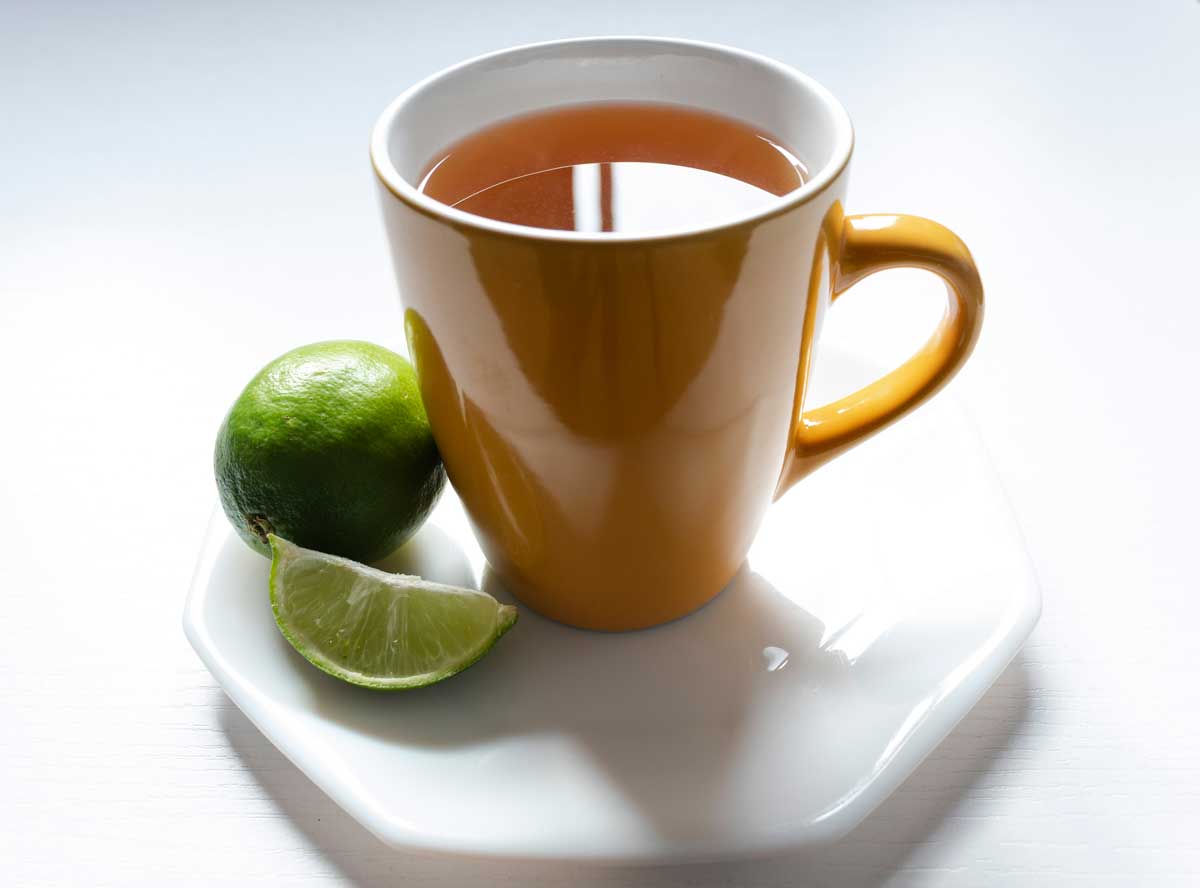
Chancaca is primarily sugar. Its molasses-like flavor and color distinguish it from white sugar, but being unrefined does not make it a treatment for colds, digestive problems or blood-sugar management.
Use it for flavor in modest amounts. The World Health Organization counts sugars added in cooking and sugars in syrups as free sugars; this includes chancaca used as a sweetener.
Why Chancaca Deserves a Spot in Your Latin Pantry
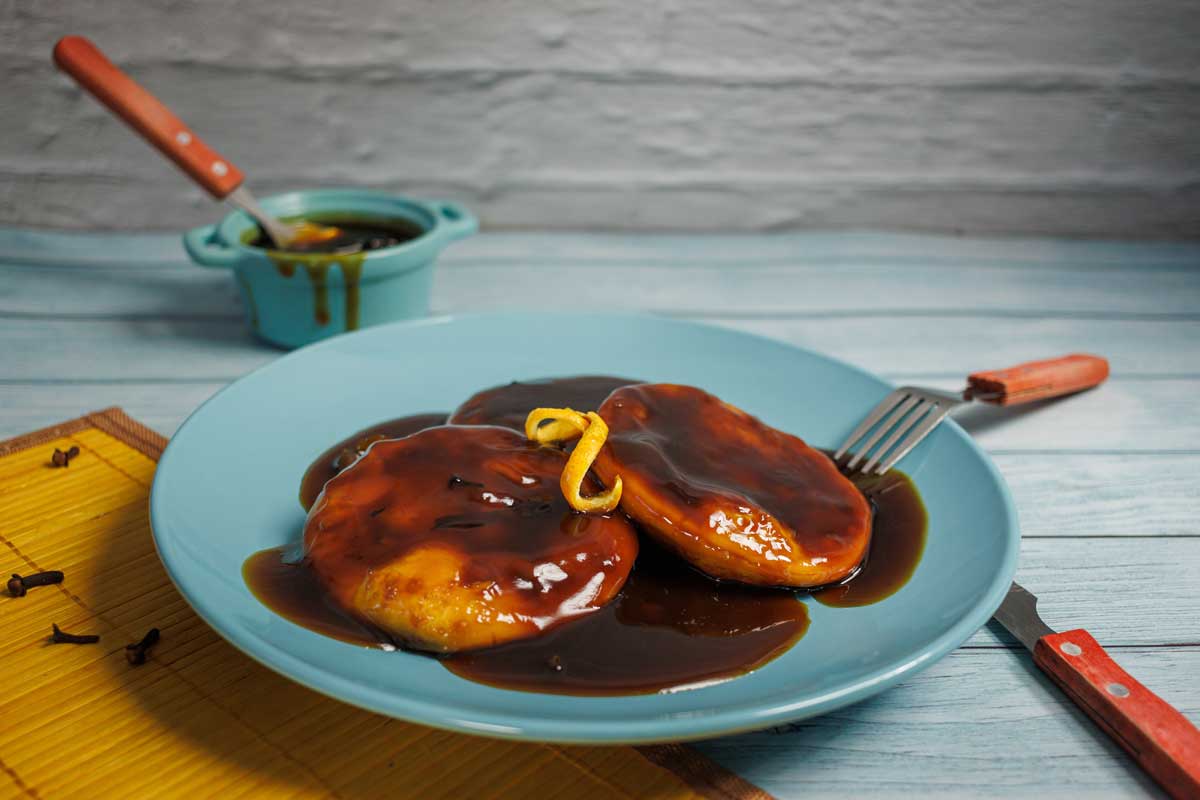
Chancaca is more than just an unrefined sweetener—it’s a flavorful link to Latin America’s rich culinary traditions.
From drizzling over picarones to enhancing savory glazes, its versatility and cultural heritage make it a must-have ingredient in any Latin-inspired kitchen.
Whether you’re exploring traditional Peruvian desserts or looking for a natural sugar alternative, chancaca offers a bold, molasses-rich taste that elevates every dish.
Add chancaca to your pantry and experience the authentic sweetness of Latin America—one delicious spoonful at a time!

Chancaca Syrup Recipe
This rich and aromatic chancaca syrup is made from unrefined cane sugar and infused with warm spices like cinnamon and cloves. It's the perfect topping for classic Latin desserts such as sopaipillas and torrejas. Easy to make and deeply flavorful!
Ingredients
- 8 oz (225 g) chancaca or panela, coarsely grated or broken into pieces
- 1 cup (240 ml) water
- 1 cinnamon stick
- 2–3 whole cloves
- Peel of 1 orange, colored part only (optional)
- 1 whole star anise (optional)
Instructions
- Coarsely grate or carefully break the chancaca into small pieces. Put it in a saucepan with the water, cinnamon, cloves and optional orange peel and star anise.
- Bring to a gentle boil, then lower the heat and simmer for about 15–20 minutes, stirring occasionally until the sugar dissolves and the syrup lightly coats a spoon. Reduction time varies with the pan and heat.
- Remove from the heat and strain out all the whole spices and orange peel through a fine-mesh sieve into a heatproof container. Let stand about 10 minutes before serving warm; hot sugar syrup can burn.
- The syrup thickens as it cools. If too thick, warm gently and stir in water a teaspoon at a time. If too thin, return it to the pan and simmer a little longer. Makes about 1 cup, depending on reduction.
Notes
Plan on about 35 minutes: 5 minutes preparation, up to 20 minutes simmering and 10 minutes cooling for warm serving. Cooling fully for storage takes longer. Use only the colored orange zest, avoiding bitter white pith.
Refrigerate the homemade syrup in a clean, covered container and use within 2 weeks. Do not store it at room temperature as a preserve. For purchased syrup, follow the label after opening.
More Latin Favorites
See all →
Jorge Garcia is the founder of AmigoFoods, where he has spent over 20 years helping readers discover authentic Latin American and Spanish cuisine. Raised in a Cuban-American household, Jorge learned to cook at the hands of his mother and grandmother, carrying forward generations of family recipes. That heritage, backed by his family’s four-generation history in the Latin food industry, inspired him to launch AmigoFoods in 2003. With more than 1,000 published articles on recipes, ingredients, and food culture, Jorge’s mission is simple: make authentic Latin cooking approachable for home cooks everywhere while honoring the traditions behind every dish.