

Dulce de calabaza is pumpkin gently simmered in piloncillo syrup with cinnamon and cloves. This Mexican-style version keeps the wedges intact and serves them with their spiced syrup, with milk, crema or fresh cheese if you like.
Dulce de Calabaza at a Glance
What Is Dulce de Calabaza?
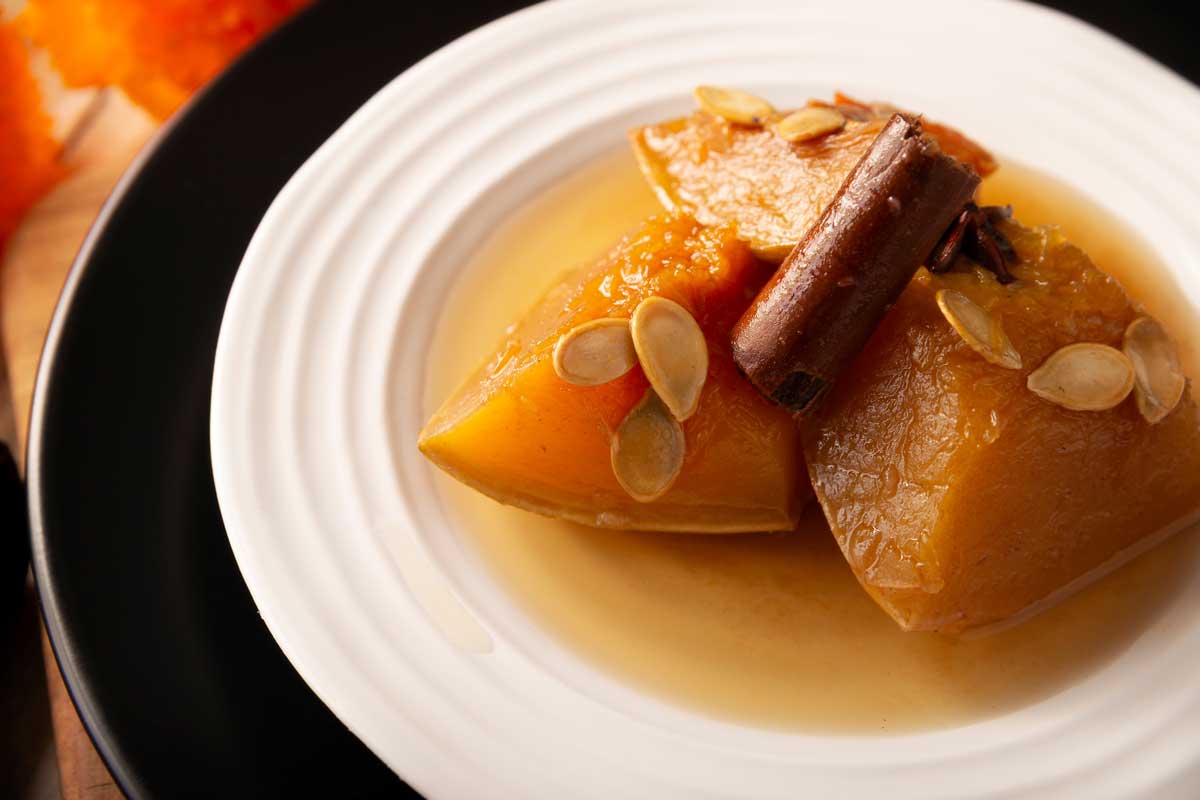
Dulce de calabaza is a traditional Latin American dessert made by slowly simmering large pieces of pumpkin (calabaza) in a rich syrup of piloncillo (unrefined cane sugar), cinnamon, cloves, and sometimes orange peel.
The result is tender, deeply caramelized pumpkin infused with warm spices and coated in a thick, dark amber syrup.
In Mexico, this dessert is often called calabaza en tacha, referring to the copper pot (“tacha”) historically used to cook sugar syrup.
It’s especially popular during fall and is strongly associated with Día de los Muertos celebrations, where it’s commonly placed on ofrendas (altars) as a beloved traditional sweet.
What makes dulce de calabaza unique is its simplicity and texture.
The pumpkin is typically cut into large wedges and cooked with the rind intact, allowing it to hold its shape while becoming soft and syrup-soaked.
Unlike pumpkin pie or puréed desserts, this popular latin dish celebrates the natural structure and earthy flavor of the squash.
The flavor profile is:
- Deeply sweet from piloncillo
- Warm and aromatic from cinnamon and cloves
- Slightly citrusy if orange peel is added
- Rich, comforting, and nostalgic
Across Latin America, you’ll find variations using panela instead of piloncillo, or different squash varieties like ayote or Caribbean calabaza.
But the essence remains the same: pumpkin transformed into a slow-cooked, spiced syrup dessert that connects generations through tradition.
Traditional Ingredients for Authentic Dulce de Calabaza
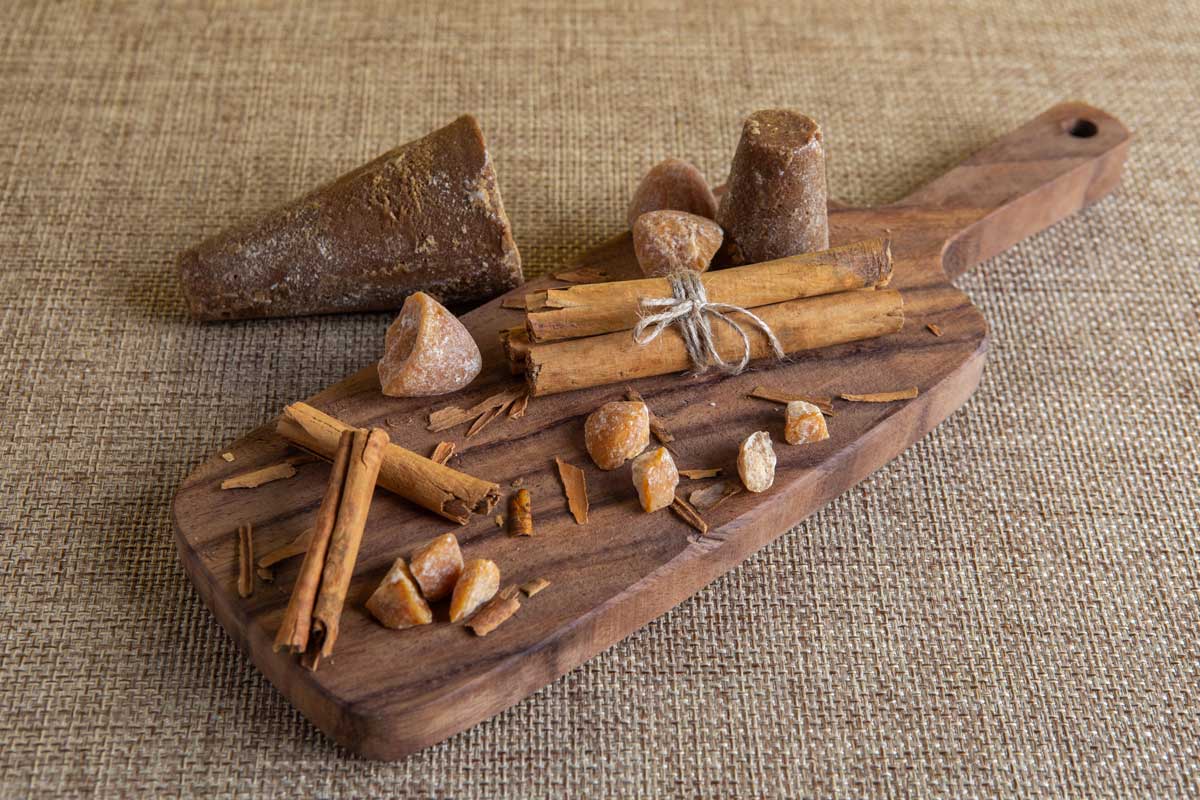
Authentic dulce de calabaza relies on just a handful of simple, traditional ingredients — but each one plays an important role.
This is a latin dessert where quality matters.
No shortcuts. No artificial flavoring. Just real, time-tested pantry staples that have been used for generations.
Here’s what you’ll need for the classic, Mexican-style preparation:
Calabaza (Calabaza de Castilla)
- The traditional pumpkin used in Mexico
- Large, firm-fleshed squash with deep orange color
- Cooked in thick wedges with the rind left on
- Holds its shape while becoming tender in syrup
- Naturally earthy and slightly nutty in flavor
If calabaza de Castilla isn’t available, kabocha squash is the closest substitute.
Piloncillo (Unrefined Cane Sugar)
- The heart of the syrup
- Sold in cone-shaped blocks
- Dark, rich, and deeply molasses-like in flavor
- More complex than brown sugar
- Creates the signature dark amber syrup
Piloncillo is what gives dulce de calabaza its authentic depth.
While brown sugar can work in a pinch, traditional recipes use piloncillo.

Cinnamon Sticks (Canela)
- Use Mexican cinnamon if possible
- Softer, more delicate flavor than standard cinnamon
- Infuses warmth and subtle spice into the syrup
- Essential for the classic aroma
This isn’t optional — cinnamon defines the dish.
Whole Cloves
- Add gentle spice and fragrance
- Used sparingly (a little goes a long way)
- Contribute to the layered, warming flavor
Some regions also add star anise for a slightly more aromatic profile.
Orange Peel (Optional but Traditional)
- Adds brightness and balance
- Cuts through the richness of the syrup
- Often used in central Mexican recipes
Fresh peel is preferred over dried.
Water
- Used to dissolve piloncillo and create the syrup base
- Helps slowly cook the pumpkin without burning
- Reduces over time to thicken naturally
No cornstarch. No thickeners. Just slow simmering.
Why These Ingredients Matter
Authentic dulce de calabaza is all about balance:
- Sweet but not cloying
- Spiced but not overpowering
- Tender yet structured
Every ingredient works together to create a syrup that penetrates the pumpkin without turning it into mush.
That’s why traditional cooks insist on keeping it simple and cooking it low and slow.
When made with these classic ingredients, dulce de calabaza tastes exactly like it should — warm, nostalgic, and deeply comforting.
How to Make Dulce de Calabaza

Ingredients
- 3 lbs calabaza de Castilla (or kabocha), cut into large wedges, rind on
- 8 oz (227 g) piloncillo, broken into pieces; weigh it because cone sizes vary
- 3 cups water
- 2 cinnamon sticks
- 4 whole cloves
- 1 strip orange peel (optional)
- Optional toppings
- Evaporated milk
- Mexican crema
- Queso fresco
Method
- Wash the pumpkin, remove the seeds and stringy center, and cut into large wedges about 3 inches across. Leave the rind on to help the pieces hold together.
- Combine the water, piloncillo, cinnamon, cloves and optional orange peel in a wide heavy pot. Heat, stirring occasionally, until the piloncillo dissolves, about 10 minutes.
- Arrange the pumpkin in the syrup, skin-side down where possible. Bring to a gentle simmer and partially cover. Cook for 45–90 minutes, depending on the squash and wedge thickness, spooning syrup over the pieces occasionally. Start checking at 30 minutes with softer squash; stop when the flesh is easily pierced and the pieces still hold their shape. Add a little hot water if the syrup reduces too quickly.
- If the pumpkin is tender before the syrup thickens, lift it onto a plate with a slotted spoon. Simmer the syrup uncovered until it lightly coats a spoon, then return the pumpkin. It will thicken further as it cools. Remove the whole spices and orange peel.
- Rest in the syrup for about 20 minutes and serve warm, with optional evaporated milk, Mexican crema or queso fresco. Spoon the flesh away from any rind that remains tough. For chilled servings, refrigerate promptly and allow additional chilling time.
Makes 6 servings. The 1 hour 55 minute estimate includes 20 minutes prep, about 75 minutes cooking and 20 minutes resting; squash variety and syrup reduction change the cooking time. Kabocha or large butternut pieces can replace calabaza de Castilla but may soften sooner. Use 8 oz piloncillo by weight; cones are not a standard size. Refrigerate pumpkin and syrup in shallow covered containers within 2 hours and use within 3–4 days, or freeze for 2–3 months. Thaw in the refrigerator; texture may soften. Add dairy toppings only when serving.
Kabocha squash is a useful substitute. Try serving with Mexican crema or queso fresco.
Regional Variations Across Latin America
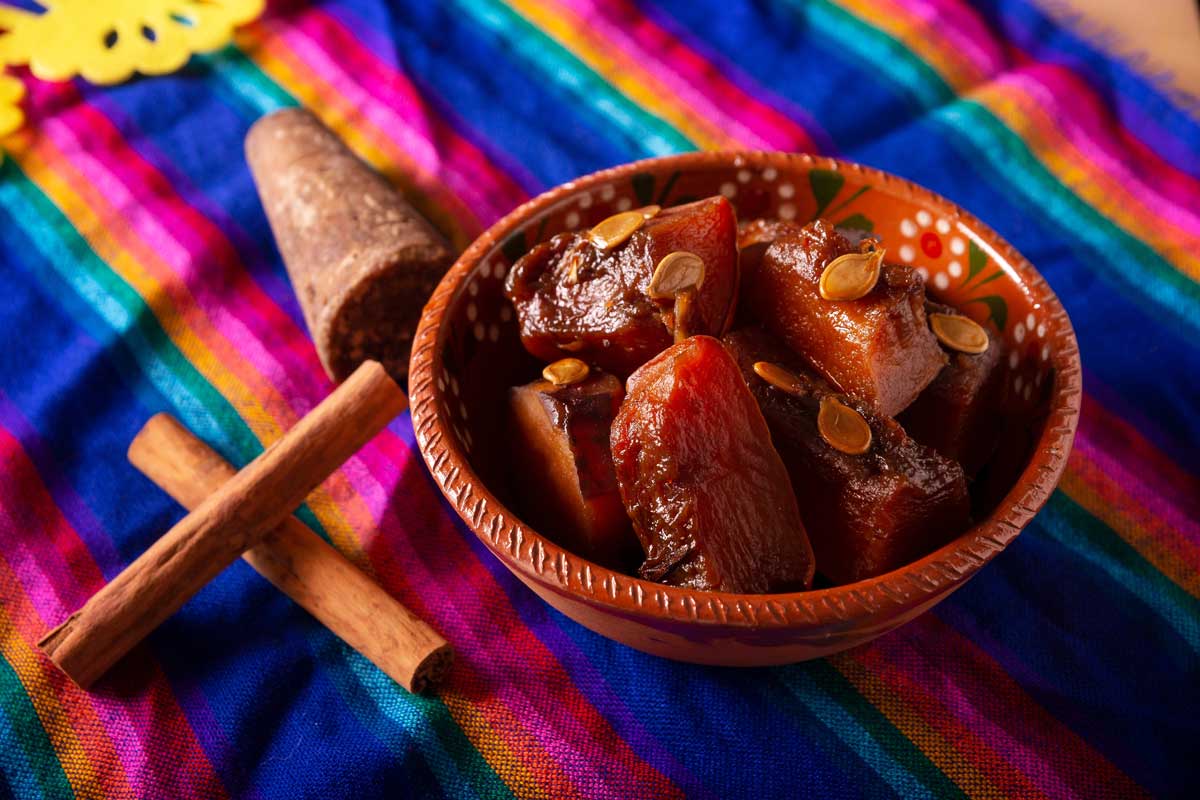
While Mexico is most famous for dulce de calabaza — especially calabaza en tacha — versions of this sweet pumpkin dessert exist throughout Latin America.
The base concept remains the same: squash slowly simmered in a spiced sugar syrup.
But each country adds its own cultural fingerprint.
Here’s how it varies region by region:
🇲🇽 Mexico – Calabaza en Tacha
- Made with calabaza de Castilla
- Sweetened with piloncillo
- Flavored with cinnamon sticks and cloves
- Sometimes includes orange peel
- Strongly associated with Día de los Muertos
- Typically cooked in large wedges with rind intact
Mexican versions tend to have a deep, molasses-like syrup and bold cinnamon aroma.
🇬🇹 Guatemala – Dulce de Ayote
- Made with ayote squash
- Sweetened with panela (similar to piloncillo)
- Often includes allspice and occasionally black pepper
- Sometimes thicker, stickier syrup
- Common during religious holidays
Guatemalan dulce de ayote can lean slightly more spiced and aromatic compared to the Mexican style.
🇵🇷 Puerto Rico – Calabaza en Almíbar
- Uses Caribbean calabaza squash
- Sweetened with brown sugar or panela
- Cinnamon and cloves are common
- Texture is sometimes softer
- Often served chilled
Puerto Rican versions may be lighter in color and slightly less dark than Mexican piloncillo syrup.
🇨🇺 Cuba – Calabaza en Dulce
- Made with local squash varieties
- Sweetened with raw sugar or panela
- Cinnamon-forward flavor profile
- Sometimes paired with white cheese
Cuban preparations tend to be simpler in spice but rich in sweetness.
🇸🇻 🇭🇳 El Salvador & Honduras
- Use ayote or local squash
- Panela-based syrup
- Often thicker and reduced longer
- Occasionally served with crema or fresh cheese
The syrup may be cooked down more intensely, resulting in a darker finish.
Best Types of Pumpkin to Use

Choosing the right pumpkin is one of the most important steps in making authentic dulce de calabaza.
Not all pumpkins are created equal — and using the wrong one can leave you with watery, stringy, or mushy results.
For the best texture and flavor, look for firm, dense-fleshed squash varieties that hold their shape during long simmering.
🎃 Calabaza de Castilla (Traditional Choice)
- The most authentic option in Mexican recipes
- Deep orange flesh with a firm texture
- Naturally sweet and slightly nutty
- Thick rind helps the wedges hold together
- Absorbs piloncillo syrup beautifully
If you want true calabaza en tacha flavor and texture, this is the gold standard.
🟠 Kabocha Squash (Best Substitute)
- Very similar density and sweetness
- Smooth, velvety texture
- Less watery than standard pumpkins
- Holds shape well during long cooking
Kabocha is widely available in the U.S. and makes an excellent substitute when calabaza de Castilla isn’t available.
🥔 Butternut Squash (Acceptable Alternative)
- Slightly softer texture
- Naturally sweet flavor
- Easier to cut and prep
- May cook faster than traditional calabaza
While not traditional, butternut squash works if cooked carefully and cut into larger pieces.
Serving Ideas and Pairings

Dulce de calabaza is incredibly versatile.
While it’s traditionally served on its own in syrup, there are many delicious ways to elevate it, garnish it, or pair it depending on the occasion.
Whether you’re serving it for a holiday gathering or a cozy weekend dessert, these ideas bring out its full potential.
🥄 Serve It Warm (Traditional & Comforting)
- Spoon pumpkin wedges into a bowl
- Drizzle extra piloncillo syrup over the top
- Serve fresh off the stove
Warm dulce de calabaza highlights the cinnamon aroma and feels especially comforting in fall and winter.
❄️ Serve It Chilled
- Refrigerate for several hours
- Let the syrup thicken naturally
- Serve cold for a firmer texture
Chilled versions are common in Caribbean regions and offer a refreshing contrast to the deep sweetness.
🥛 Add Evaporated Milk or Crema
- Pour a splash of evaporated milk over the pumpkin
- Add a drizzle of Mexican crema
- Balance the sweetness with dairy richness
This is one of the most popular serving styles in Mexico.
The creaminess softens the syrup’s intensity beautifully.
🧀 Pair with Queso
- Serve alongside fresh, crumbly queso fresco
- Let the salty contrast balance the sweetness
- Popular in parts of Mexico and Central America
The sweet-and-salty combination makes each bite more complex.
☕ Enjoy with Coffee
- Pair with café de olla
- Serve with strong black coffee
- Perfect as an afternoon merienda
The cinnamon and piloncillo flavors complement spiced coffee perfectly.
🍞 With Pan Dulce or Sweet Bread
This turns dulce de calabaza into a comforting, shareable treat.
🍨 Use It as a Dessert Topping
- Spoon over vanilla ice cream
- Add to pancakes or waffles
- Use as a topping for cheesecake
The syrup acts almost like a spiced caramel sauce.
Storage, Shelf Life, and Reheating Tips
One of the best things about dulce de calabaza?
It stores beautifully.
In fact, many people say it tastes even better the next day, once the pumpkin has fully absorbed the piloncillo syrup.
Here’s how to store it properly and keep that texture just right.
🧊 How to Store Dulce de Calabaza
- Divide into shallow containers and refrigerate within 2 hours
- Transfer pumpkin pieces and syrup to an airtight container
- Store in the refrigerator
- Keep the pumpkin submerged in syrup to prevent drying out
Properly stored, dulce de calabaza stays moist and flavorful.
⏳ Shelf Life in the Refrigerator
- Use within 3–4 days when refrigerated
- Syrup may thicken over time — this is normal
- Flavor deepens as it sits
If it smells sour or the syrup becomes cloudy in an unusual way, discard it.
❄️ Can You Freeze Dulce de Calabaza?
Yes, but with care:
- Freeze in a freezer-safe airtight container
- Leave a little room for expansion
- Best consumed within 2–3 months
Keep in mind:
- Texture may soften slightly after thawing
- Syrup consistency may change
It’s best fresh, but freezing works if needed.
🔥 How to Reheat Without Ruining the Texture
The key is gentle heat.
Stovetop Method (Best Option):
- Place pumpkin and syrup in a saucepan
- Warm over low heat
- Spoon syrup over the wedges while reheating
- Avoid stirring aggressively
Microwave Method:
- Heat in short 20–30 second intervals
- Cover loosely to avoid splatter
- Stop once warmed through
High heat can cause the pumpkin to break apart, so patience matters here too.
💡 Extra Storage Tips
- If syrup becomes too thick, add a splash of water when reheating
- If syrup is too thin, simmer uncovered for a few minutes
- Always use a clean spoon when serving to extend freshness
Dulce de calabaza is one of those desserts that rewards you for planning ahead.
Make it ahead, refrigerate promptly and enjoy within 3–4 days.
Nutrition Facts and Health Considerations

Dulce de calabaza starts with a nutritious base: real pumpkin.
While the piloncillo syrup adds sugar, the dish still provides natural benefits thanks to the calabaza itself.
🎃 Pumpkin Benefits
Pumpkin is naturally:
- High in vitamin A (eye and immune support)
- A good source of fiber
- Contains vitamin C and potassium
- Low in fat
- Low in calories before sweetening
Because the recipe uses large, intact wedges, you’re getting real pumpkin — not just flavor.
🍯 Sugar Content
The sweetness comes from piloncillo, an unrefined cane sugar with a deeper flavor than white sugar.
While it contains trace minerals, it’s still high in sugar, so moderation is important.
🥄 Portion & Balance
A typical serving provides fiber but can be moderate to high in sugar depending on syrup concentration.
It’s best enjoyed as an occasional dessert, especially during holidays and family gatherings.
You can lighten it by:
- Using less piloncillo
- Thinning the syrup slightly
- Serving smaller portions
Dulce de calabaza is about tradition and celebration. Enjoy it mindfully — savor the flavor, honor the roots, and keep it balanced.
Why Dulce de Calabaza Remains a Timeless Latin Classic

Dulce de calabaza is more than just pumpkin in syrup — it’s heritage, celebration, and comfort all wrapped into one simple dish.
From Día de los Muertos altars to Sunday family dinners, this sweet calabaza dessert continues to connect generations.
In 2026, as more home cooks seek authentic Latin recipes and traditional desserts, dulce de calabaza stands out as both nostalgic and timeless.
Try making it yourself.
Share it. Pass it down. Because some recipes aren’t meant to change — they’re meant to be remembered.
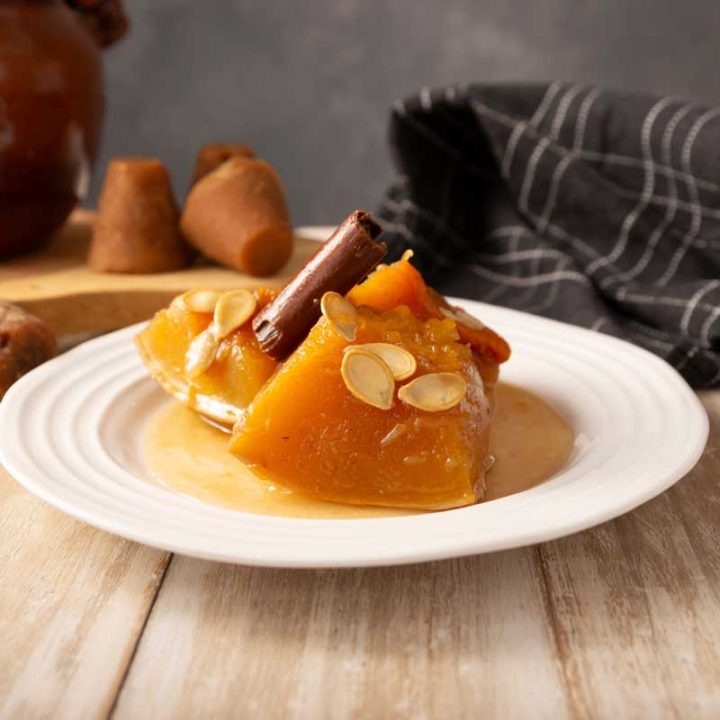
Dulce de Calabaza Recipe
Authentic dulce de calabaza made with pumpkin wedges simmered in rich piloncillo syrup with cinnamon and cloves — a classic Mexican dessert perfect for holidays and fall gatherings.
Ingredients
- 3 lbs calabaza de Castilla (or kabocha), cut into large wedges, rind on
- 8 oz (227 g) piloncillo, broken into pieces; weigh it because cone sizes vary
- 3 cups water
- 2 cinnamon sticks
- 4 whole cloves
- 1 strip orange peel (optional)
Optional toppings
- Evaporated milk
- Mexican crema
- Queso fresco
Instructions
- Wash the pumpkin, remove the seeds and stringy center, and cut into large wedges about 3 inches across. Leave the rind on to help the pieces hold together.
- Combine the water, piloncillo, cinnamon, cloves and optional orange peel in a wide heavy pot. Heat, stirring occasionally, until the piloncillo dissolves, about 10 minutes.
- Arrange the pumpkin in the syrup, skin-side down where possible. Bring to a gentle simmer and partially cover. Cook for 45–90 minutes, depending on the squash and wedge thickness, spooning syrup over the pieces occasionally. Start checking at 30 minutes with softer squash; stop when the flesh is easily pierced and the pieces still hold their shape. Add a little hot water if the syrup reduces too quickly.
- If the pumpkin is tender before the syrup thickens, lift it onto a plate with a slotted spoon. Simmer the syrup uncovered until it lightly coats a spoon, then return the pumpkin. It will thicken further as it cools. Remove the whole spices and orange peel.
- Rest in the syrup for about 20 minutes and serve warm, with optional evaporated milk, Mexican crema or queso fresco. Spoon the flesh away from any rind that remains tough. For chilled servings, refrigerate promptly and allow additional chilling time.
Notes
Makes 6 servings. The 1 hour 55 minute estimate includes 20 minutes prep, about 75 minutes cooking and 20 minutes resting; squash variety and syrup reduction change the cooking time. Kabocha or large butternut pieces can replace calabaza de Castilla but may soften sooner. Use 8 oz piloncillo by weight; cones are not a standard size. Refrigerate pumpkin and syrup in shallow covered containers within 2 hours and use within 3–4 days, or freeze for 2–3 months. Thaw in the refrigerator; texture may soften. Add dairy toppings only when serving.
Nutrition Information:
Amount Per Serving: Calories: 240Total Fat: 0gCarbohydrates: 60gFiber: 3gSugar: 45gProtein: 2g
More Latin Favorites
See all →
Jorge Garcia is the founder of AmigoFoods, where he has spent over 20 years helping readers discover authentic Latin American and Spanish cuisine. Raised in a Cuban-American household, Jorge learned to cook at the hands of his mother and grandmother, carrying forward generations of family recipes. That heritage, backed by his family’s four-generation history in the Latin food industry, inspired him to launch AmigoFoods in 2003. With more than 1,000 published articles on recipes, ingredients, and food culture, Jorge’s mission is simple: make authentic Latin cooking approachable for home cooks everywhere while honoring the traditions behind every dish.