

Arroz con coco is a sweet-savory Colombian coconut rice with golden titoté, the browned solids left after reducing coconut milk. Raisins and a little salt balance the sweetness in this coastal side dish, especially good with fried fish and patacones.
Arroz con Coco at a Glance
Explore this dish alongside other Latin American foods.
What is Arroz con Coco?

Arroz con coco is a traditional coconut rice dish that shines as one of the culinary gems of Colombia’s Caribbean coast.
At its core, it’s rice cooked with freshly extracted coconut milk or cream, often sweetened with sugar and enriched with touches of salt and raisins.
The result is a creamy, slightly sweet, and aromatic rice that perfectly balances tropical flavors.
In Colombia, arroz con coco is most commonly served as a side dish to fried fish, patacones (crispy green plantains), and refreshing drinks like limonada de coco.
While Colombians prepare it with a sweeter twist, variations across the Caribbean lean more savory, sometimes pairing coconut rice with seafood or beans.
The History & Origins of Arroz con Coco

The origins of arroz con coco trace back to Colombia’s Caribbean coast, shaped by African, Indigenous, and Spanish influences.
Enslaved Africans introduced the practice of cooking rice with coconut milk, blending with local ingredients to create the dish we know today.
A defining feature is titoté—caramelized coconut milk that gives the rice its sweet, nutty flavor and golden color.
It became a staple in Afro-Colombian communities, especially in Cartagena, Santa Marta, and Barranquilla, where it’s still central to festivals and family meals.
While Colombia favors a sweet version with raisins and sugar, countries like Panama, Venezuela, and the Dominican Republic prepare savory variations, often paired with seafood or beans—proof of the dish’s versatility and cultural depth.
Traditional Colombian Arroz con Coco Recipe
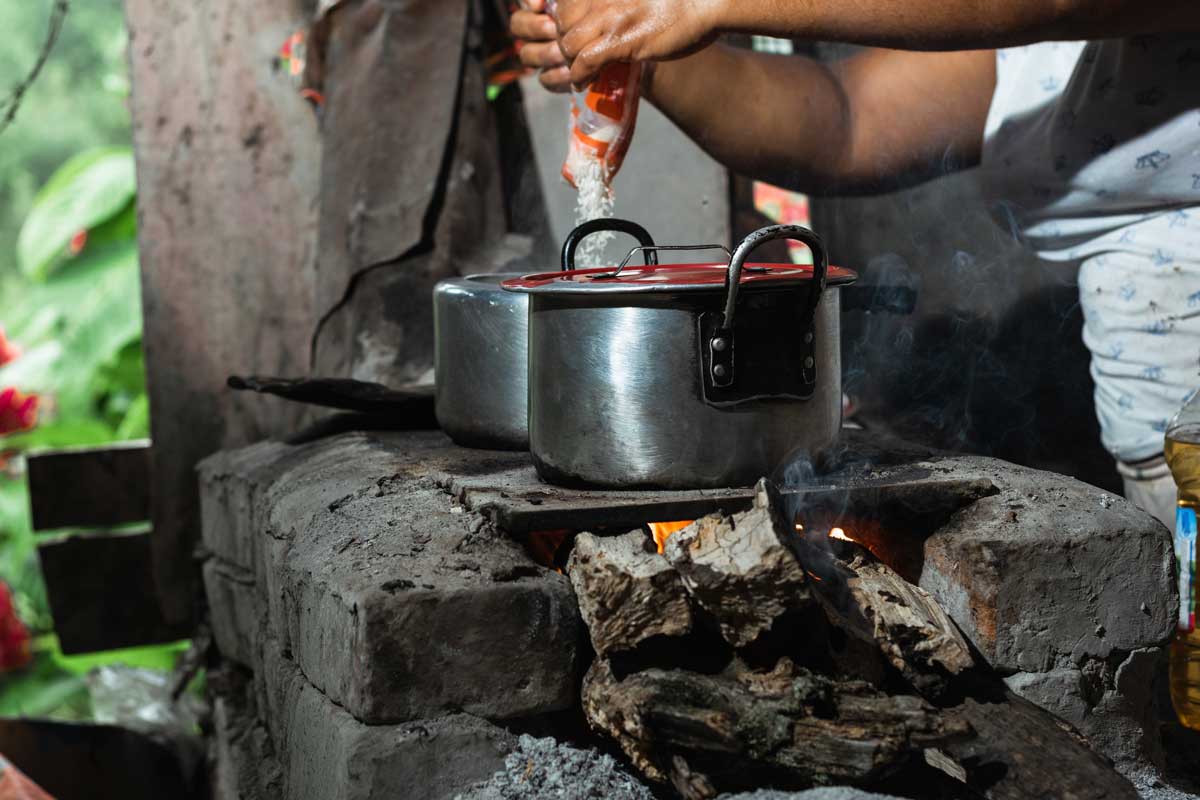
Ingredients
- 2 cups long-grain white rice, rinsed and well drained
- 2 cups unsweetened full-fat coconut milk (fresh, or canned without gums or emulsifiers)
- 4 cups water
- 2 tablespoons coconut oil or butter, optional
- 1/2 cup sugar, or less to taste
- 1/2 cup raisins
- 1 teaspoon salt
Instructions
- Simmer the coconut milk in a heavy pot over medium heat, stirring and scraping the bottom frequently. Allow about 30 minutes for the water to evaporate and the solids to separate and turn golden brown in their oil. Reduce the heat as needed to prevent scorching.
- Add the drained rice and the optional coconut oil or butter. Stir for about 1 minute to coat the grains with the browned coconut solids, or titoté.
- Carefully add the water, sugar, salt and raisins. Bring to a boil, stir once, then cover and reduce the heat to low.
- Cook for about 20 minutes, until the rice is tender and the liquid is absorbed. If it is still firm and dry, add a little hot water and continue cooking, covered.
- Remove from the heat and leave covered for 5 minutes. Fluff gently and serve warm with fried fish, patacones or other savory dishes.
The estimated 1 hour 5 minutes includes making titoté and resting the rice. Coconut milk varies, so browning may take longer. Use full-fat unsweetened coconut milk without gums or emulsifiers; light coconut milk and sweetened cream of coconut are not substitutes for this technique. The coconut milk’s water evaporates before the rice is added, so the recipe needs 4 cups of fresh water for 2 cups of rice. Adjust sugar to taste. Use coconut oil rather than butter to keep the dish dairy-free.
Cook the same grated coconut down with sugar instead of rice and you get Colombian cocadas, the coast’s favorite coconut candy.
Variations Across Latin America & the Caribbean
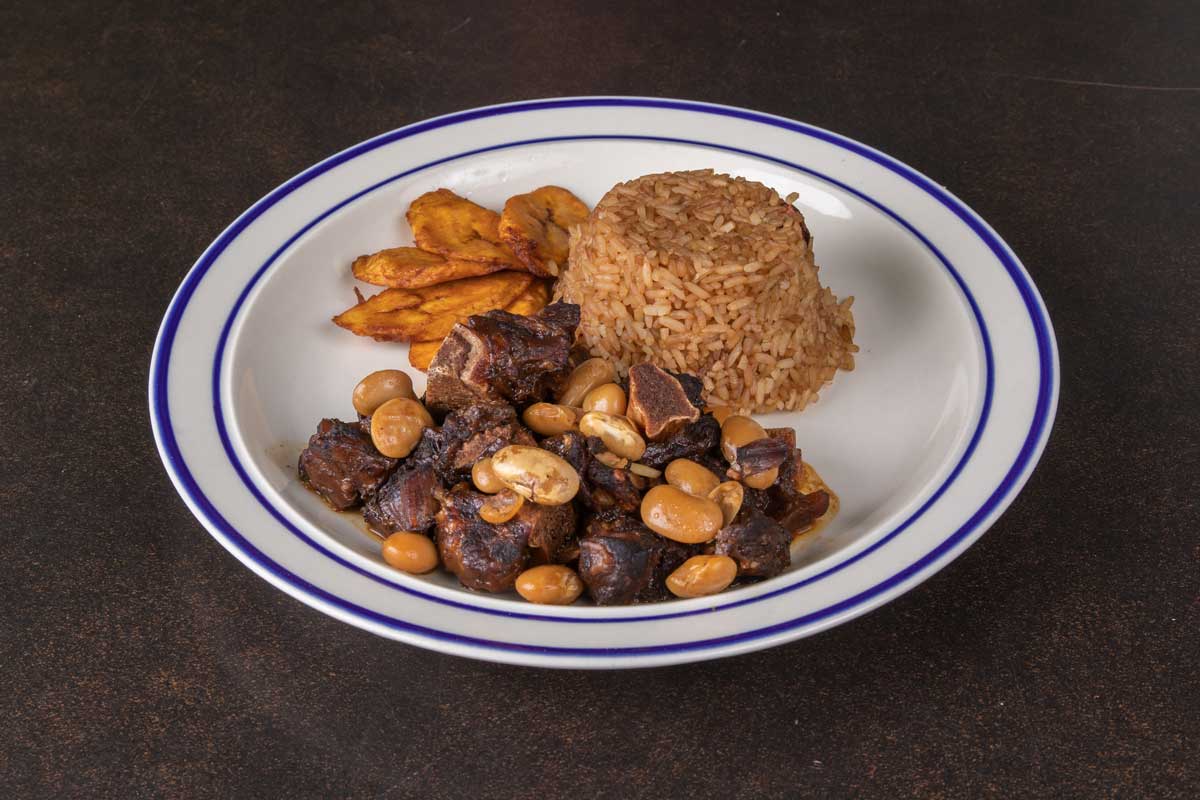
While arroz con coco is most famous along Colombia’s Caribbean coast, this beloved dish has traveled far and wide, taking on unique flavors across Latin America and the Caribbean.
Each country puts its own spin on coconut rice, reflecting local ingredients and culinary traditions.
Colombia
-
Sweet and aromatic, Colombian arroz con coco is usually made with titoté (caramelized coconut milk), sugar, salt, and raisins.
-
Typically served as a side dish to fried fish and patacones, especially in Cartagena, Santa Marta, and Barranquilla.
Panama
-
In Panama, coconut rice often leans more savory, sometimes cooked with herbs, onions, and peppers.
-
Frequently paired with seafood dishes like fried fish, shrimp, or stews.
Venezuela
-
Venezuelan versions may resemble Colombian styles but often include spices like cloves or cinnamon.
-
Coconut rice can appear as both a side dish and a festive dish during holidays.
Dominican Republic
-
Known locally as arroz con coco dominicano, this variation often skips the sugar, making it more savory and creamy.
-
Frequently paired with beans, seafood, or chicken, turning it into a complete meal rather than just a side.
Caribbean Islands
-
Across the wider Caribbean, coconut rice takes countless forms.
-
In Jamaica, it often appears as rice and peas cooked with coconut milk and spices.
-
In Trinidad and Tobago, coconut rice is a celebratory dish flavored with fresh herbs.
✨ What ties all these variations together is the central role of coconut milk, which transforms simple rice into a rich, flavorful dish that reflects both African heritage and tropical abundance.
From sweet Colombian styles to savory Dominican or Panamanian versions, arroz con coco proves how versatile and culturally significant this dish really is.
Best Pairings with Arroz con Coco

One of the reasons arroz con coco is so beloved is its incredible versatility.
The sweet, nutty flavor of coconut rice pairs beautifully with savory, crispy, and even tangy foods, making it a must-have side dish across Colombia’s Caribbean coast and beyond.
Here are some of the best pairings to enjoy it like a local:
Fried Fish (Pescado Frito)
-
The most traditional pairing in Cartagena and Barranquilla.
-
Whole fish, often red snapper or mojarra, is seasoned, deep-fried, and served alongside coconut rice.
-
The salty crunch of the fish perfectly balances the sweet creaminess of the rice.
Patacones (Fried Green Plantains)
-
Crispy, golden rounds of fried plantain are a classic sidekick to arroz con coco.
-
Their starchy texture and mild flavor complement the richness of coconut rice.
Caribbean-Style Stews
-
Dishes like fish stew (sancocho de pescado) or crab soup gain an extra layer of flavor when served with coconut rice.
-
The rice soaks up the broth, enhancing every bite with coconut sweetness.
Arepa de Huevo
-
A beloved Colombian street food—cornmeal arepas stuffed with egg.
-
Served with arroz con coco, they create a hearty, indulgent coastal meal.
Refreshing Tropical Drinks
-
Pair with limonada de coco (frozen coconut lemonade) for a double coconut treat.
-
Fresh juices like passionfruit, tamarind, or mango also highlight the dish’s tropical roots.
✨ Whether enjoyed with crispy fried fish by the beach or as part of a festive holiday spread, arroz con coco elevates any meal with its balance of sweetness and savory depth.
It’s a side dish that truly steals the show!
Tips for Perfect Coconut Rice at Home

Making arroz con coco may seem simple, but mastering the texture and flavor takes a few insider tricks.
Follow these tips to ensure your coconut rice turns out fluffy, aromatic, and authentically Colombian every time:
Choose the Right Coconut Milk
-
Fresh coconut milk (extracted from grated coconut) delivers the richest flavor.
-
For titoté, choose unsweetened full-fat coconut milk without gums or emulsifiers so the fat and solids can separate.
Rinse the Rice First
-
Wash the rice 2–3 times until the water runs clear.
-
This removes excess starch, helping the grains stay fluffy instead of sticky.
Balance Sweetness and Salt
-
Colombian versions traditionally include both sugar and salt.
-
Adjust the sugar level based on preference—sweeter for serving with fish, less sweet if pairing with savory stews.
Perfecting the Titoté
-
Cook the coconut milk slowly until it caramelizes into titoté.
-
This step is essential for the golden color and nutty undertones that make authentic arroz con coco stand out.
Add Raisins at the Right Time
-
Add raisins with the water so they plump as the rice cooks.
-
Their subtle sweetness enhances the coconut flavor without overpowering it.
Enhance with Spices (Optional)
-
For extra aroma, add a clove or cinnamon stick while the rice simmers.
-
Remove before serving to avoid overpowering the coconut notes.
Let It Rest Before Serving
-
Once cooked, keep the lid on and let the rice rest for 5 minutes.
-
This final step allows steam to redistribute, giving you light, fluffy grains.
✨ With these tips, you’ll be able to recreate the taste of Colombia’s Caribbean coast right in your own kitchen. Each pot of coconut rice will come out perfectly balanced—creamy, fragrant, and irresistibly good.
Arroz con Coco: Ingredients and Dietary Notes
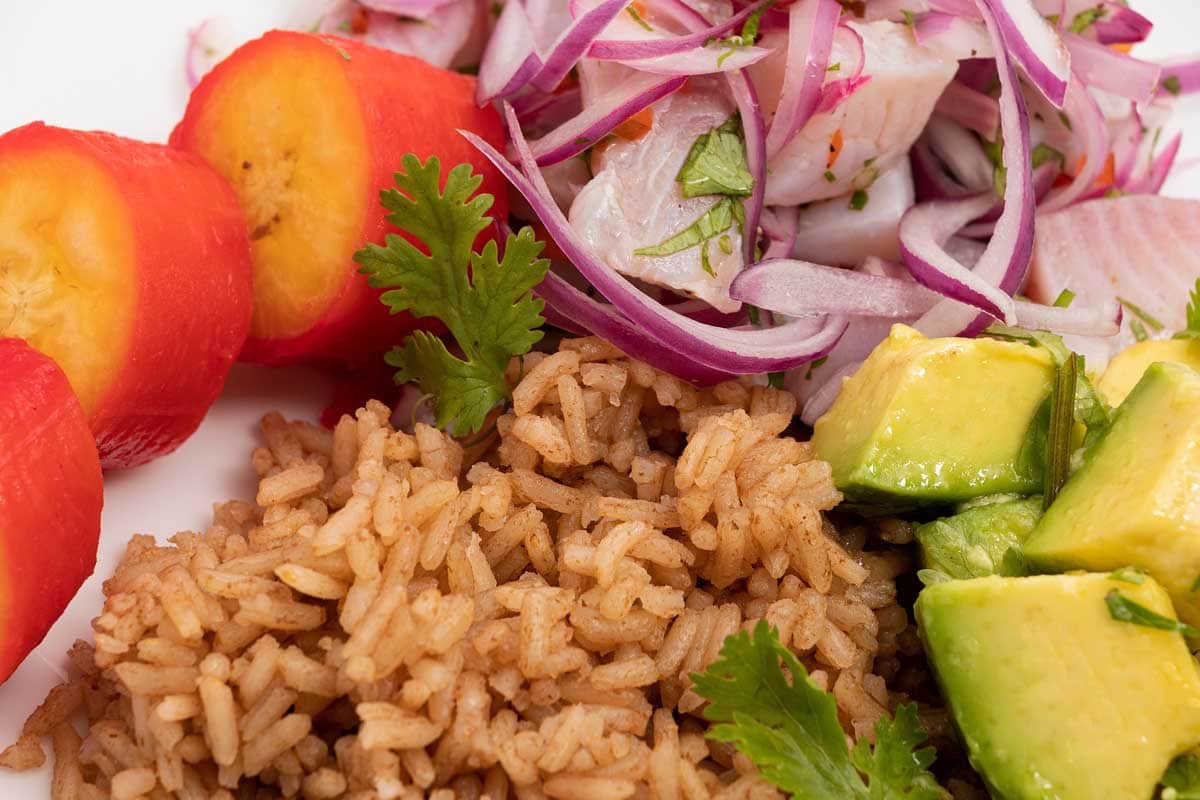
This rice is a rich side dish made with coconut milk and added sugar. Reduce the sugar to suit your taste. Using coconut oil instead of the optional butter keeps the recipe dairy-free. If you need to avoid gluten, check the labels of all packaged ingredients and prepare it with clean equipment. Pair it with vegetables and your choice of protein.
Where to Try Authentic Arroz con Coco

If you want to taste arroz con coco in its most authentic form, the best way is to head straight to Colombia’s Caribbean coast.
Here, coconut rice is more than just a side dish—it’s part of the region’s cultural identity, served everywhere from humble street stalls to fine dining restaurants.
️ Cartagena
-
Cartagena is the undisputed capital of arroz con coco.
-
Beachside vendors serve it with fried whole fish and patacones, offering a true coastal experience.
-
In the historic Centro Amurallado (walled city), traditional restaurants like La Cevichería and La Mulata often feature coconut rice alongside seafood dishes.
Barranquilla
-
Known for its lively carnival and rich Afro-Caribbean traditions, Barranquilla offers arroz con coco at both family-run eateries and festive street stalls.
-
During celebrations, the dish is paired with fried fish, arepas de huevo, and tropical juices.
Santa Marta & Coastal Towns
-
Along the beaches of Santa Marta, Taganga, and Palomino, coconut rice is a staple for travelers and locals alike.
-
Many seaside restaurants prepare it fresh daily, often with the catch of the day.
Festivals & Holidays
-
Arroz con coco takes center stage during regional festivals like Cartagena’s Independence Day or Barranquilla’s Carnival.
-
It’s also a holiday favorite, served at Christmas and New Year’s gatherings throughout the coast.
Outside Colombia
-
You can find authentic versions in Colombian communities abroad, especially in cities like Miami, New York, and Madrid.
-
Many Colombian restaurants abroad proudly serve arroz con coco as a signature side dish.
✨ Whether you’re enjoying it on a sunny Caribbean beach or in a Colombian restaurant overseas, arroz con coco delivers the same irresistible blend of sweetness, saltiness, and coconut flavor that has made it a culinary icon.
Conclusion: Why Arroz con Coco Deserves a Spot on Your Table

Arroz con coco is more than just coconut rice—it’s a popular Colombian dish that embodies the heart and soul of the Caribbean coast.
With its unique balance of sweet and savory flavors, rich coconut aroma, and deep cultural roots, it has become a symbol of hospitality, tradition, and coastal life.
Whether you try it in Cartagena, savor it at a festival in Barranquilla, or cook it at home using a traditional recipe, this dish is guaranteed to transport you straight to the tropics.
So, the next time you’re looking for an authentic side dish to elevate your meal, remember arroz con coco.
Pair it with fried fish, patacones, or a refreshing limonada de coco—and you’ll experience why this Colombian classic continues to win hearts around the world. ✨
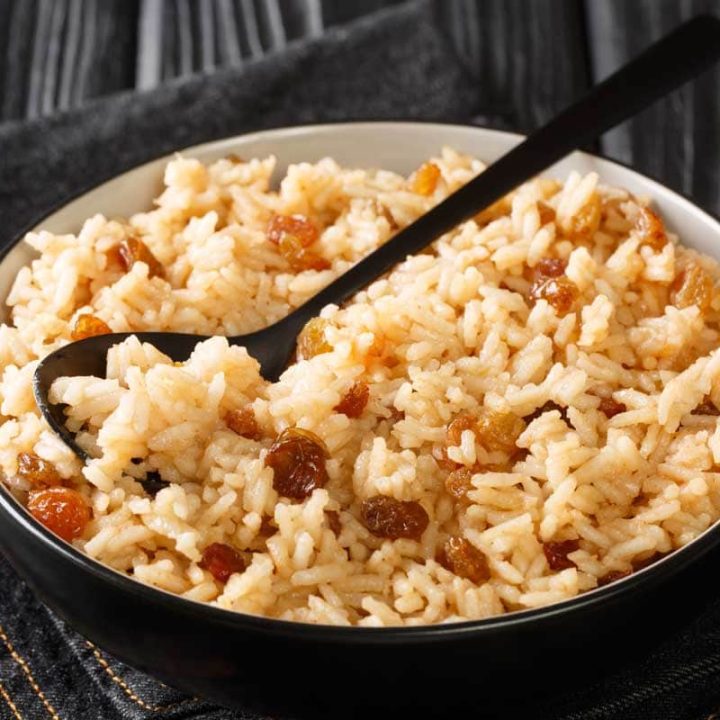
Arroz con Coco Recipe
Authentic Colombian arroz con coco is a sweet and savory coconut rice made with caramelized coconut milk (titoté), raisins, and a touch of sugar. A classic side dish from the Caribbean coast, it pairs perfectly with fried fish and patacones.
Ingredients
- 2 cups long-grain white rice, rinsed and well drained
- 2 cups unsweetened full-fat coconut milk (fresh, or canned without gums or emulsifiers)
- 4 cups water
- 2 tablespoons coconut oil or butter, optional
- 1/2 cup sugar, or less to taste
- 1/2 cup raisins
- 1 teaspoon salt
Instructions
- Simmer the coconut milk in a heavy pot over medium heat, stirring and scraping the bottom frequently. Allow about 30 minutes for the water to evaporate and the solids to separate and turn golden brown in their oil. Reduce the heat as needed to prevent scorching.
- Add the drained rice and the optional coconut oil or butter. Stir for about 1 minute to coat the grains with the browned coconut solids, or titoté.
- Carefully add the water, sugar, salt and raisins. Bring to a boil, stir once, then cover and reduce the heat to low.
- Cook for about 20 minutes, until the rice is tender and the liquid is absorbed. If it is still firm and dry, add a little hot water and continue cooking, covered.
- Remove from the heat and leave covered for 5 minutes. Fluff gently and serve warm with fried fish, patacones or other savory dishes.
Notes
The estimated 1 hour 5 minutes includes making titoté and resting the rice. Coconut milk varies, so browning may take longer. Use full-fat unsweetened coconut milk without gums or emulsifiers; light coconut milk and sweetened cream of coconut are not substitutes for this technique. The coconut milk’s water evaporates before the rice is added, so the recipe needs 4 cups of fresh water for 2 cups of rice. Adjust sugar to taste. Use coconut oil rather than butter to keep the dish dairy-free.
More Colombian Foods
See all →
Jorge Garcia is the founder of AmigoFoods, where he has spent over 20 years helping readers discover authentic Latin American and Spanish cuisine. Raised in a Cuban-American household, Jorge learned to cook at the hands of his mother and grandmother, carrying forward generations of family recipes. That heritage, backed by his family’s four-generation history in the Latin food industry, inspired him to launch AmigoFoods in 2003. With more than 1,000 published articles on recipes, ingredients, and food culture, Jorge’s mission is simple: make authentic Latin cooking approachable for home cooks everywhere while honoring the traditions behind every dish.