

Colombian fruit thrives in abundance due to the country’s diverse climate and fertile soil.
Quick Navigation
ToggleThis vast array of exotic and delightful fruits is savored both locally and around the globe.
Stretching from the tropical coastlines to the Andean highlands, Colombia’s varied geography creates ideal conditions for year-round cultivation of numerous fruit varieties.
In Colombian culture and cuisine, fruits are fundamental, appearing regularly in daily meals, traditional recipes, and revitalizing drinks.
Whether enjoyed fresh, blended into juices, or used in desserts, these fruits showcase the rich flavors and culinary traditions of Colombia.
We will explore the 15 most popular fruits in Colombia, each celebrated for its distinctive taste, texture, and health benefits.
1. Mango

Mangoes in Colombia come in various shapes, sizes, and colors, ranging from small and green to large and golden.
The most popular varieties include the sweet and juicy “Mango de Azúcar” and the tangy “Mango Tommy.”
With its vibrant yellow-orange flesh and fragrant aroma, the mango is a delight for the senses.
Nutritional Benefits
Mangoes are packed with essential vitamins and minerals, making them a nutritious choice.
They are an excellent source of vitamin C, which supports the immune system, and vitamin A, which is vital for healthy vision.
Additionally, mangoes provide dietary fiber, which aids in digestion, and antioxidants that help protect against cellular damage.
Common Uses
In Colombia, mangoes are enjoyed in various ways:
- Fresh Consumption: Sliced mangoes are a popular snack, often sprinkled with a little salt and lime for a perfect balance of sweet and tangy flavors.
- Juices: Mango juice is a refreshing beverage commonly enjoyed at breakfast or as a midday treat.
- Desserts: Mangoes are used in a variety of desserts, including mango mousse, ice cream, and traditional Colombian desserts like “mango biche” (unripe mango with salt and lime).
- Salads: Fresh mango slices add a tropical twist to salads, pairing well with leafy greens and other fruits.
Mangoes are not just a delicious fruit but also a versatile ingredient that brings a taste of Colombia’s tropical paradise to every dish.
2. Maracuyá (Passion Fruit)

Maracuyá, or passion fruit, is one of Colombia’s most beloved fruits, known for its vibrant yellow skin and jelly-like pulp filled with small black seeds.
The fruit’s tart and tangy flavor, coupled with its intoxicatingly fragrant aroma, makes it a standout in Colombian cuisine.
Nutritional Benefits
Maracuyá is a powerhouse of nutrients, offering numerous health benefits.
It is rich in vitamins A and C, which boost the immune system and improve skin health.
The fruit also provides dietary fiber, which aids digestion, and essential minerals like potassium and magnesium, which support heart health.
Additionally, the antioxidants in maracuyá help reduce inflammation and protect against chronic diseases.
Common Uses
Maracuyá’s unique flavor profile makes it a versatile ingredient in Colombian culinary traditions:
- Juices: Passion fruit juice is a popular beverage in Colombia, often enjoyed chilled and sweetened. Its refreshing taste makes it a favorite on hot days.
- Desserts: The fruit’s tangy pulp is used in various desserts, such as maracuyá cheesecake, mousses, and sorbets, adding a zesty twist to sweet treats.
- Cocktails: Maracuyá is a key ingredient in cocktails like the maracuyá caipirinha, where its tartness balances the sweetness of sugar and the strength of cachaça.
- Sauces and Dressings: Passion fruit pulp is used to create flavorful sauces and dressings for salads and grilled meats, offering a tropical flair to savory dishes.
Maracuyá’s distinctive taste and versatility make it a cherished fruit in Colombia, celebrated not only for its deliciousness but also for its nutritional value.
Whether in a refreshing Colombian drink, a decadent dessert, or a creative culinary concoction, maracuyá brings a burst of tropical flavor to the table.
3. Lulo (Naranjilla)

Lulo, also known as naranjilla, is a unique fruit native to Colombia, characterized by its bright orange skin and juicy green pulp.
The fruit is about the size of a tomato and has a citrus-like flavor with a hint of pineapple and rhubarb.
Its tart and tangy taste, combined with its striking appearance, make lulo a standout among Colombian fruits.
Nutritional Benefits
Lulo is not only delicious but also packed with nutrients.
It is an excellent source of vitamins A and C, which are essential for maintaining healthy skin and boosting the immune system.
The fruit is also rich in antioxidants, which help combat free radicals and reduce inflammation.
Additionally, lulo contains dietary fiber that aids digestion and supports overall gut health.
Common Uses
Lulo is a versatile fruit used in various culinary applications in Colombia:
- Juices: Lulo juice, known as “jugo de lulo,” is a popular beverage in Colombia. Its refreshing and tangy flavor makes it a favorite, often enjoyed over ice and lightly sweetened.
- Smoothies: Blended with other fruits and yogurt, lulo makes a delicious and nutritious smoothie.
- Traditional Drinks: Lulo is a key ingredient in “Lulada,” a traditional Colombian drink from the Valle del Cauca region, made by mixing mashed lulo with lime juice, sugar, and water, sometimes enhanced with a splash of soda water.
- Desserts: The fruit is used in various desserts, including lulo ice cream, sorbets, and pastries, adding a zesty kick to sweet treats.
Lulo’s distinctive taste and vibrant color make it a beloved fruit in Colombia, perfect for adding a refreshing and exotic twist to beverages and desserts.
Its nutritional benefits further enhance its appeal, making it a healthy and flavorful addition to the Colombian diet.
4. Guanábana (Soursop)

Guanábana, commonly known as soursop, is a large, green fruit with a spiky exterior and soft, creamy white flesh.
Its flavor is a delightful blend of strawberry and pineapple, with subtle citrus notes and a creamy texture reminiscent of banana.
The fruit’s unique combination of sweet and tangy flavors makes it a favorite in Colombian cuisine.
Nutritional Benefits
Guanábana is not only delicious but also highly nutritious.
It is a rich source of vitamins C and B, which support the immune system and energy production, respectively.
The fruit also contains potassium and magnesium, essential minerals for maintaining heart health and muscle function.
Additionally, guanábana is packed with antioxidants that help protect the body against oxidative stress and inflammation.
Common Uses
Guanábana is a versatile fruit used in various culinary applications in Colombia:
- Smoothies: The creamy texture of guanábana makes it perfect for smoothies, blending well with other fruits and providing a naturally sweet and tangy flavor.
- Juices: Guanábana juice is a popular refreshing drink, often enjoyed chilled and sweetened with a bit of sugar.
- Ice Cream and Sorbets: The fruit’s creamy consistency makes it an ideal ingredient for ice creams and sorbets, offering a tropical twist to these frozen desserts.
- Desserts: Guanábana is used in various desserts, including puddings, mousses, and pies, adding a rich and exotic flavor.
- Traditional Remedies: In Colombian traditional medicine, guanábana leaves and pulp are often used for their purported health benefits, including anti-inflammatory and analgesic properties.
Guanábana’s rich flavor and health benefits make it a beloved fruit in Colombia, cherished in both culinary and traditional medicinal contexts.
Whether enjoyed in a refreshing drink, a creamy dessert, or a nutritious smoothie, guanábana brings a taste of the tropics to every bite.
5. Papaya

Papaya is a tropical fruit with a vibrant orange flesh and a sweet, slightly musky flavor.
In Colombia, it is known for its large size, smooth skin, and central cavity filled with small, black seeds.
The fruit’s tender, juicy texture and unique taste make it a popular choice in Colombian households.
Nutritional Benefits
Papaya is a nutritional powerhouse, offering a wide array of health benefits.
It is an excellent source of vitamins A and C, which are crucial for maintaining healthy skin, vision, and immune function.
Papaya also contains folate, potassium, and dietary fiber, promoting heart health and aiding digestion.
The enzyme papain found in papaya helps break down proteins, making it a natural aid for digestive health.
Common Uses
Papaya is incredibly versatile and used in various culinary applications in Colombia:
- Fresh Consumption: Ripe papaya is often eaten fresh, either on its own or mixed with other fruits in a tropical fruit salad.
- Juices: Papaya juice is a refreshing and nutritious beverage, often enjoyed for breakfast or as a cooling drink on hot days.
- Salads: The fruit’s mild sweetness pairs well with other ingredients in salads, adding a tropical twist to savory dishes.
- Desserts: Papaya is used in a variety of desserts, including papaya boats (halved papayas filled with other fruits), smoothies, and ice creams.
- Savory Dishes: Unripe green papaya is sometimes used in savory dishes, such as salads and stews, adding a unique texture and flavor.
Papaya’s delightful taste, coupled with its numerous health benefits, makes it a staple fruit in Colombia.
Whether enjoyed fresh, juiced, or incorporated into various dishes, papaya offers a refreshing and nutritious addition to any meal.
6. Granadilla

Granadilla, a relative of the passion fruit, is a small, round fruit with a hard, orange skin and a sweet, gelatinous pulp filled with small black seeds.
The pulp’s texture is similar to that of passion fruit, but granadilla is known for its milder and sweeter flavor, making it a favorite among Colombians of all ages.
Nutritional Benefits
Granadilla is a nutritious fruit, rich in vitamins and minerals.
It is an excellent source of vitamin C, which supports the immune system and promotes healthy skin.
The fruit also contains vitamin A, which is important for vision and cell growth, and potassium, which helps maintain proper heart function and blood pressure.
Additionally, granadilla provides dietary fiber, which aids in digestion and promotes a healthy gut.
Common Uses
Granadilla’s sweet and refreshing flavor makes it a versatile fruit in Colombian cuisine:
- Fresh Consumption: The most common way to enjoy granadilla is to simply cut the fruit open and scoop out the pulp with a spoon. Its sweet and juicy seeds are a delightful snack on their own.
- Juices: Granadilla pulp can be blended with water and a bit of sugar to make a refreshing and hydrating juice, perfect for hot days.
- Desserts: The pulp is used in various desserts, such as granadilla mousse, sorbets, and fruit salads, adding a sweet and exotic flavor.
- Smoothies: Granadilla pulp blends well with other fruits and yogurt, making delicious and nutritious smoothies.
- Garnishes: The fruit’s unique appearance and flavor make it an attractive and tasty garnish for cakes, tarts, and other desserts.
Granadilla’s mild sweetness and pleasant aroma make it a beloved fruit in Colombia, enjoyed for its refreshing taste and numerous health benefits.
Eaten fresh, juiced, or used in desserts, granadilla brings a touch of tropical delight to any dish.
7. Zapote

Zapote, also known as mamey sapote, is a tropical fruit with a rough, brownish skin and a vibrant orange-red flesh.
The fruit has a rich, sweet flavor with hints of pumpkin, apricot, and honey, making it a unique and delectable treat.
Its texture is creamy and smooth, similar to that of a ripe avocado.
Nutritional Benefits
Zapote is packed with essential nutrients that contribute to overall health and well-being.
It is a good source of vitamins A and C, which are important for maintaining healthy skin, vision, and immune function.
The fruit also contains potassium and dietary fiber, supporting heart health and aiding digestion.
Additionally, zapote provides antioxidants that help protect the body from oxidative stress and inflammation.
Common Uses
Zapote’s rich flavor and creamy texture make it a versatile fruit in Colombian cuisine:
- Fresh Consumption: Zapote is often enjoyed fresh, with the flesh scooped out and eaten as a snack or dessert. Its natural sweetness makes it a satisfying treat on its own.
- Juices and Smoothies: The fruit’s creamy texture and sweet flavor make it an excellent ingredient for juices and smoothies, blending well with other tropical fruits.
- Desserts: Zapote is used in various desserts, including ice creams, puddings, and pies, adding a rich and exotic flavor to sweet treats.
- Traditional Dishes: In some regions, zapote is used in traditional Colombian dishes, such as zapote-based jams and preserves, providing a unique twist to familiar recipes.
- Baking: The fruit can be incorporated into baked goods like cakes and muffins, adding moisture and a distinct flavor.
Zapote’s delicious taste and nutritional benefits make it a cherished fruit in Colombia.
Whether eaten fresh, blended into drinks, or used in desserts, zapote offers a rich and flavorful addition to the Colombian diet, highlighting the diversity of the country’s tropical fruits.
8. Pitahaya (Dragon Fruit)

Pitahaya, commonly known as dragon fruit, is a strikingly beautiful fruit with a vibrant pink or yellow skin and a speckled white or red flesh filled with tiny black seeds.
The fruit’s mildly sweet flavor, reminiscent of a cross between a kiwi and a pear, and its crunchy texture make it a refreshing and exotic treat.
Nutritional Benefits
Pitahaya is a nutrient-dense fruit, offering numerous health benefits.
It is rich in vitamin C, which supports the immune system and promotes healthy skin.
The fruit also contains fiber, aiding digestion and helping maintain a healthy weight.
Additionally, pitahaya provides essential minerals like iron and magnesium, which are important for energy production and muscle function.
Its antioxidants help protect the body from oxidative stress and inflammation.
Common Uses
Pitahaya’s unique appearance and delicate flavor make it a versatile ingredient in Colombian cuisine:
- Fresh Consumption: The most common way to enjoy pitahaya is to cut the fruit in half and scoop out the flesh with a spoon. Its mild sweetness and crunchy seeds make it a delightful snack on its own.
- Smoothies: Pitahaya blends well with other fruits in smoothies, adding a refreshing taste and a boost of nutrients.
- Salads: The fruit’s vibrant color and texture make it an attractive addition to fruit salads, adding a touch of exotic flair.
- Desserts: Pitahaya is used in various desserts, such as sorbets, parfaits, and fruit tarts, offering a light and refreshing flavor.
- Beverages: The fruit can be infused into water or used in cocktails, providing a unique and visually appealing twist to drinks.
Pitahaya’s striking appearance and subtle flavor make it a beloved fruit in Colombia, enjoyed for its refreshing taste and numerous health benefits.
Whether eaten fresh, blended into smoothies, or used in desserts, pitahaya brings a touch of tropical elegance to any dish.
9. Feijoa

Feijoa, also known as pineapple guava or guavasteen, is a small, green fruit with a sweet and tangy flavor reminiscent of pineapple, apple, and mint.
The fruit has a slightly grainy texture and a unique, aromatic scent.
Its juicy, seed-filled pulp is surrounded by a thin, edible skin, although some prefer to scoop out the flesh.
Nutritional Benefits
Feijoa is a nutritious fruit, offering a range of health benefits.
It is rich in vitamin C, which supports the immune system and promotes healthy skin.
The fruit also contains significant amounts of dietary fiber, aiding in digestion and maintaining gut health.
Additionally, feijoa provides potassium, which helps regulate blood pressure and support heart health, and antioxidants that protect against oxidative stress and inflammation.
Common Uses
Feijoa’s distinctive flavor and versatility make it a popular fruit in Colombian cuisine:
- Fresh Consumption: Feijoa is often eaten fresh, with the flesh scooped out with a spoon. Its sweet and tangy flavor makes it a delightful snack on its own.
- Juices and Smoothies: The fruit is commonly blended into juices and smoothies, offering a refreshing and nutritious beverage.
- Desserts: Feijoa is used in a variety of desserts, such as feijoa sorbet, jams, and pies, adding a unique flavor to sweet treats.
- Salads: The fruit’s distinctive taste pairs well with other fruits and vegetables in salads, providing a refreshing twist.
- Baking: Feijoa can be incorporated into baked goods like muffins, cakes, and bread, adding moisture and a burst of flavor.
Feijoa’s unique taste and health benefits make it a cherished fruit in Colombia.
Whether enjoyed fresh, blended into drinks, or used in desserts and baked goods, feijoa brings a refreshing and exotic flavor to the Colombian table, highlighting the country’s diverse fruit offerings.
10. Guava

Guava, or “guayaba” in Spanish, is a beloved fruit in Colombia, known for its aromatic fragrance and sweet, slightly tart flavor.
The fruit has a green or yellow skin and pink or white flesh filled with small, edible seeds.
Its unique taste and versatility make it a staple in Colombian cuisine.
Nutritional Benefits
Guava is a nutritional powerhouse, packed with vitamins and minerals.
It is an excellent source of vitamin C, providing more than four times the daily recommended intake in just one fruit, which boosts the immune system and promotes skin health.
Guava also contains vitamin A, essential for vision and cell growth, and dietary fiber, which aids digestion.
Additionally, the fruit is rich in antioxidants, potassium, and magnesium, supporting heart health and reducing inflammation.
Common Uses
Guava’s sweet flavor and versatility make it a favorite in various Colombian dishes and drinks:
- Fresh Consumption: Guava is often eaten fresh, either on its own or with a sprinkle of salt and lime. Its sweet and tangy flavor makes it a delightful snack.
- Juices: Guava juice is a popular beverage in Colombia, enjoyed for its refreshing taste and high vitamin C content. It’s often served at breakfast or as a midday refresher.
- Desserts: Guava is used in a wide range of desserts, such as guava paste (bocadillo), jellies, and jams. One popular dessert is “casquitos de guayaba,” where the fruit is cooked with sugar and served with cheese.
- Smoothies: The fruit’s sweet flavor pairs well with other tropical fruits in smoothies, providing a nutritious and delicious drink.
- Sauces: Guava is also used in savory dishes, where it’s cooked down to make sauces that accompany meats, adding a sweet and tangy contrast.
Guava’s delightful taste and numerous health benefits make it a cherished fruit in Colombia.
Whether enjoyed fresh, as a juice, or incorporated into traditional desserts like bocadillo, guava embodies the rich culinary heritage of Colombia.
11. Tomate de Árbol (Tree Tomato)

Tomate de árbol, or tree tomato, is an oval-shaped fruit with smooth, thin skin that can range in color from yellow to deep red.
Its flesh is juicy and slightly tangy, with a flavor profile that combines the sweetness of a tomato with the tartness of a citrus fruit.
The seeds inside are small and edible, similar to those of a regular tomato.
Nutritional Benefits
Tomate de árbol is rich in vitamins and minerals, making it a nutritious addition to the diet.
It is a great source of vitamins A and C, which are essential for maintaining healthy skin, vision, and immune function.
The fruit also contains dietary fiber, which aids in digestion and helps maintain a healthy weight.
Additionally, it provides potassium, which supports heart health and helps regulate blood pressure, and antioxidants that protect the body from oxidative stress and inflammation.
Common Uses
Tomate de árbol’s unique flavor and versatility make it a popular ingredient in Colombian cuisine:
- Juices: One of the most common uses of tree tomato is in juices. “Jugo de tomate de árbol” is a popular beverage in Colombia, often blended with water or milk and sweetened to taste. Its refreshing and tangy flavor makes it a favorite drink.
- Sauces and Salsas: The fruit is often used to make savory sauces and salsas that accompany grilled meats, fish, and other dishes. Its tartness adds a unique depth of flavor to these preparations.
- Desserts: Tomate de árbol can be used in desserts such as jams, jellies, and preserves. Its sweet-tart flavor works well in compotes and fruit salads.
- Smoothies: The fruit is a great addition to smoothies, blending well with other fruits like bananas and berries to create a nutritious and delicious drink.
- Cooking: In some regions, tree tomatoes are cooked and used in savory dishes, adding a tangy twist to stews and soups.
Tomate de árbol’s distinctive taste and nutritional benefits make it a cherished fruit in Colombia.
Its tangy sweetness enhances both sweet and savory dishes, showcasing the fruit’s adaptability in various culinary applications.
12. Mora (Andean Blackberry)

Mora, or Andean blackberry, is a dark purple fruit with a rich, tangy flavor and juicy texture.
It is larger and more tart than the common blackberry, making it a standout fruit in Colombian cuisine.
The Colombian fruit grows abundantly in the high-altitude regions of Colombia, thriving in the cool climate of the Andes.
Nutritional Benefits
Mora is packed with essential vitamins and minerals. It is an excellent source of vitamin C, which supports the immune system and promotes healthy skin. The fruit also provides dietary fiber, which aids in digestion and helps maintain a healthy weight. Additionally, mora contains antioxidants, such as anthocyanins, which help protect the body from oxidative stress and inflammation. It is also a good source of vitamins A and K, as well as folate and manganese.
Common Uses
Mora’s tart flavor and versatility make it a popular ingredient in various Colombian dishes and beverages:
- Juices: “Jugo de mora,” or blackberry juice, is a popular beverage in Colombia. The juice is often sweetened and served chilled, making it a refreshing drink.
- Desserts: Mora is used in a variety of desserts, including pies, tarts, jams, and jellies. Its tartness pairs well with sweet ingredients, creating a balanced flavor profile.
- Smoothies: The fruit’s tangy flavor complements other fruits in smoothies, providing a delicious and nutritious drink.
- Sauces and Syrups: Mora is often cooked down to make sauces and syrups that can be used to top pancakes, waffles, and ice cream, adding a burst of fruity flavor.
- Baking: Andean blackberries can be incorporated into baked goods like muffins, cakes, and bread, adding moisture and a distinctive taste.
Mora’s rich taste and health benefits make it a cherished fruit in Colombia.
Whether enjoyed as a refreshing juice, a sweet dessert, or a flavorful sauce, Andean blackberry brings a unique and tangy flavor to the Colombian table.
Its versatility in both sweet and savory dishes showcases the fruit’s adaptability and culinary appeal.
13. Uchuva (Golden Berry)

Uchuva, known as golden berry or cape gooseberry, is a small, round fruit encased in a delicate, papery husk.
The fruit has a bright orange color and a sweet-tart flavor, often described as a cross between a tomato and a pineapple.
Its unique taste and vibrant appearance make it a popular fruit in Colombian cuisine.
Nutritional Benefits
Uchuva is a nutrient-dense fruit, offering numerous health benefits.
It is rich in vitamins A and C, which are essential for maintaining healthy skin, vision, and immune function.
The fruit also contains dietary fiber, which aids in digestion and helps maintain a healthy weight.
Additionally, uchuva provides antioxidants, such as polyphenols and carotenoids, which help protect the body from oxidative stress and inflammation.
The fruit is also a good source of potassium, which supports heart health and regulates blood pressure.
Common Uses
Uchuva’s unique flavor and versatility make it a favorite ingredient in various Colombian dishes and beverages:
- Fresh Consumption: Uchuva is often eaten fresh, either on its own or added to fruit salads. Its sweet-tart flavor makes it a delightful snack.
- Salads: The fruit’s vibrant color and tangy taste make it a great addition to both fruit and green salads, adding a burst of flavor and visual appeal.
- Desserts: Uchuva is used in a variety of desserts, such as tarts, pies, and jams. Its unique flavor pairs well with sweet ingredients, creating a balanced and delicious dessert.
- Sauces and Compotes: The fruit can be cooked down to make sauces and compotes that complement savory dishes, such as roasted meats or grilled vegetables, adding a touch of sweetness and acidity.
- Smoothies and Juices: Uchuva blends well with other fruits in smoothies and juices, providing a nutritious and flavorful drink.
Uchuva’s distinctive taste and health benefits make it a cherished fruit in Colombia.
Whether enjoyed fresh, in salads, or as part of a dessert, golden berries bring a unique and exotic flavor to the Colombian table.
Their versatility and nutritional value highlight the diverse and vibrant nature of Colombian cuisine.
14. Badea (Giant Granadilla)
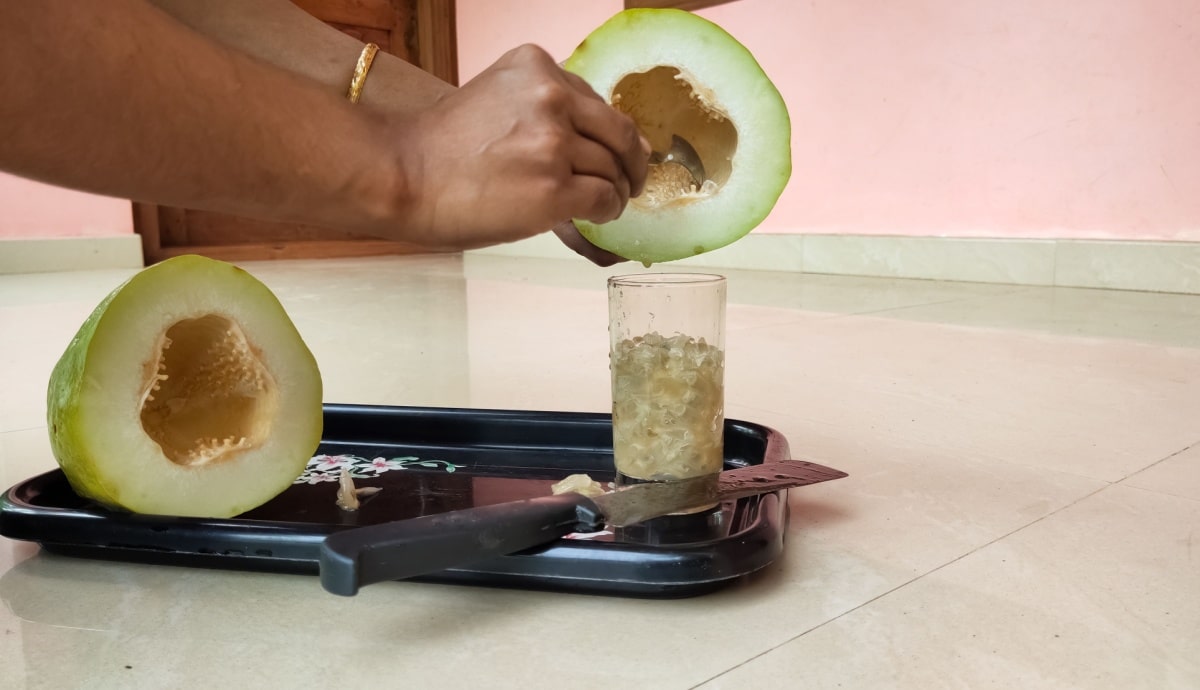
Badea, also known as giant granadilla, is a large, oval-shaped fruit with a thick, greenish-yellow skin.
Inside, it has a sweet, aromatic pulp filled with numerous seeds.
The fruit’s flavor is a delightful blend of sweetness and tartness, with a floral undertone, making it a unique and refreshing treat in Colombian cuisine.
Nutritional Benefits
Badea is a highly nutritious fruit, offering a variety of health benefits.
It is rich in vitamins A and C, which are important for maintaining healthy skin, vision, and immune function.
The fruit also contains dietary fiber, which aids digestion and promotes a healthy gut.
Additionally, badea provides essential minerals like potassium, which helps regulate blood pressure and support heart health, and magnesium, which is important for muscle and nerve function.
The antioxidants in badea help protect the body from oxidative stress and inflammation.
Common Uses
Badea’s unique flavor and versatility make it a popular ingredient in various Colombian dishes and beverages:
- Fresh Consumption: Badea is often eaten fresh, with the pulp scooped out and enjoyed as a snack. Its sweet and tangy flavor makes it a delightful treat on its own.
- Juices: The fruit’s pulp is commonly blended with water or milk and sweetened to make a refreshing and nutritious juice, enjoyed by people of all ages.
- Desserts: Badea is used in various desserts, including sorbets, jellies, and fruit salads, adding a unique and exotic flavor to sweet treats.
- Smoothies: The fruit’s sweet and floral flavor pairs well with other tropical fruits in smoothies, creating a delicious and nutritious drink.
- Traditional Dishes: In some regions, badea is used in traditional Colombian dishes, such as fruit preserves and sauces, providing a unique twist to familiar recipes.
Badea’s delightful taste and numerous health benefits make it a cherished fruit in Colombia.
Whether enjoyed fresh, as a refreshing juice, or incorporated into desserts and traditional dishes, giant granadilla brings a unique and exotic flavor to the Colombian table, highlighting the rich diversity of the country’s tropical fruits.
15. Curuba (Banana Passion Fruit)

Curuba, also known as banana passion fruit, is a unique and exotic fruit native to the Andean regions of Colombia.
The fruit has an elongated shape, similar to a banana, with a yellow or orange skin and a vibrant, seed-filled orange pulp inside.
Curuba’s flavor is a delightful combination of sweetness and tanginess, often compared to a blend of passion fruit and banana.
Nutritional Benefits
Curuba is packed with essential nutrients, making it a healthy addition to the diet.
It is an excellent source of vitamins A and C, which support immune function, skin health, and vision.
The fruit also contains dietary fiber, which aids digestion and promotes gut health.
Additionally, curuba provides potassium and magnesium, which are important for heart health, muscle function, and maintaining electrolyte balance.
The antioxidants in curuba help protect the body against oxidative stress and inflammation.
Common Uses
Curuba’s distinctive flavor and versatility make it a popular ingredient in various Colombian culinary applications:
- Juices: Curuba juice is a popular beverage in Colombia, enjoyed for its refreshing and tangy taste. It is often blended with water or milk and sweetened to taste.
- Smoothies: The fruit’s sweet and tangy flavor pairs well with other tropical fruits in smoothies, creating a delicious and nutritious drink.
- Desserts: Curuba is used in a variety of desserts, such as ice creams, mousses, and jellies, adding a unique and exotic flavor to sweet treats.
- Sauces and Compotes: The fruit’s pulp can be cooked down to make sauces and compotes that complement both sweet and savory dishes, providing a distinctive twist.
- Cocktails: Curuba is sometimes used in cocktails, adding a tropical flair to drinks and enhancing their flavor profile.
Curuba’s delightful taste and numerous health benefits make it a cherished fruit in Colombia.
Whether enjoyed as a refreshing juice, blended into a smoothie, or incorporated into desserts and sauces, banana passion fruit brings a unique and exotic flavor to the Colombian table.
Its versatility and nutritional value highlight the rich and diverse culinary traditions of Colombia.
Exploring the Vibrant World of Colombian Fruit

Colombia’s diverse climate and rich soil produce a remarkable variety of fruits, each with its unique flavor, texture, and nutritional benefits.
From the sweet and juicy mango to the exotic and tangy curuba, these 15 popular Colombian fruits offer a glimpse into the country’s rich culinary heritage and vibrant agricultural landscape.
Whether you are enjoying a refreshing juice, a flavorful dessert, or a nutritious snack, Colombian fruit provide a delightful taste experience that reflects the country’s tropical bounty.
More Colombian Foods
See all →
Jorge Garcia is the founder of AmigoFoods, where he has spent over 20 years helping readers discover authentic Latin American and Spanish cuisine. Raised in a Cuban-American household, Jorge learned to cook at the hands of his mother and grandmother, carrying forward generations of family recipes. That heritage, backed by his family’s four-generation history in the Latin food industry, inspired him to launch AmigoFoods in 2003. With more than 1,000 published articles on recipes, ingredients, and food culture, Jorge’s mission is simple: make authentic Latin cooking approachable for home cooks everywhere while honoring the traditions behind every dish.
Please Share & Spread the Love of Latin Foods!