

Lentejas is the Spanish word for lentils, and it is also the name of one of the most common home-cooked dishes in the Spanish-speaking world: a thick, brothy lentil stew simmered with sofrito, potato and, very often, chorizo. In Spain it is lentejas con chorizo, a weekday lunch that tastes better the next day. In Colombia it is sopa de lentejas served with rice and avocado, and in the Dominican Republic it is lentejas guisadas next to rice and fried sweet plantains. Lentils are also eaten for luck on New Year’s in Italy, Brazil, Chile and Mexico. Below is how each country makes lentejas, where the New Year’s tradition comes from, and a step-by-step recipe for the Spanish one-pot version.
Lentejas at a Glance
AmigoFoods may earn a commission from qualifying Amazon purchases made through links on this page.
What is lentejas?
A single lentil is a lenteja, so lentejas literally means “lentils.” When someone in Madrid, Bogotá or Santo Domingo says “hoy hay lentejas,” though, they mean the dish: dried lentils cooked slowly in a seasoned broth until they are tender and the liquid turns thick and savory. It sits somewhere between a soup and a stew. Spaniards call it a guiso (stew) and eat it with a spoon, while Colombians usually call it sopa de lentejas even when it is thick enough to stand a spoon in.
Lentils are one of the oldest cultivated crops in the world, and they have fed people through hard times for so long that Spanish has a saying about them: “lentejas, si quieres las comes, y si no, las dejas” (lentils: eat them if you want, or leave them). It was what was for dinner, take it or leave it. Today the dish is a comfort food. It is cheap, high in protein and fiber, and it reheats beautifully, which is why it shows up on school lunch menus in Spain and in weekly rotations across Latin America.

Lentejas con chorizo, the Spanish classic
The best-known version comes from Spain, where lentejas con chorizo is a plato de cuchara (spoon dish) found in every region. The method is simple. Lentils go into a pot with a sofrito of onion, green pepper, garlic and tomato, a spoonful of pimentón, a bay leaf or two, a potato and slices of cured chorizo. Everything simmers together until the potato starts to break down and thicken the broth. Some cooks add carrot, a piece of panceta (pork belly) or a ham bone, and in Castile and León a slice of morcilla often goes in for the last few minutes.
The chorizo matters. Spanish chorizo is a cured, dry sausage seasoned with garlic and pimentón, so it holds its shape in the pot and releases red, smoky fat into the broth. Fresh Mexican chorizo works differently and crumbles, which is covered in our guide to the difference between chorizo and sausage. The pimentón is what gives Spanish lentejas their color and smoky taste. El Comidista, the food section of El País, argues that a well-cooked sofrito and good pimentón carry so much flavor that you can skip the meat entirely and not miss it.
Lentejas are one of the classics in our list of Spanish soups and stews, alongside cocido and fabada. If you like chorizo in a pot, see also chorizo al vino and our roundup of chorizo dishes. For a meatless Spanish legume stew, try espinacas con garbanzos.
Lentejas in Colombia, the Dominican Republic, Mexico and beyond
Spain carried lentils to the Americas, and every country adjusted the pot to its own pantry. The base is always the same, lentils simmered with a sofrito, but the meat, the vegetables and the plate beside it change from country to country.
Colombia: sopa de lentejas
Colombian lentil soup starts with hogao, the local sofrito of scallions, tomato and onion, plus garlic and a pinch of cumin. Colombian chorizo, potato and grated carrot go into the pot, and the soup is served with white rice and sliced avocado on the side. Erica Dinho of My Colombian Recipes calls it a standard in Colombian kitchens and suggests kielbasa or Italian sausage if you can’t find Colombian chorizo. Lentils with rice and a fried egg also appear on many almuerzo corriente (set lunch) plates. For more, see our Colombian soups and the best Colombian dishes.
Dominican Republic: lentejas guisadas
Dominicans cook lentils the same way they cook their habichuelas guisadas (stewed beans). Clara González of Cocina Dominicana uses smoked pork chops, potato, auyama (West Indian pumpkin), red bell pepper, garlic, oregano and plenty of thyme, then stirs in cilantro at the end. The pumpkin melts into the broth and makes it thick and slightly sweet. Lentejas guisadas are served with white rice, avocado and maduros (fried sweet plantains), and the crispy rice from the bottom of the pot, concón, if you are lucky. They sit well next to the other dishes in our Dominican soups and stews list and our recipe for pollo guisado.
Mexico: sopa de lentejas
Mexican sopa de lentejas is usually lighter and more brothy. The lentils simmer with a blended tomato, onion and garlic base, sometimes with bacon or chorizo, and many families add slices of ripe plátano macho (plantain) for a sweet contrast. It is finished with a squeeze of lime and served with corn tortillas or bolillos. During Lent many families cook it without meat. Our Mexican soups and stews guide has more everyday soups.
Cuba: potaje de lentejas
In Cuba, a thick bean or lentil stew is called a potaje. Potaje de lentejas is close to the Spanish original, with chorizo, potato, sometimes squash and a sofrito of onion, garlic and green pepper, often with a little cumin and a splash of dry wine. It is eaten over white rice. You will find it with the other everyday stews in our Cuban soups and stews guide.

Ecuador and Peru: menestra and lentejas con arroz
In Ecuador, lentils are cooked down into menestra, a very thick stew seasoned with cumin, achiote and a sofrito of onion, pepper and garlic. It is less a soup than a side dish, served with rice, fried plantains and grilled meat in the classic arroz con menestra y carne asada. See our Ecuadorian side dishes for more. In Peru, lentejas con arroz is a common Monday lunch, and lentils are one of several legumes in northern Peru’s hearty shambar soup.

The New Year’s lentil tradition
Lentils are one of the most widespread lucky foods for the New Year. The idea is simple: small, round and flat, lentils look like coins, so a plate of them is a wish for money and abundance in the year ahead. Here is how the custom plays out in different countries.
Italy: lenticchie at midnight
The tradition is usually traced to Italy. The Local Italy explains that ancient Romans gave friends a pouch of lentils as a New Year’s gift, a wish that the coins would multiply, since lentils swell as they cook. Today Italians eat lenticchie con cotechino, lentils with a slow-cooked spiced pork sausage, shortly after midnight or on New Year’s Day, especially in the north. Some serve them with zampone, a stuffed pig’s trotter. The more lentils you eat, the saying goes, the more money you will have. Italian immigrants took the custom with them to Argentina, Uruguay and Brazil, as our article on the Italian roots of Argentine cuisine describes.
Brazil: lentilha at Réveillon
In Brazil, many people believe that eating lentils with the New Year’s Eve dinner, or as the first thing after midnight, attracts money. A bowl of lentilha, often cooked with bacon or linguiça sausage, sits next to the pork, rice and farofa on the Réveillon table, while people dressed in white jump seven waves at the beach. Brazilians also eat pomegranate seeds and keep a few in their wallet for luck. The rest of the holiday spread is in our Brazilian Christmas food guide.
Chile, Mexico and Colombia
In Chile, a spoonful of lentils in the first minutes of January 1st is a common cábala (luck ritual), along with walking around the block with a suitcase for travel. Some eat a full plate of lentil stew, others just a spoonful of cooked lentils at midnight. Nuestro Stories notes that Chileans pair New Year’s lentils with pan amasado, and that in Mexico the lentil soup can sit next to tamales and menudo. In Mexico and Colombia many people also carry a few raw lentils in a pocket or wallet, or hand them to friends at midnight, as a wish for money. In Colombia the lentils should be given with the right hand and received with the left, the way you hand over money.
Spain: grapes first, lentils later
Spain is the exception. At midnight on Nochevieja (New Year’s Eve), Spaniards eat 12 grapes, one for each chime of the clock. Lentils are an everyday dish in Spain, not a New Year’s one, although a pot of lentejas con chorizo on January 1st is a popular way to recover from the night before. Our guide to Spain’s holidays covers the rest of the season, and the grapes tradition has spread to much of Latin America too.

If you are planning the whole holiday season, start with Christmas Eve in our Nochebuena guide, then make a pot of lentejas for New Year’s Day. Lentils also show up in our guides to Mexican Christmas foods and Chilean Christmas foods.
Which lentils to use
Spain grows several lentil varieties, and two of them have their own protected geographical indication: Lenteja de Tierra de Campos, a small pardina type, and Lenteja de La Armuña from Salamanca, a large, pale green type. In the US, the regular brown lentils at the supermarket work very well.
- Pardina: small, brown and speckled. They hold their shape, cook in 30 to 40 minutes without soaking and are the most common choice in Spain. El Comidista’s recipe calls for them.
- Castellana or rubia: large, flat and green-brown. They are creamier and take longer to cook. Soaking them for an hour or two shortens the time.
- Brown or green supermarket lentils: what Goya and most US brands sell. They behave like a mix of the two above and cook in 35 to 45 minutes.
- Verdina: small, green and firm. They are good in stews with seafood or vegetables.
- Red or yellow lentils: these are hulled and split, so they collapse into a purée in 15 minutes. They are good for a creamy soup, but not for lentejas guisadas.
How to make lentejas
This is the Spanish one-pot method, with chorizo, potato and a sofrito cooked in the chorizo fat. You don’t need to soak brown or pardina lentils. Full measurements are in the recipe card below.
1. Rinse the lentils
Put 1 pound (450 g) of brown or pardina lentils in a colander and rinse them under cold water. Spread them on a plate and pick out any small stones or shriveled lentils. If you live in an area with very hard water, or you are using large castellana lentils, soak them in cold water for 1 to 2 hours and drain.
2. Brown the chorizo
Heat 2 tablespoons of olive oil in a heavy pot over medium heat. Add about 8 ounces of cured Spanish chorizo, sliced 1/4 inch thick, and 4 ounces of diced panceta or thick-cut bacon if you are using it. Cook, stirring, for 3 to 4 minutes, until the edges brown and the oil turns red. Use a slotted spoon to move half of the chorizo to a plate. You will add it back at the end so some slices stay firm.

- 1 - 7.9 oz. piece
- Entirely dry-cured, ready to be enjoyed without being cooked
3. Cook the sofrito
Add 1 finely chopped onion, 1 chopped green bell pepper and 2 sliced carrots to the pot with a pinch of salt. Cook over medium-low heat for 8 to 10 minutes, stirring now and then, until the onion is soft and translucent. Add 3 minced garlic cloves and cook for 1 minute. Cut a ripe tomato in half, grate the cut sides on a box grater and discard the skin, then add the pulp. Cook for 4 to 5 minutes, until the tomato darkens and most of the liquid has evaporated.
4. Add the pimentón and lentils
Take the pot off the heat and stir in 1 teaspoon of sweet smoked pimentón and 1/2 teaspoon of ground cumin. Pimentón burns in seconds over direct heat and turns bitter, so this step is done off the burner. Add the lentils, 2 bay leaves and 8 cups (2 liters) of cold water or low-sodium chicken broth, and return the pot to the heat.
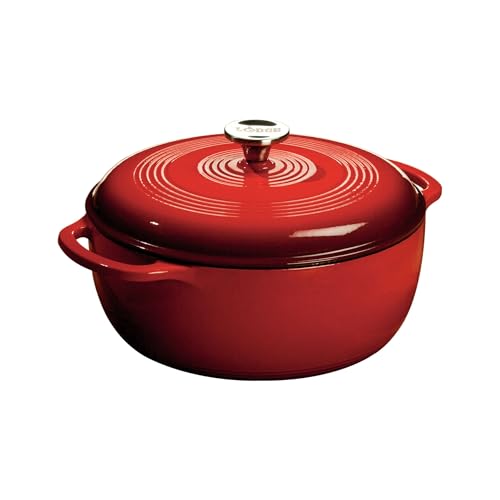
- Quality Enameled Dutch Oven: The Lodge Essential Enamel Cast Iron Dutch Oven gives you all the...
- Simmer in Style: This colorful enamel pot comes in a variety of colors to add a pop of interest to...

5. Simmer, then add the potato
Bring the pot to a boil, then lower the heat until it bubbles gently, partly cover and cook for 25 minutes. A hard boil splits the lentil skins. Meanwhile, peel 1 large Yukon Gold potato. Instead of slicing it, cut a small notch and snap off irregular chunks, a technique Spaniards call chascar. The rough edges release starch and help thicken the broth. Add the potato and 1 1/2 teaspoons of kosher salt, and simmer for another 20 to 25 minutes, until the lentils and potato are tender. Add a splash of hot water if the pot gets too thick.
6. Thicken, rest and serve
Return the reserved chorizo to the pot. If you want a thicker stew, mash a few pieces of potato and a ladle of lentils against the side of the pot and stir them in. Remove the bay leaves, taste for salt and pepper, and add a teaspoon of sherry vinegar to brighten the flavor if you like. Let the pot rest off the heat for 10 minutes before serving. Lentejas thicken as they sit.

Lentejas by country, side by side
| Spain | Colombia | Dominican Republic | Mexico | Ecuador | |
|---|---|---|---|---|---|
| Name | Lentejas con chorizo | Sopa de lentejas | Lentejas guisadas | Sopa de lentejas | Menestra de lentejas |
| Meat | Cured chorizo, panceta, morcilla | Colombian chorizo | Smoked pork chops | Bacon or chorizo, or none | Usually none, served with grilled meat |
| Vegetables | Potato, carrot, pepper | Potato, carrot, scallions | Potato, auyama, red pepper | Tomato, plantain, carrot | Pepper, onion |
| Seasoning | Pimentón, bay leaf, garlic | Hogao, cumin | Thyme, oregano, cilantro | Tomato base, lime | Cumin, achiote |
| Texture | Thick stew | Hearty soup | Thick stew | Brothy soup | Very thick, almost a purée |
| Served with | Bread, guindillas | Rice, avocado | Rice, avocado, maduros | Tortillas or bolillos | Rice, patacones, carne asada |
Make ahead and storage
Lentejas are better the next day, so they are a good dish to make ahead. Let the pot cool, then refrigerate it in airtight containers for up to 4 days. The stew thickens a lot in the fridge, so add a splash of water or broth when you reheat it over medium-low heat, stirring often. You can also reheat single portions in the microwave, covered, stirring halfway through.
Troubleshooting
| Problem | Why it happens | Fix |
|---|---|---|
| Lentils are still hard after 45 minutes | Old lentils, very hard water, or a lot of acid (tomato, vinegar) early on. | Keep simmering and add hot water as needed. Next time buy fresher lentils, soak them in hard-water areas and add vinegar only at the end. |
| Lentils fell apart and turned mushy | A hard boil, or red or split lentils. | Keep the pot at a gentle simmer and use brown or pardina lentils. |
| The broth is thin and watery | Too much liquid, or the potato was sliced cleanly. | Mash some potato and lentils into the broth, or simmer uncovered for 10 minutes. |
| Bitter taste | The pimentón or garlic burned. | Always add pimentón off the heat, and add garlic after the onion has softened. |
| Too greasy | Very fatty chorizo or bacon. | Skim the red fat from the surface with a spoon, or blanch the chorizo first next time. |
| Too salty | Salty chorizo, ham or broth, plus salt added early. | Add more water and a peeled potato, and add salt only after the meat has cooked in. |

Lentejas (Spanish Lentil Stew with Chorizo)
Lentejas con chorizo, the one-pot lentil stew loved from Spain to Colombia, Cuba and the Dominican Republic: brown lentils simmered with smoky chorizo, a sofrito of onion, pepper, carrot, garlic and tomato, sweet pimenton and snapped potato chunks that thicken the broth. No soaking needed. Eat it any week, or on New Year's for luck.
Ingredients
- 1 pound (450 g) brown or pardina lentils
- 2 tablespoons olive oil
- 8 ounces (225 g) cured Spanish chorizo, sliced 1/4 inch thick
- 4 ounces (115 g) panceta or thick-cut bacon, diced (optional)
- 1 onion, finely chopped
- 1 green bell pepper, chopped
- 2 carrots, sliced
- 3 garlic cloves, minced
- 1 ripe tomato
- 1 teaspoon sweet smoked pimenton (Spanish smoked paprika)
- 1/2 teaspoon ground cumin
- 2 bay leaves
- 8 cups (2 liters) cold water or low-sodium chicken broth
- 1 large Yukon Gold potato (about 12 oz / 340 g), peeled
- 1 1/2 teaspoons kosher salt, plus more to taste
- Black pepper to taste
- 1 teaspoon sherry vinegar (optional)
- Crusty bread, to serve
Instructions
- Rinse the lentils. Put 1 pound (450 g) of brown or pardina lentils in a colander and rinse them under cold water. Spread them on a plate and pick out any small stones or shriveled lentils. If you live in an area with very hard water, or you are using large castellana lentils, soak them in cold water for 1 to 2 hours and drain.
- Brown the chorizo. Heat 2 tablespoons of olive oil in a heavy pot over medium heat. Add about 8 ounces of cured Spanish chorizo, sliced 1/4 inch thick, and 4 ounces of diced panceta or thick-cut bacon if you are using it. Cook, stirring, for 3 to 4 minutes, until the edges brown and the oil turns red. Use a slotted spoon to move half of the chorizo to a plate. You will add it back at the end so some slices stay firm.
- Cook the sofrito. Add 1 finely chopped onion, 1 chopped green bell pepper and 2 sliced carrots to the pot with a pinch of salt. Cook over medium-low heat for 8 to 10 minutes, stirring now and then, until the onion is soft and translucent. Add 3 minced garlic cloves and cook for 1 minute. Cut a ripe tomato in half, grate the cut sides on a box grater and discard the skin, then add the pulp. Cook for 4 to 5 minutes, until the tomato darkens and most of the liquid has evaporated.
- Add the pimentón and lentils. Take the pot off the heat and stir in 1 teaspoon of sweet smoked pimentón and 1/2 teaspoon of ground cumin. Pimentón burns in seconds over direct heat and turns bitter, so this step is done off the burner. Add the lentils, 2 bay leaves and 8 cups (2 liters) of cold water or low-sodium chicken broth, and return the pot to the heat.
- Simmer, then add the potato. Bring the pot to a boil, then lower the heat until it bubbles gently, partly cover and cook for 25 minutes. A hard boil splits the lentil skins. Meanwhile, peel 1 large Yukon Gold potato. Instead of slicing it, cut a small notch and snap off irregular chunks, a technique Spaniards call chascar. The rough edges release starch and help thicken the broth. Add the potato and 1 1/2 teaspoons of kosher salt, and simmer for another 20 to 25 minutes, until the lentils and potato are tender. Add a splash of hot water if the pot gets too thick.
- Thicken, rest and serve. Return the reserved chorizo to the pot. If you want a thicker stew, mash a few pieces of potato and a ladle of lentils against the side of the pot and stir them in. Remove the bay leaves, taste for salt and pepper, and add a teaspoon of sherry vinegar to brighten the flavor if you like. Let the pot rest off the heat for 10 minutes before serving. Lentejas thicken as they sit.
Notes
Lentils: Brown, pardina or green lentils hold their shape. Red or split lentils fall apart and turn to puree.
Pimenton: Always add it off the heat; it burns in seconds and turns bitter.
Pressure cooker: Brown the chorizo and cook the sofrito on the saute setting, then add the lentils, potato and water and cook 12 to 15 minutes at high pressure with a natural release.
Colombian or Dominican style: Serve with white rice, avocado and fried sweet plantains.
Vegetarian: Leave out the chorizo and panceta, use vegetable broth, add an extra 1/2 teaspoon of smoked pimenton and finish with a splash of olive oil.
Make ahead: Lentejas taste better the next day. Add a splash of water when reheating, because they thicken in the fridge.
Storage: Refrigerate in airtight containers up to 4 days. Freeze up to 3 months (the potato can turn a little grainy; thaw overnight in the fridge).
Nutrition Information:
Yield: 6 Serving Size: 1/6 of recipe (about 1 3/4 cups)Amount Per Serving: Calories: 546Total Fat: 20gSaturated Fat: 6gTrans Fat: 0gUnsaturated Fat: 12gCholesterol: 33mgSodium: 780mgCarbohydrates: 63gFiber: 10gSugar: 4.5gProtein: 29.5g
Lentejas FAQ
What does lentejas mean?
Lentejas is the Spanish word for lentils. It is also the name of the dish: lentils stewed in a seasoned broth, usually with sofrito, potato and chorizo.
Do you have to soak lentils for lentejas?
No. Brown, green and pardina lentils cook in 30 to 45 minutes without soaking. Soaking for 1 to 2 hours helps only with large castellana lentils or if you have very hard water.
What is the difference between lentejas and sopa de lentejas?
Mostly the name and thickness. Spanish lentejas are a thick stew, while sopa de lentejas, the usual name in Colombia and Mexico, tends to be a little more brothy. The ingredients are very similar.
Why do people eat lentils on New Year’s?
Lentils look like small coins, so eating them is a wish for money and prosperity in the coming year. The custom is strongest in Italy, where people eat lentils with cotechino after midnight, and it has spread to Brazil, Chile, Mexico, Argentina and other countries.
What do you eat with lentejas?
In Spain, crusty bread and pickled guindilla peppers. In Colombia, white rice and avocado. In the Dominican Republic, rice, avocado and fried sweet plantains. A fried egg on top works with all of them.
Can you make lentejas without meat?
Yes. Leave out the chorizo, use vegetable broth and add an extra 1/2 teaspoon of smoked pimentón and a splash of olive oil at the end. A strong sofrito gives the pot plenty of flavor.
Can you make lentejas in a pressure cooker?
Yes. Brown the chorizo and cook the sofrito on the sauté setting, then add the lentils, potato and water and cook at high pressure for 12 to 15 minutes with a natural release.
How many calories are in a bowl of lentejas?
One serving of this recipe, a sixth of the pot, has about 545 calories, with around 29 grams of protein and 10 grams of fiber.
More Latin soups and holiday dishes
For more pots like this one, see our guide to Latin soups and stews and the country lists for Chilean stews. Planning the holidays? Start with Nochebuena on Christmas Eve, then ring in the year with the 12 grapes and a pot of lentejas. To stock the pantry, see our list of Latin American pantry essentials.
Shopping list: Goya lentils, Palacios chorizo picante, pimentón de la Vera, Spanish pardina lentils and a Lodge enameled Dutch oven.
Sources
- El País (El Comidista): La receta infalible para dominar las lentejas
- El País: Lentejas con chorizo criollo, zanahoria y chirivía
- My Colombian Recipes: Sopa de Lentejas (Colombian-Style Lentil Soup)
- Cocina Dominicana: Lentejas guisadas
- Mexico in My Kitchen: Mexican Lentil Soup
- Directo al Paladar México: Sopa de lentejas con plátano macho
- The Local Italy: Why do Italians eat lentils on New Year’s Eve?
- Street Smart Brazil: Brazilian New Year’s Traditions and Superstitions
- Nuestro Stories: The Fortunate Flavor of New Year’s Lentils
- Global Pulse Confederation: Eat your way to a lucky, prosperous New Year
- USDA FoodData Central (nutrition estimate)
More Latin Favorites
See all →
Jorge Garcia is the founder of AmigoFoods, where he has spent over 20 years helping readers discover authentic Latin American and Spanish cuisine. Raised in a Cuban-American household, Jorge learned to cook at the hands of his mother and grandmother, carrying forward generations of family recipes. That heritage, backed by his family’s four-generation history in the Latin food industry, inspired him to launch AmigoFoods in 2003. With more than 1,000 published articles on recipes, ingredients, and food culture, Jorge’s mission is simple: make authentic Latin cooking approachable for home cooks everywhere while honoring the traditions behind every dish.