
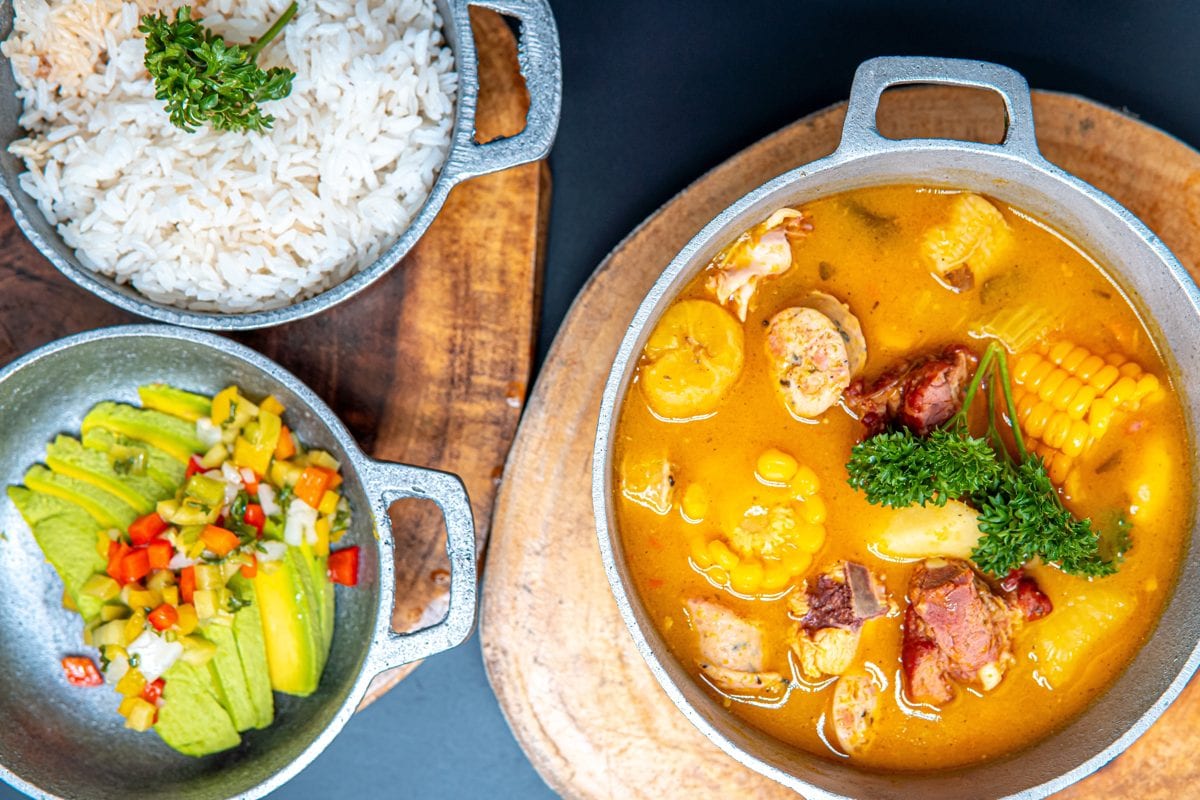
In the Dominican Republic, the pot on the stove is usually a stew. Beans are stewed for la bandera every day, chicken and beef are braised in a sauce of tomato, peppers and oregano, and on Sundays and cold nights the big pot comes out for sancocho.
These are the twelve Dominican soups and stews worth knowing, from the seven-meat sancocho to the coconut dishes of Samaná.
Just want the recipes? Browse our Dominican soups and stews recipe page.
Dominican Soups and Stews at a Glance
| Dish | What it is | When or where |
|---|---|---|
| Sancocho de siete carnes | Seven-meat stew with root vegetables | Sundays, parties, New Year’s Eve |
| Asopao de pollo | Soupy rice with chicken | Rainy days, sick days |
| Mondongo | Tripe stewed in tomato sauce | Weekends |
| Habichuelas guisadas | Stewed red beans with squash | Every day, with la bandera |
| Pollo guisado | Braised chicken in tomato and peppers | Every day, with rice and beans |
| Carne de res guisada | Braised beef in tomato and peppers | Weekday lunch |
| Chivo guisado picante | Spicy braised goat | Montecristi, the northwest |
| Pescado con coco | Fish stewed in coconut milk | Samaná peninsula |
| Sopa de pollo | Chicken soup with root vegetables | Colds and hangovers |
| Chambre (chapea) | Beans, rice, meat and roots in one pot | Busy days, north and south |
| Guandules con coco | Pigeon peas stewed in coconut milk | Samaná, Christmas |
| Cocido de pata de vaca | Cow’s-foot soup with chickpeas | Cool weather |
1. Sancocho de Siete Carnes

Sancocho is the Dominican national stew, and the full version is made with seven meats: beef, goat, pork, pork ribs, chicken, longaniza sausage and smoked ham bones.
The meats simmer with plantain, yuca, yautía, ñame, corn and auyama squash until the root vegetables break down and thicken the broth.
It is served with white rice, sliced avocado and hot sauce, and it is the pot families make for birthdays, rainy Sundays and New Year’s Eve. Many Dominicans will tell you it also cures a hangover.
2. Asopao de Pollo
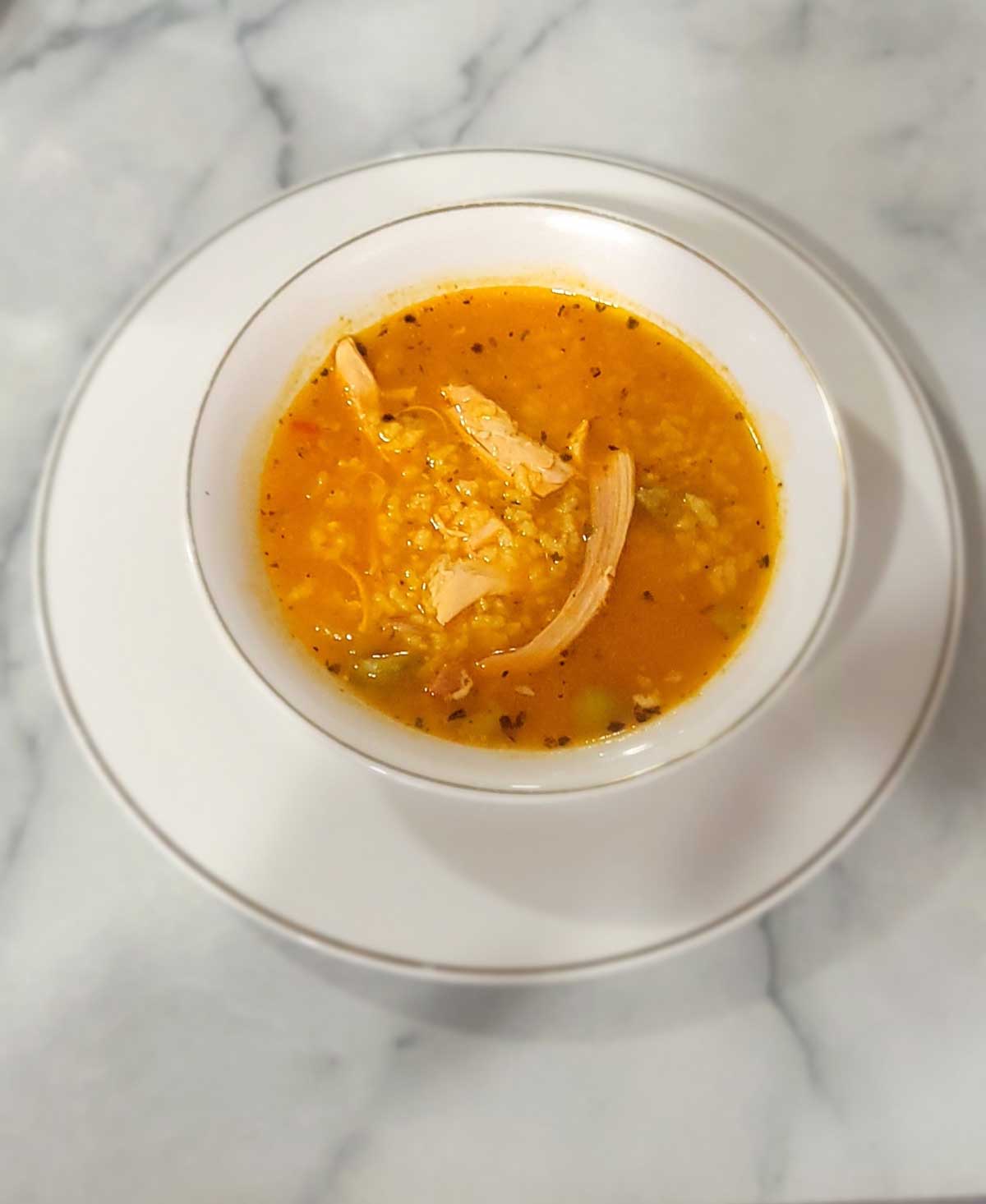
Asopao is soupy rice. Chicken is browned with sofrito and oregano, then rice cooks in plenty of broth until it swells and the pot turns thick and loose, somewhere between a soup and a risotto.
It is looser than a locrio, the Dominican rice pilaf, and it is eaten from a bowl, usually on a rainy day or when someone is sick.
Dominican cooks sometimes finish it with crispy bits of fried chicken, and a coastal version uses shrimp and coconut milk. The Puerto Rican asopao de pollo is a close cousin.
3. Mondongo

Mondongo is beef tripe, cleaned with sour orange and lime, then simmered for hours until tender.
The Dominican version is usually cooked as a stew, or mondongo guisado, thickened with tomato paste and seasoned with peppers, garlic and oregano.
It is a weekend dish, eaten with white rice and avocado, and like sancocho it has a reputation for the morning after a party.
4. Habichuelas Guisadas
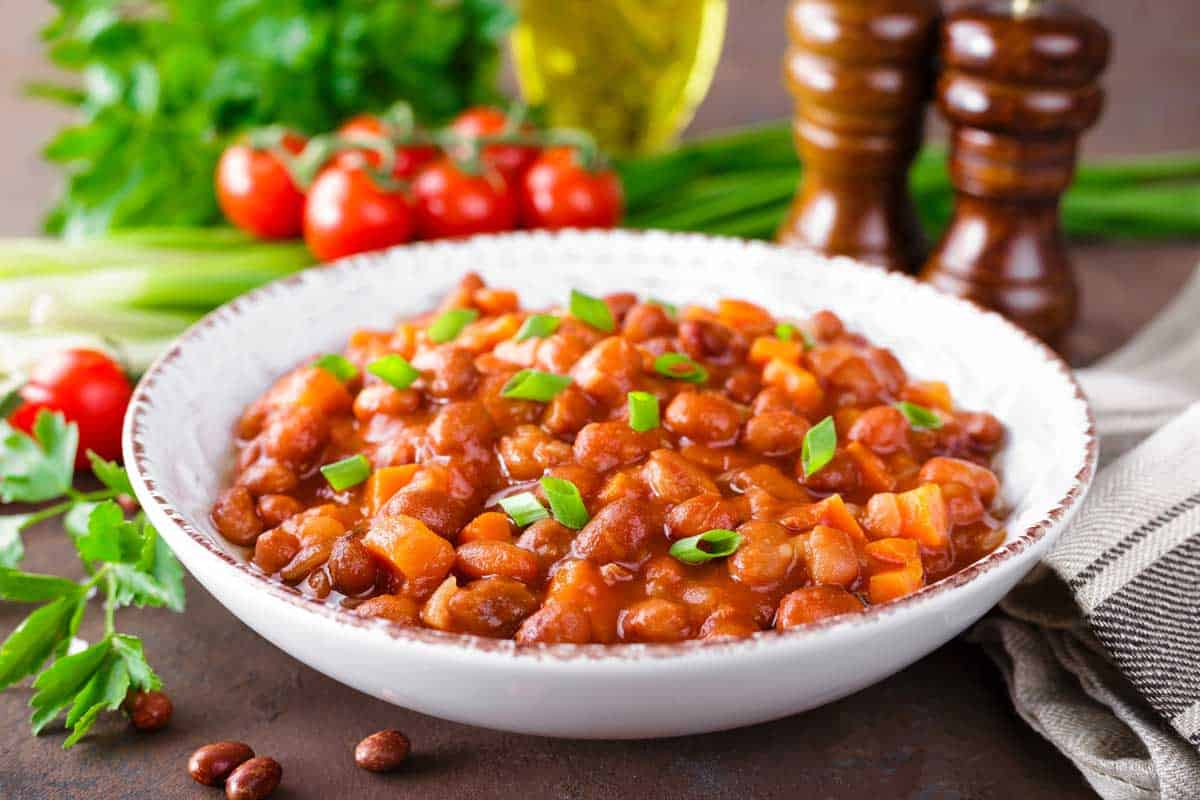
Habichuelas guisadas are the stewed beans that go over white rice in la bandera, the Dominican lunch plate.
Red kidney beans are the most common, cooked with sofrito, cilantro or culantro, oregano and cubes of auyama, which melt into the sauce and make it thick.
They are made almost every day, and every family argues about how thick they should be.
5. Pollo Guisado

Pollo guisado is braised chicken, and it is the meat most often served with rice and beans.
The chicken is marinated in lime, garlic and oregano, browned with a spoonful of sugar that caramelizes in the pot, then stewed with tomato, peppers, onion and olives until the sauce is thick.
The caramelized sugar is what gives the dish its deep brown color.
6. Carne de Res Guisada
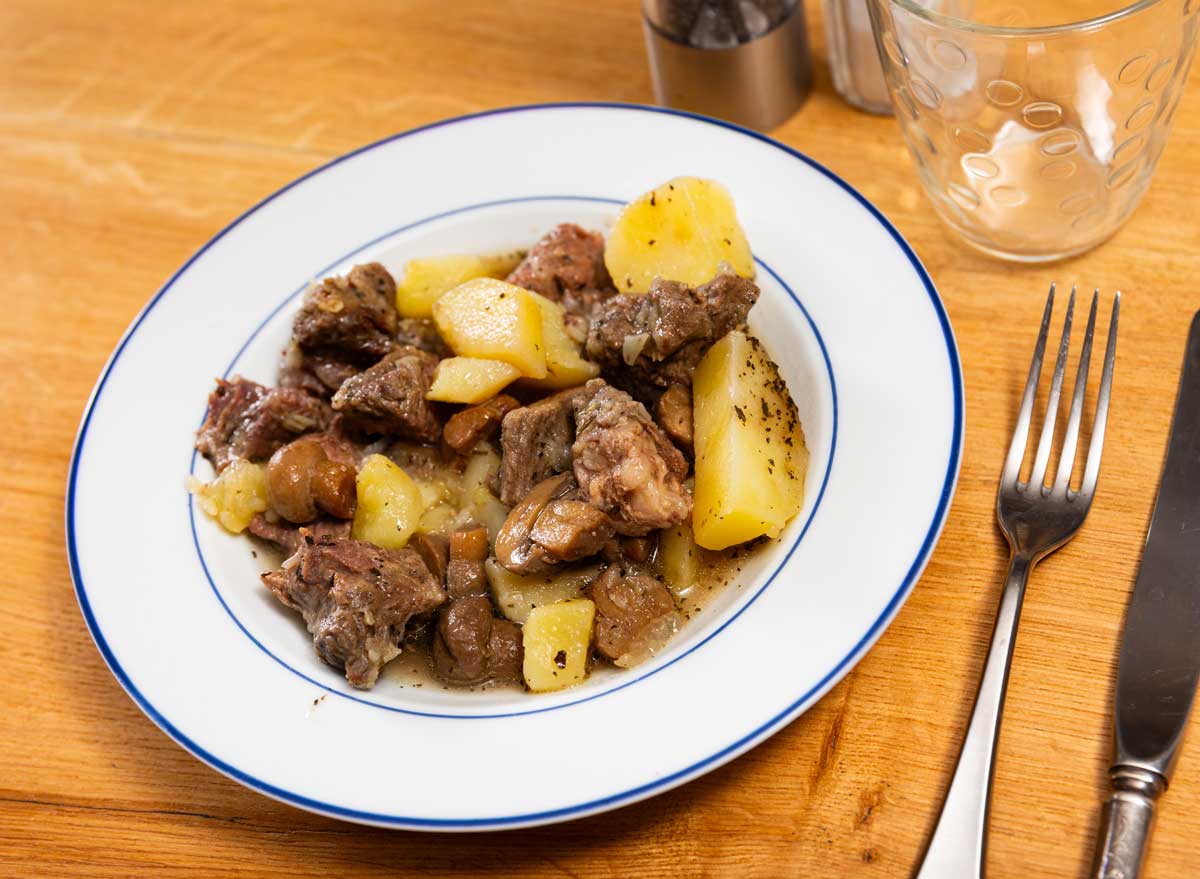
Res guisada is beef braised the same way as pollo guisado: marinated, browned with a little sugar, then stewed with tomato, peppers, garlic and oregano.
Cuts like chuck or round need a long simmer, so it is often made in a pressure cooker on weekdays.
It is served with rice and beans or with moro. Our guide to carne guisada compares it with other Latin versions.
7. Chivo Guisado Picante

Chivo guisado is goat stewed with tomato, peppers, garlic and plenty of oregano, often spiced with hot peppers.
It is the pride of Montecristi, in the dry northwest, where goats graze on wild oregano. Locals say the meat is seasoned before it ever reaches the pot.
It is eaten with red bean moro, tostones and avocado, and in the southwest near Azua with chenchén, a cracked-corn side.
8. Pescado con Coco

Pescado con coco is fish stewed in coconut milk with tomato, peppers, garlic and herbs.
It comes from the Samaná peninsula in the northeast, where coconut is part of almost every dish, and it is made with whole fish or thick fillets of snapper or grouper.
It is served with white rice or tostones to soak up the sauce.
9. Sopa de Pollo

Sopa de pollo is the Dominican answer to a cold, a hangover or a bad day.
Bone-in chicken simmers with yuca, yautía, corn on the cob, carrots and potatoes, seasoned with garlic, cilantro and culantro. Many cooks add thin noodles, or fideos, near the end.
It is a meal on its own, though many families still serve it with a small plate of white rice.
10. Chambre (Chapea)
Chambre is a one-pot meal of beans, rice, meat and root vegetables. In the south of the country the same dish is called chapea.
Unlike most Dominican stews, where rice is served on the side, the rice here cooks in the pot with pigeon peas or beans, sausage, auyama and plantain.
It is the kind of dish made to use up what is in the kitchen, and a common answer to a busy day.
11. Guandules con Coco
Guandules con coco are pigeon peas stewed in coconut milk with auyama, sofrito and herbs until creamy.
The dish comes from Samaná and has spread across the country, and guandules are a fixture of the Dominican Christmas table.
It is served over white rice, often next to a beef or chicken stew.
12. Cocido de Pata de Vaca
Cocido de pata de vaca is a hearty broth made with cow’s feet, which give the soup a rich, gelatinous body.
The feet are cooked until tender, then simmered with chickpeas, auyama, carrots, potatoes and a sofrito colored with annatto.
It is a cool-weather soup with Spanish roots, served with rice and avocado.
What Goes Into a Dominican Stew
Almost every dish on this list starts the same way. Meat is marinated in lime or sour orange, garlic and Dominican oregano, then cooked with a sofrito of onion, bell pepper, ají gustoso, cilantro and culantro.
Auyama, the Caribbean pumpkin, thickens beans and soups. Víveres, the root vegetables yuca, yautía, ñame and plantain, give sancocho its body. A spoonful of sugar browned in oil gives guisados their color.
Frequently Asked Questions
What is the national soup of the Dominican Republic?
Sancocho, especially sancocho de siete carnes, made with seven meats and root vegetables. It is served with white rice and avocado.
What is the difference between asopao and locrio?
Both cook rice with meat and seasonings, but asopao is soupy and eaten from a bowl, while locrio is a drier rice dish closer to a pilaf.
What is the difference between chambre and chapea?
They are the same dish. Chambre is the name used more in the north and chapea in the south.
What do Dominicans eat with sancocho?
White rice, sliced avocado and hot sauce. Some families add tostones or a plain green salad.
Final Dominican Soups and Stews Thoughts
Dominican stews are what hold the rest of the menu together: the beans and chicken of la bandera, the goat of Montecristi, the coconut fish of Samaná and the sancocho that closes the year.
From here, browse 42 classic Dominican dishes, the Dominican side dishes that go with them and the full Dominican food hub. For the neighbors’ versions, see Puerto Rican soups and stews, or compare with soups and stews from across Latin America.
Sources
- Clara González, Dominican Cooking, “Chambre or Chapea” and “Carne de Chivo Guisado”
- Dominican Cooking, “Guandules con Coco”
- Sabores Dominicanos, “Cocido de pata de vaca”
- Wikipedia, “Asopao”
More Dominican Foods
See all →
Jorge Garcia is the founder of AmigoFoods, where he has spent over 20 years helping readers discover authentic Latin American and Spanish cuisine. Raised in a Cuban-American household, Jorge learned to cook at the hands of his mother and grandmother, carrying forward generations of family recipes. That heritage, backed by his family’s four-generation history in the Latin food industry, inspired him to launch AmigoFoods in 2003. With more than 1,000 published articles on recipes, ingredients, and food culture, Jorge’s mission is simple: make authentic Latin cooking approachable for home cooks everywhere while honoring the traditions behind every dish.