

Mote de queso is a thick soup from Colombia’s Caribbean coast, made with ñame, salty cheese and onion-garlic sofrito. Tangy suero and lime finish a comforting bowl with soft yam and distinct pieces of cheese.
Mote de Queso at a Glance
What Is Mote de Queso?
On the Caribbean coast, mote means a thick soup, and this one is named for its cheese. It belongs to the savannas of Sucre and Córdoba, where ñame grows well in the heat and cattle country supplies the salty white queso costeño.

The story most often told in Sucre places its origin in Corozal around 1900, during the War of a Thousand Days. Families who fled the fighting are said to have survived on a simple yam soup with onion and garlic, called “sopa de candela,” and cheese was added later to make it go further. It is oral history, but it explains why mote is still a symbol of Sabana hospitality.
Mote de queso is also a Lenten dish. Because it has no meat, many coastal families eat it on Fridays before Easter.
The Three Things That Make Mote de Queso
- Ñame. A true tropical yam, with rough brown skin and dense white flesh. It is not the orange sweet potato sold as “yams” in US supermarkets. Look for it as ñame or white yam in Latin and Caribbean grocery stores.
- Queso costeño. A firm, salty fresh cheese from the Caribbean coast. It holds its shape in hot soup instead of melting into strings.
- Suero costeño. A tangy, lightly fermented cream, somewhere between sour cream and buttermilk. A spoonful stirred in at the end rounds out the soup.

Can’t find them? Many Latin markets sell Colombian-brand queso costeño and suero costeño. If not, use queso fresco with a little crumbled feta for salt, and sour cream thinned with a splash of milk. You can also buy queso costeño online.
Ingredients for Mote de Queso
This version serves six. The ñame quantity is the peeled weight.
- Soup
- 2 1/2 lb (1.1 kg) peeled ñame (true white yam), cut into 1-inch cubes
- 7 cups water to start, plus up to 3 cups more as needed
- 1 teaspoon salt, or less to taste
- 12 oz (340 g) queso costeño, cut into 1/2-inch cubes
- 1/2 cup suero costeño or sour cream
- Juice of 1 lime, to taste
- Sofrito
- 2 tablespoons butter or neutral oil
- 1 white onion, finely chopped
- 4 green onions, finely chopped
- 4 garlic cloves, minced
- 1 ripe tomato, grated, optional
- 1/2 teaspoon ground cumin, optional
Wear gloves if raw ñame irritates your skin. Use food-grade true yam from a grocery store and cook until completely tender.
How to Make Mote de Queso
- Put the peeled, cubed ñame in a 6–8-quart pot with 7 cups water and the salt. Bring to a boil, skim the foam, then simmer gently for 35–45 minutes until very soft. Add hot water as needed to keep the yam covered.
- Mash about half the yam in the pot, leaving some soft pieces. Adjust with additional hot water as needed; the soup should be creamy rather than watery.
- While the yam cooks, melt the butter or heat the oil in a skillet. Soften the white onion and green onions for about 5 minutes. Add the garlic and optional tomato and cumin; cook another 3 minutes.
- Stir the sofrito into the soup and simmer for 10 minutes. Reduce the heat, add the cheese cubes and warm for 3–5 minutes. The cheese should soften while keeping some shape.
- Remove from the heat. Stir in the suero or sour cream and lime juice to taste. Check the salt after adding the salty cheese. Serve hot with rice, patacones or avocado.

Serves 6. Allow about 20 minutes preparation and 65 minutes cooking, 1 hour 25 minutes overall; larger or firmer yam pieces may need longer. Start with 7 cups water and add more gradually rather than using all 10 cups at once. Ñame is a true yam, not an orange sweet potato. Gloves can help prevent skin irritation while peeling; cook the yam until fully tender.
Queso fresco with a little feta can substitute for queso costeño, though the flavor and texture differ. Tomato and cumin are optional variations. Check cheese for animal rennet if serving vegetarians. Refrigerate shallow portions within 2 hours and keep up to 4 days. Reheat gently to 165°F (74°C), stirring and adding water as needed.
Recipe cross-check: Erica Dinho’s mote de queso. Cheese, sofrito and suero choices vary among coastal cooks.
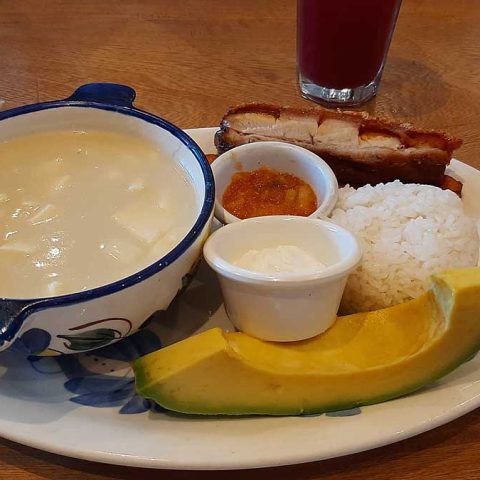
Mote de Queso
A thick Colombian Caribbean soup of ñame, salty cheese, onion-garlic sofrito and tangy suero.
Ingredients
Soup
- 2 1/2 lb (1.1 kg) peeled ñame (true white yam), cut into 1-inch cubes
- 7 cups water to start, plus up to 3 cups more as needed
- 1 teaspoon salt, or less to taste
- 12 oz (340 g) queso costeño, cut into 1/2-inch cubes
- 1/2 cup suero costeño or sour cream
- Juice of 1 lime, to taste
Sofrito
- 2 tablespoons butter or neutral oil
- 1 white onion, finely chopped
- 4 green onions, finely chopped
- 4 garlic cloves, minced
- 1 ripe tomato, grated, optional
- 1/2 teaspoon ground cumin, optional
Instructions
- Put the peeled, cubed ñame in a 6–8-quart pot with 7 cups water and the salt. Bring to a boil, skim the foam, then simmer gently for 35–45 minutes until very soft. Add hot water as needed to keep the yam covered.
- Mash about half the yam in the pot, leaving some soft pieces. Adjust with additional hot water as needed; the soup should be creamy rather than watery.
- While the yam cooks, melt the butter or heat the oil in a skillet. Soften the white onion and green onions for about 5 minutes. Add the garlic and optional tomato and cumin; cook another 3 minutes.
- Stir the sofrito into the soup and simmer for 10 minutes. Reduce the heat, add the cheese cubes and warm for 3–5 minutes. The cheese should soften while keeping some shape.
- Remove from the heat. Stir in the suero or sour cream and lime juice to taste. Check the salt after adding the salty cheese. Serve hot with rice, patacones or avocado.
Notes
Serves 6. Allow about 20 minutes preparation and 65 minutes cooking, 1 hour 25 minutes overall; larger or firmer yam pieces may need longer. Start with 7 cups water and add more gradually rather than using all 10 cups at once. Ñame is a true yam, not an orange sweet potato. Gloves can help prevent skin irritation while peeling; cook the yam until fully tender.
Queso fresco with a little feta can substitute for queso costeño, though the flavor and texture differ. Tomato and cumin are optional variations. Check cheese for animal rennet if serving vegetarians. Refrigerate shallow portions within 2 hours and keep up to 4 days. Reheat gently to 165°F (74°C), stirring and adding water as needed.
Tips for the Best Mote de Queso
- Cook the ñame until it falls apart. Undercooked ñame will not thicken the soup. It should crush easily with a spoon.
- Do not boil the cheese. Add it at the end over low heat. A hard boil can make its texture rubbery or cause it to break down; behavior depends on the cheese.
- Salt at the end. Queso costeño varies a lot in saltiness. Taste after the cheese goes in.
- Add the lime off the heat. It keeps the flavor bright, and it cuts the richness of the cheese.
- Thin it the next day. Leftovers set up thick in the fridge. Reheat gently with a little water.
What to Serve With Mote de Queso
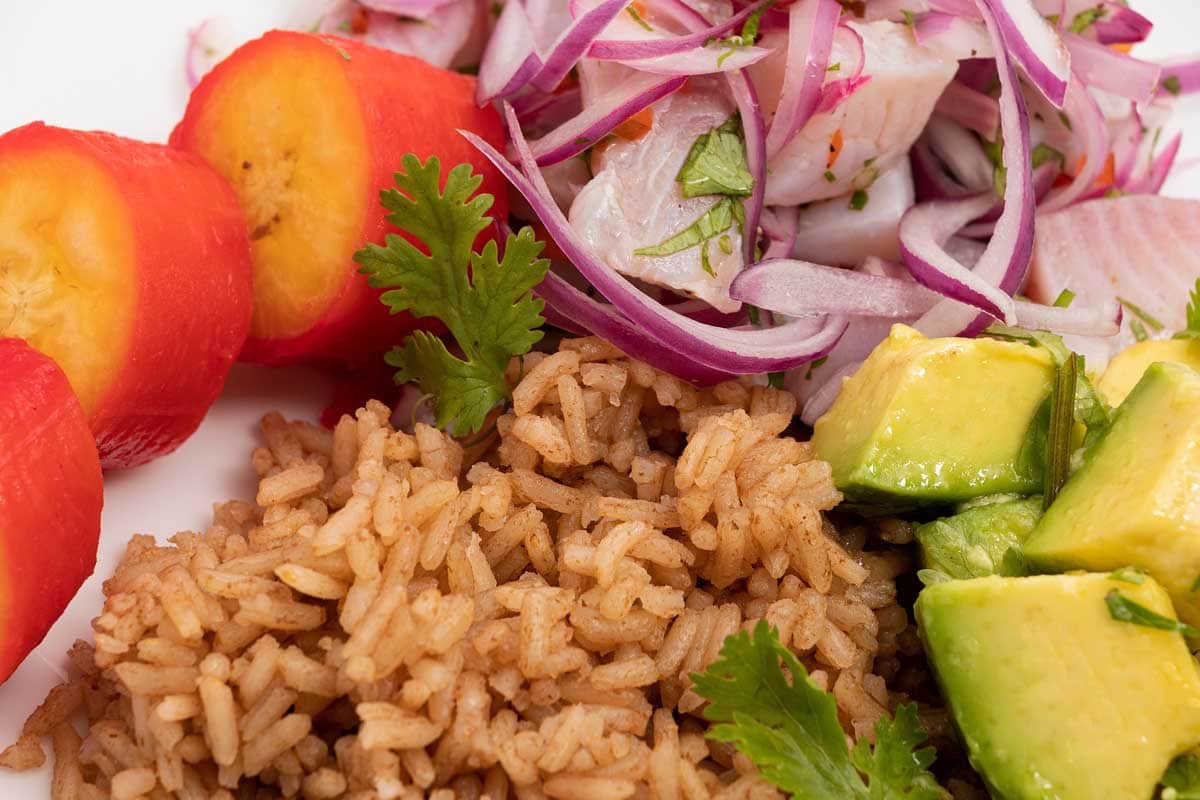
On the coast, a bowl of mote usually comes with:
- White rice or arroz con coco
- Crispy patacones, the smashed fried green plantains
- Sliced avocado
- On non-Lenten days, a few pieces of chicharrón
- A cold limonada de coco
Mote de Queso vs. Other Cheese Soups
Cheese soups turn up across Latin America, but they are built differently. Nicaragua’s sopa de queso puts the cheese into corn dumplings floated in broth. Mote de queso puts cubes of cheese straight into a thick yam base. The closest relative at home in Colombia is ajiaco, which uses potatoes instead of ñame for body.
Mote de Queso FAQs
What is ñame?
Ñame is a true yam, a starchy tropical tuber with rough brown skin and white flesh. It is not the same as the sweet potatoes labeled “yams” in US supermarkets, which will make a sweet, orange soup.
What can I use instead of ñame?
Russet potatoes can make a different, lighter soup. Yuca and malanga require their own preparation and cooking guidance, so use a recipe written for those roots rather than substituting them directly here.
What cheese is best for mote de queso?
Queso costeño is traditional because it is salty and holds its shape. Queso fresco mixed with a little feta is the closest substitute. Avoid melting cheeses like mozzarella.
Is mote de queso vegetarian?
The traditional version has no meat and is made with water rather than stock, which is why it is eaten during Lent. Check the label on your cheese if you avoid animal rennet, and serve chicharrón on the side if you want meat.
Why is it called mote?
On Colombia’s Caribbean coast, mote refers to a thick soup. Elsewhere in the Andes, the same word means hominy or cooked grain, so the name can be confusing.
More Colombian Soups
Mote de queso is one of the 12 traditional Colombian soups, and you can find the rest on our Colombian soup and stew recipes page. From the same coast, try cazuela de mariscos, or make the everyday Colombian pot of sancocho. You can also browse soups and stews from across Latin America and Spain or explore all Colombian food.
More Colombian Foods
See all →
Jorge Garcia is the founder of AmigoFoods, where he has spent over 20 years helping readers discover authentic Latin American and Spanish cuisine. Raised in a Cuban-American household, Jorge learned to cook at the hands of his mother and grandmother, carrying forward generations of family recipes. That heritage, backed by his family’s four-generation history in the Latin food industry, inspired him to launch AmigoFoods in 2003. With more than 1,000 published articles on recipes, ingredients, and food culture, Jorge’s mission is simple: make authentic Latin cooking approachable for home cooks everywhere while honoring the traditions behind every dish.